«The American administration expected the Palestinians to reject the deal of the century»
Pal-Think hosted Hady Amr, researcher at the Brookings Institution, in the dialogue «The deal of the century: causes and consequences», under the project «The Palestinian question's place on the regional and international scene» with the Friedrich Ebert Foundation.
- Date
- 2020-03-04
“Pal-Think” hosts Hady Amr, researcher at the Brookings Institution, to speak about the deal of the century.
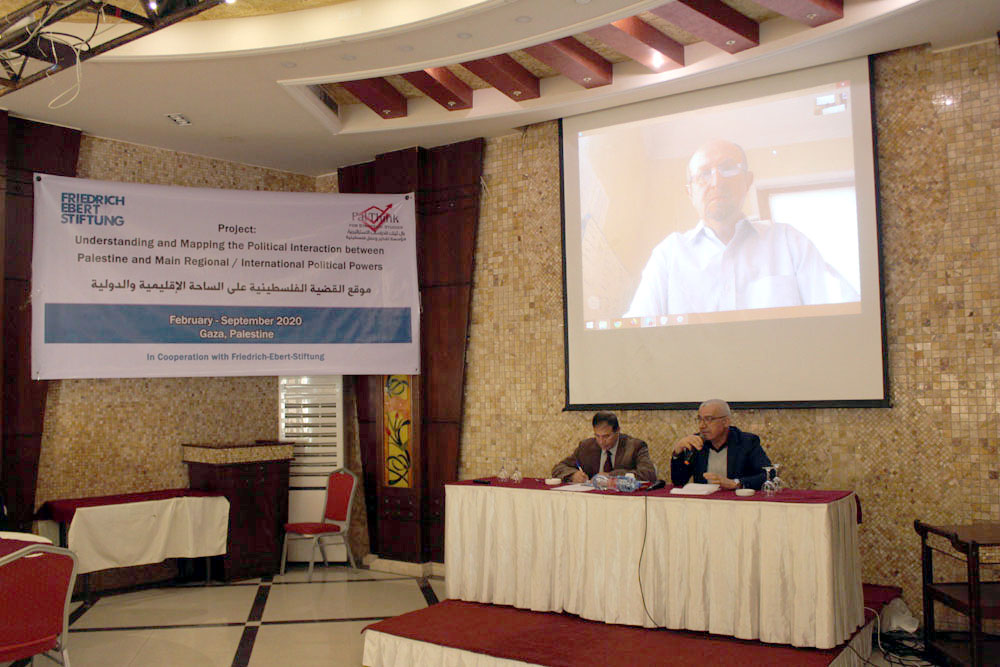
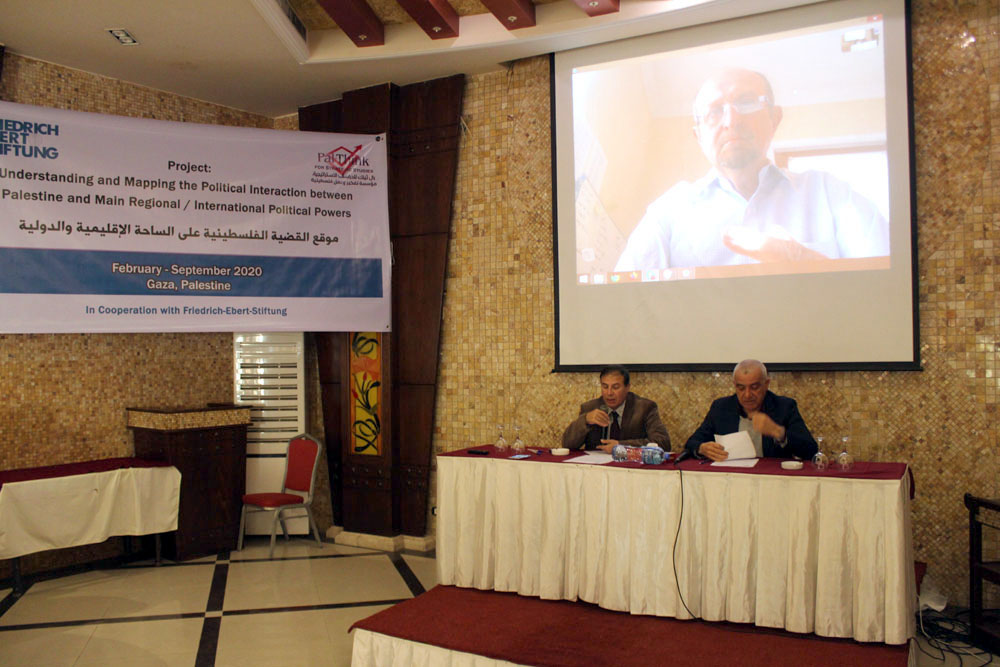
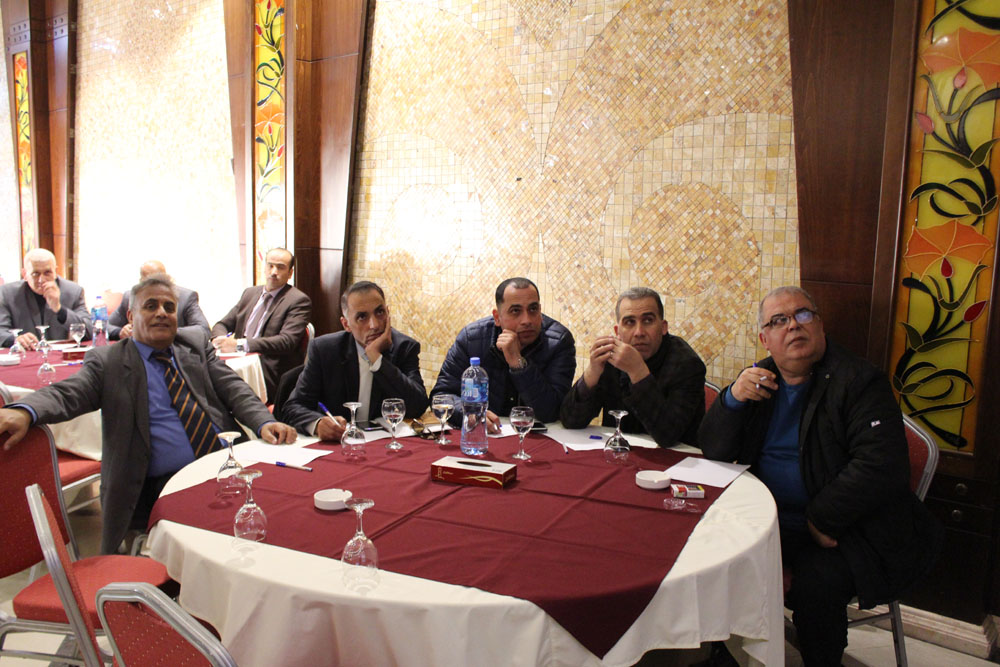
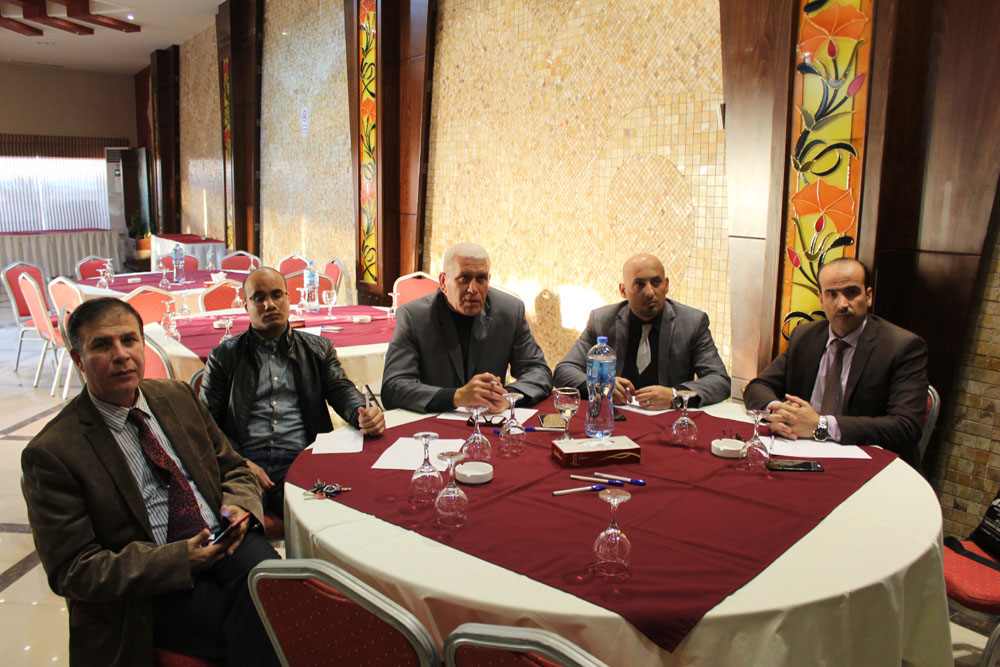
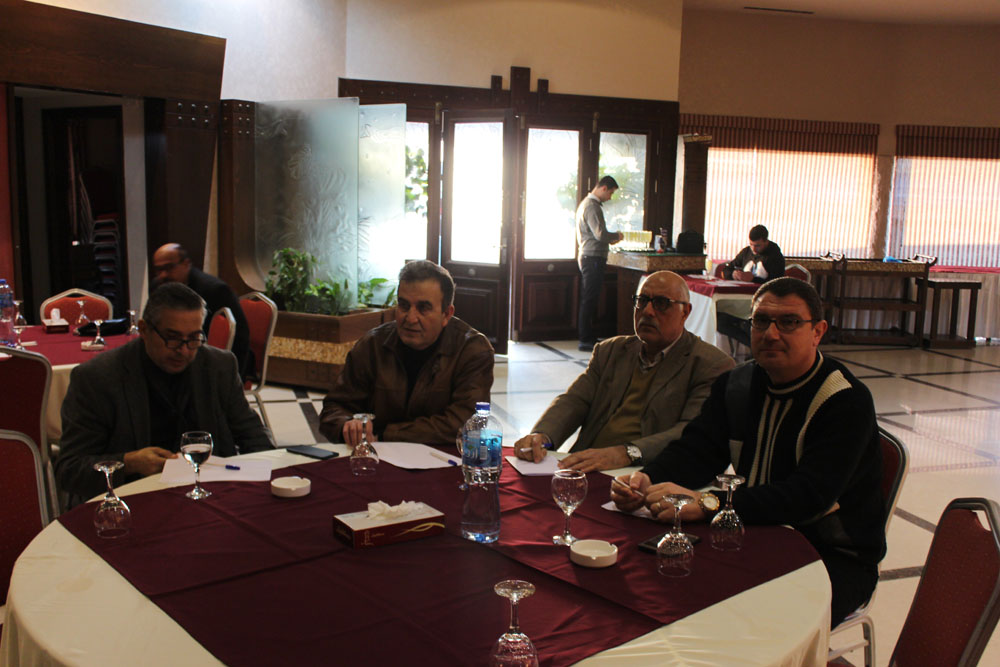
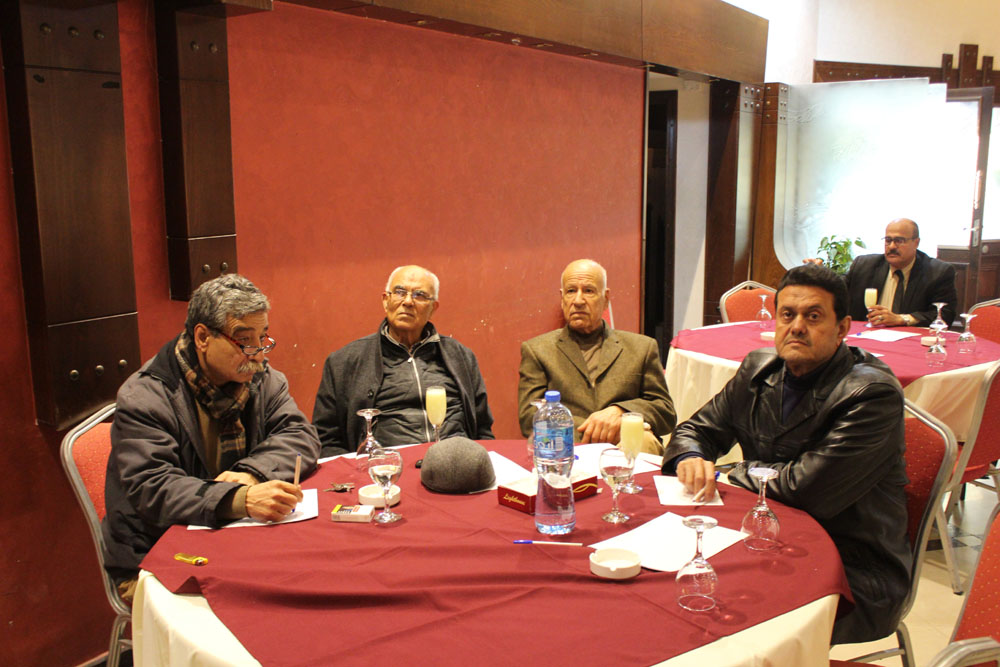
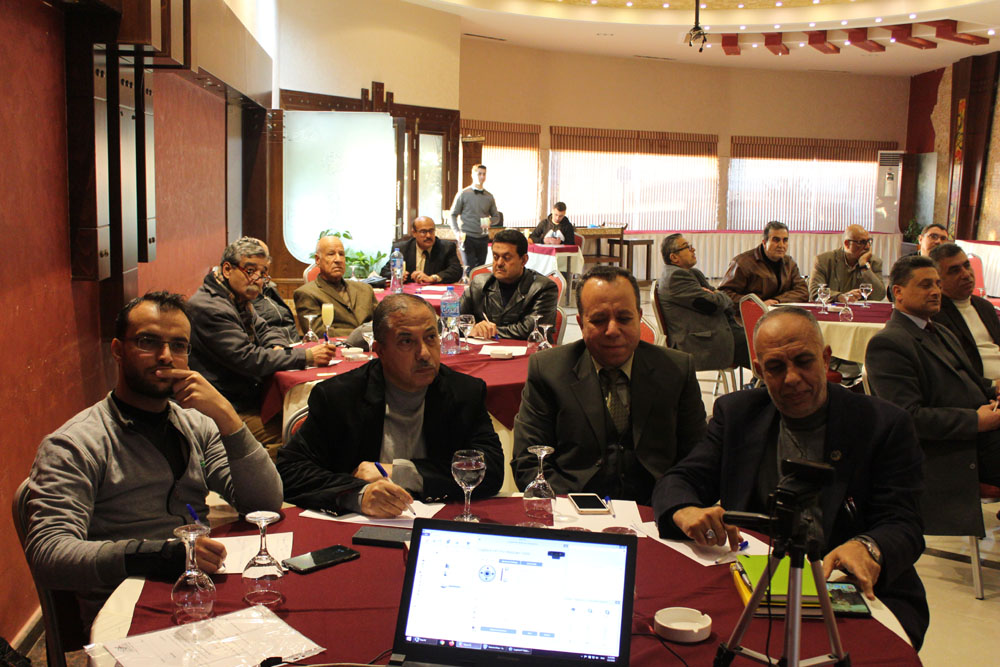
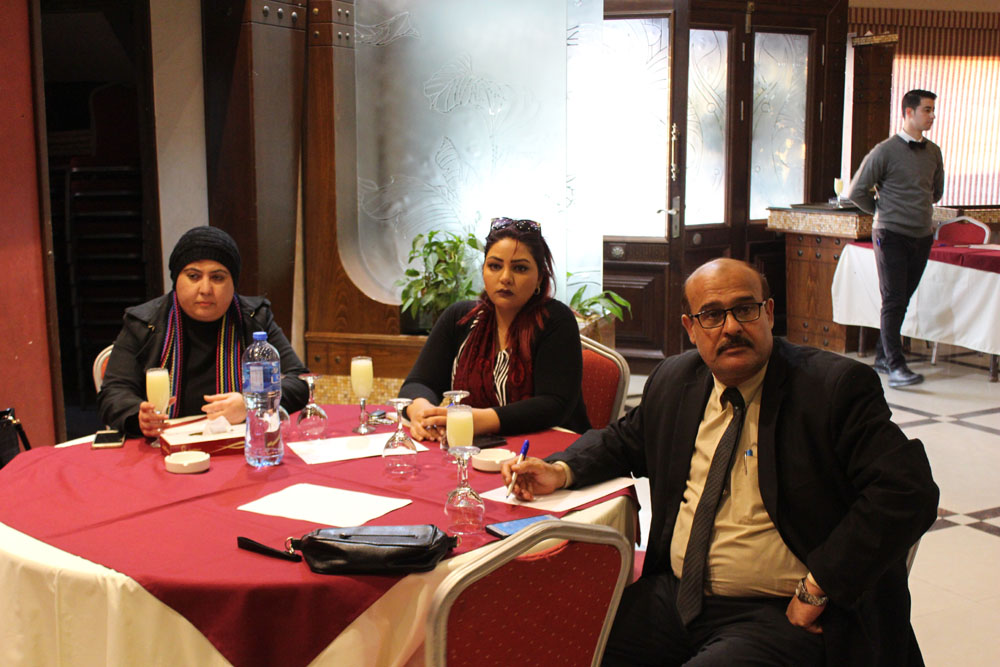
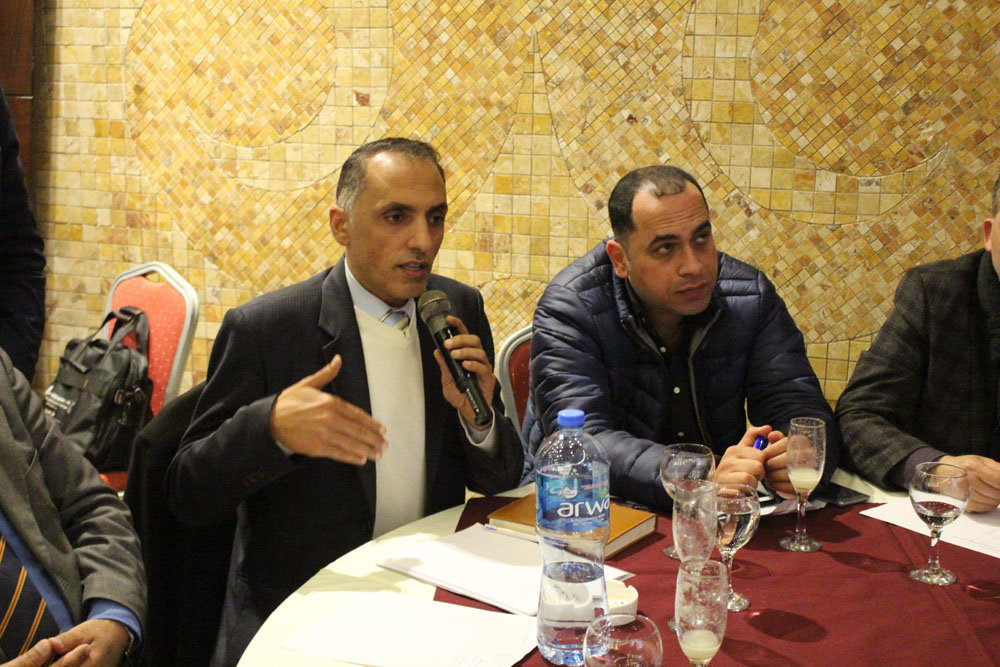
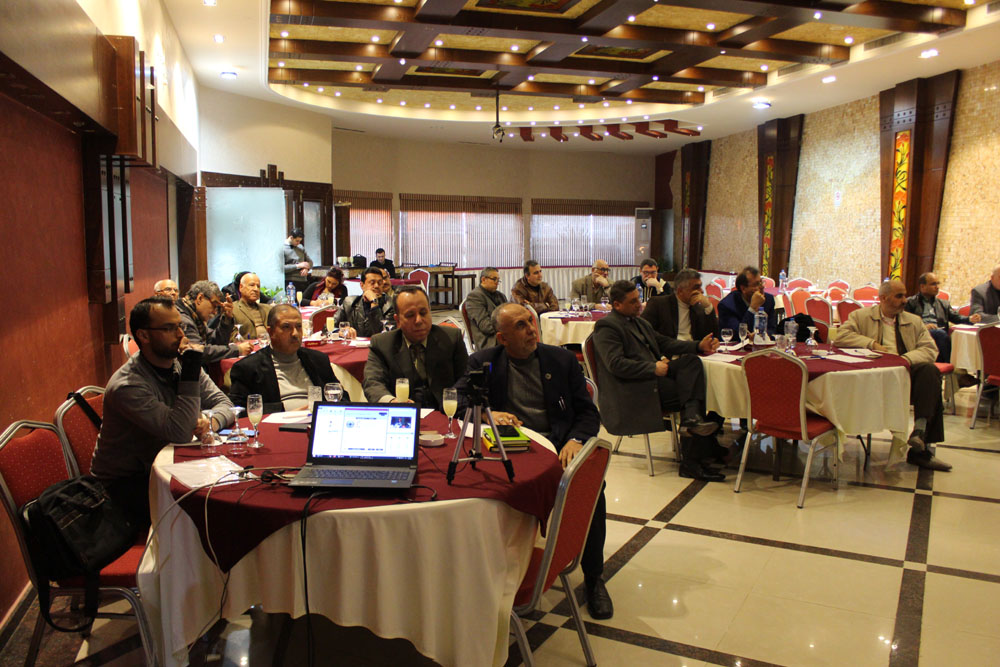
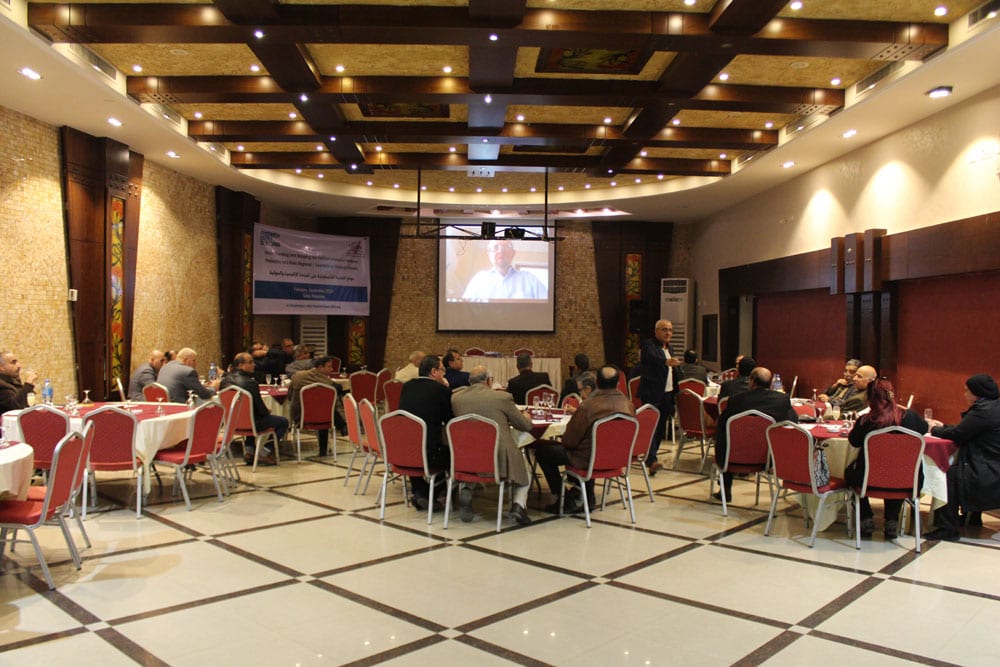
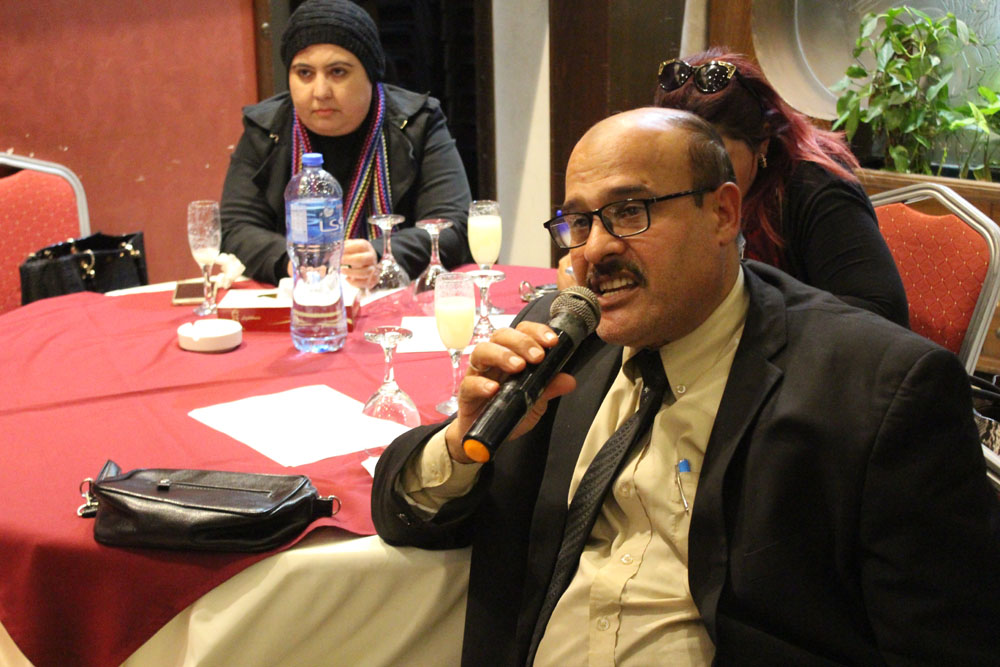
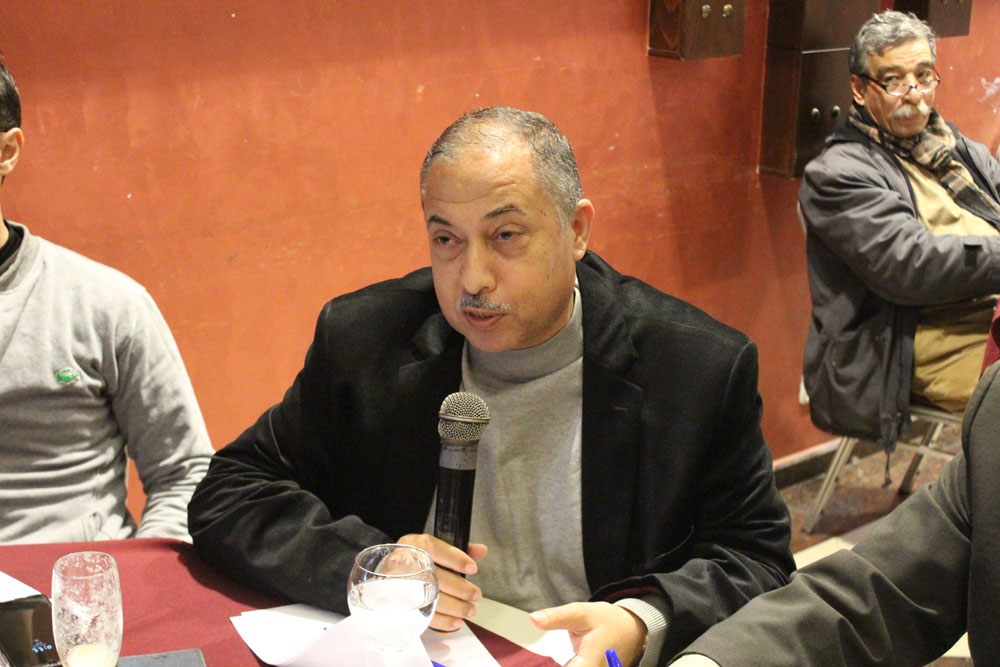
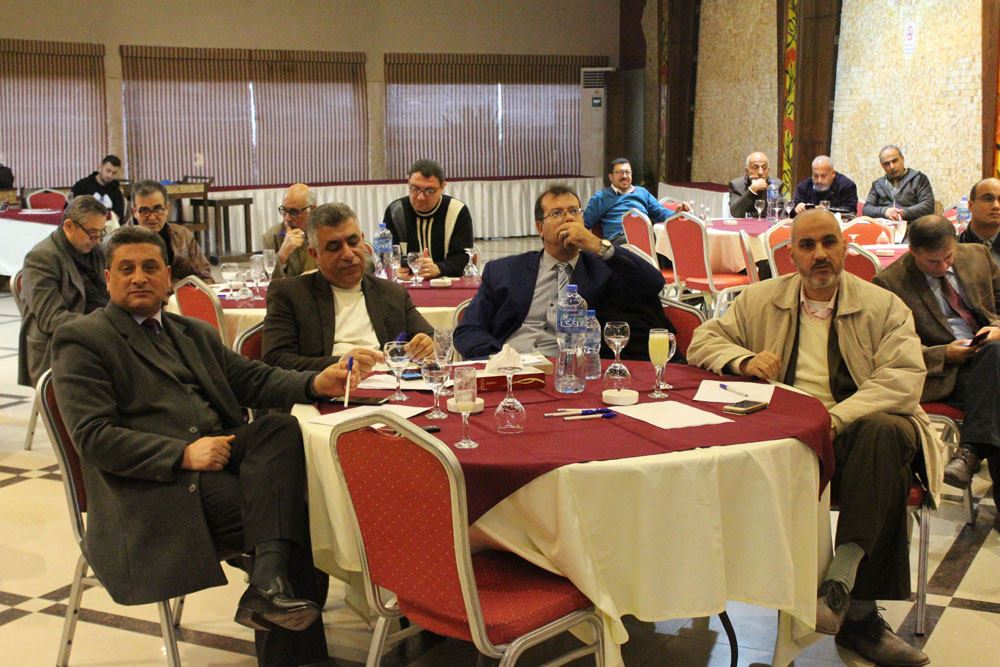
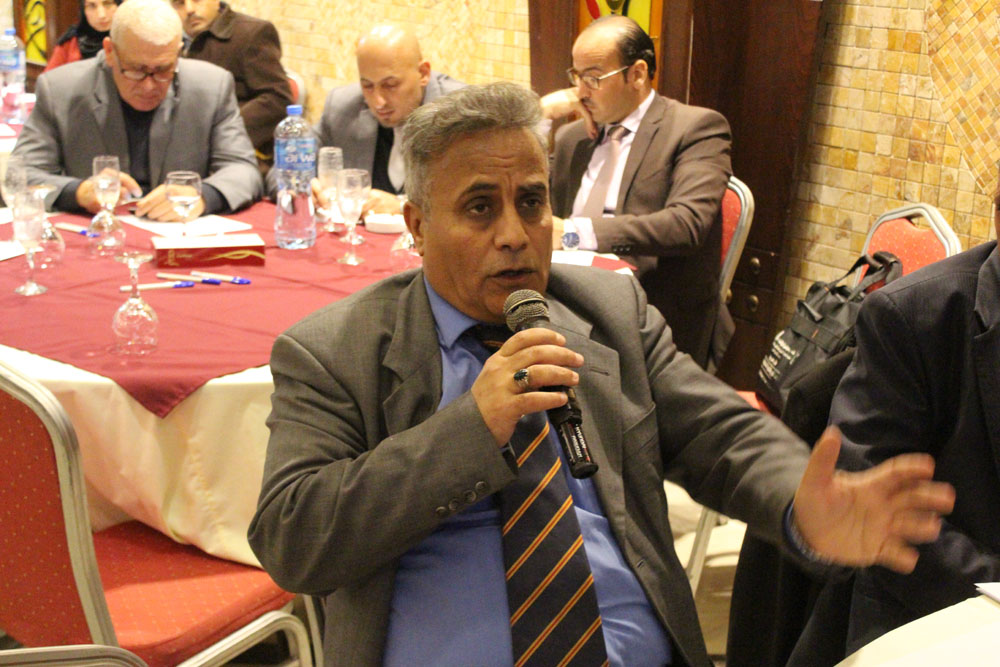
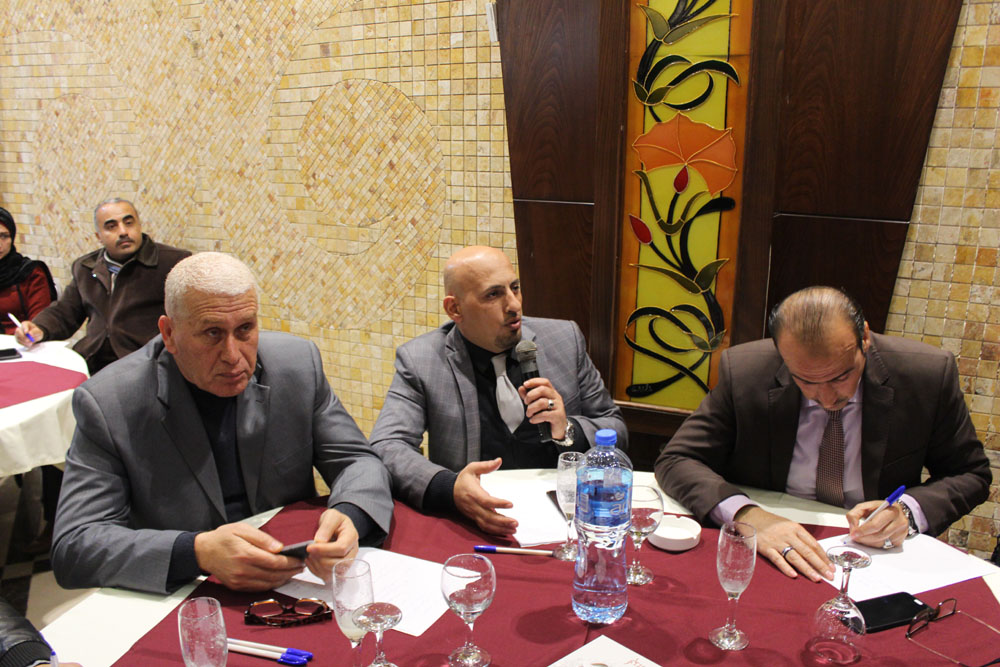
“Pal-Think for Strategic Studies” carried out a dialogue session titled “The deal of the century: the causes and the repercussions” within the project “The position of the Palestinian cause on the regional and international arena”, in cooperation with the German “Friedrich Ebert” foundation, with the attendance of an elite of academics, researchers, and writers — within “Pal-Think's” efforts in strengthening dialogue and discussion about the international and regional issues related to the Palestinian cause.
The session hosted via Skype Mr Hady Amr, researcher at the Brookings Institution in Washington, and previously deputy special representative for the Palestinian–Israeli negotiations in the era of the former American president Barack Obama.
The session was opened by the director of “Pal-Think”, Mr Omar Shaban, welcoming the attendees, and he said: “This meeting comes within Pal-Think's work in partnership with the German Friedrich foundation to shed light on the developments under way in the world and the region connected with the Palestinian cause, to improve the fields of dialogue in Palestine in general and the Gaza Strip in particular.”
For his part, the programmes director of the “German Friedrich Ebert” foundation in the Gaza Strip, Dr Osama Antar, began his talk by saying: “We take great pride in the partnership with Pal-Think to carry out programmes unique of their kind. We will speak today of the successive events and developments connected with the deal of the century, because from my viewpoint there was not, from the political side nor from decision-makers or the intellectuals, a suitable reaction to the deal of the century — because the concept of refusal for the sake of refusal is insufficient, and this deal is not for acceptance or refusal, but for how we as Palestinians can deal with the political transformations under way.”
In his turn, Mr Hady Amr, researcher at the Brookings Institution, said: “Trump's plan has intense opposition from the two parties, Democratic and Republican, in the United States, and from many of the American think institutions, and also from prestigious political personalities such as: the former peace envoy Martin Indyk, who believes this plan is inapplicable.”
He added: “Trump's plan was drafted by the Israelis and the Americans in full coordination between them, and it has several goals: the first is enabling Netanyahu to win the current Israeli elections; the second goal is winning the loyalty of the extreme and religious right in America to help Trump win the coming presidential elections; and the third goal relates to the settlers in the West Bank, for the great influence they have in the making of Israeli policy.
He continued: “The form of the coming American administration will determine how the deal of the century is applied, because if Trump wins the elections the deal of the century will be applied for five coming years — therefore any coming administration of the Democrats will certainly be better than the current Trump administration. Trump is the Republican president most hated by the Democrats in America's history, and what increased their hatred of him is his strong friendship with Netanyahu. Everything that pleases Trump does not please the Democrats.”
He added, correcting: “The American administration knew that the Palestinians would refuse this plan, but they hoped that through it the negotiation process between the Palestinians and the Israelis would begin. Also the Palestinian leadership knew that the Trump administration would publish this plan — why did it not publish a Palestinian plan as an alternative to Trump's plan? It is true that President Abu Mazen delivered a year ago at the United Nations a splendid speech, but this is not enough; the Palestinians were supposed to publish a written plan comprising precise details of the vision of all the Palestinians.”
Mr Hady listened to varying answers from the attendees in reply to a question he put to them, namely: “Why is there no unified vision for all the Palestinians?”.
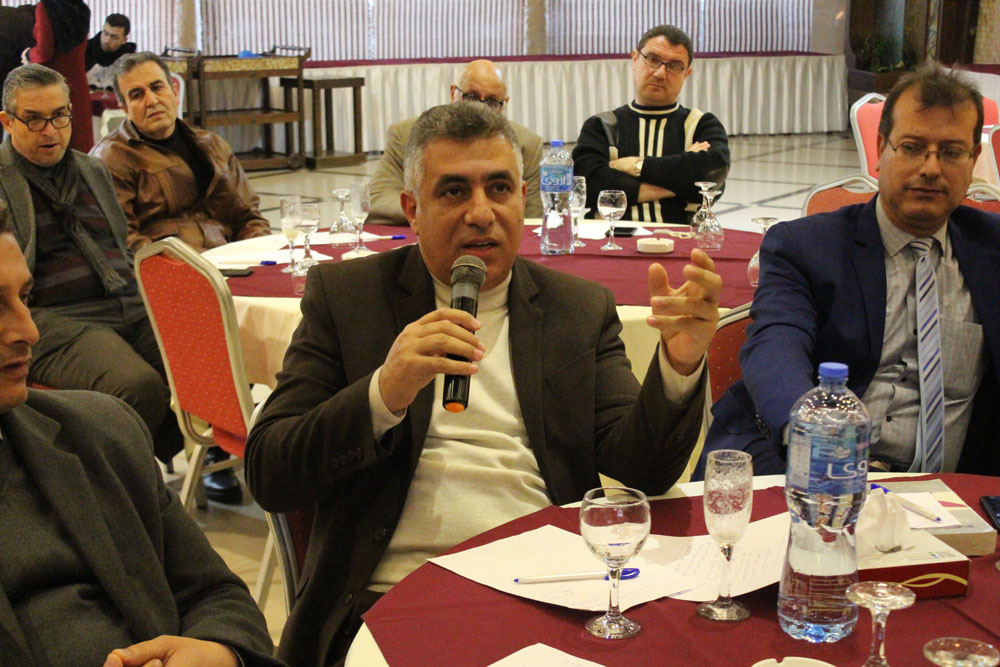
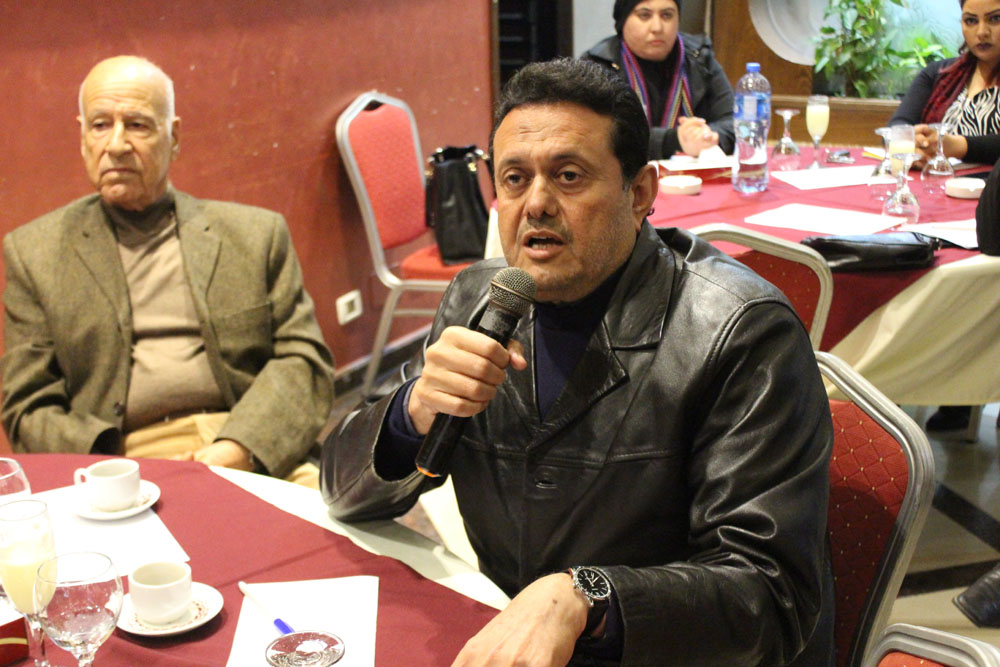
The attendees' questions turned on the possibility of President “Trump” winning a second presidential term and the effect of that on the application of the deal of the century; on the form of the coming American administration's policy toward Palestine; on the role of the Arab community in America in confronting the deal of the century; the Democrats' position, should they win the elections, on the two-state solution and the deal of the century; and on the reason for the similarity of the Republicans' and Democrats' vision of the final solution of the Palestinian cause during the past decades and its difference during the few years just passed.
This session comes in completion of the role of the “Pal-Think” institution, continuing since 2007, as a civil institution that seeks to deepen dialogue and discussion in Palestine, through holding periodic dialogue sessions with international experts and policy-makers, to break the cultural isolation from the Gaza Strip.