US policy towards Palestine over a hundred years
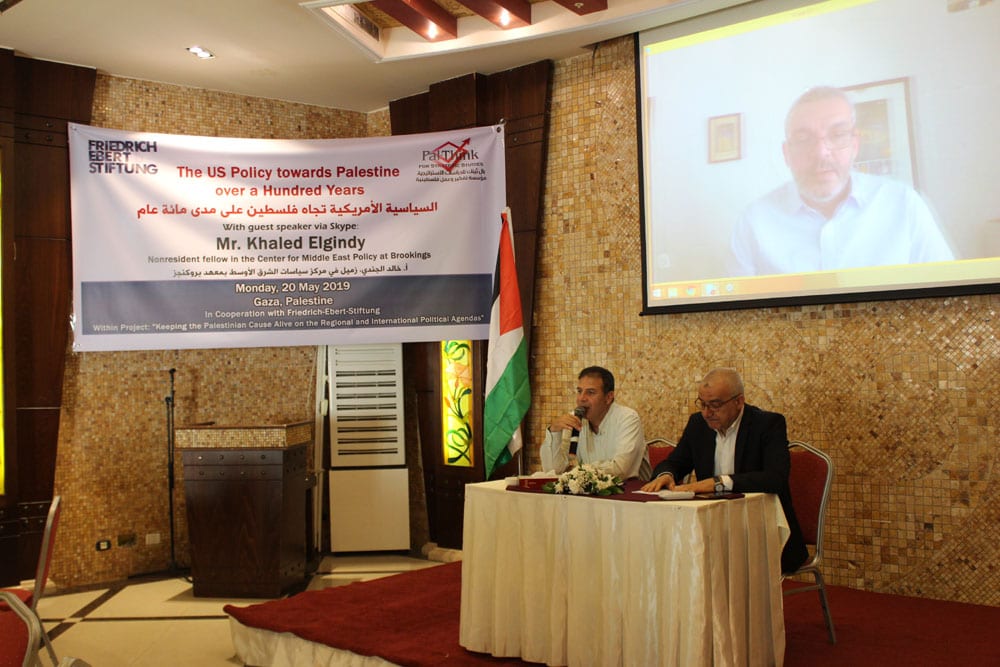
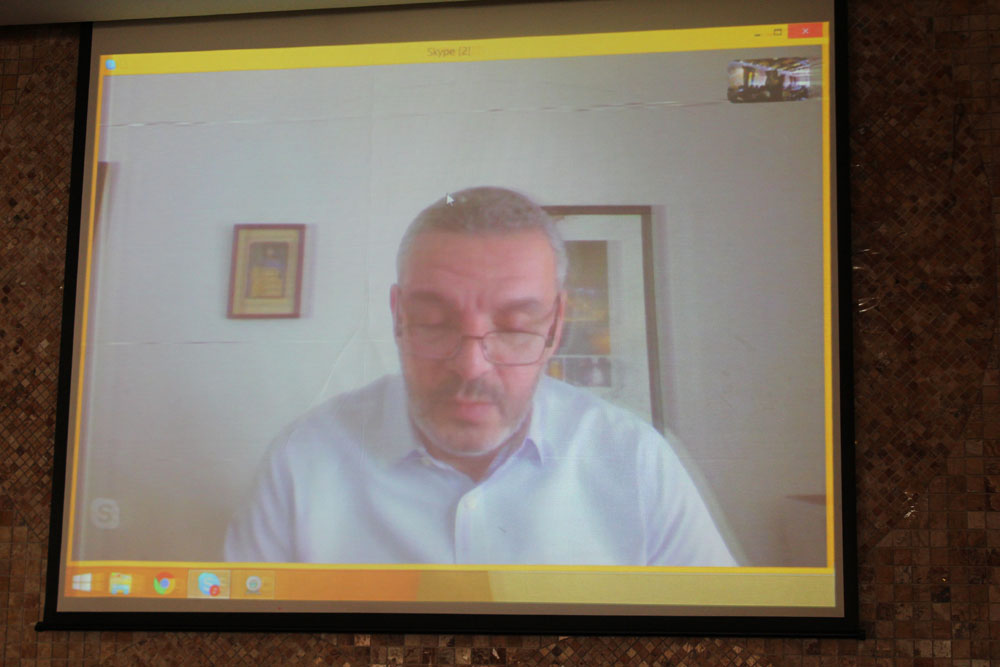
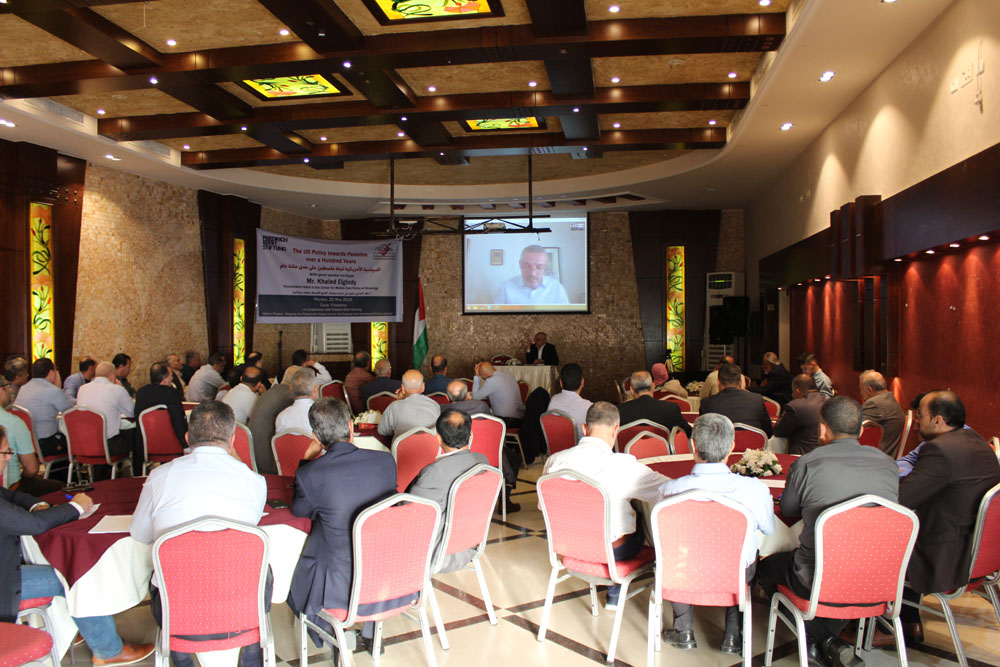
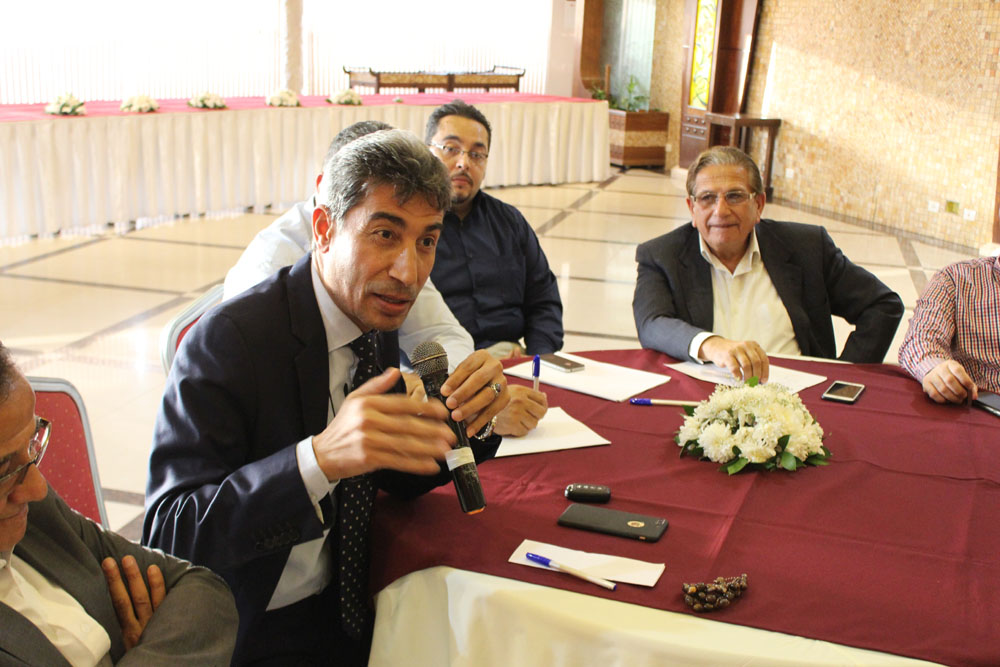
Pal-Think and the Friedrich Ebert Foundation held the dialogue «US policy towards Palestine over a hundred years», hosting by Skype from Washington Khaled Elgindy, author of «Blind Spot: America and the Palestinians».
- Date
- 2019-11-16
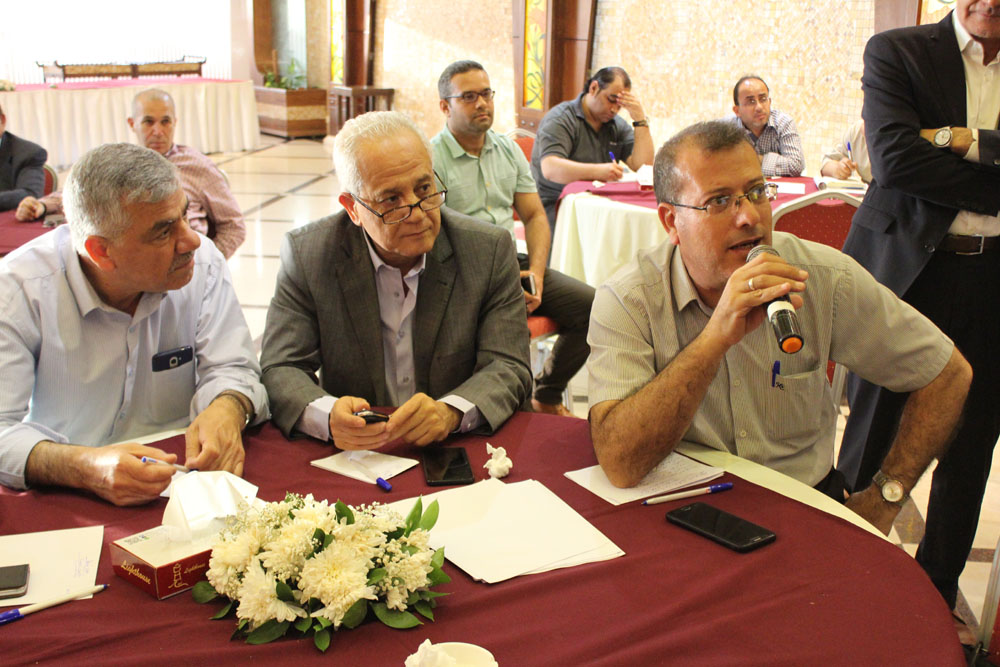
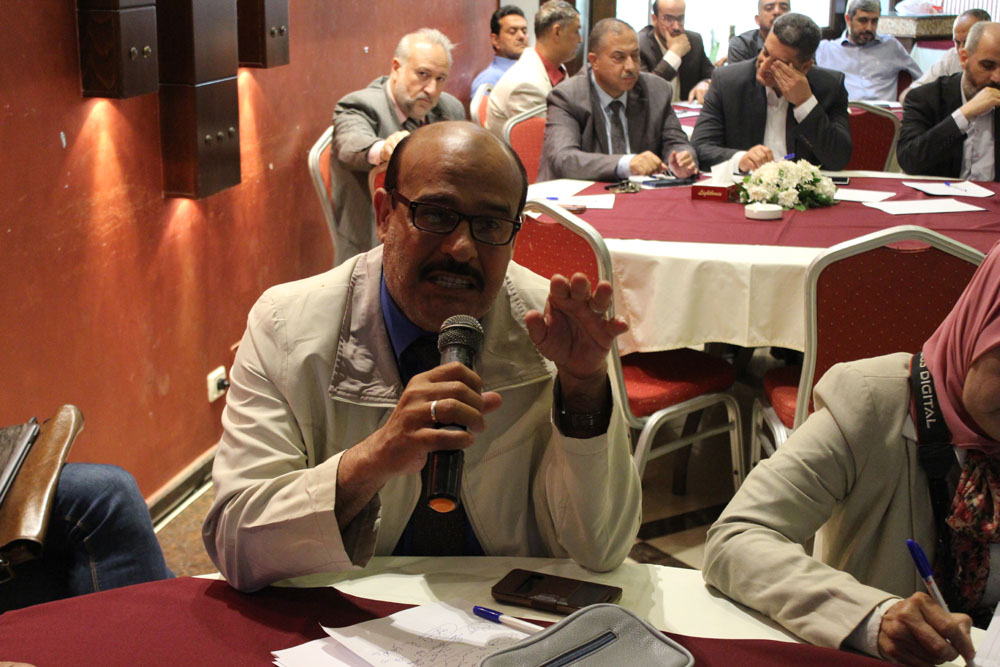
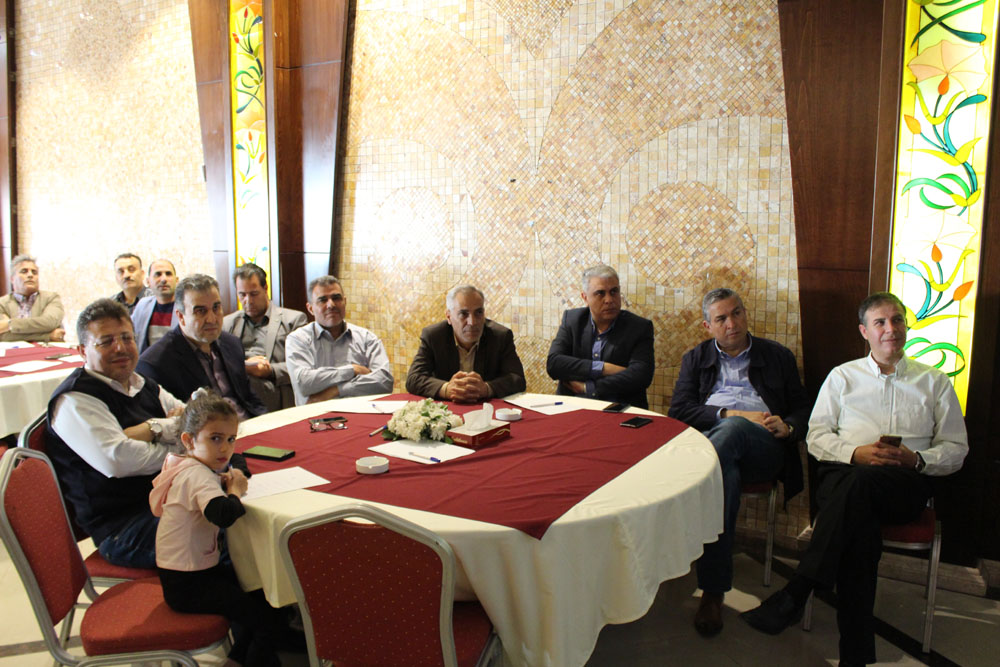
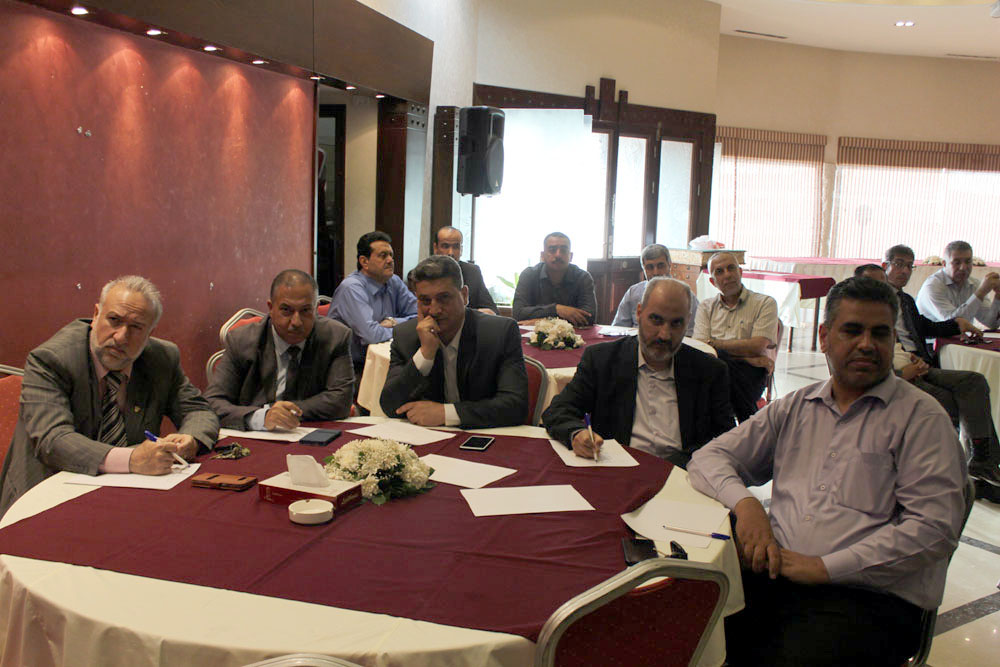
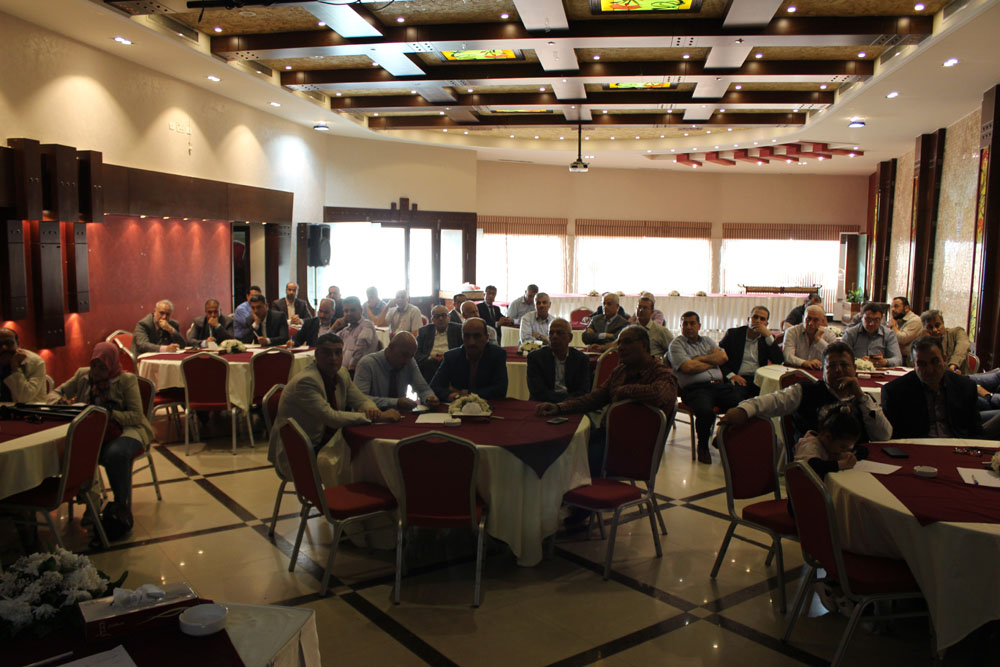
The Pal-Think for Strategic Studies institution, in cooperation with the German Friedrich Ebert foundation in Gaza City, organised a dialogue session on “American policy toward Palestine over the course of a hundred years”, which hosted via Skype Mr Khaled Elgindy from Washington, author of the book “Blind Spot: America and the Palestinians, from Balfour to Trump”.
Mr Omar Shaban, chairman of the board of the Pal-Think institution, welcomed the attendees, stressing the importance of these periodic sessions and dialogues with experts around the world, and opened the dialogue session by asking how to understand American policy while we are on the threshold of the deal of the century, and what are the criteria that shaped
the relation with the Palestinians since the Balfour Declaration, and how we can benefit from history in understanding American policy. In his turn, Dr Osama Antar, programmes director of the Friedrich Ebert foundation in the Gaza Strip, welcomed the varied attendance from all the political and intellectual spectra, and affirmed the importance of taking up these subjects with greater care and depth, which serves the Palestinian cause.
Mr Khaled Elgindy spoke of how American policy deals with the file of the Palestinian-Israeli negotiations from the principle of equality in the balance of power, and is subject in most cases to the balances of the internal politics of the American administration, which reflect in general on the course of the negotiation process — whereas the sound negotiator must distinguish between the positions and the power of the two sides. And it is observed that the American administration always tries to enter through the gate of the humanitarian and economic side and to overlook the origin of the problem, which is the Israeli occupation.
Elgindy sees that the peace process rested on two premises. The first premise: Israel's security, with the Palestinians required to give guarantees and to move from the Liberation Organisation to the state — but this premise practically gave Israel the sufficient period to impose fait-accompli policies on the ground to fortify its occupation. As for the second premise of the peace process, it aimed at making Palestinian politics credible through the Oslo agreement and not through the people, and this led to placing pressures on the weak side, and this conflicts with the sound basis of managing negotiations; and this policy led to weakening the Palestinian Authority and perpetuating the Palestinian division by way of imposing the conditions of the international Quartet.
Elgindy sees that American policy is governed by three principles: 1) the existence of a strong Zionist lobby 2) the existence of a Congress sympathetic to Israel 3) the disparities and contradictions between the components of the executive class in the American administration.
Elgindy describes Trump's policy as resting on reshaping the peace process to suit the new givens on the ground, and Trump sees no contradiction in his proposition, for he sets out from reality and the recognition of what exists. Some see that Trump is returning the cause to what preceded Oslo, but practically he is returning it to what preceded 1967 — and this was the direct cause of the writing of my new book, from Balfour to Trump.
In his reply to the attendees' interventions, Elgindy sees that all the American administrations were far from reality, but the Trump administration is utterly far from realism and the matter may grow worse. He adds that there are two forces in the American administration: the force of the State Department and American diplomacy, and the force of the intelligence and the security agencies, who strive to take policies that serve American security first regarding American foreign policy. He sees that the perspective of vision of foreign policy of the president and his advisers is affected by the internal politics, contrary to the perspective of the State Department and American diplomacy, and this clarifies the principle of the disparities in policy-making. He adds by saying that the stronger the Congress, the more it has the capacity to limit the president's aspirations, and the Congress has often played the role of the spoiler; accordingly the president is bound to please everyone inside the American administration.
In his reply to a question about the religious role in American politics, Elgindy affirms that there is an ideological and cultural environment that shapes this religious role: the United States is a Protestant state, and religion has a great role in American politics and life, and this stood out in the way the Congress took up the Balfour Declaration, which sees the Bible as a historical document that transcends the Palestinian context.
In some interventions, some of the attendees see that Trump is the most serious president in finding a solution for the Palestinian cause, regardless of whether it is a just or unjust solution, contrary to the previous administrations, which only managed the conflict; while some see that American policy cannot be reduced to the person of the American president, but is rather the making of the American state of institutions.
Elgindy concludes by replying to a question about the changes in the Democratic Party and the possibility of building upon them, by saying that there is a noticeable change in the American leftist mood, and even if it is somewhat weak, it can have an effect on the ground and through its political channels in the Congress. Regarding the reflection of American policy and the nearness of the proposal of what is known as the deal of the century, Elgindy sees that the Palestinians must work on finding alternatives and not place all the weight in the American basket, and work on repairing the internal house and agreeing on a programme of national consensus.