Pal-Think concludes the «Preparing a Civic Intellectual» training programme
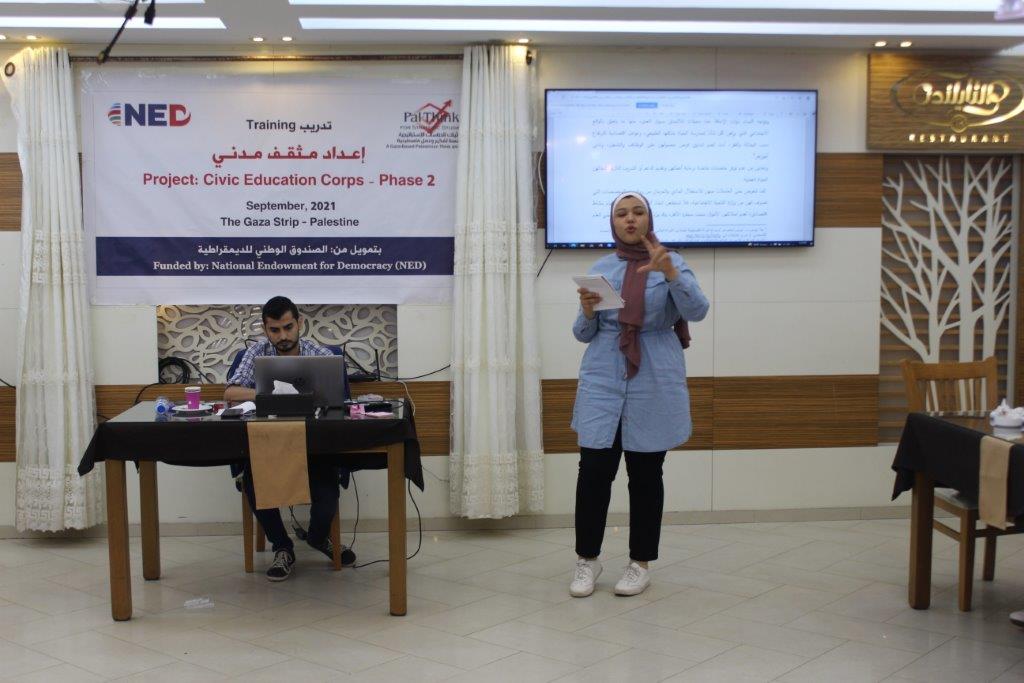
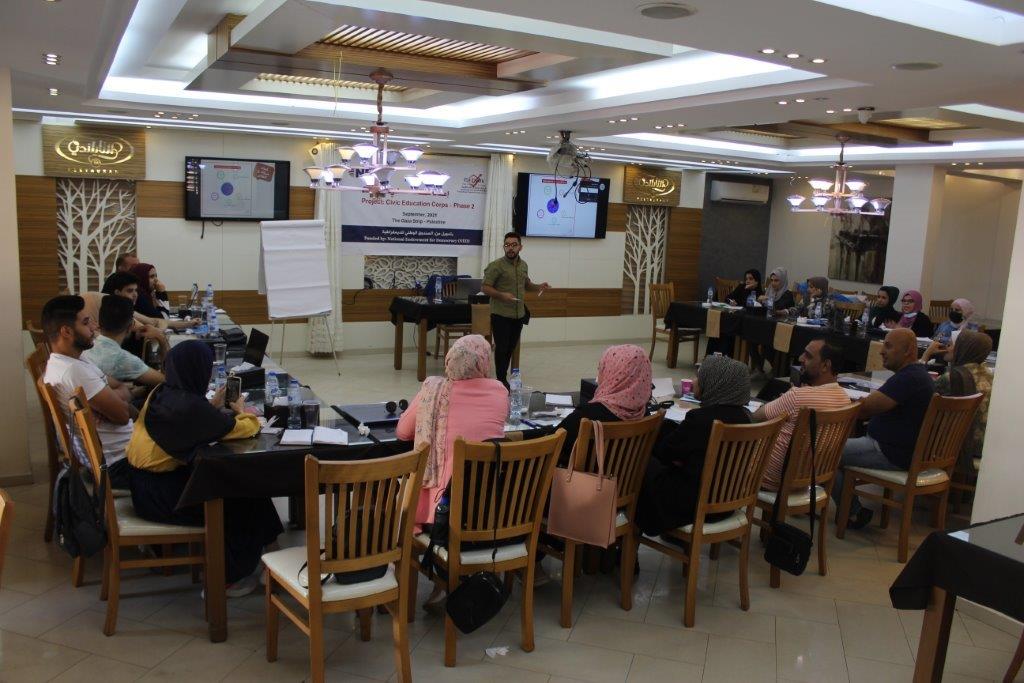
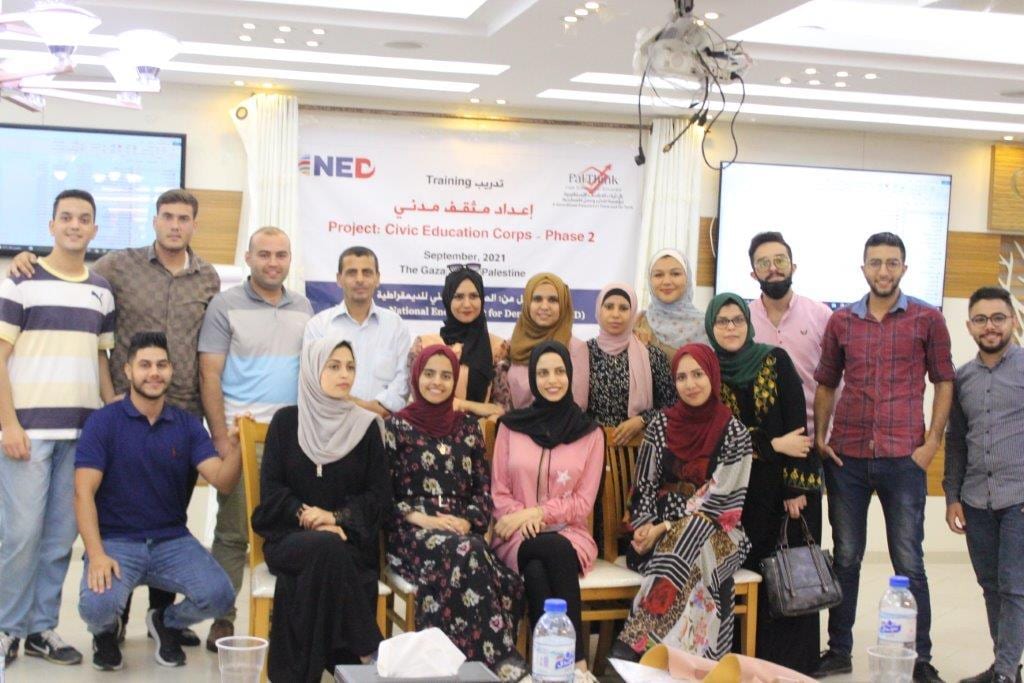
Pal-Think concluded the specialised «Preparing a Civic Intellectual» programme for 25 university students and fresh graduates, developing their research and knowledge skills in human rights, political participation and civic culture.
- Date
- 2021-09-16
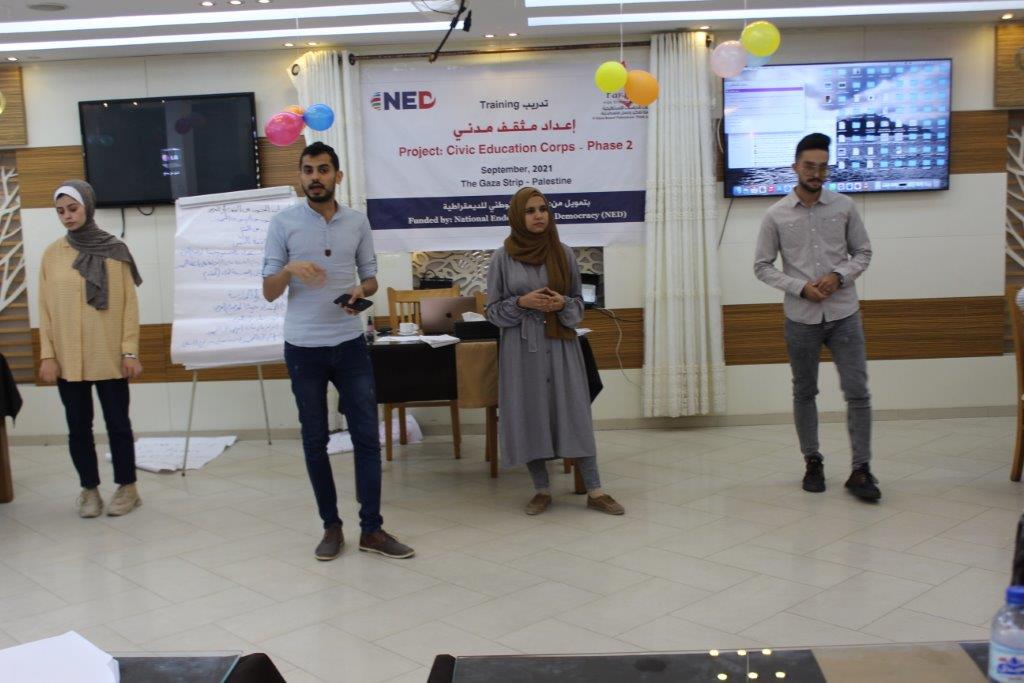
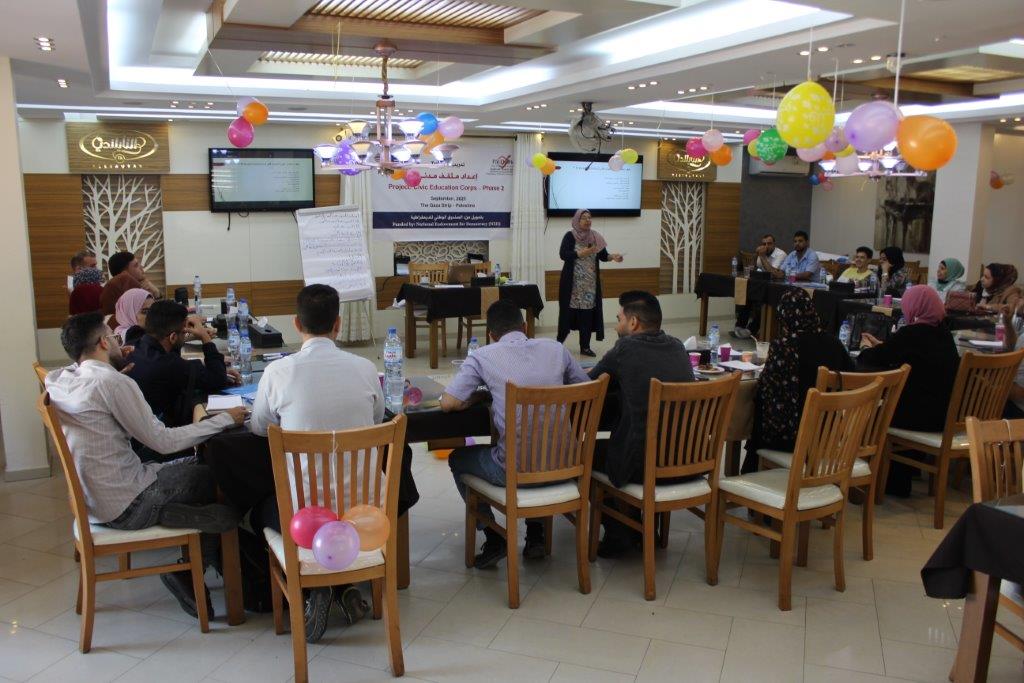
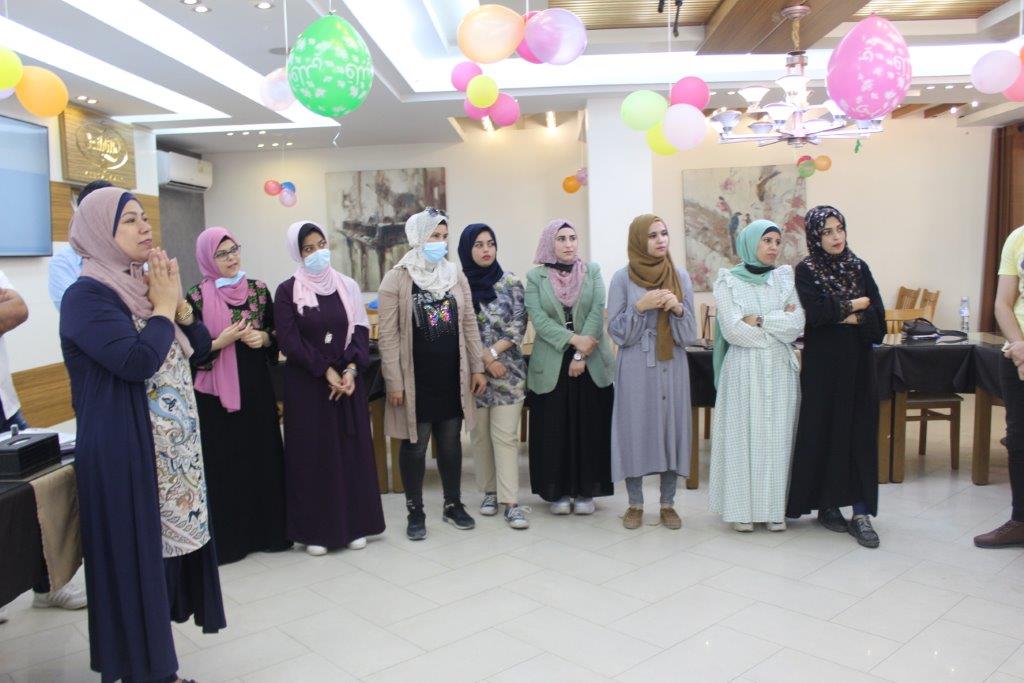
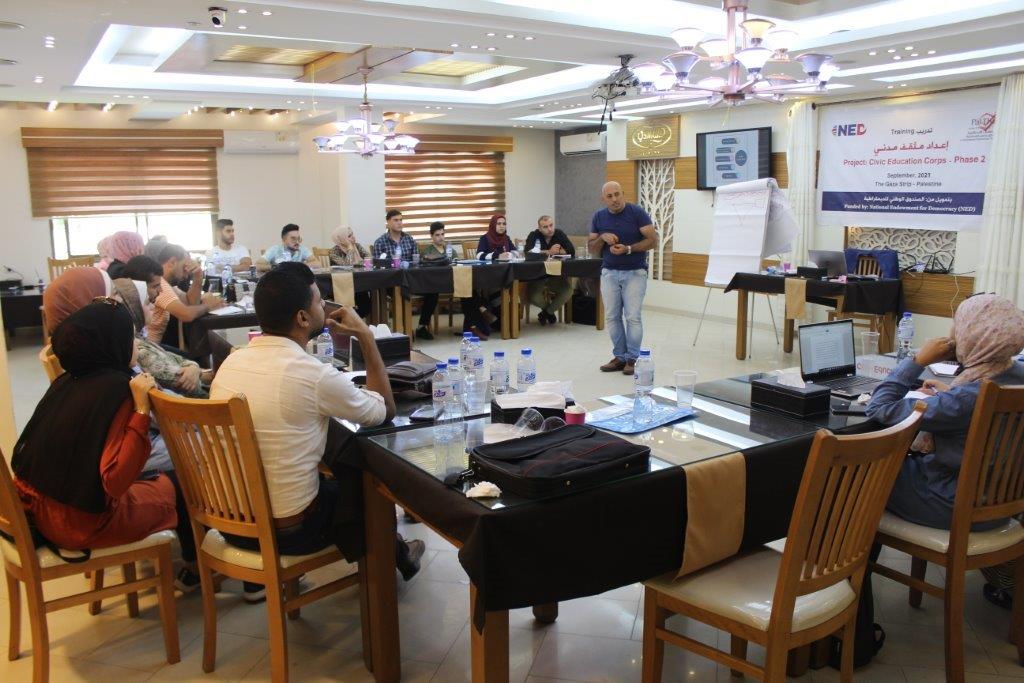
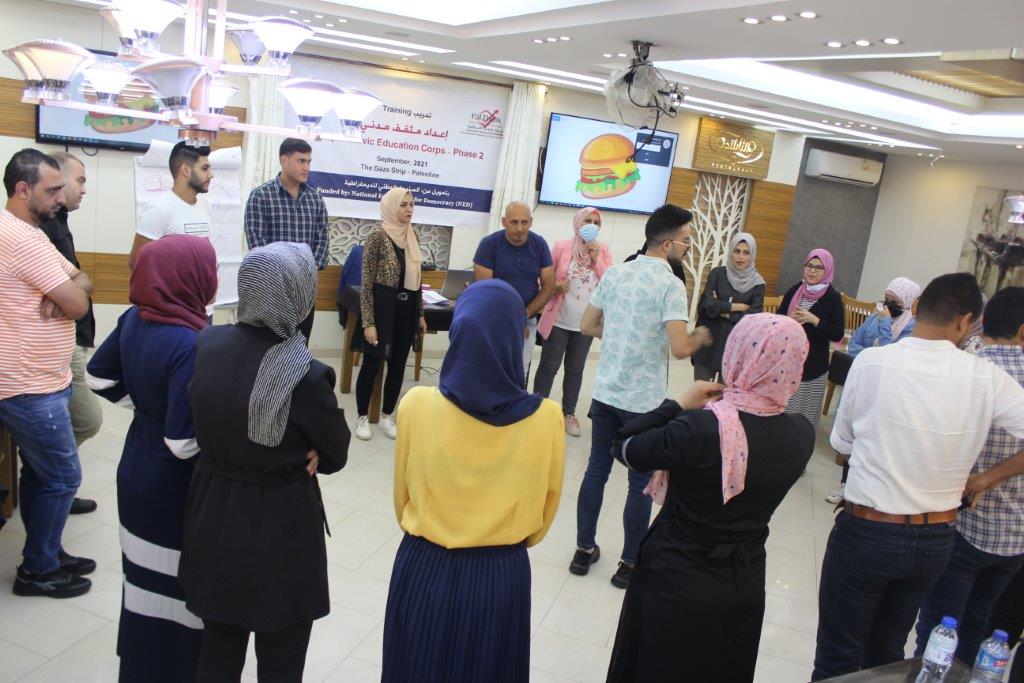
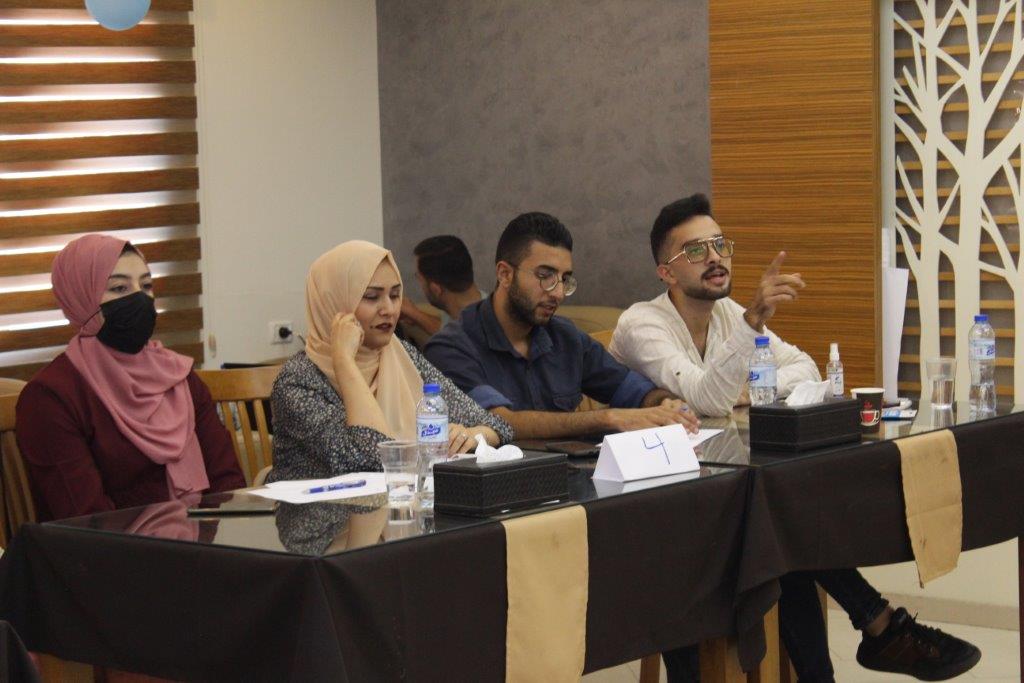
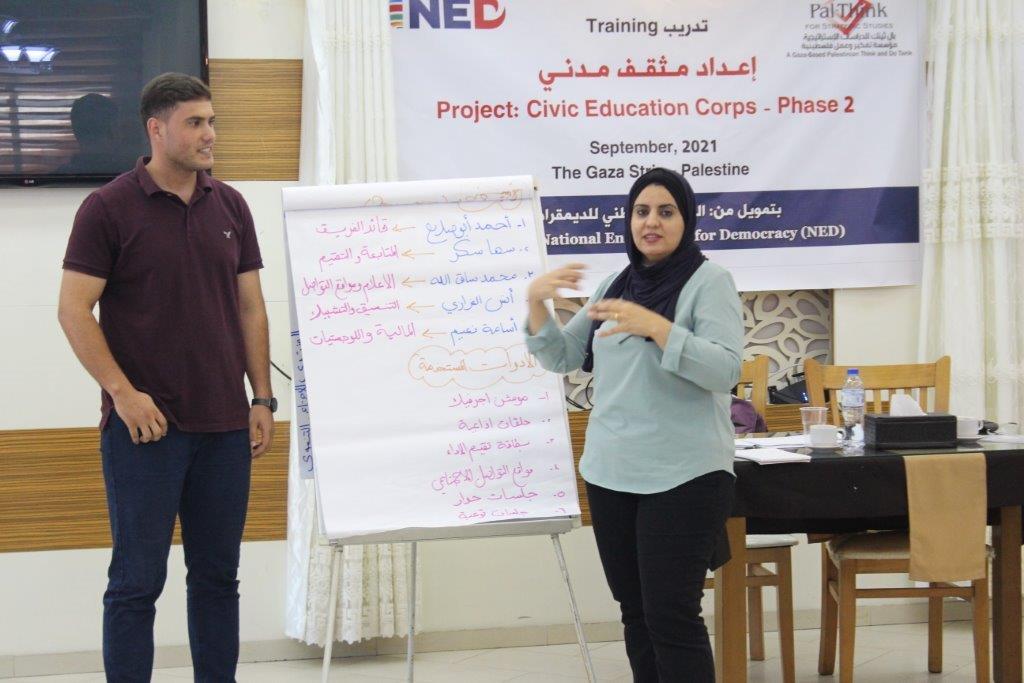
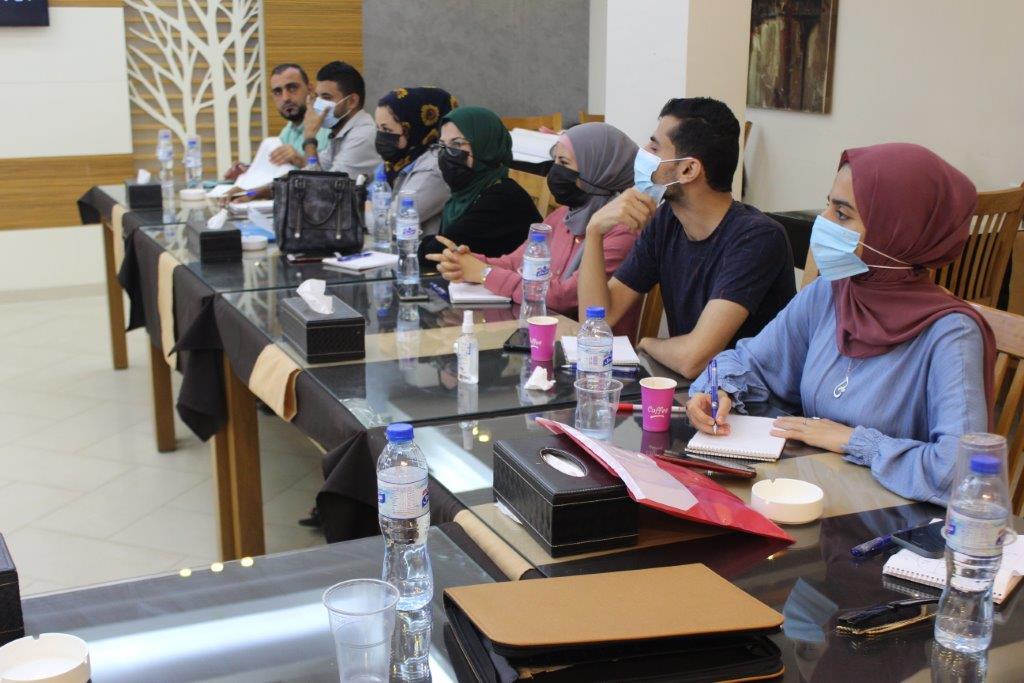
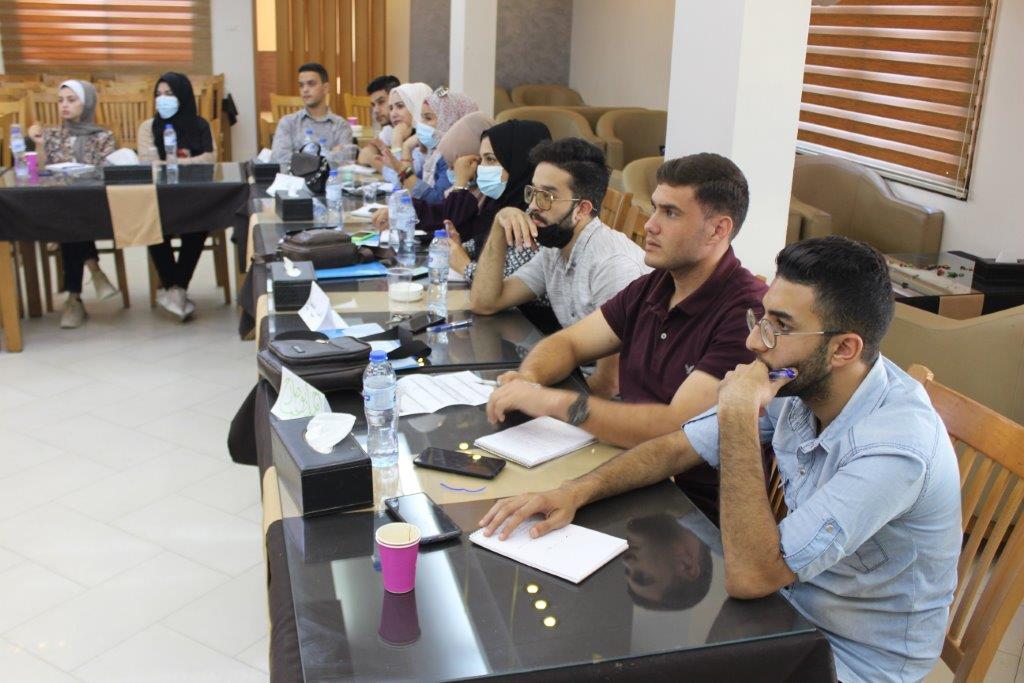
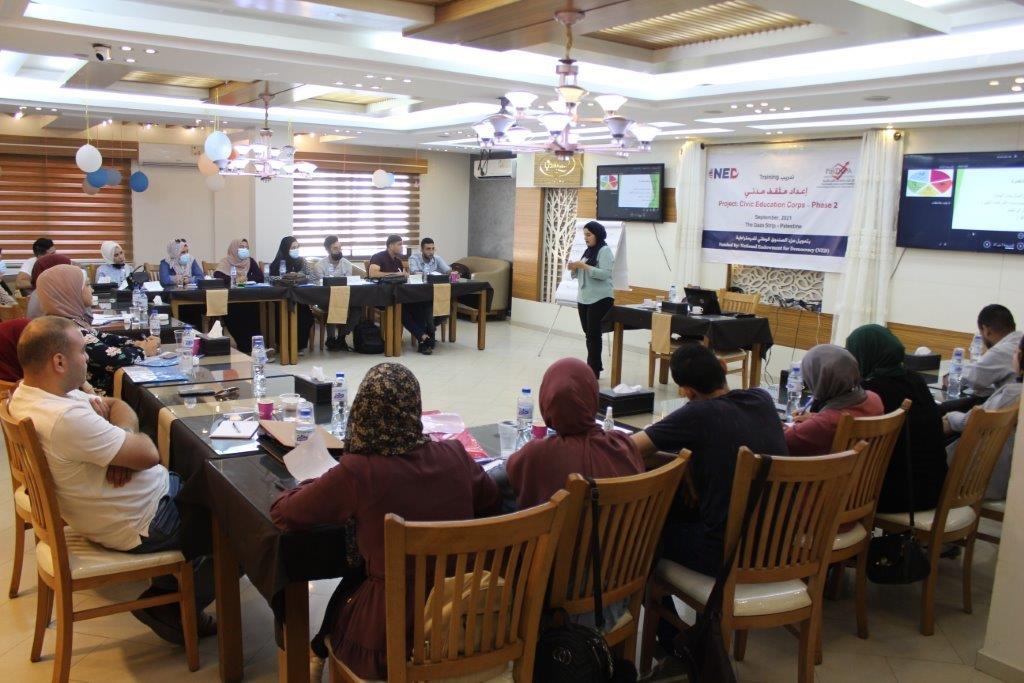
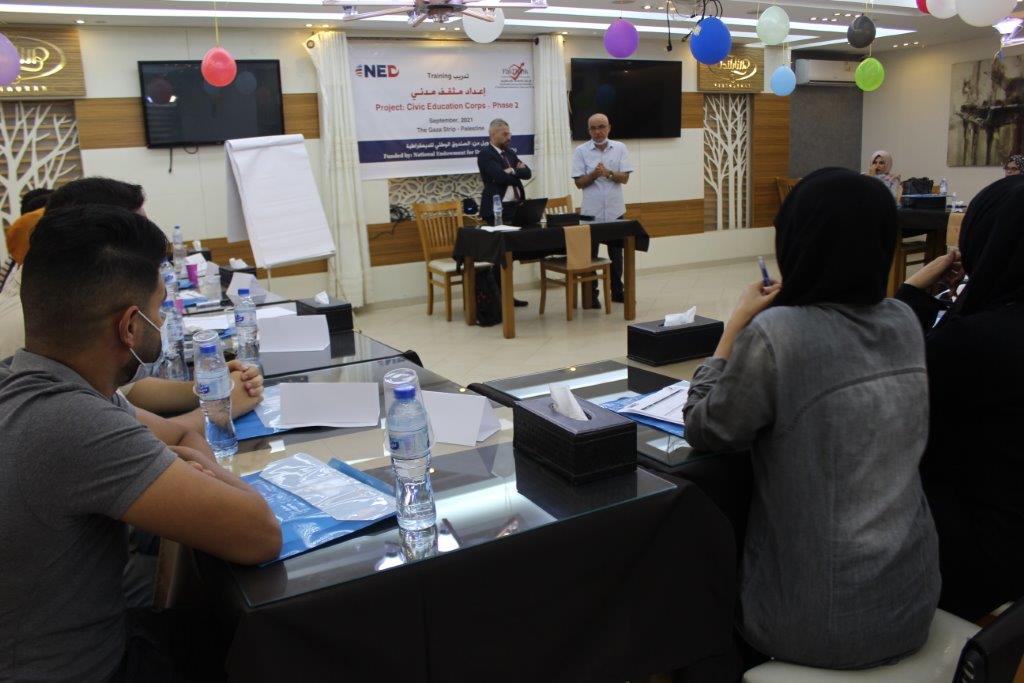
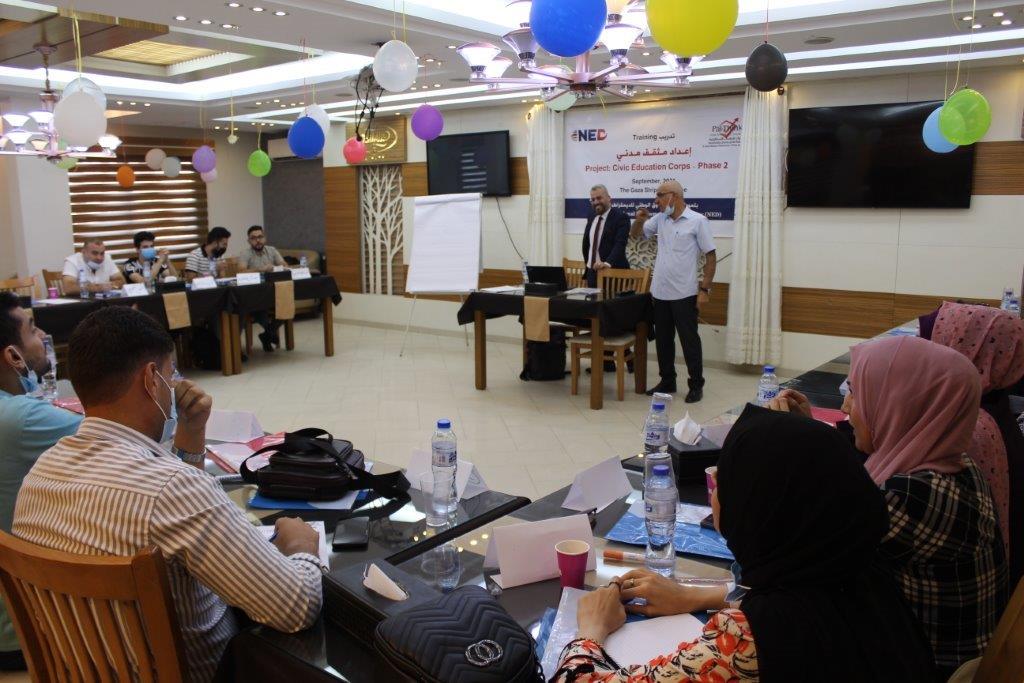
Pal-Think for Strategic Studies concluded a specialised training programme titled “Preparing a Civic Educator”, targeting 25 young people of both sexes from university students and fresh graduates, which focused on developing the trainees' research and knowledge skills on the issues of human rights, political participation, and democracy.
This comes within the project “Preparing a Civic Educator”, implemented by Pal-Think for Strategic Studies with funding from the National Endowment for Democracy (NED), which aims to create a young generation that believes in the principles of democracy and the concepts of human rights in the Gaza Strip and to find youth able to spread these values in their society.
For her part, the project coordinator, Ms Sally al-Sammak, mentioned that this project comes in completion of the civic-educator project — first stage — which showed successful results and outputs, most importantly the youth's capacity to pass knowledge to their peers in the universities and the rest of society concerning rights and democracy topics. She set out that this training contributes to a great degree to developing the trainees' capacities in the issues of democracy and human rights and the skills of research and of presentation and delivery, and affirmed that the trainees' role will not end with the end of this training programme; rather they will work on carrying out a series of awareness meetings in cooperation and coordination with civil society institutions in the Gaza Strip, in addition to preparing research papers discussing issues and topics related to democracy and human rights, as well as carrying out radio episodes. She affirmed that Pal-Think gives special attention to youth and always seeks to develop and grow their skills in all fields.
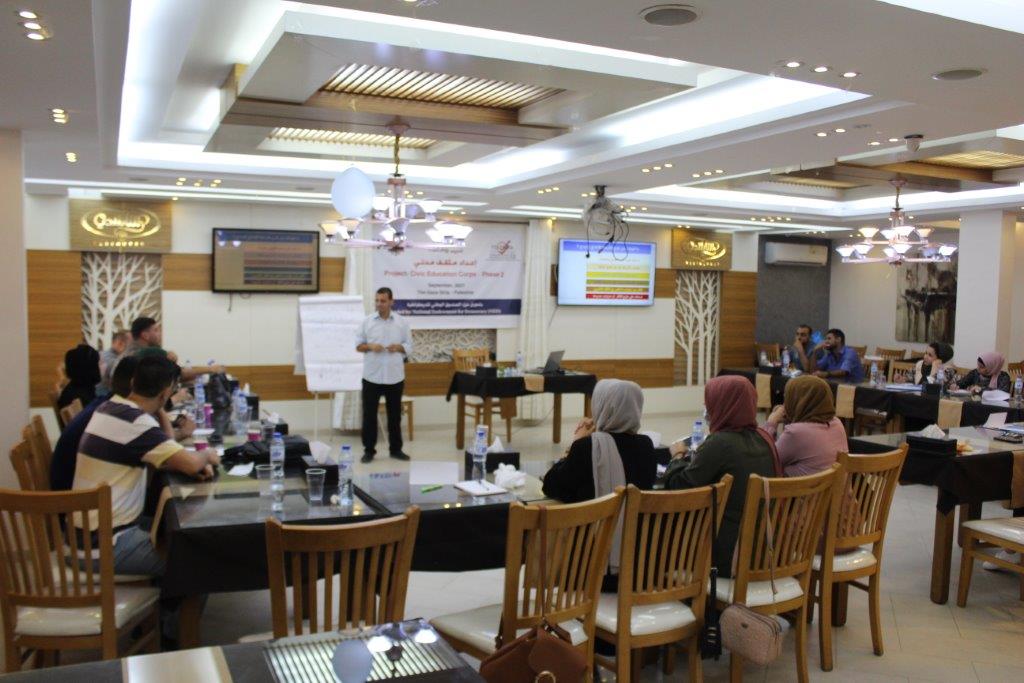
It is recalled that the training programme continued for seven days under the supervision of a team of trainers of distinguished competence and experience. On the first day there was talk on international human rights law and the Palestinian condition, tying the subject to reality and to the State of Palestine's international obligations within the frame of the changes occurring at the regional and international level and the local authorities' handling of those obligations in Palestine. On the second training day the focus was on the Palestinian political system and democracy — through setting out the concept of the political system and the concept of democracy, and the most important indicators of democracy that must be present in any political system, applying that to the Palestinian condition; the historical stages the Palestinian political system passed through were likewise set out, and the effect of each stage on the current Palestinian condition; and at the end there was talk on building a democratic Palestinian political system suited to the current requirements.
As for the third day, it was devoted to talk on the skills of lobbying and advocacy in the issues of democracy and human rights, setting out the stages of preparing a lobbying and advocacy campaign and the conditions of choosing the issue, how to choose the most suitable instrument, and setting out the common errors that could lead to the failure of the lobbying and advocacy campaign.
On the fourth day a set of headings was taken up, most importantly the concept of creativity and creative thinking, its components, characteristics, patterns, and models; the curves of personal traits and creative knowledge; the stages of creative thinking and its manifestations; and the dams and impediments of creative thinking.
On the fifth and sixth days there was likewise talk on research-writing skills: setting out the purpose of writing, the mind map of research writing, the steps of writing the research paper, how to determine and formulate the research problem, the research paper's abstract, and other topics of a kind to develop the trainees' research skills.
As for the seventh and final day, which was titled “Presentation and delivery skills”, during it there was talk on the methods of effective presentation and delivery, the stages of the presentation process, the skills of communicating with the audience, setting out the cautions and errors in the presentation process, and the most important instruments and means that can be used in the presentation process.
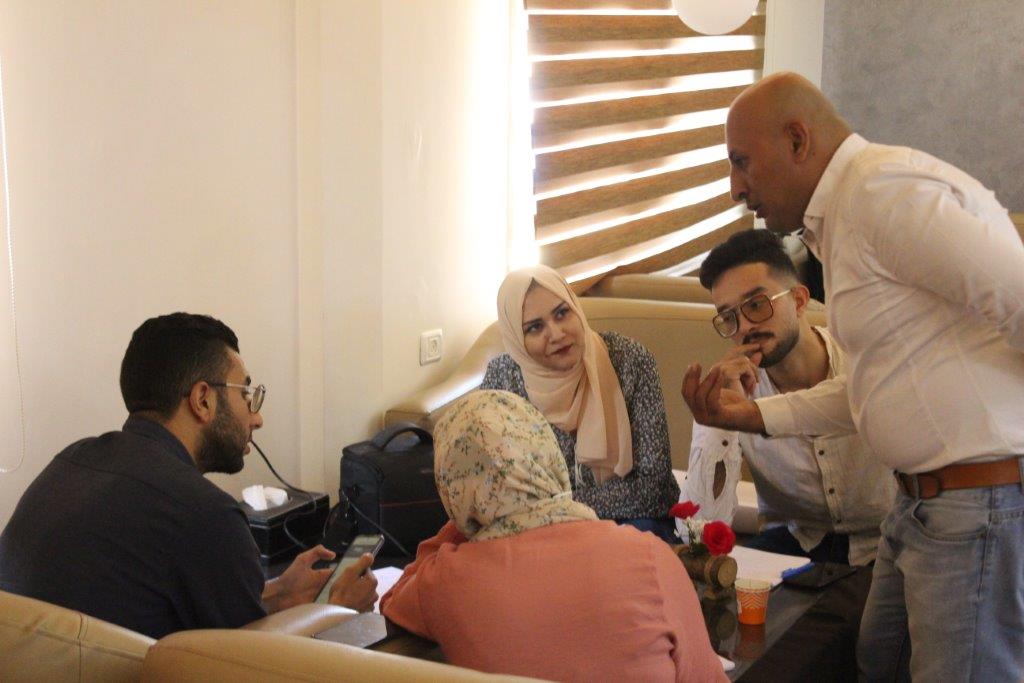
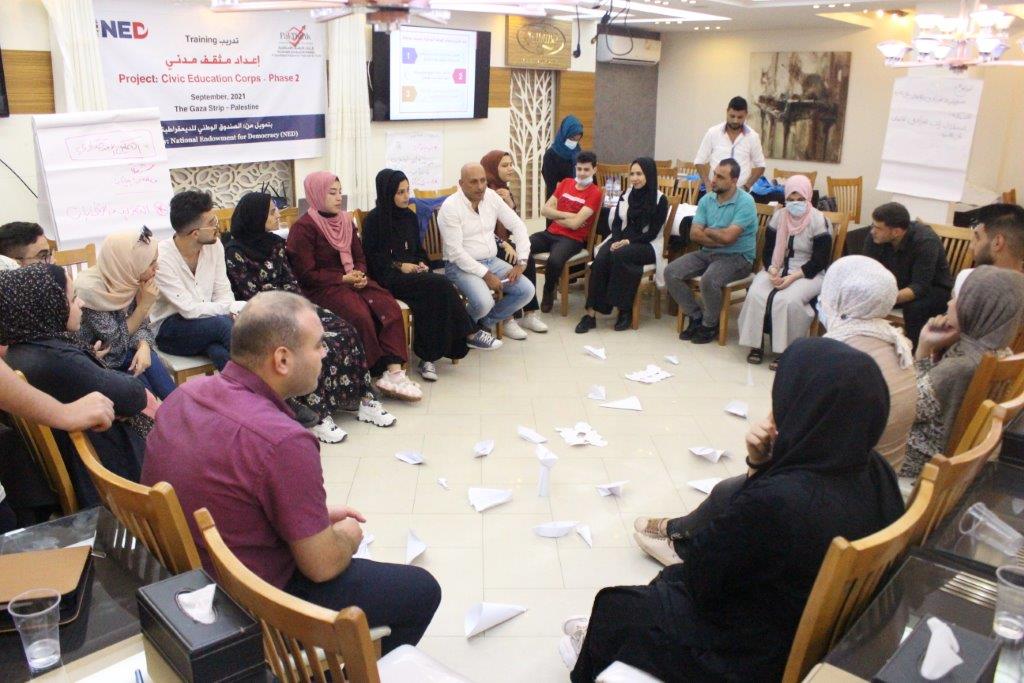
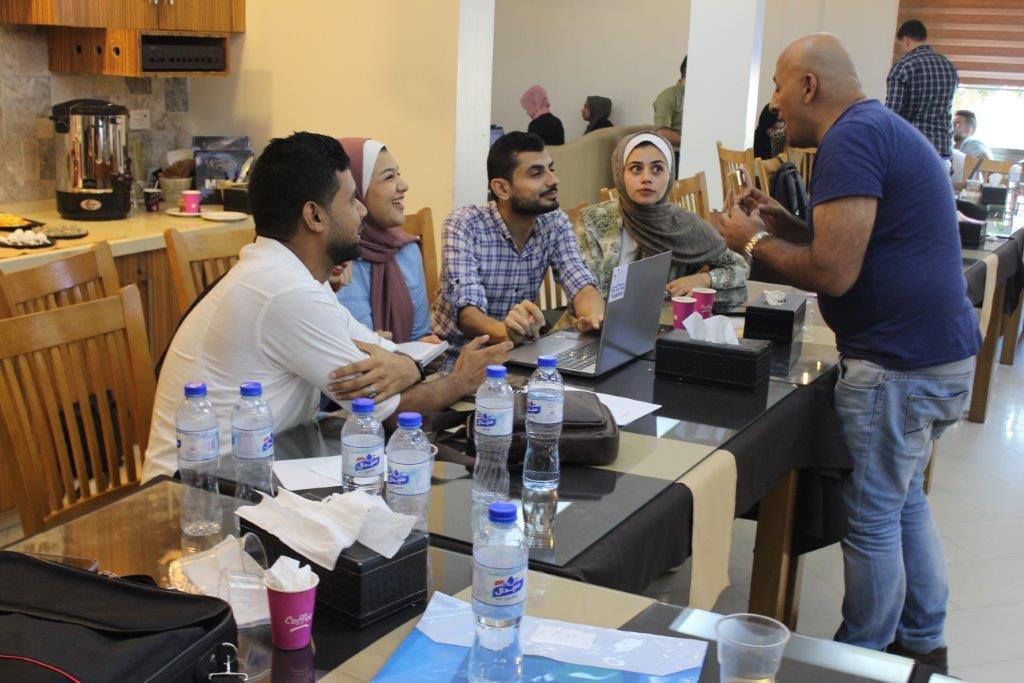
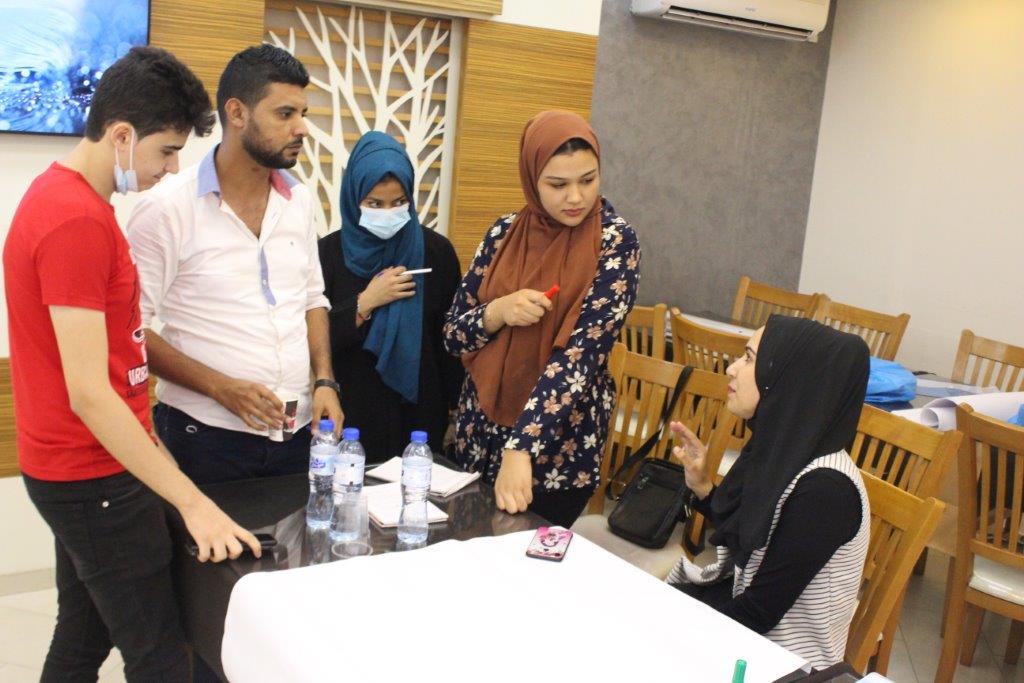
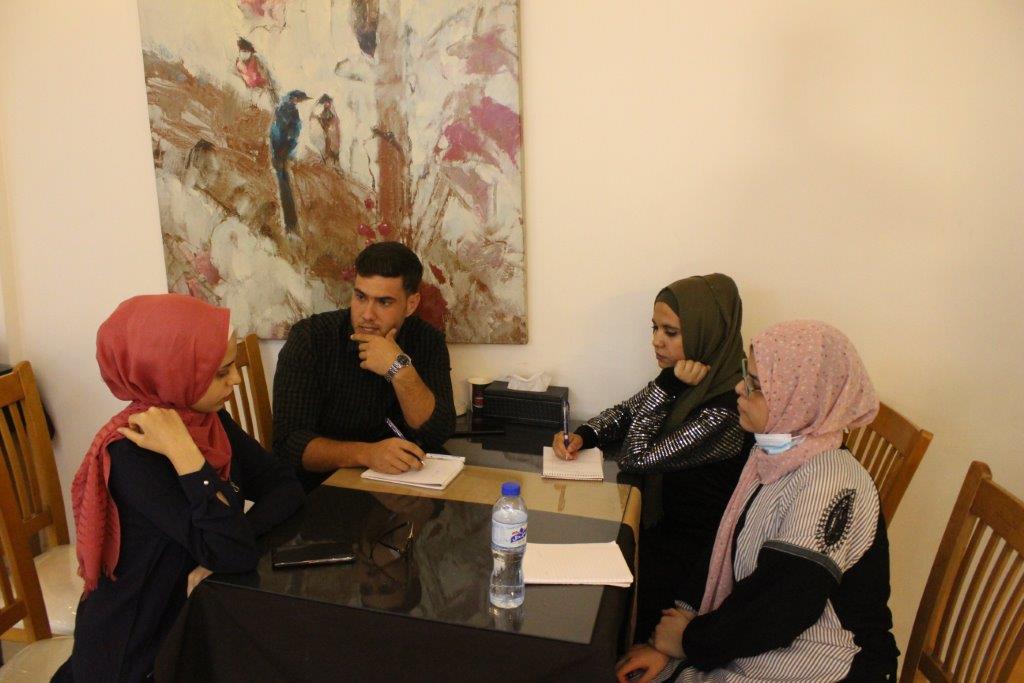
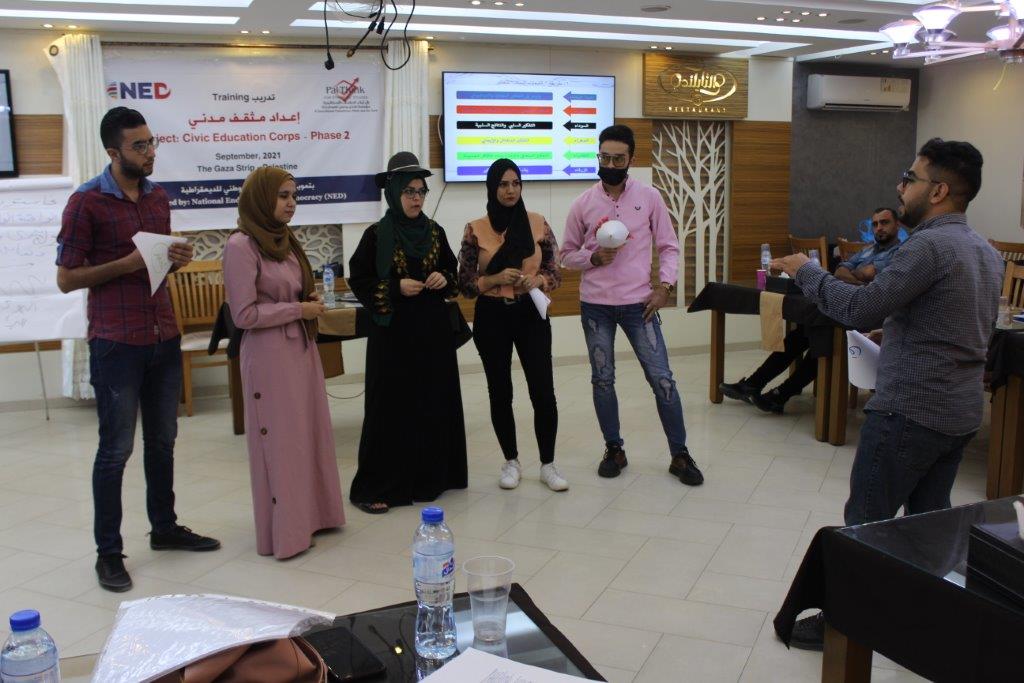
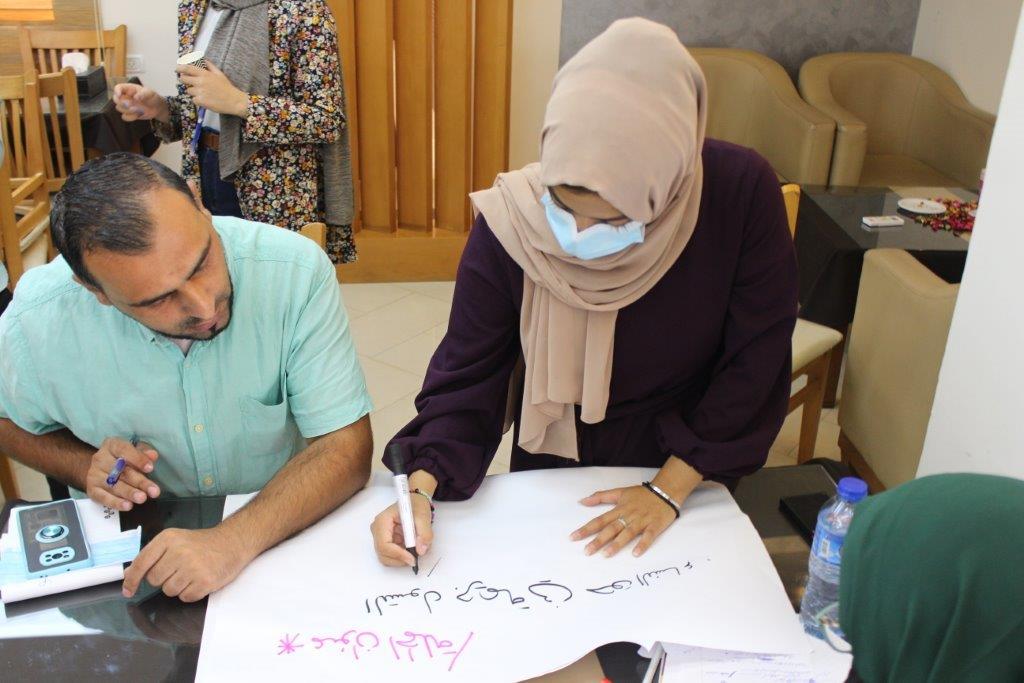
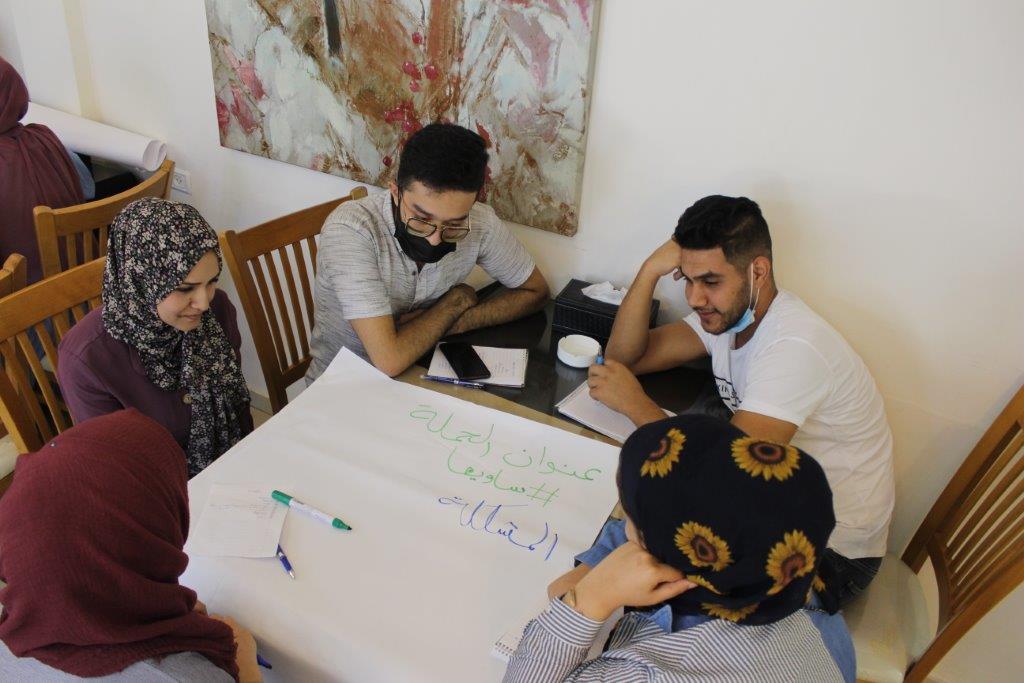
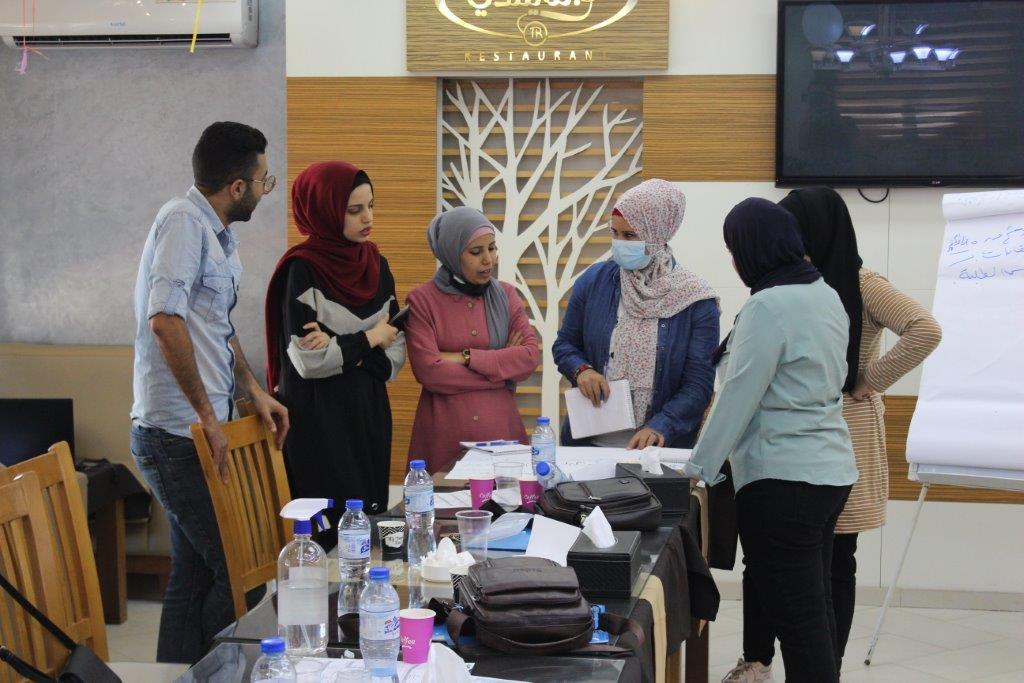
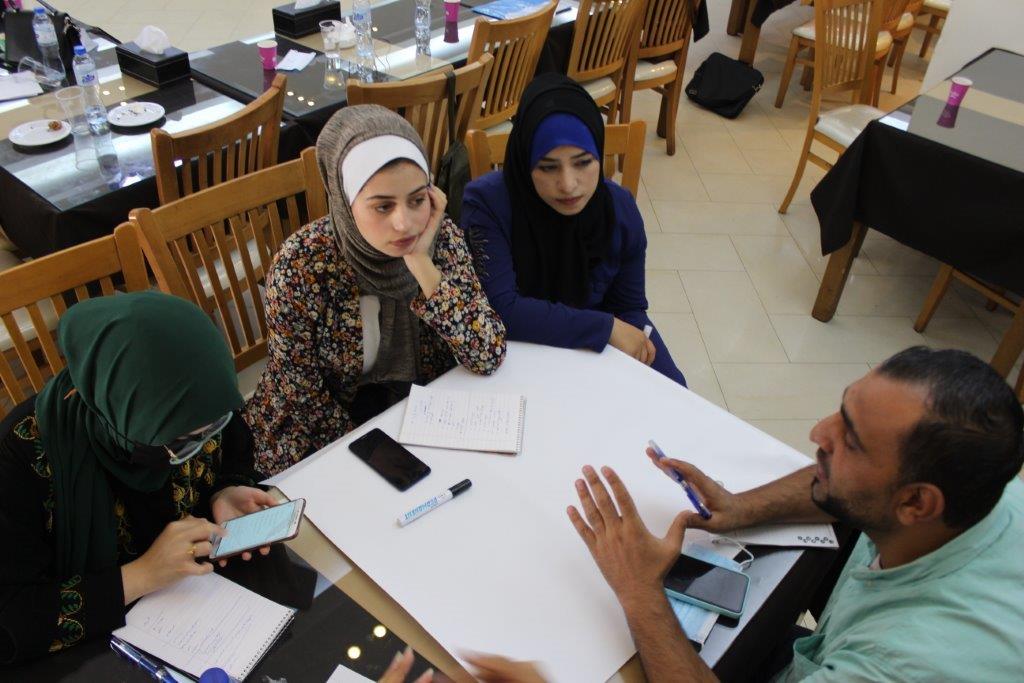
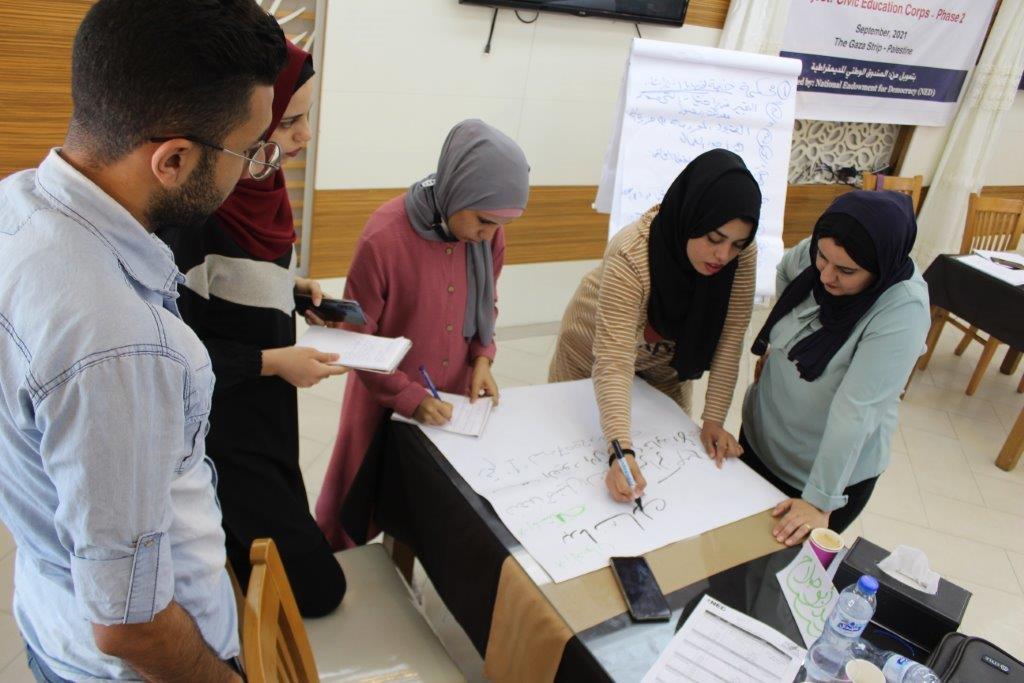
During the training programme there was diversity in the training methods used — brainstorming, case studies, role-play, working groups, and other participatory training methods.