Pal-Think holds a dialogue on the consequences of climate change in Palestine
The dialogue session centred on the policy paper «The consequences of climate change in Palestine and policies of response», by Omar Shaban, Yahya Qaoud and Mahmoud Issa, under the Pal-Think Academy for Democracy and Human Rights (phase two).
- Date
- 2023-07-11
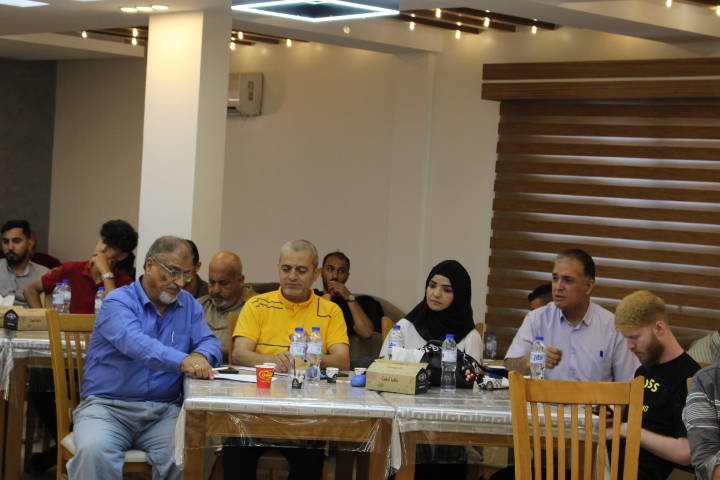
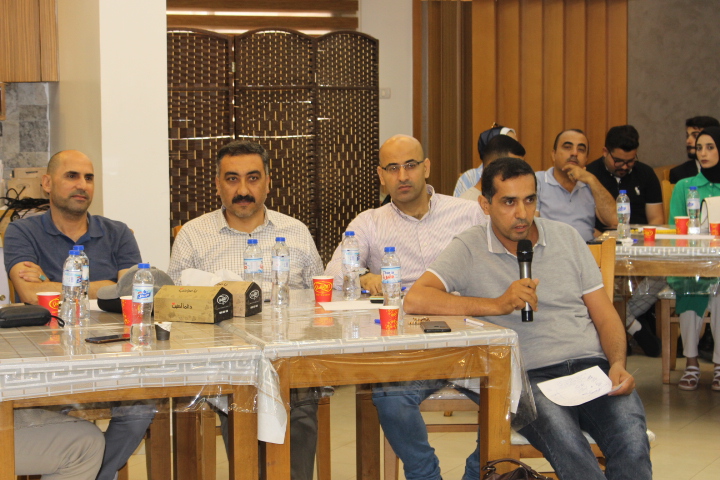
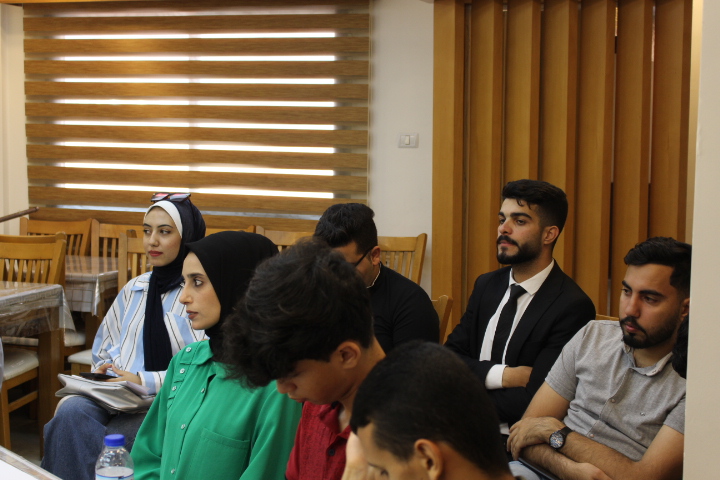
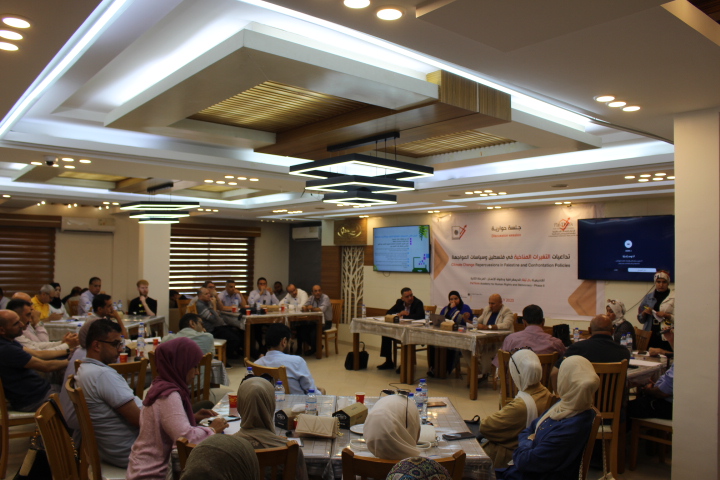
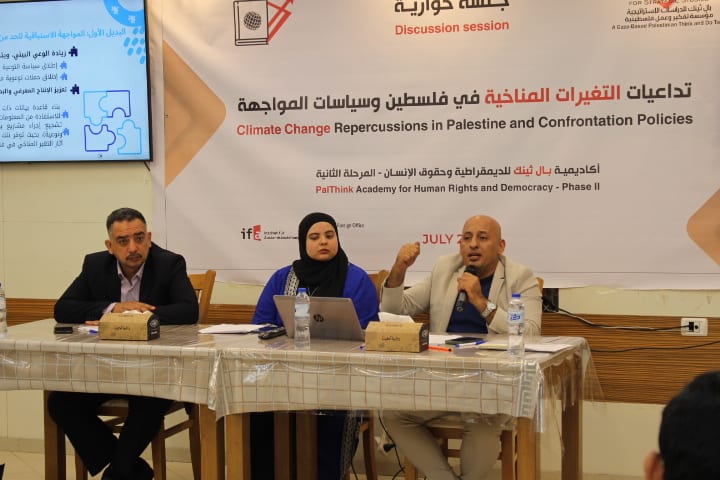
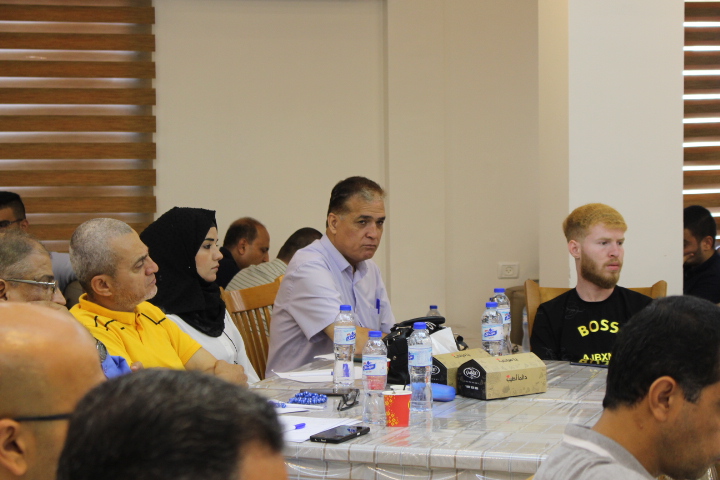
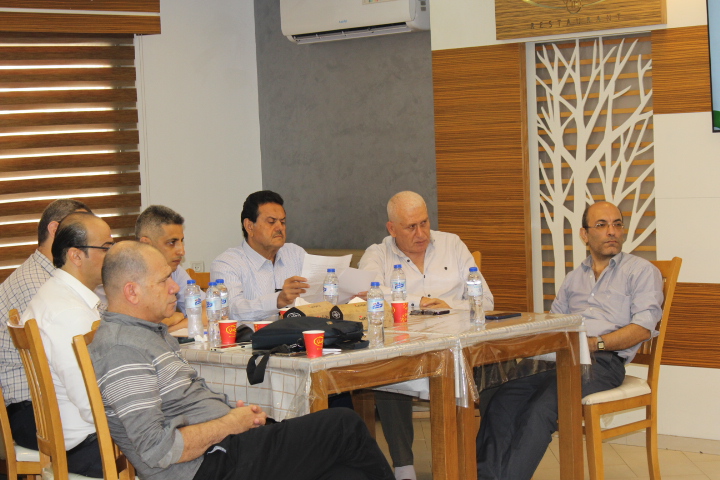
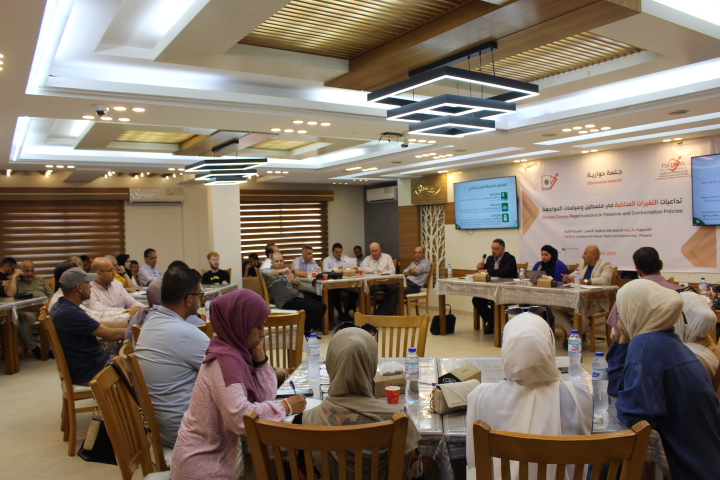
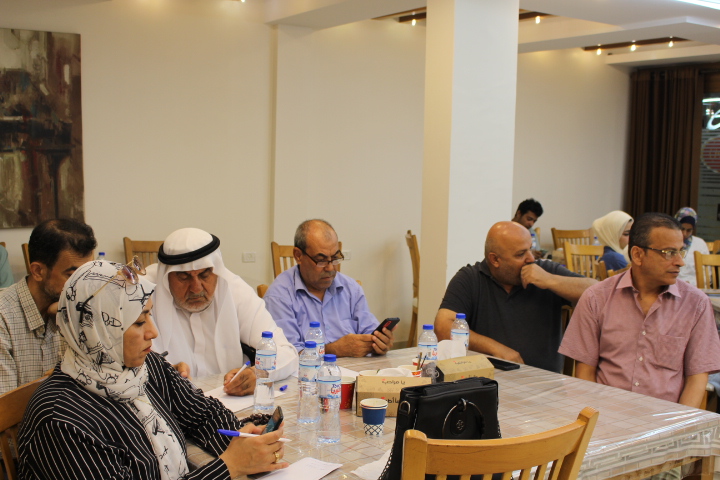
The dialogue session organised by Pal-Think centred on a policy paper titled (The Repercussions of Climate Change in Palestine, and the Policies to Confront It), prepared by the researchers Omar Shaban, Yahya Qaoud, and Mahmoud Issa, under the project (Pal-Think Academy for Democracy and Human Rights — phase two), funded by the German Institute for Foreign Relations (ifa). The session gathered a number of officials from the relevant ministries and experts in the environmental field, in addition to youth — members of the Pal-Think Academy for Democracy and Human Rights.
The session was opened by Nour Abed, a member of the Pal-Think Academy for Democracy and Human Rights, who welcomed the wide attendance and stressed the importance of reading and studying climate change and the challenges standing before Palestinian society and its various productive sectors.
The climate-change paper:
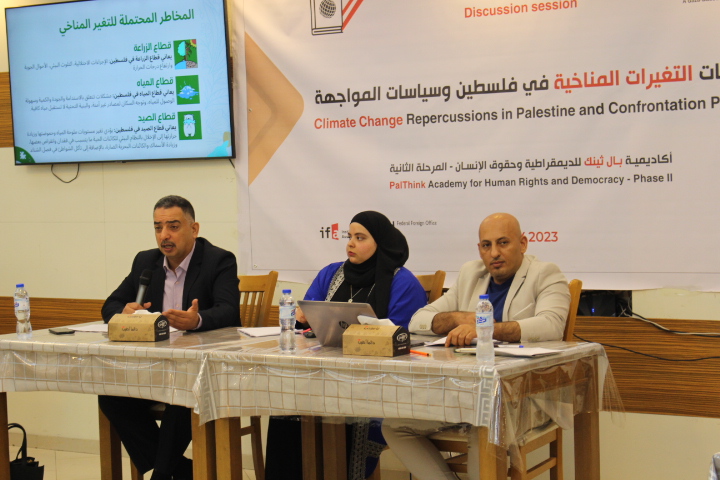
In presenting the paper, Mahmoud Issa, researcher in economics and development, set out the various effects of climate change, which has become a tangible reality in our contemporary world: no state or region can any longer keep itself apart from its effects, yet weak and fragile states such as Palestine remain the most affected, lacking as they do the foundations of flexible response and adaptation to the various threats.
Issa presented the potential risks of climate change, which fall upon Palestine's economic sectors in interlocking ways, exposing it to many potential dangers across the water, agriculture, fishing, energy, and health sectors. He explained that a set of challenges and obstacles place an added burden on Palestine's capacity to adapt to climate change and deal with its effects — the most important being the (Israeli) occupation and the division, in addition to the administrative and technical challenges that have weakened the capacities of national institutions and local authorities to develop effective strategies for adaptation and disaster-risk management, especially in the West Bank, where the impossibility of access to Area (C) prevents monitoring climate change's effect on its environment.
Alternatives and solutions:
Yahya Qaoud, researcher in political science and public policy, surveyed the policy alternatives and solutions proposed in the paper. The first alternative is devoted to proactive confrontation measures and policies: raising environmental awareness and strengthening environmental values until they become conduct and practice for all citizens, in addition to strengthening knowledge production and research on climate change on which decisions depend — which necessitates unifying government policies across the Gaza Strip and the West Bank.
The second alternative is devoted to reactive measures and policies. Despite the importance of proactive measures in limiting the severity of climate change's effects, those effects have become challenges and obstacles before Palestine's productive sectors, especially agriculture — compelling a set of urgent reactive responses to adapt to and limit them. Qaoud put forward a set of rapid responses that could reduce the impacts of the climate changes striking Palestinian society, among them: raising energy-use efficiency, strengthening the available economic opportunities for climate adaptation, and relying on green fertilisers.
The third alternative is devoted to confronting the occupation's policies and measures: documenting the (Israeli) violations, activating Palestinian diplomacy, and drawing on Palestine's accession to the Framework Convention on Climate Change.
The interactive discussion:
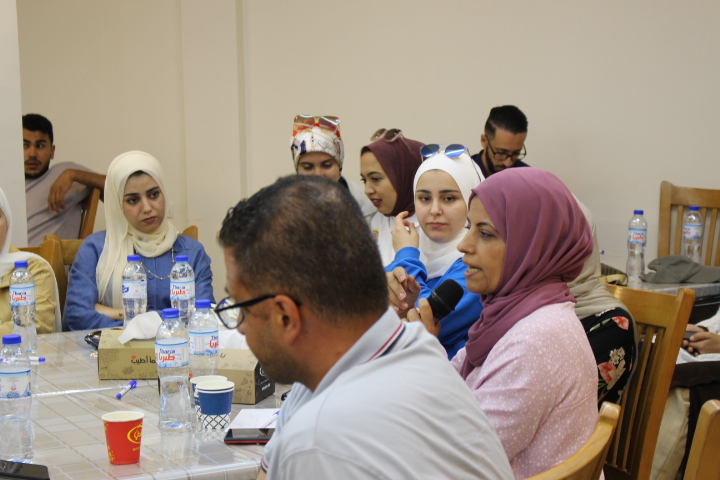
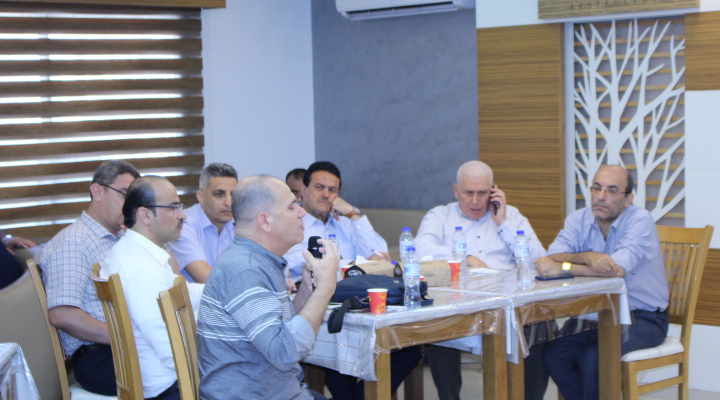
An atmosphere of engagement and discussion prevailed among the attendees over the principal axes of the policy paper under discussion. The environmental specialists addressed a set of factors and challenges battering Palestine's climate environment and discussed the policy alternatives and the provisions that would help decision-makers implement them. The paper will be published by Pal-Think for Strategic Studies in both Arabic and English.