Pal-Think holds a dialogue on a paper about the challenges facing start-ups in Gaza
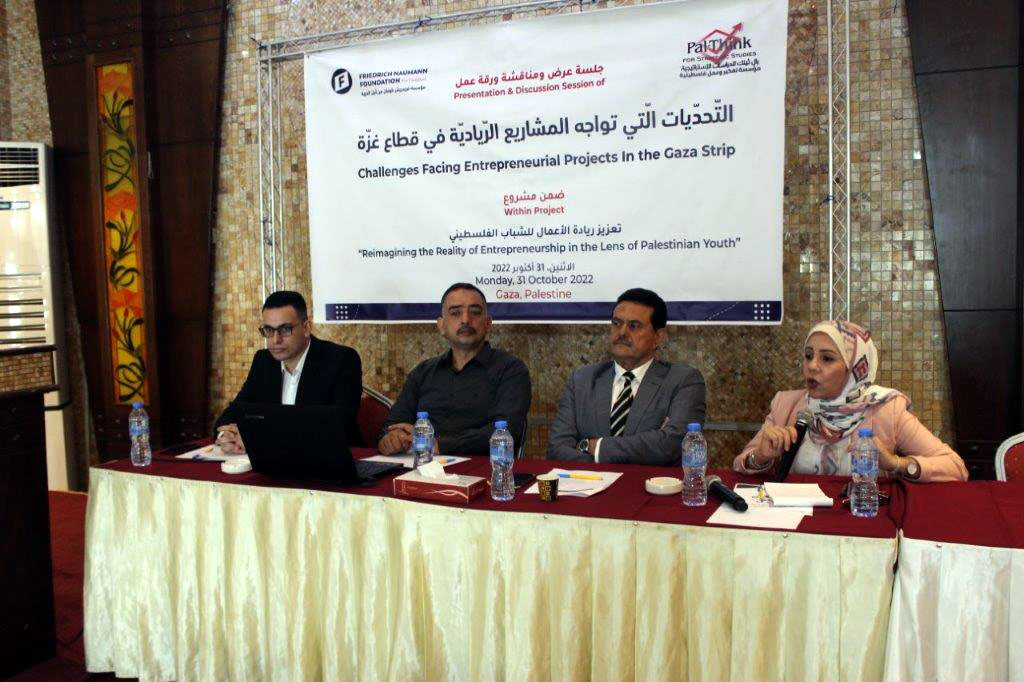
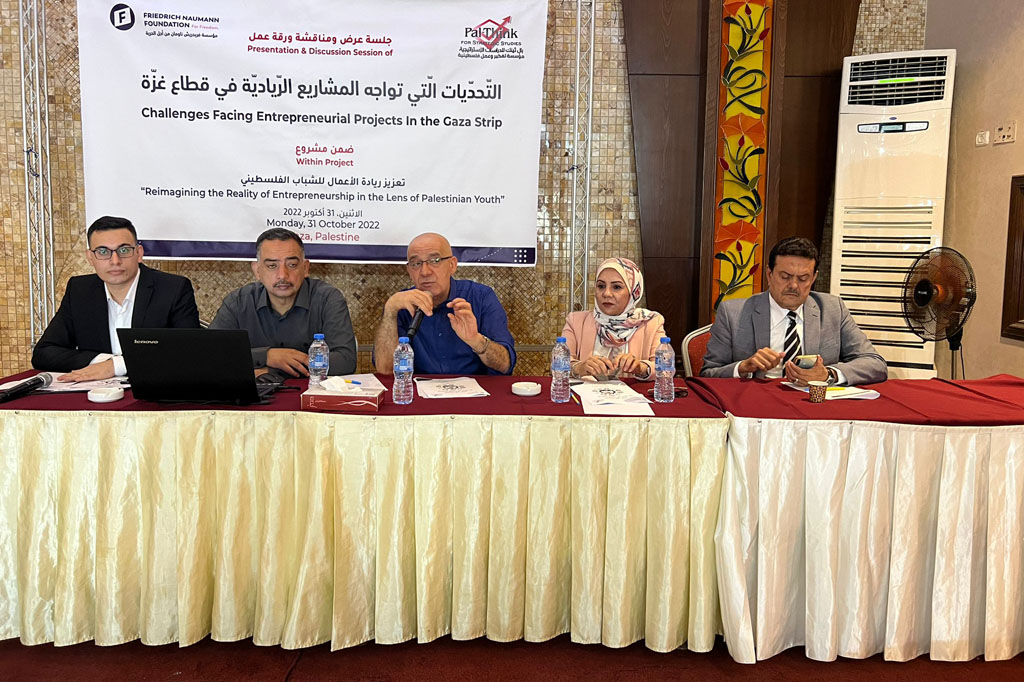
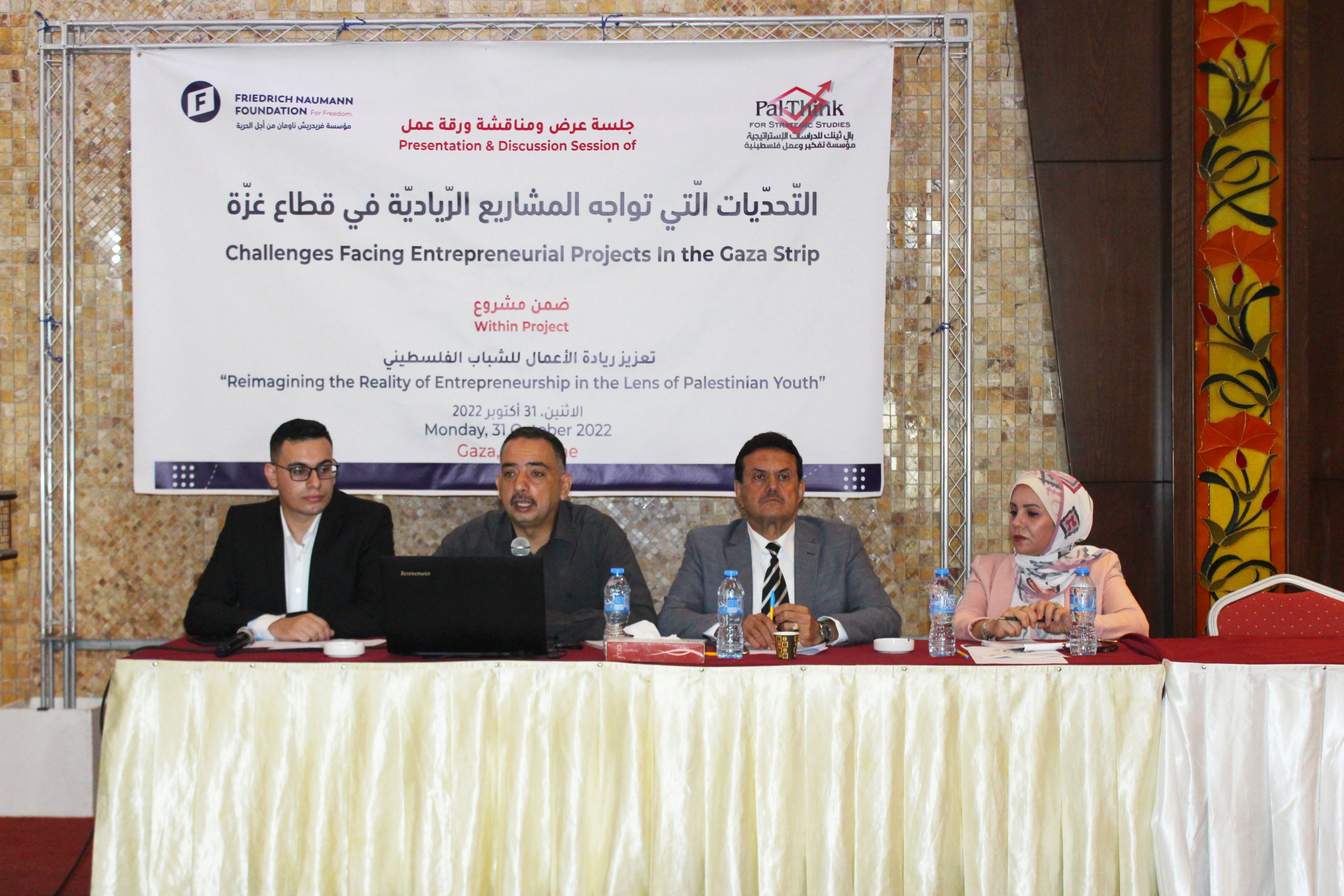
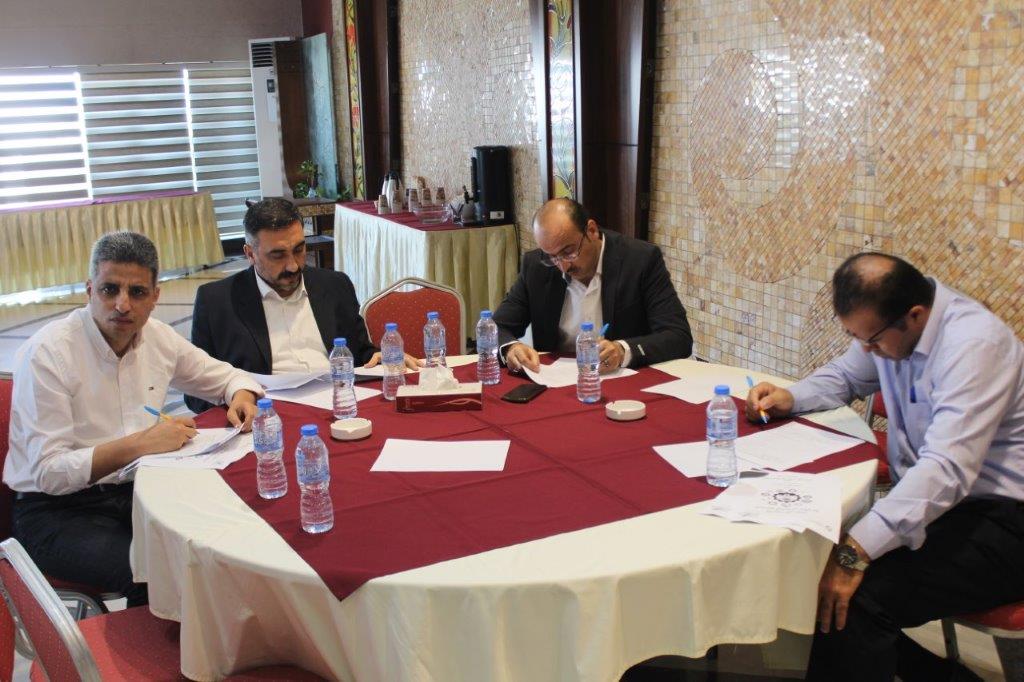
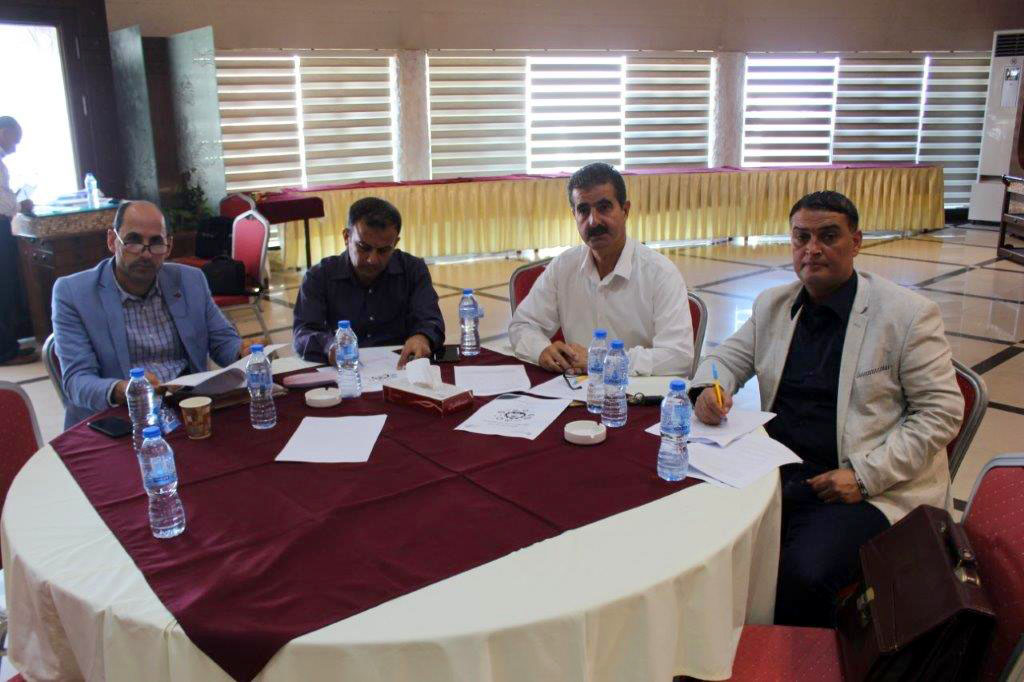
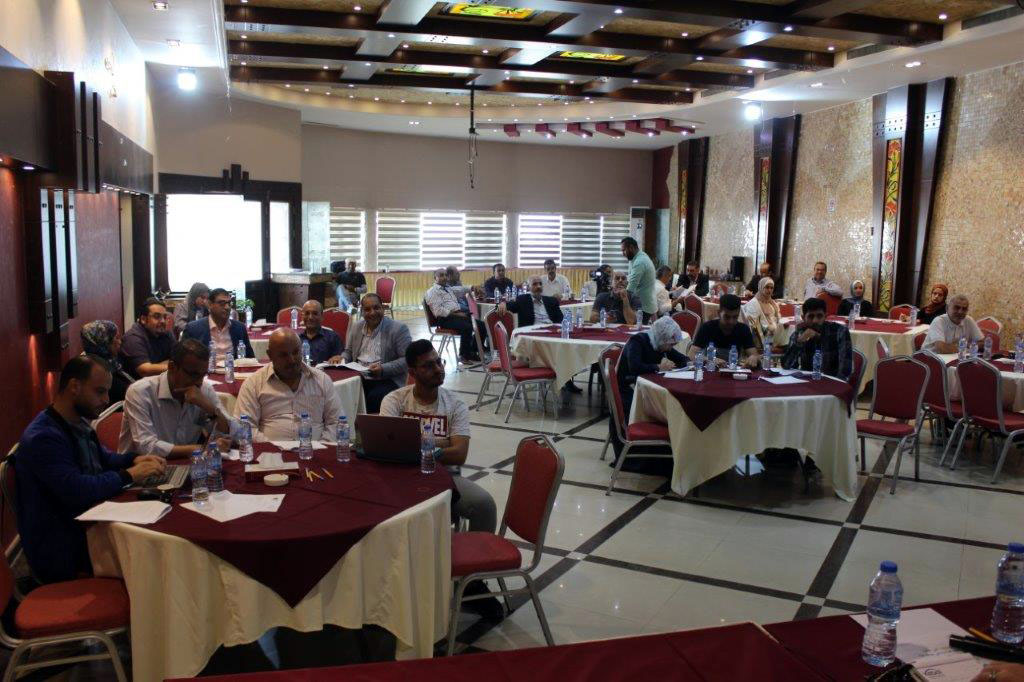
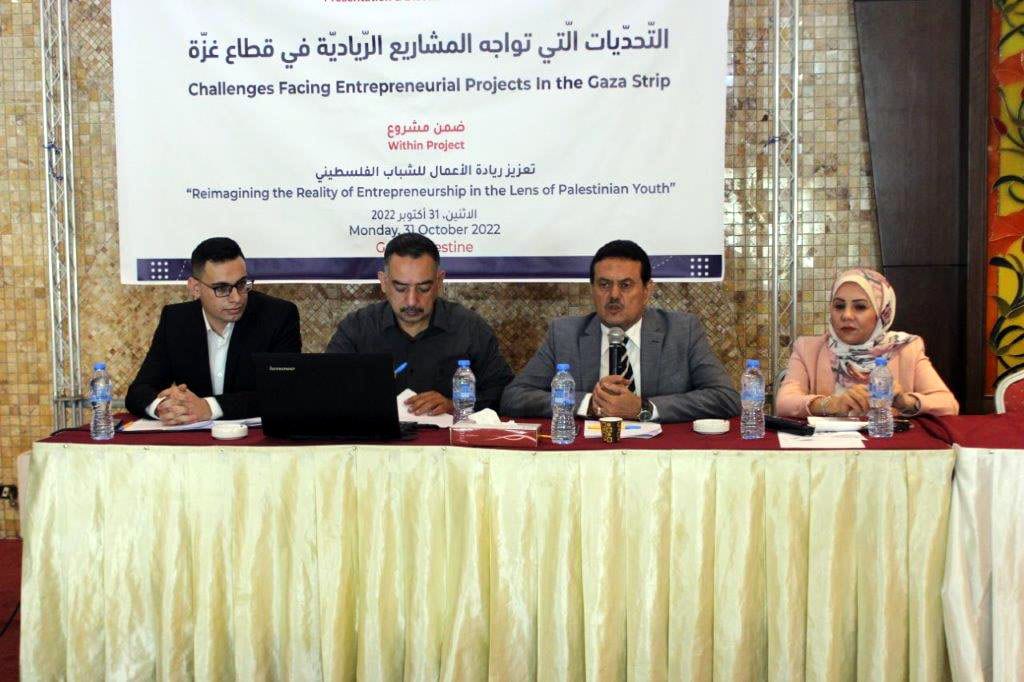
Pal-Think, with the Friedrich Naumann Foundation for Freedom, held a dialogue discussing the research paper «The challenges facing entrepreneurial ventures in the Gaza Strip», under the youth-entrepreneurship project.
- Date
- 2022-11-01
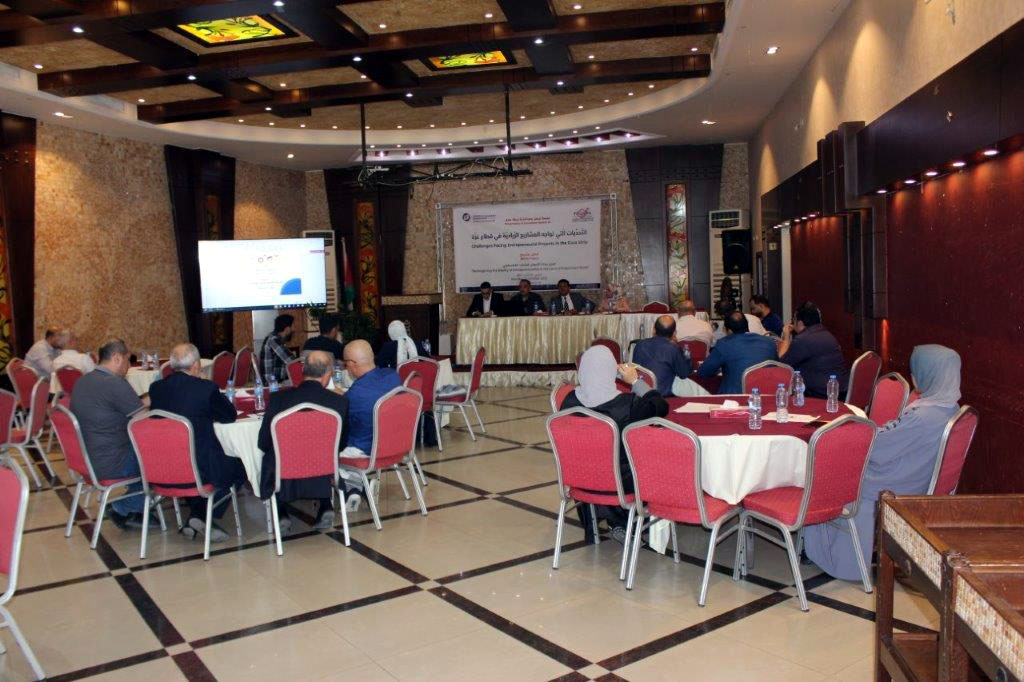
Within its devoted work as an independent research and reflection institution continually producing knowledge, Pal-Think for Strategic Studies, in partnership with the Friedrich Naumann Foundation for Freedom, held a dialogue session to discuss a research paper titled “The challenges facing entrepreneurial enterprises in the Gaza Strip”, within the project “Strengthening entrepreneurship for Palestinian youth”, which aims to strengthen the culture of entrepreneurship among university graduates in the Strip.
The session was moderated by Pal-Think's communication officer, Mahmoud al-Naouq, who welcomed the audience and said this paper comes within a series of research papers addressing the problems and challenges of entrepreneurial enterprises in the Gaza Strip.
For his part, Pal-Think's director Omar Shaban said his institution has persisted since its founding in exercising its role in society, running its activities with full independence and neutrality, working with all researchers and with the various parties — always focused on giving young people the opportunity to distinguish themselves and on presenting them to society.
Shaban noted that his institution constantly discusses the current issues of the Gaza Strip — especially regarding the entrepreneurial enterprises without which the Strip cannot grow — through producing solid research papers presented to decision-makers and officials.
For his part, the paper's author, Mahmoud Issa, researcher in development issues, said entrepreneurial enterprises have become a priority for Gaza's youth given the inability of the private and public sectors to absorb the labour force — especially as the unemployment rate has reached 44.1%, and among graduates aged 19–29 it has reached 74%.
Issa spoke about the concept of entrepreneurial work and the economic importance of entrepreneurial enterprises in enabling young people to play their social and productive role in society, setting out the differences between entrepreneurial and small enterprises in terms of innovation, creativity, risk, expected income, and product.
He explained that entrepreneurial enterprises face many challenges: the existing laws; the difficulty of obtaining funding or reaching local and foreign markets; social and cultural challenges; the poor quality of university education; and the weakness of government policies and plans supporting entrepreneurs.
He shed light on the challenges related to higher, vocational, and technical education in quantity and quality — the reliance on rote instruction, graduates' lack of skills in creativity, thinking, and innovation, since many teaching courses are rigid in character, and the society's condescending view of vocational education.
Mazen al-Ajla, professor of economics at Al-Azhar University, commented on the paper by saying the challenges outweigh the achievements in the matter of entrepreneurship in the Gaza Strip — especially as it has not yet contributed effectively to the economy, owing to the challenges tied to legislation, the traditionalism of education, and obtaining funding, in addition to challenges of experience, management, and the way the entrepreneurial project is presented to society.
He noted that the principal challenge to entrepreneurship in Gaza is the weakness of the local market and purchasing power and the problems accumulating without solution, stressing the necessity of establishing an institution to guarantee credit risk, on the model of the Palestine Deposit Insurance Corporation.
For her part, Walaa Hayek, projects coordinator at the University Graduates Association, commented that the environment in Gaza is marked by constant conflict at every level because of the Israeli occupation, which affects all walks of life.
She added that the environment does not stimulate the birth and encouragement of entrepreneurial enterprises, asking about the role of the ministry of entrepreneurship and empowerment in Gaza and the extent of its projects' contribution to economic growth; she spoke of the problems of technical vocational training in Palestine and how the mistaken conceptions around this subject in Palestine can be countered.
She recommended focusing on research papers such as this, which help probe everything related to making entrepreneurial enterprises in Gaza succeed.
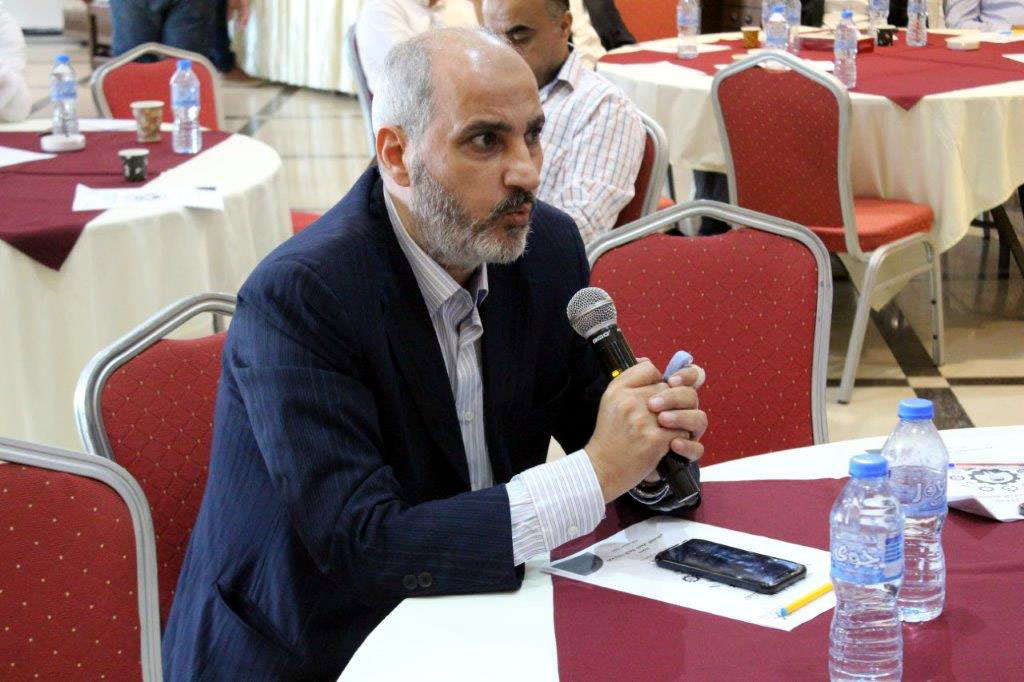
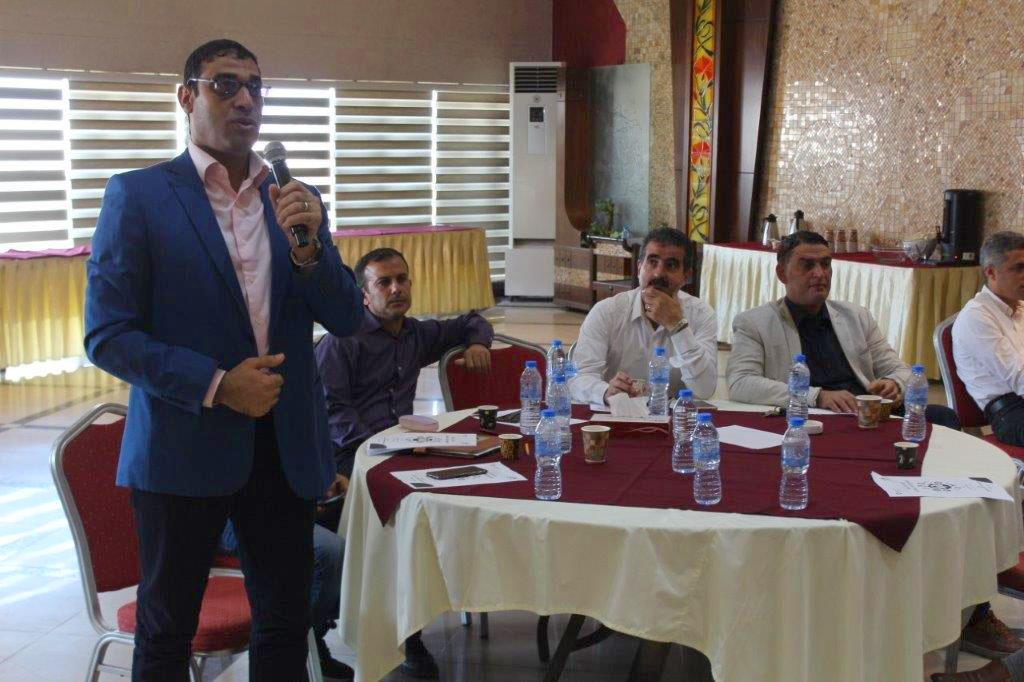
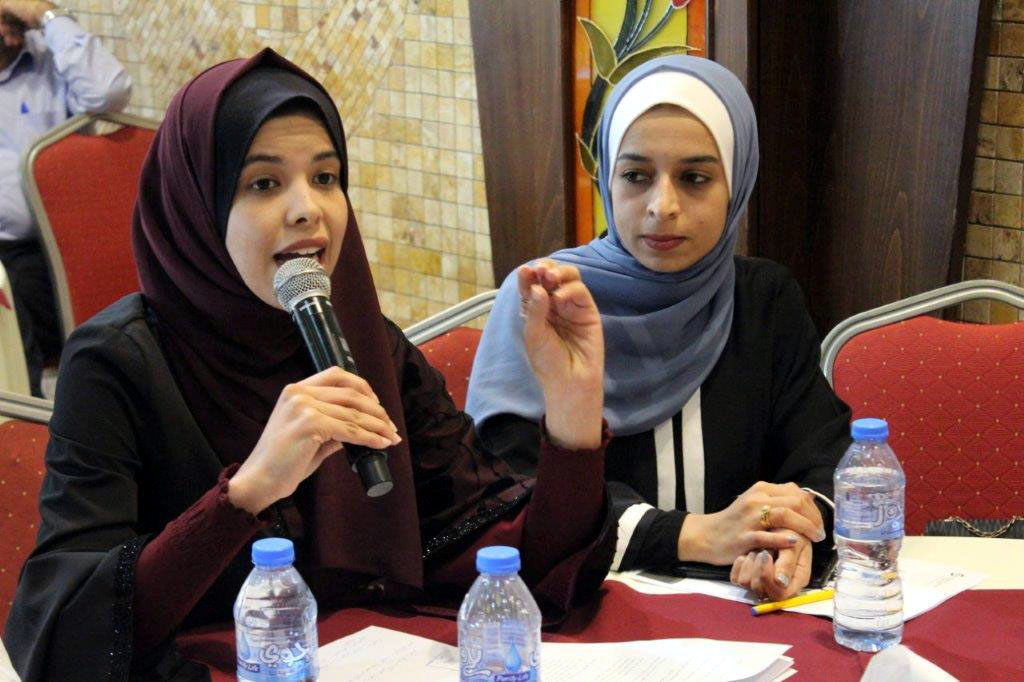
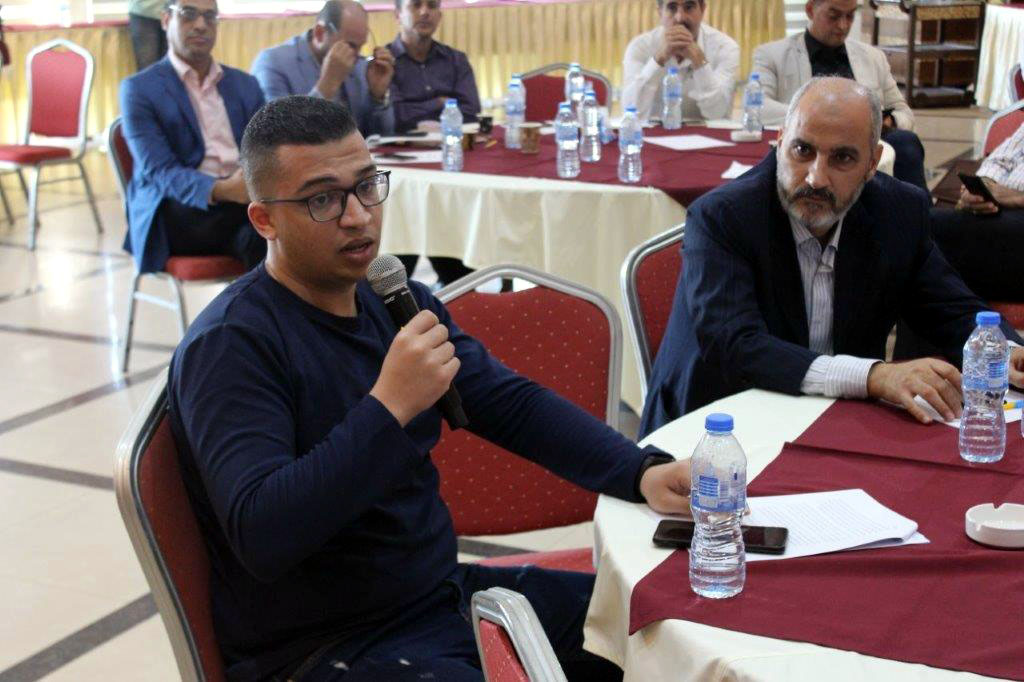
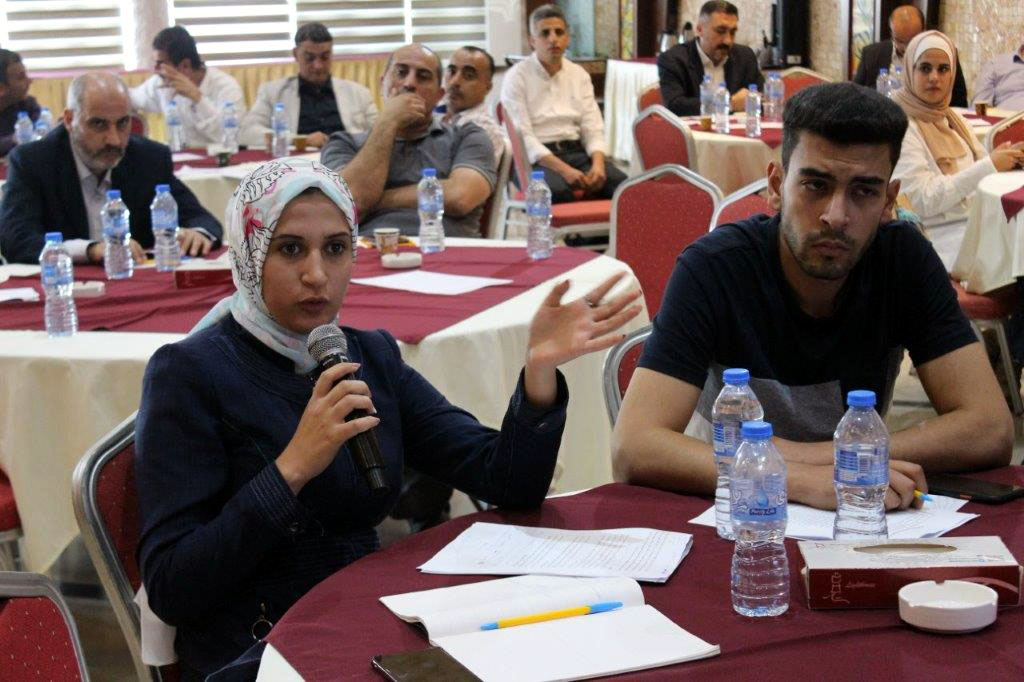
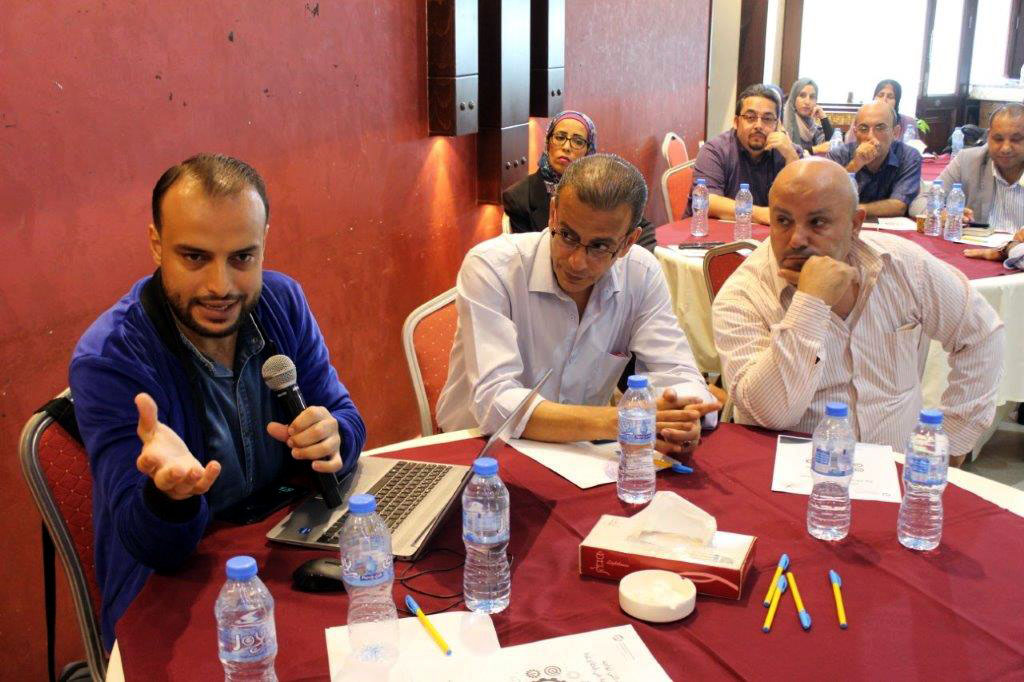
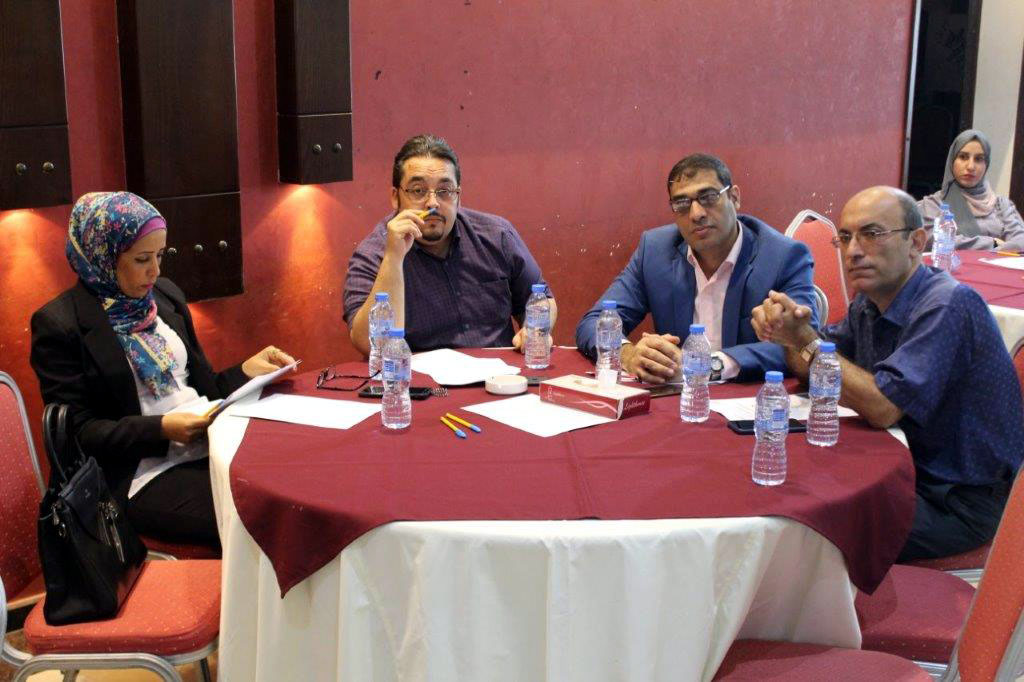
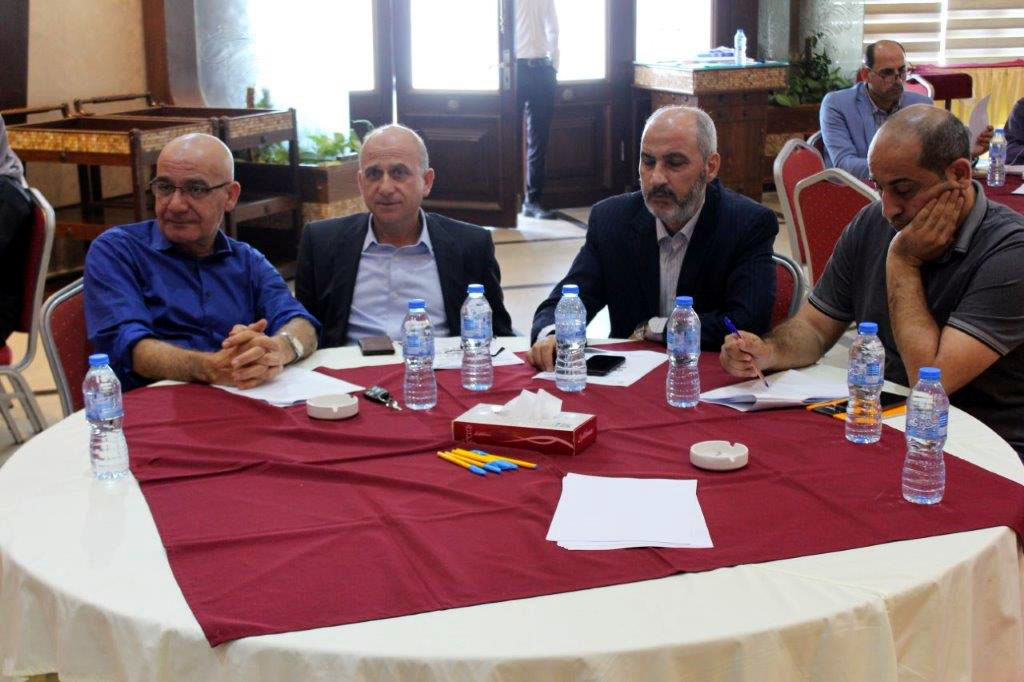
The audience's interventions and questions turned on the paths some of Gaza's entrepreneurs have taken in targeting foreign markets, the necessity of acquainting decision-makers with these papers' outputs, and the importance of focusing on reviewing the results of implemented projects to support entrepreneurial enterprises.
The audience also spoke of the government's policies on importing goods for which local alternatives exist; correcting the mistaken conceptions around entrepreneurship, especially regarding quick riches; and the necessity of creating mentors and assistants for entrepreneurs and freelancers to confront the obstacles they face.