Pal-Think holds a dialogue on the policy paper «Towards effective national policies for small entrepreneurial youth projects»
Pal-Think held a dialogue discussing the policy paper «Towards effective national policies to support small entrepreneurial youth ventures», by researcher Yahya Qaoud, under the entrepreneurship project with the Friedrich Naumann Foundation.
- Date
- 2022-11-16
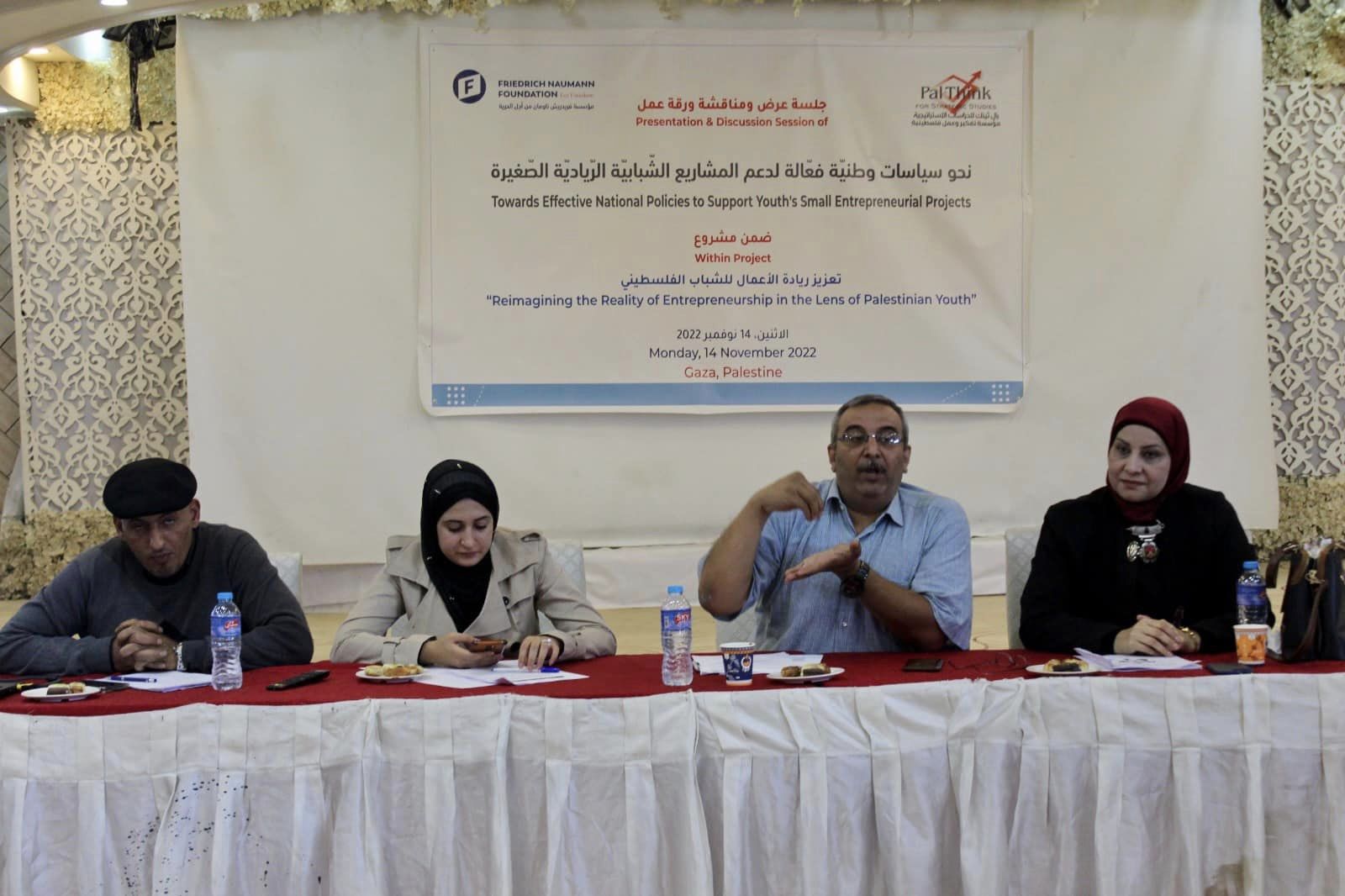
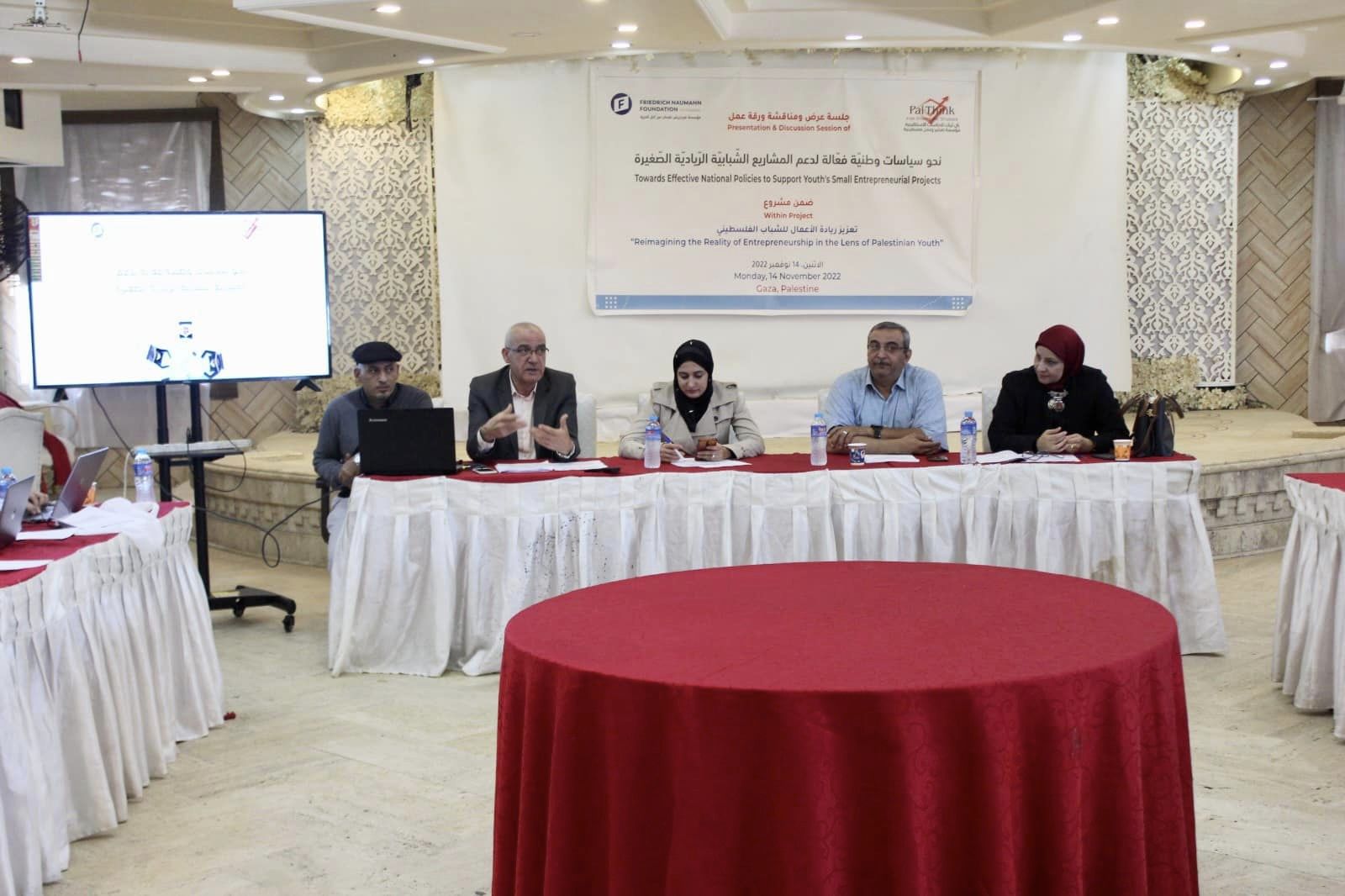
Pal-Think for Strategic Studies held a dialogue session to discuss a policy paper titled “Toward effective national policies to support small youth entrepreneurial enterprises”, prepared by researcher Yahya Qaoud, within the project “Strengthening entrepreneurship for Palestinian youth”, implemented by Pal-Think in partnership with the Friedrich Naumann Foundation for Freedom.
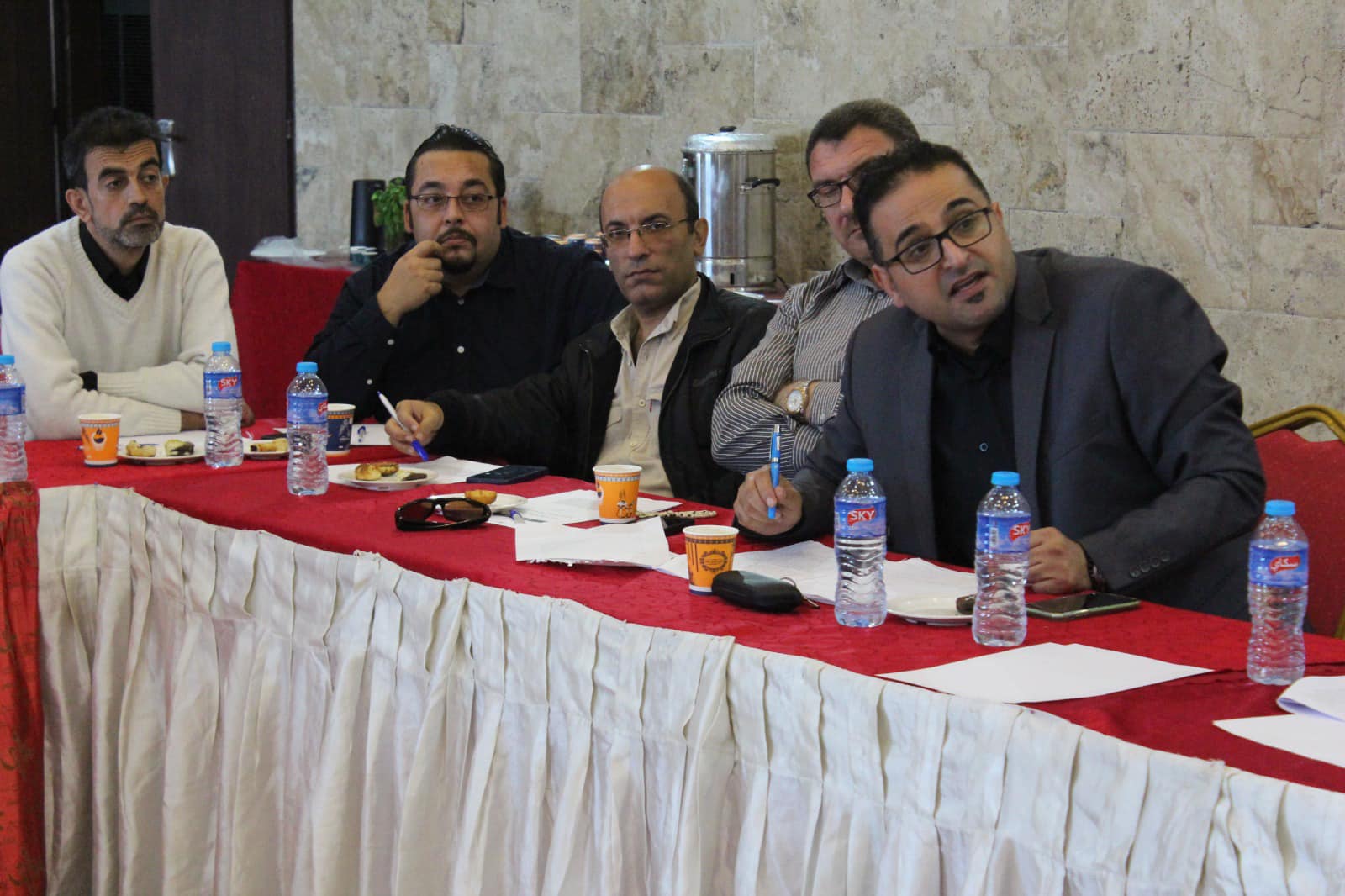
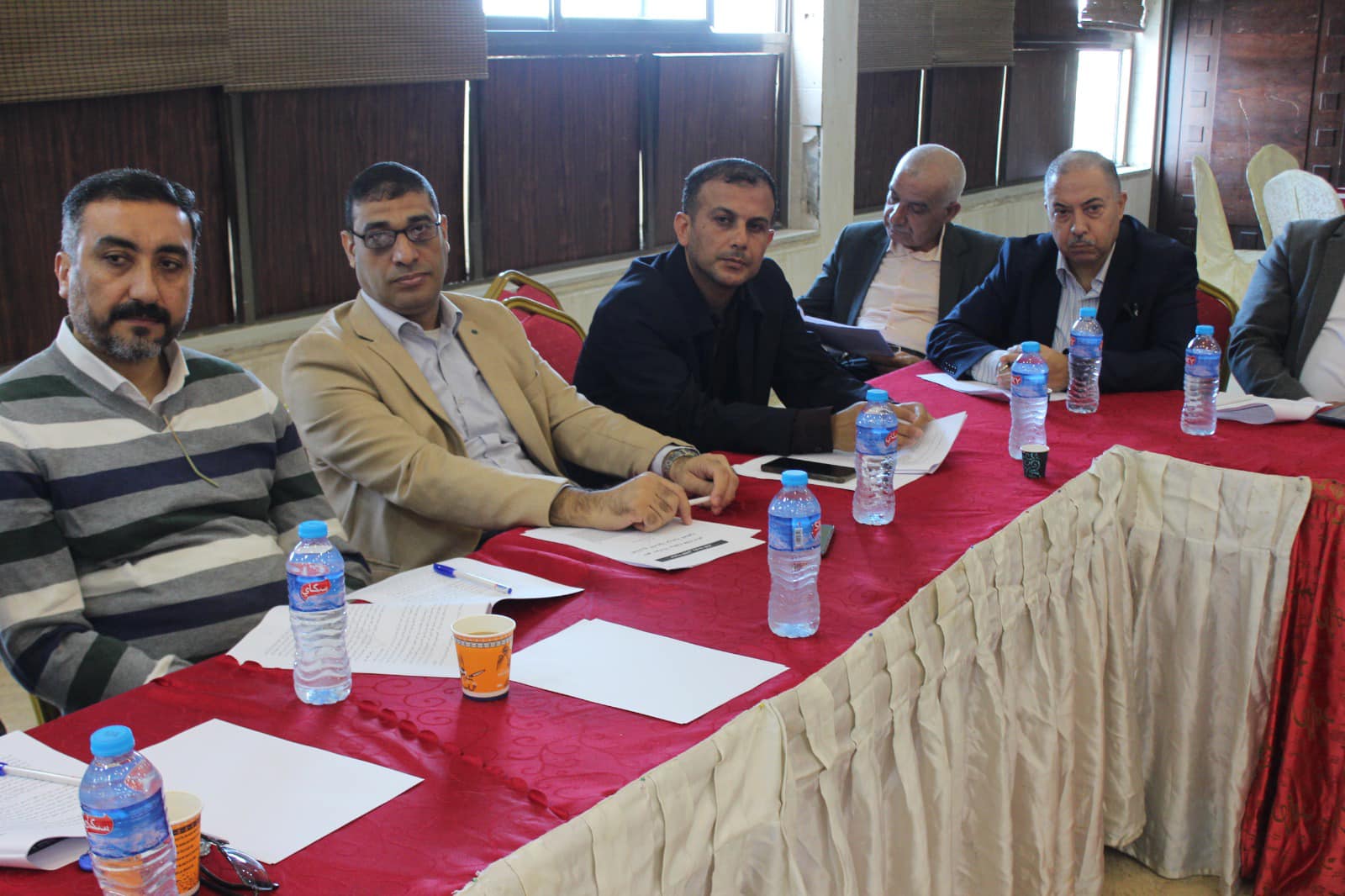
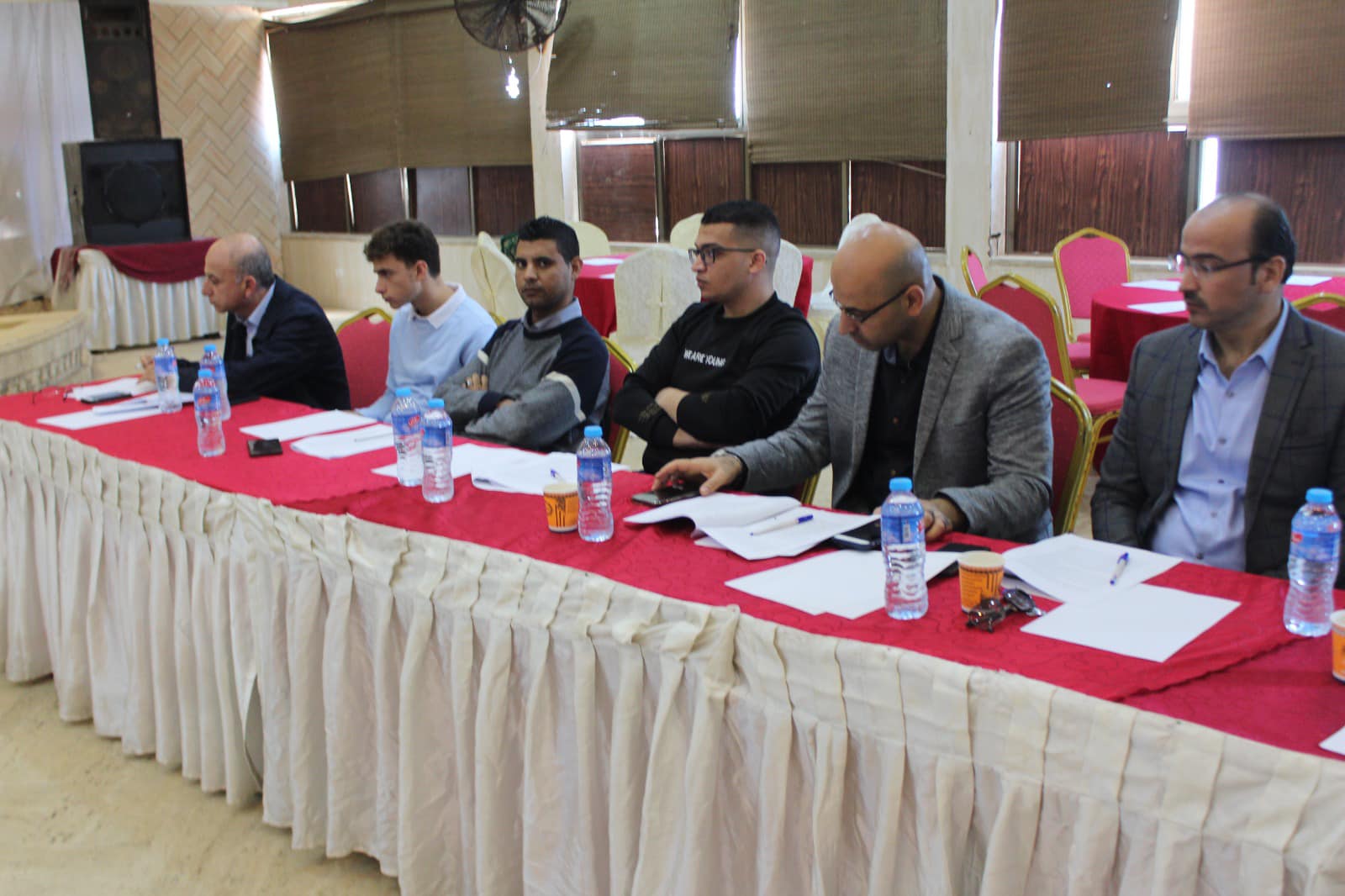
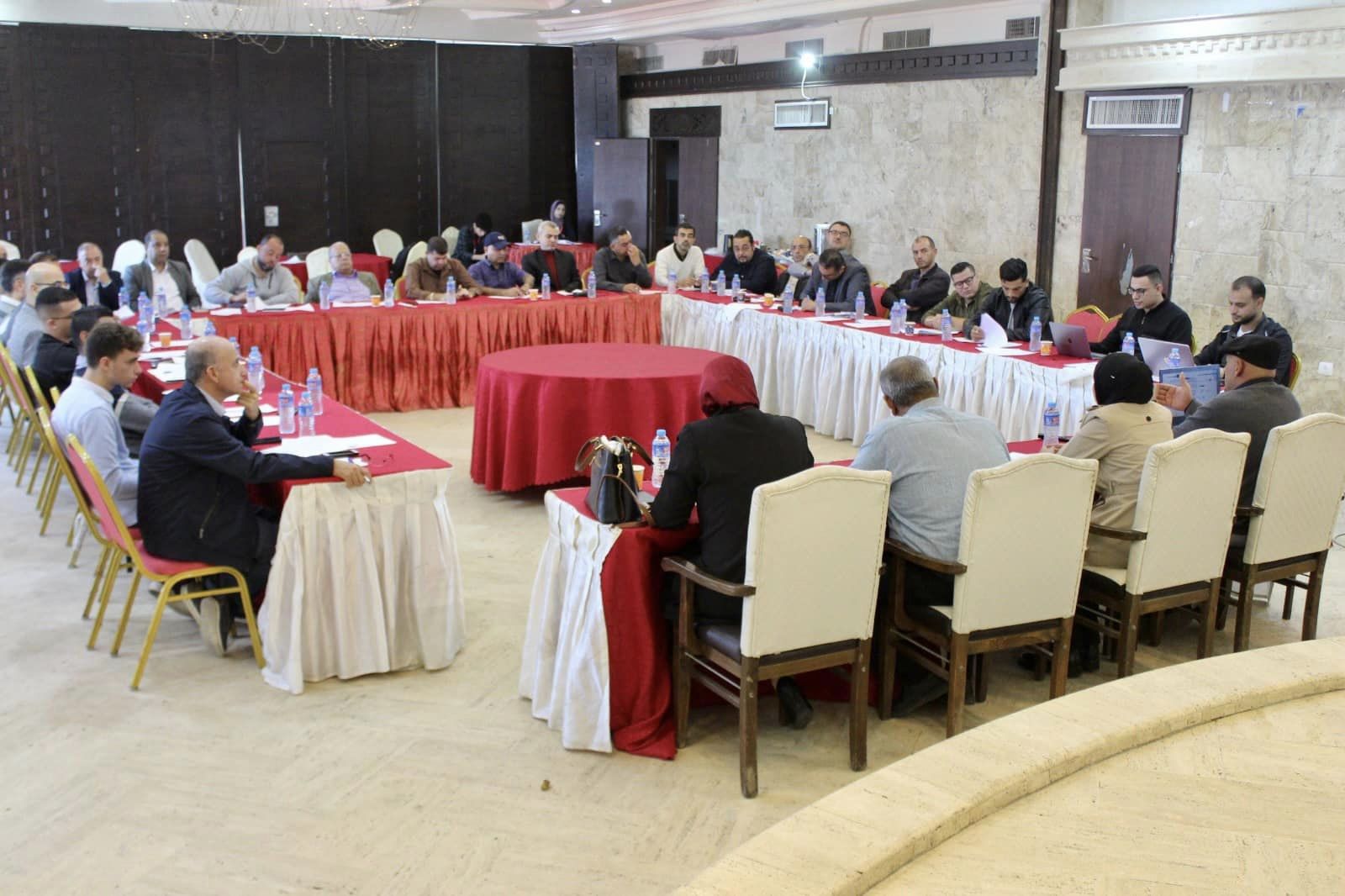
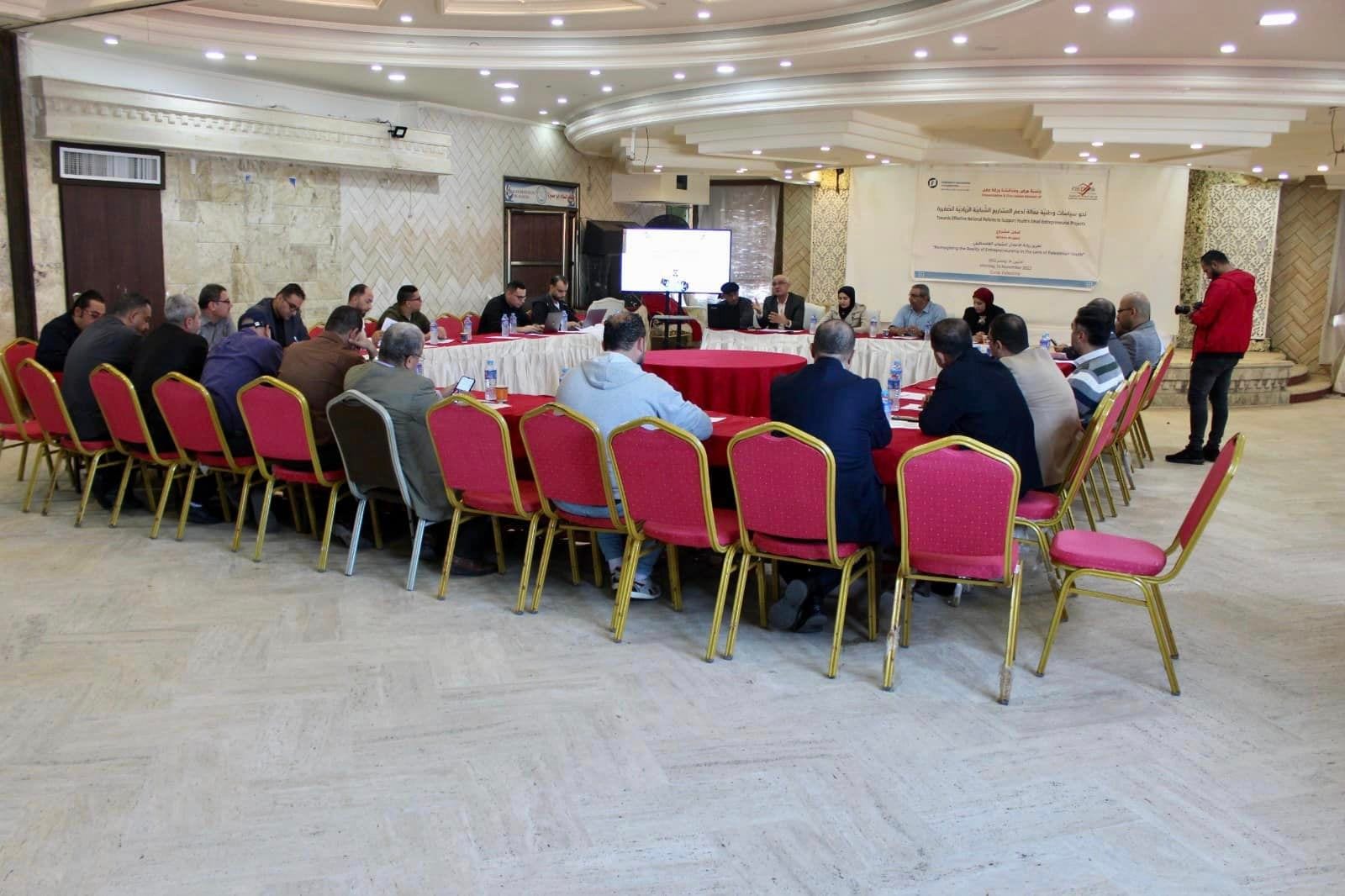
The session, attended by more than 45 participants — students, writers, researchers, and academics — comes within Pal-Think's work as an independent think tank continually producing knowledge on current issues.
The session, facilitated by trainee Sundus Sabra, was opened by Pal-Think's director Omar Shaban, who welcomed the audience and affirmed his institution's role in keeping pace with all the political and economic developments at the national and regional levels — always distinguished by presenting quality research papers and inviting eminent expert discussants to enrich the culture of dialogue.
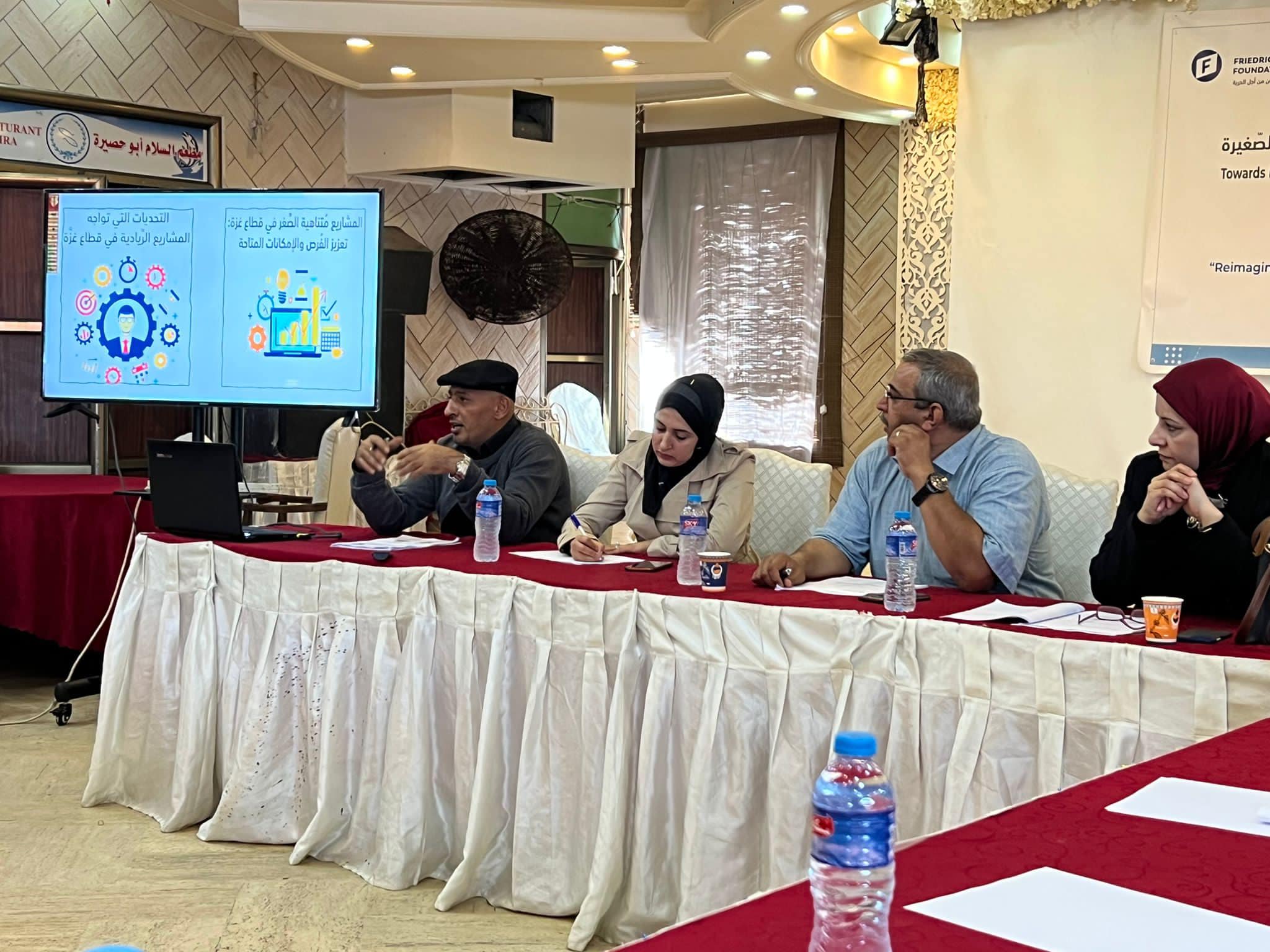
For his part, Qaoud noted that young people's economic enterprises face many obstacles: lack of funding; government laws and procedures under the Palestinian division; fees and taxes; the absence of the capacity to operate and compete — in addition to challenges related to the occupation and its blockade of Gaza, which has deepened the policy of economic dependency.
He presented a set of alternatives, foremost establishing a Palestinian entrepreneurship observatory, on the model of the Global Entrepreneurship Monitor, whose task would be to track the reality of entrepreneurship under the division and examine the challenges facing entrepreneurial enterprises — especially as the strategies of supporting entrepreneurship in Gaza differ entirely from those in the West Bank.
Qaoud spoke of the necessity of enacting modern laws to support entrepreneurship; strengthening the steadfastness of Palestinian human capital by providing them a dignified life; embracing university students' entrepreneurial projects and enabling them to implement them; converting small relief projects into developmental ones; and enabling young people to reach funding sources such as banks and lending institutions.
For her part, Samia Abdel Moneim, university lecturer at the faculty of business administration at Gaza University, commented that the researcher discussed substantive axes that advanced countries — such as Saudi Arabia, Singapore, and others — have adopted to advance youth entrepreneurship.
She stressed that the most important causes of enterprise failure are the high taxes and fees that stand as an obstacle to establishing and running entrepreneurial enterprises, in addition to entrepreneurs' ignorance of the laws in force; she recommended providing allocations for entrepreneurs in the first stages of their enterprises so they can reinvest the returns.
For his part, Ziad al-Demagh, lecturer at the faculty of administrative and financial sciences at Gaza University, said the Gaza Strip needs a national policy to support entrepreneurial enterprises overseen by the public and private sectors and civil society, in addition to developing technical and vocational education.
He added that even were national unity achieved, the government sector cannot provide enough jobs for the “armies” of the unemployed; the private sector will therefore have a greater capacity to create jobs. At the same time, an entrepreneurial project must carry a competitive advantage, and its owner must be self-confident and fully versed in entrepreneurship.
The audience's questions turned on the usefulness of entrepreneurial enterprises in curbing unemployment; the means of pressing decision-makers to enact new laws suited to entrepreneurial enterprises; the role of the universities and social media in spreading the culture of entrepreneurship among youth; and the digital economy's effect on the Palestinian economy.