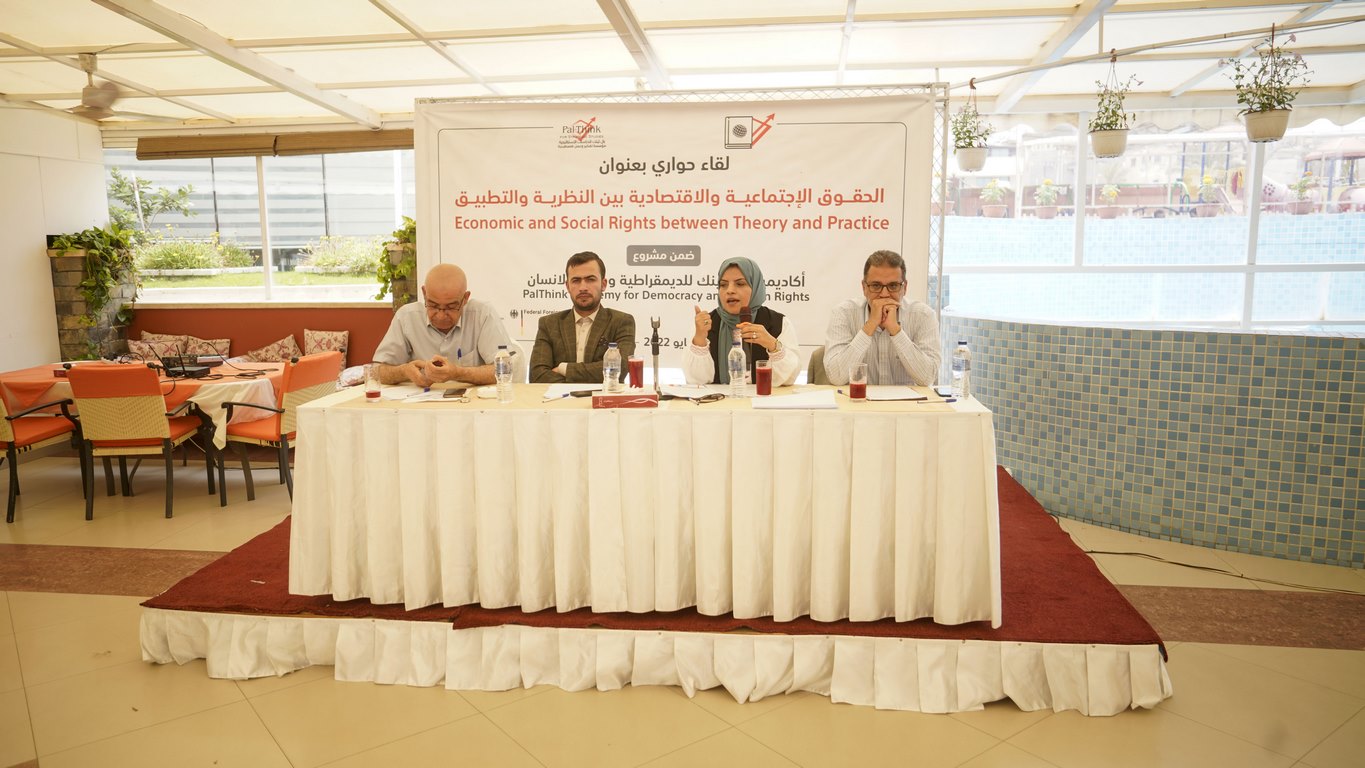
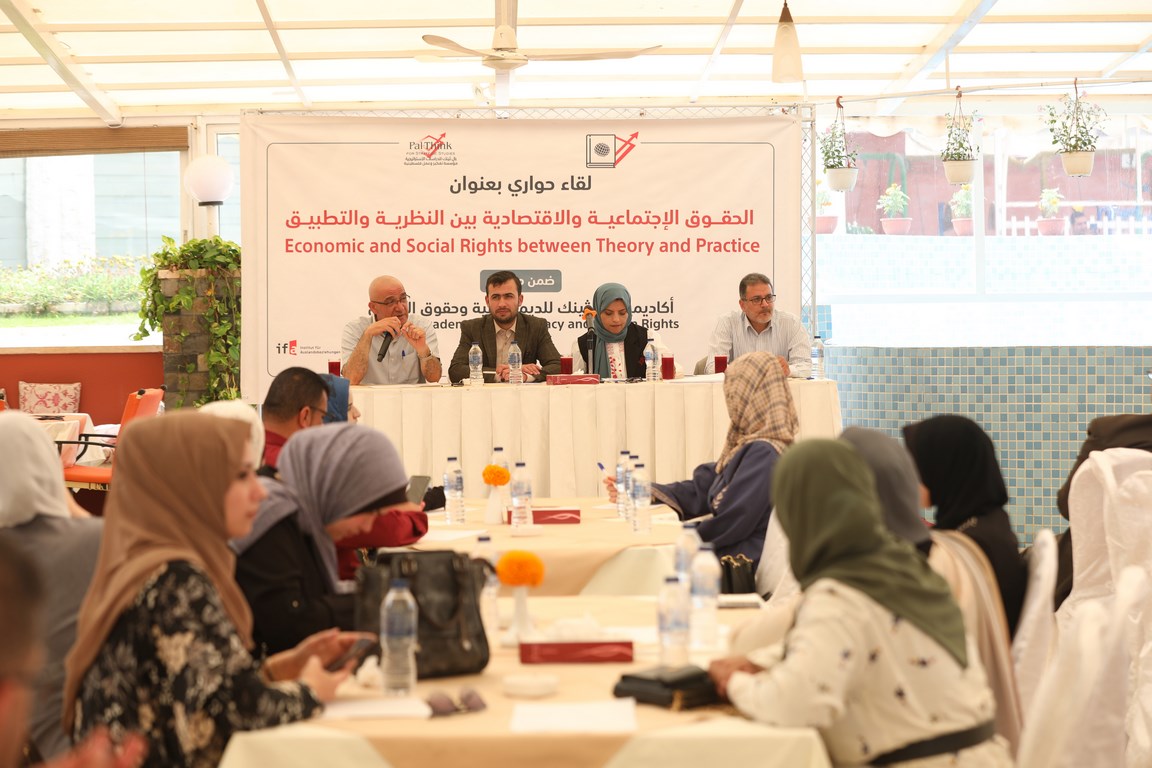
Pal-Think holds the dialogue «Social and economic rights between theory and practice»
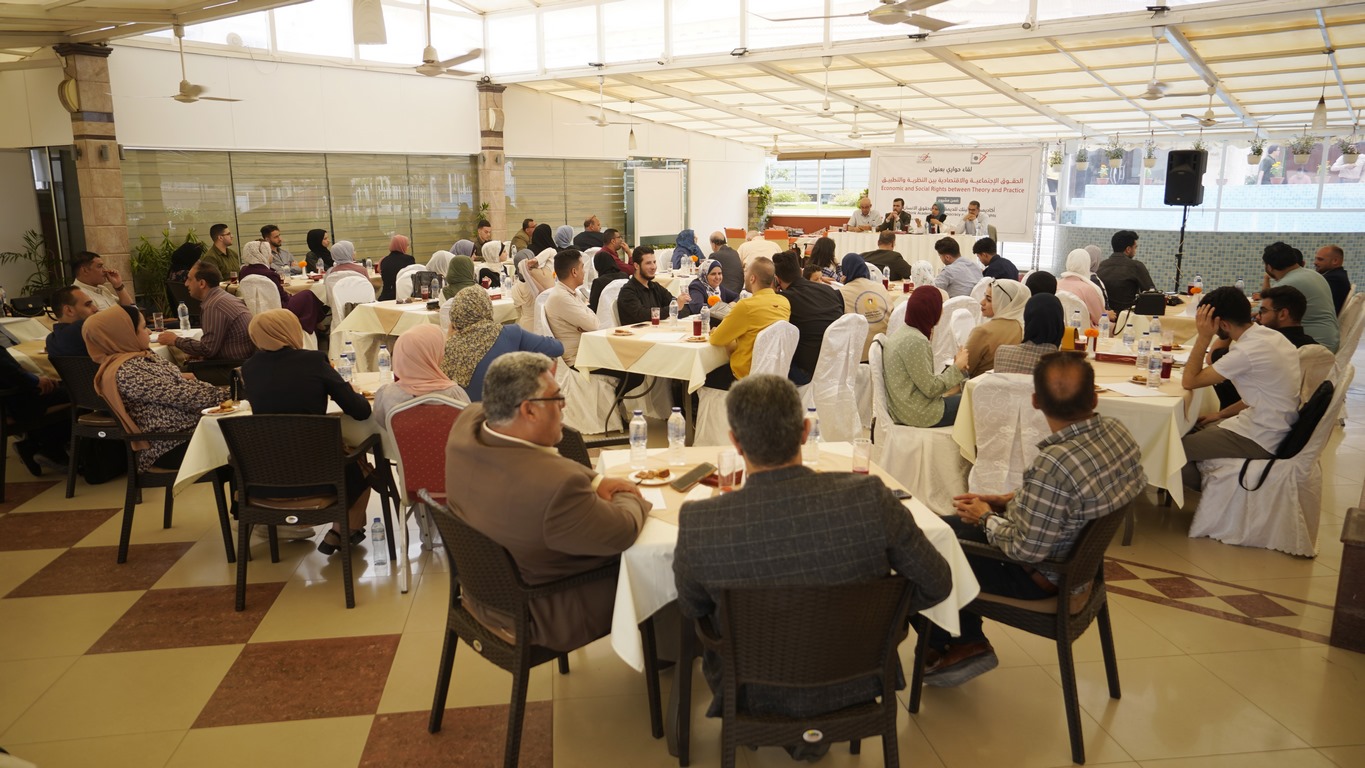
Pal-Think held the dialogue «Social and economic rights between theory and practice» at the Lighthouse in Gaza on 23 May 2022 — examining the rights enshrined in Palestinian law and how they are exercised in reality.
- Date
- 2022-05-25
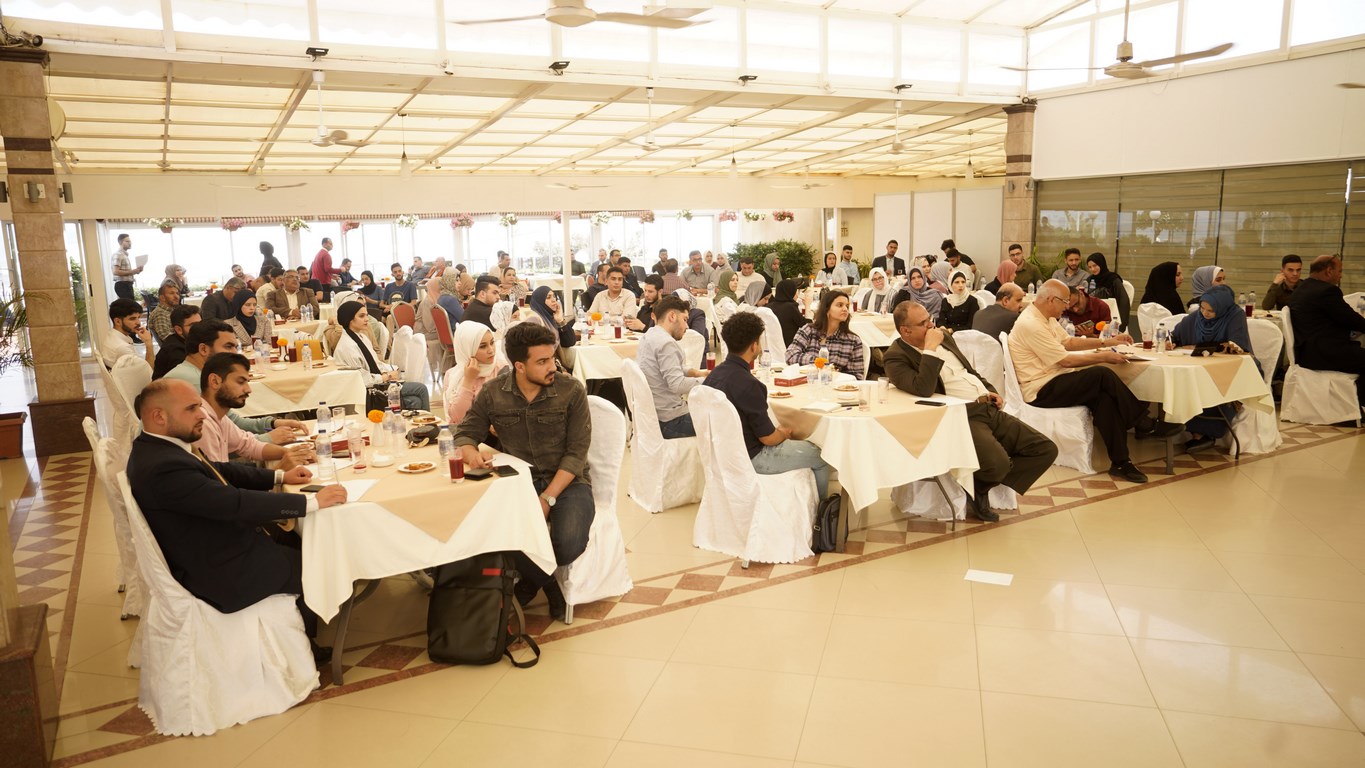
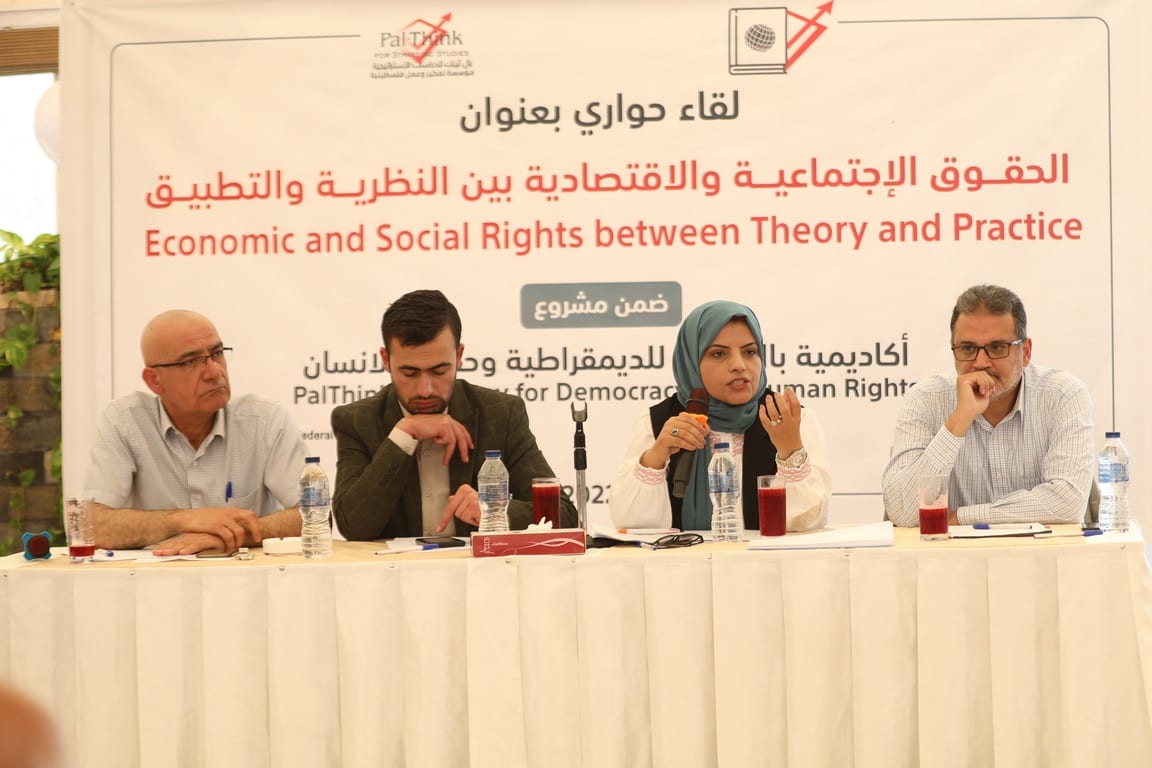
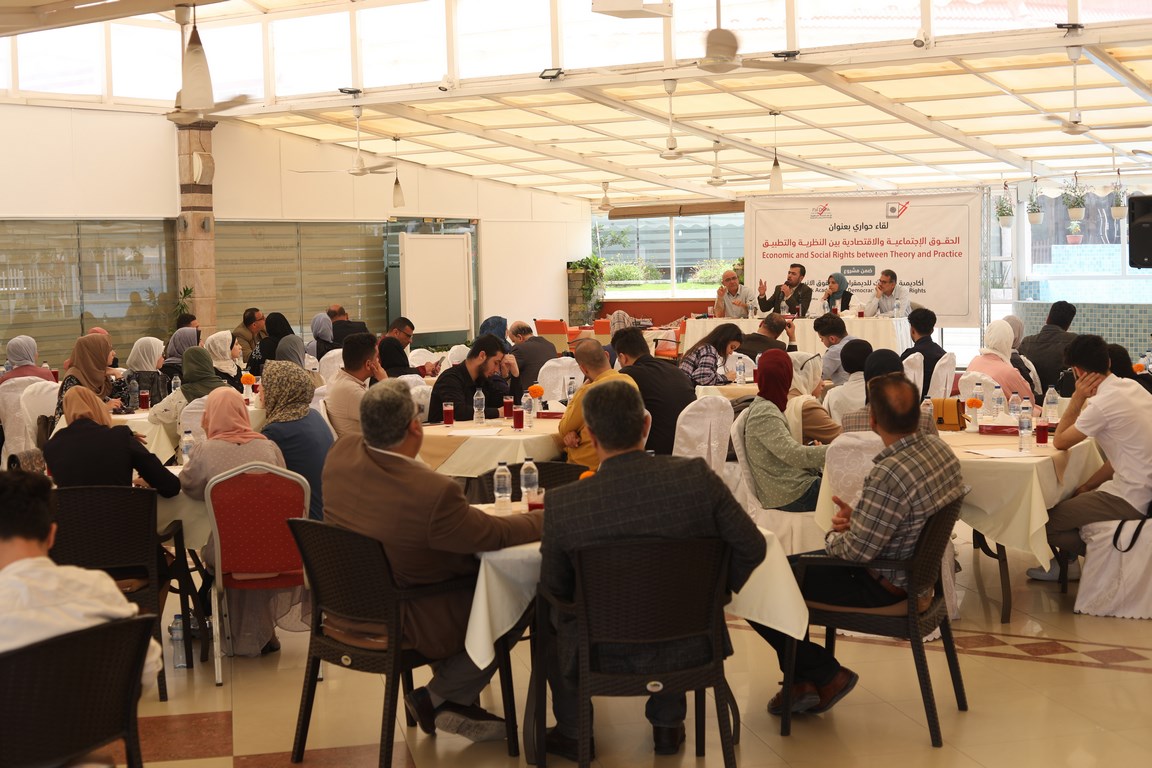
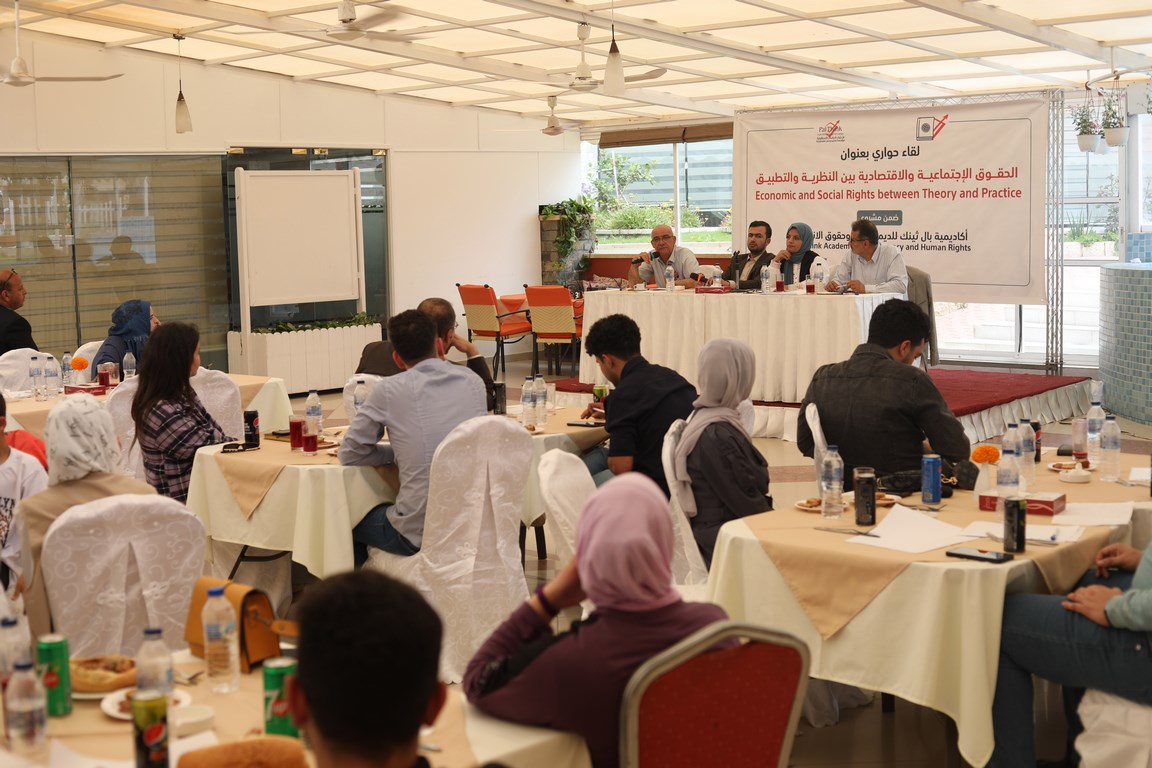
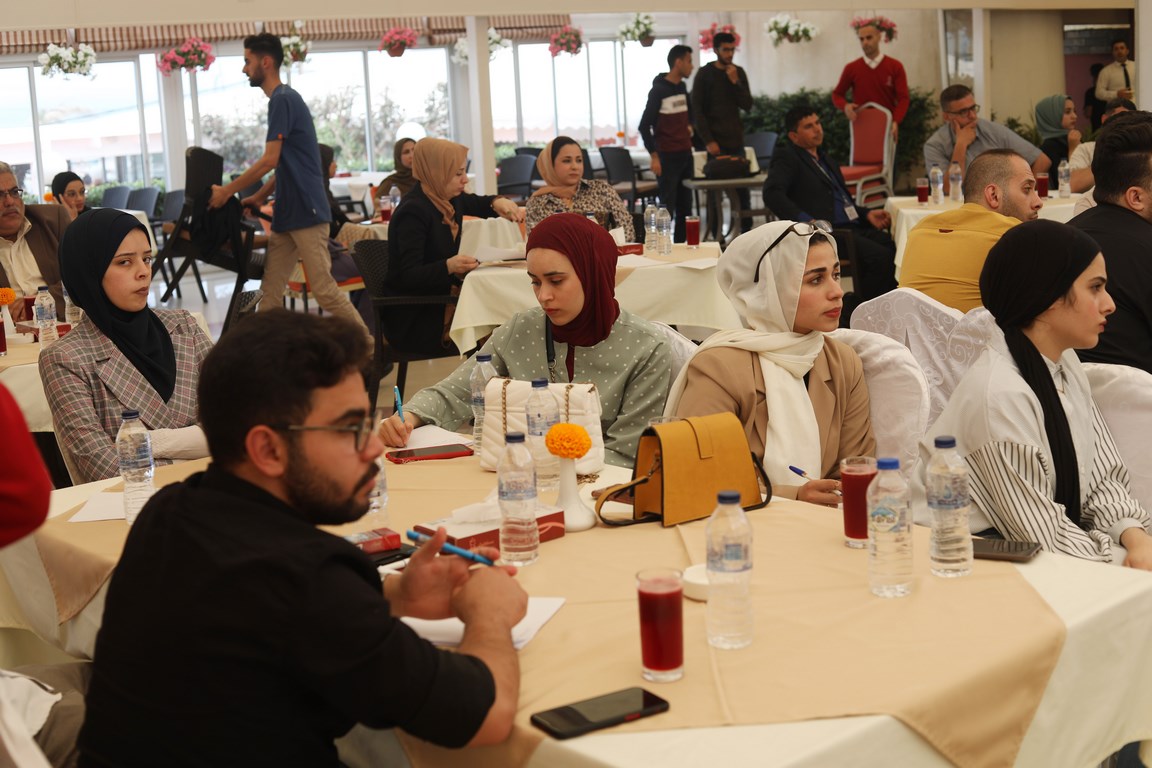
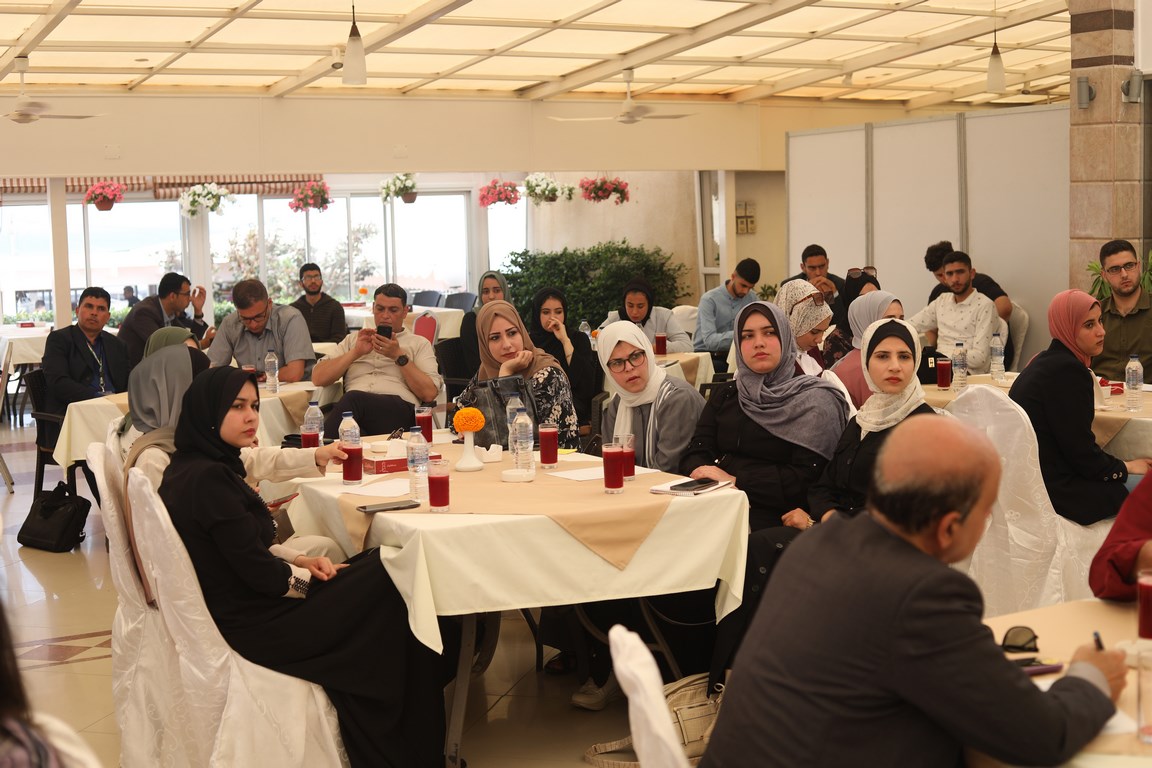
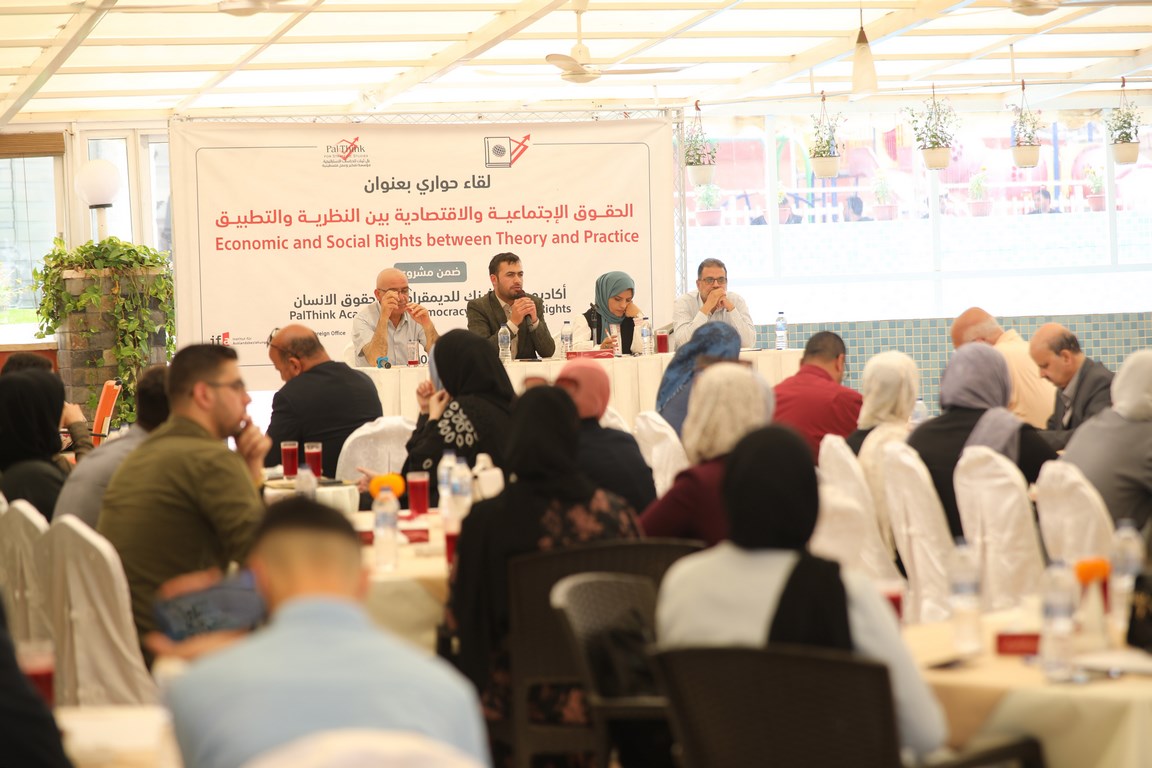
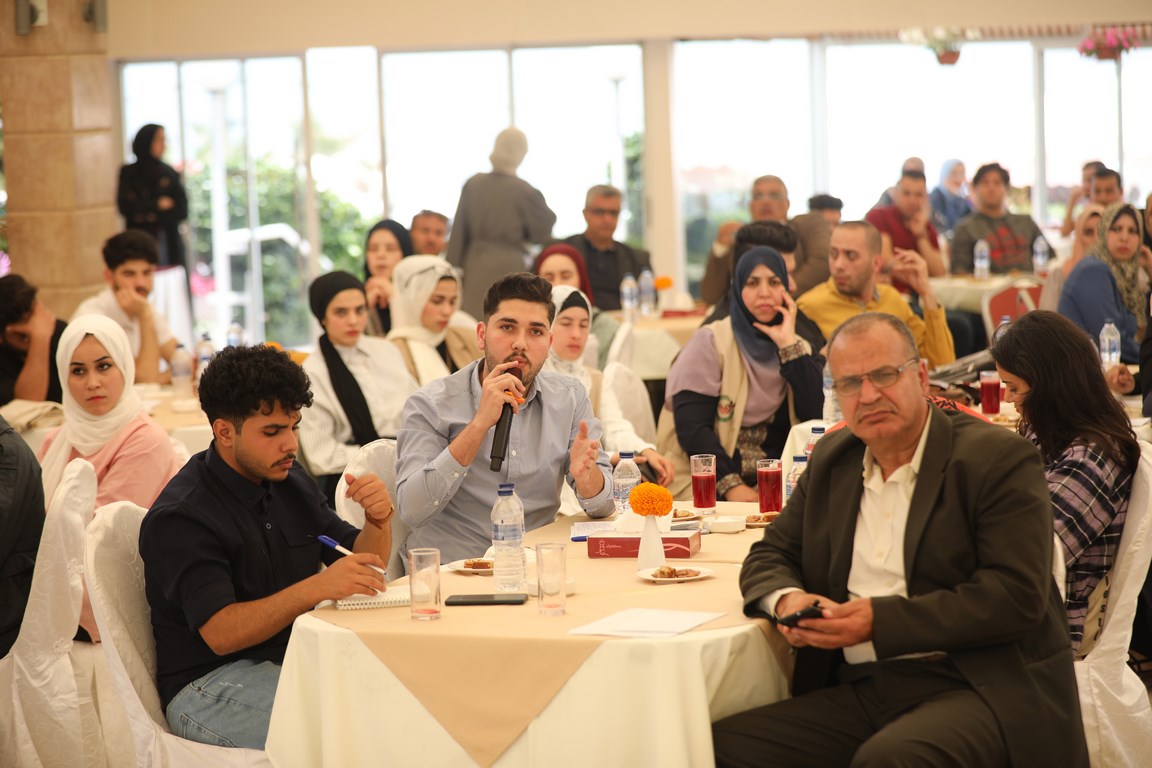
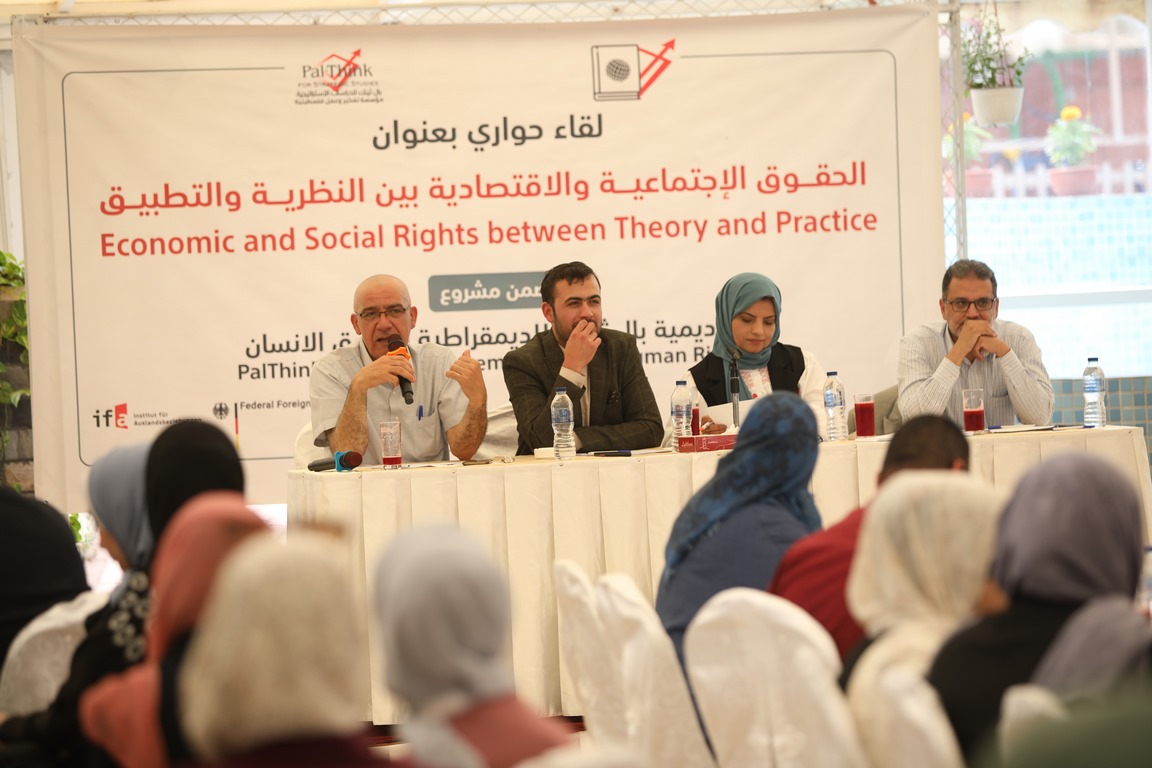
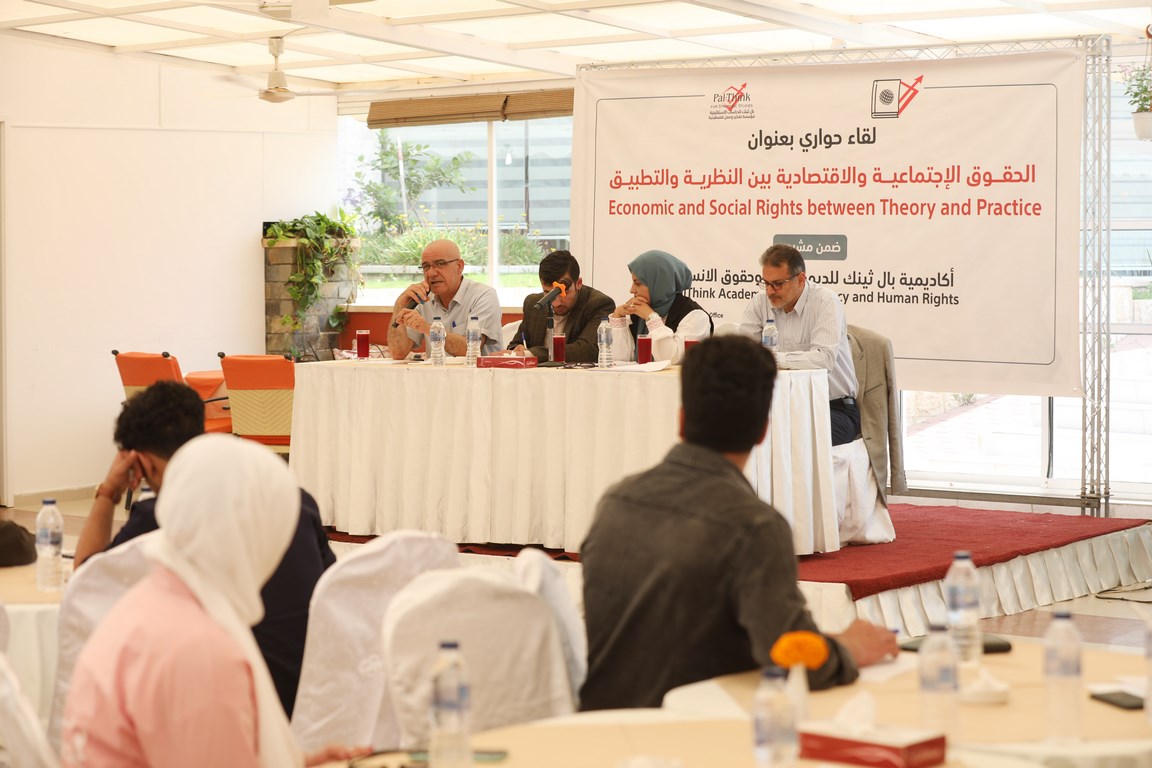
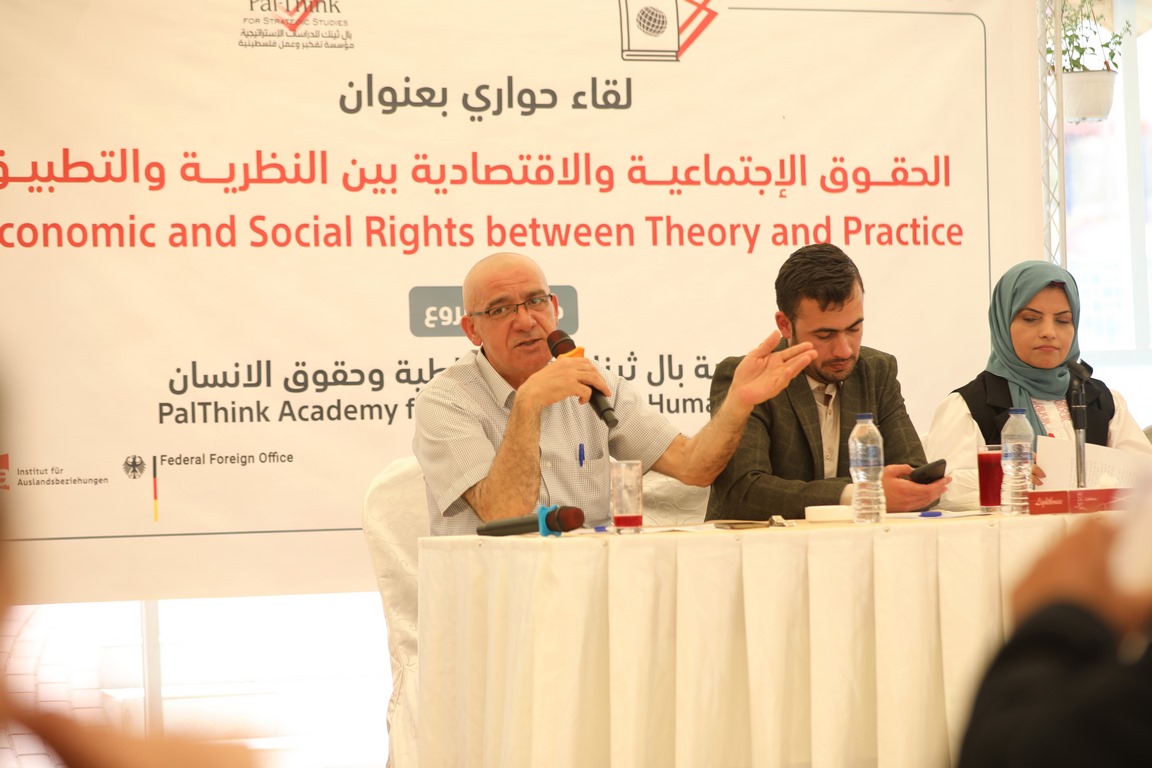
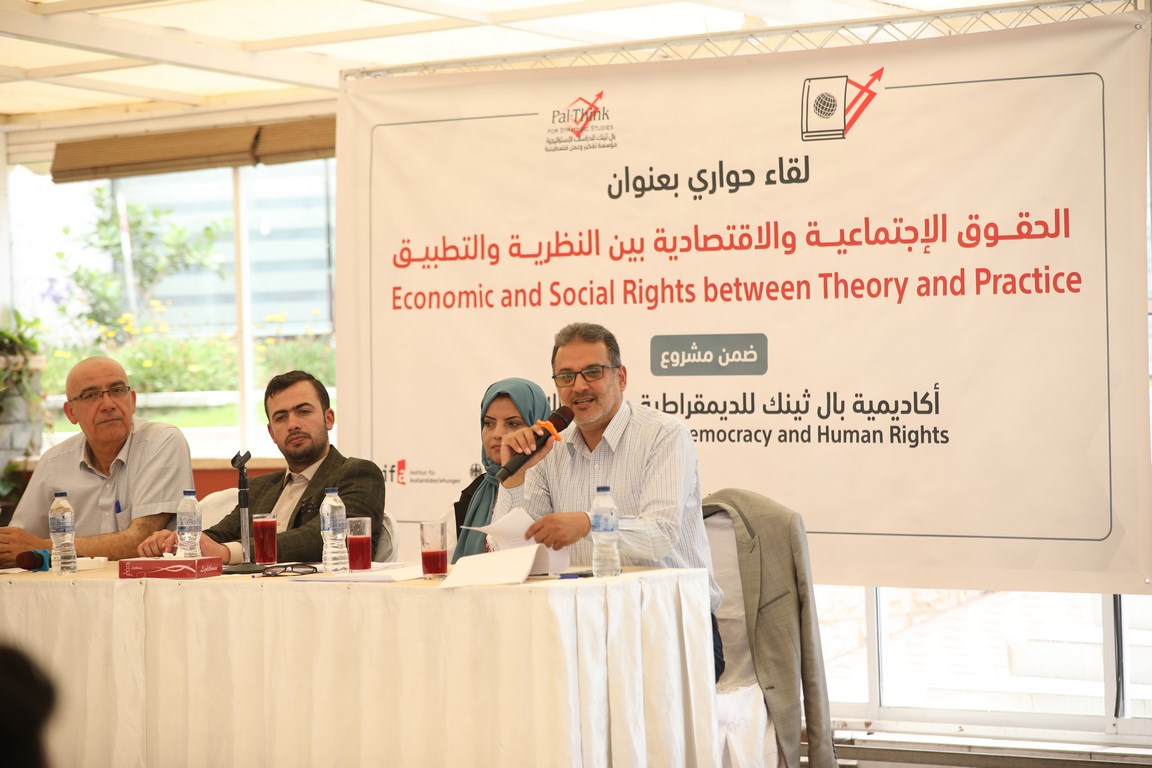
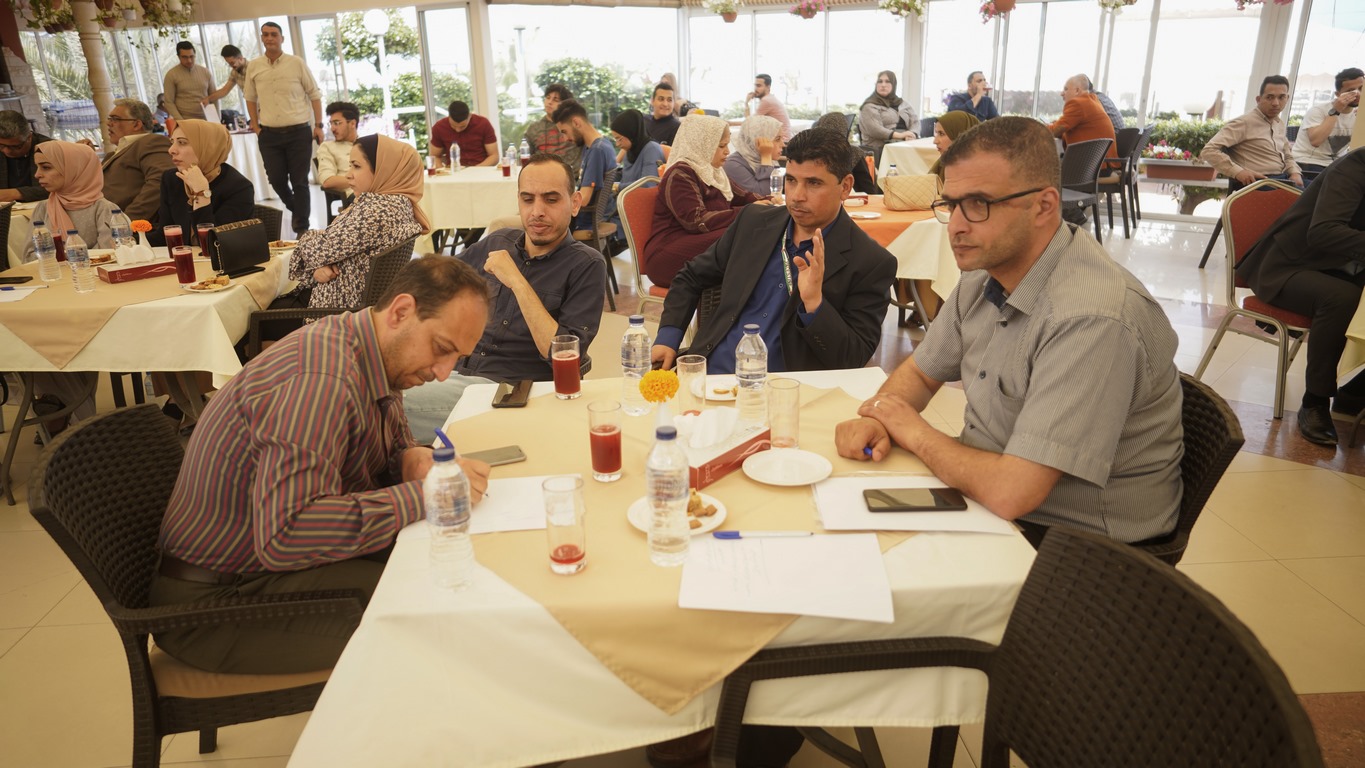
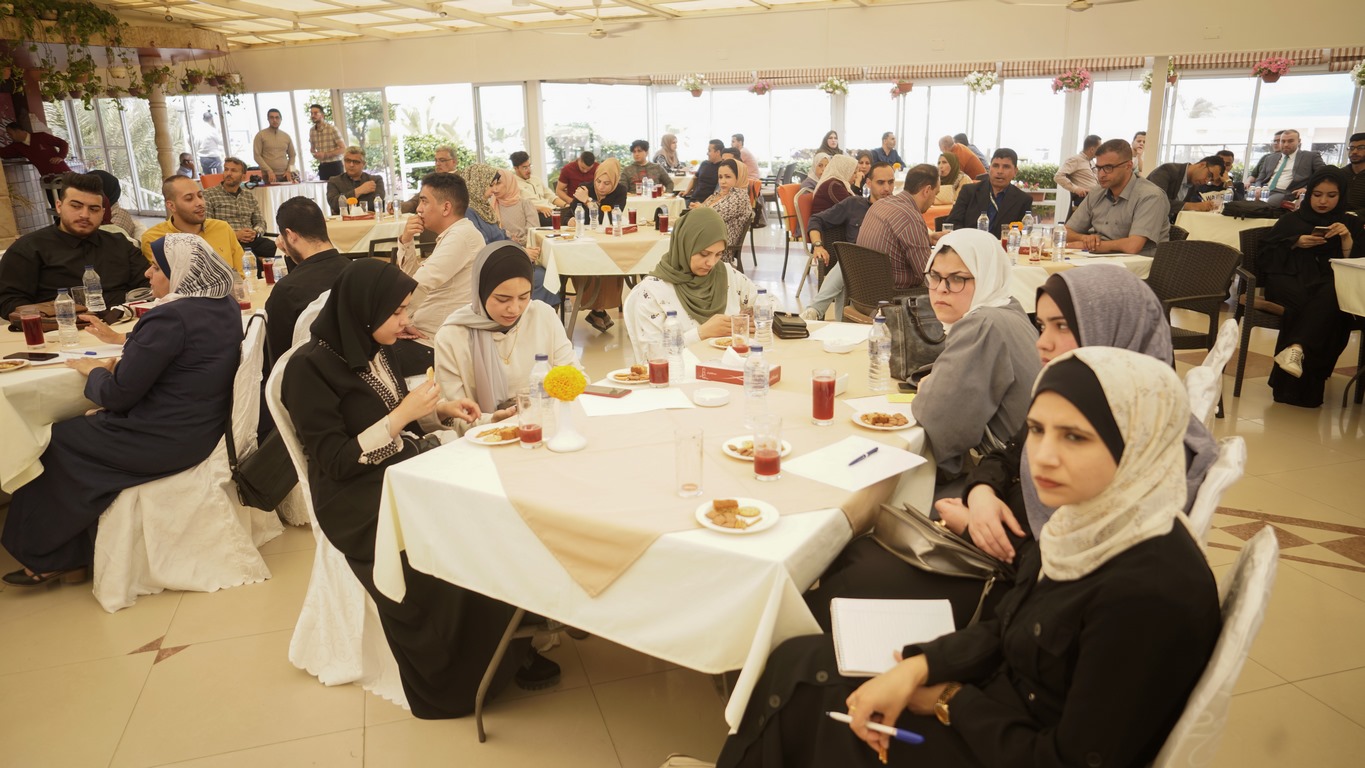
Pal-Think for Strategic Studies held, on Monday 23 May 2022, a dialogue meeting in Gaza City — the Lighthouse — titled “Social and economic rights between theory and application”, which examined the reality of the social and economic rights set down in the Palestinian laws and the nature of their practice in Palestinian society.
During his opening word, Omar Shaban, director of Pal-Think, made clear the importance of discussion and dialogue on the nature of the standing gap between the legal text and the practical application of social and economic rights in Palestinian society, and what conditions have come to after long years of division. He pointed to Pal-Think's diverse activities in service of Palestinian society and its constant attempt to offer objective treatments of the division and its catastrophic effects, in the programmes and projects Pal-Think implements — among which comes the “Pal-Think Academy for Democracy and Human Rights project”.
In the meeting's first axis, the lawyer Bilal al-Najjar reviewed the texts of the Palestinian Basic Law relating to social and economic rights, in addition to the international agreements and covenants the Palestinian Authority has joined, which guarantee social and economic rights. Al-Najjar showed that the problems lie in the lack of mechanisms for activating these rights in Palestinian society. He added that the Basic Law in its fifth article made clear the system of governance in Palestine as “a democratic parliamentary system”, without defining the features of governance — whether presidential, republican, or parliamentary — and this is one of the principal causes of the state of Palestinian division we live, which has reflected negatively in the retreat of giving effect to economic and social rights
In the second axis, the community activist Dr Khitam Abu Odeh reviewed the economic rights set down by Palestinian and international law — such as the right to education, health, housing, and work — set down by the International Covenant on Economic, Social and Cultural Rights. She described the Palestinian reality as lacking the application of those rights, especially in the Gaza Strip, in addition to the suspension of oversight work.
She traced the deterioration of economic conditions and the rise of unemployment rates in Palestine generally, and the Gaza Strip especially — which reached 47% in the Gaza Strip compared with 16% in the West Bank — back to the Palestinian division and the absence of the laws' application. She concluded her intervention with a set of recommendations that would advance economic and social rights, foremost: reactivating the democratic process, ending the state of division, and forming party and institutional pressure to provide economic rights in Palestinian society.
In the third and final axis, Dr Yasser Abu Jamei, director general of the Gaza Community Mental Health Programme, discussed the importance of the presence of the elements of social rights in Palestinian society, which strengthen the elements of mental health and the enjoyment of desire and hope — returning benefit in self-realisation and societal production. He considered the absence of social rights a cause of Palestinian society's suffering, especially among the youth, who represent the gleam of hope and the makers of change in the future.
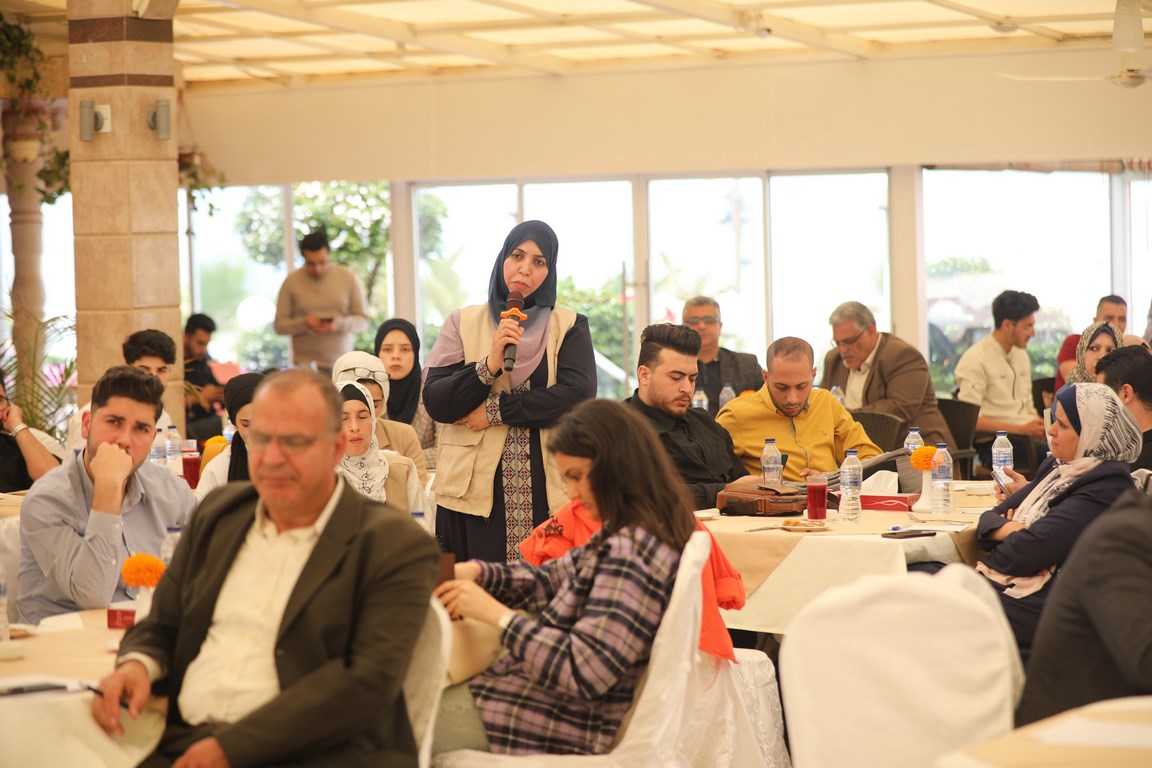
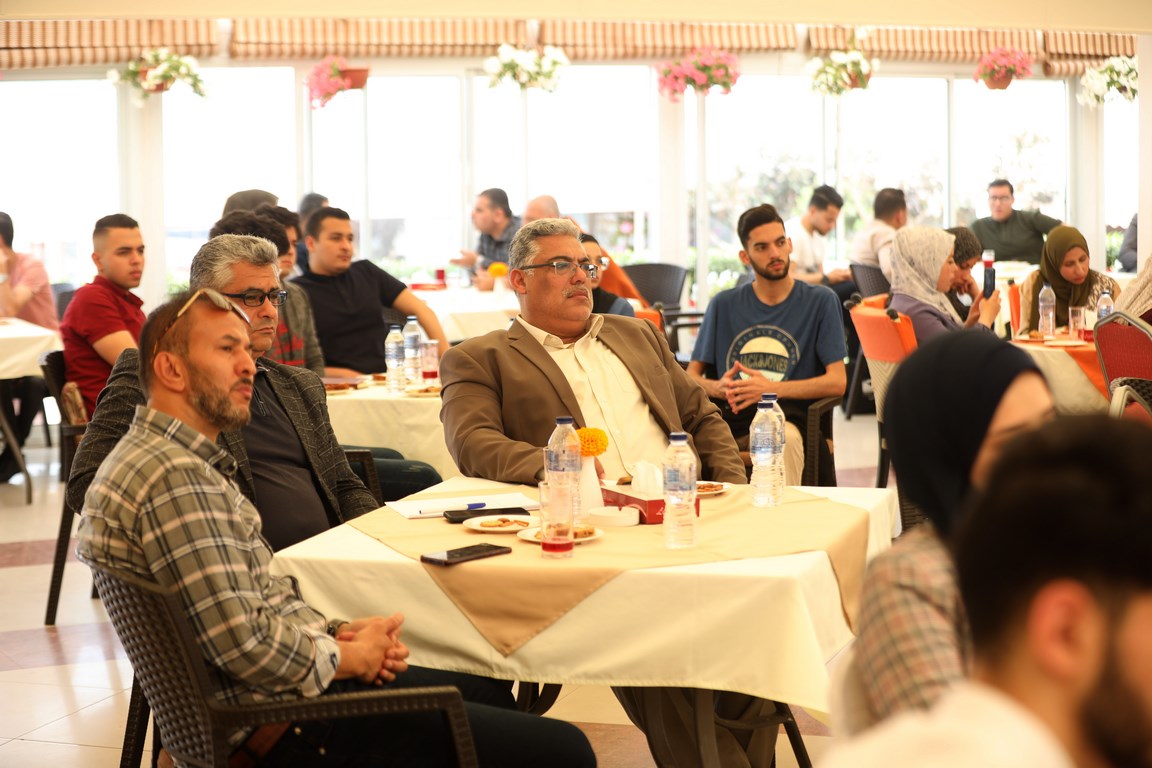
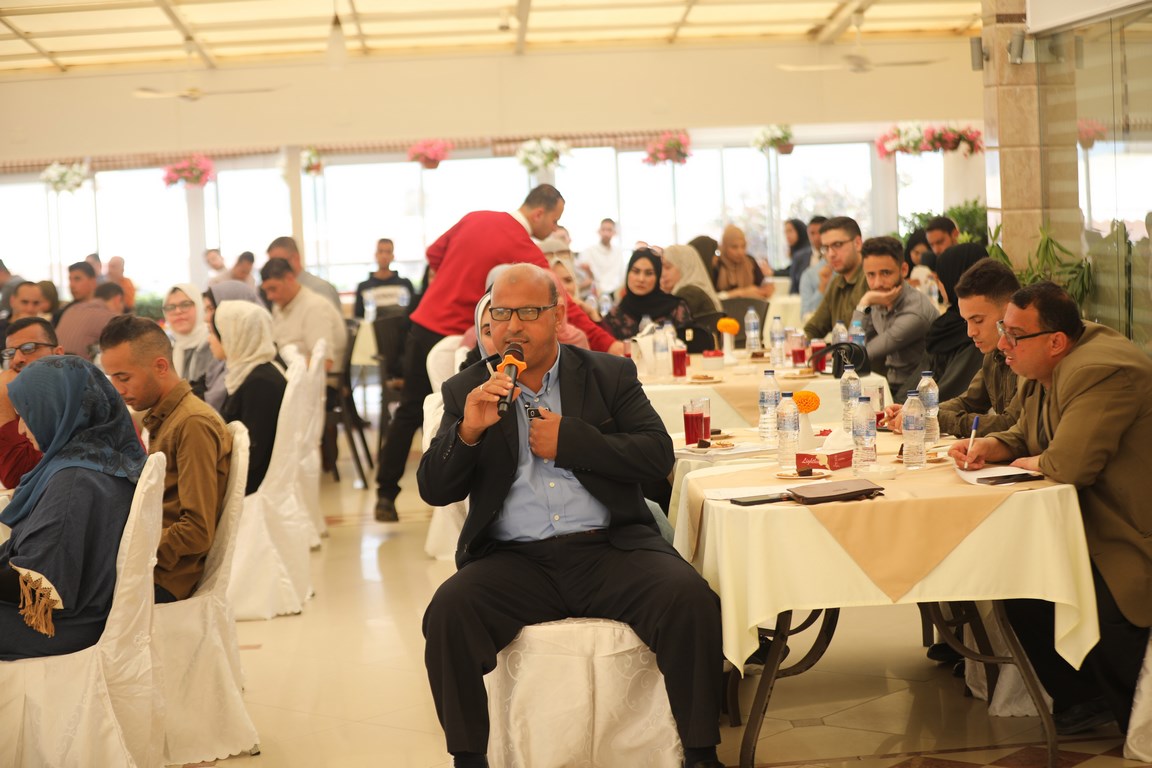
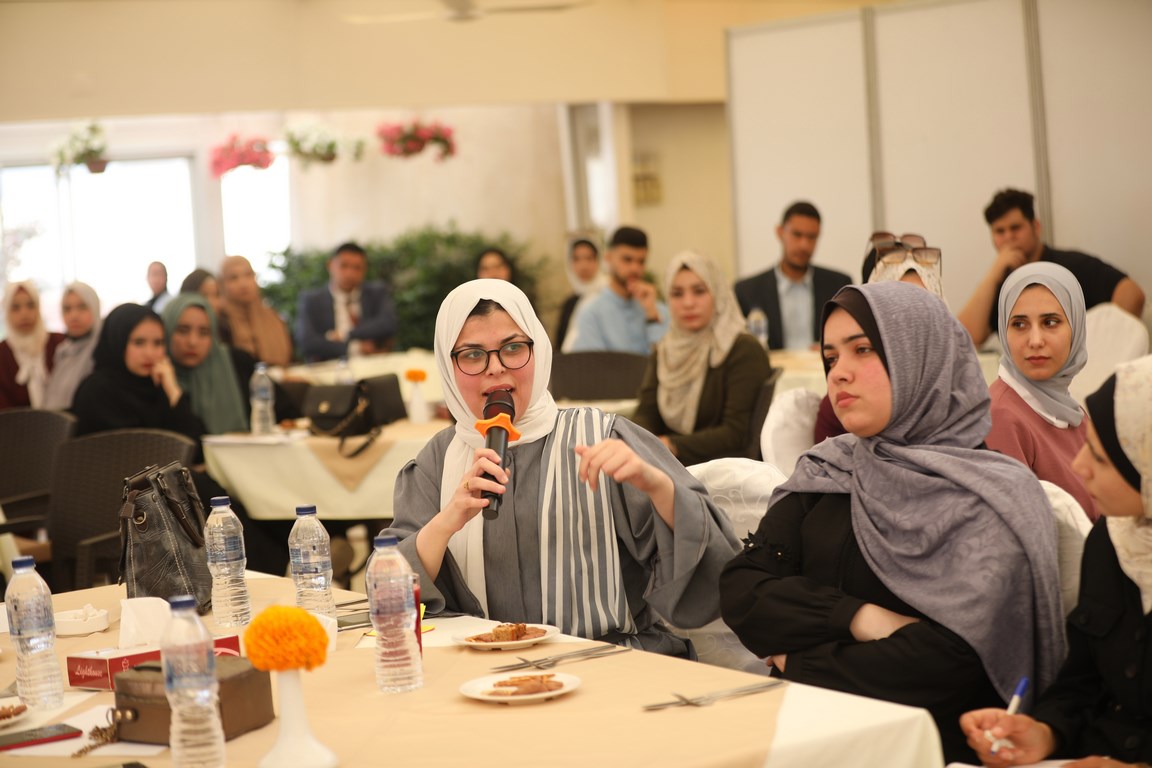
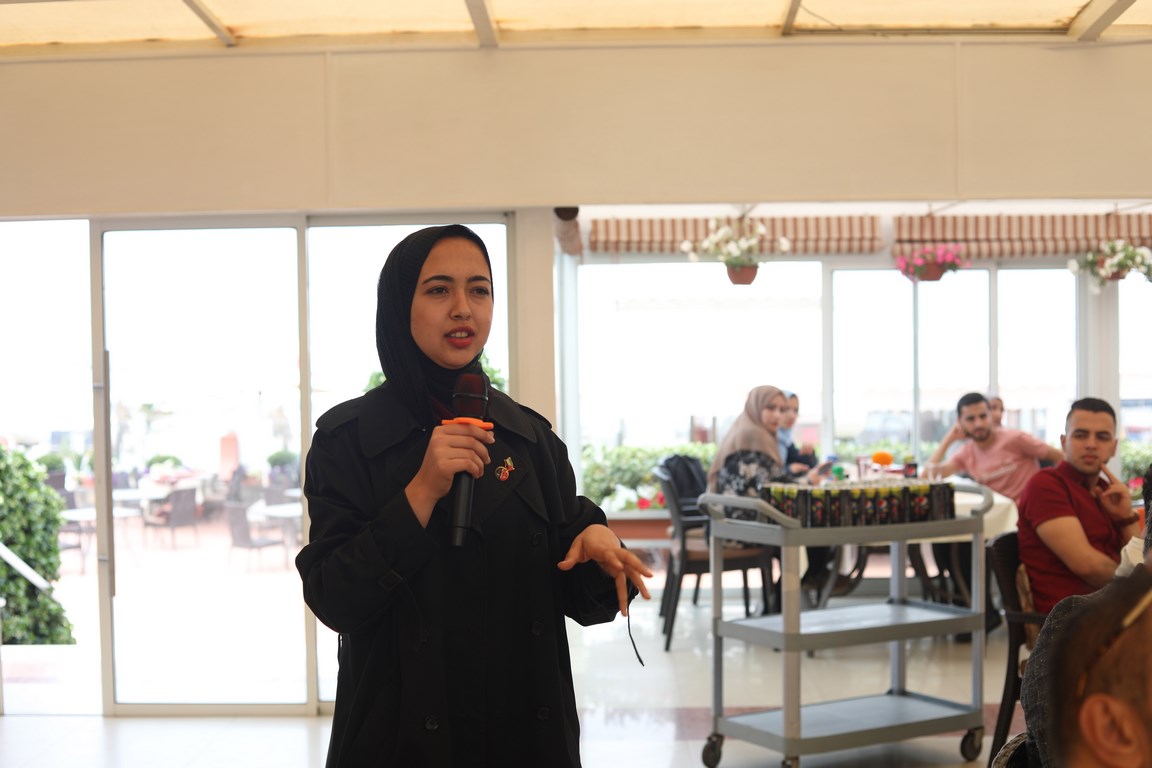
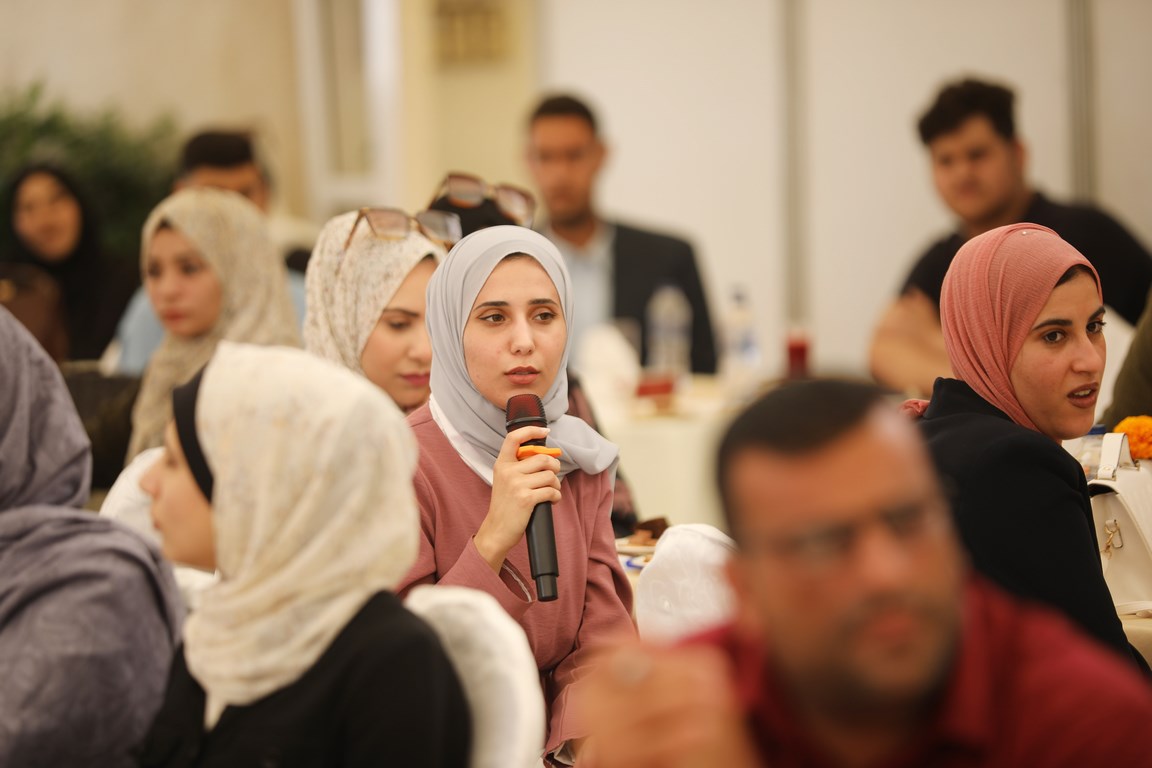
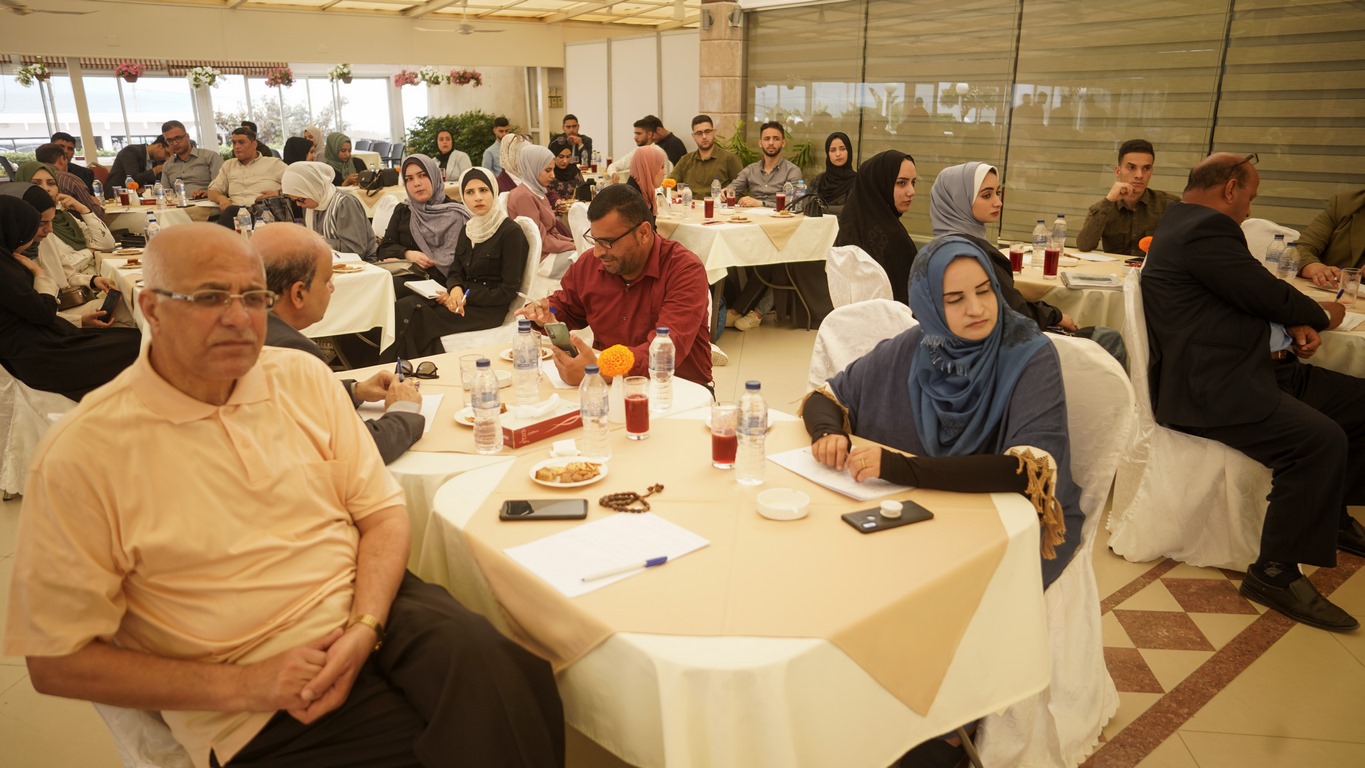
The participants from civil-society institutions and Palestinian youth offered a set of interventions at the close of the dialogue workshop, reflecting the attention of society's different groups participating in the meeting to social and economic rights and the weakness of their practical applications. The student Jumana Sinjar, one of the former trainees in Pal-Think's programmes, offered an intervention on “the deprivation Palestinian youth live at the political, economic, and social levels”, while Aya Ashour took up the economic reality Palestine lives as a result of the division and the suspension of the economic agreements — especially the Paris economic agreement, which could contribute directly to reviving the Palestinian economy and reflect positively on social reality.