Pal-Think holds a dialogue workshop on the state of public rights in the Palestinian territories
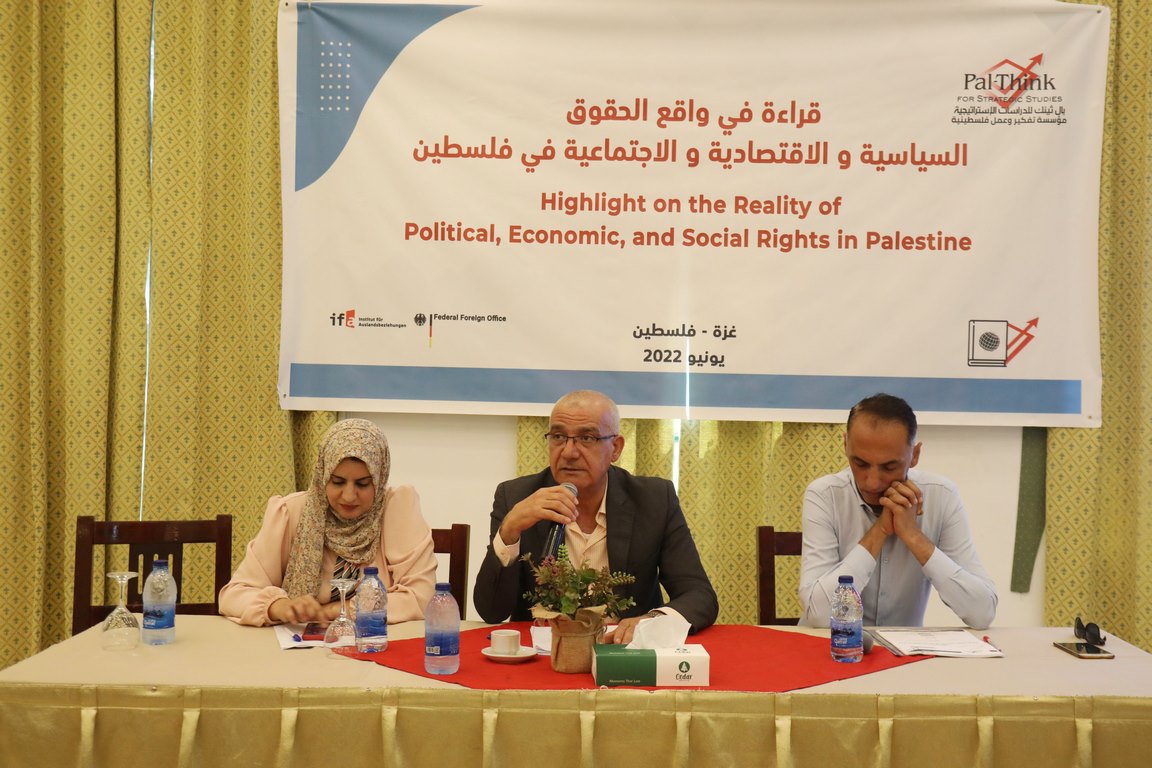
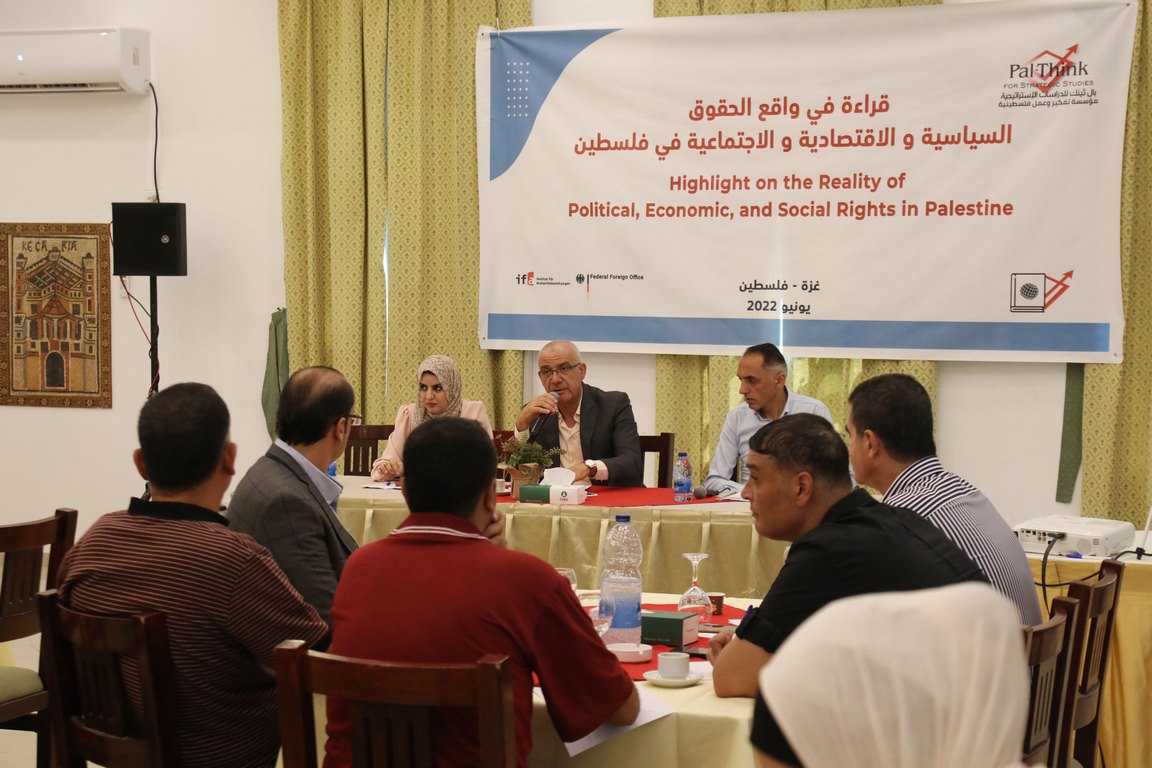
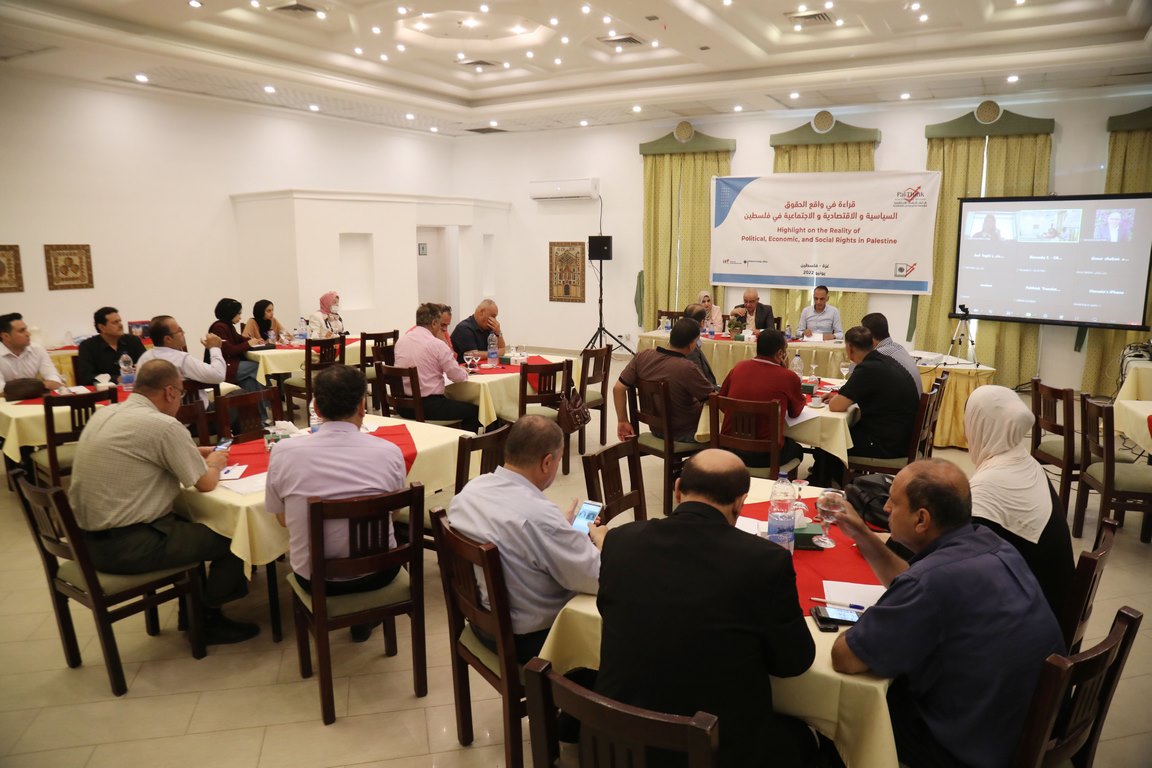
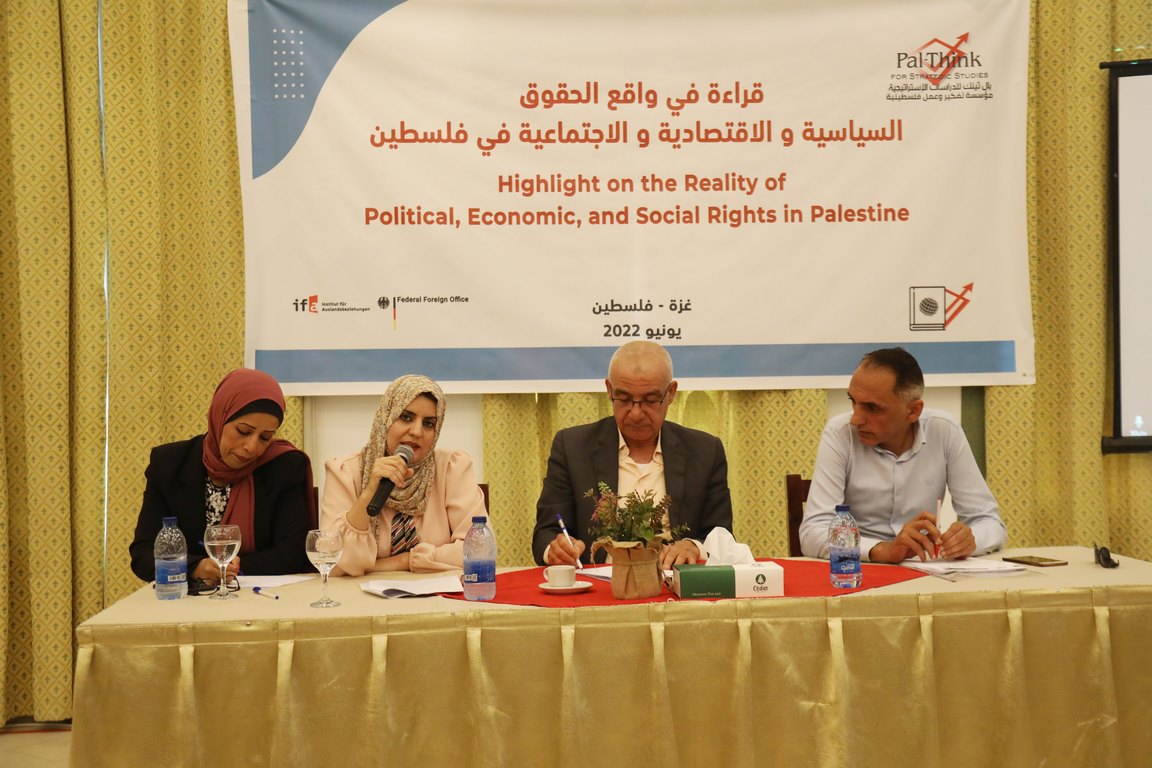
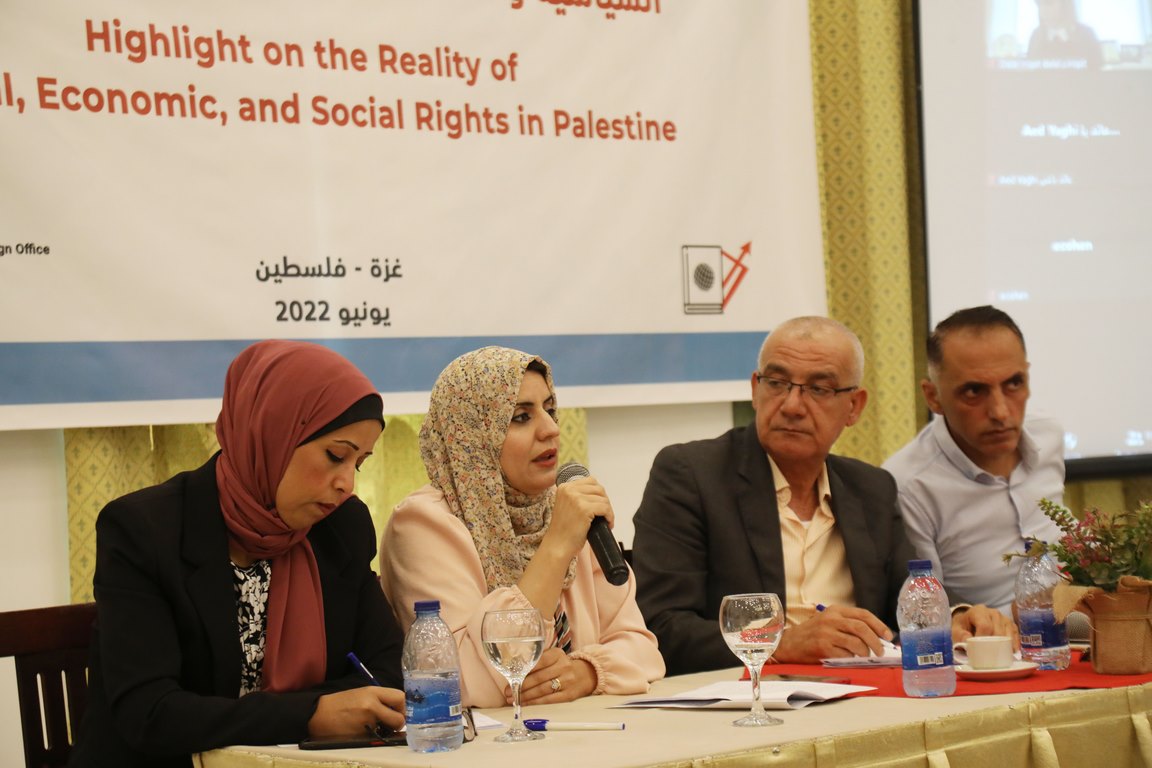
Under the Pal-Think Academy for Democracy and Human Rights, Pal-Think held the dialogue workshop «A reading of the state of political, economic and social rights in Palestine», with dozens of jurists, experts and researchers.
- Date
- 2022-07-03
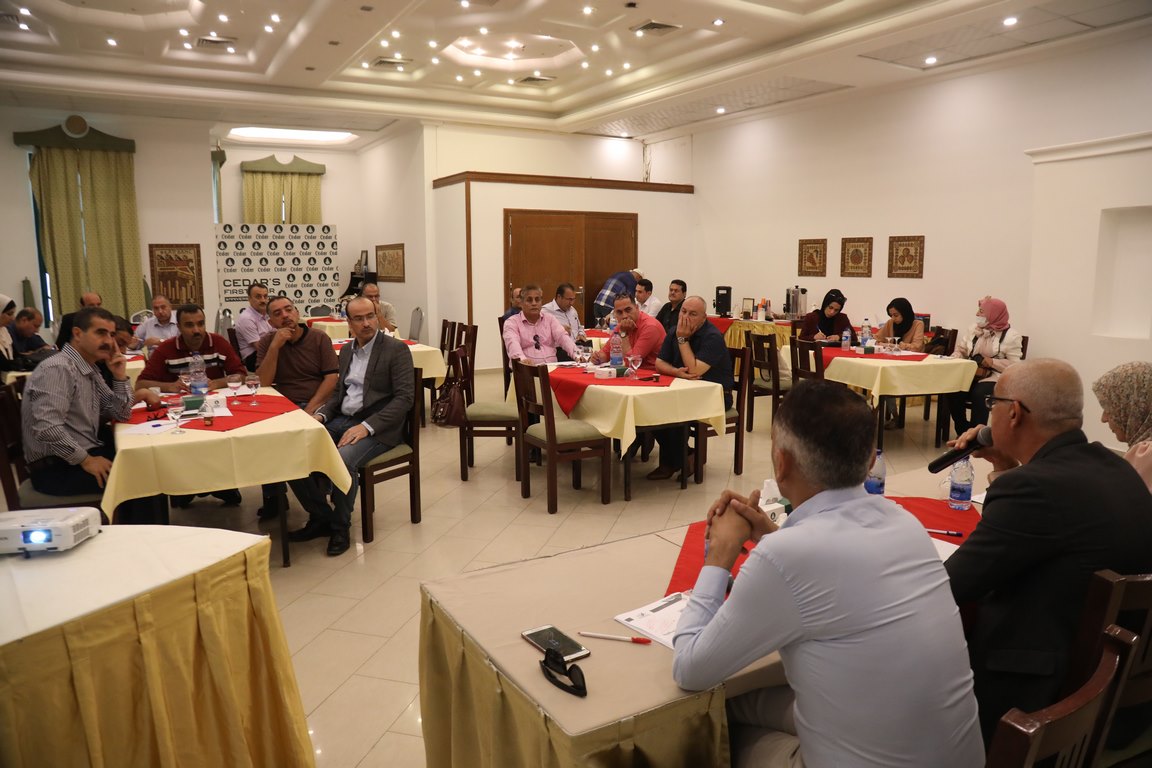
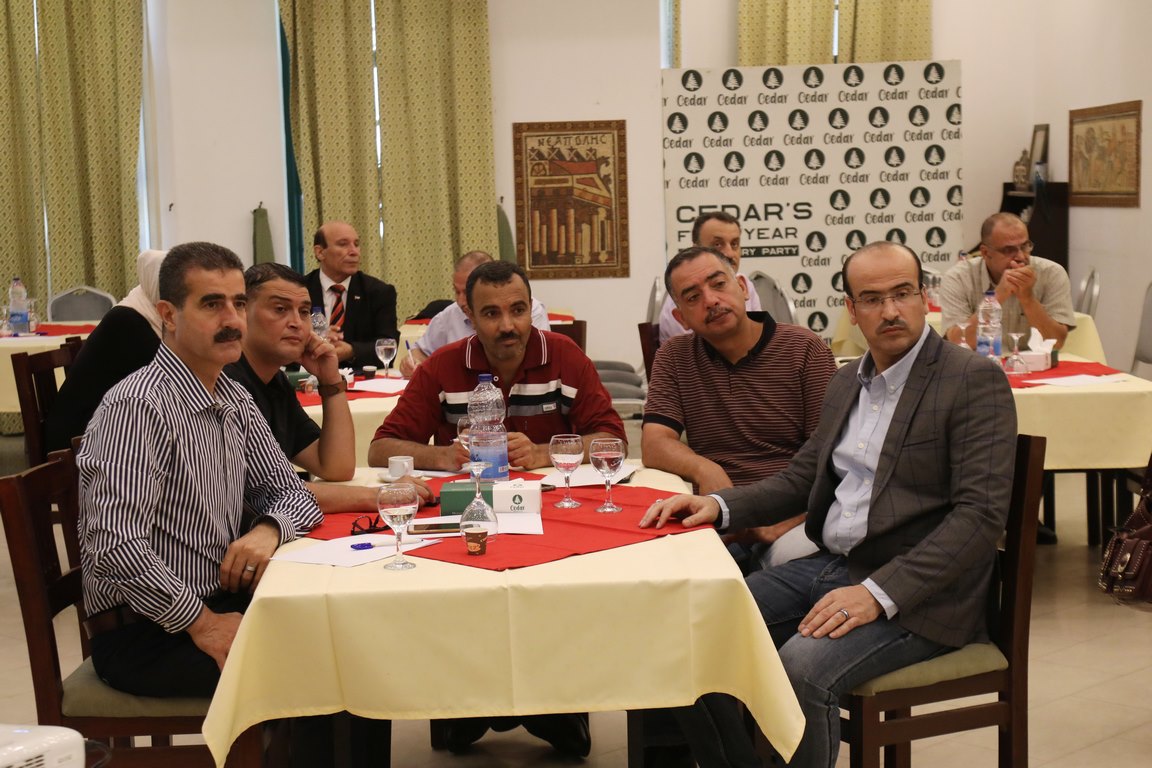
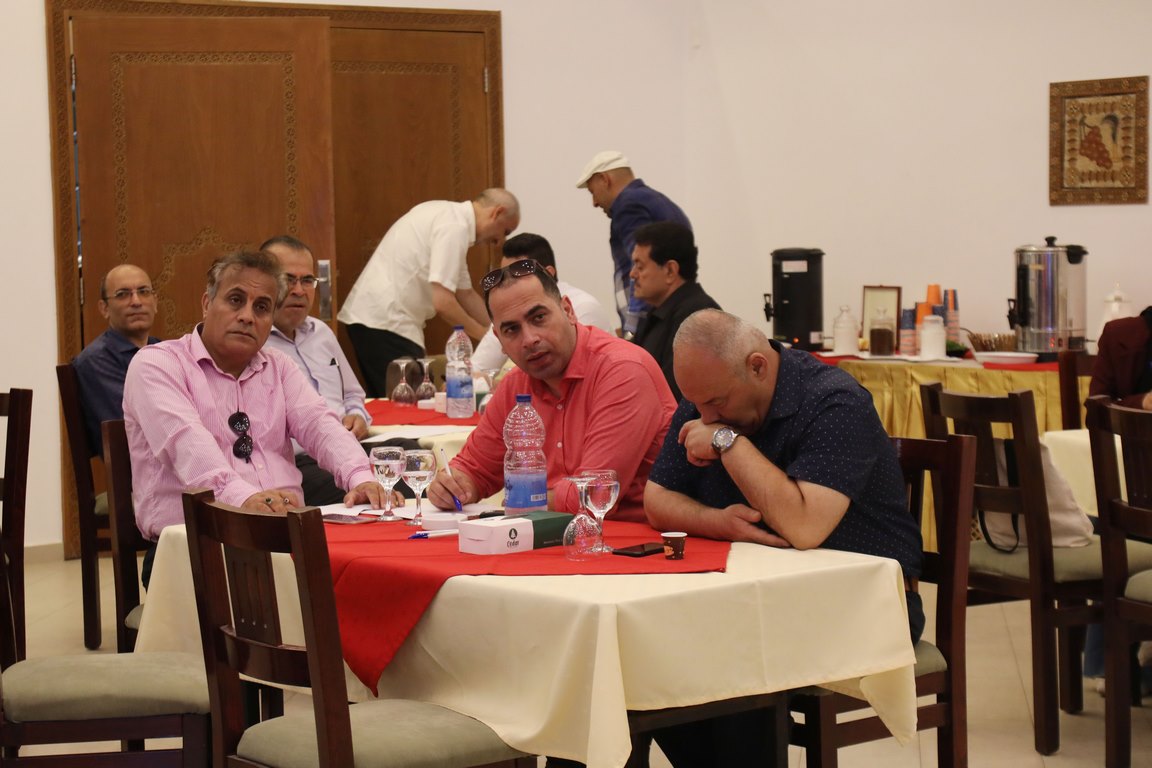
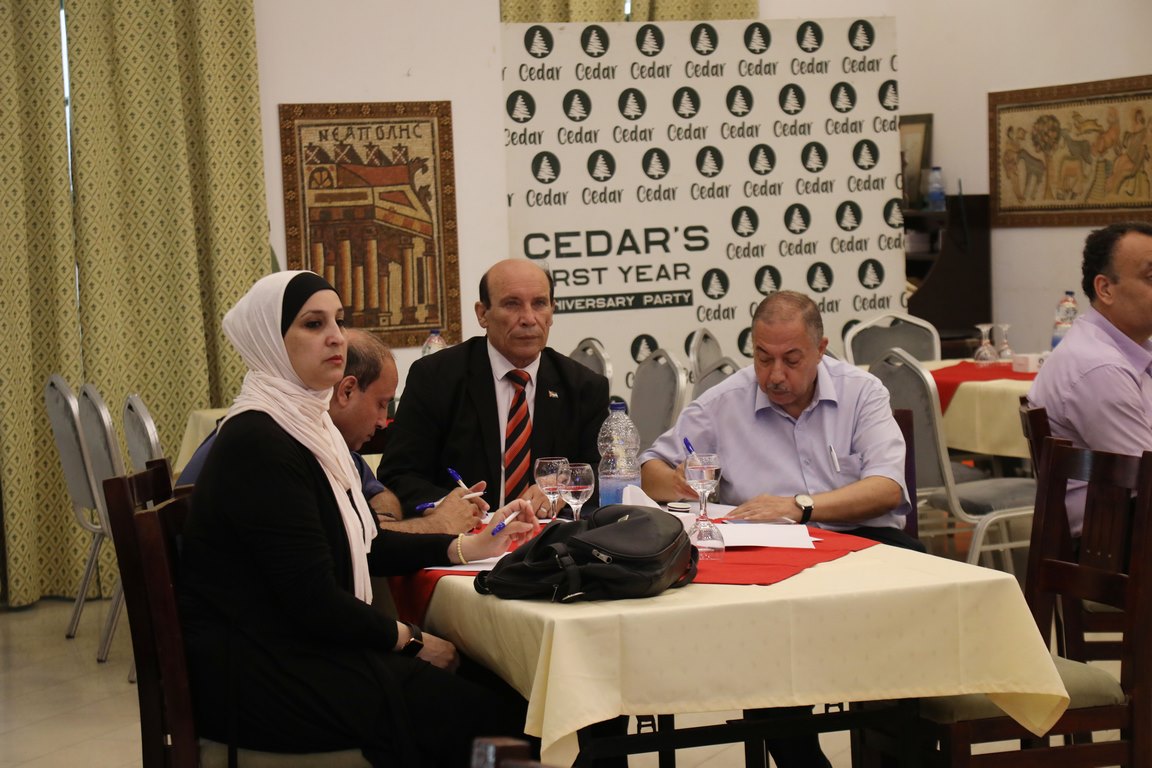
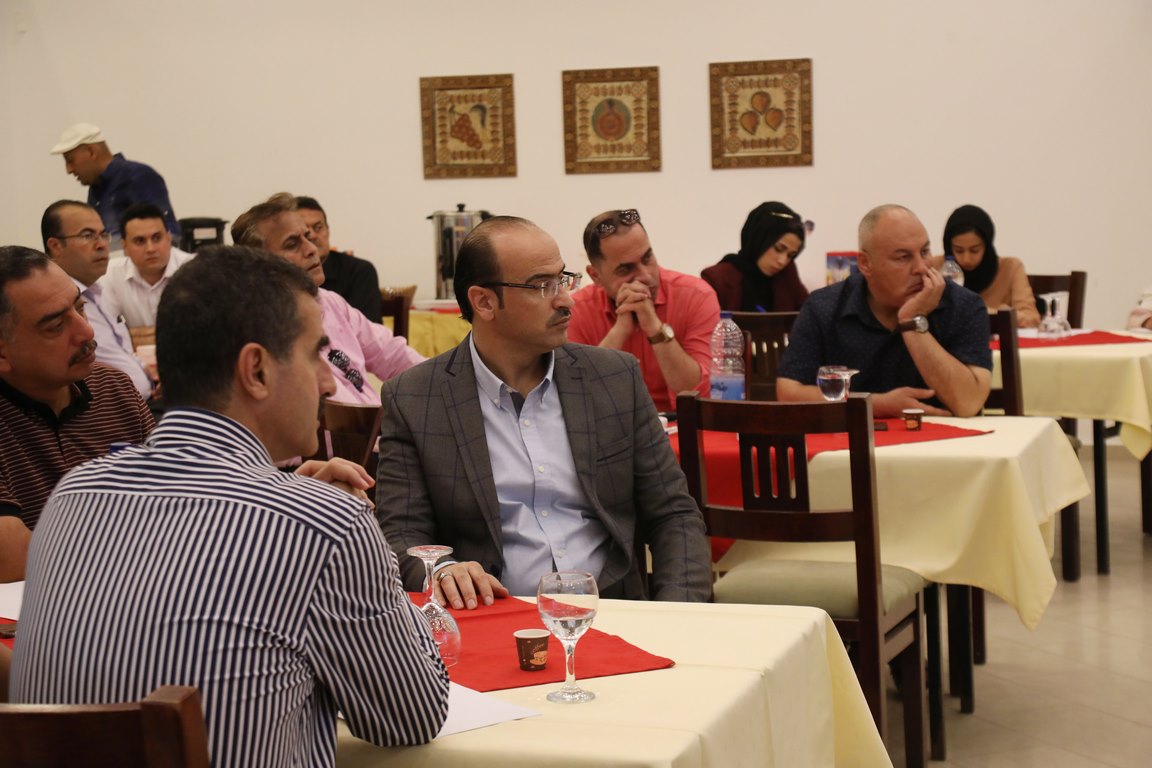
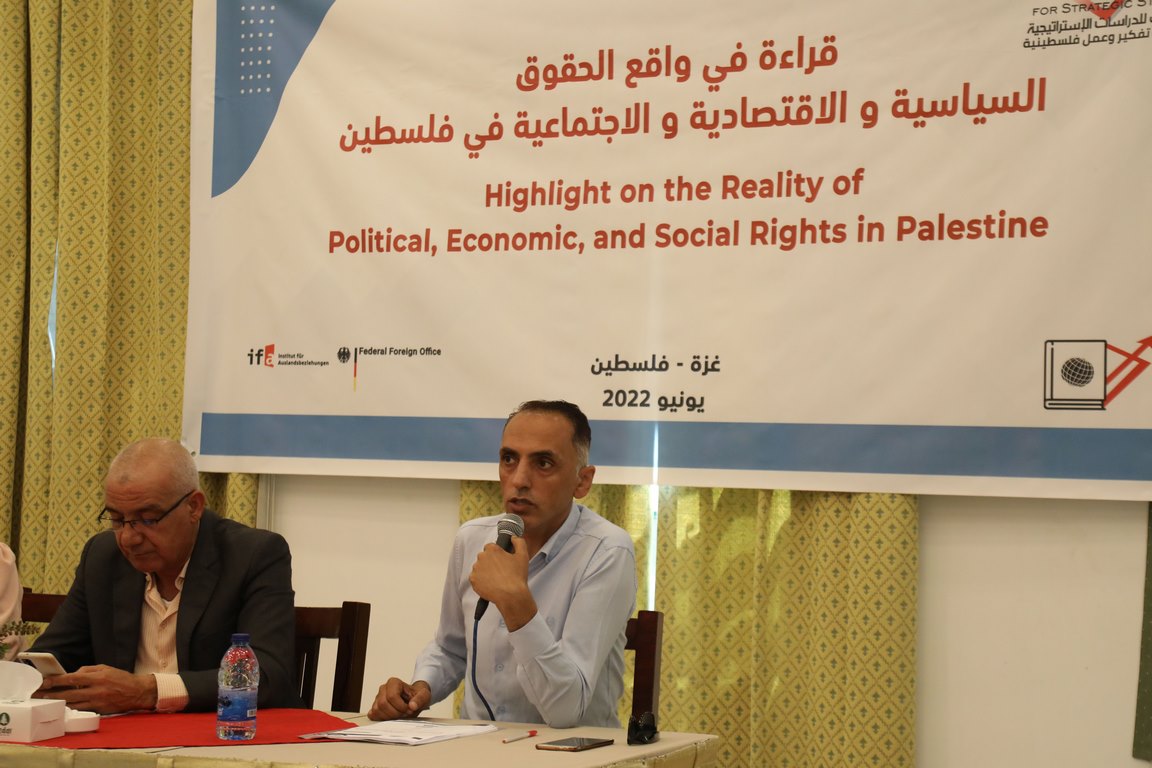
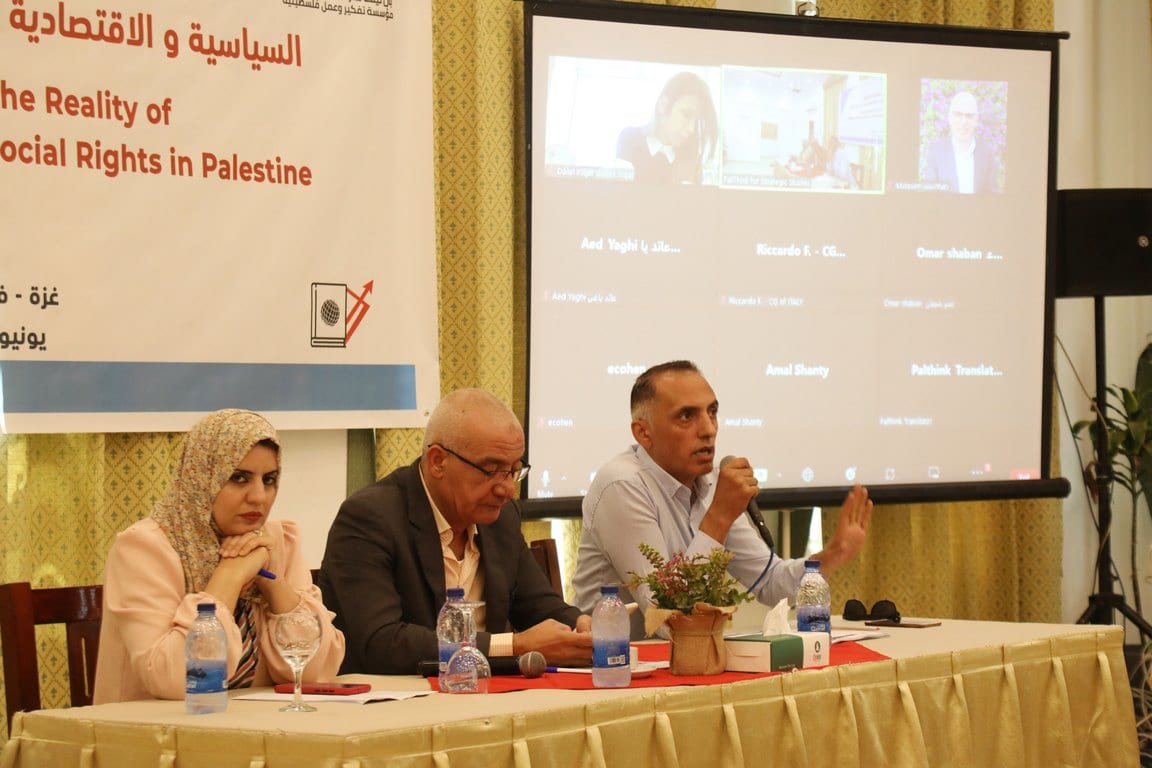
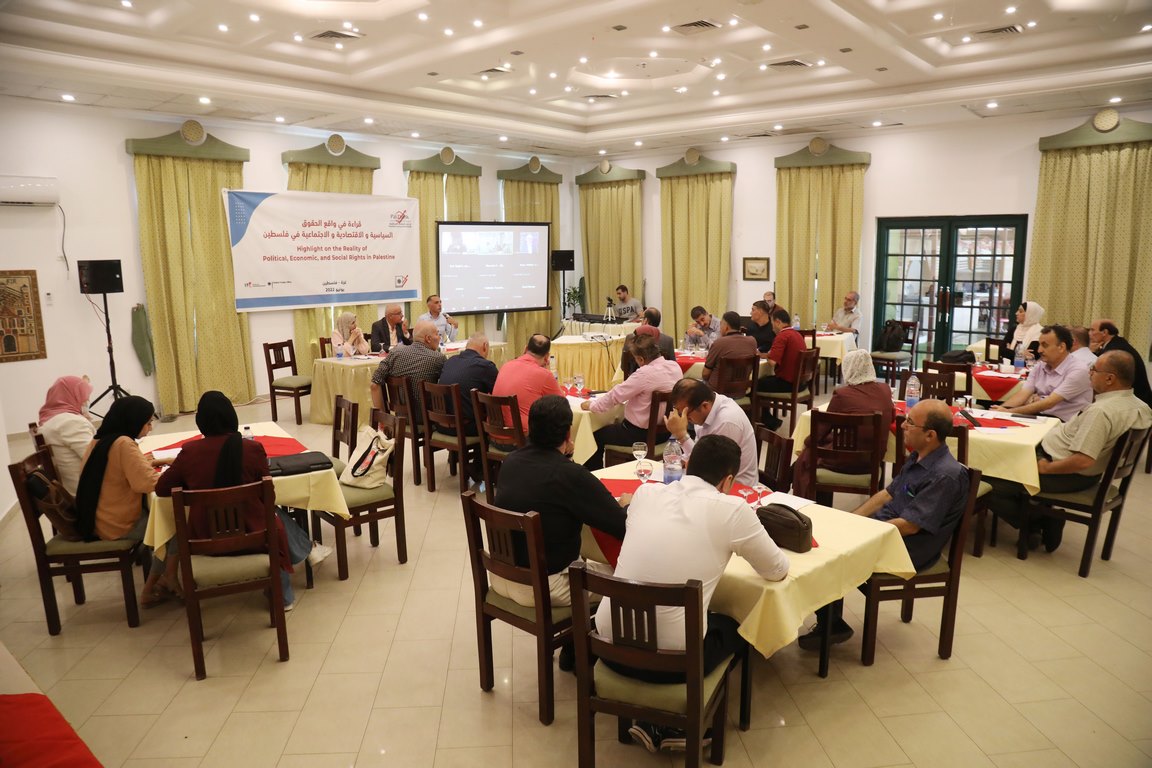
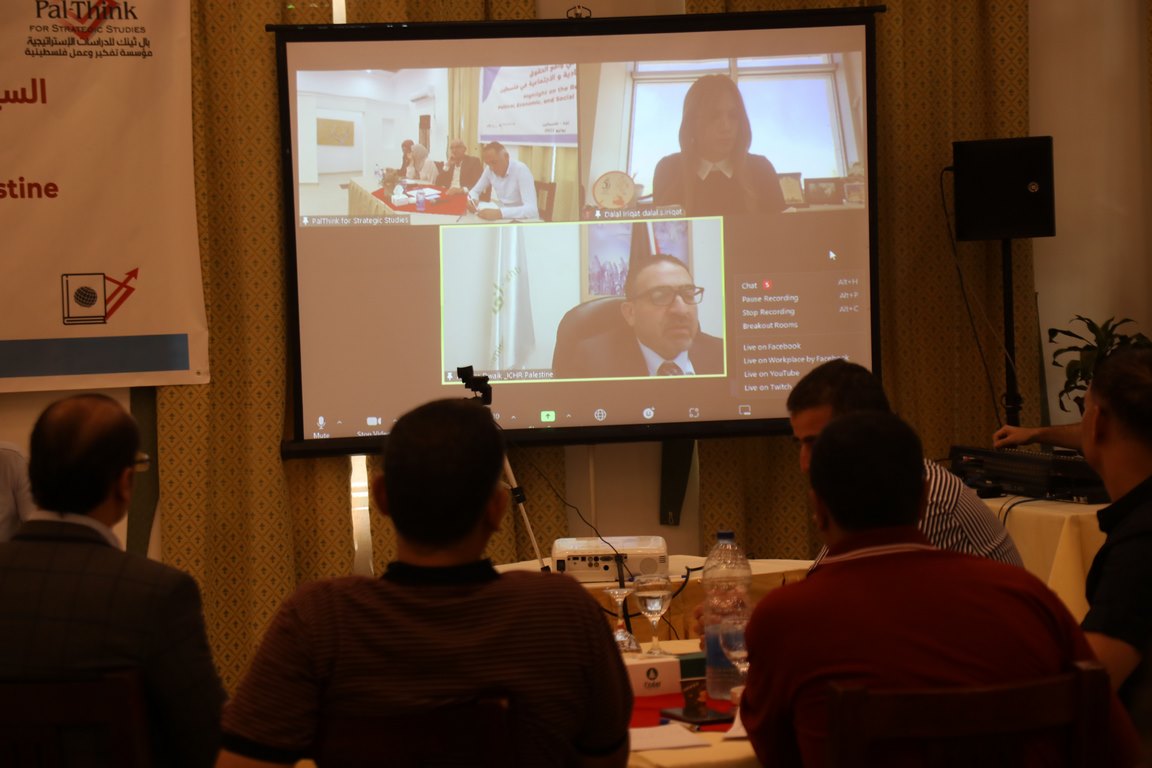
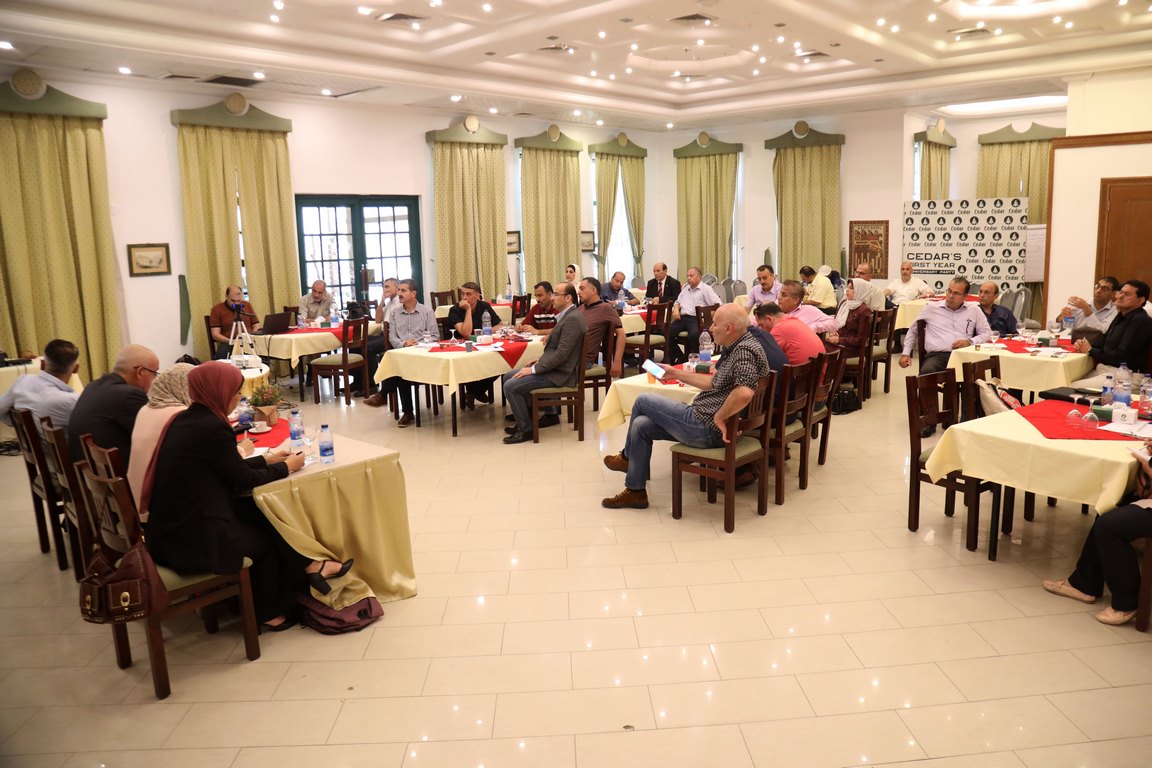
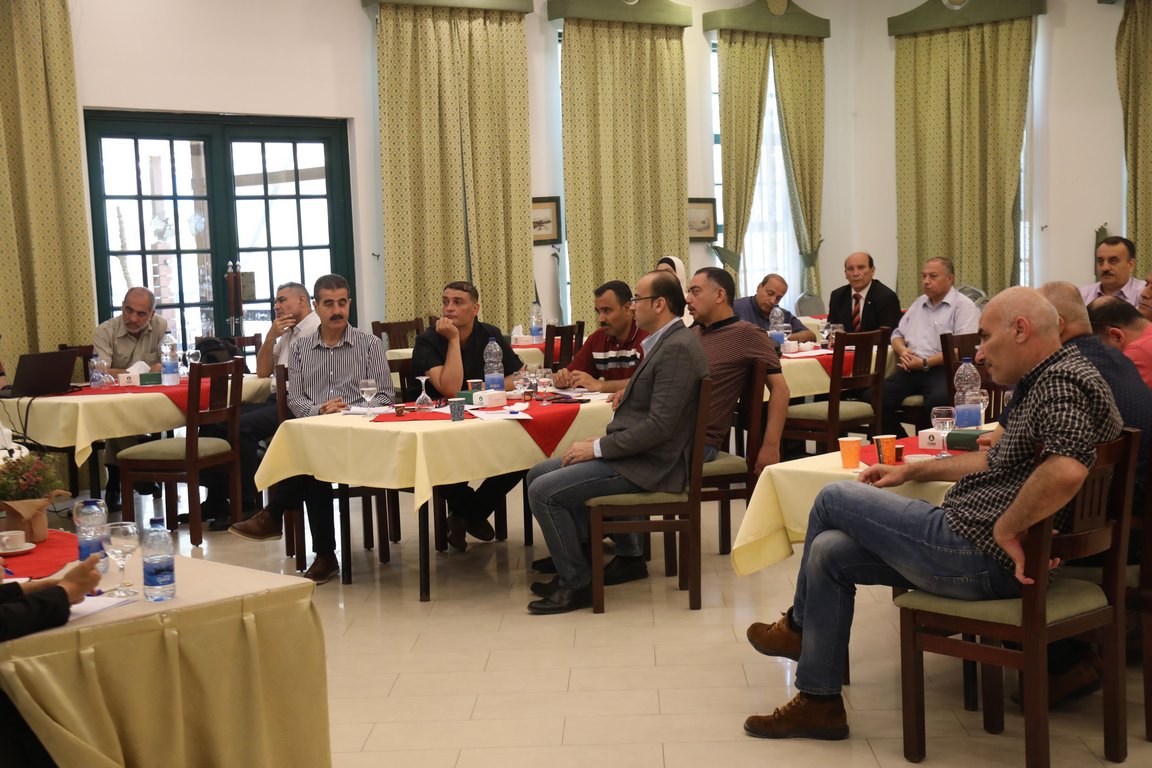
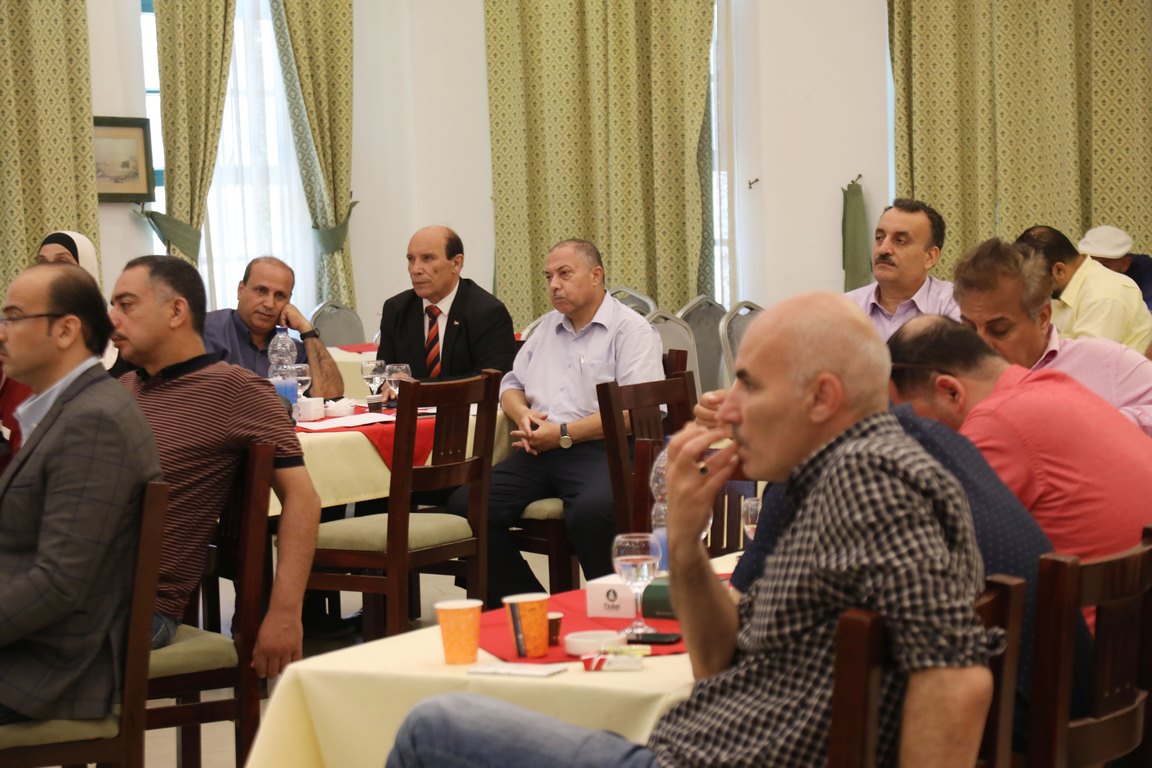
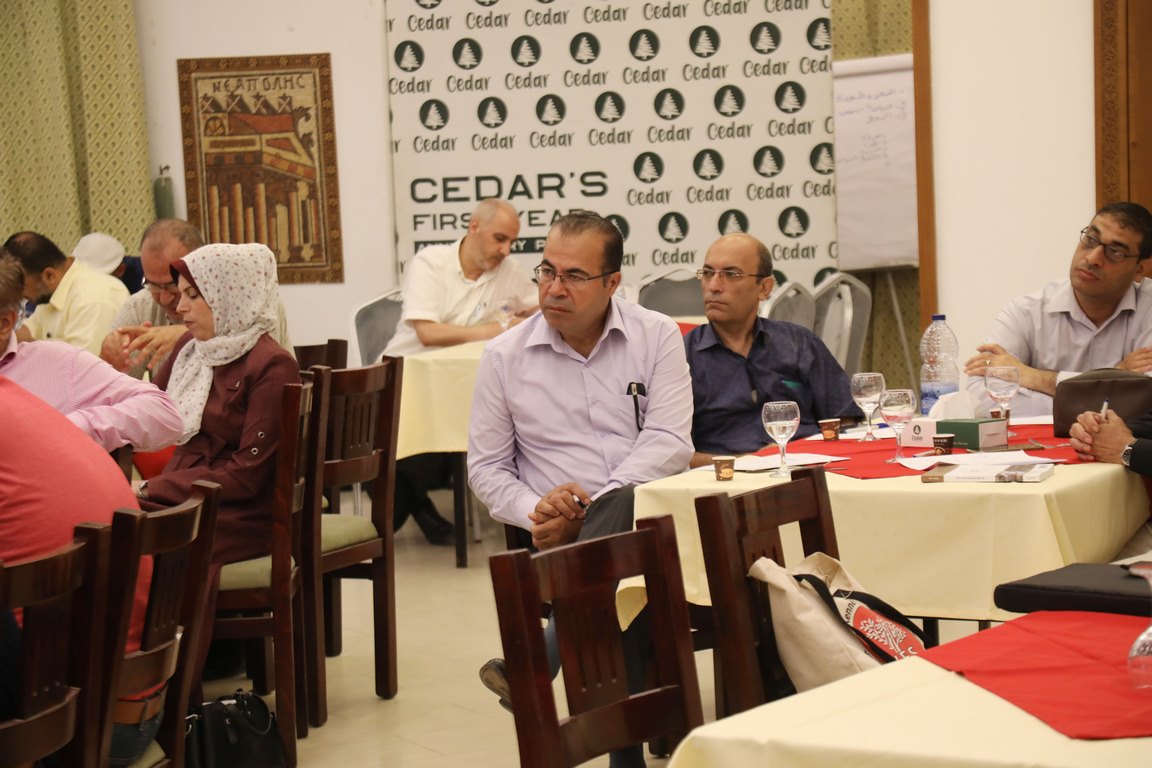
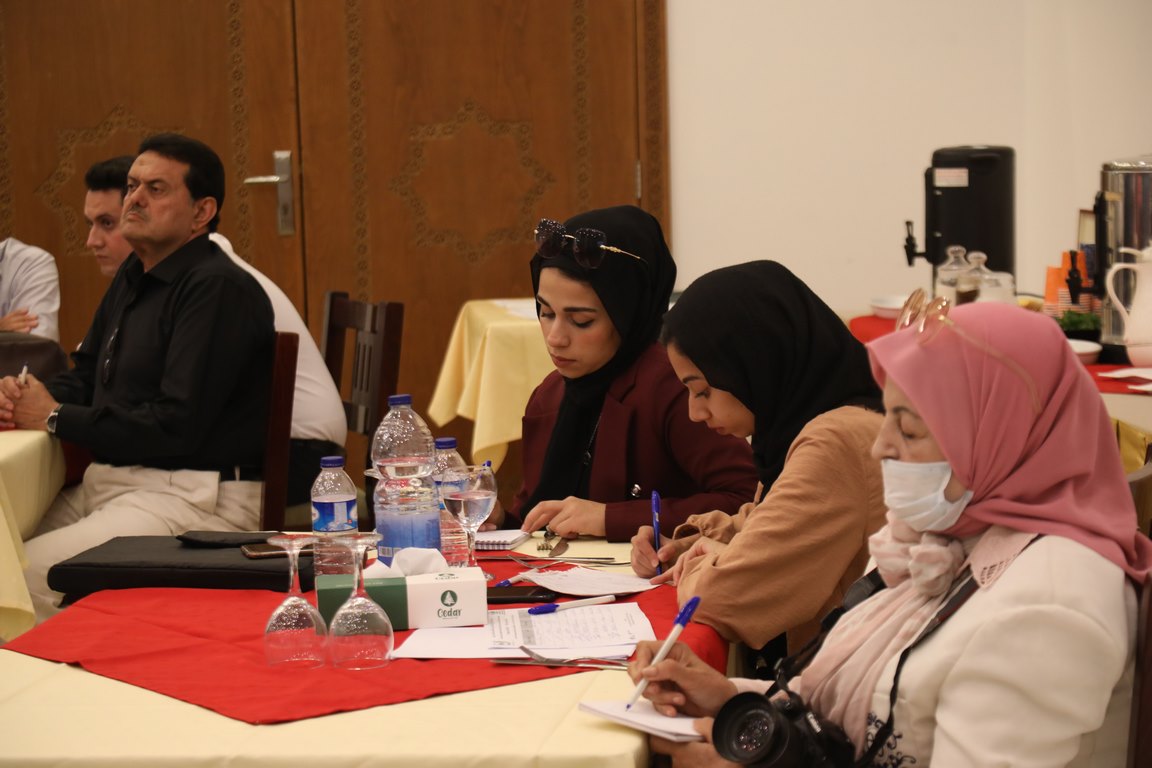
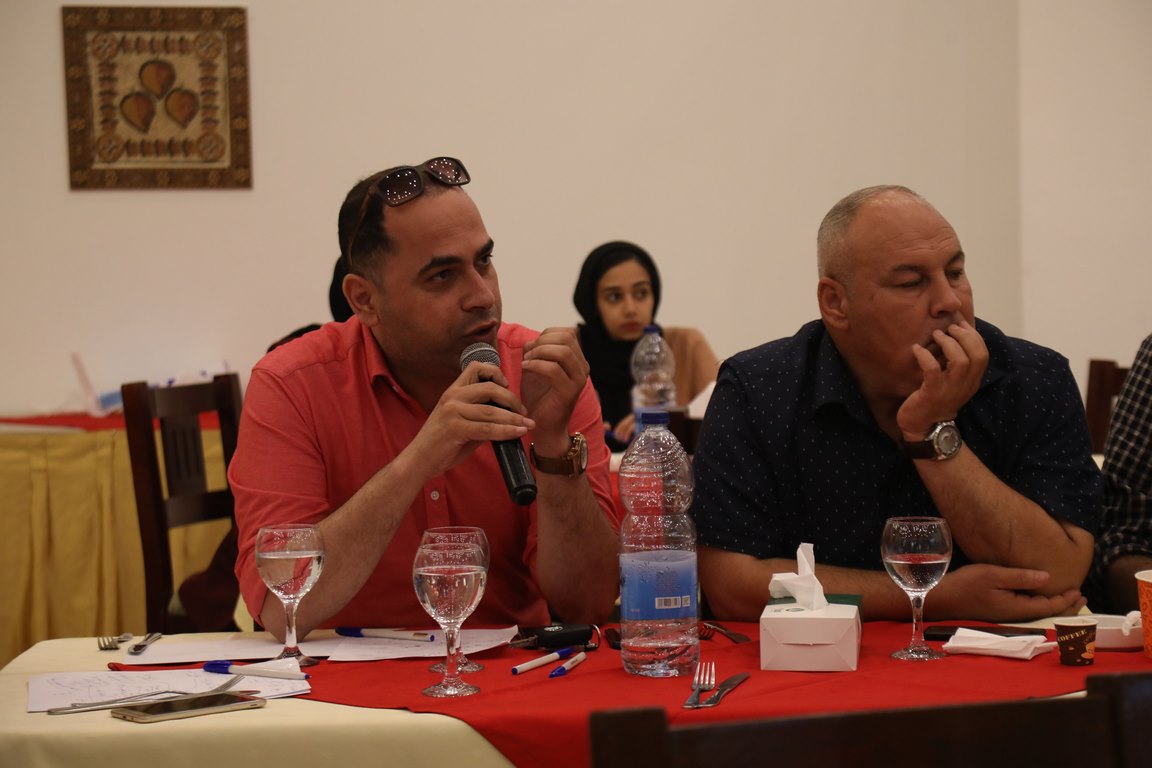
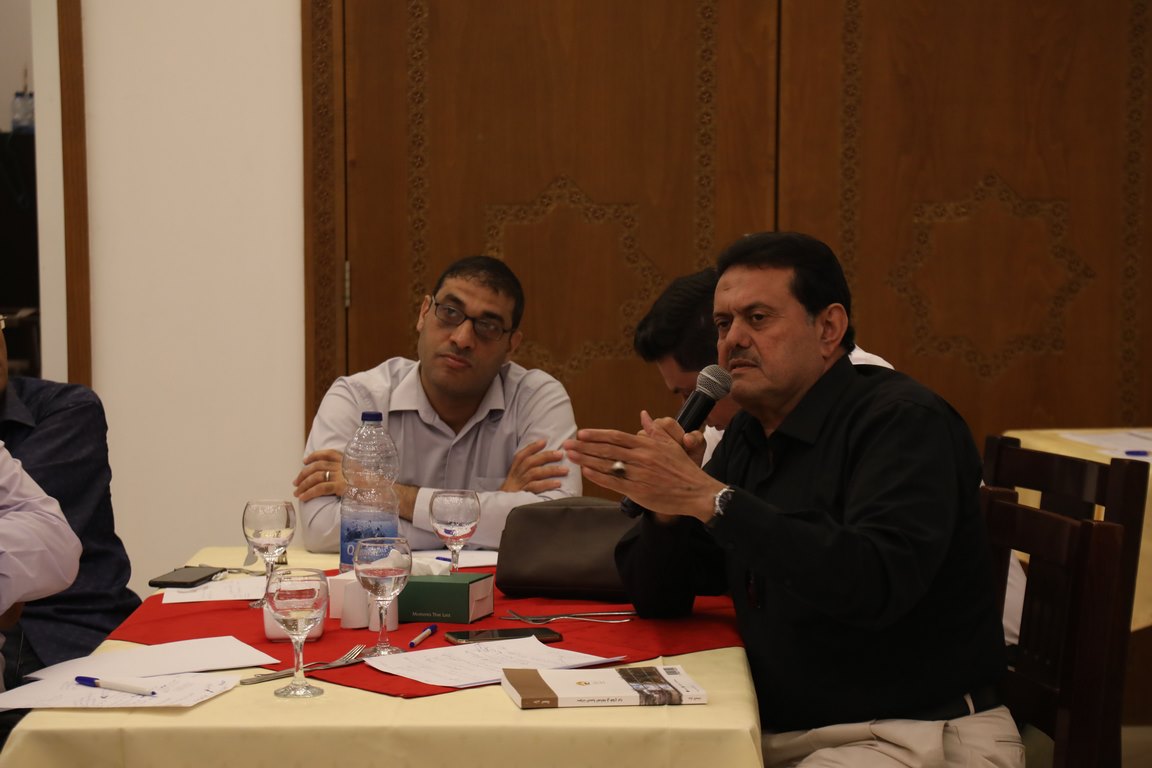
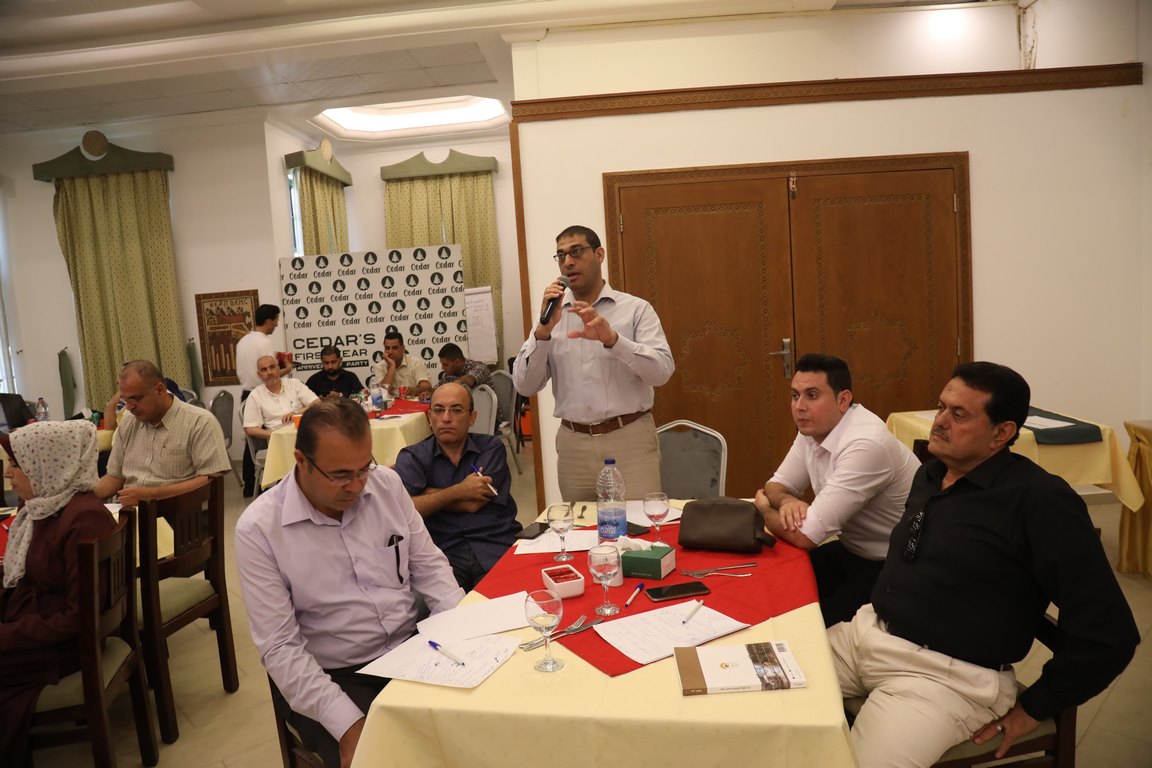
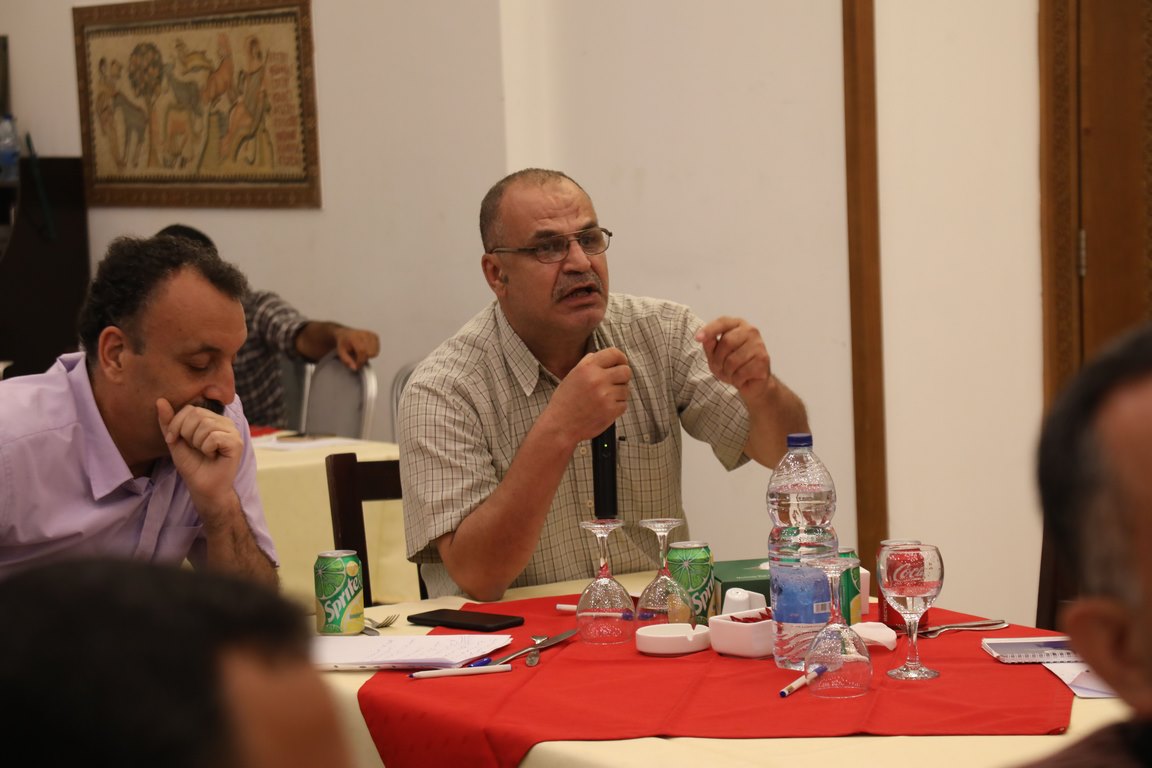
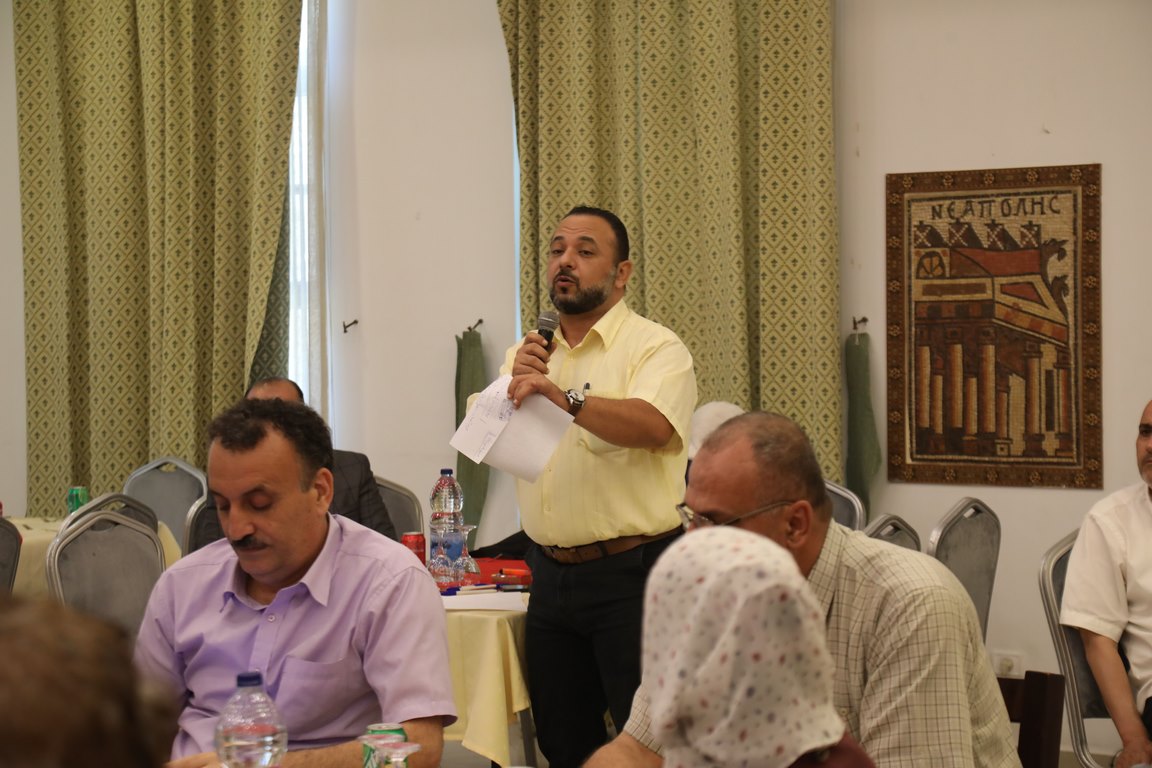
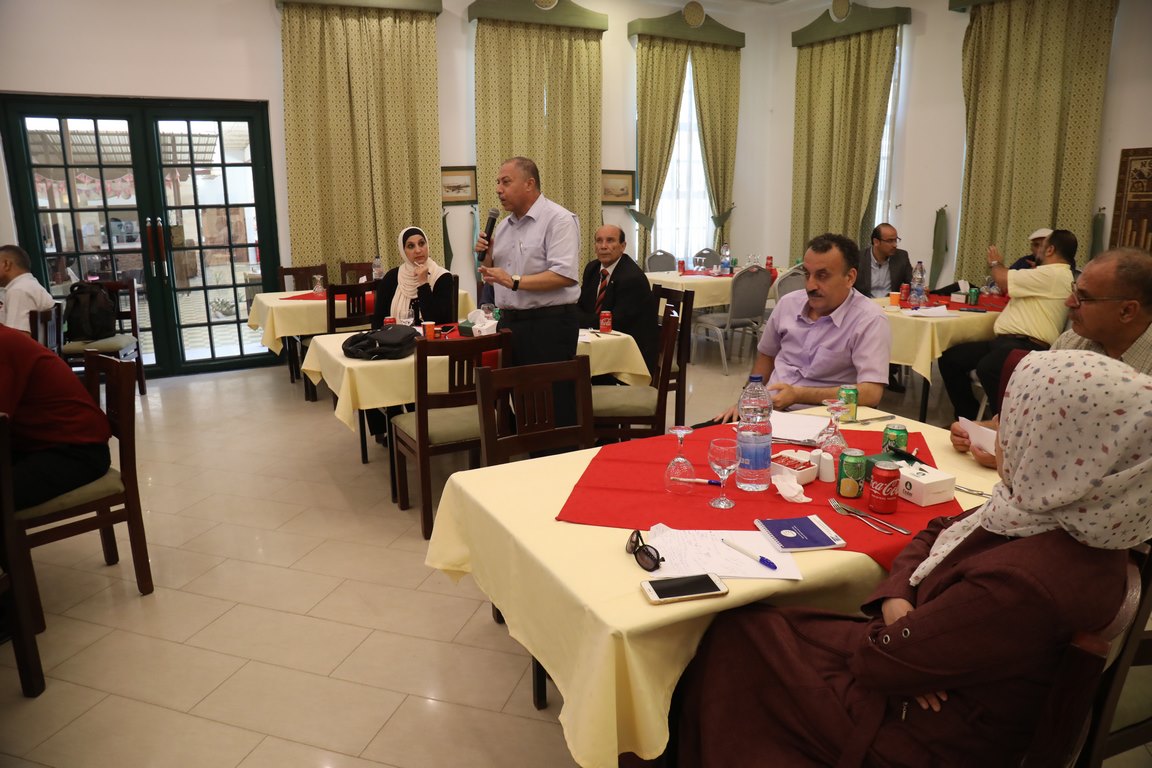
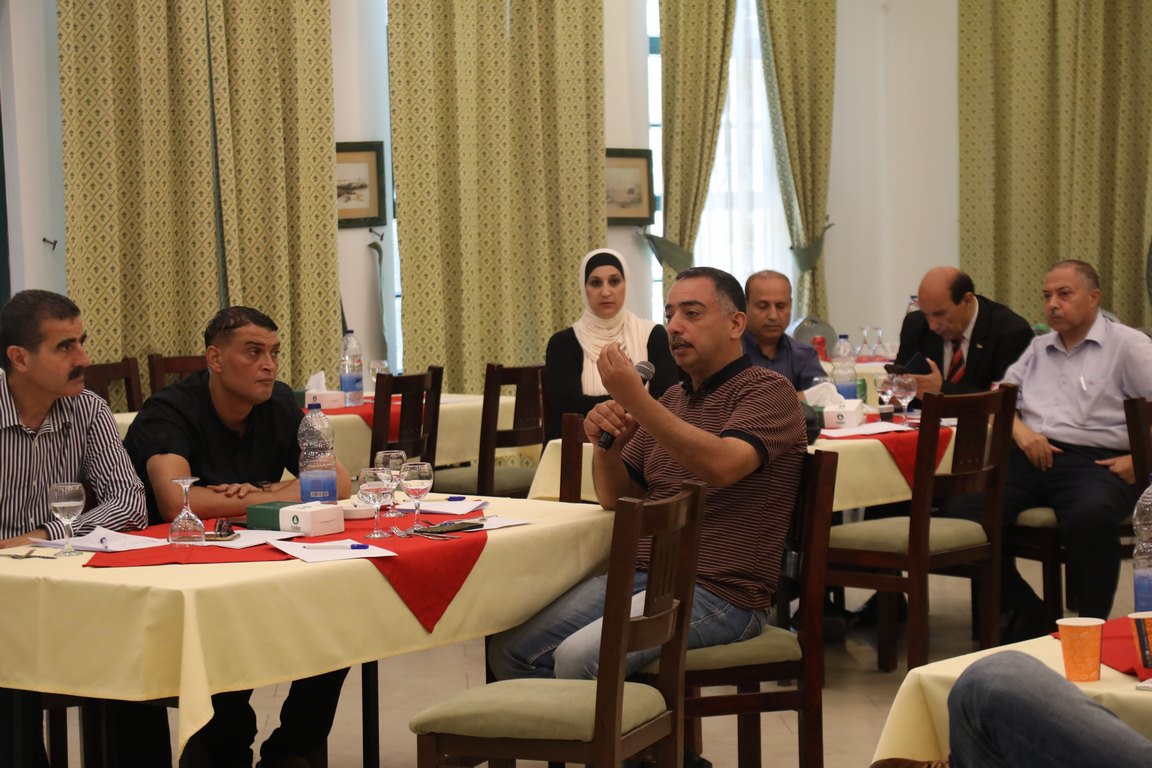
Pal-Think for Strategic Studies continues implementing the activities of the Pal-Think Academy for Democracy and Human Rights project: it organised a dialogue workshop on Thursday titled “A reading of the reality of political, economic, and social rights in Palestine”, attended by dozens of the elite of jurists, experts, researchers, and civil-society representatives from inside the Gaza Strip and beyond.
The director general of Pal-Think for Strategic Studies, Omar Shaban, opened the workshop saying: the rights report we discuss today is the second paper within the project. It does not offer detailed monitoring of human-rights violations — that being the specialisation of human-rights organisations — but offers a qualitative analysis and a general view of these rights under the Palestinian division, for Pal-Think is an independent Palestinian institution seeking to represent the Palestinian national agenda in the present and the future, enjoying a very high degree of freedom in deciding what it says without any imposition from donor bodies.
For his part, the researcher Dr Talal Abu Rokba said good governance is a principal indicator whose relation with human rights must be organised in four aspects: the rule of law, democratic institutions, the provision of public services to citizens, and the fight against corruption. He stressed that the Palestinian democratic process has been suspended since 2007, with catastrophic effects following from it, such as: the non-renewal of the Palestinian system's structures and the upsetting of balance within the pillars of the political system, especially among the three powers. Abu Rokba pointed to a distortion in the relation between civil-society institutions and the standing authorities resulting from the strict restrictions on their bank accounts. He noted that despite a quantitative advance in the education indicator, it has not been met by a qualitative advance — the gap is wide between the labour market and the academic educational system as a result of the commodification of education.
For her part, the researcher in women's issues Tahani Qassem said the violations facing journalists — summonses, the arrest of journalists, and the raiding of their offices — exist in the West Bank and the Gaza Strip, which attests to the non-respect of the rights set down in Palestinian law, such as the press law and the publications law, and of what human rights and the international agreements set down concerning the freedom of media work, expressly guaranteed. She pointed to a violation of the right to express opinion, of public freedoms, and of the right of peaceful assembly in the West Bank and the Gaza Strip. Qassem showed that young people under 33 years of age have never exercised their electoral right at all, because of the Palestinian division that suspended the Legislative Council — which stood in the way of enacting important laws such as the family-protection law and others. She concluded: “Even the campaigns that demanded an end to the division — those running them were arrested”.
As for Dr Samia al-Ghussein, professor of international law, she said the health services offered to citizens are catastrophic, especially in the Gaza Strip, while the services offered to pregnant women and children are very good thanks to UNRWA's services — pointing out that 21% of Palestinians hold no health insurance, and that obtaining a medical referral is a difficult matter in the West Bank and the Gaza Strip. She explained that at the very time government health services deteriorated, health services flourished in the private sector's hospitals, and the right to obtain treatment became confined to the financially able.
She pointed out that unemployment rates have exceeded 50% — more than 90% among women; that more than 350 thousand graduates have obtained no work opportunity at all in the Gaza Strip; and that the average time for a graduate to obtain a first job is seven years. In the West Bank, the lower unemployment rate goes back to the Palestinian labour market's attachment to the Israeli one — which produced the phenomenon of “permit brokers”.
In his comment on the report, Dr Ammar Dwaik, director general of the Independent Commission for Human Rights, said: “Human-rights violations existed before the division and while the Legislative Council existed, though the division contributed to entrenching the bad situation, and the Legislative Council's absence cost us one of democracy's pillars”. He added: “Despite the badness of the human-rights indicators in Palestine, they are far better than the neighbouring Arab states — although the ruling class in the West Bank and the Gaza Strip carries a culture of political despotism similar to that existing in the region. Hamas and Fatah seize on the human-rights discourse against each other whenever one of the two parties commits rights violations”.
He explained that the international community contributed to the current situation we suffer from, alongside the fact that inherited ideas are incompatible with the modern thought of human rights — stressing the necessity of using the rights discourse genuinely and without double standards. He stressed that Palestinian civil society is very strong, able to protect citizens, and has brought down unjust legislation, despite all the Israeli restrictions upon it.
As for Dr Dalal Erekat, professor of political science at the Arab American University, she said: “Because we were born and lived under the occupation, which is our fundamental impediment, we always avoid solving our fundamental dilemmas and cast the blame on the occupation”.
She stressed the necessity of holding elections to end the division — “which counts as the second Nakba for the Palestinians” — to apply and enforce the laws relating to human rights in the Basic Law.
She continued: “The statistics of the high cases of human-rights violations do not befit the struggle, history, and values of Palestinian society. Public policy must spring from the people's will, expressed through seminars, peaceful gatherings, and the expression of opinion by all peaceful means”.
She affirmed that the rate of women's representation in senior positions and the diplomatic corps is very small, unbefitting the Palestinian woman and her competence, reflecting nothing but the will of the Palestinian decision-maker.
She concluded by saying: “We as a Palestinian people do not want to compare ourselves with the neighbouring states, because by our struggle, our education, and our culture we are far better than many states, and we deserve to be in better living and rights conditions than those we are in”.
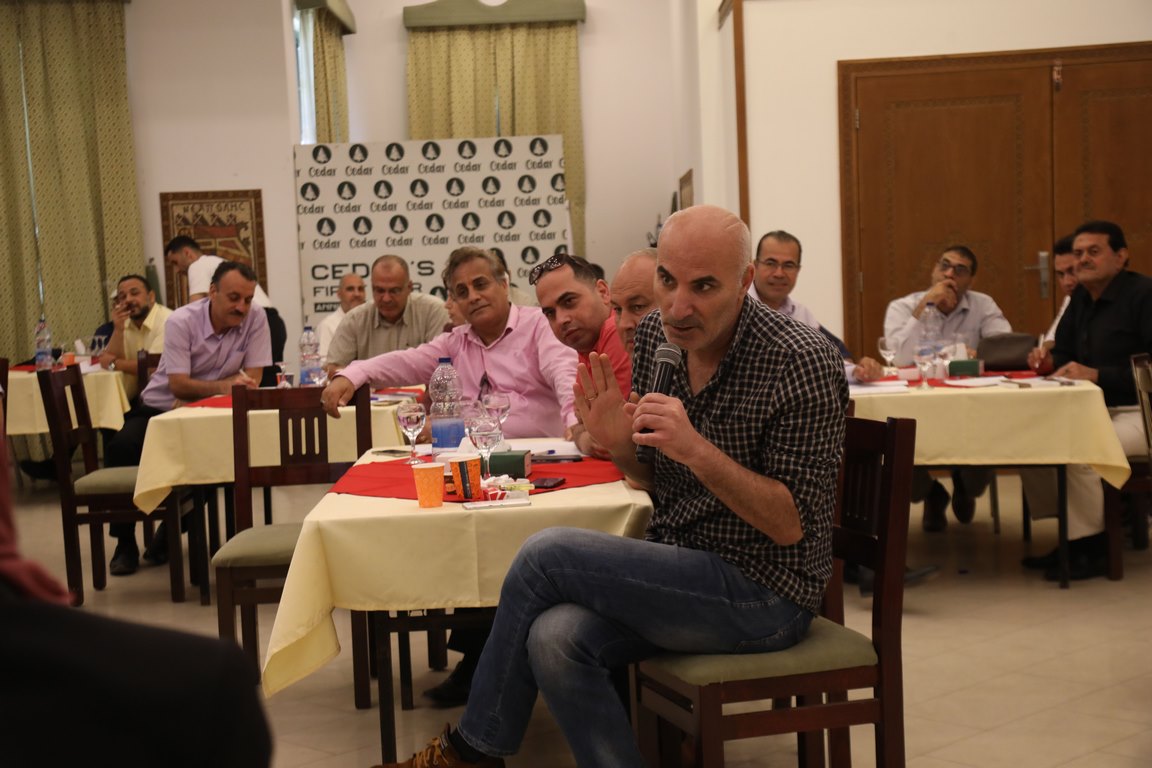
The attendees' questions and interventions turned on the ways of confronting human violations; studying the relation of the economy's deterioration to the increase of human violations; how to confront the justifications of those violations; and the effectiveness of civil society's role in confronting the executive power's encroachment on the legislative and judicial powers and on human rights.
It is worth mentioning that the activities and events within the Pal-Think Academy for Democracy and Human Rights project continue, in partnership with the German (IFA) institution — especially as those workshops, dialogues, policy papers, and reports relating to democracy and human rights are available on the “Pal-Think Academy” website, which also counts as a platform for youth to publish their research, in addition to holding the Democracy and Youth Dialogue Forum, which forms a youth incubator for discussing all legal and rights topics.