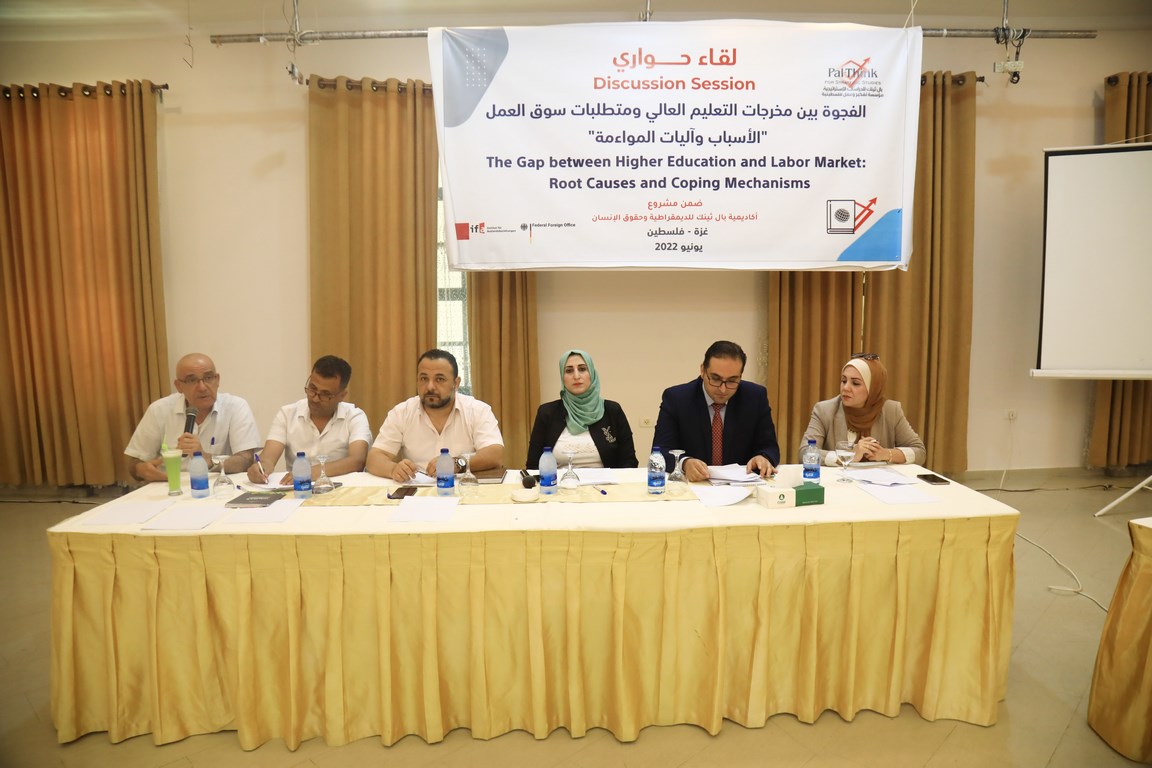
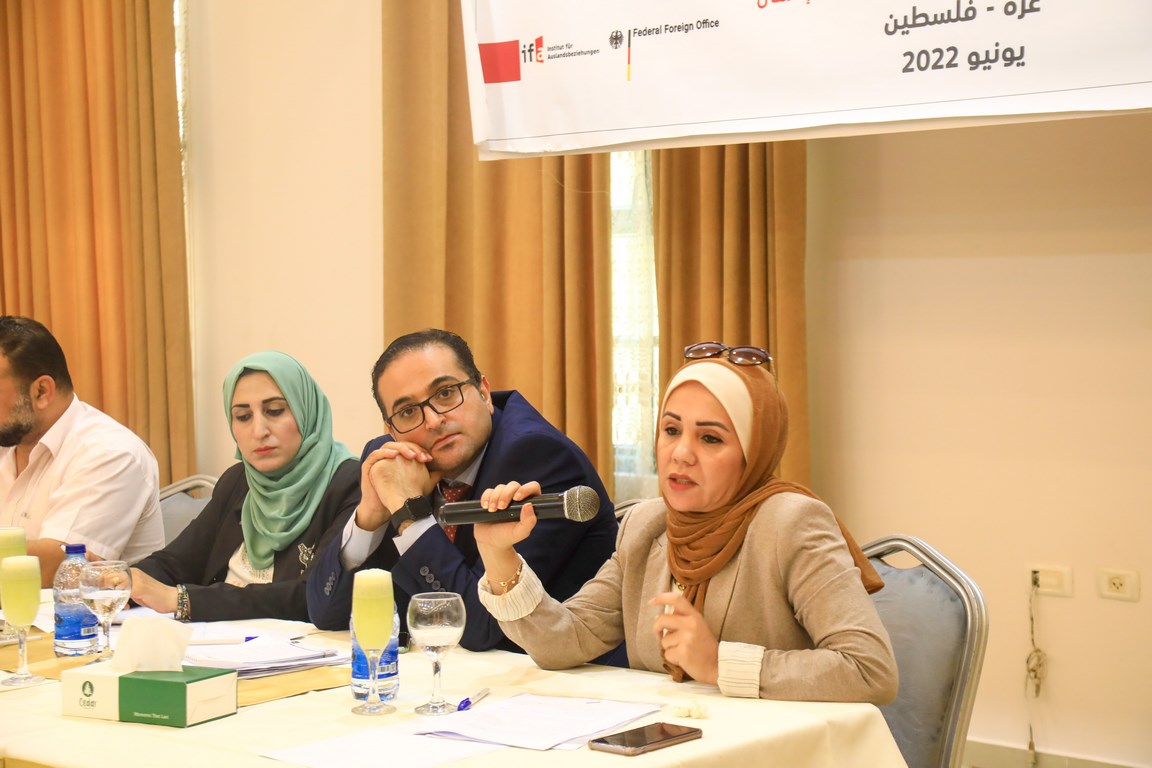
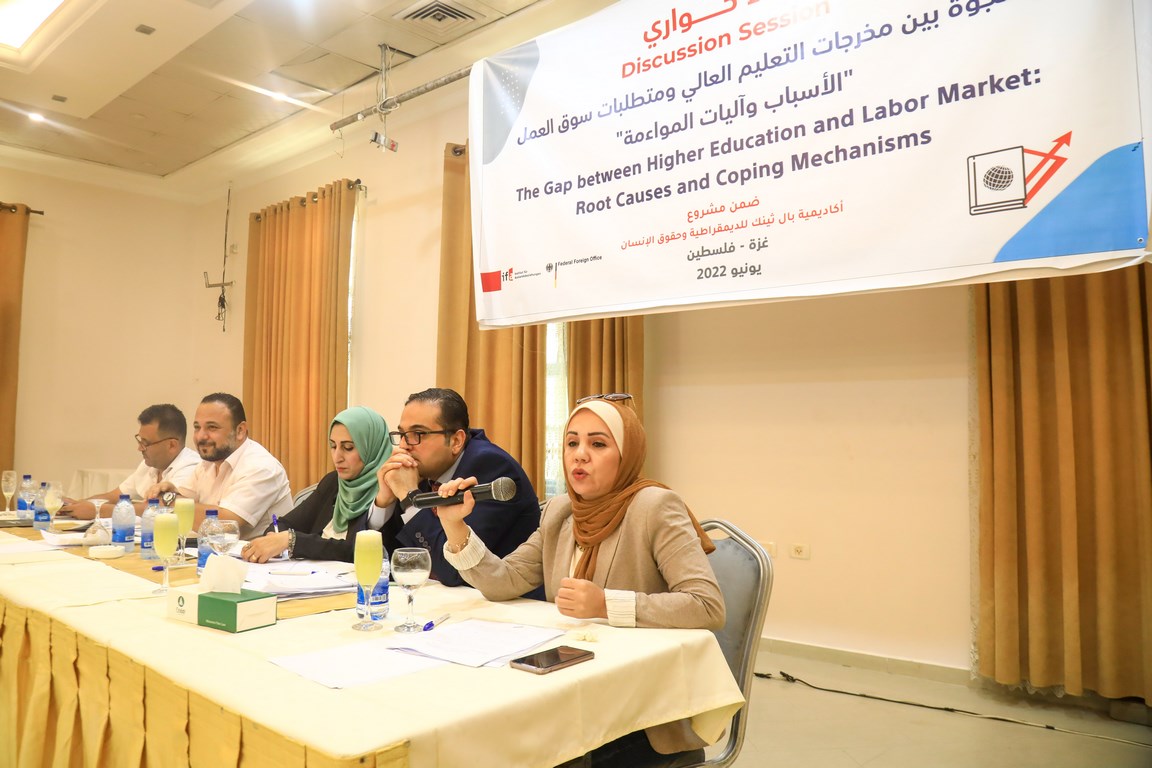
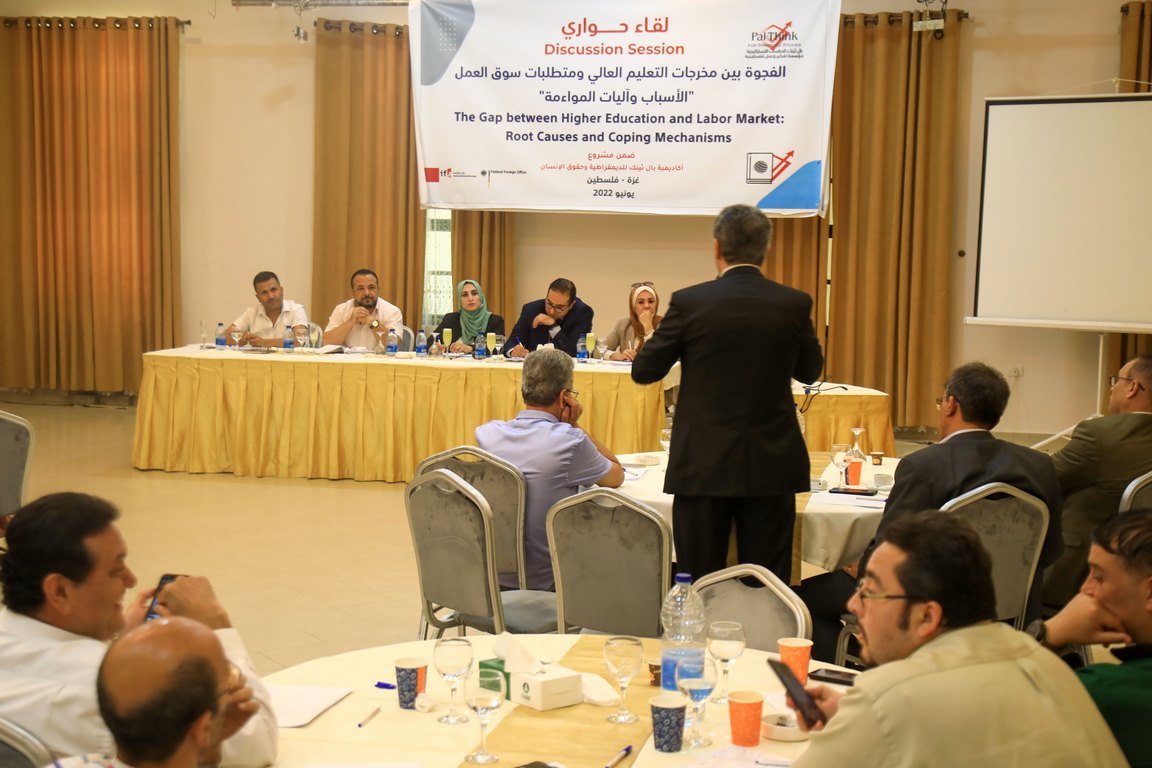
Pal-Think holds the dialogue «The gap between higher-education outcomes and the labour market»
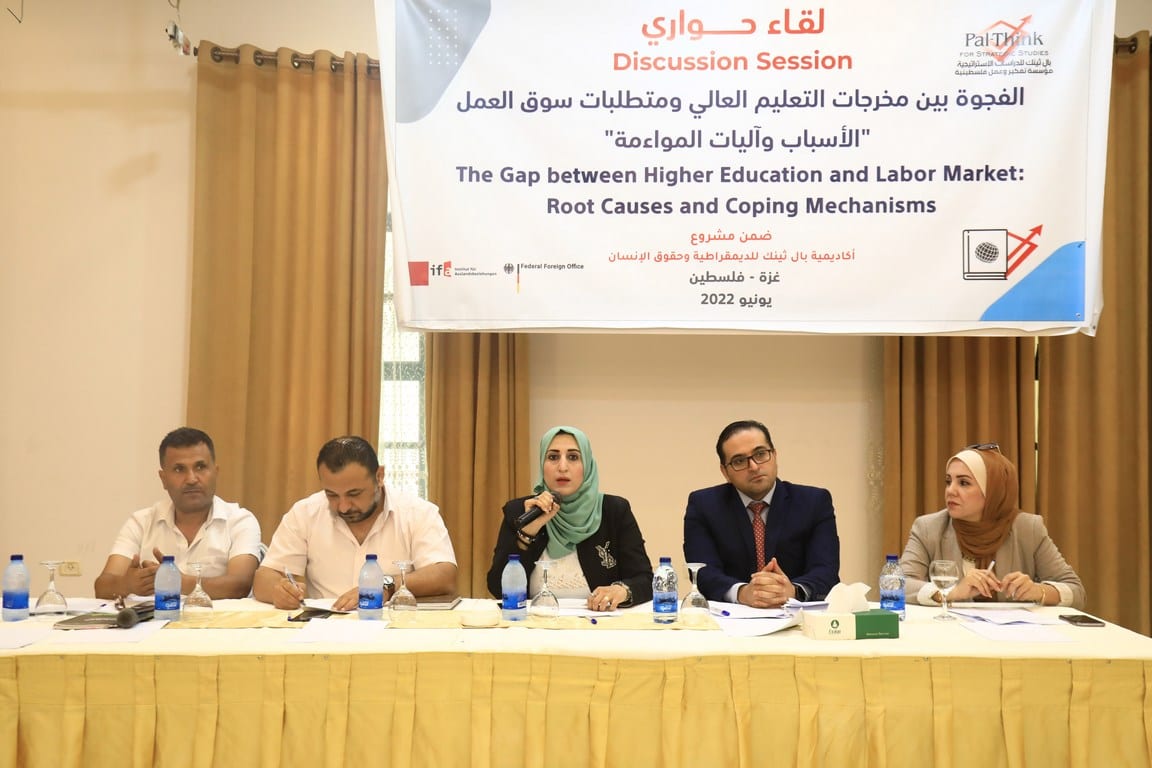
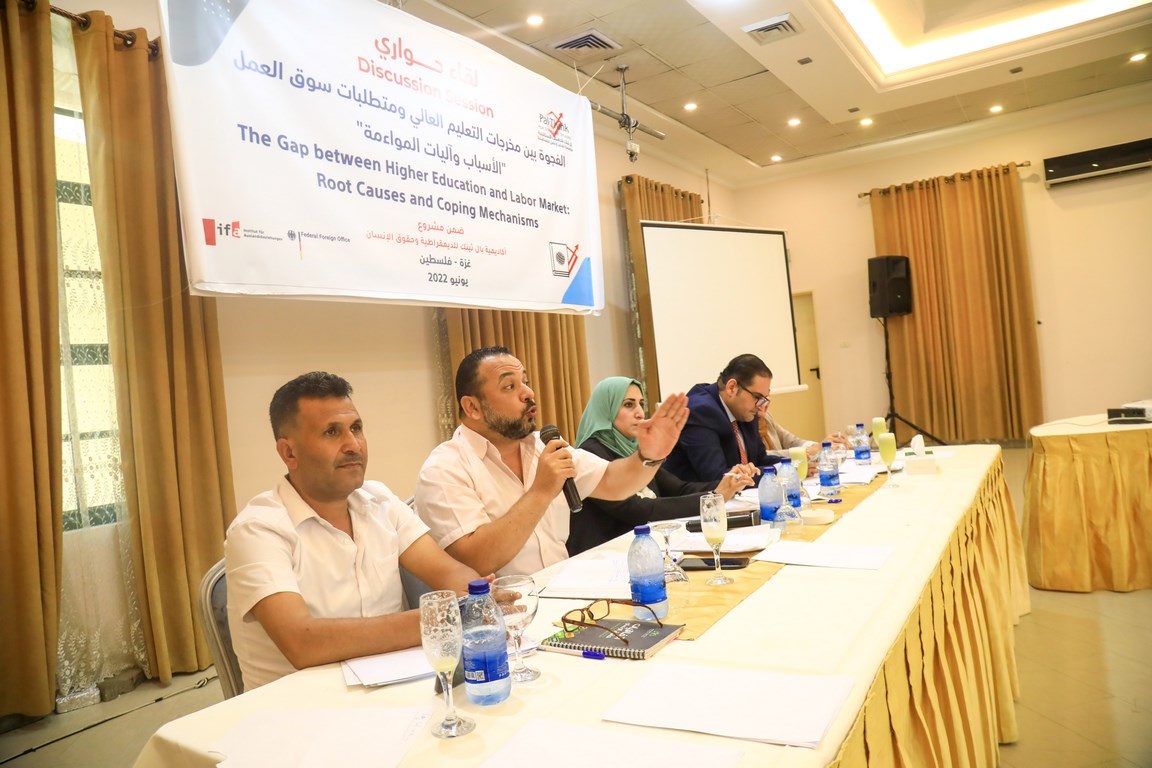
Pal-Think, with Germany's ifa, dedicated a dialogue to the right to education: «The gap between higher-education outcomes and labour-market requirements» — part of its engagement with Palestine's structural crises.
- Date
- 2022-07-05
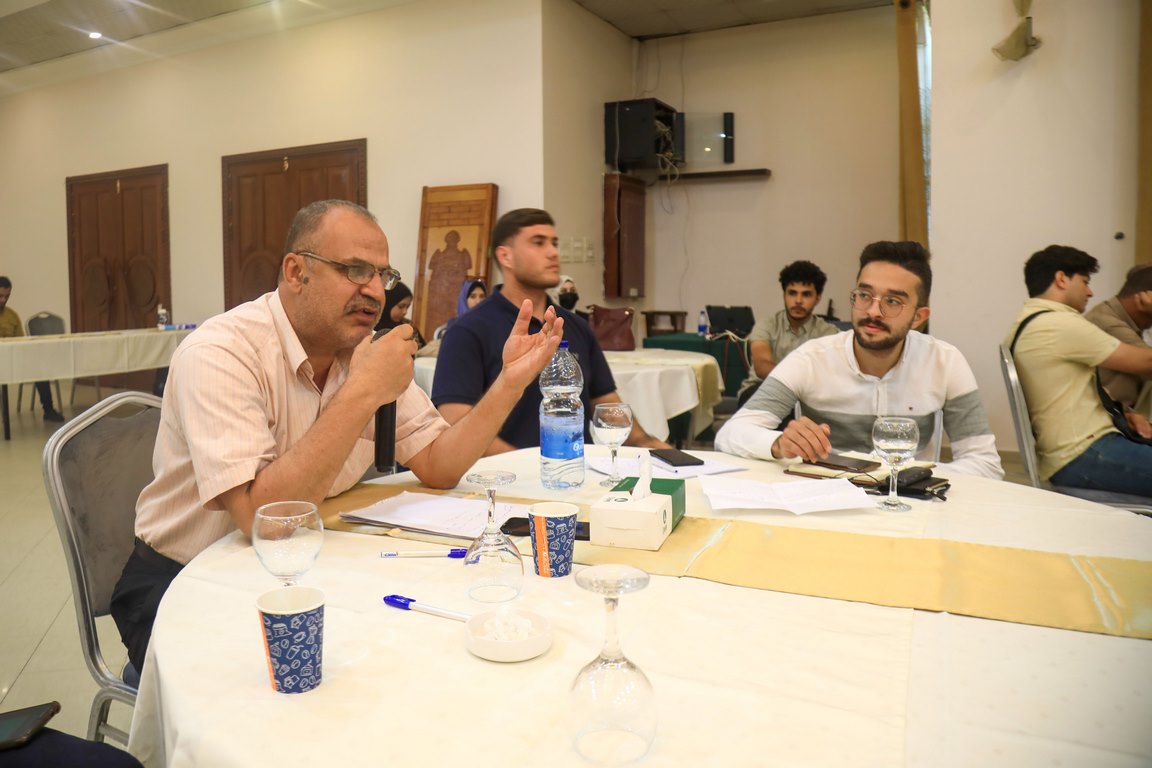
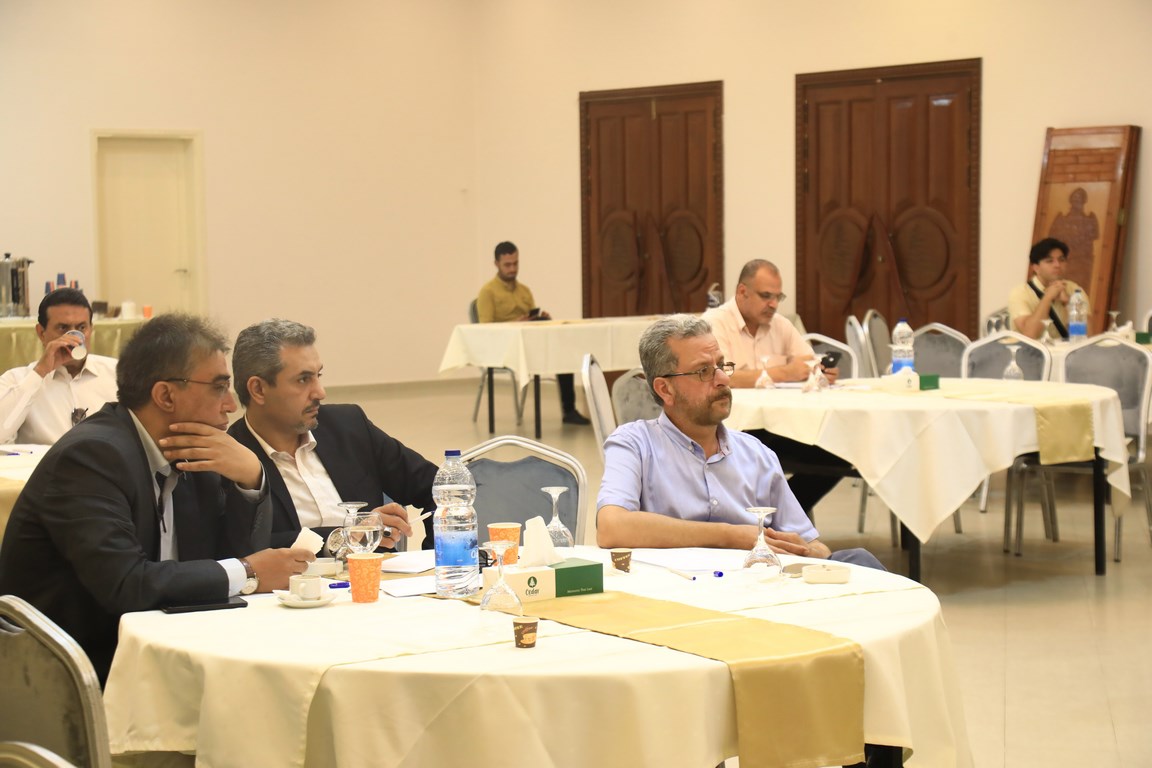
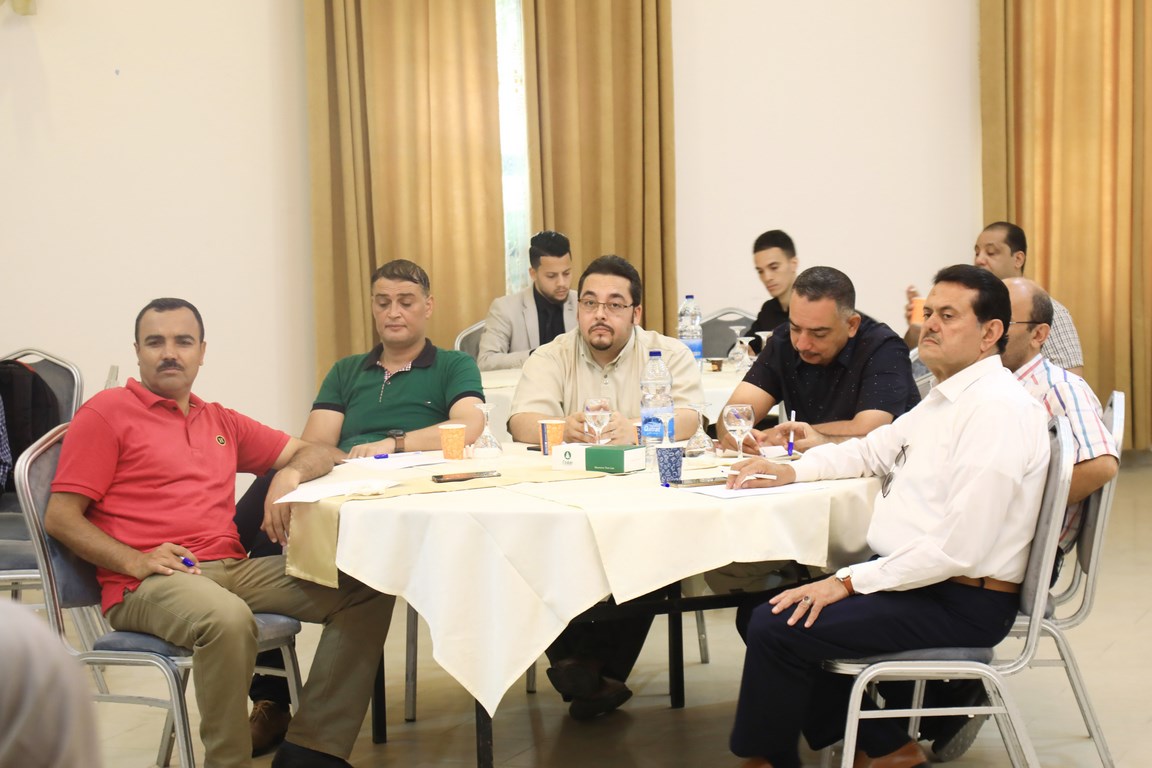
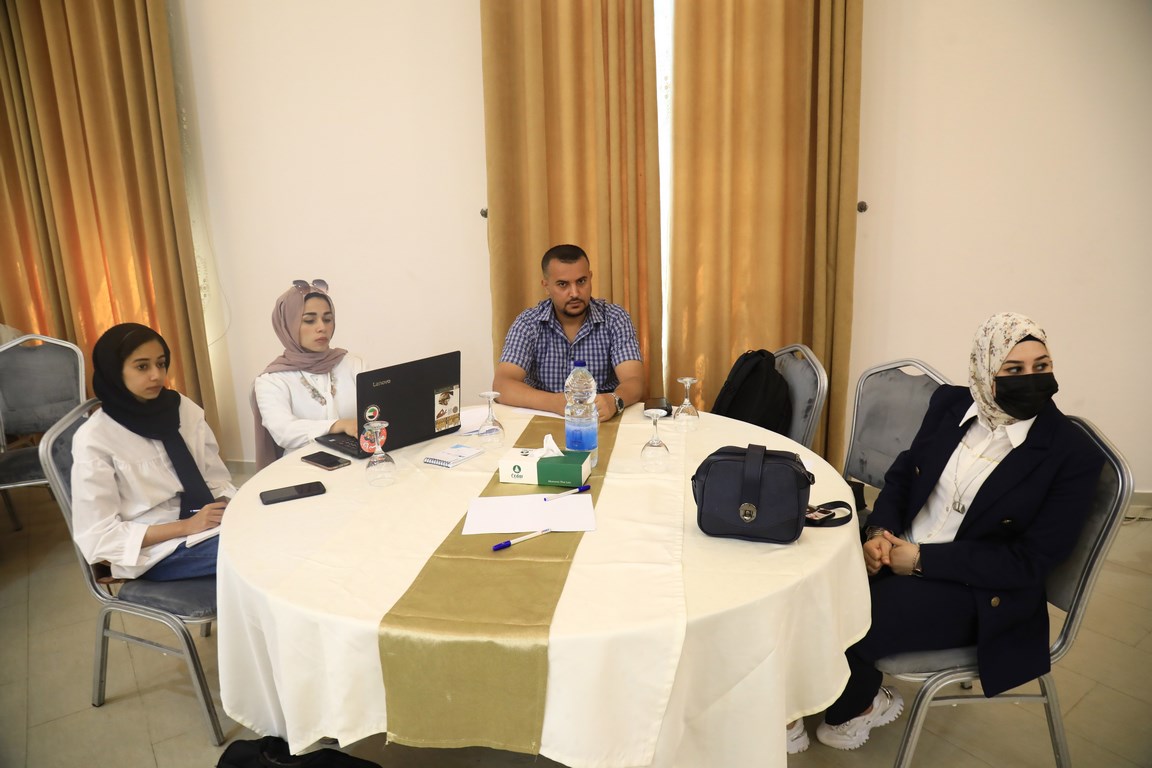
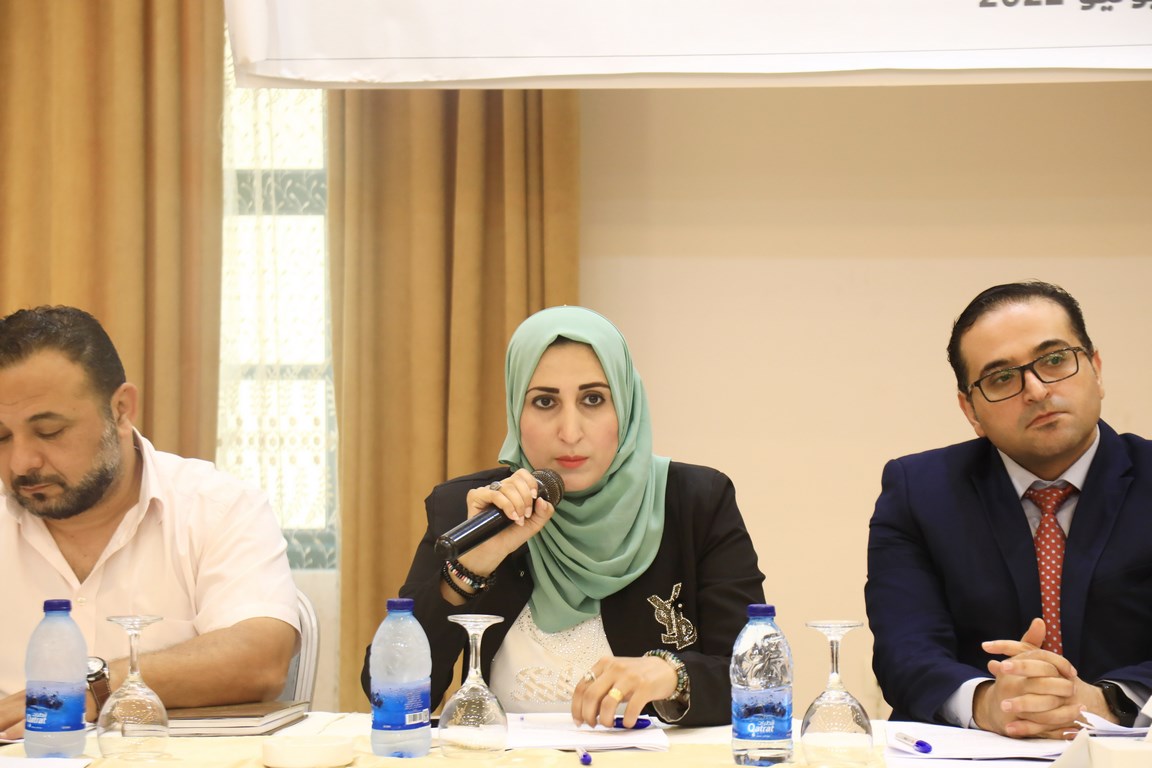
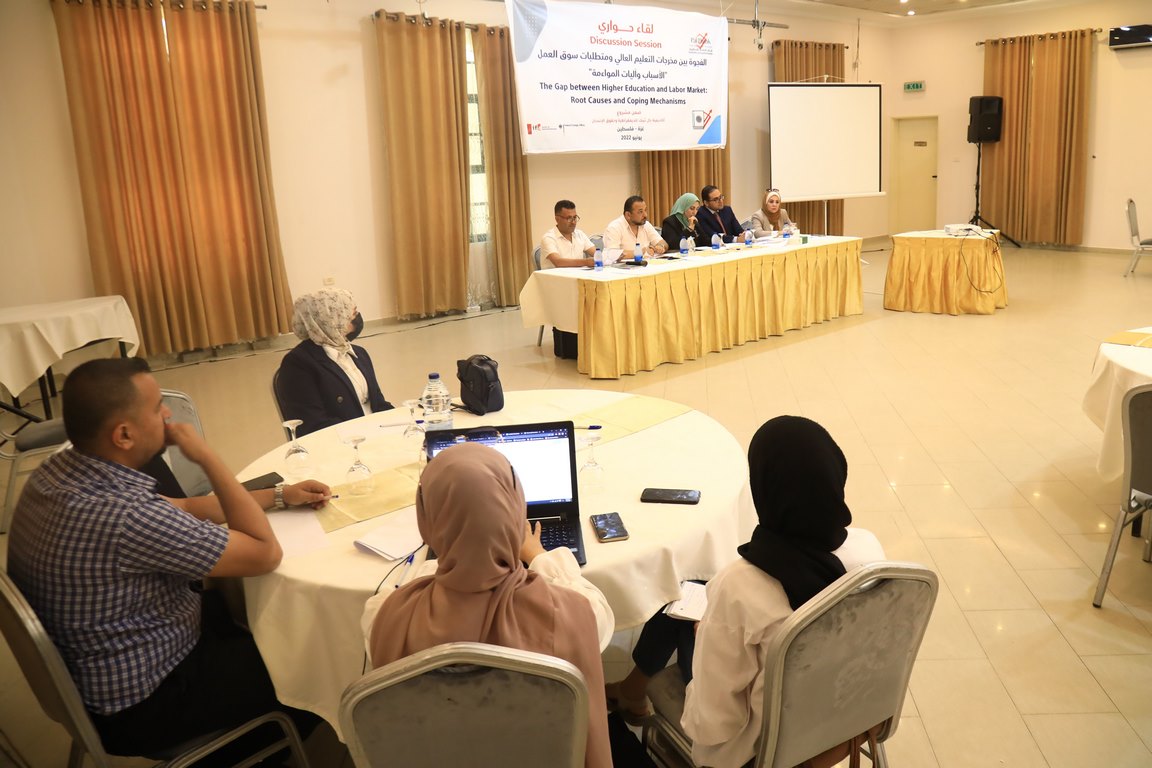
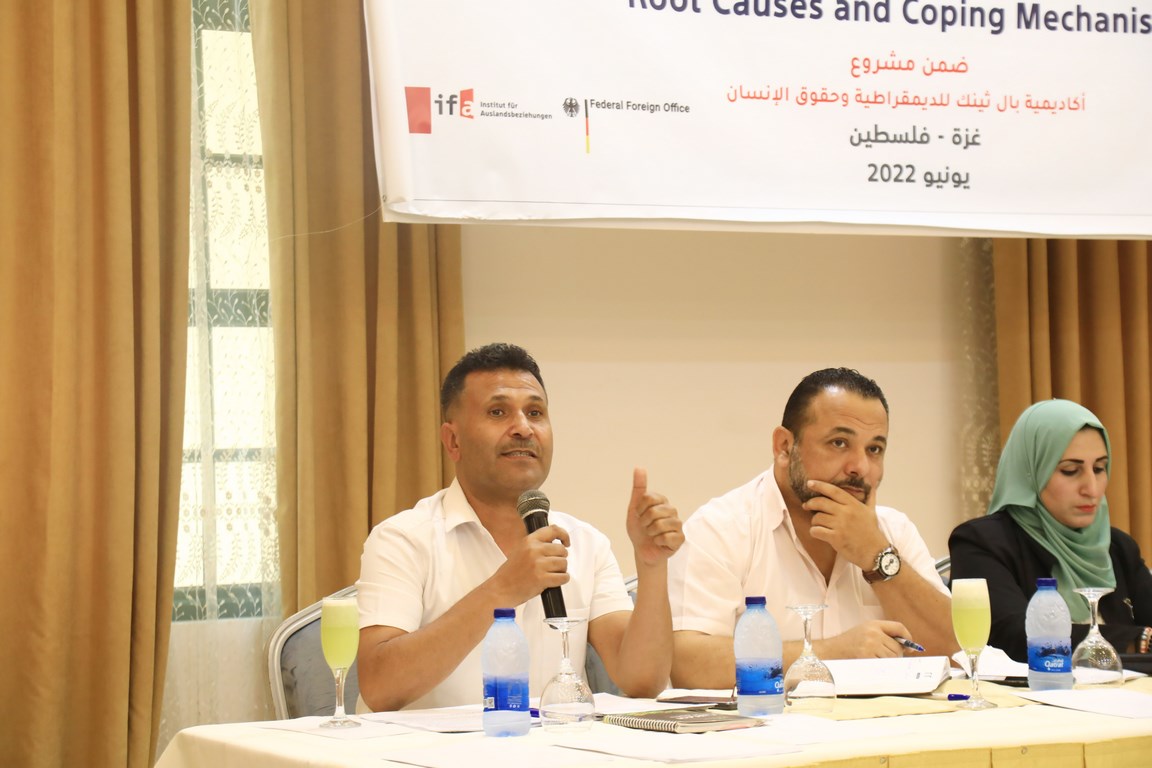
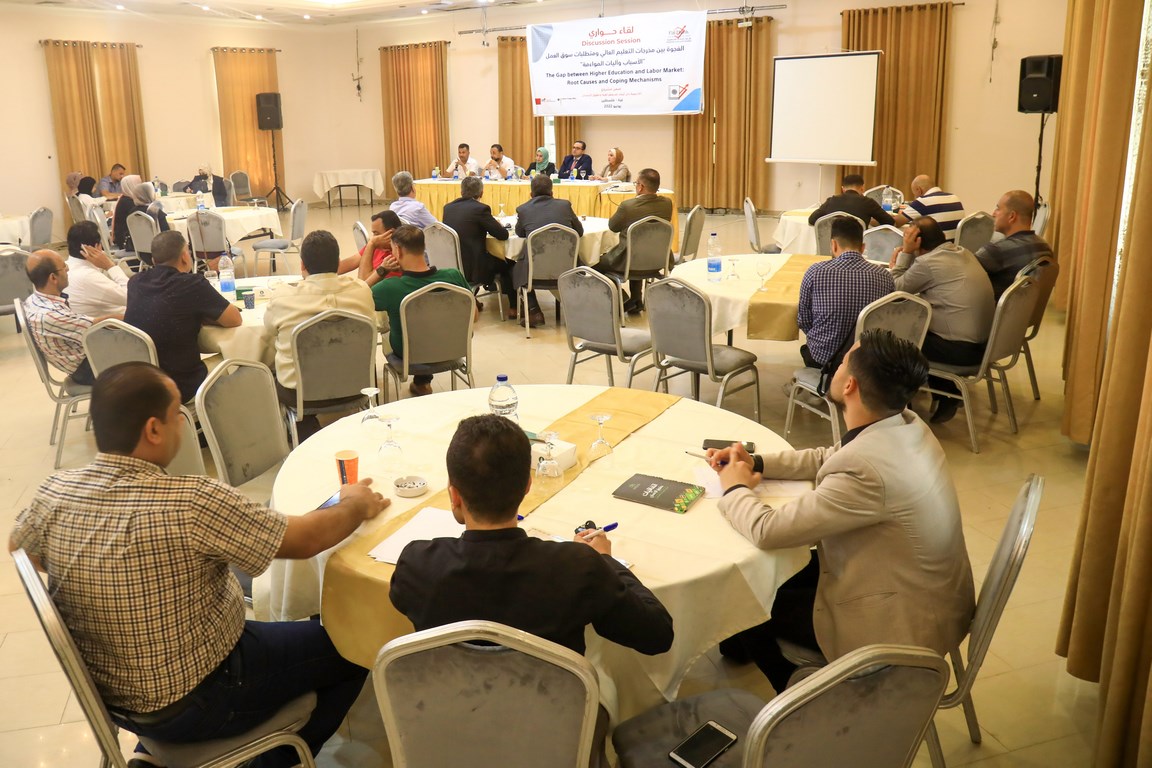
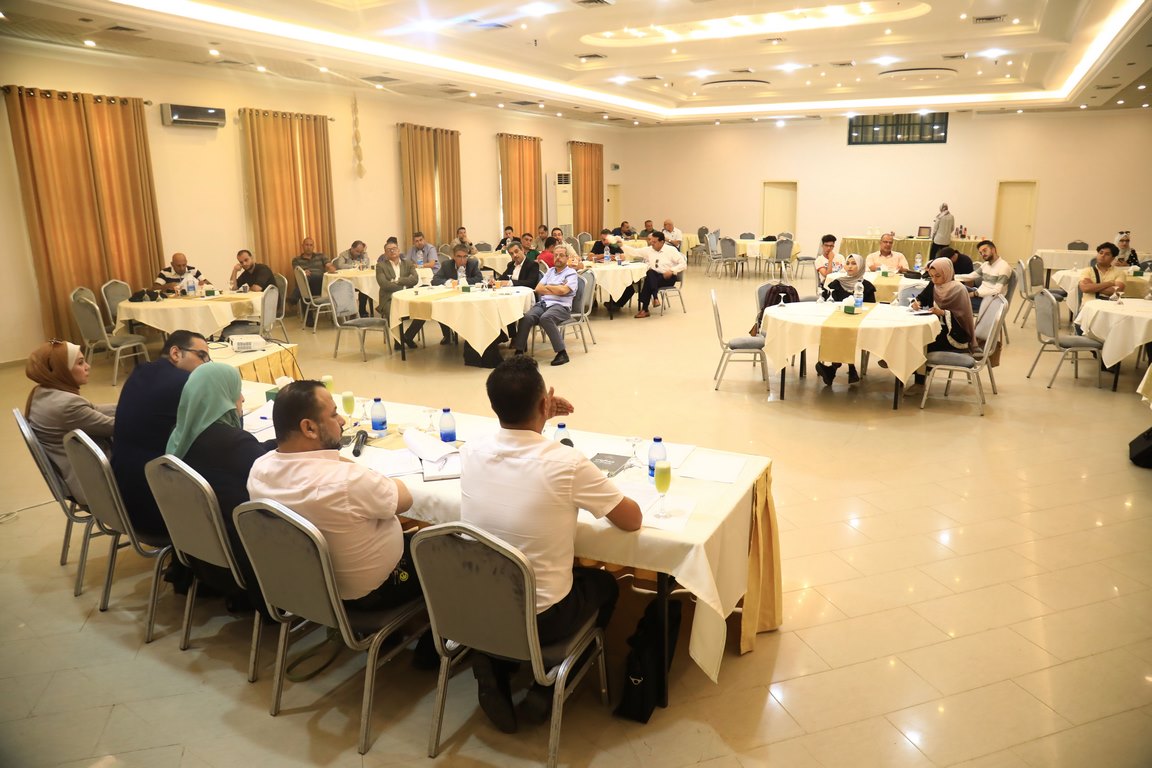
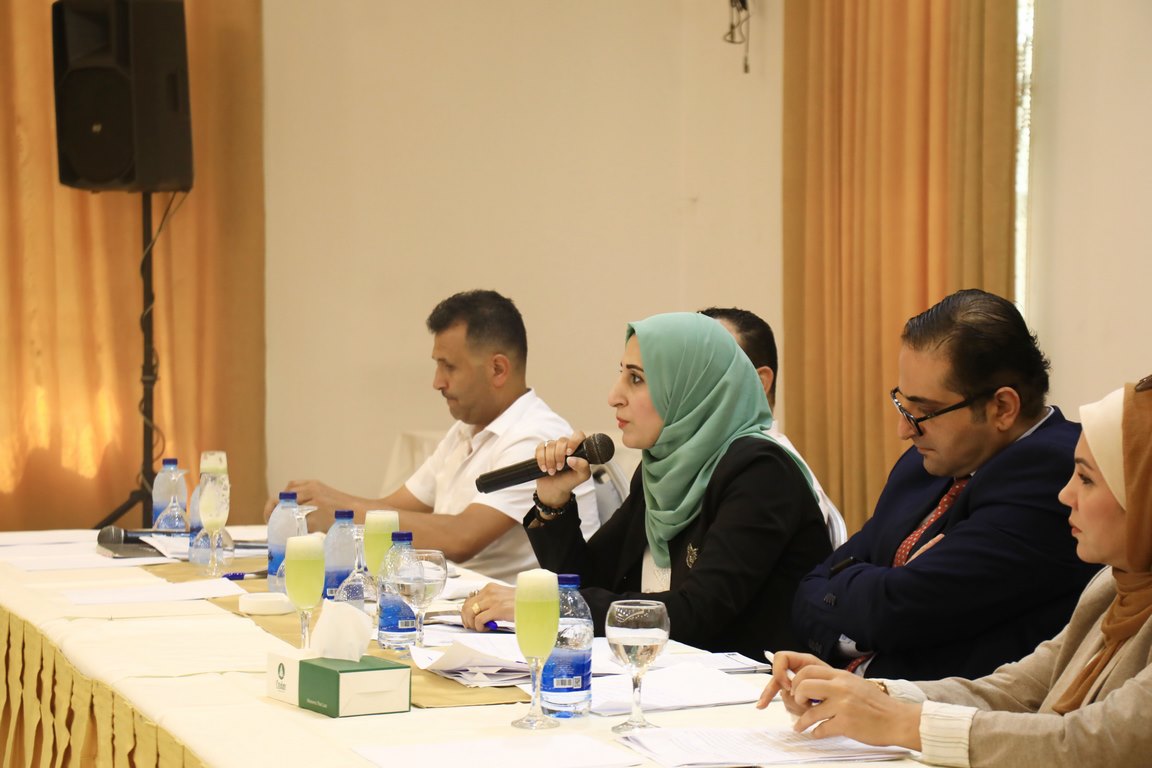
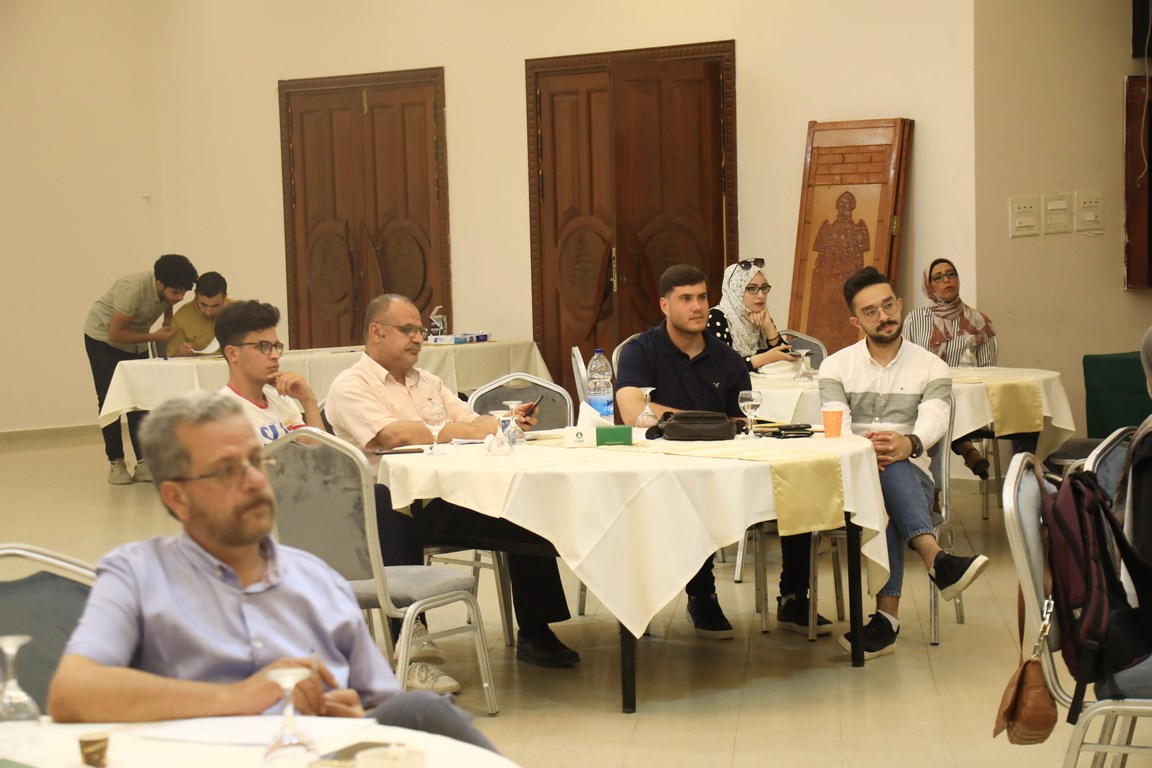
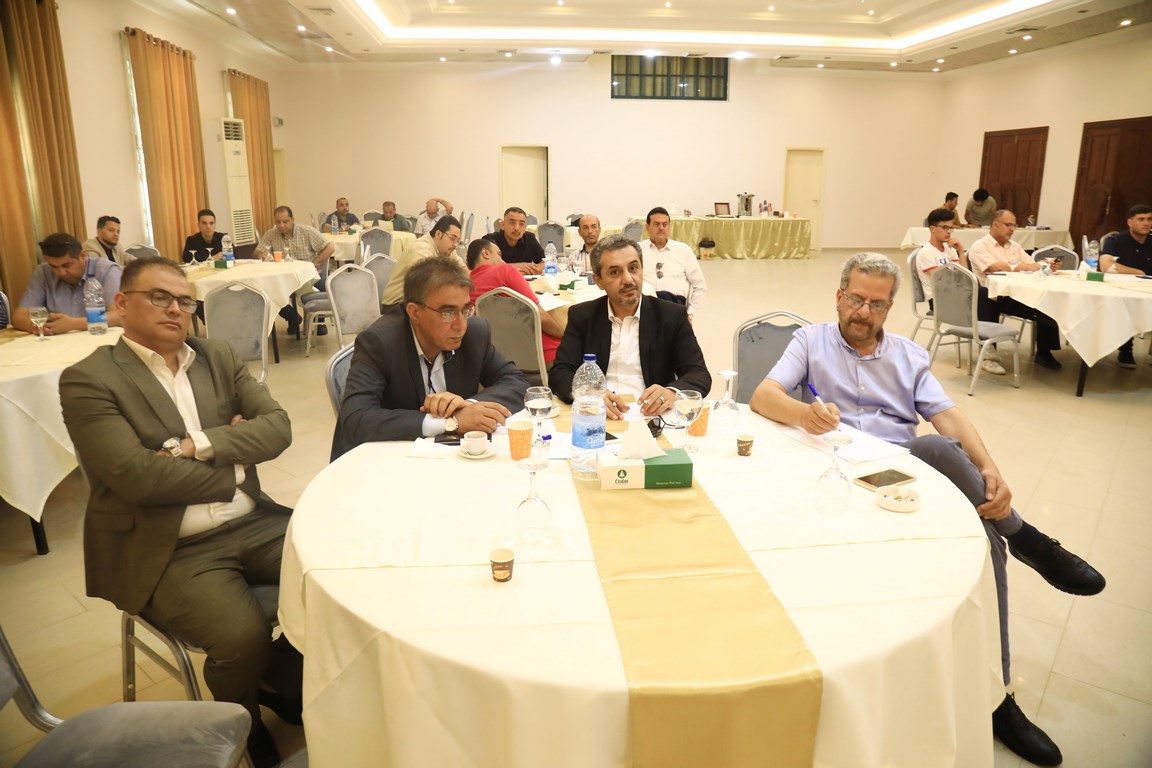
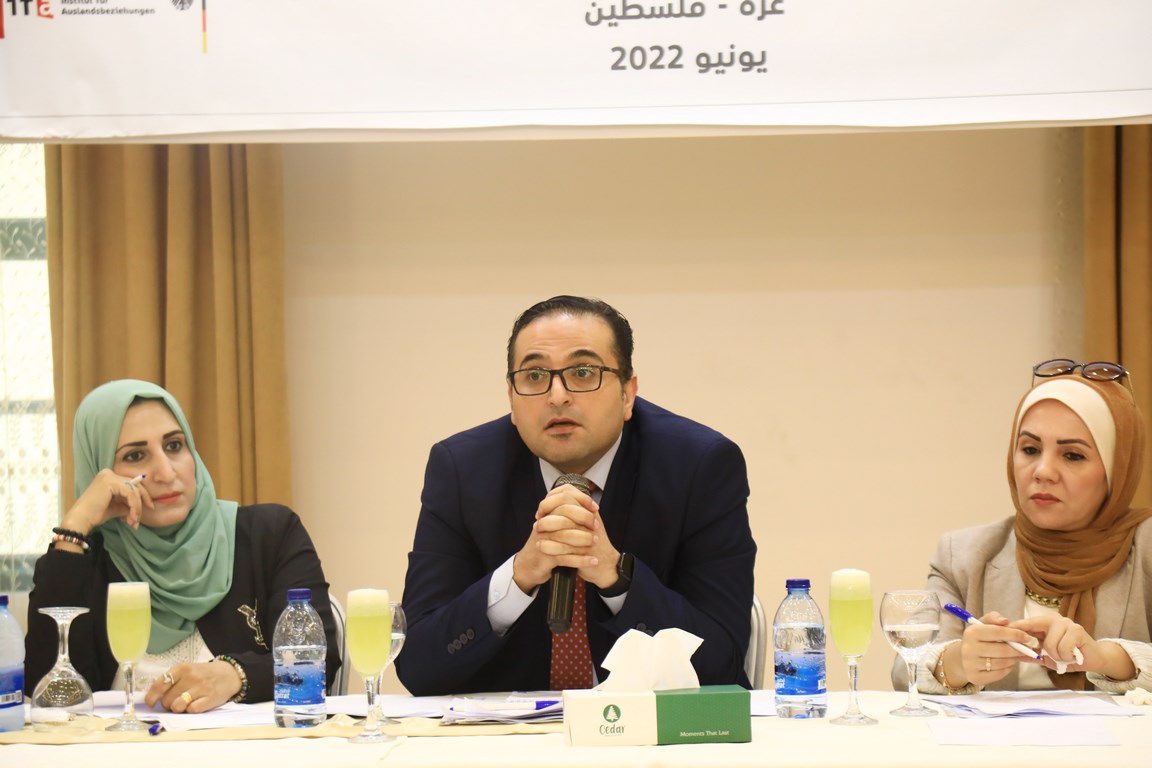
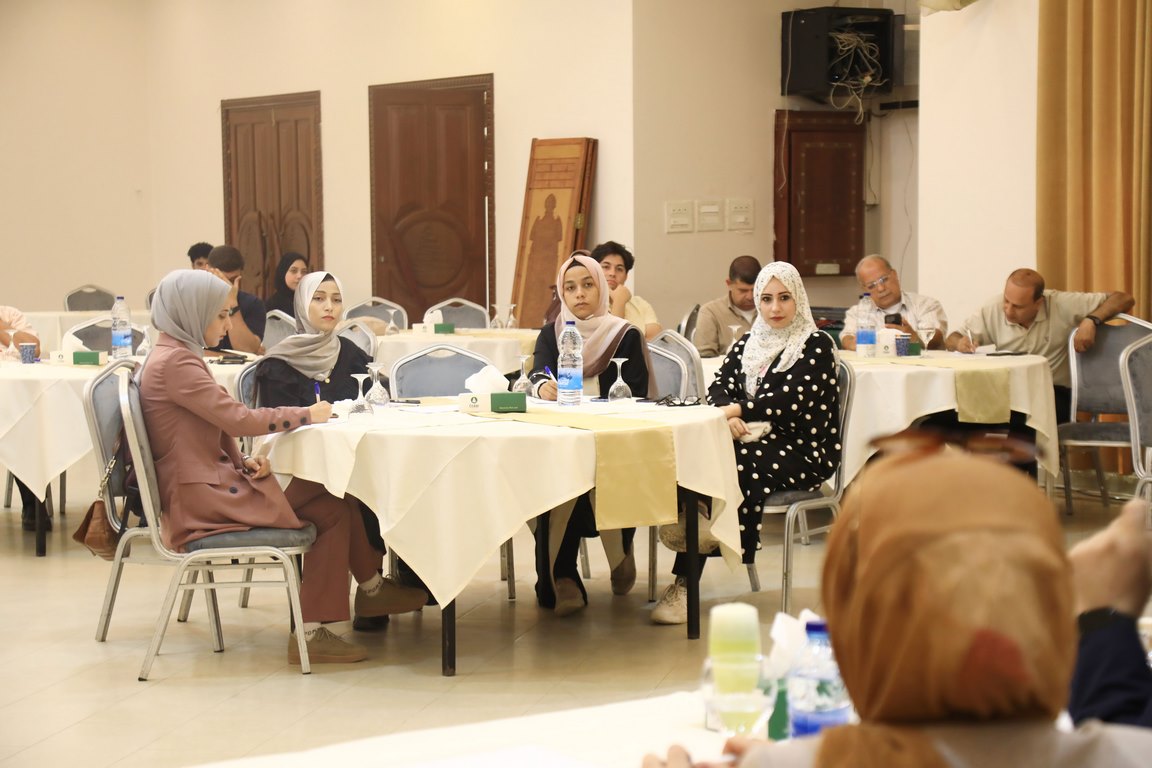
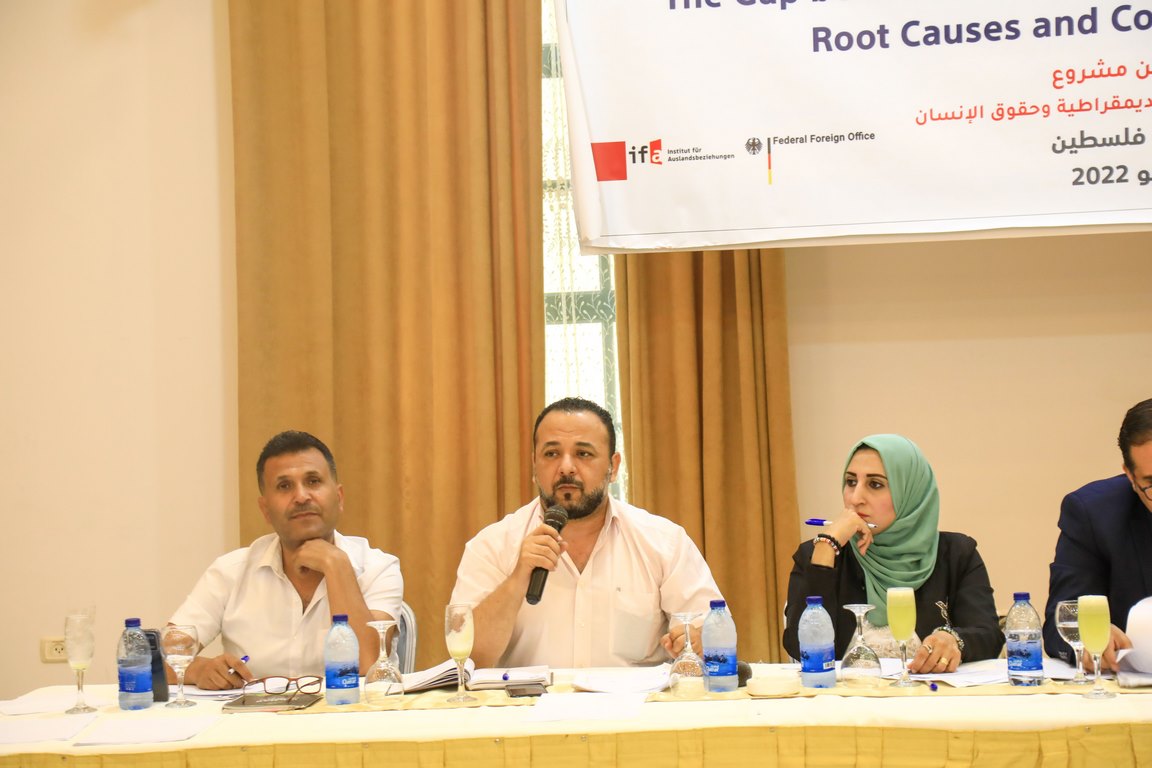
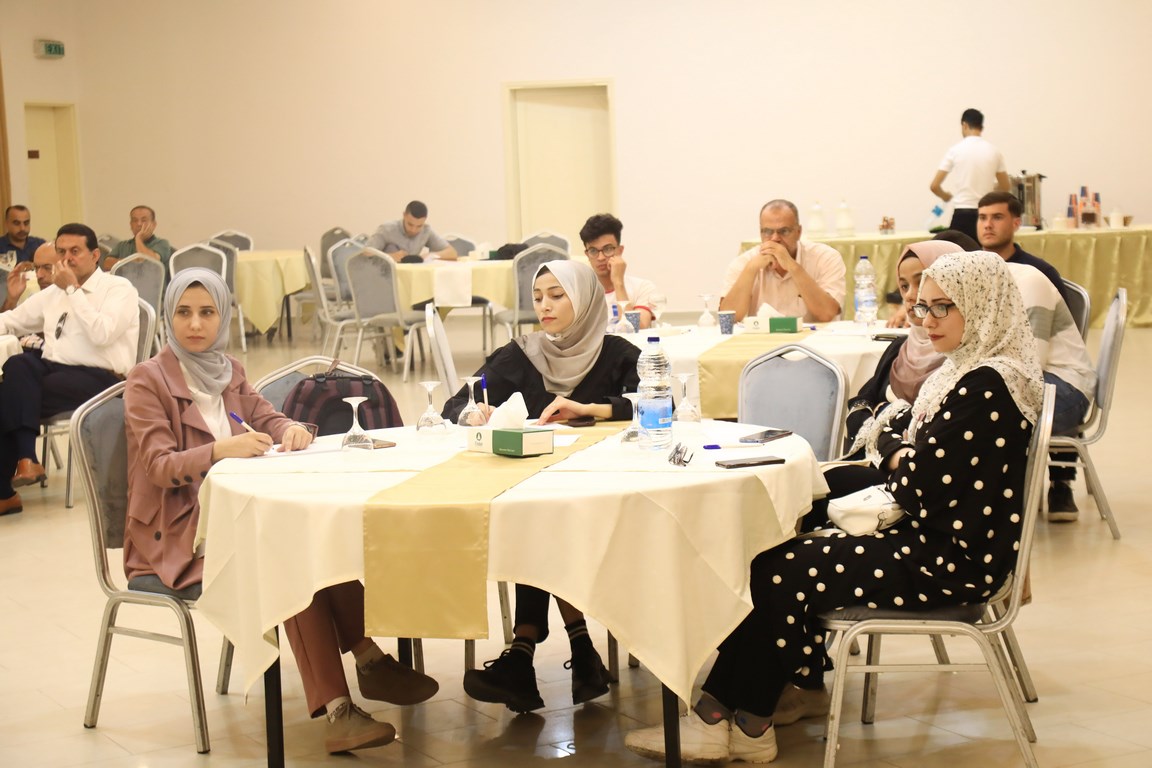
Within the frame of knowledge-based reflection, and the efforts Pal-Think for Strategic Studies exerts to discuss the Palestinian problems and crises, Pal-Think set aside a dialogue meeting to discuss the right to education, in partnership with the German (IFA) institution, titled “The gap between higher-education outputs and labour-market requirements” — within the project “Pal-Think Academy for Democracy and Human Rights”, attended by dozens of the elite of jurists, experts, researchers, and civil-society representatives from inside the Gaza Strip and beyond.
The institution's director Omar Shaban opened the session by welcoming the attendees and congratulating them on the coming of blessed Eid al-Adha, and said: “Pal-Think is an independent Palestinian institution in word and deed, always seeking to bring about change in society to advance it on the different planes with our limited resources, through raising and discussing new ideas and hosting new experts from the Gaza Strip and beyond”. He pointed out that the session's topic is old and new at once, but must be taken up from new angles — especially as there are 86 thousand tawjihi students this year alone, needing at least 40 thousand jobs and 40 thousand flats, asking “how much of that is available?”. He concluded by saying: “Unemployment is the mother of evils and the cause of all crimes, for it erases the human being's very self; and decision-makers are responsible for the existing reality, alongside the occupation, its stifling blockade, and its continuing wars on the Strip”.
For his part, Mr Bahjat al-Helou, awareness and training coordinator at the Independent Commission for Human Rights, said the rights to work and education in Palestine are in continuous retreat although most of the texts of the international covenants speak of them, and although the United Nations included education among its development goals for 2030. He explained that there are several criteria that must be met in the right to education, such as: geographic and material accessibility of education, the rejection of discrimination, the adaptation of educational buildings for those with special needs, and adaptability of the educational process. Al-Helou added that “the decree-law that granted the ministry of education the right to collect donations in schools counts as a grave violation of the principle of free education; schools have come to levy money under the term of donations”. He showed that a sufficient official budget has been absent from nine public universities absorbing 79% of students, and that only 17% of the budget is set aside for educational development — 87% of it salaries and wages. He stressed that the right to work is among the rights violated on a wide scale among youth circles, and al-Helou recommended the necessity of opposing discrimination and finding effective budgets, drawing decision-makers' attention to take into account the data of the unemployed not statistically classified.
For his part, the researcher in economic affairs Dr Abdallah Abu al-Hunud said the number of graduates of Palestinian higher-education institutions in 2019 reached 42 thousand graduates, while the local Palestinian market absorbs yearly an average of 8 thousand work opportunities for graduates — resulting in many leaving the labour market for losing hope of obtaining an opportunity; 83% of youth work in the informal economy, and 54% of employment in Gaza is informal.
He explained that the Israeli policies worked to create many distortions in the Palestinian economy, among whose results was the weakness of its capacity to absorb the workforce — or what is called the weak absorptive capacity of the Palestinian economy. This problem surfaced and deepened with the years of division, so the Palestinian economy in general, and its labour market in particular, came to suffer structural weakness, fragility, and a limited capacity to stand fast in the face of the occupation's measures — closure, blockade, wars, and the withholding of the Authority's funds — on one side, and the outgrowths of the Palestinian division and the absence of central government on the other.
He showed that the Palestinian labour market has come to be classified among the worst-performing markets in the world: the employment-to-population ratio (an indicator monitoring the economy's strength in generating jobs) reached 33.1%, the second-lowest rate at the world level — with the affirmation that the labour market in the Gaza Strip is classified as the worst in the world, at 18% employment to population.
He added that the category of young graduates holding an intermediate-diploma qualification or higher suffers most from unemployment: the unemployment rate among youth (19–29) years who graduated holding an intermediate diploma or higher reached 53% (and they form 27% of the total unemployed). At the level of sex it reached 66% for females against 39% among males; at the level of region, the unemployment rate for young graduates reached 36% in the West Bank against 74% in the Gaza Strip. This shows the extent of the fragility of the economy in general and the private sector in particular, and its inability to generate sufficient work opportunities for the growing numbers of job-seekers.
As for Dr Mahmoud Assaf, assistant professor of educational planning, he said higher-education institutions exert modest efforts to achieve development, yet the state of “dishonourable” competition graduates uncreative students who seek only to obtain a university certificate without real scientific and practical experience. He showed that states invest in higher education for it to return a financial yield to the state in the future, or because it matters to national security, and some people head for higher degrees to hold social standing — while the goal of higher education in Gaza is amorphous and unknown.
Assaf added: “All are partners in this state of affairs, beginning with the official, passing through the higher-education institutions and the university professors, and reaching the students — and this is what encouraged the universities to practise a policy of austerity at the expense of education's quality”. He recommended that the universities reconsider the policy of student admission; that the ministry of education tighten the selection of university teaching staff; and that the government fund technical education for a defined period of time to encourage take-up of it.
During the closing word, Ms Walaa al-Hayek, projects coordinator of the University Graduates Association in the Gaza Strip, said business incubators are an important tool for developing entrepreneurial ideas, contributing to establishing small enterprises that spread knowledge, fight unemployment, and provide real work opportunities, especially for the marginalised. She explained that Palestine holds six incubators in the West Bank and the Gaza Strip, working to host small enterprises to qualify them for setting out to market. She affirmed the incubators' importance in society, for they fight unemployment, improve quality of life, train the workforce, raise welfare, and reduce crime.
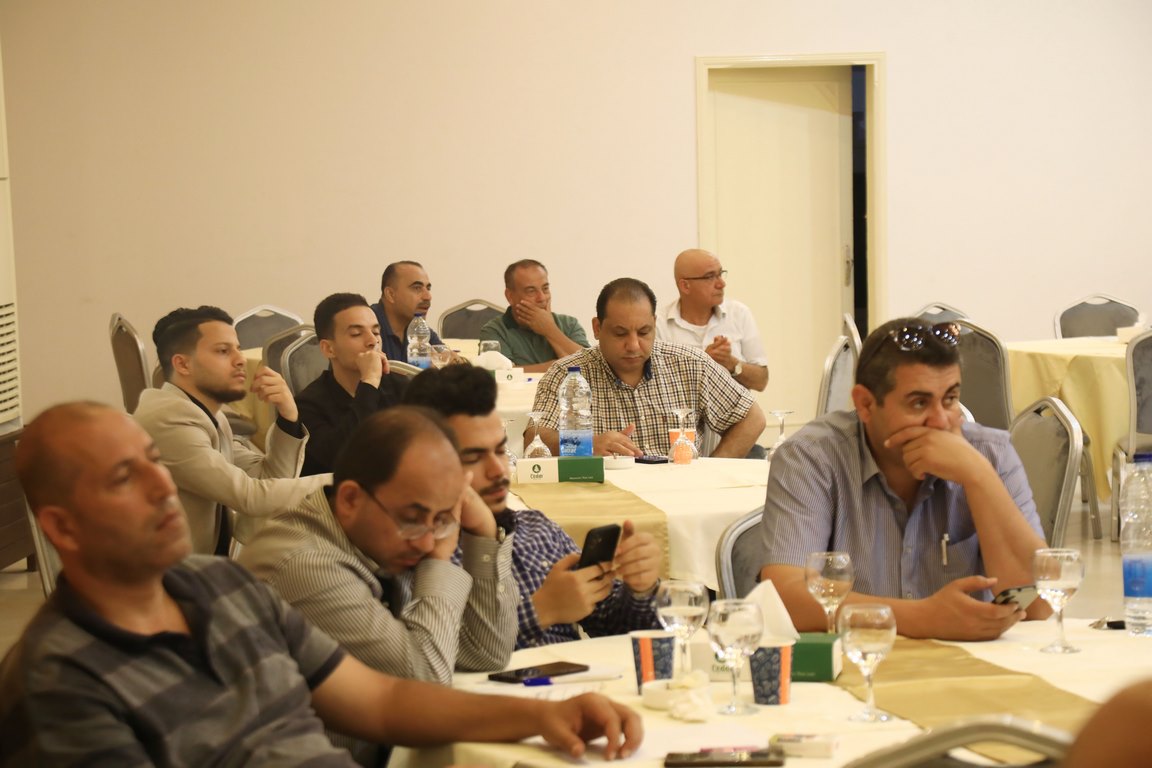
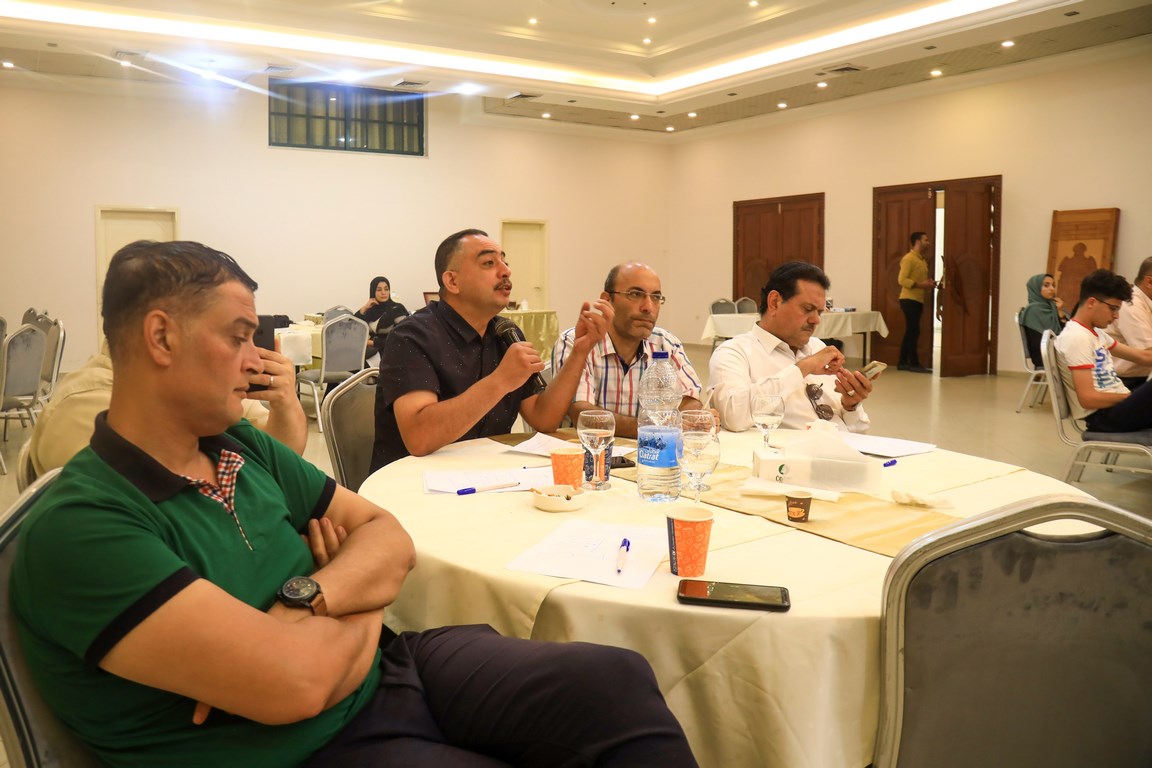
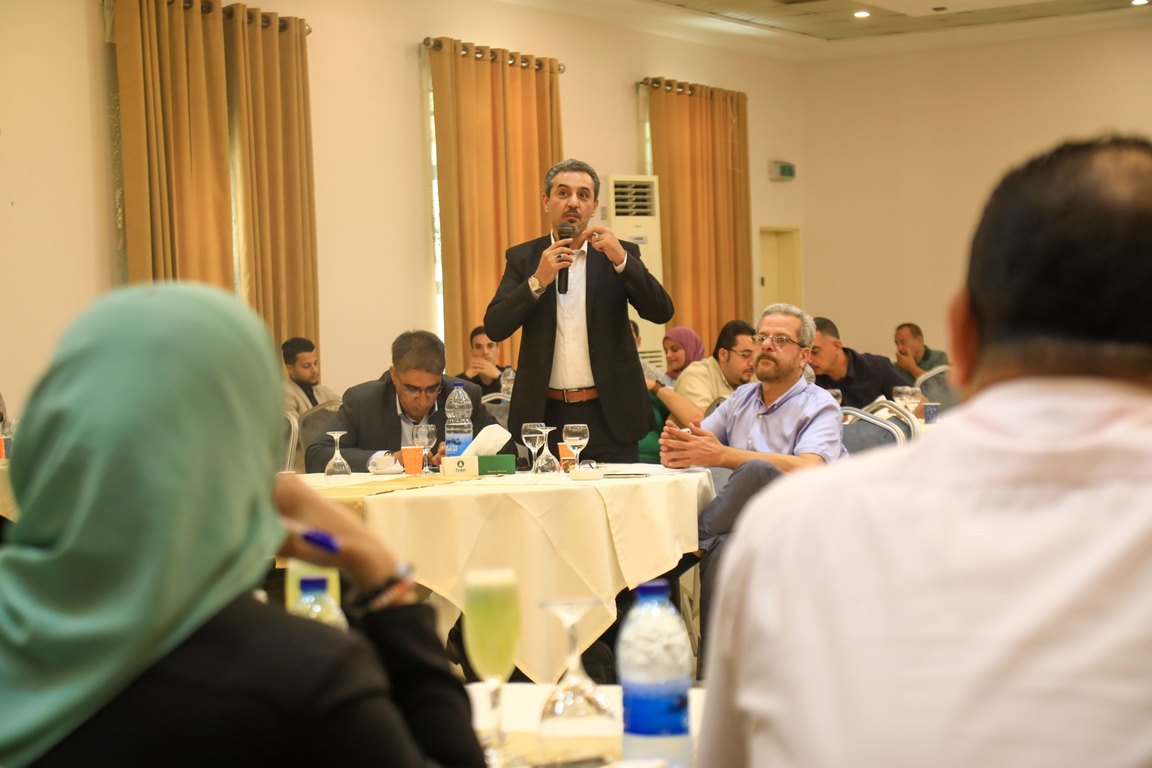
The attendees' interventions turned on the division's effect on the widening of the gap between higher education and the labour market; the effect of the low share of funding for developing education's quality on the rising unemployment rate; the consequences of the universities' mismanagement on the labour market; the danger of commodifying university education; and the universities' attention to student numbers at the expense of the quality of education offered them, in light of the immense scientific advance and the world's entry into the fourth industrial revolution.