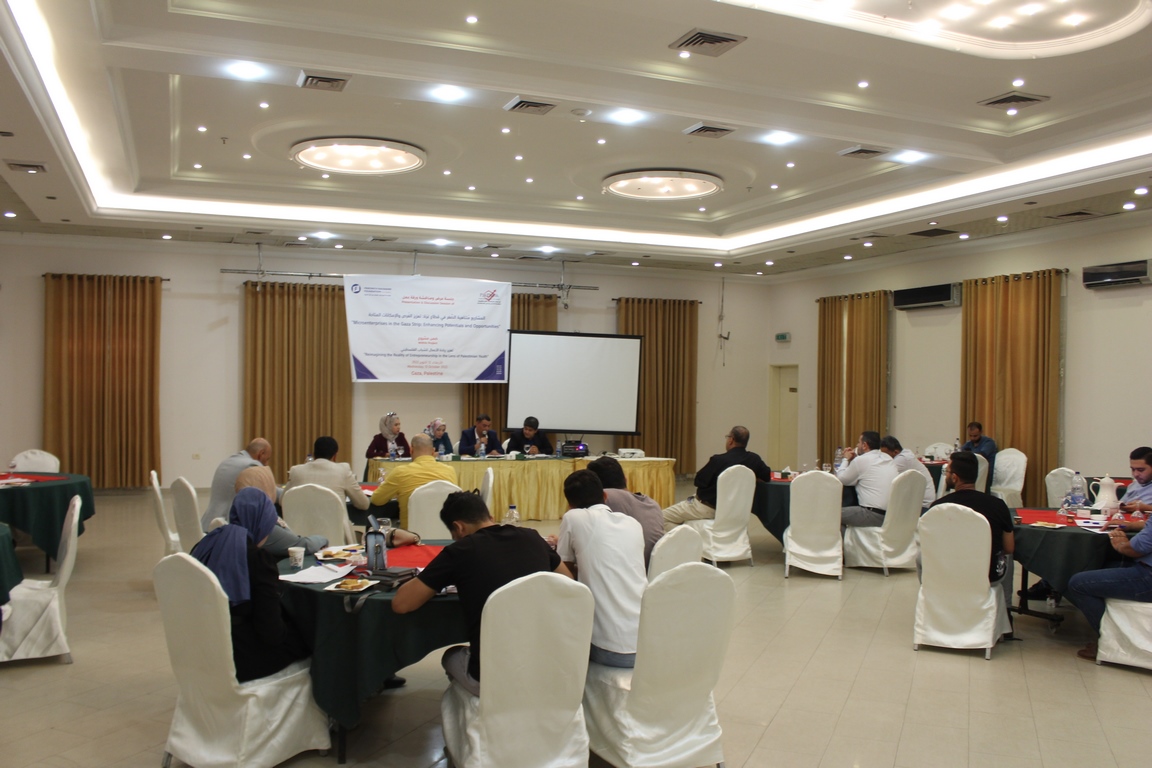
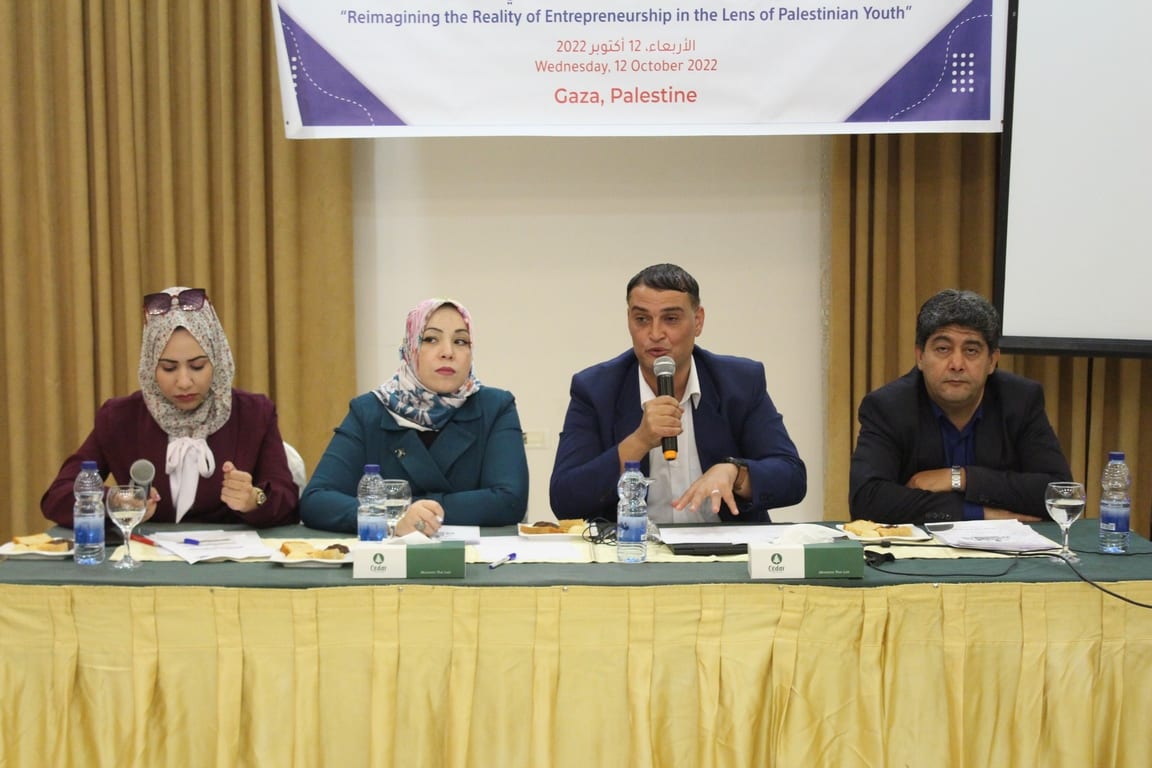
Pal-Think holds a dialogue on a paper about micro-enterprises in the Gaza Strip
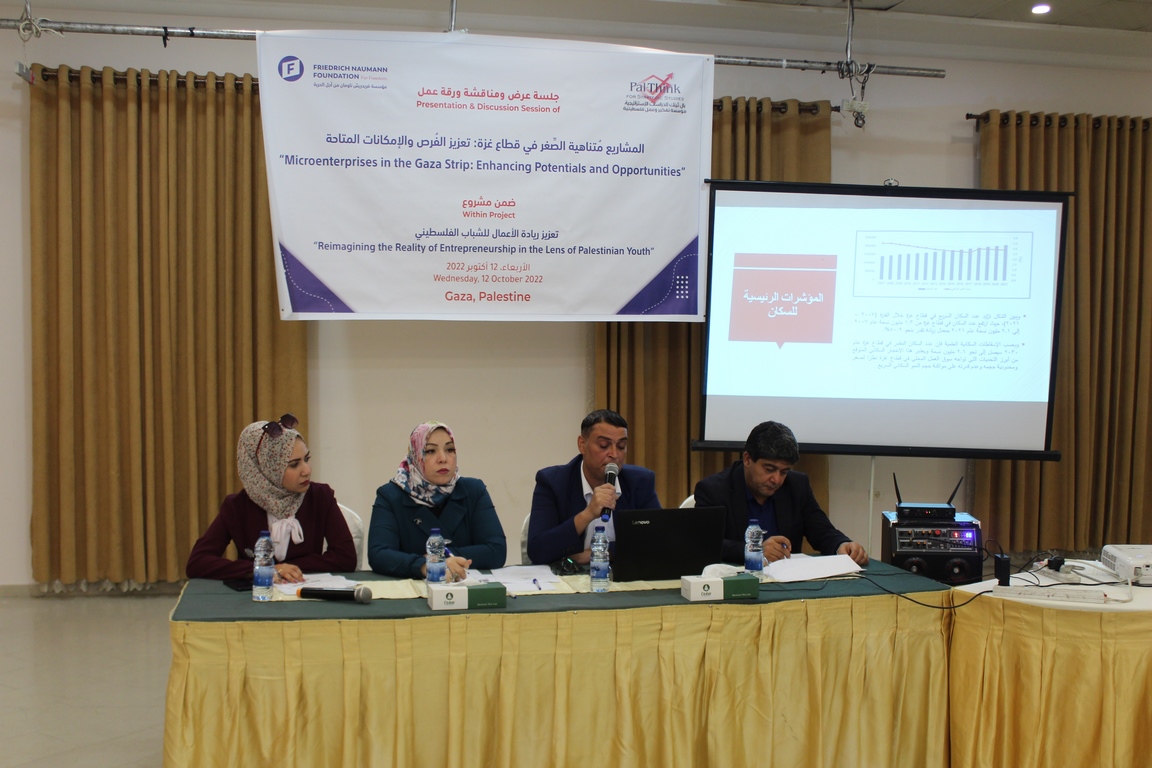
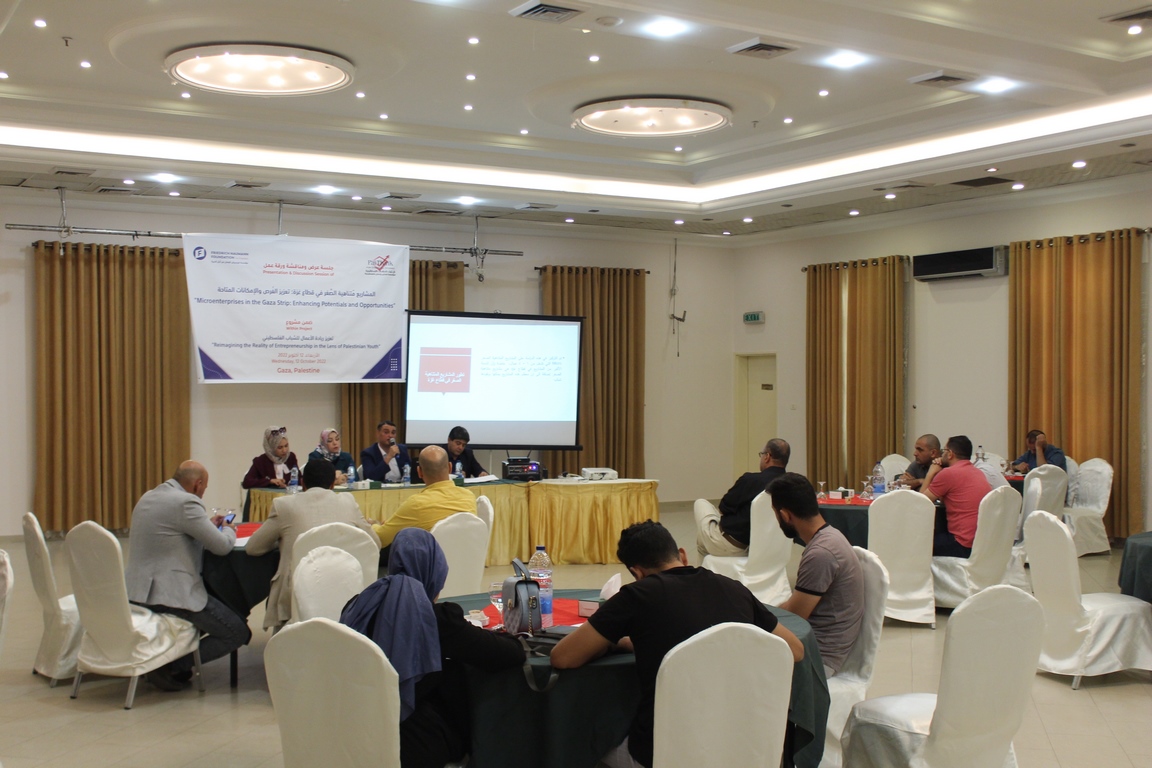
Continuing its work on improving Gaza's economy, Pal-Think with the Friedrich Naumann Foundation held a dialogue on the working paper «Micro-enterprises in the Gaza Strip: strengthening opportunities and potential».
- Date
- 2022-10-16
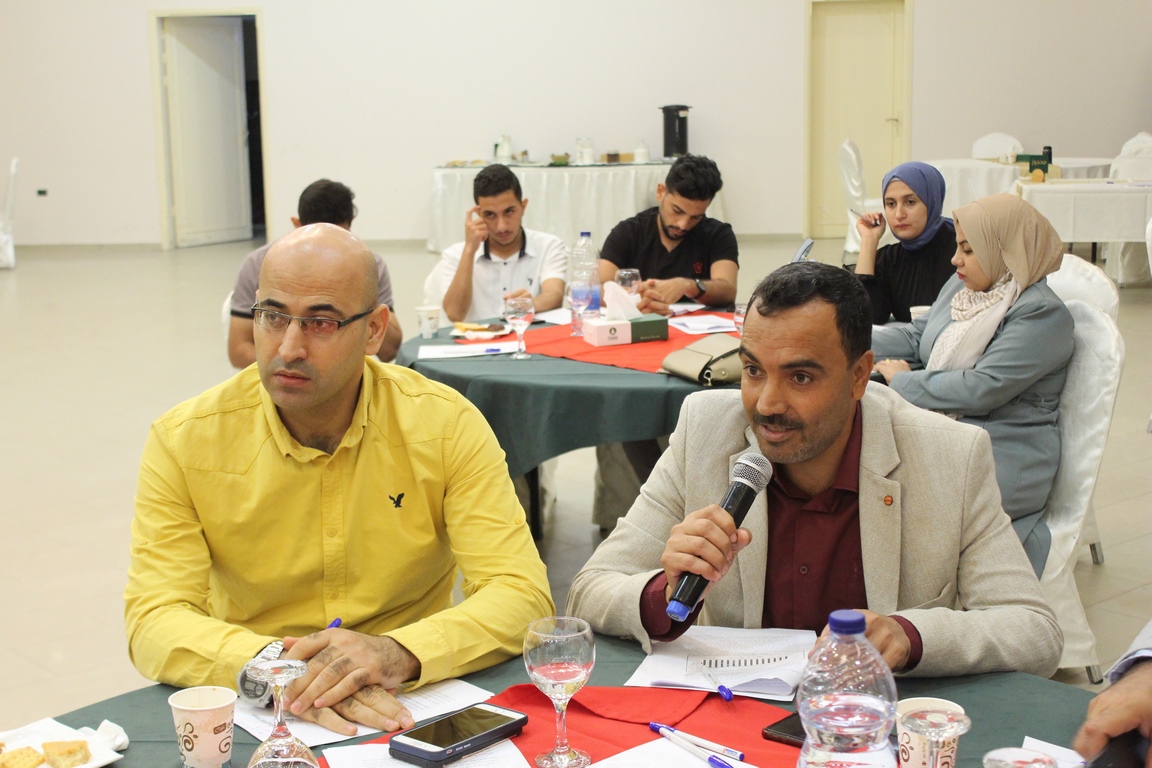
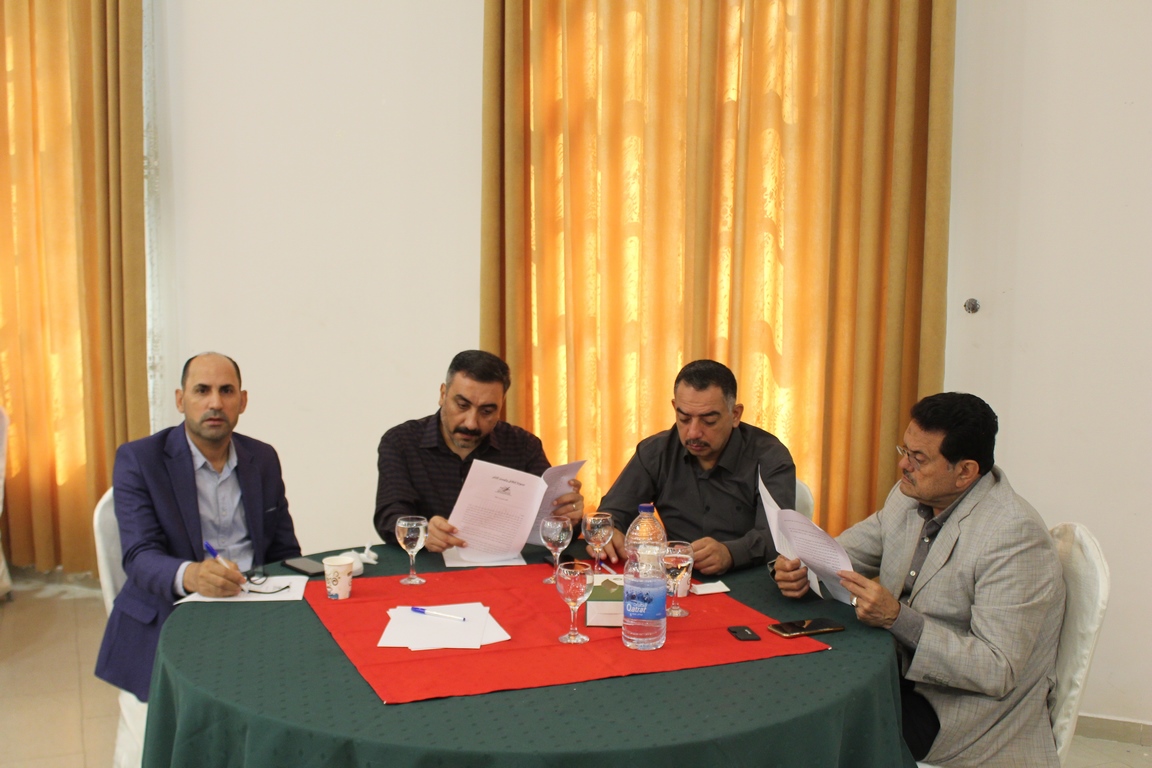
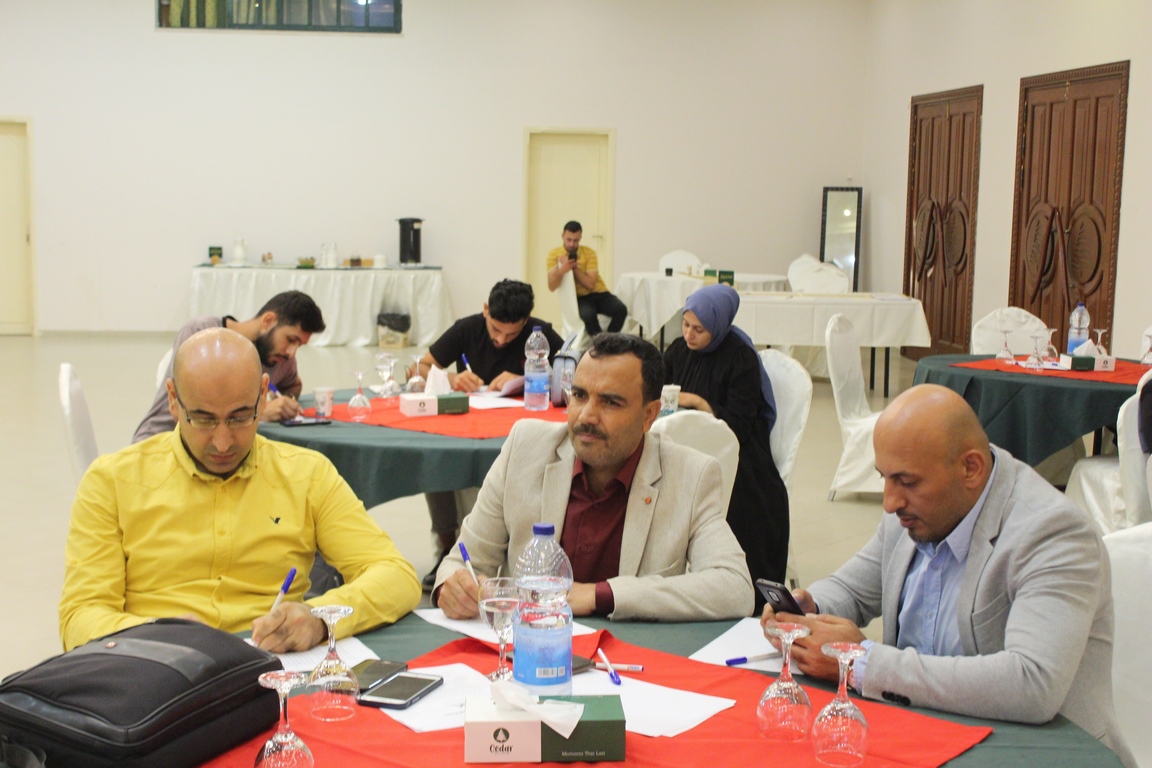
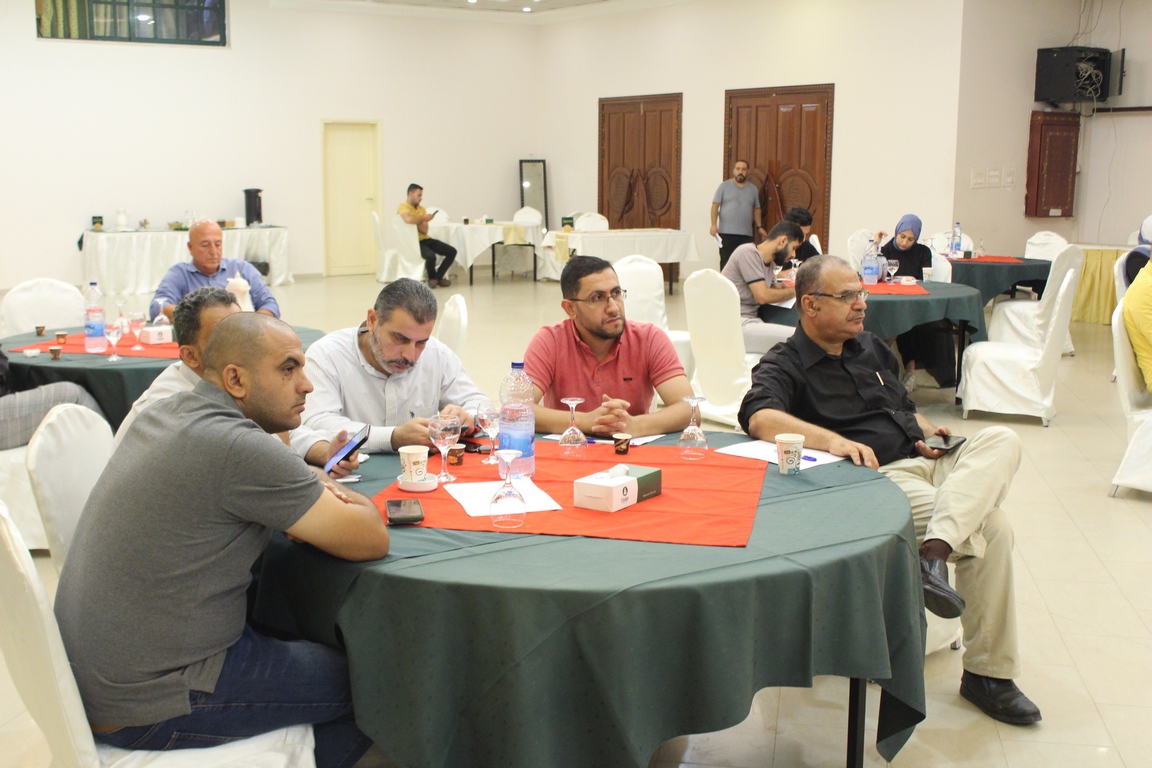
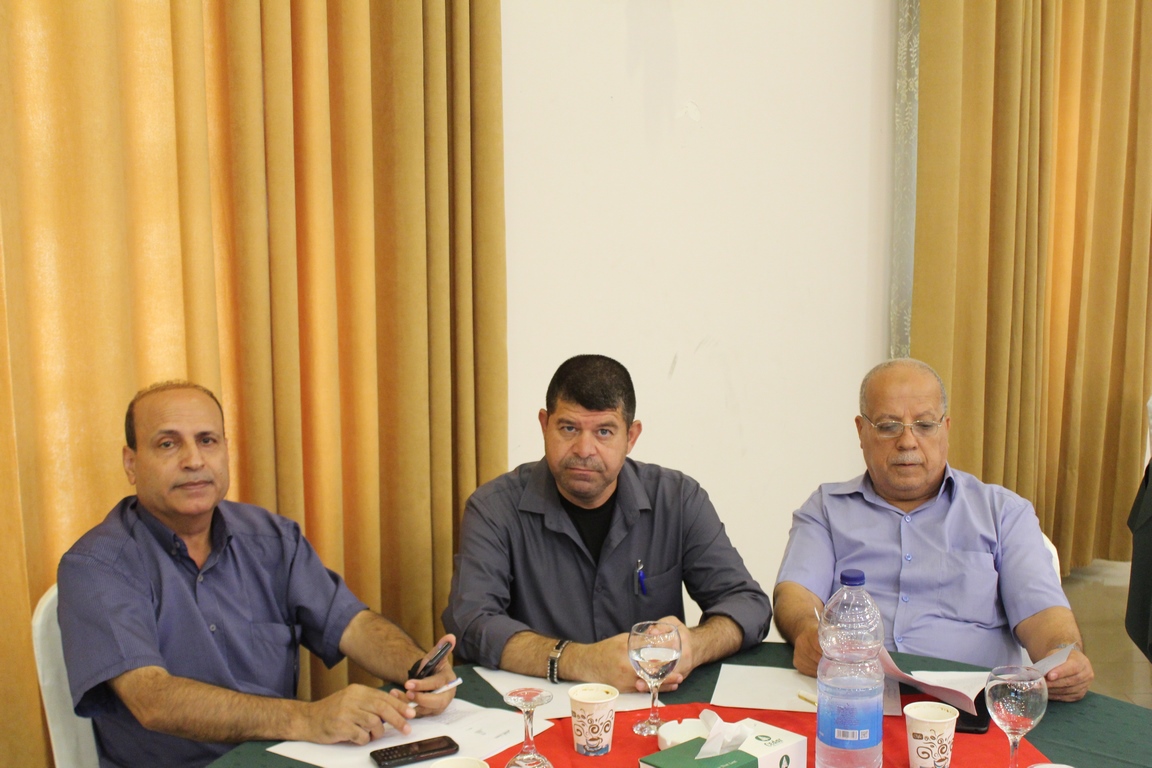
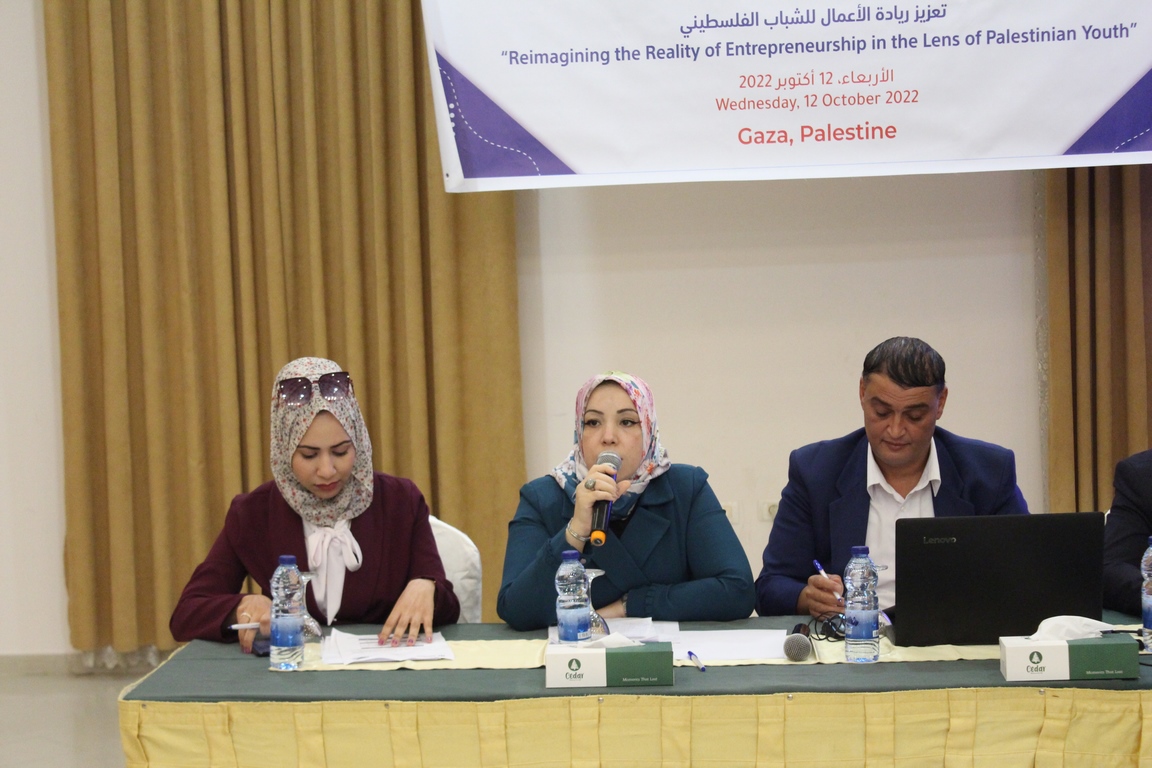
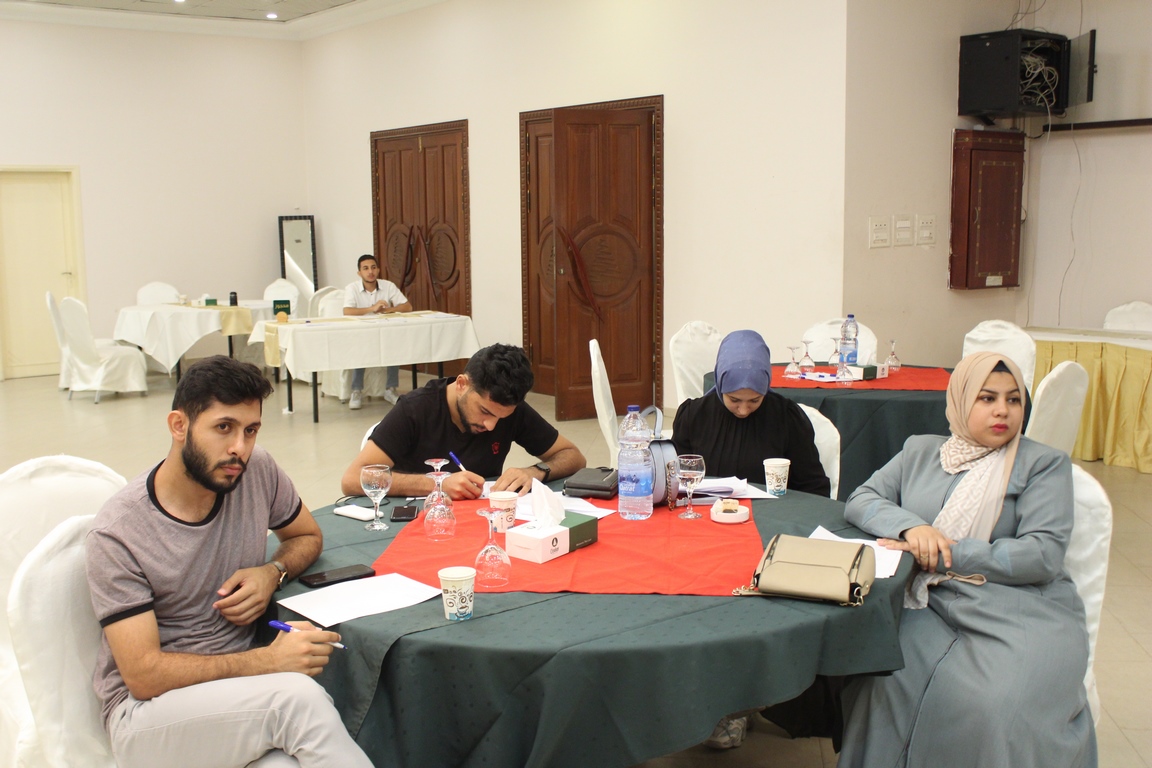
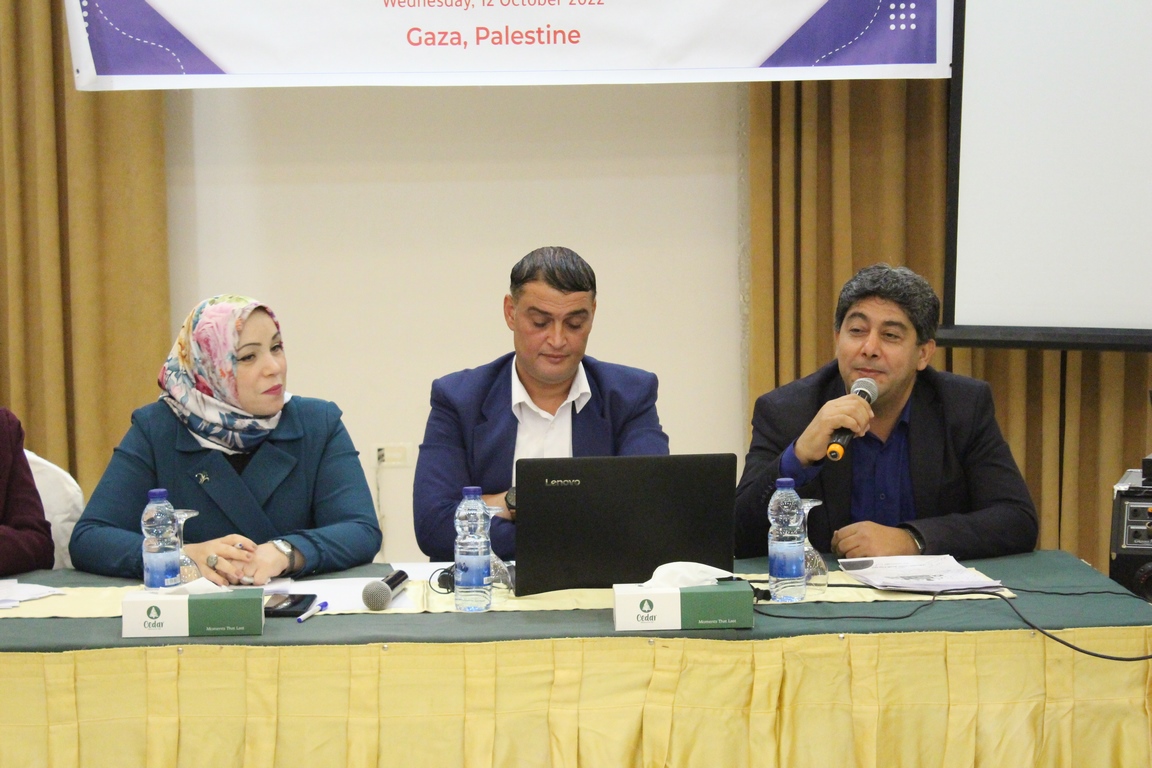
Continuing its tireless pursuit of shedding light on the ways of improving the economy in the Gaza Strip, Pal-Think for Strategic Studies, in cooperation with the Friedrich Naumann Foundation for Freedom, held a dialogue session to discuss a working paper on “Micro-enterprises in the Gaza Strip: strengthening the available opportunities and potentials” by researcher Dr Raed Hellis, within the project “Strengthening entrepreneurship for Palestinian youth”, with the participation of a number of economic researchers and representatives of civil society and government institutions.
The session was facilitated by Suha Sukkar, one of the project's trainees. Researcher Yahya Qaoud opened the session by welcoming the audience, saying this project seeks to spread the culture of entrepreneurship among youth and to treat the obstacles and difficulties facing them in launching their own enterprises, through rigorous scientific research papers presented to decision-makers.
Researcher Dr Raed Hellis said micro-enterprises are the first nucleus of building small, medium, and large business organisations; their importance shows in the role they play in creating job opportunities, achieving self-realisation, and strengthening youth participation in the economic field.
He noted that the study's aim is to encourage young people to establish micro-enterprises.
The economic researcher spoke of the demographic indicators, the local labour market, and the obstacles facing youth, in addition to the kinds of economic activity in which these enterprises operate, the causes of their success and failure, and the ways of strengthening their resilience.
The researcher shed light on the gap between the labour market and university education, which compounds unemployment among graduates to reach 78.4% — the highest in the world.
Dr Hellis said the number of establishments in Gaza reached 46,825 enterprises in 2017, 89% of them micro-enterprises; the largest share work in wholesale trade and vehicle repair, the rest in service and economic activities, manufacturing, accommodation and food, health, and social work.
As for the causes of enterprise failure, the researcher said they lie in the limitedness of invested capital, increased investment risk, reliance on labour-intensive work, the weakness of project feasibility studies, reliance on inherited and family experience, the difficulty of obtaining soft loans, and the investment law's bias toward supporting and granting facilities to large projects.
He concluded by proposing five steps to strengthen micro-enterprises' chances of success in the Gaza Strip: course correction and incubation, strengthening resilience, empowerment, and sustainability.
For her part, Dr Amal al-Hila, lecturer in business administration, thanked Pal-Think and the researcher for the paper.
She pointed to the necessity of defining the criteria for classifying small and micro enterprises, the importance of shedding light on the causes of some enterprises' failure in particular economic activities such as services and manufacturing, and on the corona pandemic's effect on these enterprises, and of conveying the experiences of the owners of failed enterprises and of the most widespread ones.
She explained that the study's proposals need further clarification and a setting-out of the measures to be taken, with focus on the role of government institutions, civil society, and the banks in making these enterprises succeed.
For his part, Dr Salama Abu Zaiter, member of the general secretariat of the Palestinian General Federation of Trade Unions, opened his comment on the paper by thanking Pal-Think for training the youth, who suffer “a crisis of attention” from decision-makers.
He said: “Studies are supposed to be an aid to decision-makers. Directing young people's thinking toward entrepreneurial enterprises needs the combined efforts of the actors in the field.”
Dr Abu Zaiter explained that the causes of micro-enterprise failure need deeper study, and that the study's proposals for strengthening these enterprises are “very important”.
He added: “We are supposed to have a fund to compensate micro-enterprises in the event of disasters; likewise the costs tied to registering micro-enterprises are high compared with their capital.”
For his part, Mr Louay al-Madhoun, commissioner-general of the ministry of social development in the Gaza Strip, said many large projects in Gaza failed because of the blockade, that a young person rising with an entrepreneurial project is a good thing, and stressed that the division is the fundamental dilemma facing Gaza's economy.
He added: “The ministry of development will soon launch a development institution in Palestine and a project worth half a million dollars to support small and micro enterprises, offering financial grants ranging from one to five thousand dollars, and interest-free loans from five to 15 thousand dollars.”
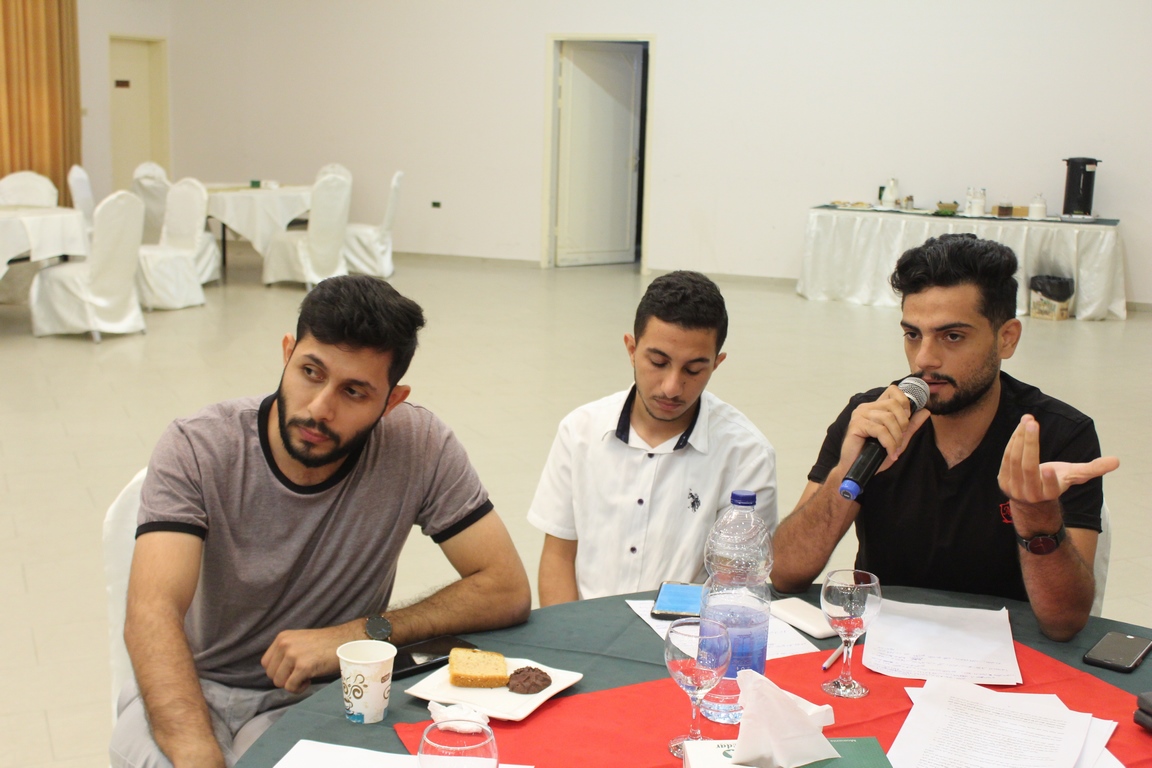
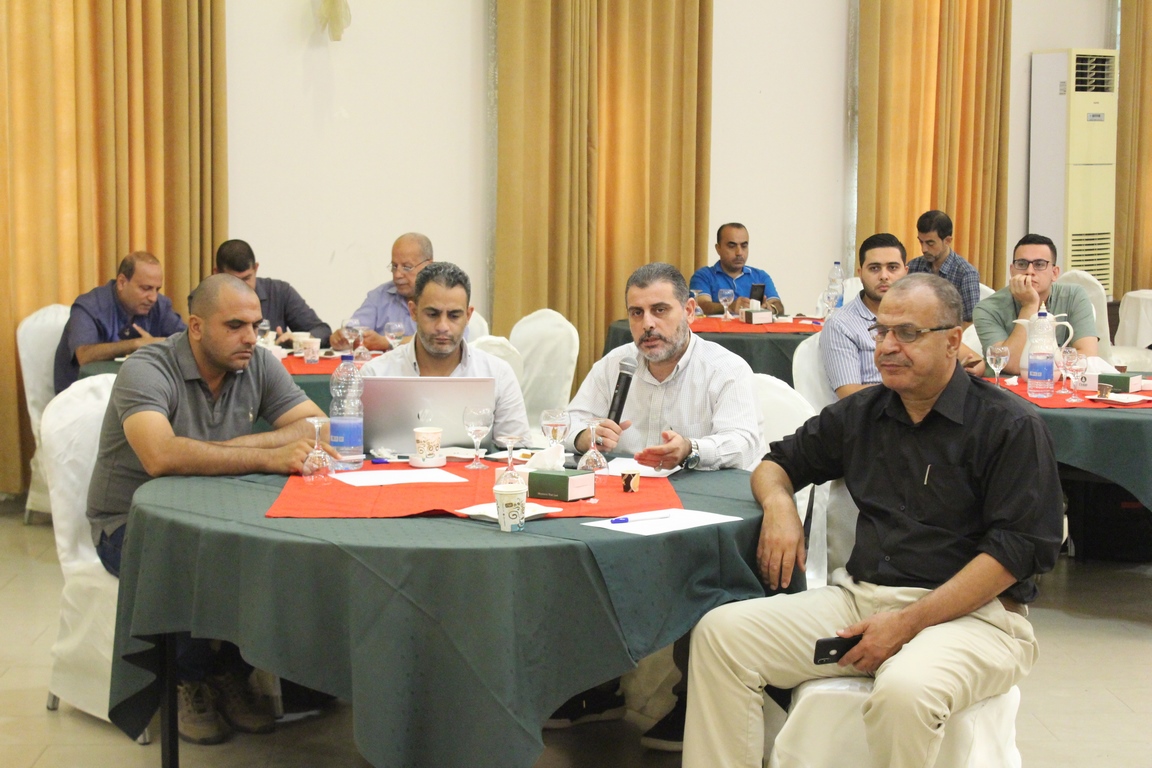
The audience's questions turned on the role of government policies in supporting small enterprises' resilience under occupation, the importance of bridging the gap between university education and the labour market's requirements in enabling young people to obtain jobs and launch their enterprises to curb unemployment, and the role of the ministry of social development in supporting small enterprises.