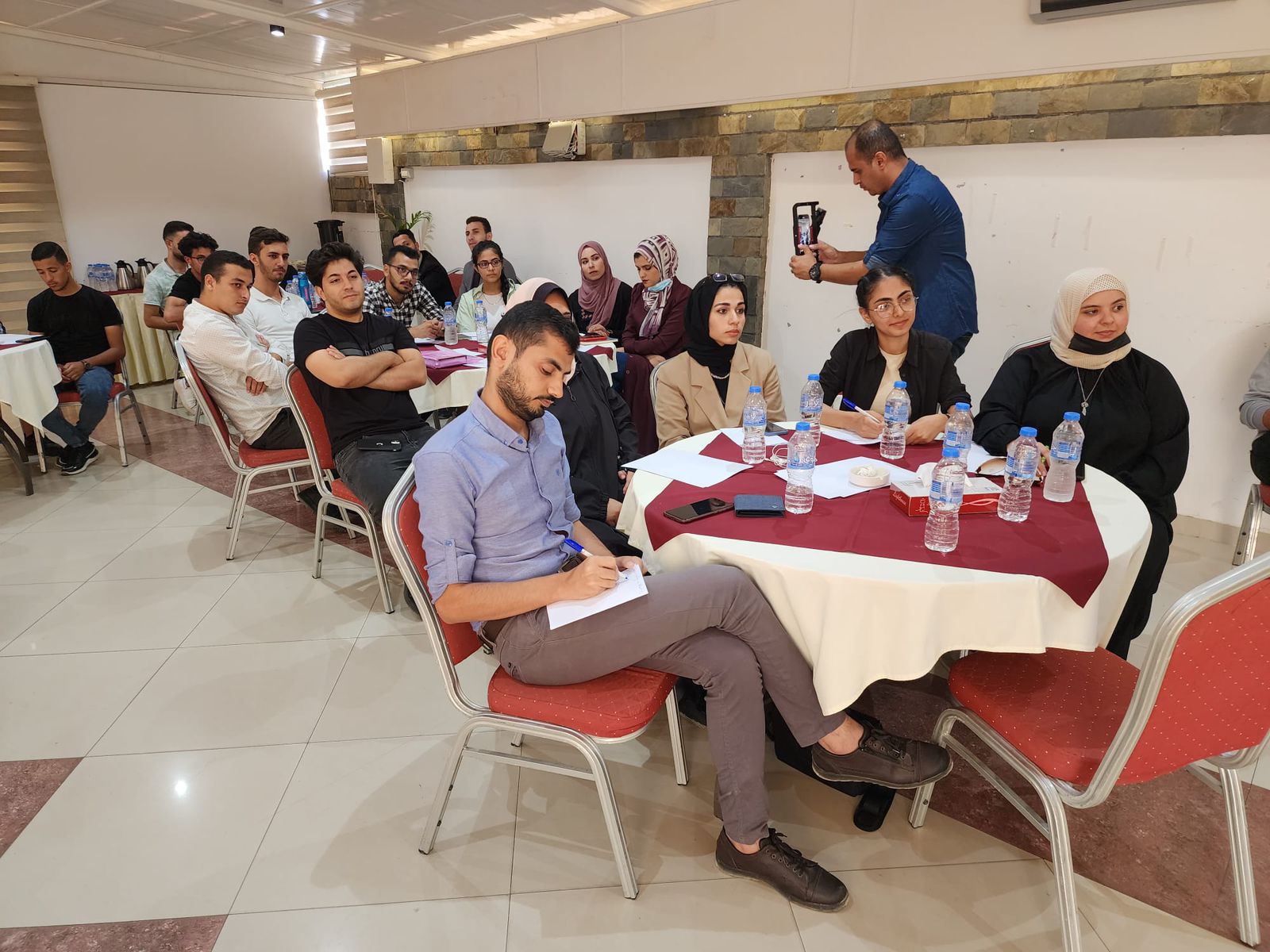
Pal-Think holds a dialogue between EU representatives and the Democracy & Citizenship Academy's youth
Pal-Think held a dialogue between representatives of the EU office in Jerusalem and the trainees of the Pal-Think Academy for Democracy and Human Rights — breaking the cultural and intellectual siege imposed on Gaza's youth.
- Date
- 2022-09-29
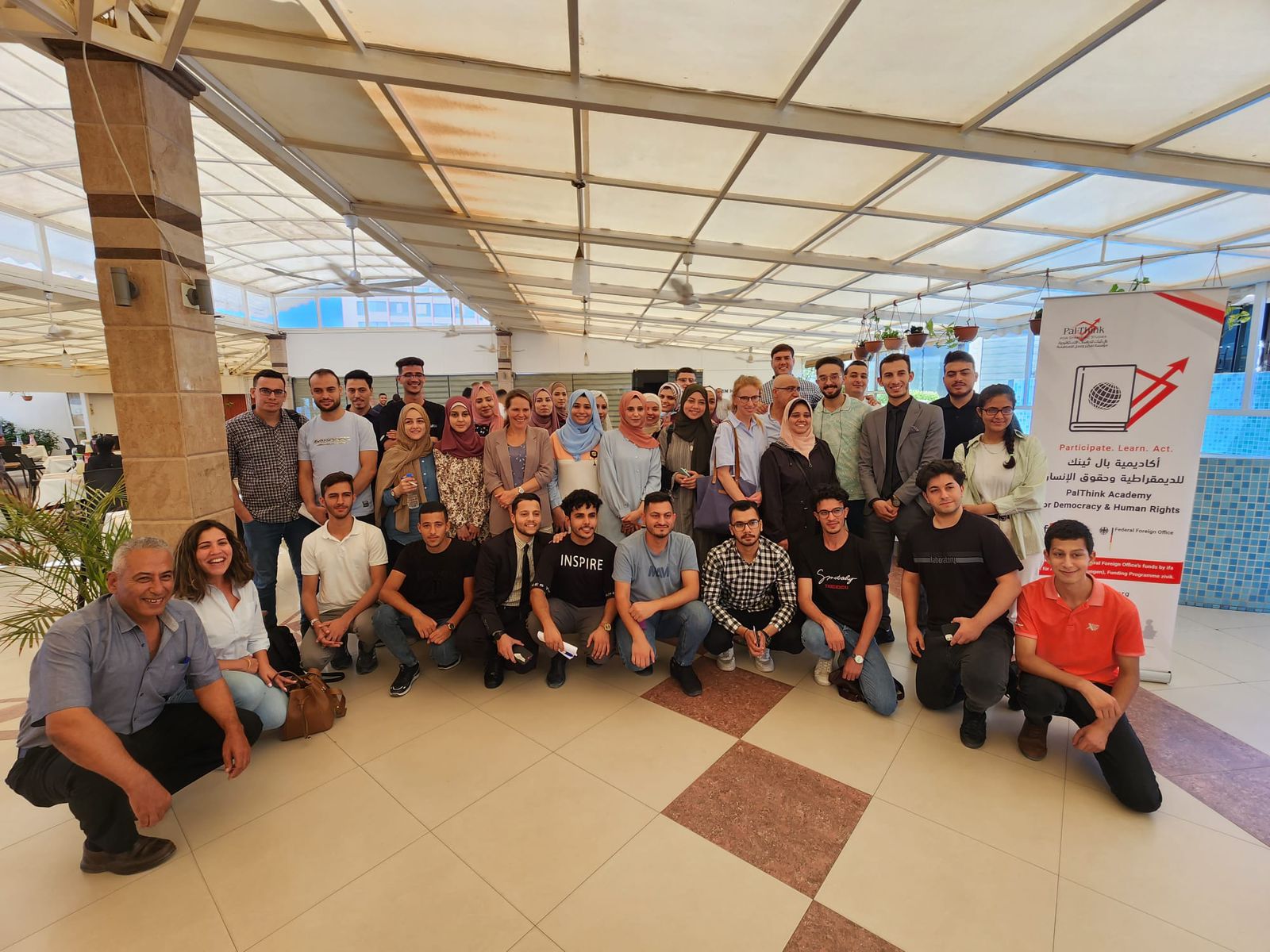
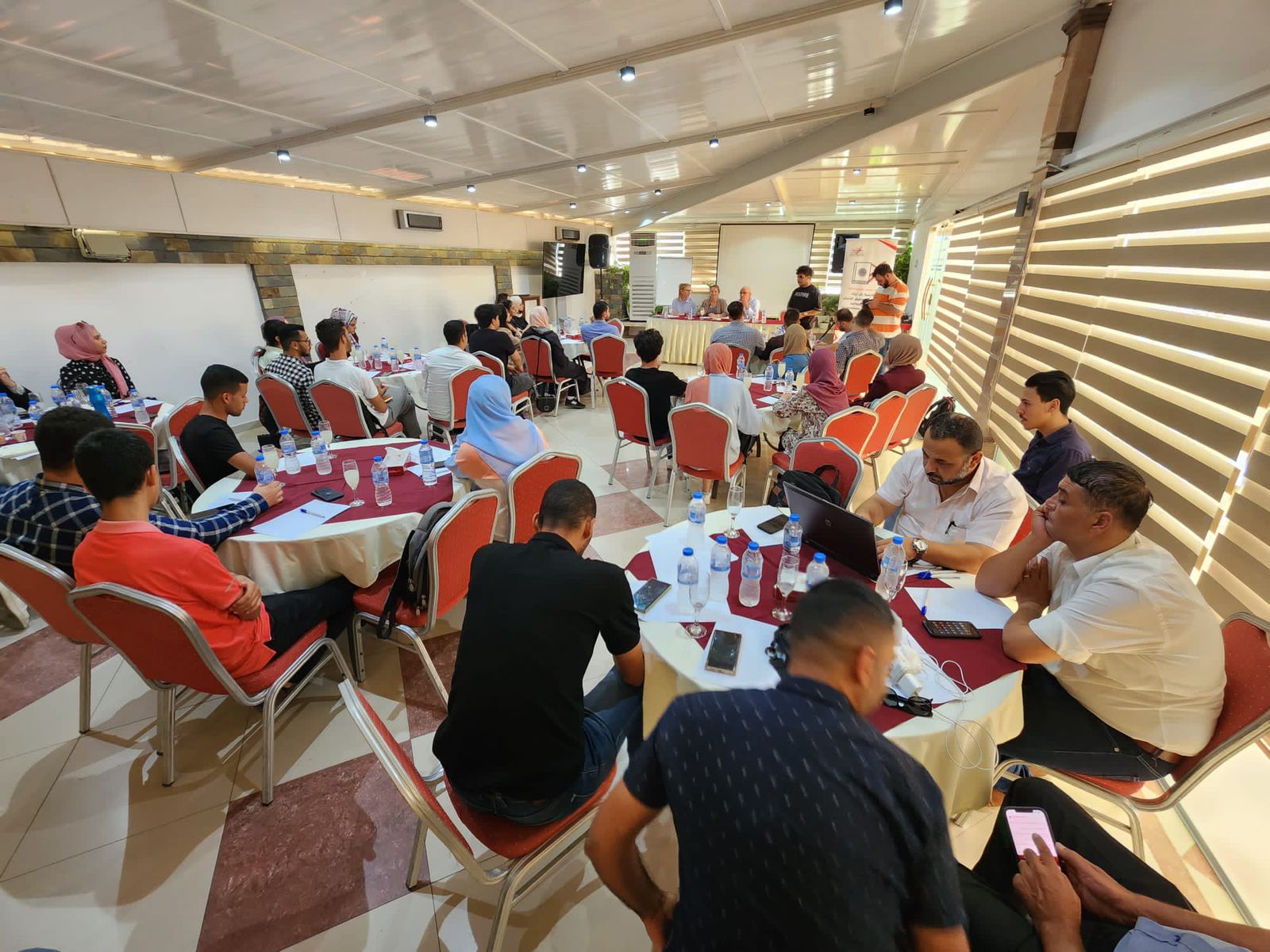
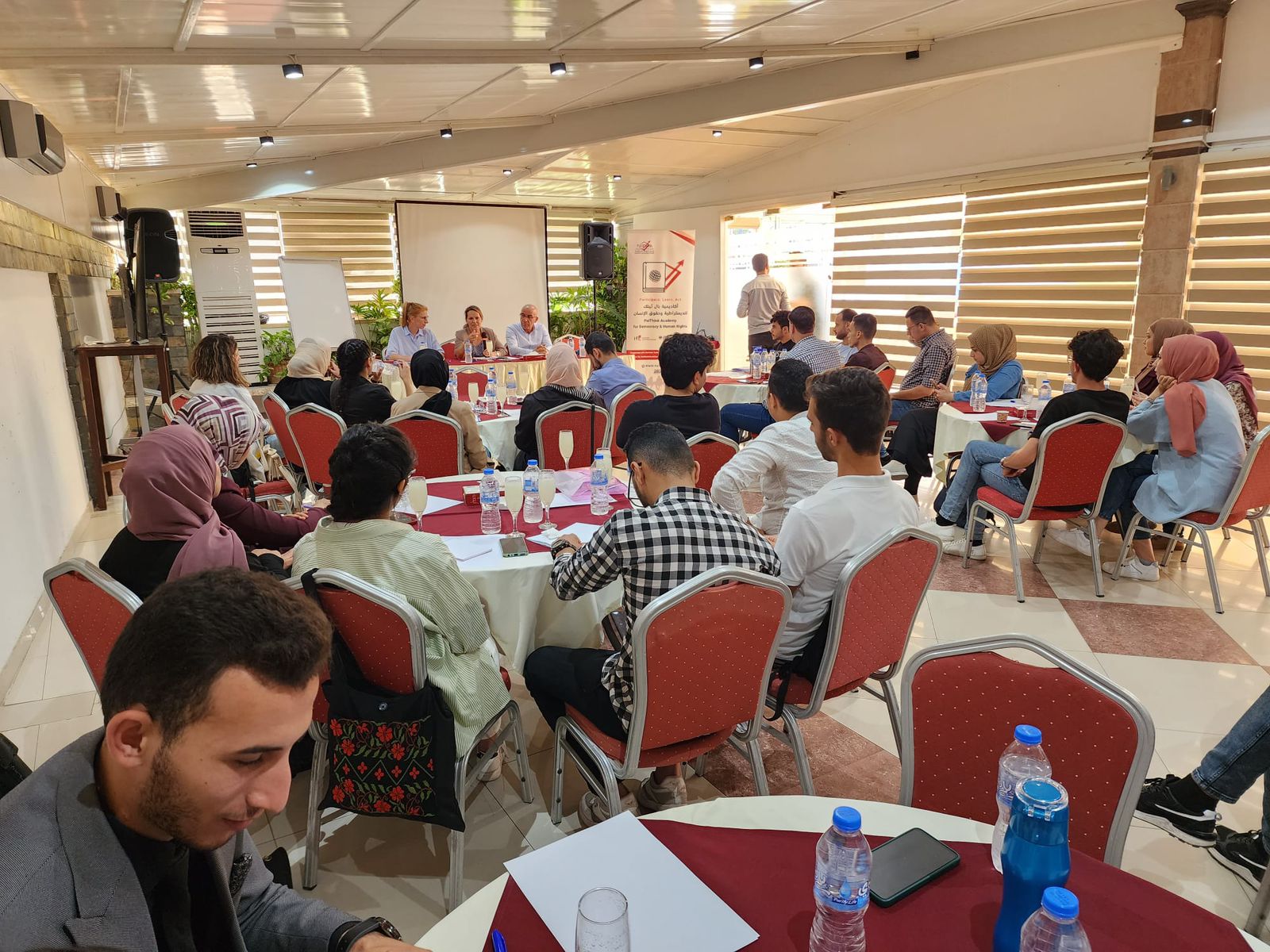
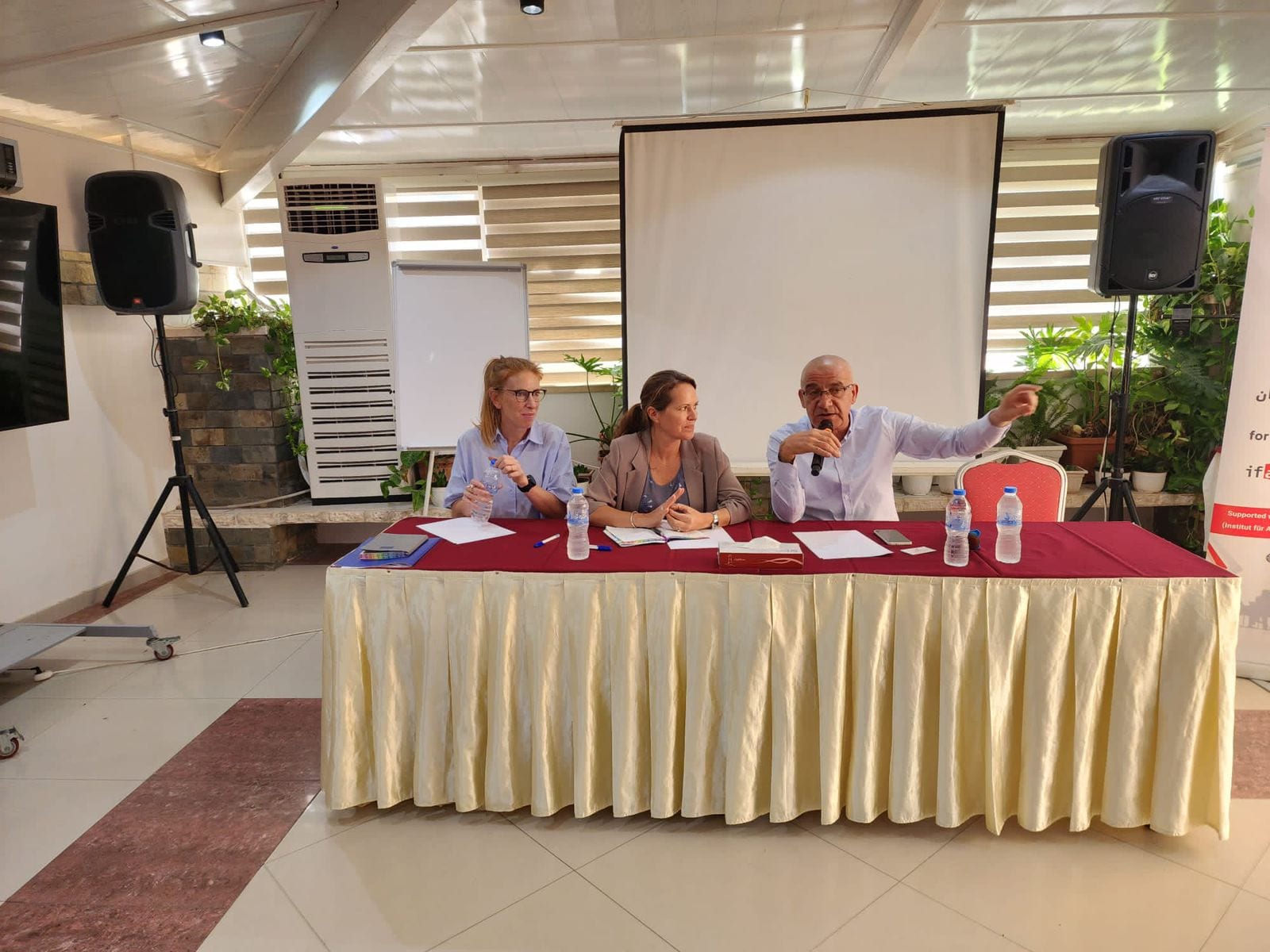
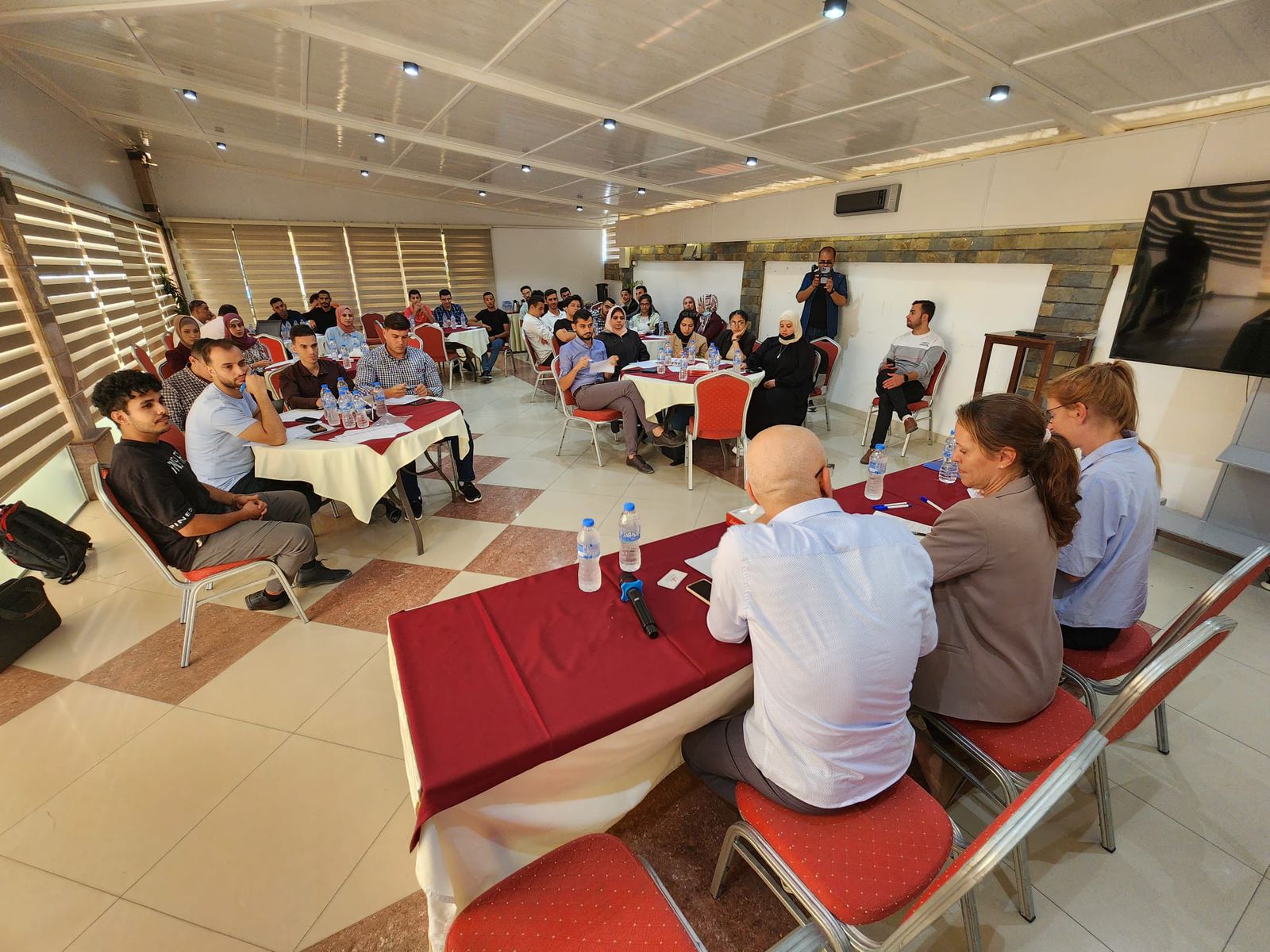
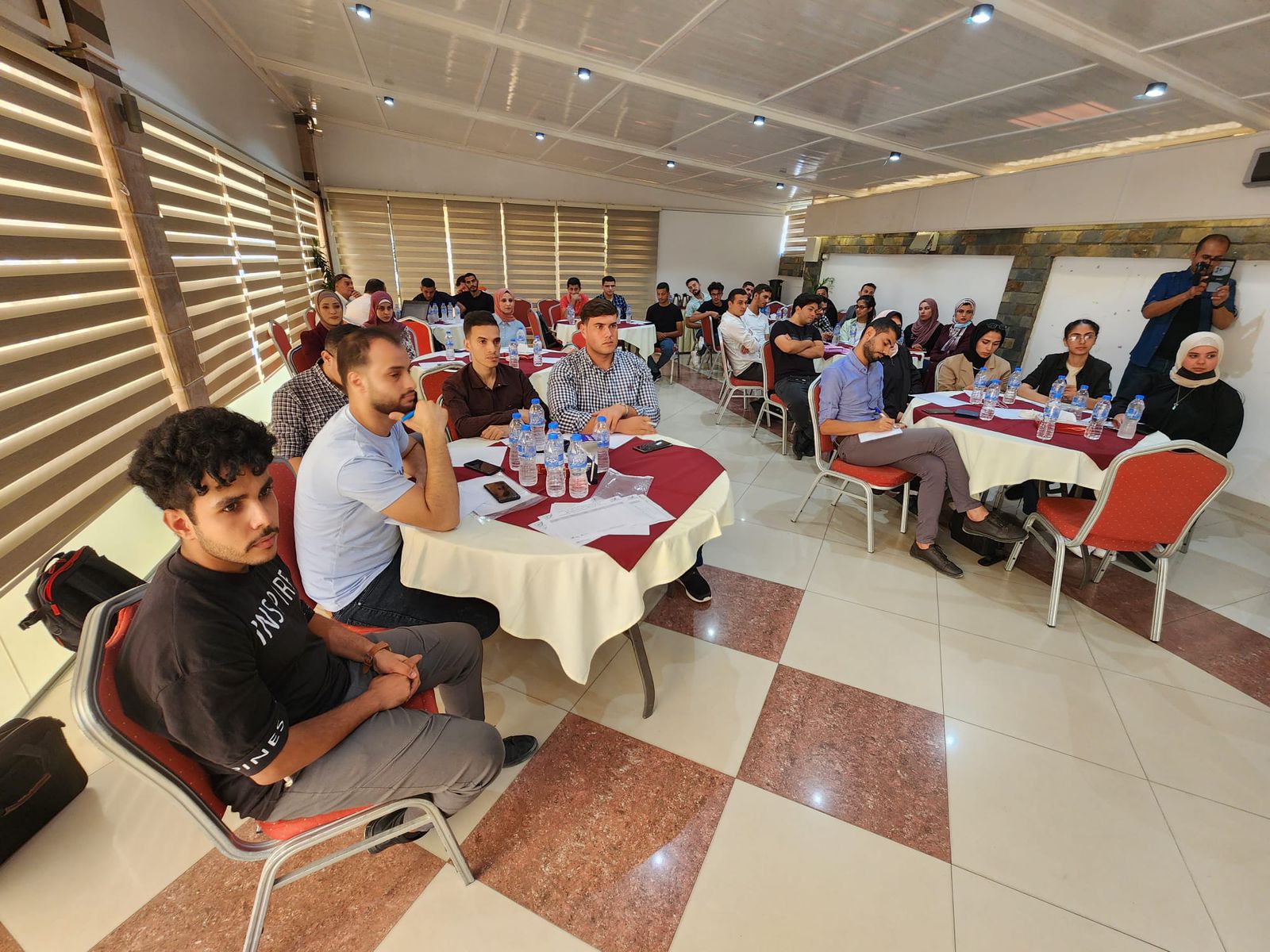
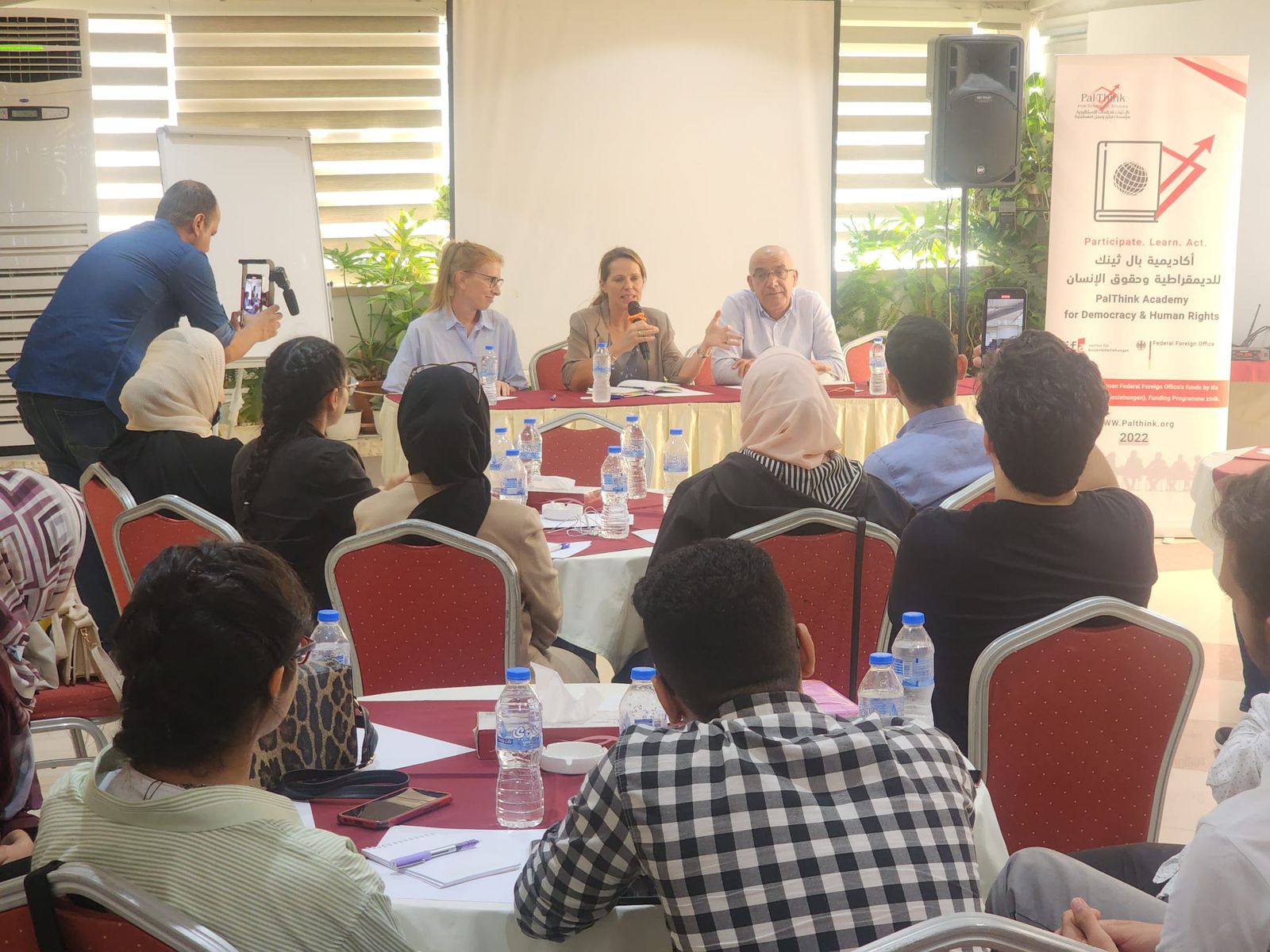
Continuing its tireless efforts to raise young people's awareness and break the knowledge blockade and cultural isolation imposed on them, Pal-Think for Strategic Studies held a dialogue meeting with representatives of the European Union office in Jerusalem, within the activities of the “Pal-Think Academy for Democracy and Human Rights” project, organised by Pal-Think in partnership with the German Institute for Foreign Relations (ifa).
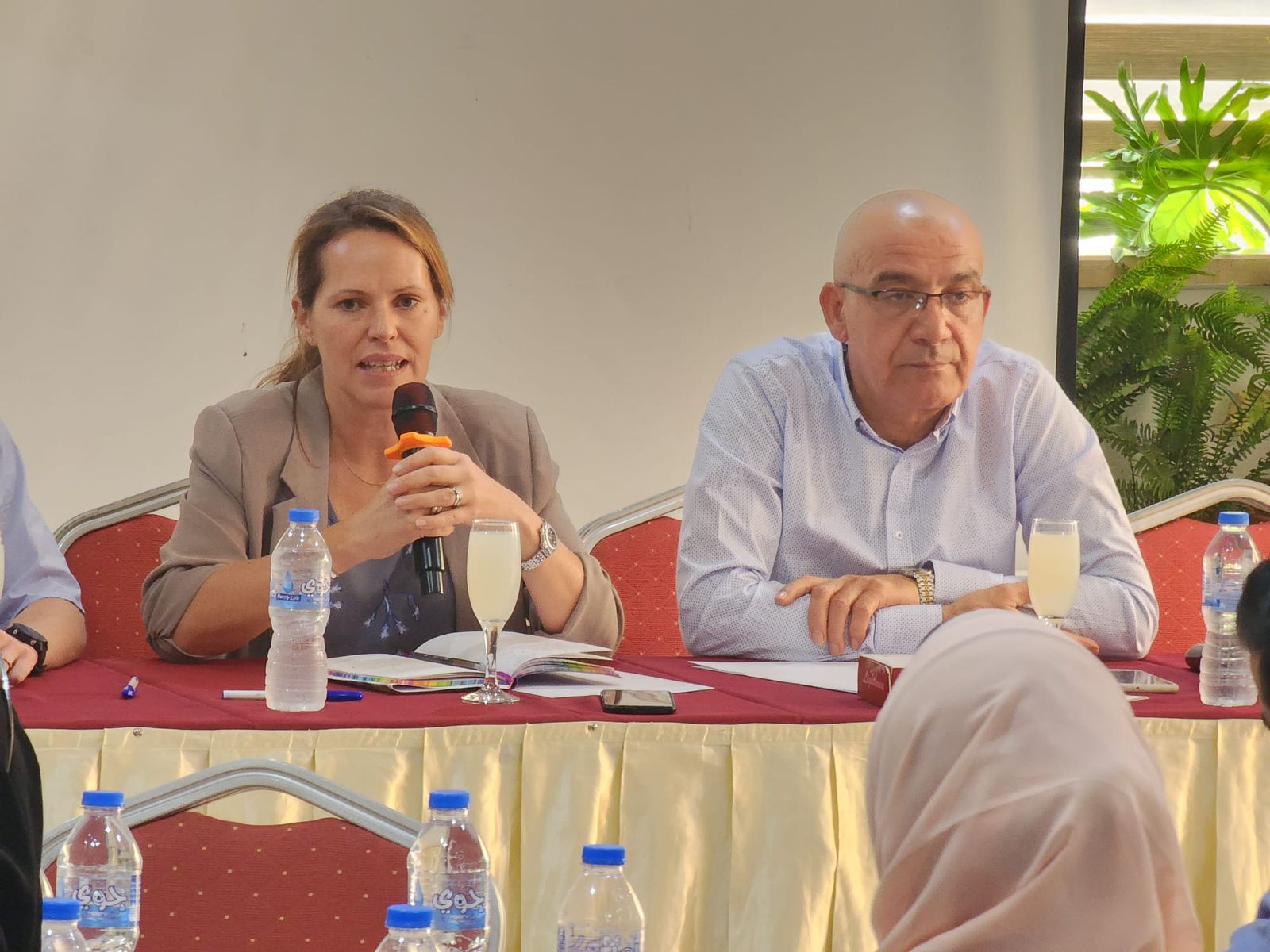
The meeting was attended by the deputy head of the EU delegation, Maria Velasco, the delegation's political-affairs officer, Ingrid Bohlen, and a large number of young men and women from the members of the Pal-Think Academy for Democracy and Human Rights. The meeting was opened by Pal-Think's director, Omar Shaban Ismail, welcoming the audience, then speaking of Pal-Think's role in helping young people meet influential decision-makers — enabling them to think outside the box and preparing them to be the leaders of the future.
Shaban spoke of the Academy project and its role in entrenching the values of democracy and human rights in Palestinian society through workshops, networking meetings, the writing of research papers, and book and film discussions.
He said the Academy's members have never been able to travel in their whole lives, so Pal-Think tries to connect them with the outside world by holding meetings that bring them together with international diplomatic figures.
For her part, the deputy head of the EU delegation, Maria Velasco, expressed her delight at meeting this company of young people, for they are the future of the Gaza Strip.
Velasco spoke of the European Union's origin as a peace project after the Second World War — beginning with a trade agreement in coal and steel among six states, then expanding to other states, with a focus on strengthening trade among the member states, whose number now reaches 27.
She noted that what all the EU states share is democracy and the rule of law — the Union resting on the principles of human rights and the United Nations Charter.
She added that there are representatives of 22 EU members in Jerusalem and Ramallah, within the EU states' pursuit of forming an effective policy in the Palestinian territories, focused on the issues of human rights, democracy, the rule of law, and gender equality.
She pointed out that the world is currently living through a difficult period, in which the world order and universal values are being undermined; the greatest concern has become not finding stronger ways to advance human rights, but defending the human-rights agreements the world has already reached.
For their part, the audience thanked the delegation's members for speaking with them, and expressed the concerns and aspirations of Palestinian youth in achieving democracy and political and societal participation — especially under the challenges the Israeli occupation imposes on the residents of the Gaza Strip, including the restrictions on movement and travel.
The audience discussed several issues, foremost the change in the positions and orientations of Europe's states since the war in Ukraine, the lessons learned from it, the future of the conflict in Ukraine, and Ukraine's need for support after the war's end.
The audience spoke of the EU's position on the repeated Israeli violations and the two-state solution; the delegation's members affirmed the European consensus on the two-state solution and on providing support to the Palestinians to build the state's institutions and infrastructure until Palestine obtains its independence, for that is the foundation of development.
The audience discussed the role Europe plays in Palestine compared with its role in Ukraine; the delegation's members pointed to the EU's position of rejecting the occupation and the illegality of the Israeli settlements on the lands of the West Bank.
When the audience asked about the possibility of the EU imposing sanctions on Israel on the model of the sanctions on Russia, the delegation's members indicated this is not on the table currently, or at least not in the near term.
The discussion also took up the projects and initiatives the EU undertakes to empower youth and women and support the mental health of the Gaza Strip's residents, and how far the European development projects align with the sustainable-development goals for 2030.
The dialogue touched on the European support for the Palestinian Authority after it was halted and then renewed in the middle of this year; the audience called on the EU to press the different parties to hold elections and to tie support to the elections file.