Pal-Think delivers a series of awareness meetings on elections and the electoral process
Empowering young men and women and deepening their knowledge of the electoral process, Pal-Think delivered a series of awareness meetings on electoral issues under the civil-society elections-support project.
- Date
- 2021-04-19
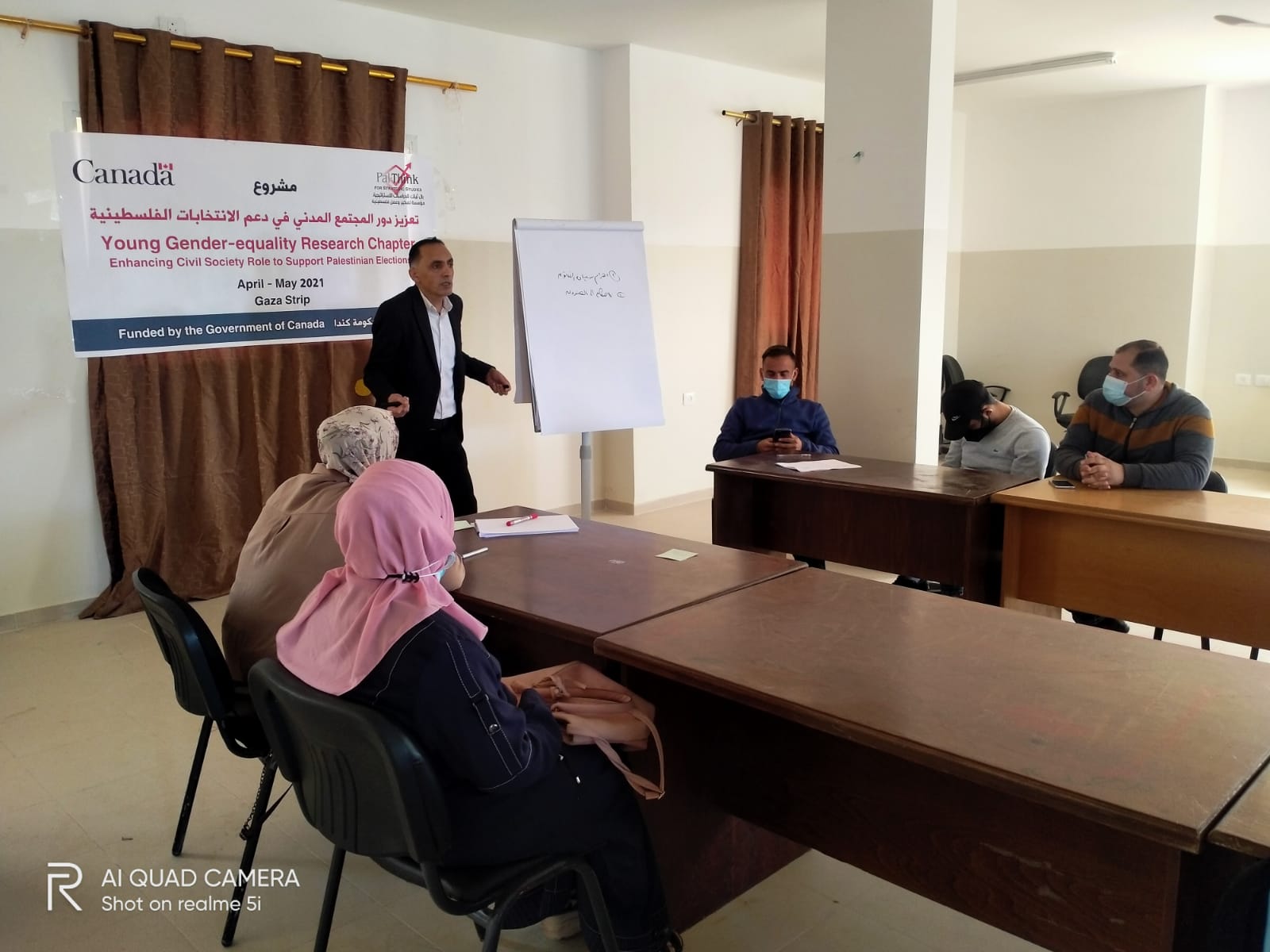
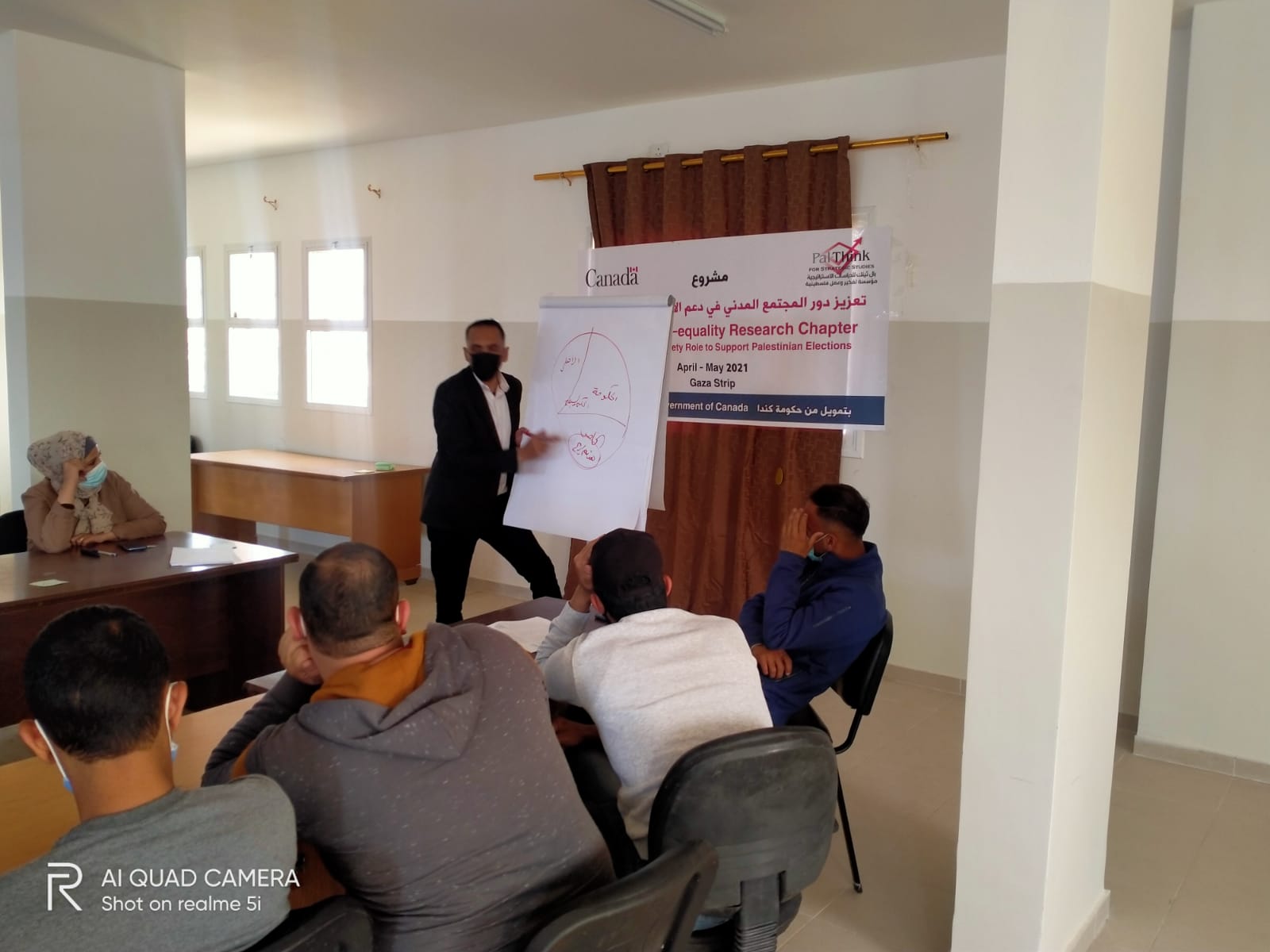
Within the role Pal-Think for Strategic Studies practises for the sake of empowering youth of both sexes and strengthening their awareness and knowledge in the field of the electoral process, and strengthening civil society's role in the Palestinian elections, Pal-Think carried out a series of awareness meetings on the issues and topics of the elections in cooperation with civil society institutions — within the project of strengthening civil society's role in the Palestinian elections, funded by the Government of Canada.
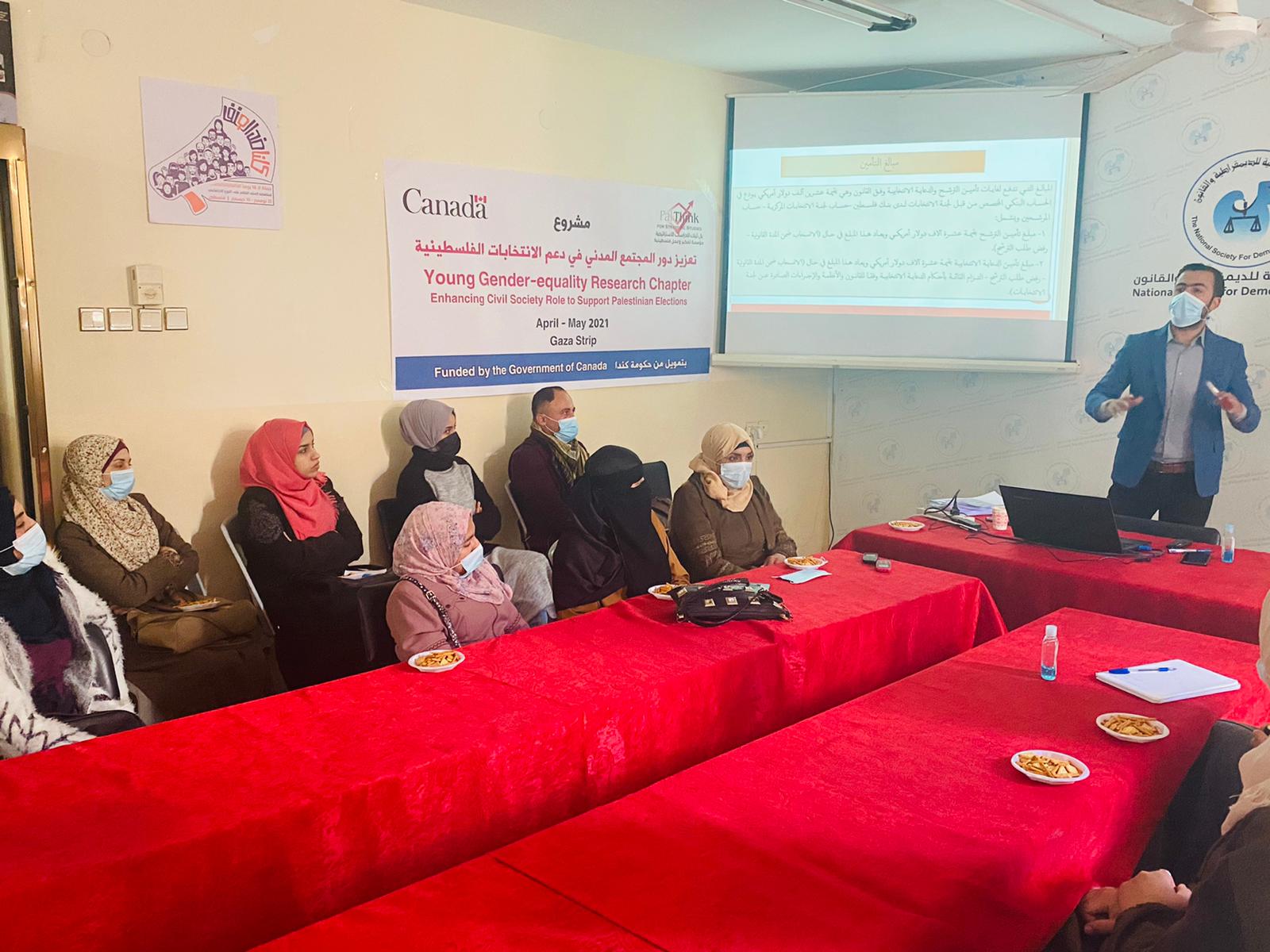
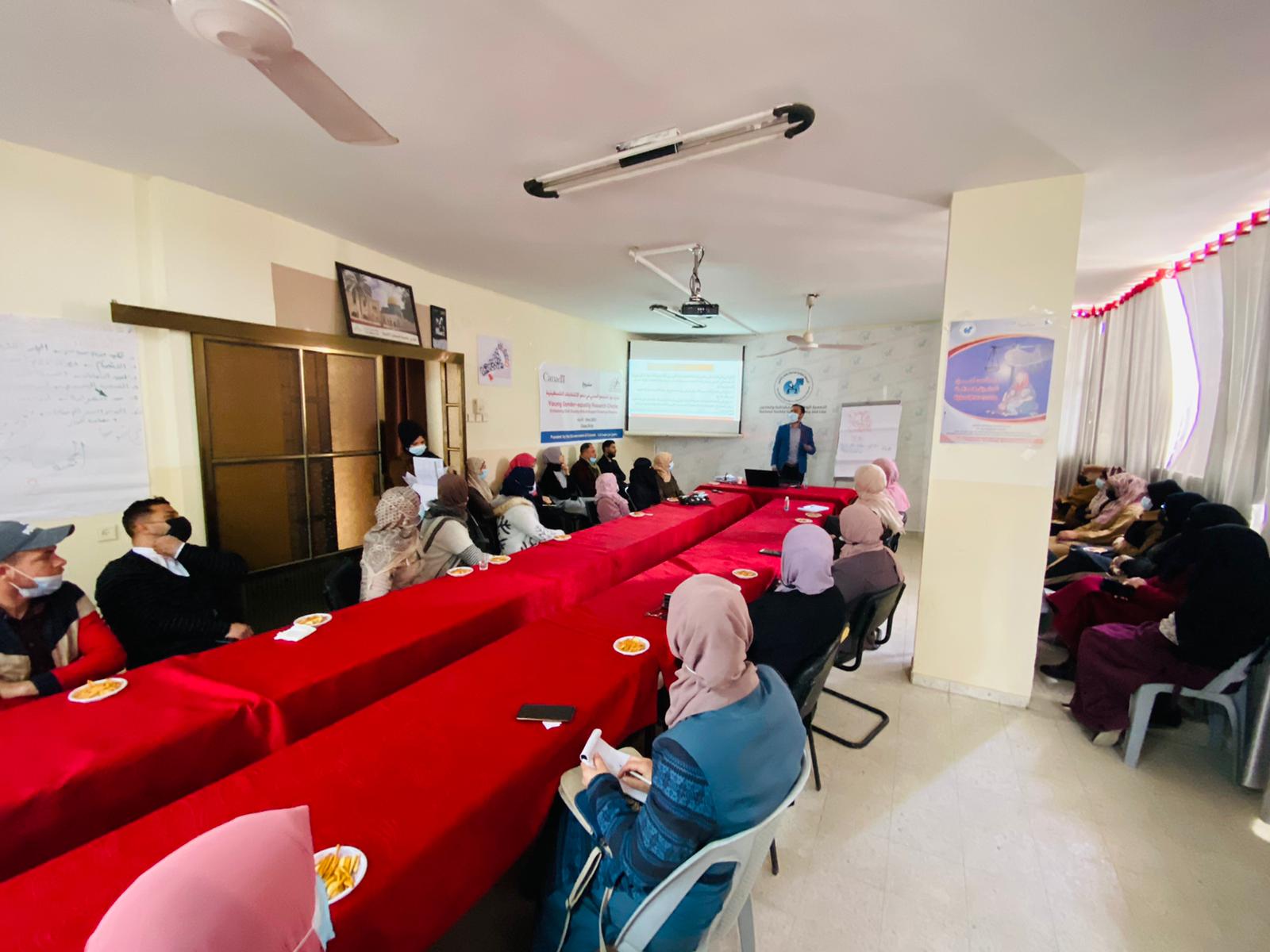
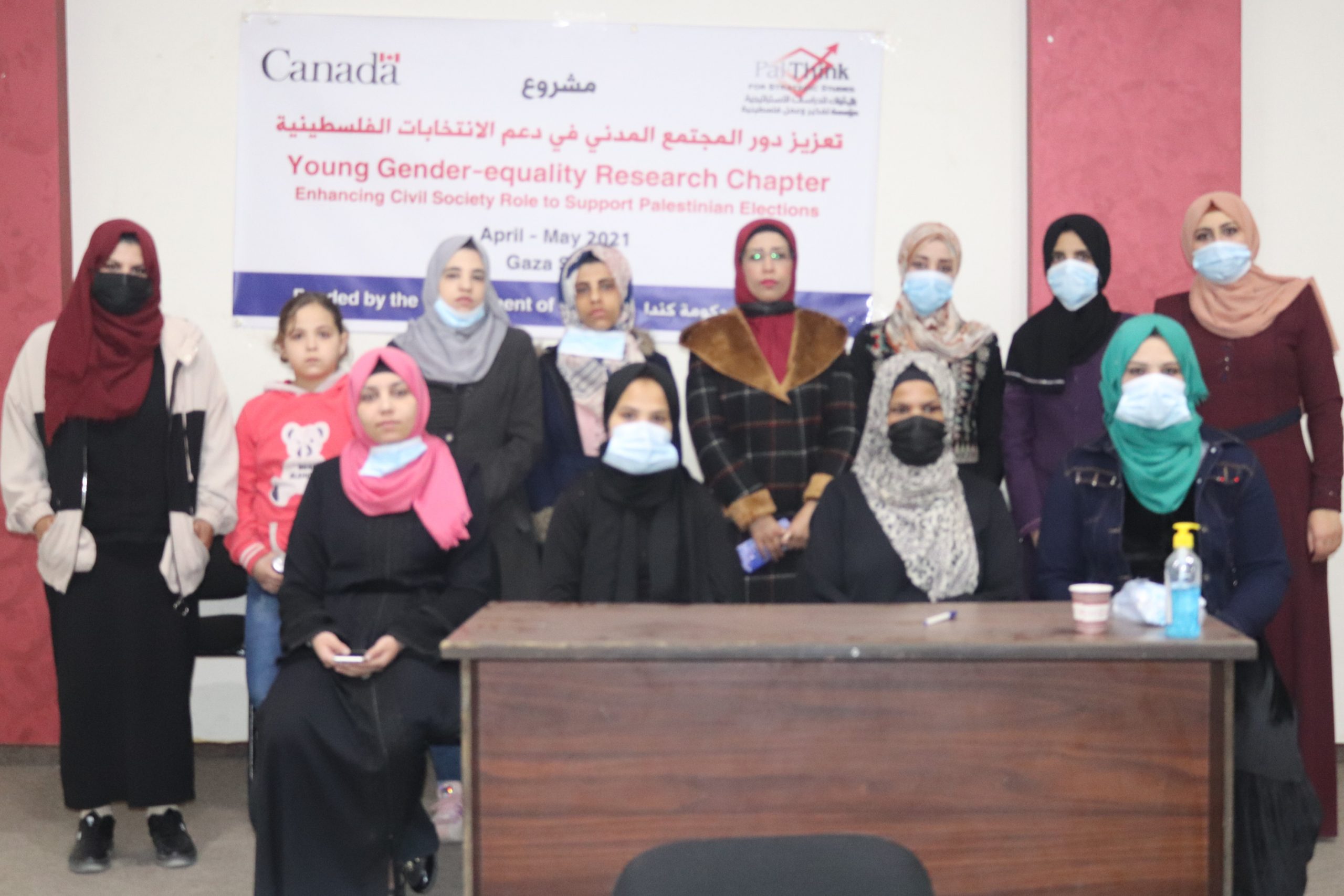
The first meeting, carried out at the National Association for Democracy and Law in the Rafah governorate, was titled “The stages of the electoral process and the mechanisms of oversight”, with the attendance of a number of male and female observers of the coming electoral process.
The meeting was led by the lawyer Bilal al-Najjar, who opened the session by acquainting the attendees with Pal-Think for Strategic Studies, affirming that this meeting comes within the continuous efforts Pal-Think exerts for the sake of strengthening and empowering civil society, especially the youth category, in the various fields and issues. He then spoke on submitting the candidacy application for the legislative elections and the legal period for that, the conditions of the electoral list's candidacy and the conditions of the electoral list's candidate, the attachments of the list's candidacy application, the deposit sums and the goals of these sums and when they can be recovered, the mechanisms of looking into the candidacy application, when the electoral list is rejected and the effect of this rejection if it falls on one candidate or more of the list or on the list as a whole, and how the rejection decision can be objected to and challenged. He then spoke on the publication of the preliminary and final registers of the electoral lists and candidates, the mechanisms of submitting electoral challenges and the legal periods related to that, and the cases of withdrawing candidacy and the legal period for this matter. During the session there was likewise talk on the process of oversight over the electoral process through defining it and setting out its goals, the kinds of observers, clarifying the observers' tasks, duties, responsibilities, and rights, and the criteria the observers must adhere to; then the mechanism of oversight, the writing of reports and complaints, and the monitoring of violations during the course of the electoral process were explained.
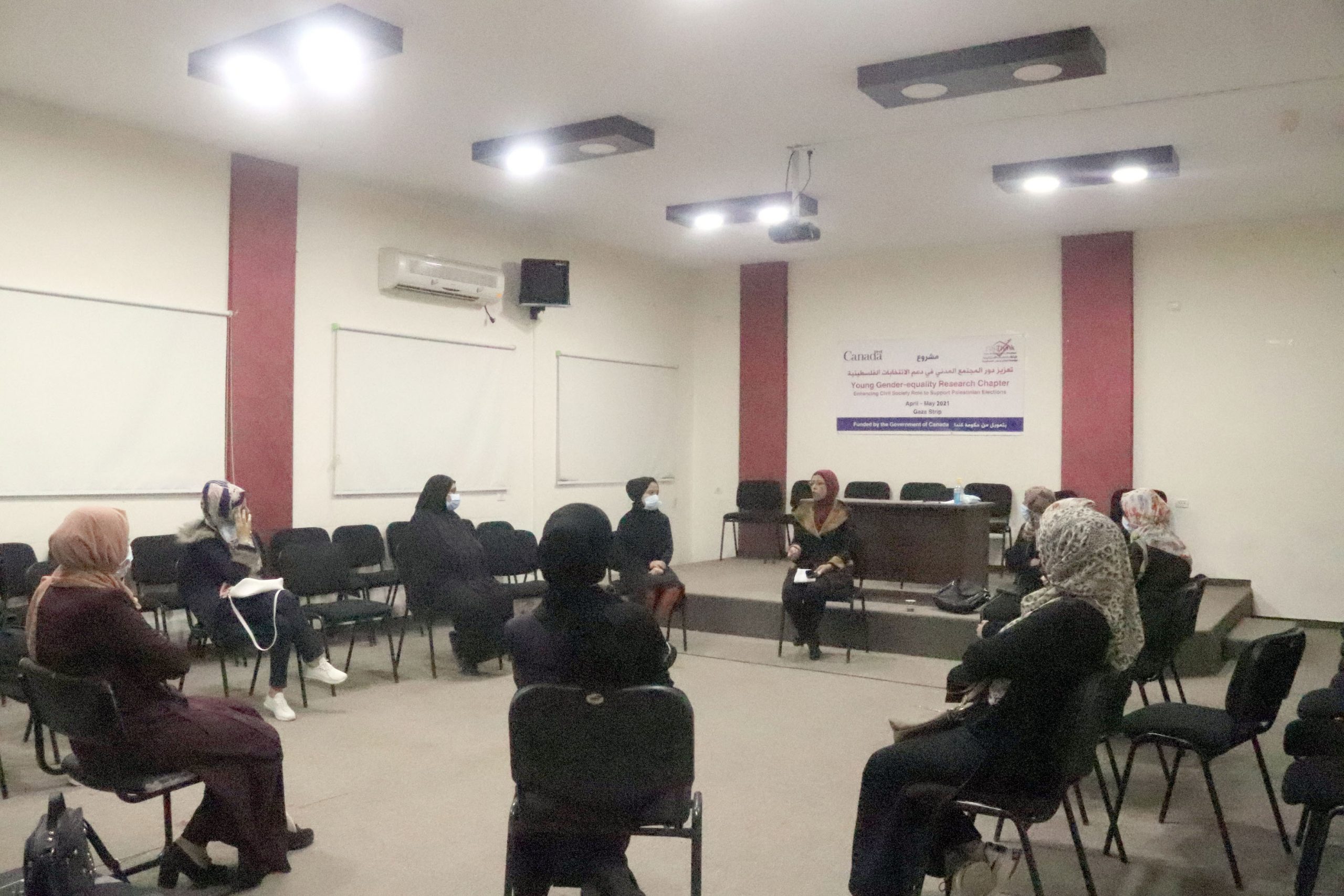
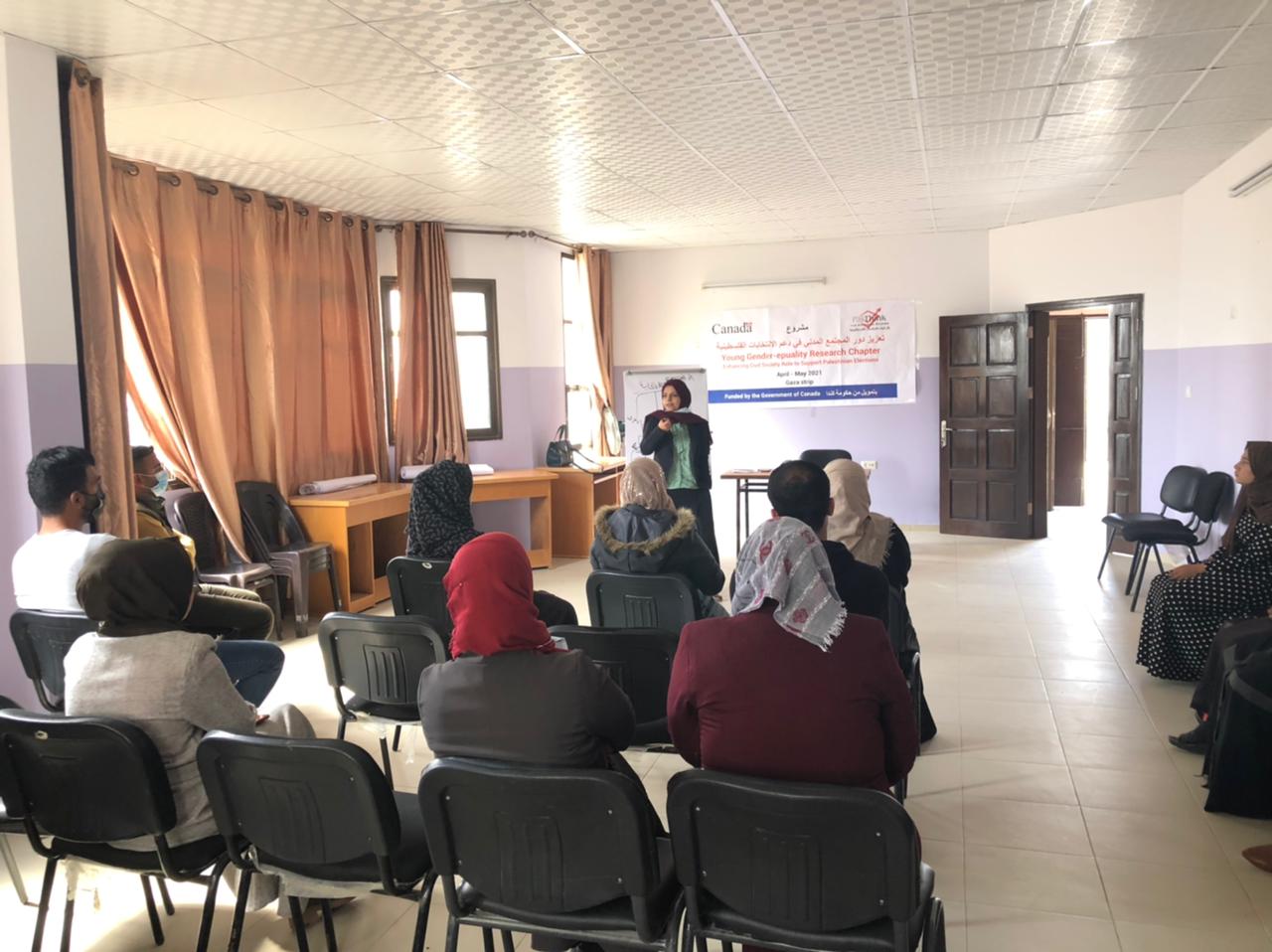
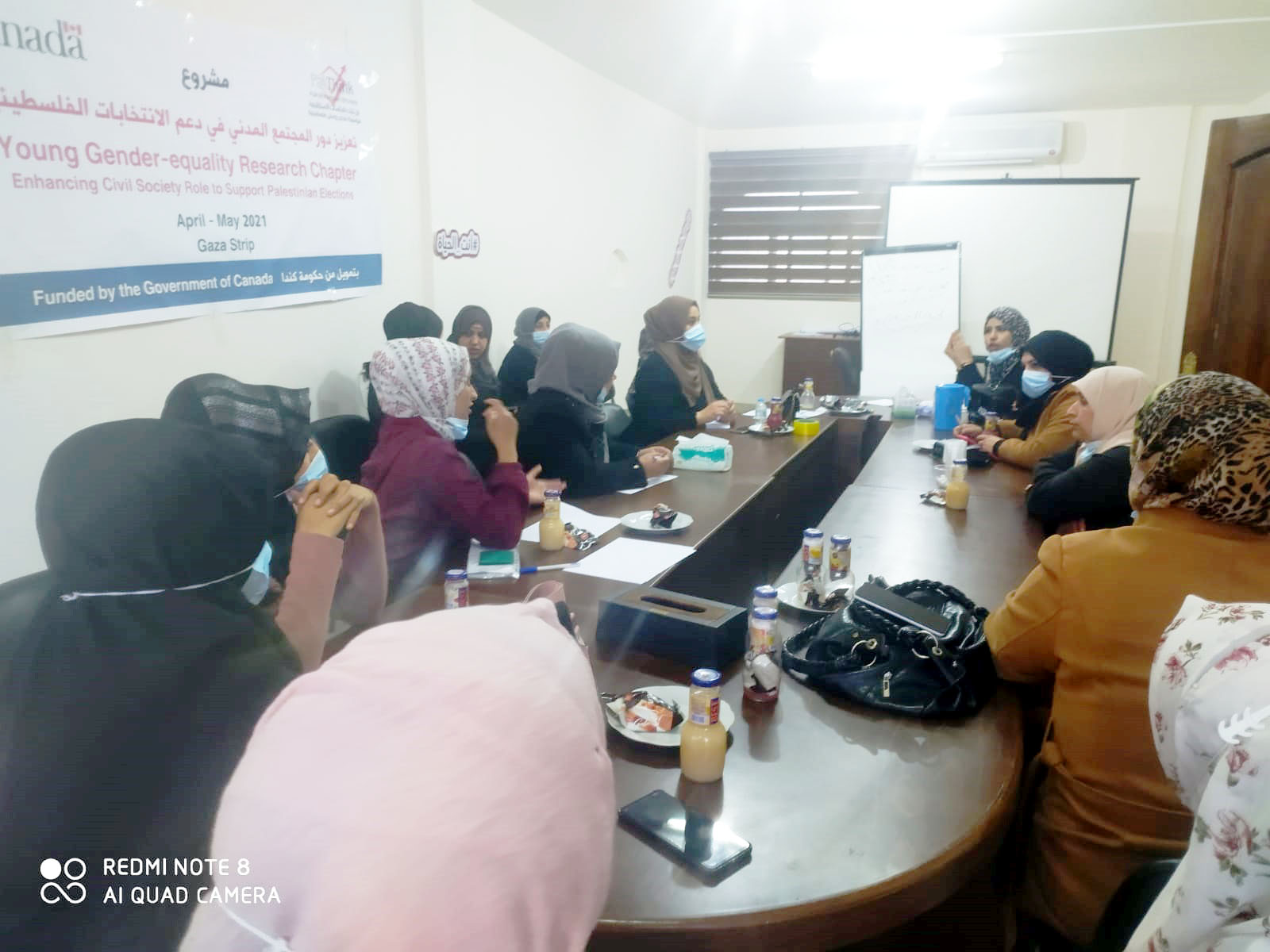
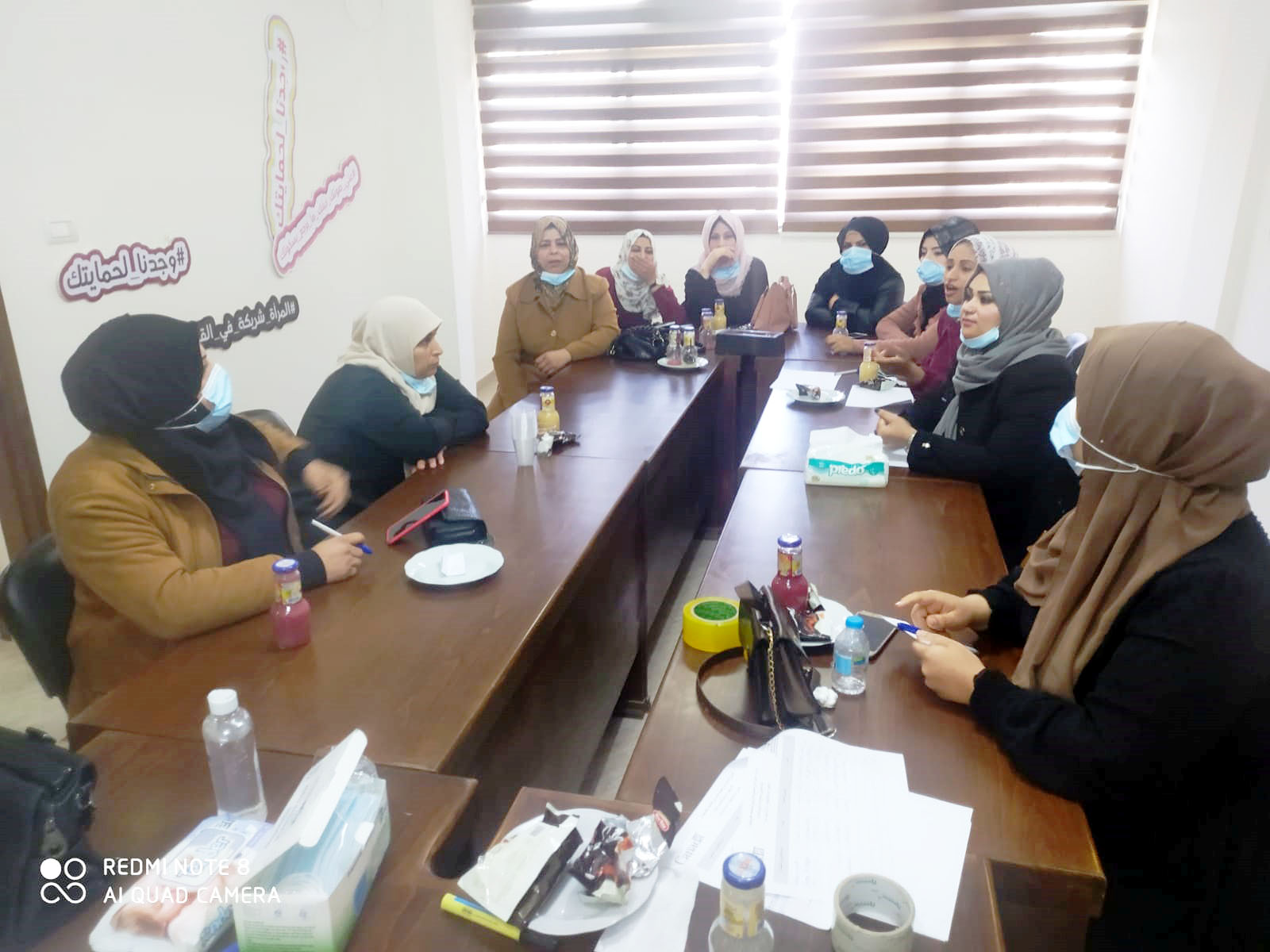
As for the second meeting, it was titled “Women's political participation”, at the Hayat Centre, with the attendance of a number of women. The meeting was led by Ms Tahani Qasem, who in turn presented a conceptual frame for the meaning of women's political participation and the relationship with the Palestinian woman's reality from the positive and negative aspects, and explained how the elections can be a model of that. She likewise set out the relationship between women's view of political participation and the actual impediments from the perspective of gender roles in Palestinian society, in addition to setting out the forms of women's practice of their political rights through the process of standing and contesting the elections, and explaining the women's quota system and the electoral system in Palestine.
The third meeting, carried out at the Beit al-Mustaqbal Association east of Khan Younis, was titled “Civil society's role in making the elections succeed”, with the attendance of a number of youth of both sexes. The meeting was led by Dr Khitam Abu Odeh, who spoke on civil society's role in oversight over the electoral process in its stages, then setting out its concept and importance in strengthening political participation, the importance of the local observer's role on the day of balloting and counting, and the necessity of adapting the electoral centres for persons with disability.
As for the fourth meeting, it was carried out at the Al-Aqsa Sports Club in Nuseirat, titled “The components of the electoral system and its stages”, with the attendance of a number of youth of both sexes. The meeting was led by Dr Samia al-Ghussein, who spoke on the importance of holding the general elections and their role in strengthening the concepts of democracy and citizenship, and explained the nature of the electoral system of the current general elections of 2021 (the system of full proportional representation); she likewise set out the stages of holding the electoral process, beginning with registration in the voters' register and ending with the announcement of the results.
As for the fifth meeting, it was carried out at the Ataa Charitable Association in Beit Hanoun, titled “The mechanisms of the elections' success in divided societies”, with the attendance of a number of youth of both sexes. The meeting was led by Dr Talal Abu Rokba, who in turn spoke on the role entrusted to the citizen in making the electoral process succeed — the elections being one of the mechanisms of democratic transformation — and explained the role they can play in recovering political and social integration inside divided societies and restoring the national identity; then setting out to what extent the amended electoral system can reflect a true representation of all society's categories, and the recovery of the political social contract resting on strengthening the values of citizenship in Palestinian society.
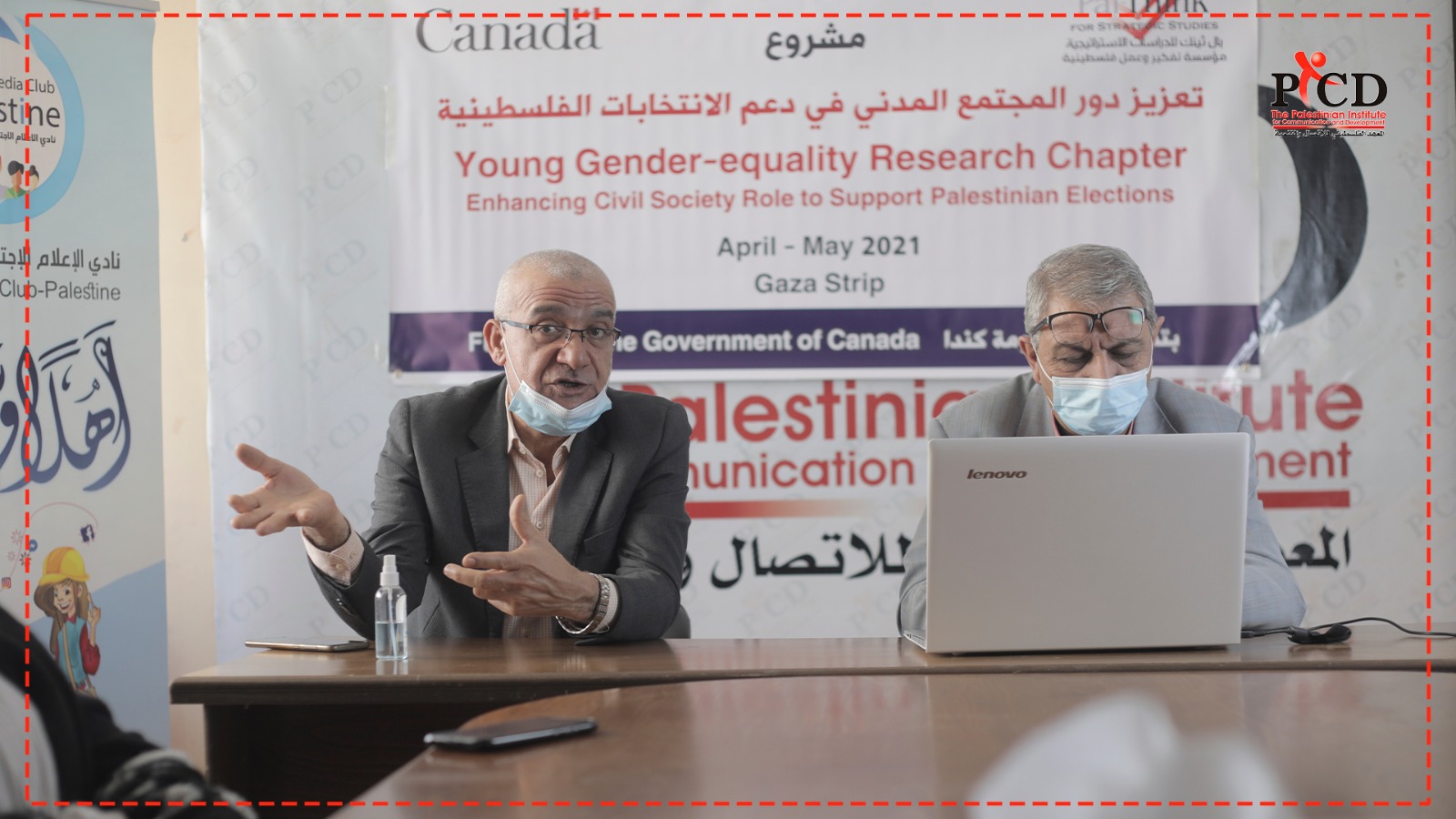
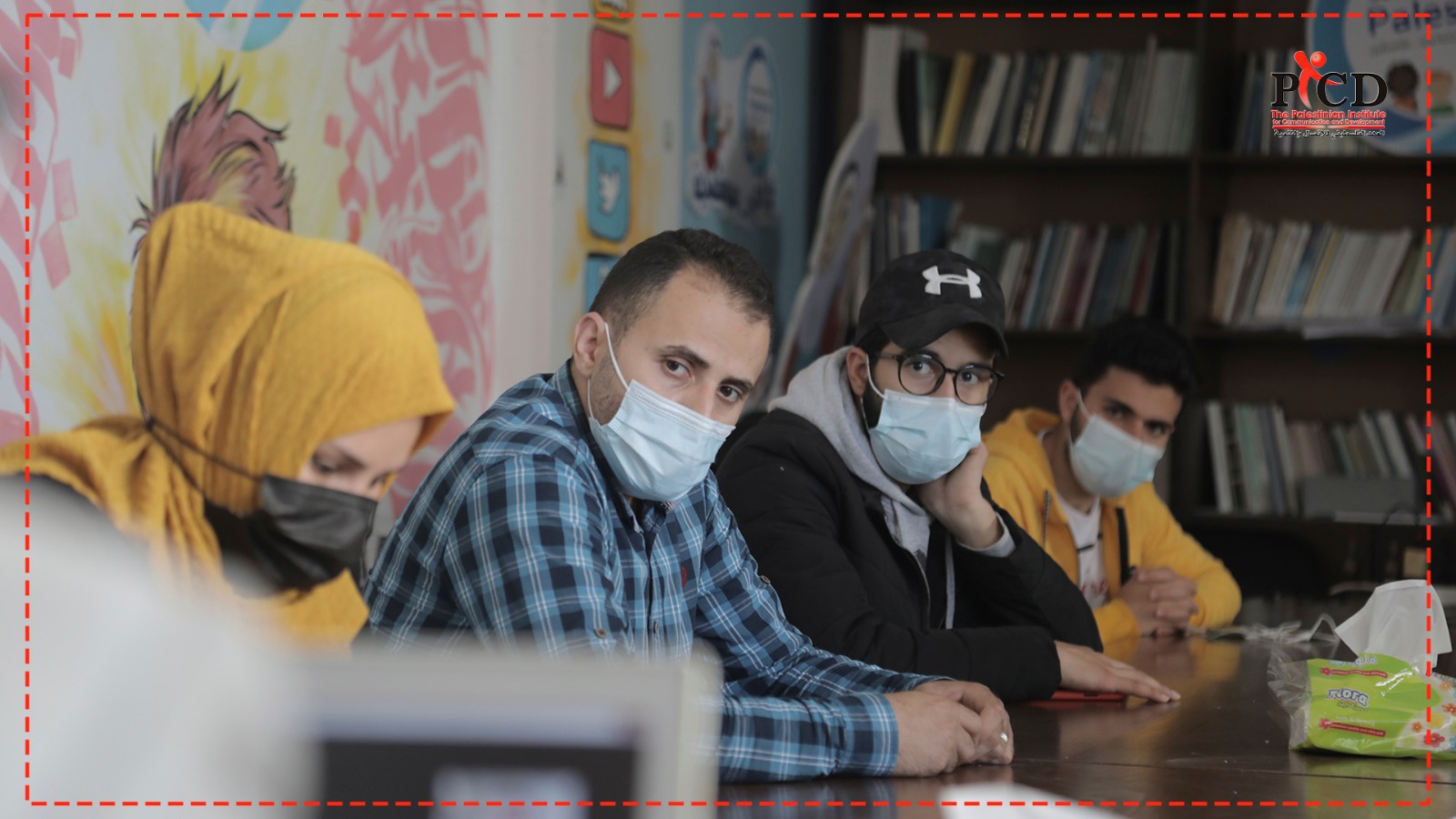
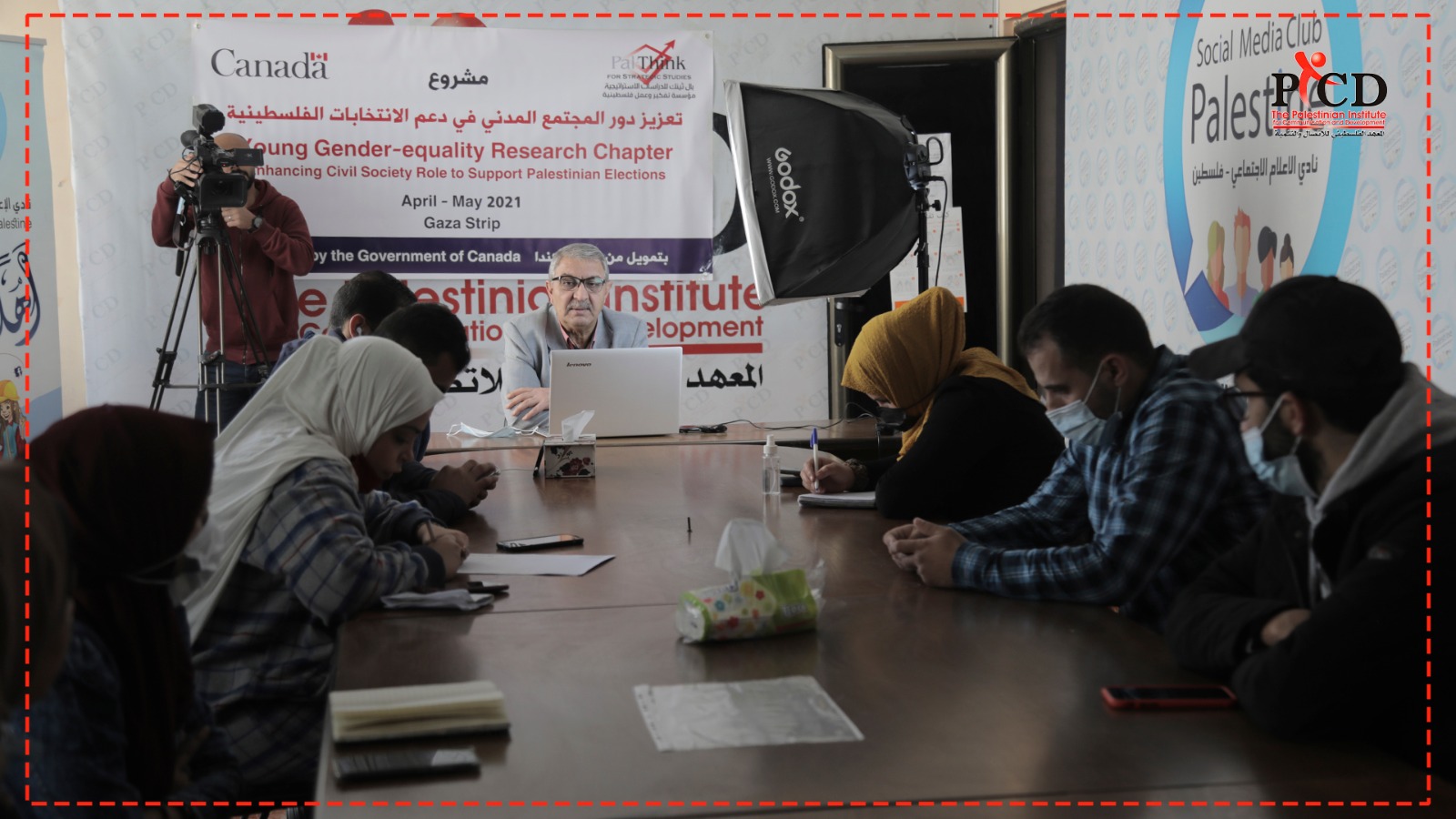
As for the sixth meeting, it was carried out at the Palestinian Institute for Communication and Development, titled “The role of the press and media in fighting the discourse of hatred”, with the attendance of a number of journalists of both sexes. The meeting was led by Mr Fathi Sabbah, who focused during the meeting on the journalists' role in fighting the discourse of hatred in light of the elections, the effect of the democratic process on the Palestinian decision, raising the journalists' awareness of their right and the necessity of their insistence on holding the elections, and the importance of verifying the news to avoid spreading rumours.
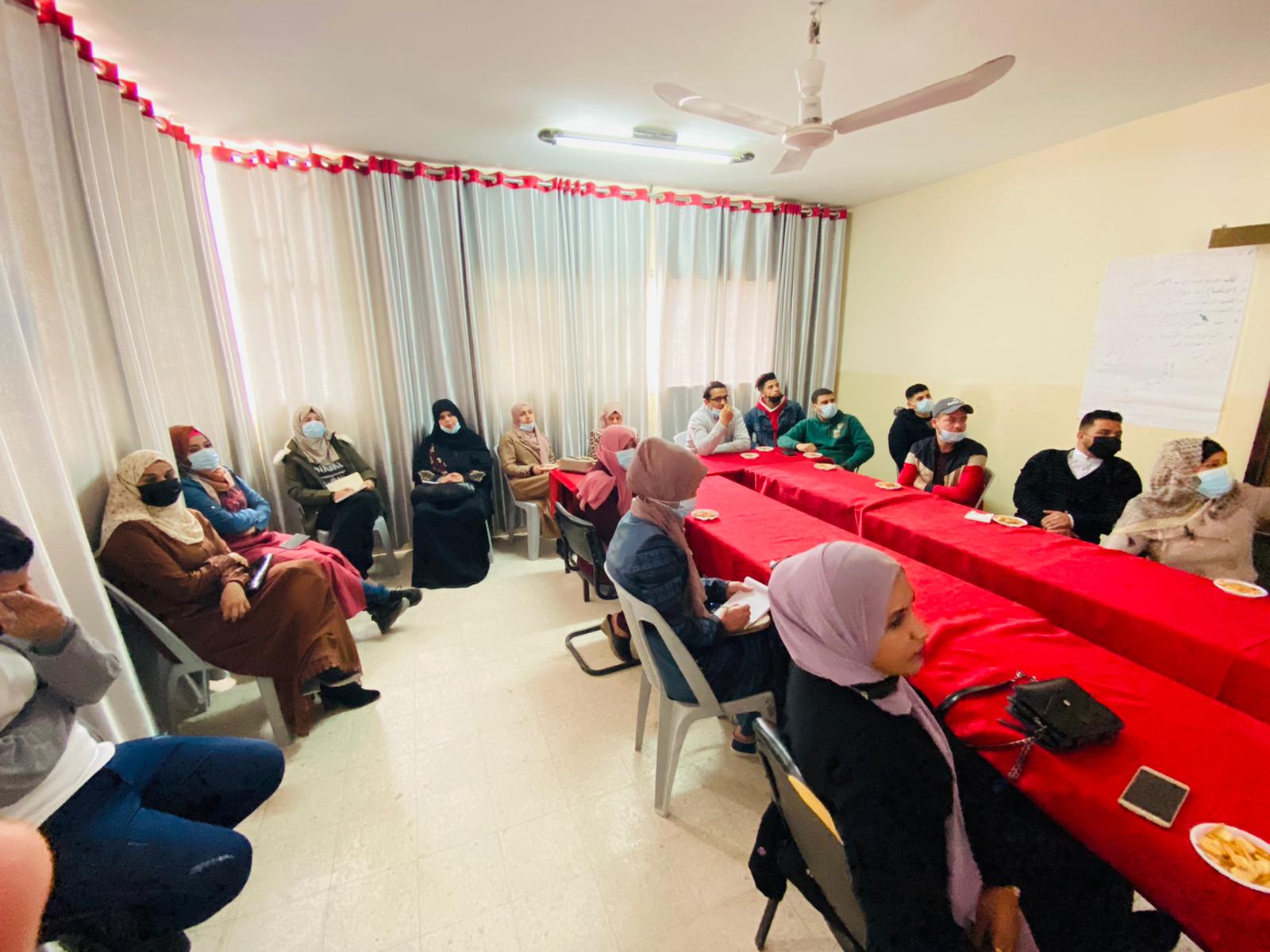
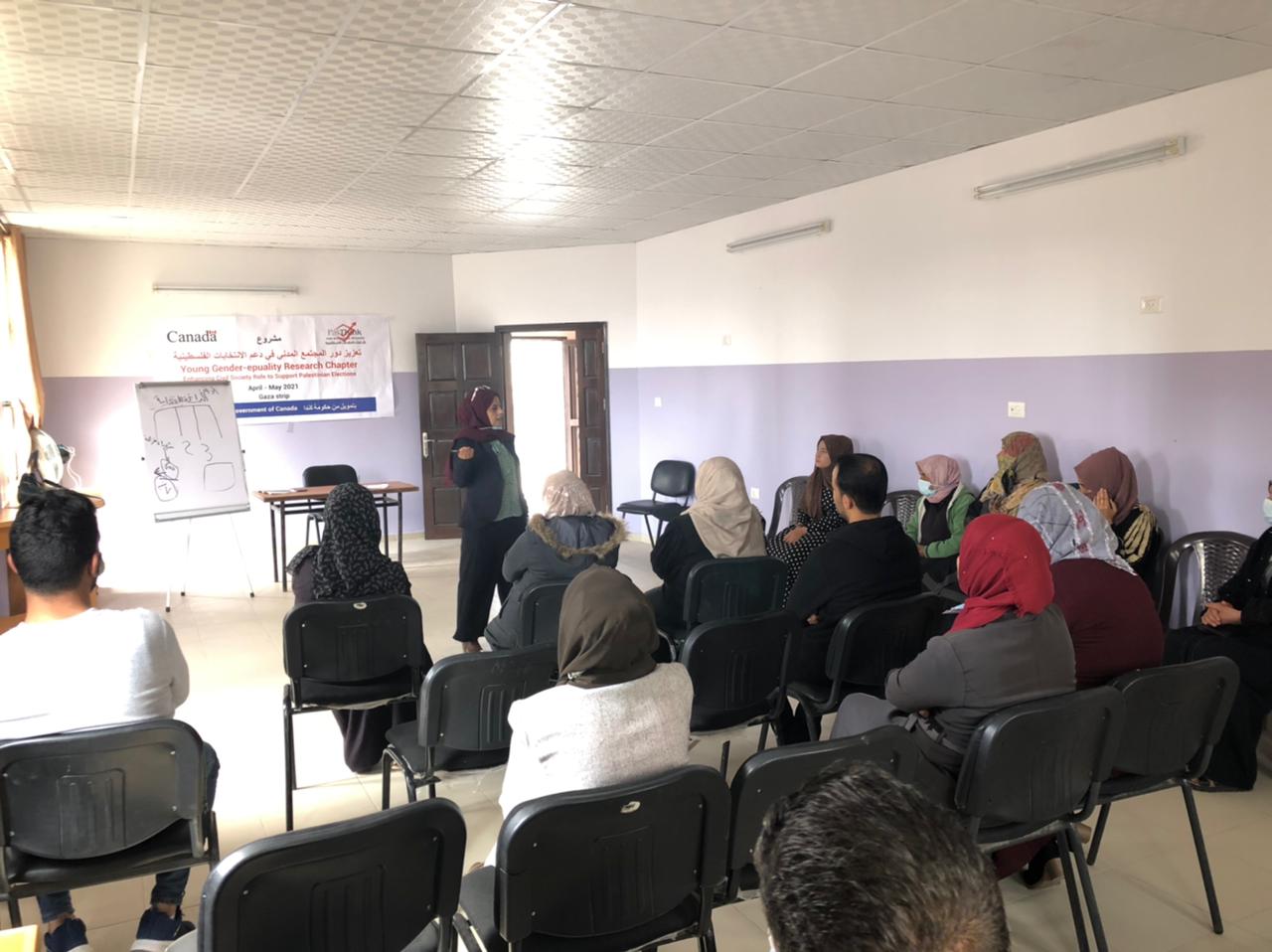
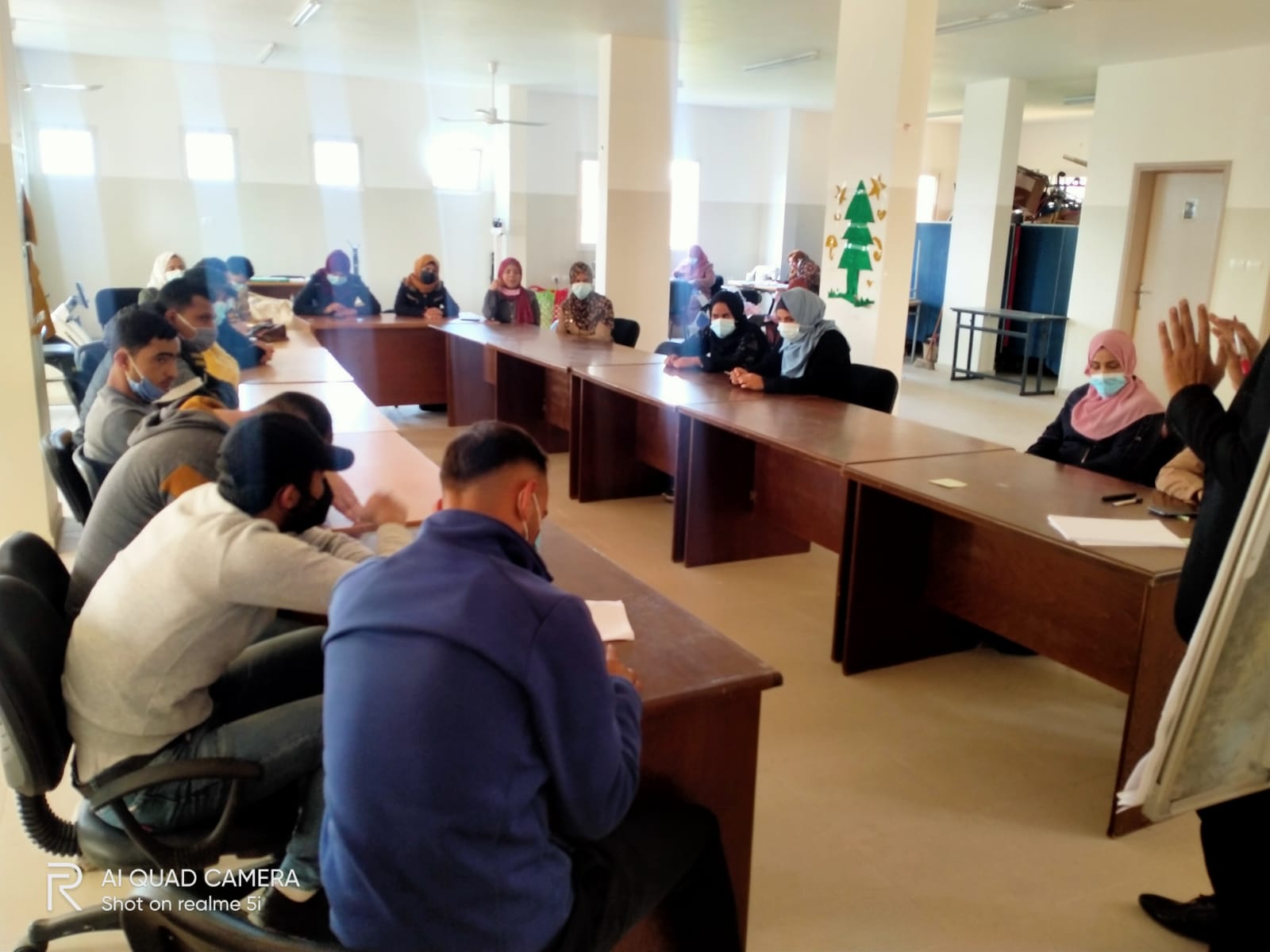
The meetings were interspersed with a set of questions, interventions, and enquiries put forward by the attendees, and answered by the meetings' facilitators.
The designations used and the presentation of materials in this programme entail no expression of any opinion whatsoever on the part of the Government of Canada