With the Canadian representation's political attaché, Pal-Think discusses research papers on gender issues
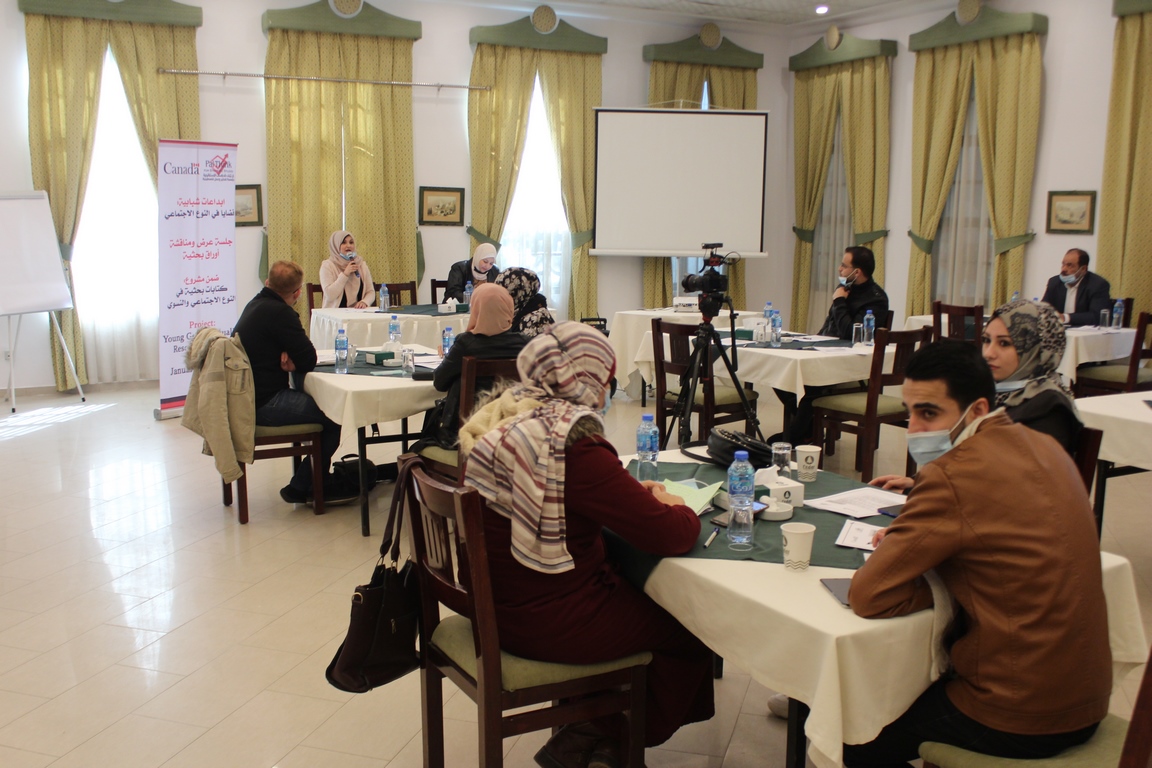
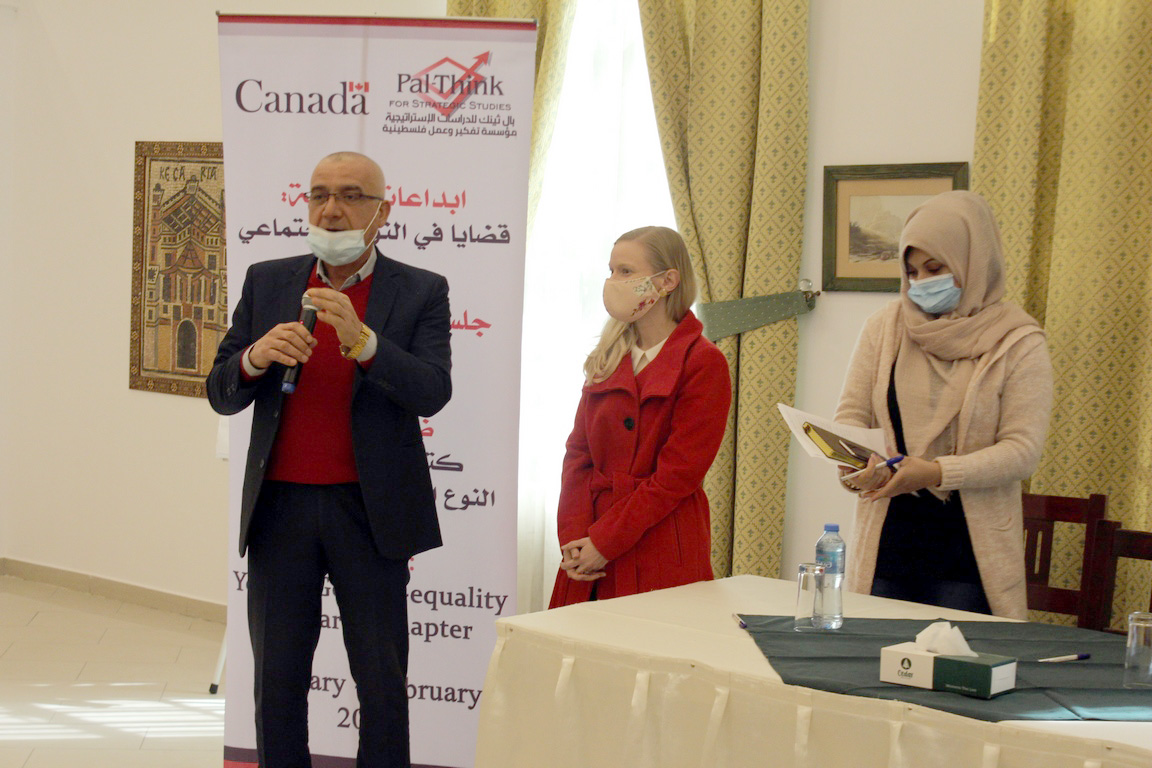
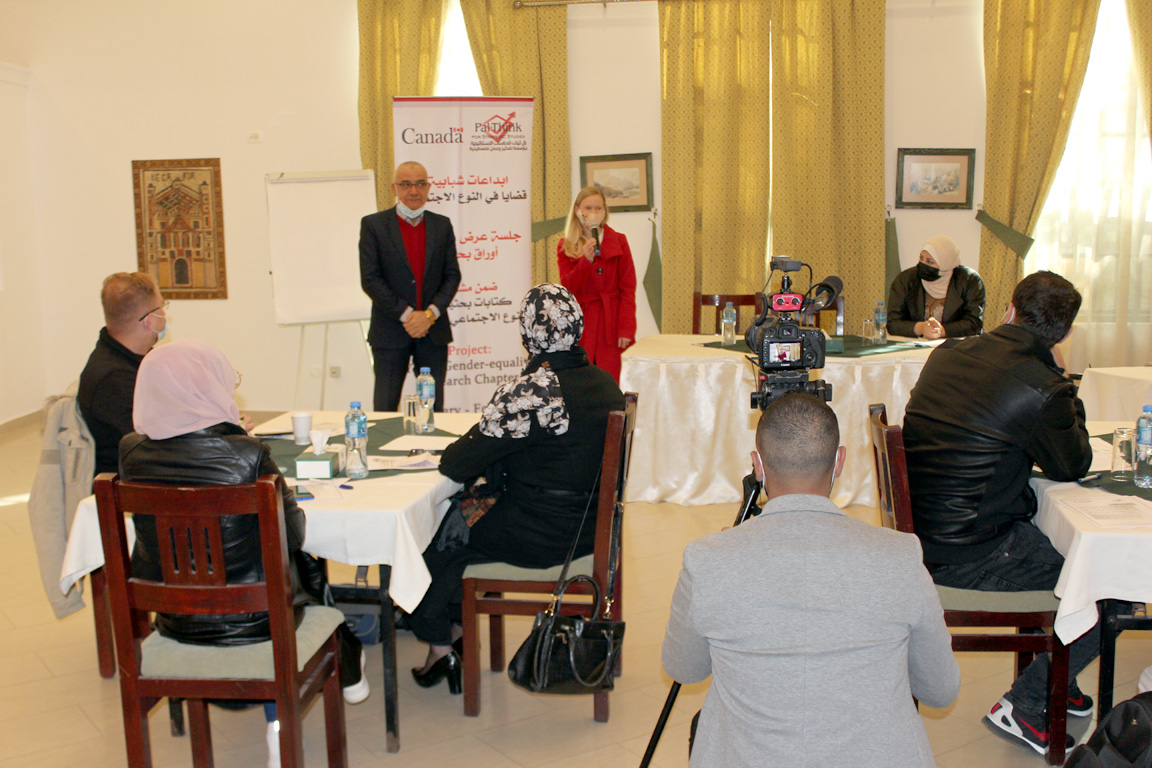
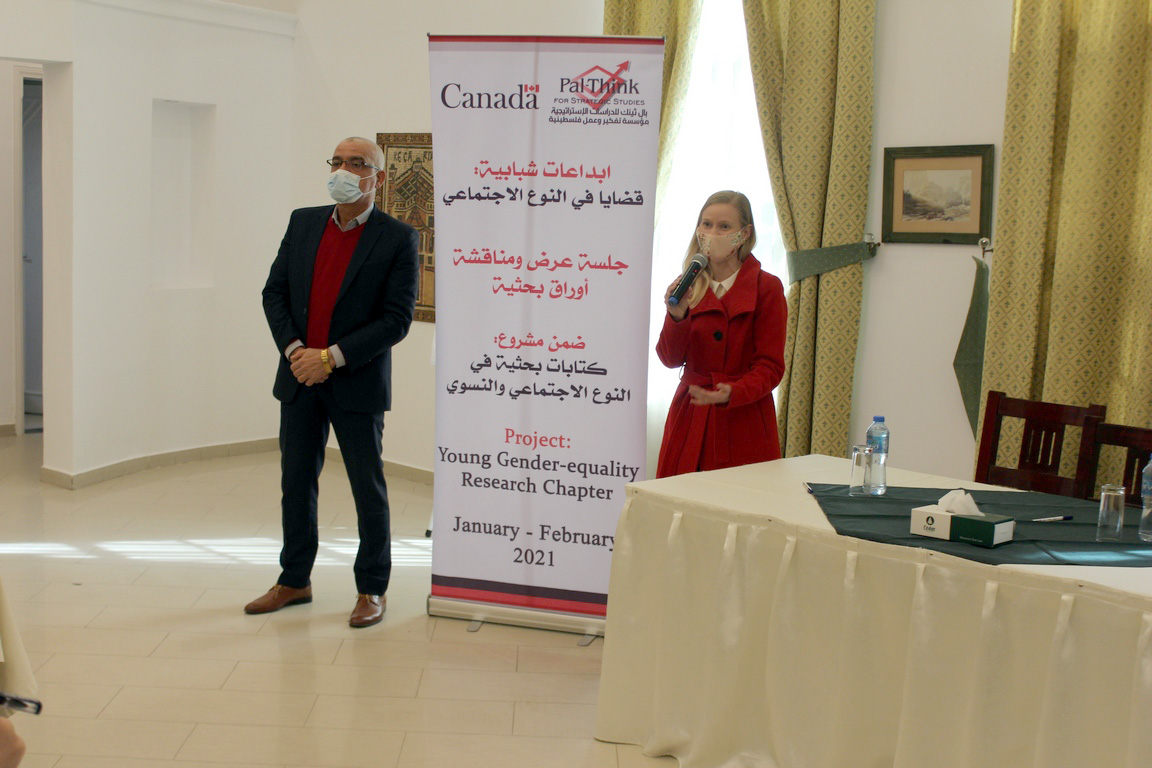
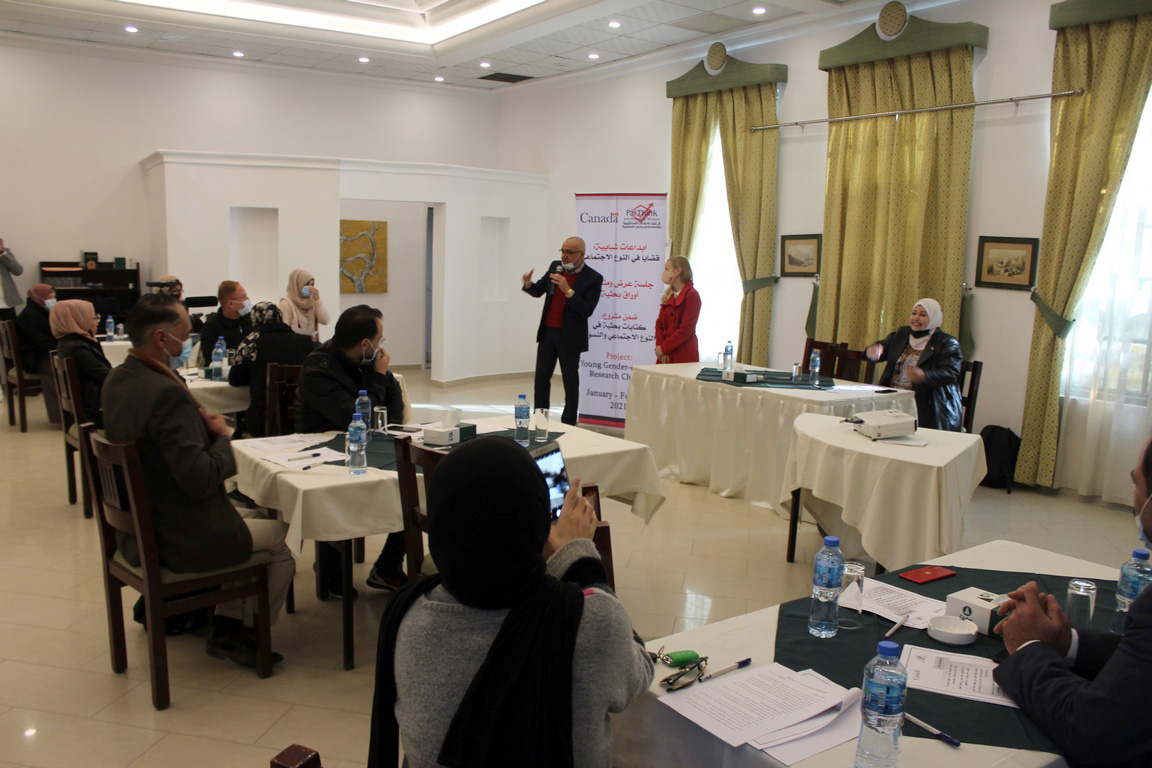
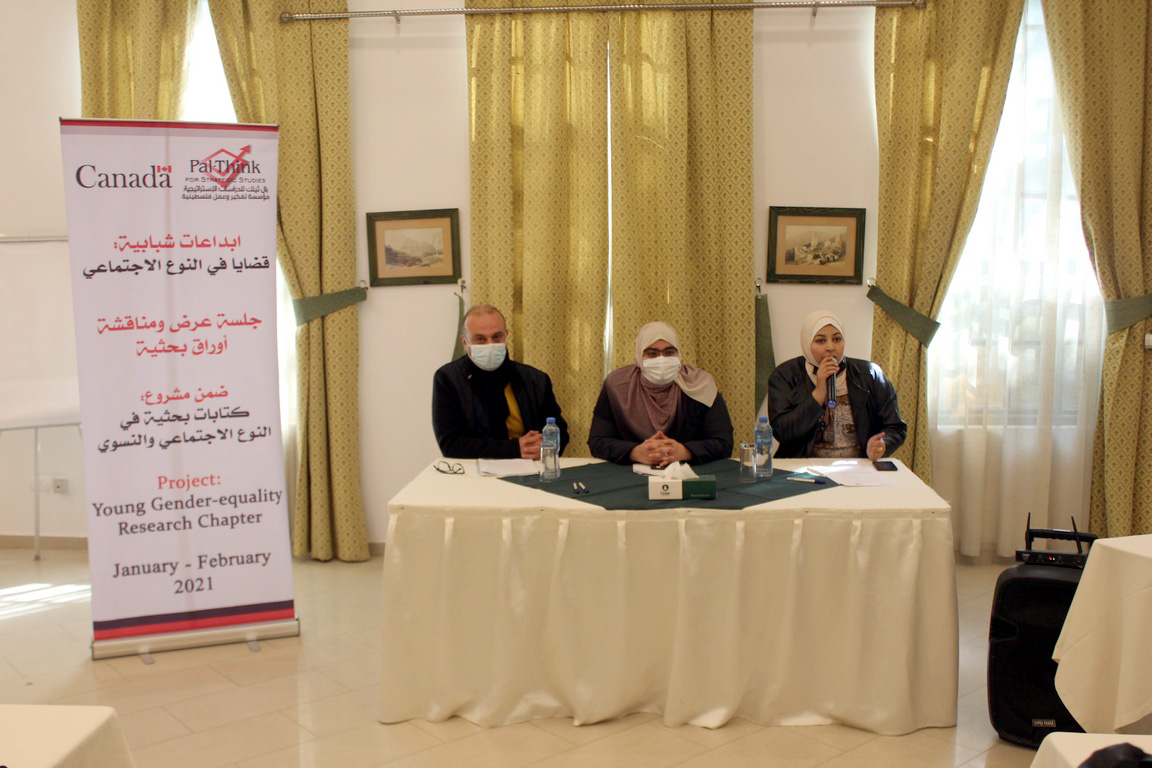
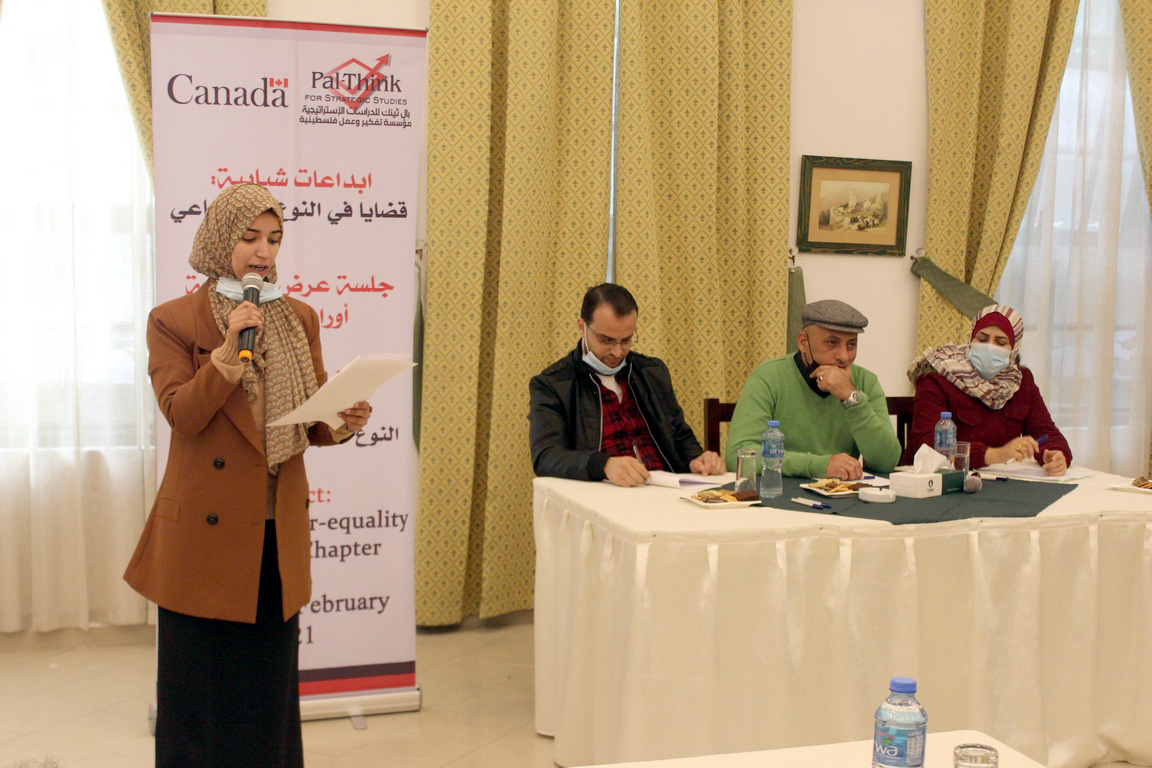
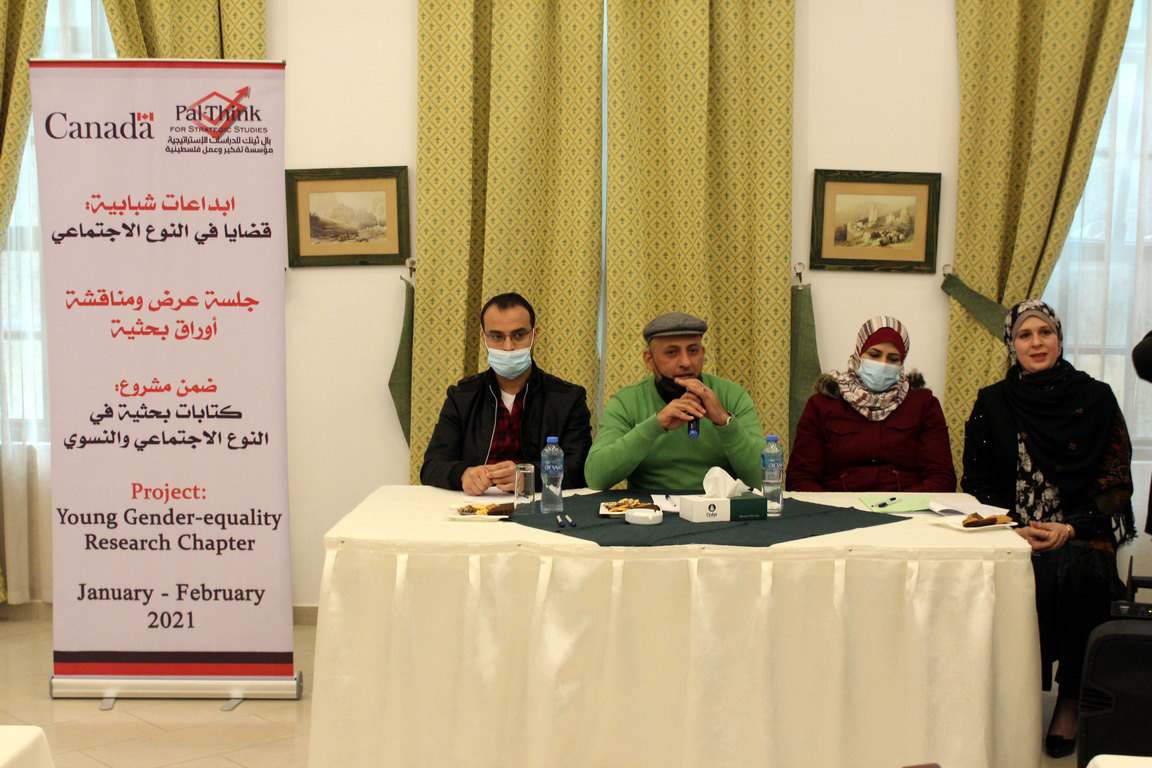
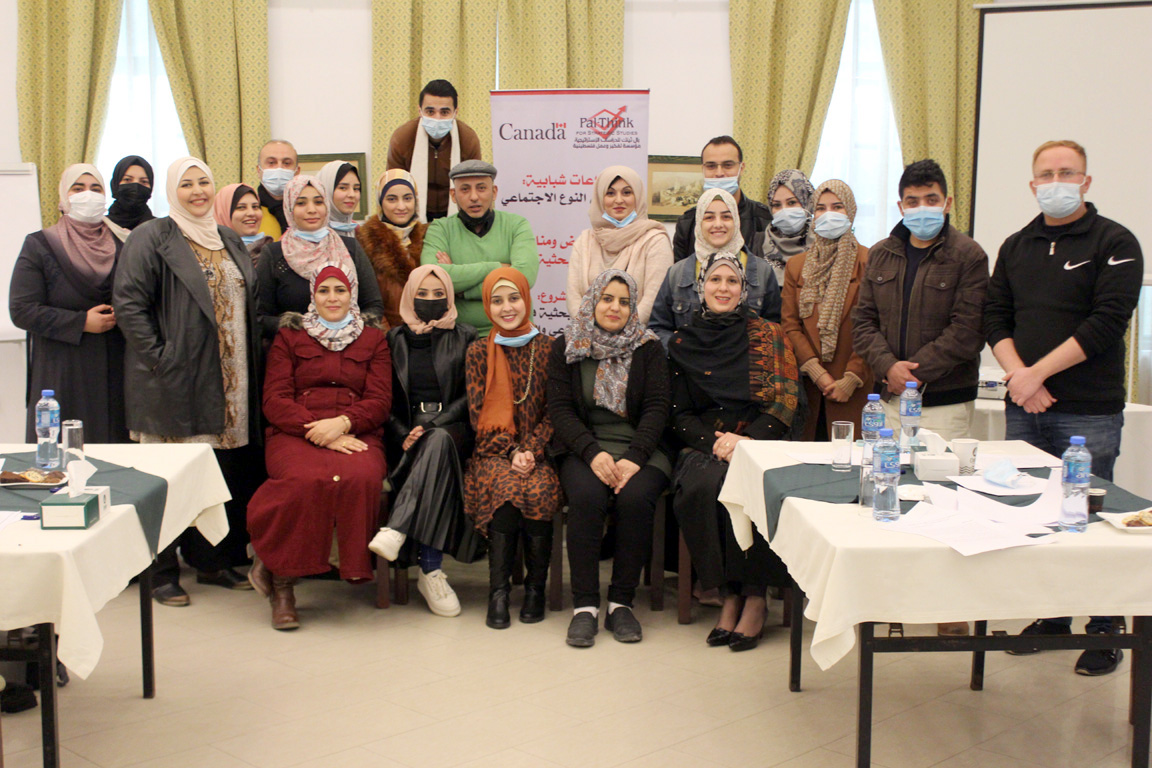
Pal-Think held a workshop discussing four research papers on Palestinian women's issues, under the Canada-funded «Research writings on gender and feminism» project, attended by the Canadian representation's political attaché Andrea Nicholls.
- Date
- 2021-01-28
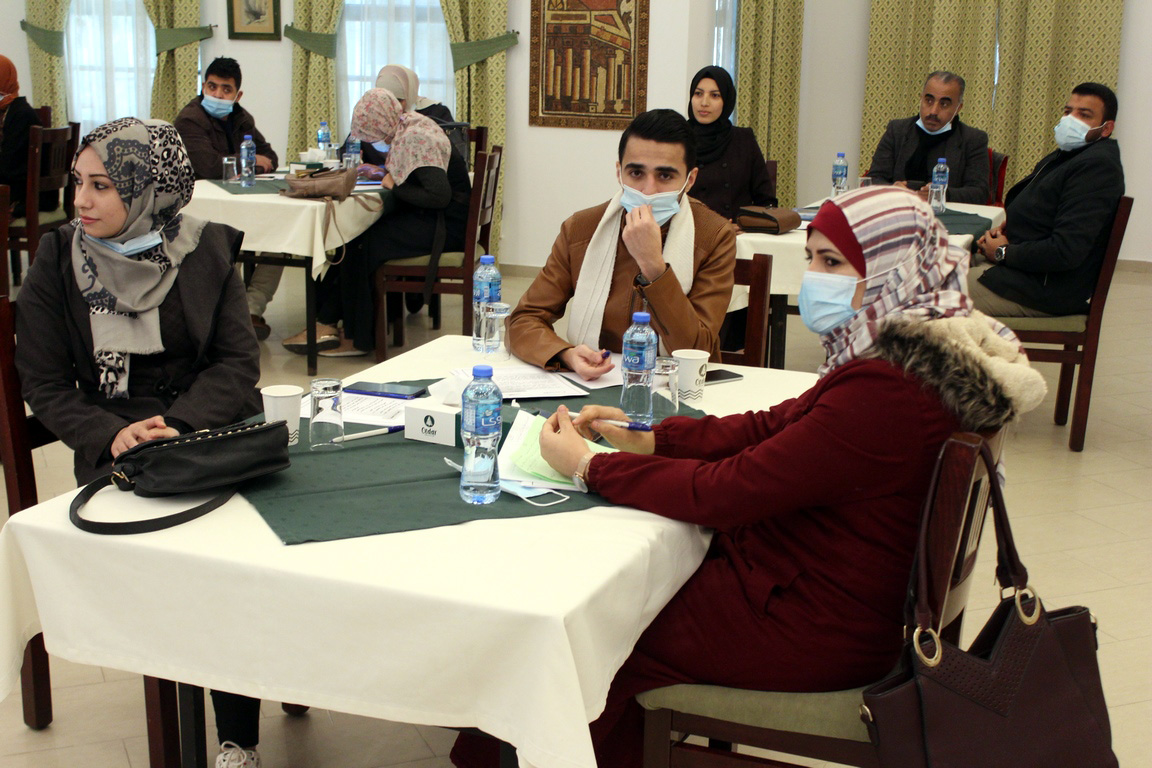
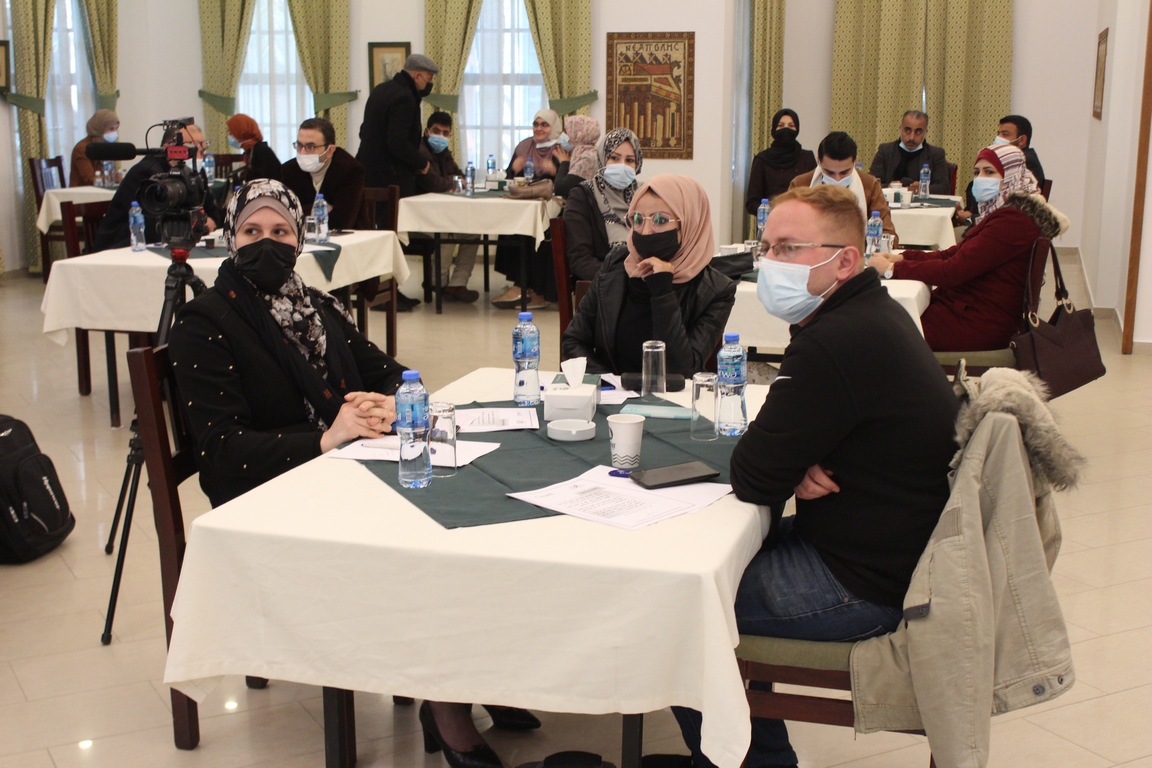
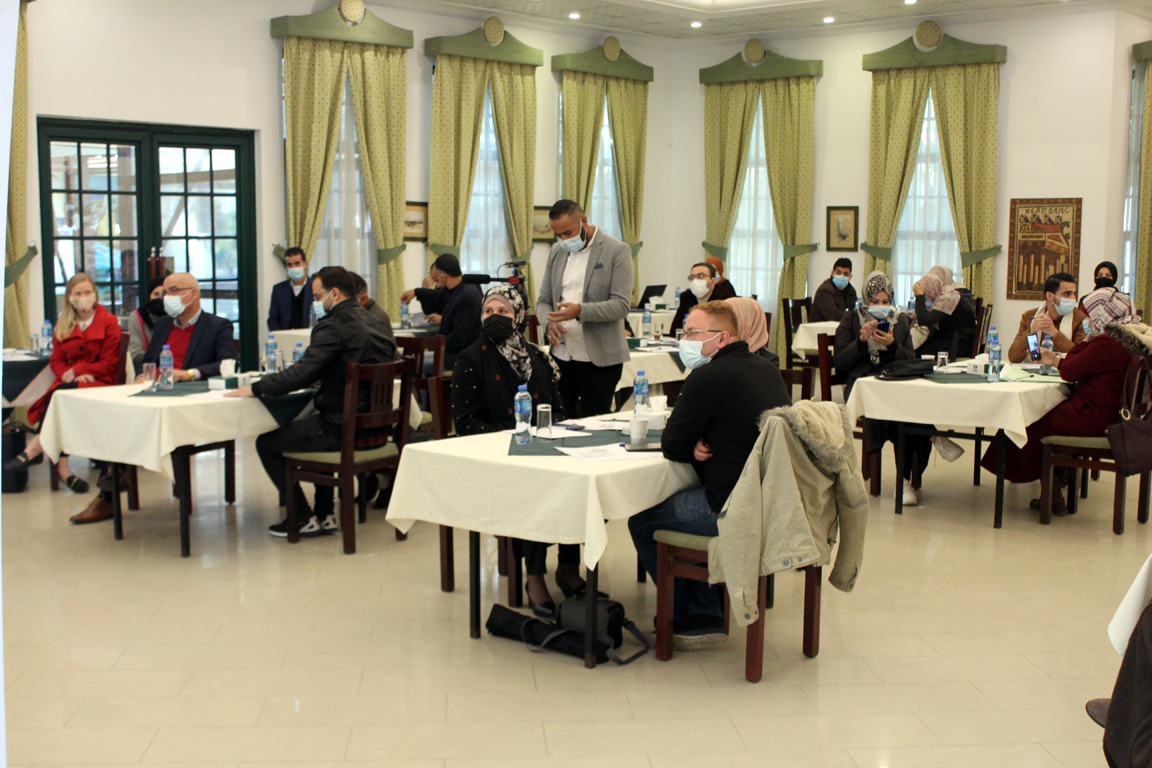
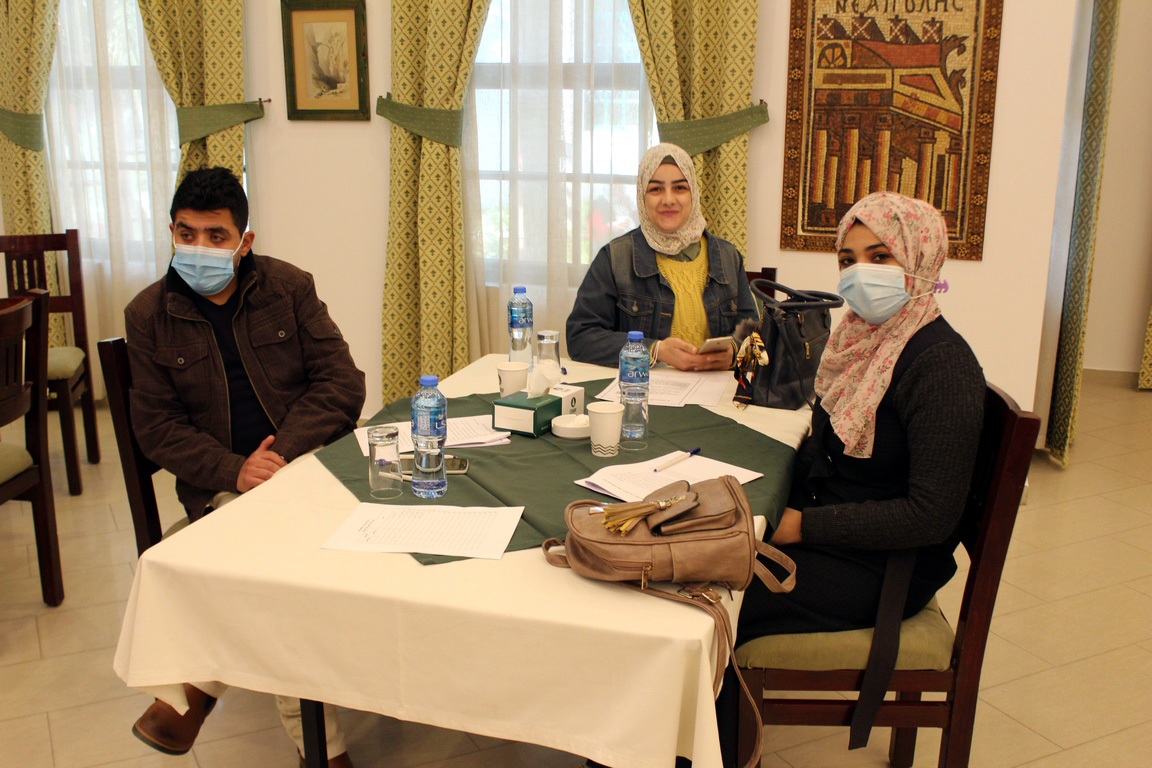
Pal-Think for Strategic Studies organised a workshop to discuss four research papers taking up issues of the Palestinian woman, within the project “Research writings in gender and feminism”, funded by the Government of Canada, with the attendance of the political attaché at the Canadian Representative Office, Andrea Nicholls, and with the participation of a number of researchers, organisations, and rights centres.
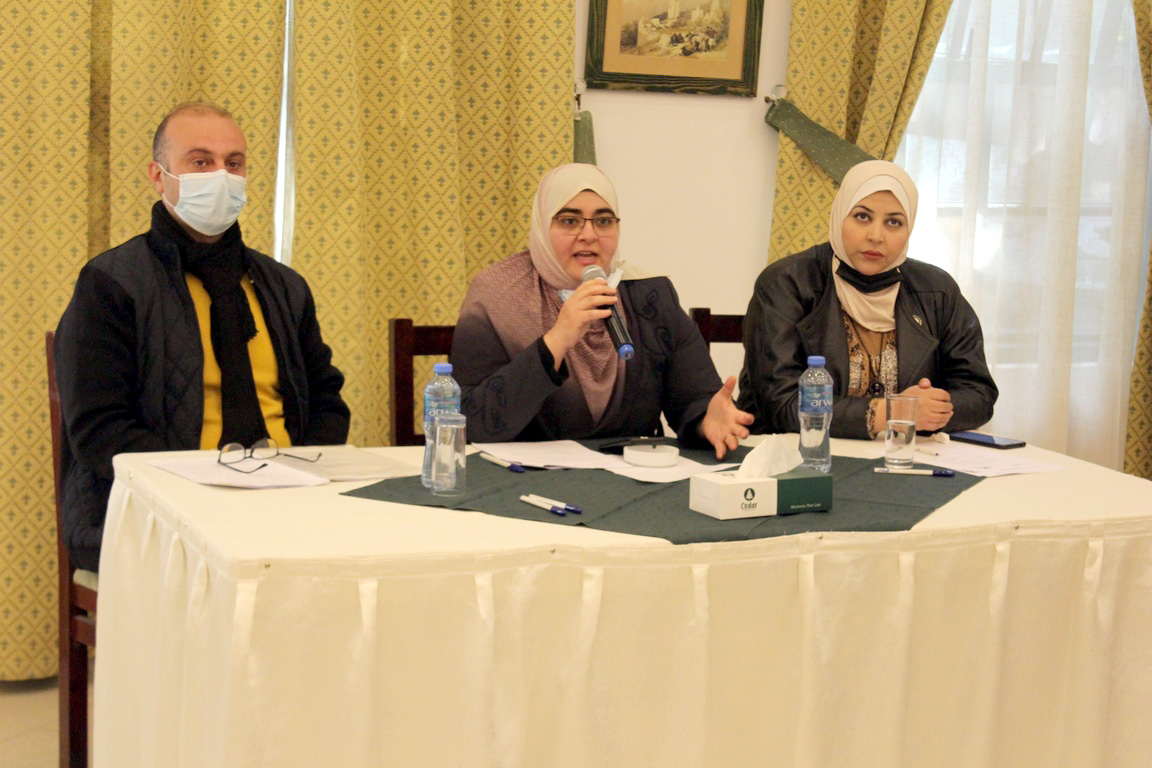
The encounter was opened by the project coordinator at the institution, Sally al-Sammak, welcoming the attendees, and she said: “Pal-Think is an independent institution working in the field of research and communal reconciliation; it believes in the youth's capacities and works with them constantly with the goal of strengthening their capacities and activating their role in all fields through its various projects”
She continued: “The idea of this project is enabling the youth to use suitable scientific instruments to develop their capacities in their writings, so that they take up issues that concern them in their own style, highlight women's issues, and contribute to finding solutions for these issues.”
Al-Sammak made clear that this project focuses on the subject of women given the importance of their role in society — expressing her hope that the participants' papers reach decision-makers.
The project coordinator pointed out that ten radio episodes discussing the research papers were produced, and there will also be electronic campaigns advocating women's rights on social media sites.
For his part, the institution's director Omar Shaban welcomed, during his word, the political attaché at the Canadian Representative Office Andrea Nicholls and the attendees, and said: “We are happy with this project, it being rich and focused on women. And we are proud that the number of female participants in the project is three times the number of male participants.”
He added: “The Canadian political position has developed to a great degree in recent years, and distinguished itself from the positions of the rest of the states — embodied in the Government of Canada's continued support for the Palestinian people and the Palestinian cause and its rejection of the deal of the century”
Shaban affirmed that his institution deliberately brings the youth to the fore, adding: “For us they are deciders, not consumers.”
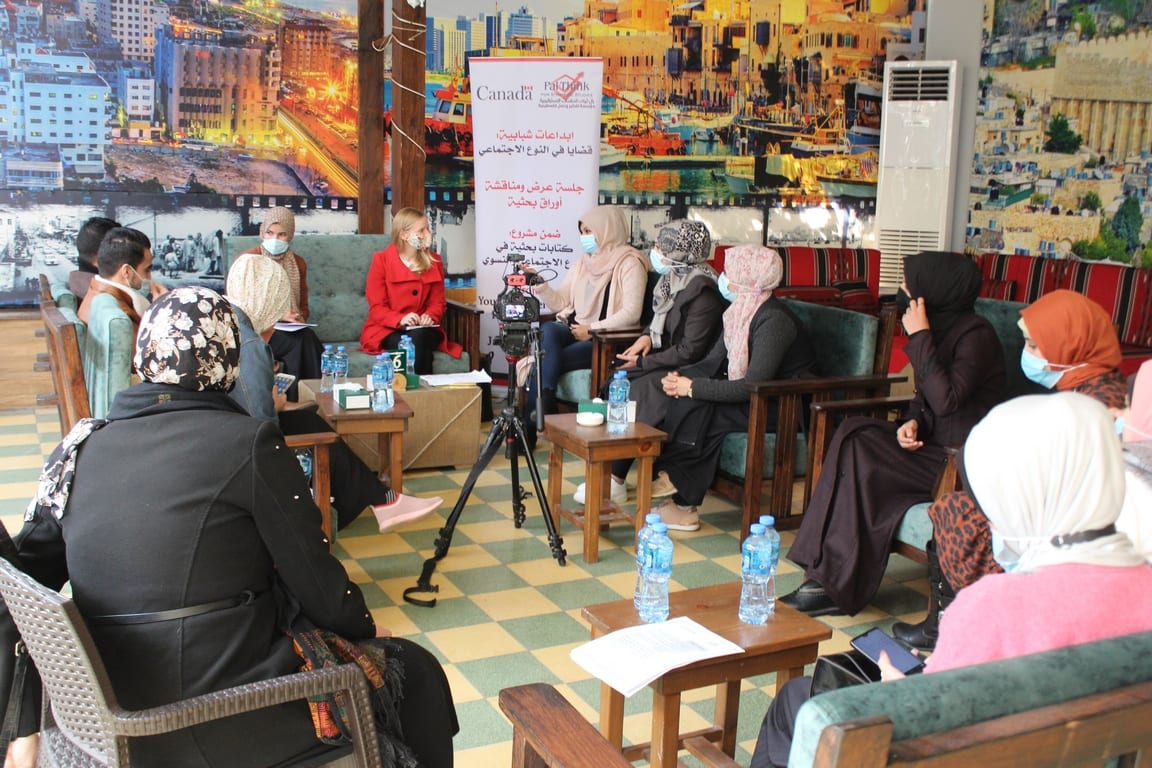
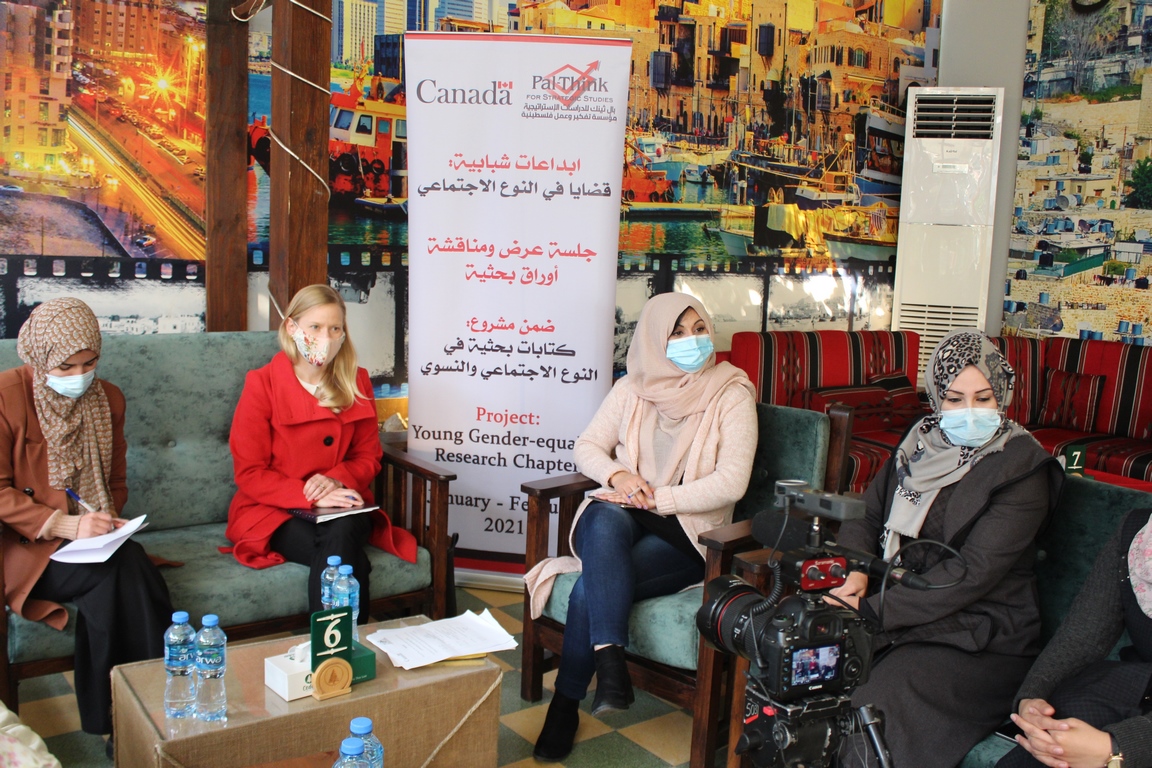
For her part, the political attaché Andrea Nicholls said during her word: “I am happy to be among you today. This is my first visit to Gaza since the beginning of the coronavirus pandemic. This programme is wonderful, and I wish all the young men and women constant distinction and influence toward the better change” — and she likewise affirmed the Government of Canada's constant support for the Palestinian people
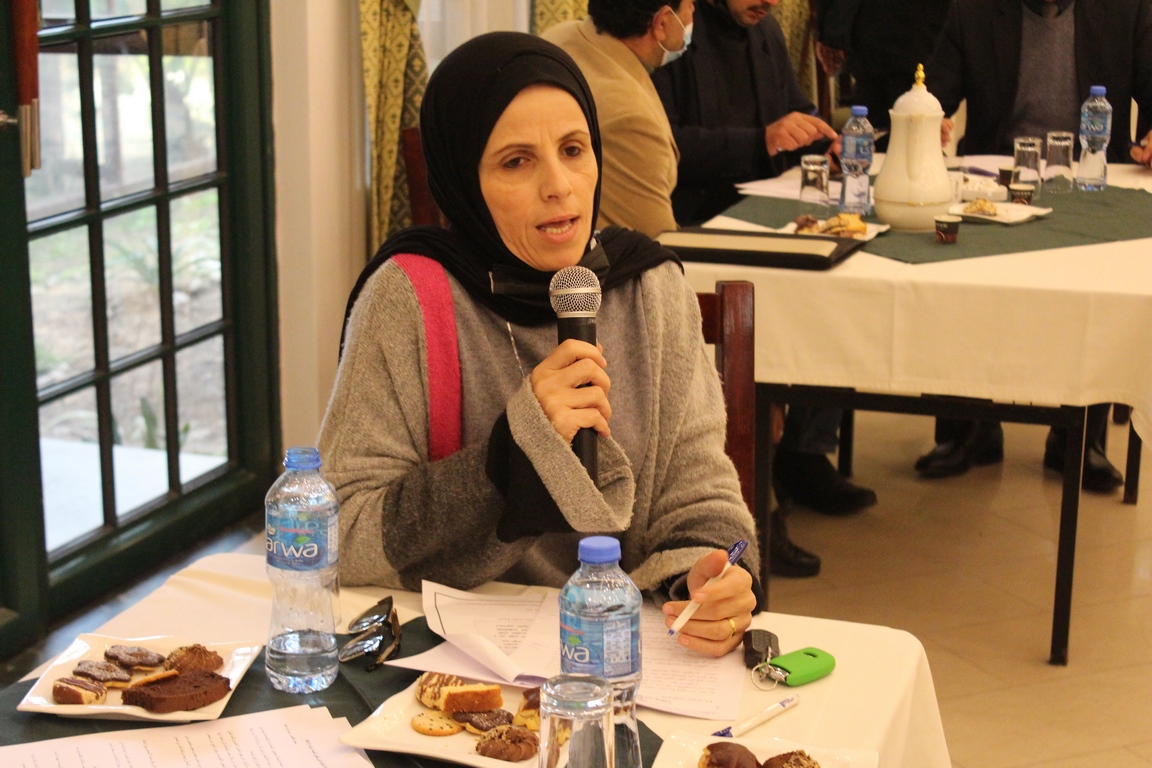
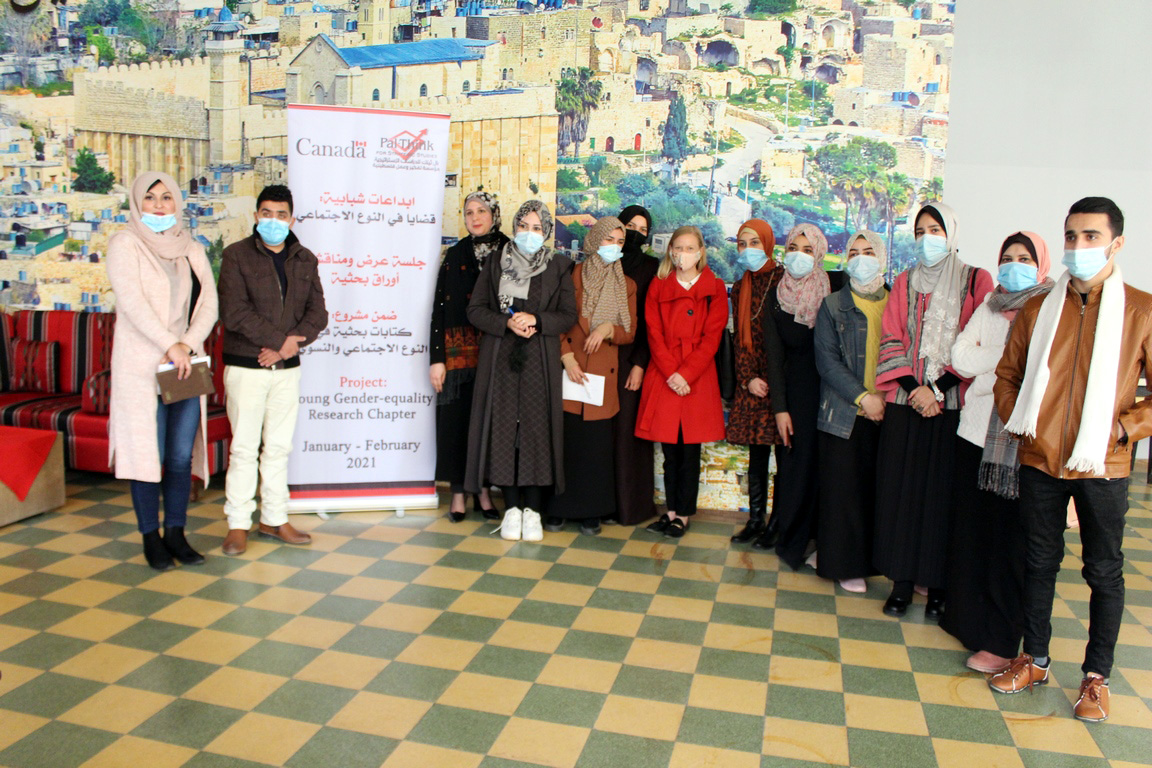
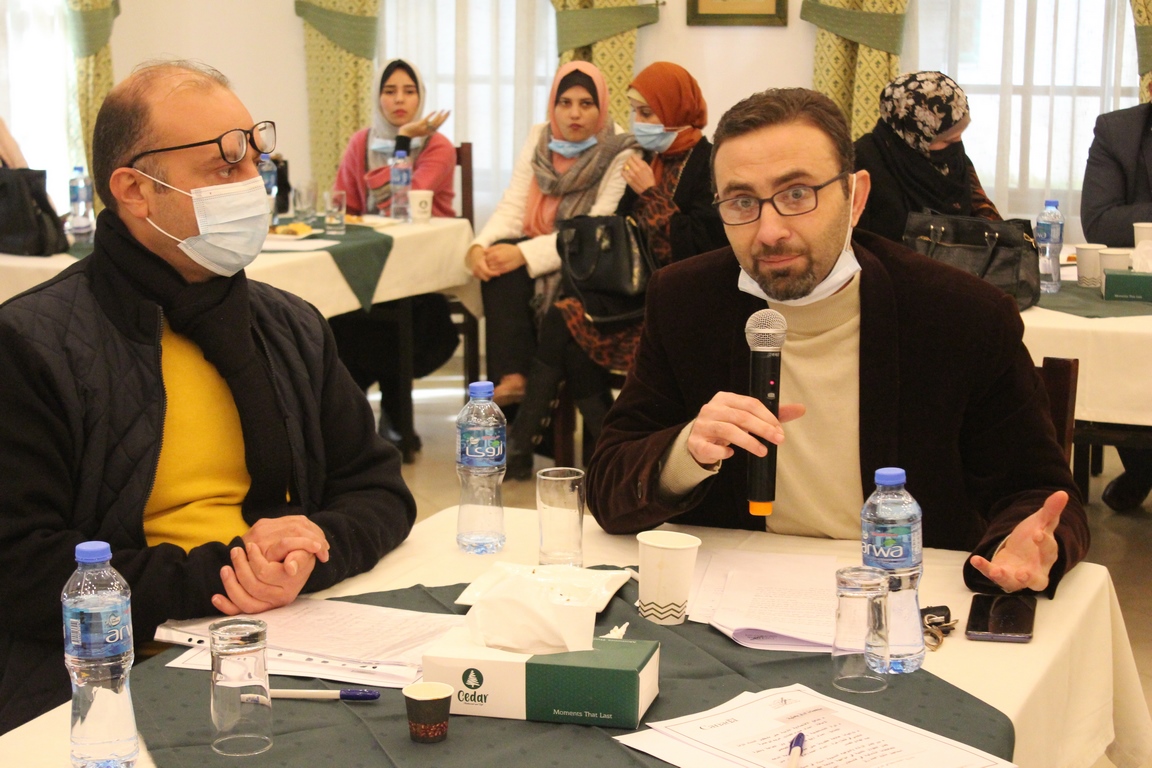
During Nicholls's meeting with the participating youth, she discussed with them the issues they had worked on throughout the project's period and the most important challenges that faced them in the period of preparing their research papers. The youth likewise spoke of their aspirations for the future and the importance of the continuation of their participation in such activities, which grant them the opportunity to express themselves and their issues and discuss their situations in light of the crises the youth face — through developing their writing skills and delivering their voices to decision-makers; they likewise affirmed the importance of intensifying efforts to support women always.
The youth likewise discussed with Ms Nicholls their opinion of the coming elections and expressed their hope for their realisation with all integrity — affirming that the announcement of the coming elections is a strong indicator toward change for the better, and hoping it be an auspicious beginning for working on society's development and the solving of all its crises.
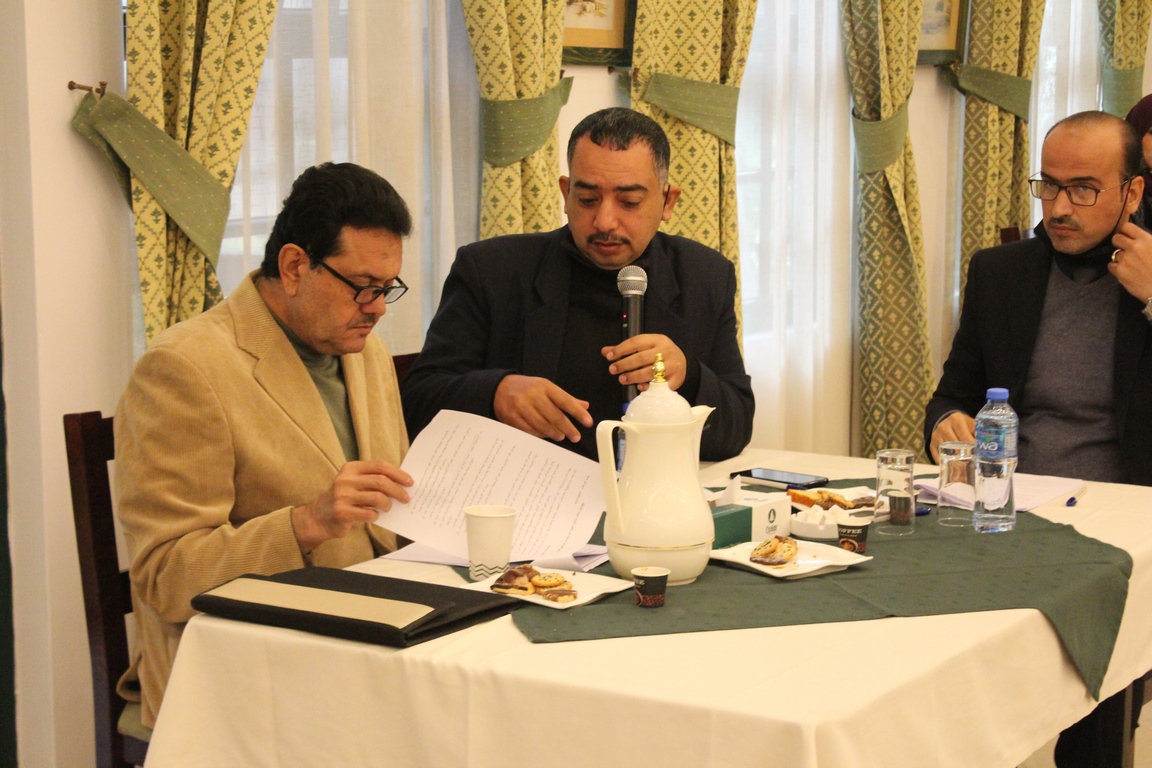
Returning to the papers' discussion sessions: in the first session, moderated by the project's trainer the lawyer Heba al-Danaf, the two researchers participating in the project, Saddam al-Ghandour and Mariam Abu Amra, took up in their paper the importance of integrating and empowering women with disability in economic life, and the benefit that will return to them personally — an improvement of the standard of living and an increase in the rate of their participation in the labour market. The paper presented some interventions that could improve the income of women with disability in the labour market.
As for the researchers Haneen al-Amassi and Areej Jareed, they set out that the paper's fundamental goal is shedding light on the gap between the traditional role and the new role women represent outside the home. The paper made clear the challenges facing the Palestinian woman's entry into professional work, and mentioned the fields women can enter in the Gaza Strip. Successful experiences of women in their work were likewise reviewed. The two researchers presented mechanisms for overcoming the challenges facing women in professional work.
During the second session, moderated by the trainer and researcher Yahya Qaoud, the researchers Dina Ismail and Nashwa Rizq discussed in their paper the role of the women's counselling and guidance committees “Isnad” in backing the local emergency committees in facing the coronavirus pandemic in the northern governorates in Palestine. The paper likewise mentioned the committee's goals and the obstacles facing it.
While the researchers Ahmed al-Sammak and Mona al-Masdar took up the repercussions of the coronavirus pandemic on women recipients of the psychological service in the Gaza Strip, in addition to the effect of social distancing and the safety measures on their psyche. Al-Sammak likewise reviewed the government and non-governmental institutions that present the psychological-support service, and the obstacles facing those institutions. The paper presented recommendations to improve the presentation of the psychological service to citizens should the comprehensive closure be imposed anew.