A dialogue with Oraib Al-Rantawi: «Jordan and the Israeli annexation plan — position and consequences»
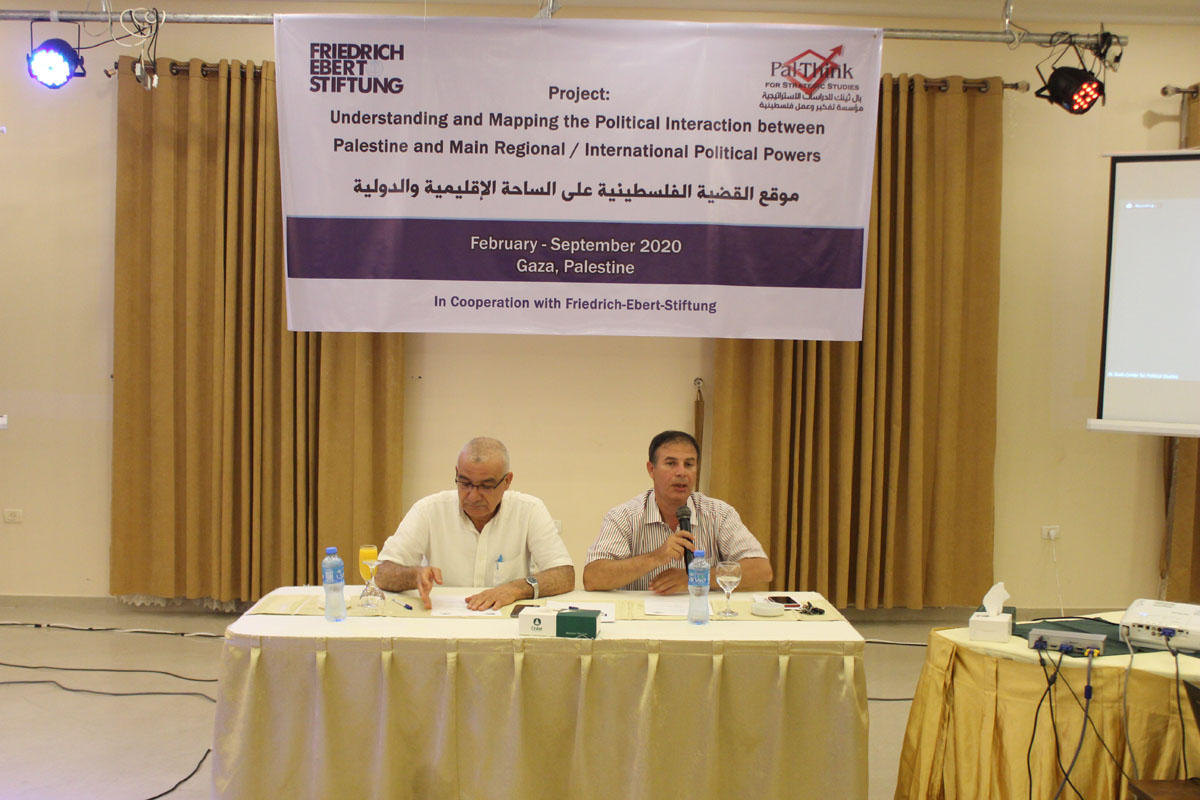
Pal-Think and the Friedrich Ebert Foundation held the dialogue «Jordan and the Israeli annexation plan: position and consequences», hosting from Amman Oraib Al-Rantawi, founder and director of the Al-Quds Centre for Political Studies.
- Date
- 2020-07-14
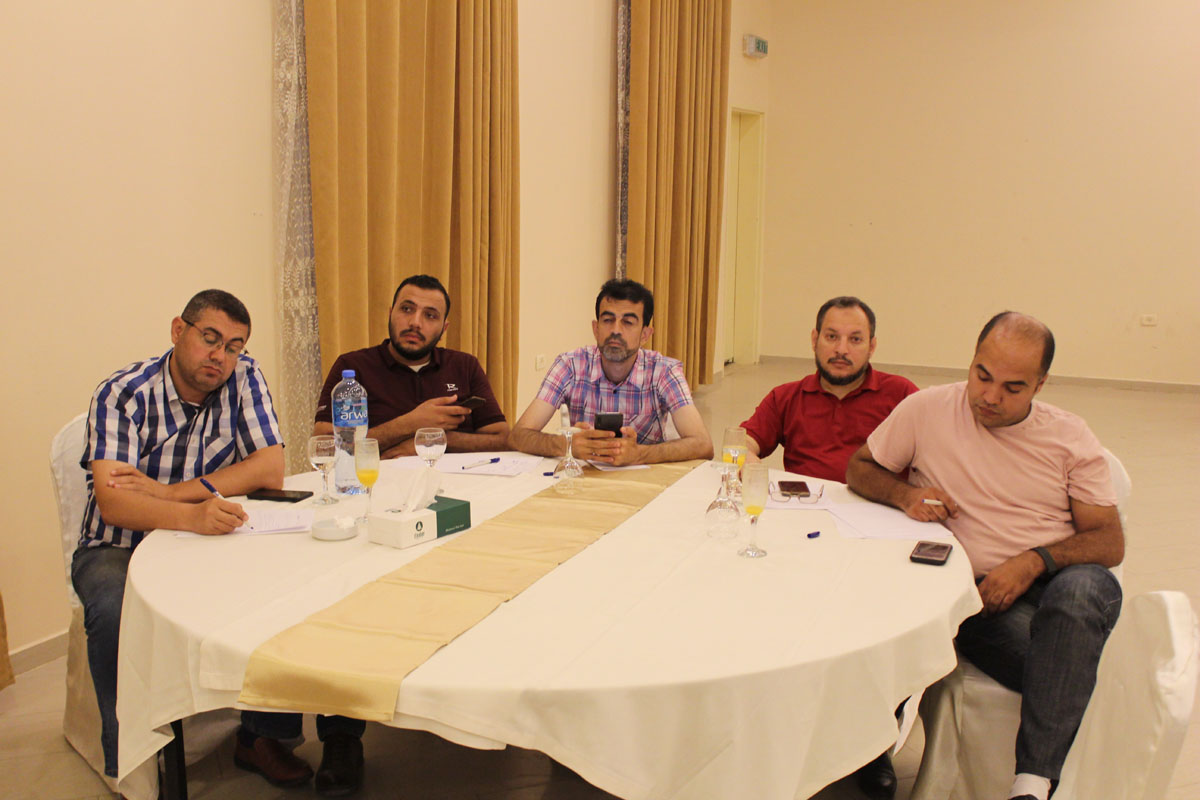
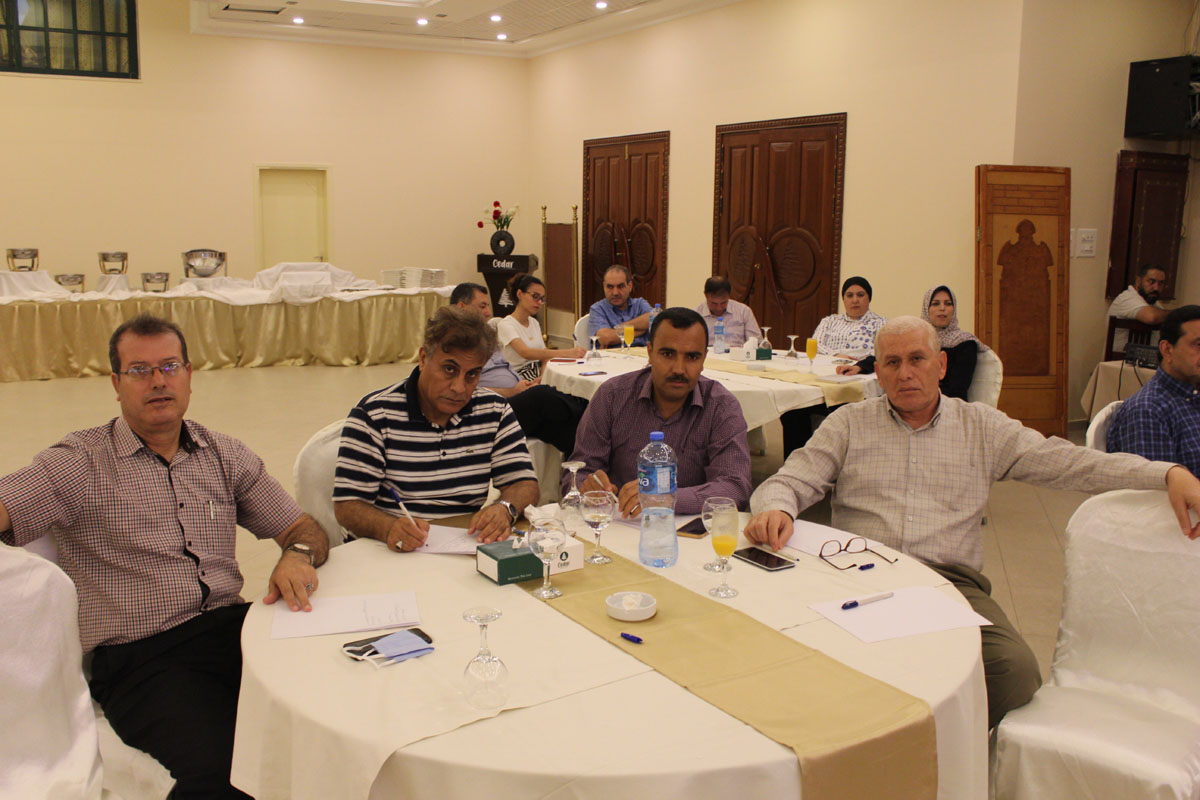
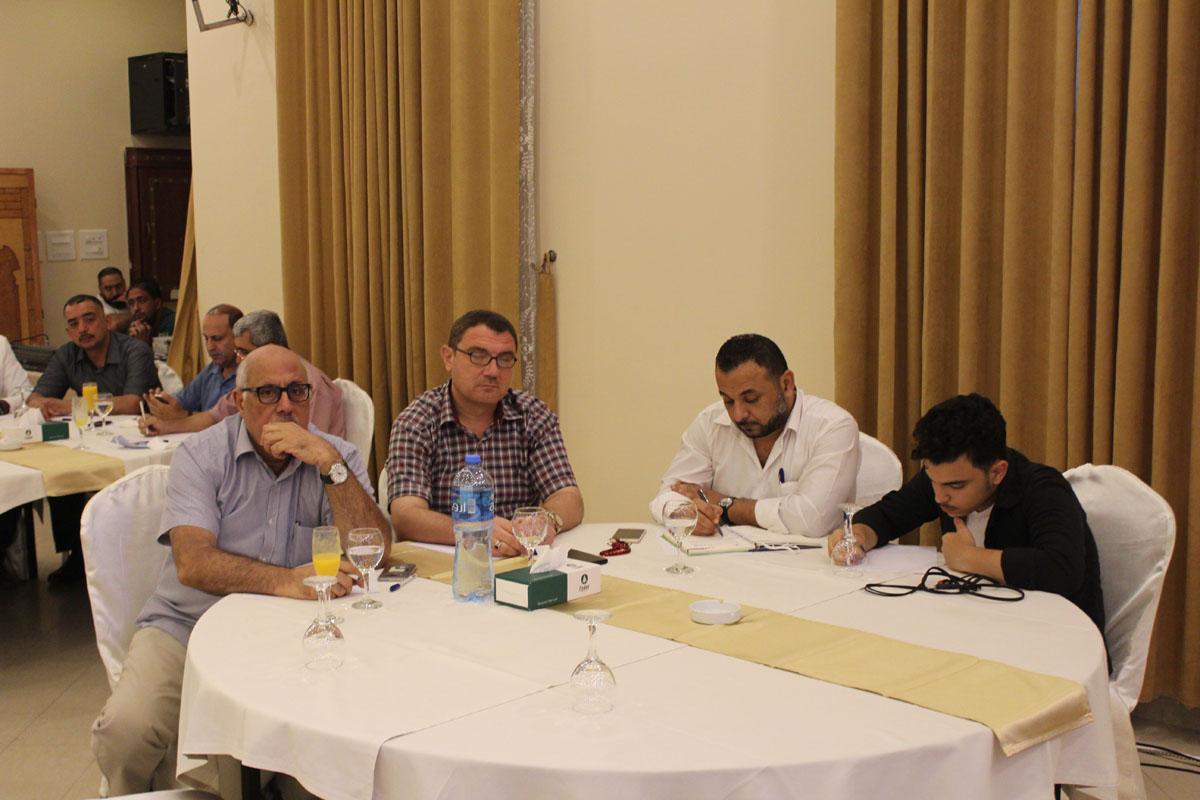
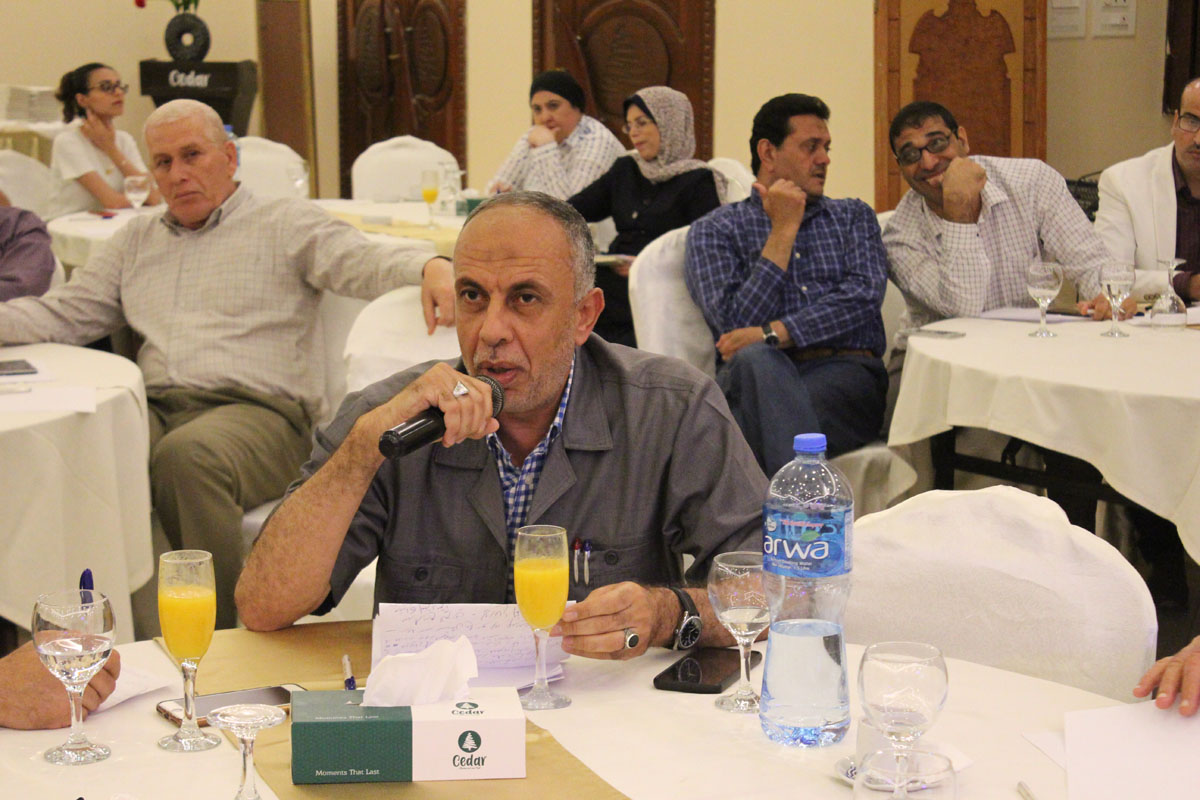
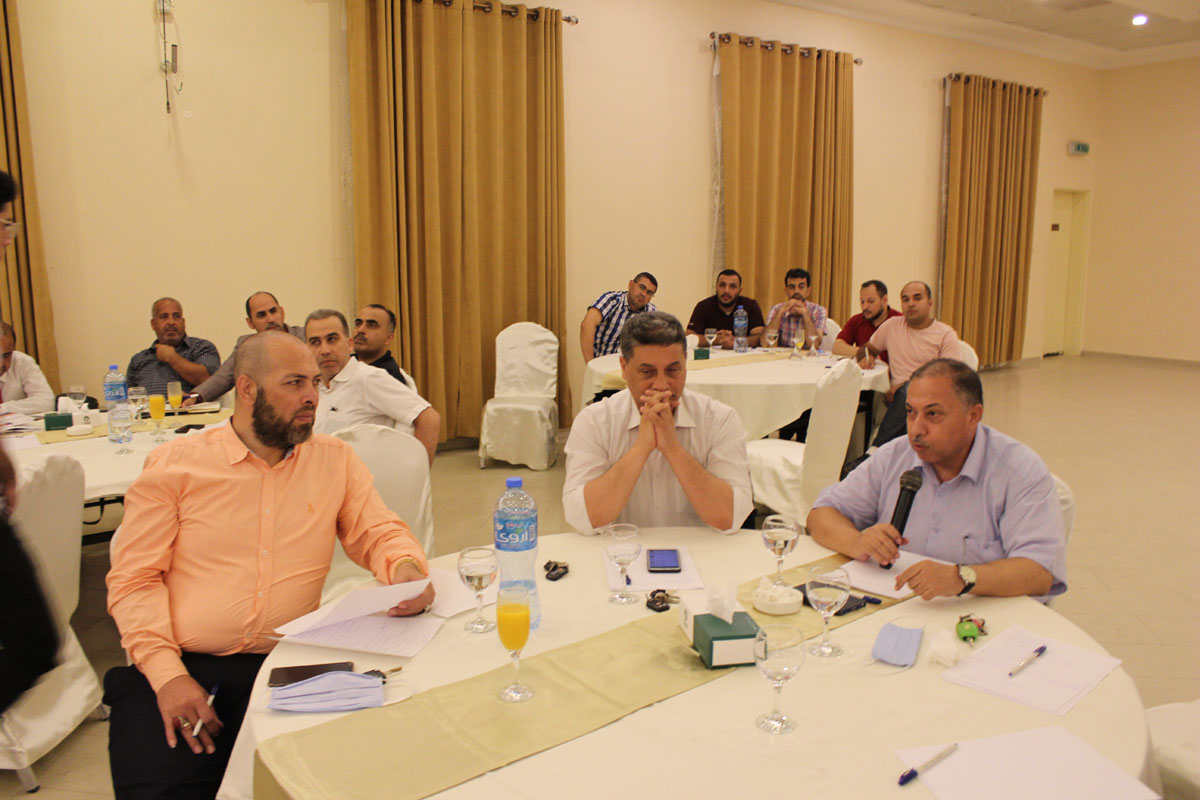
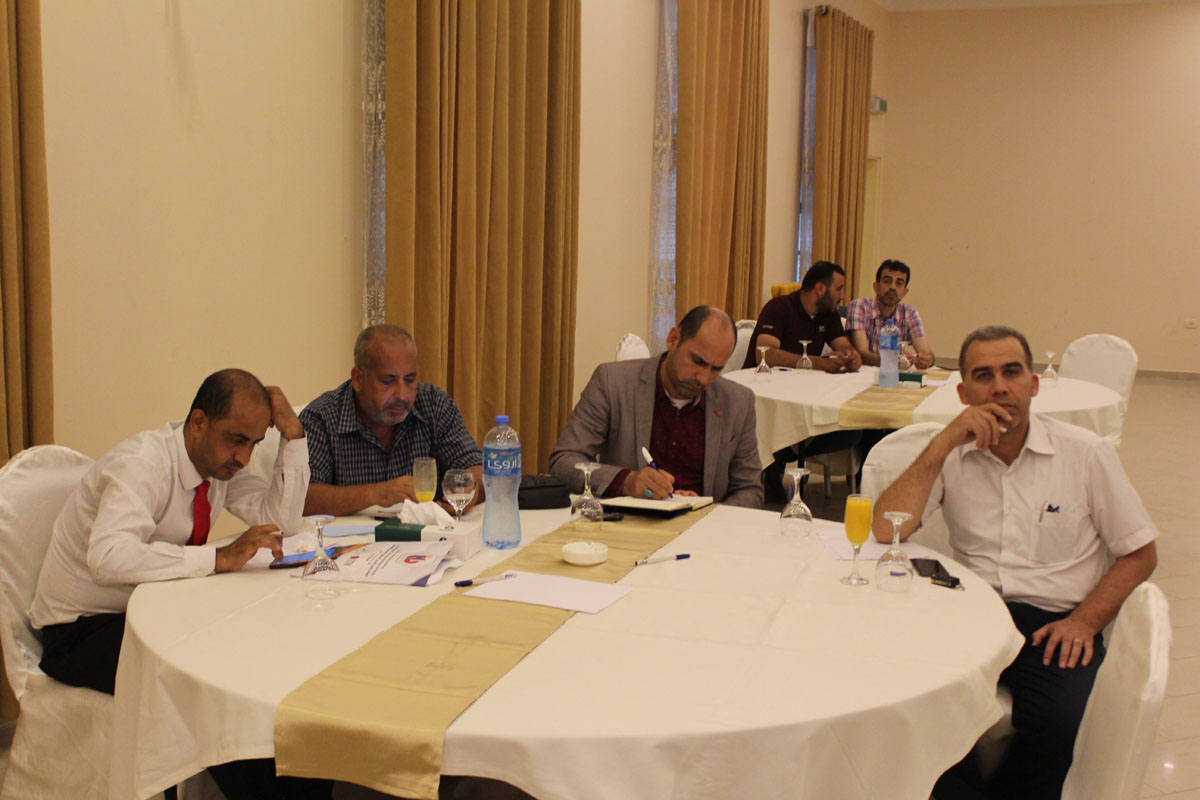
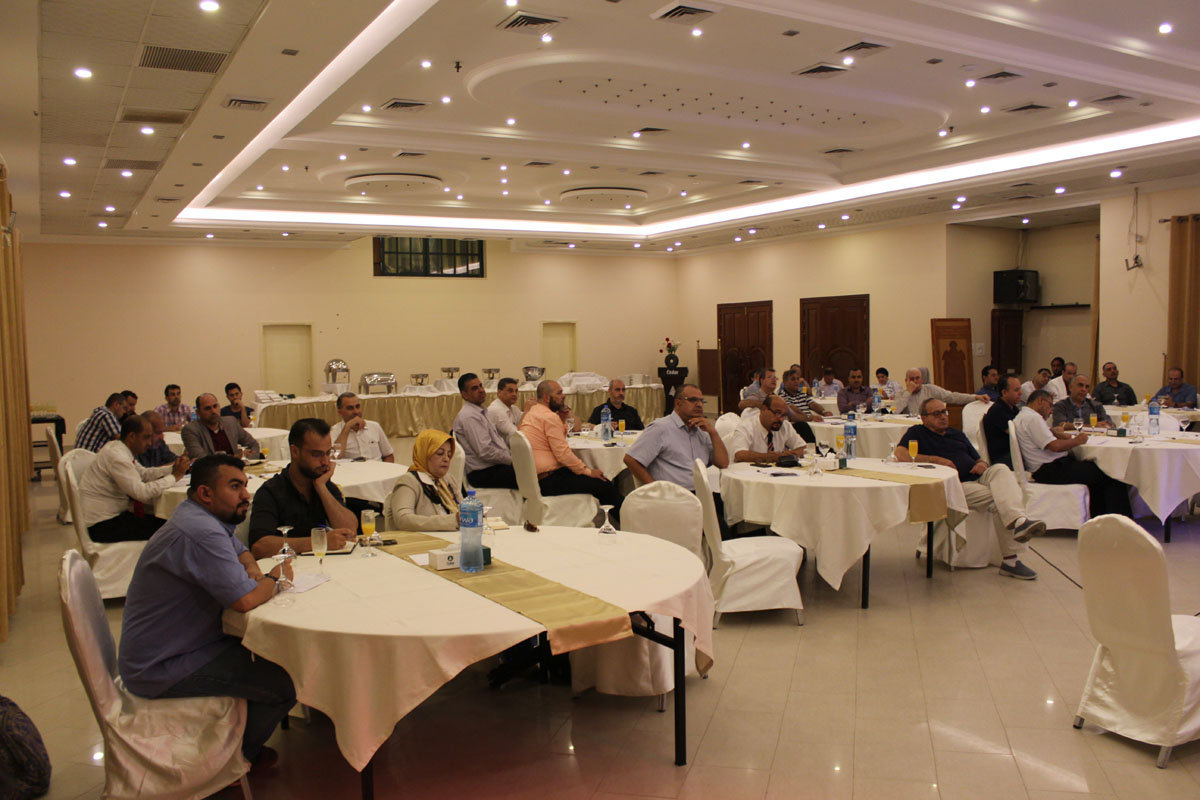
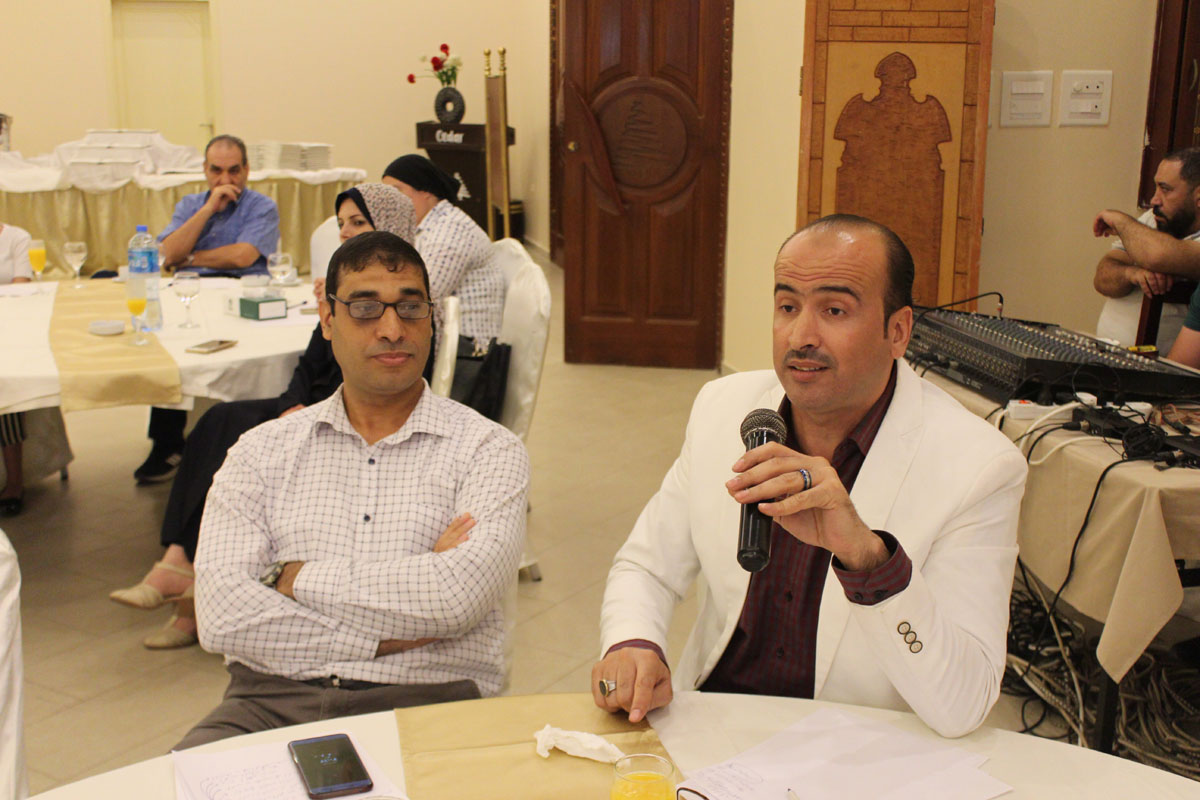
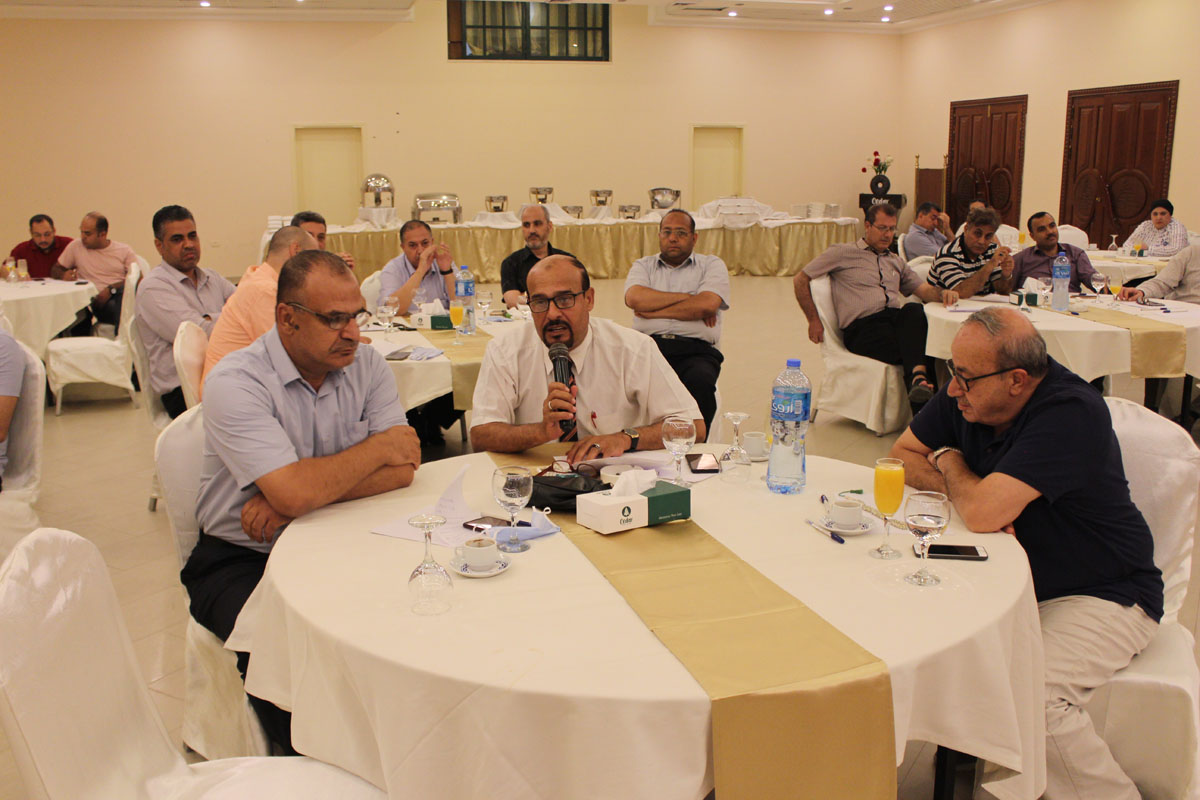
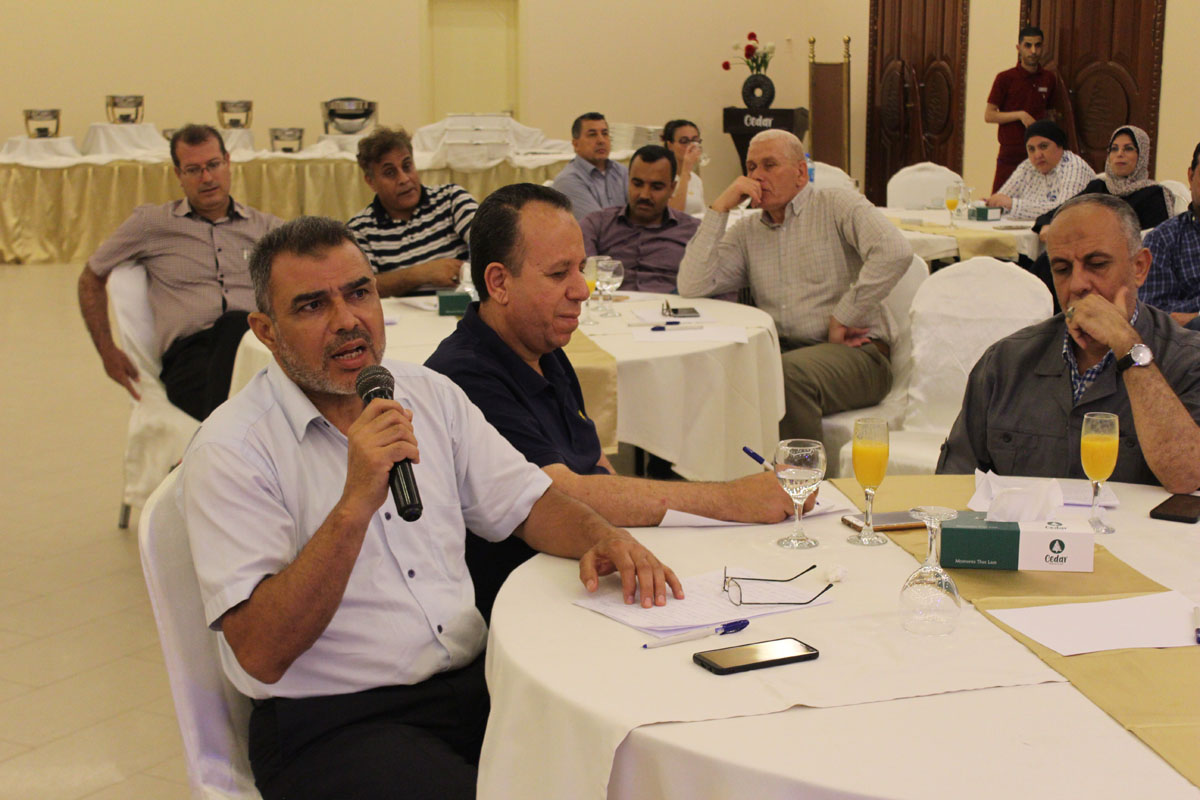
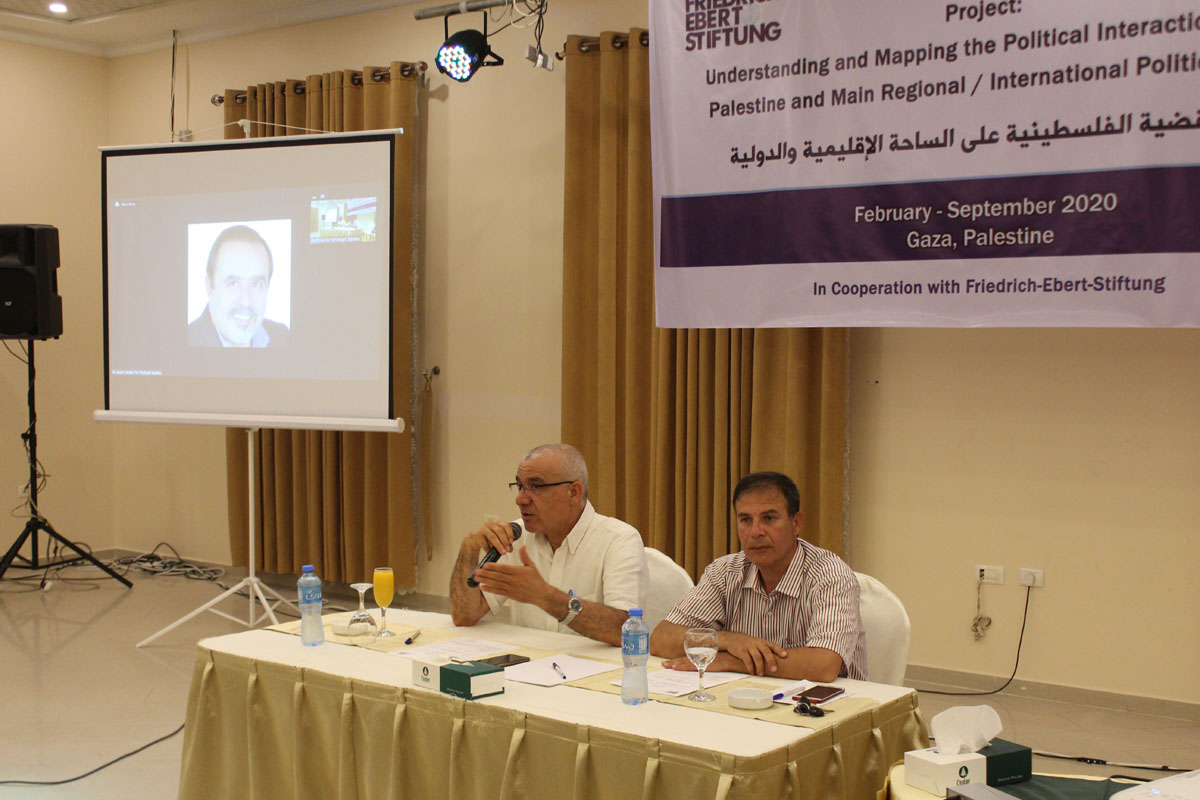
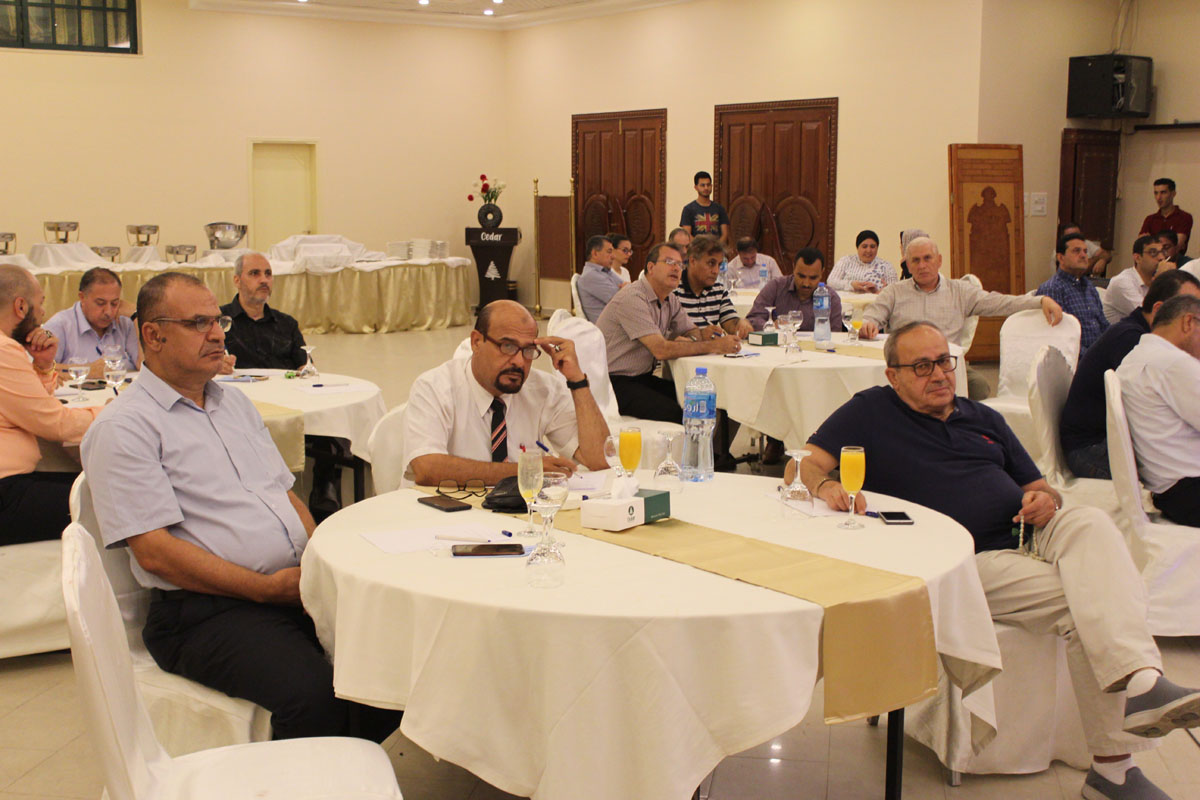
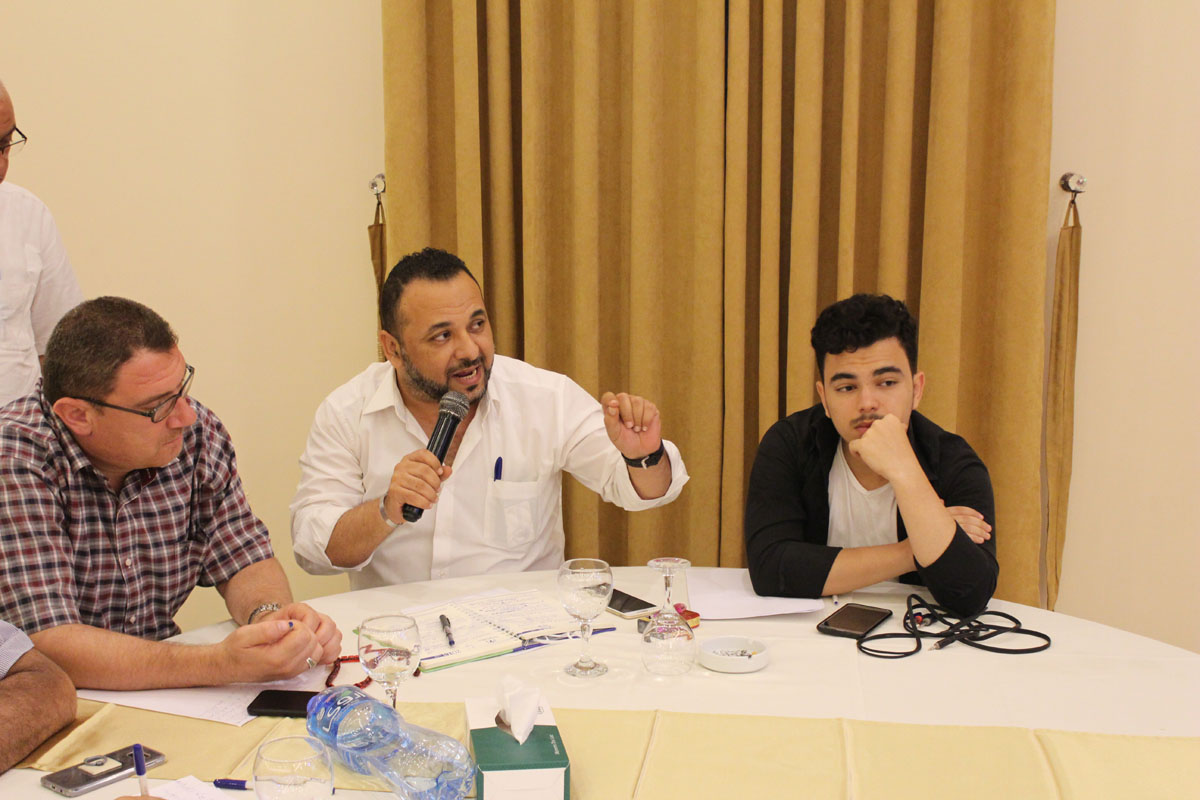
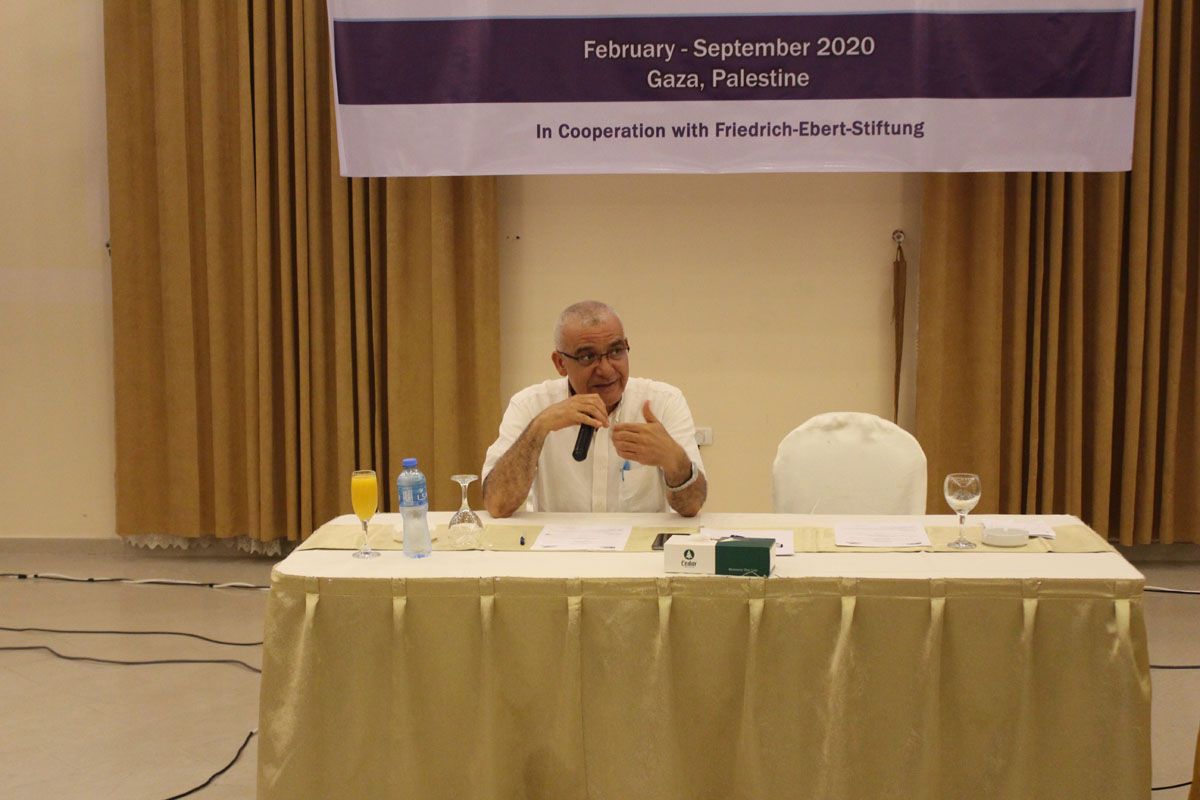
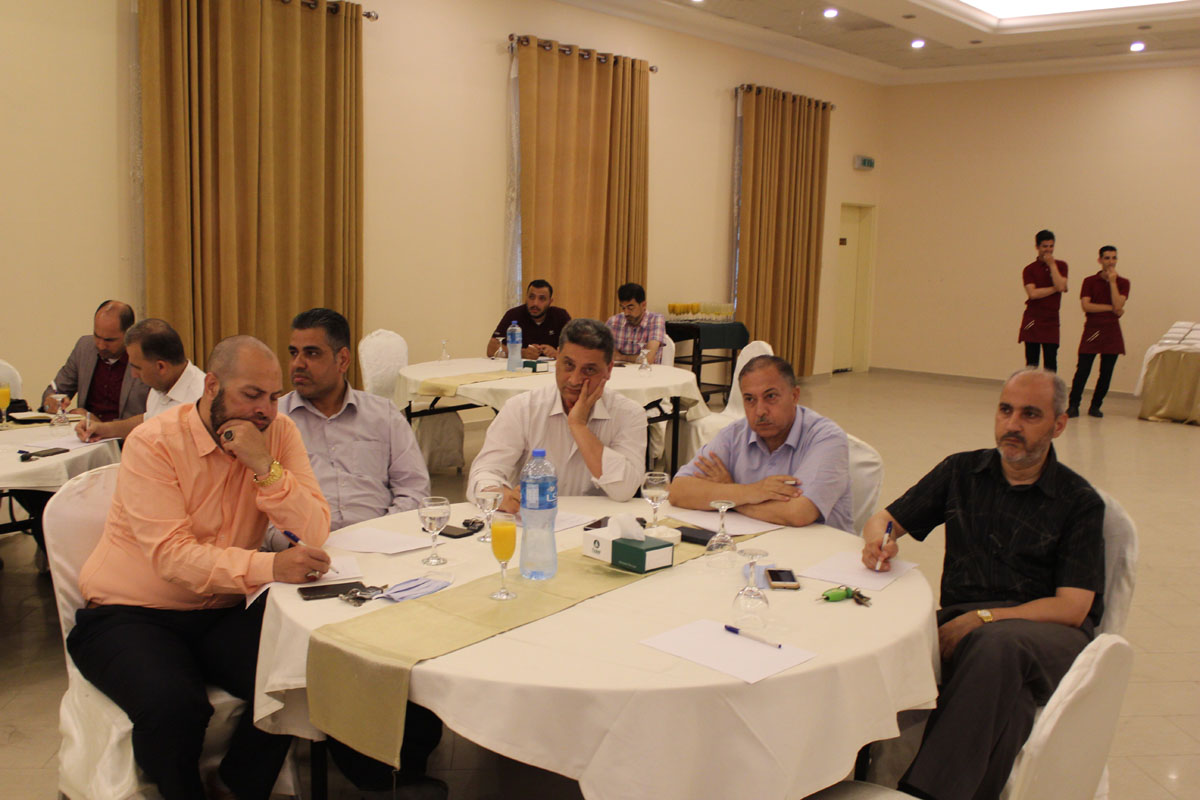
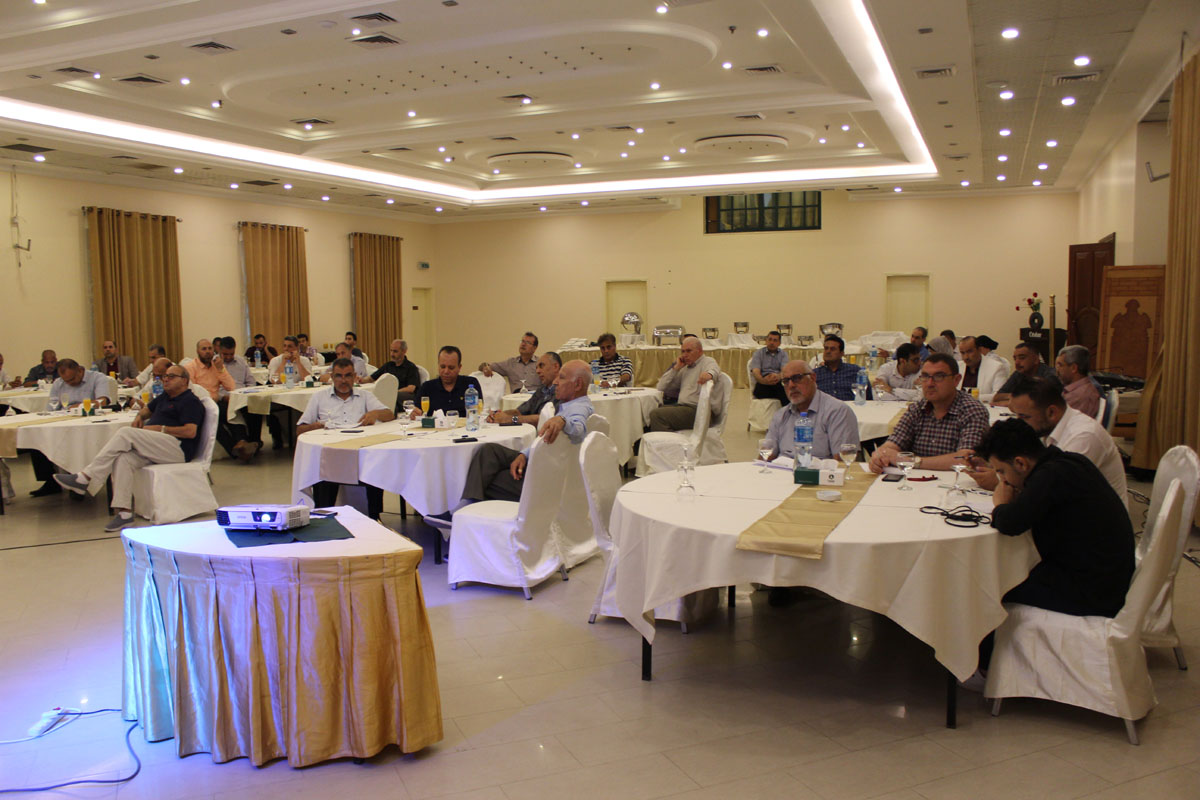
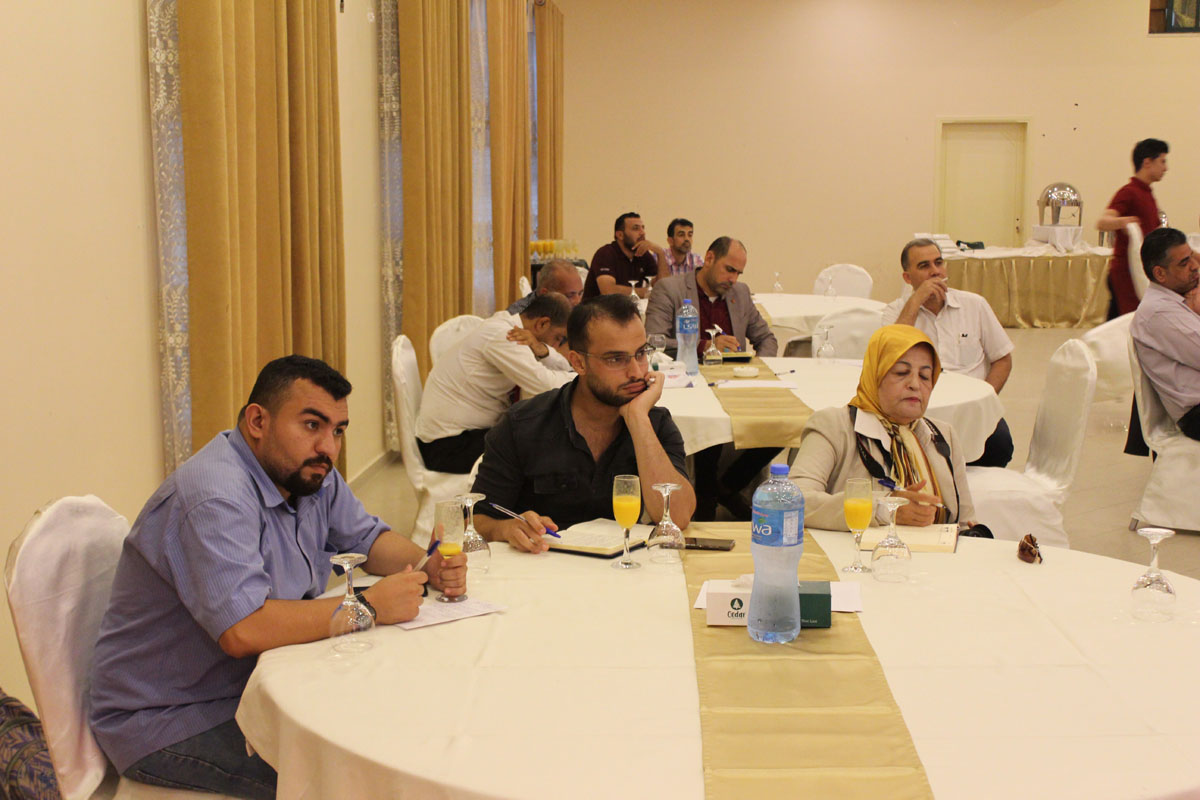
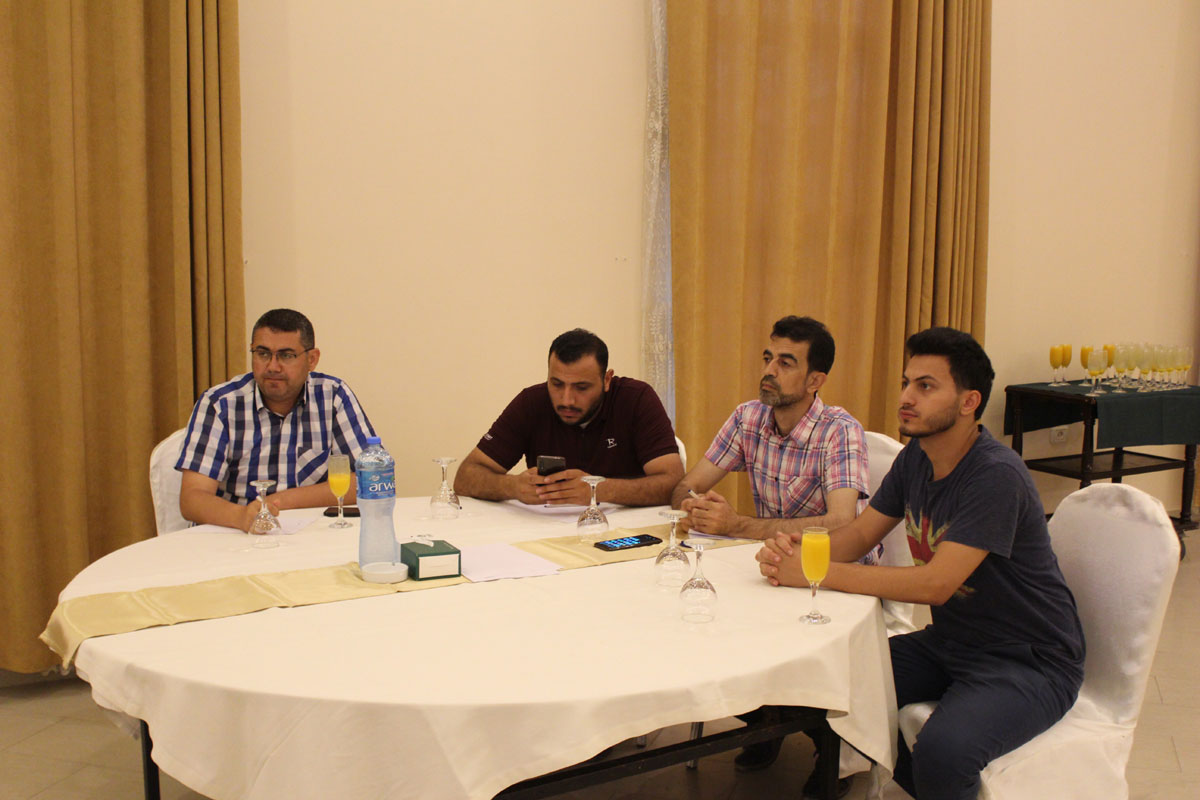
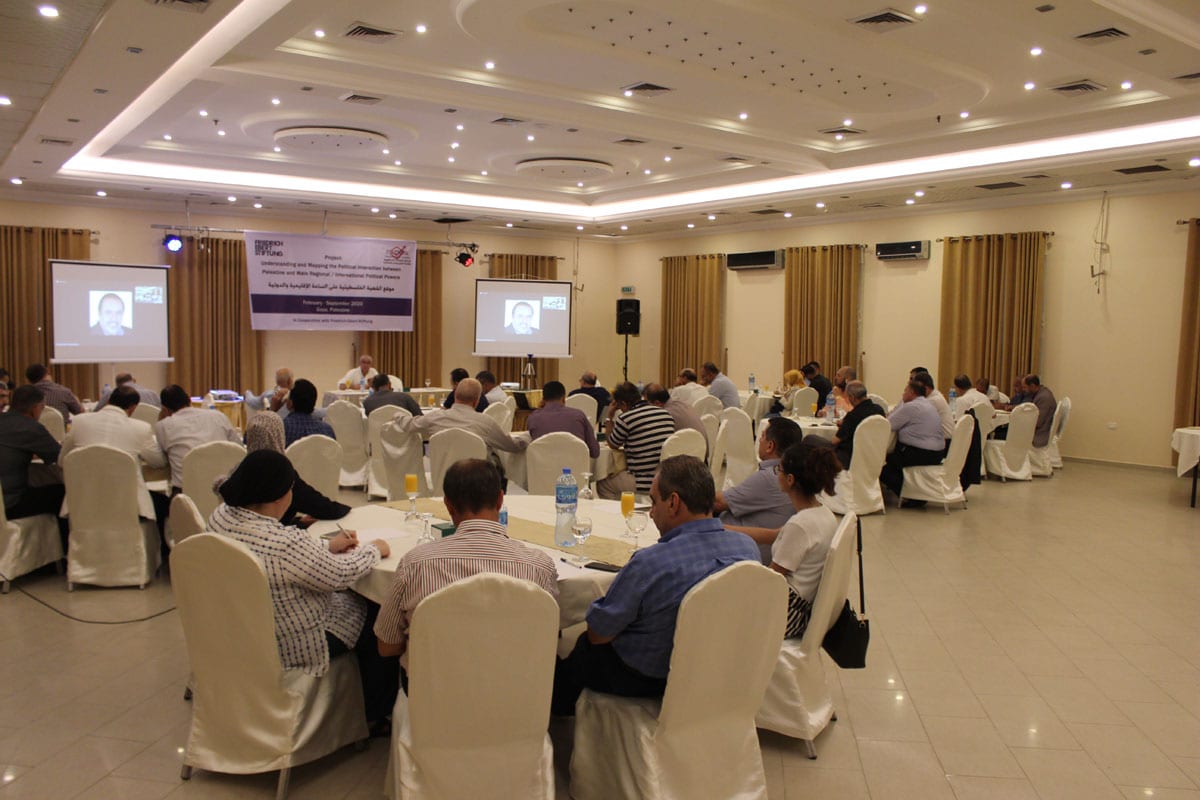
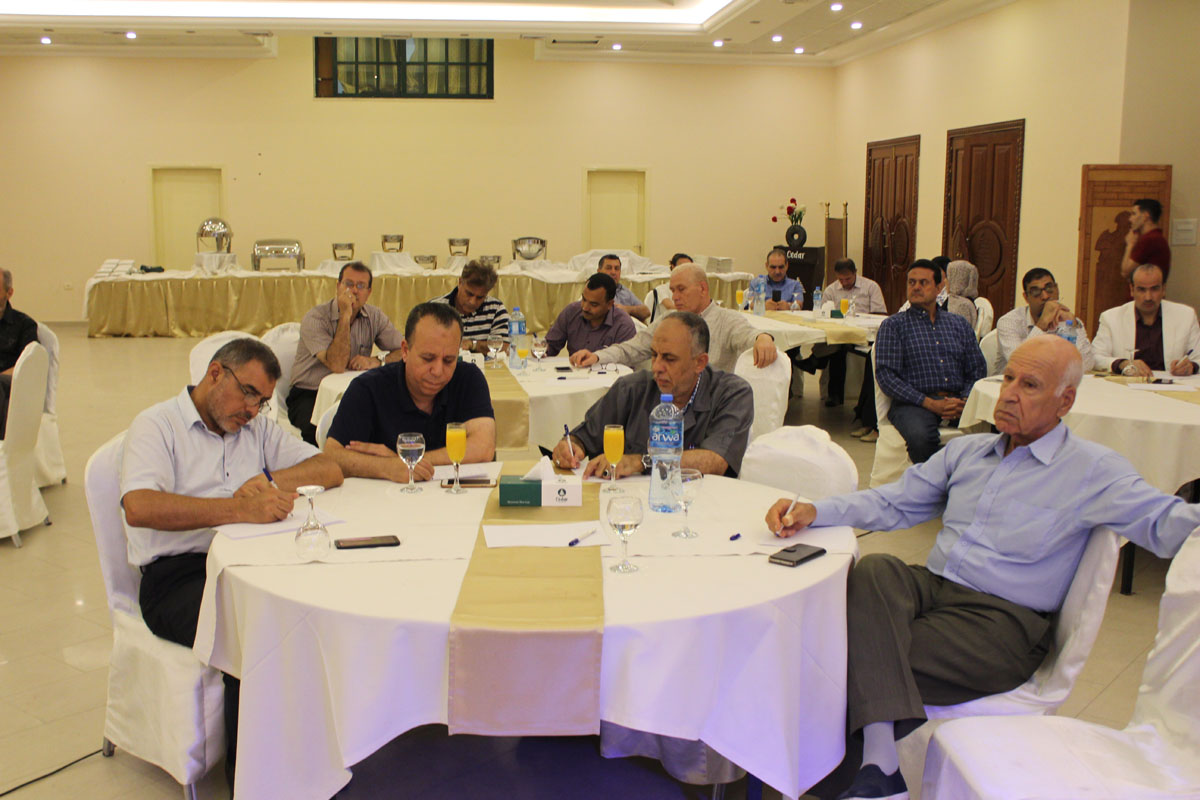
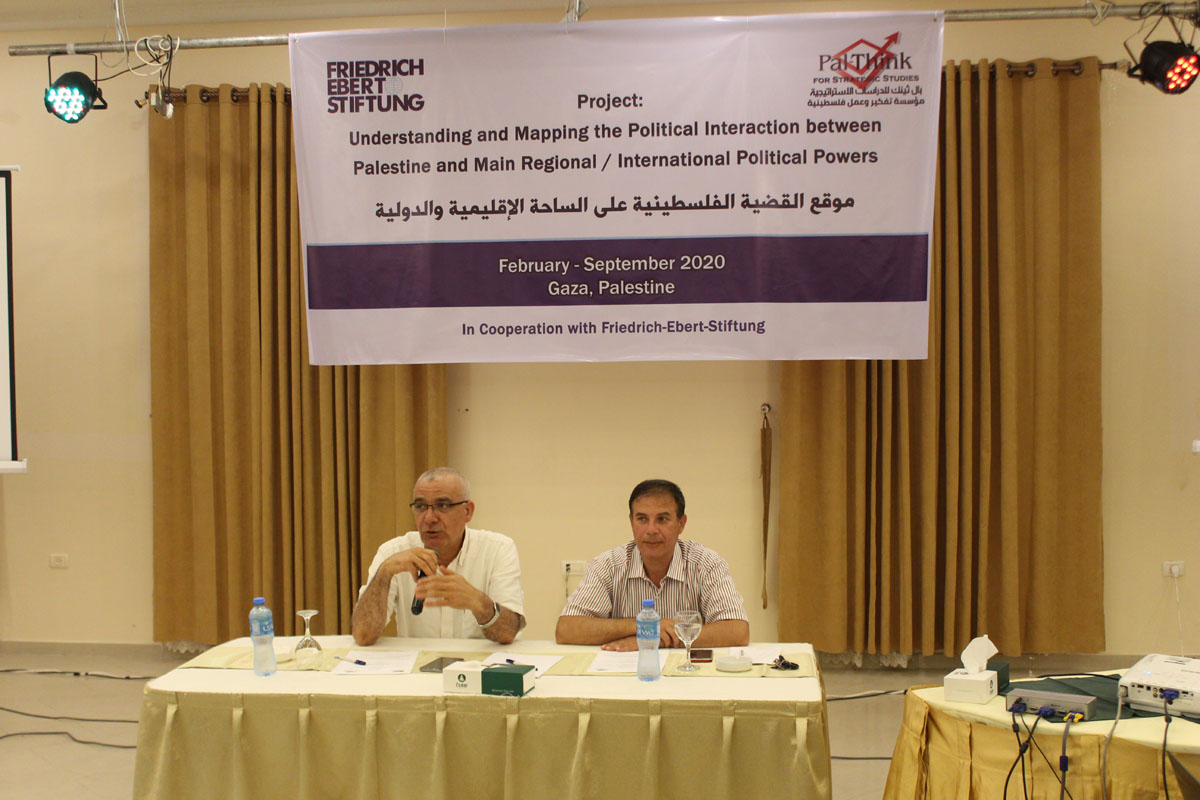
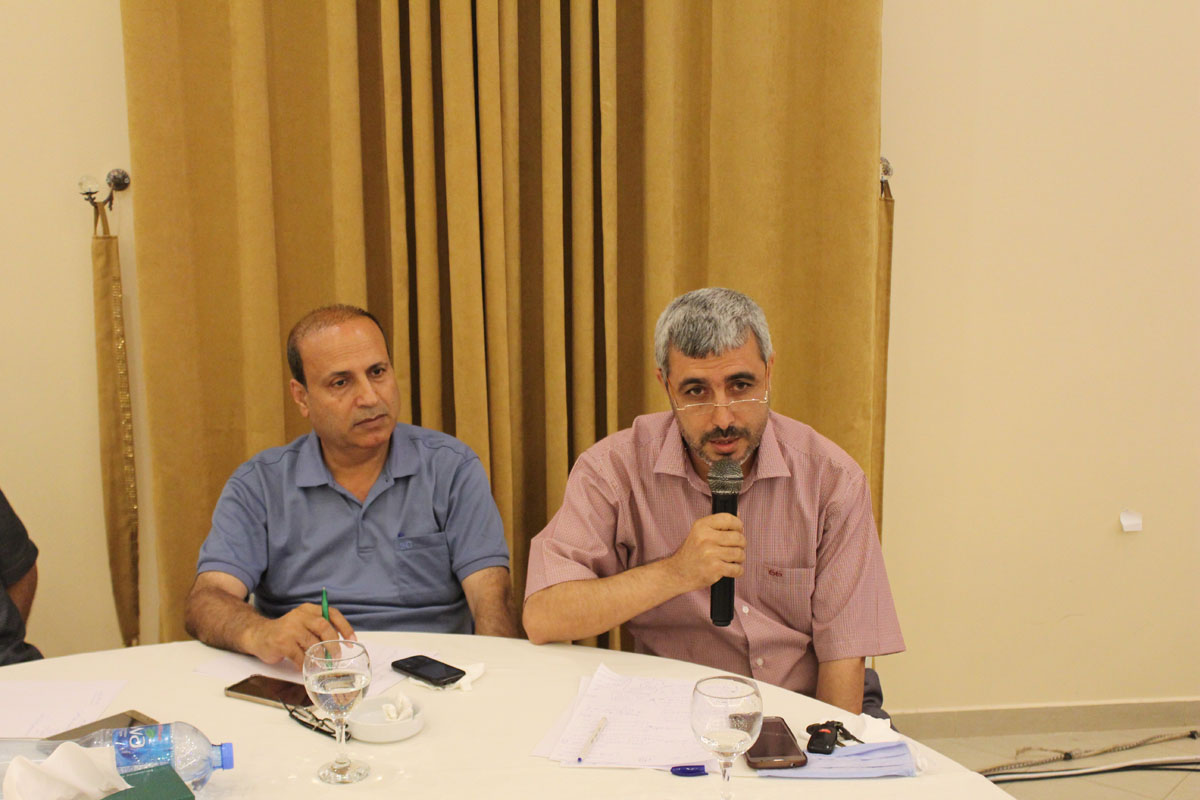
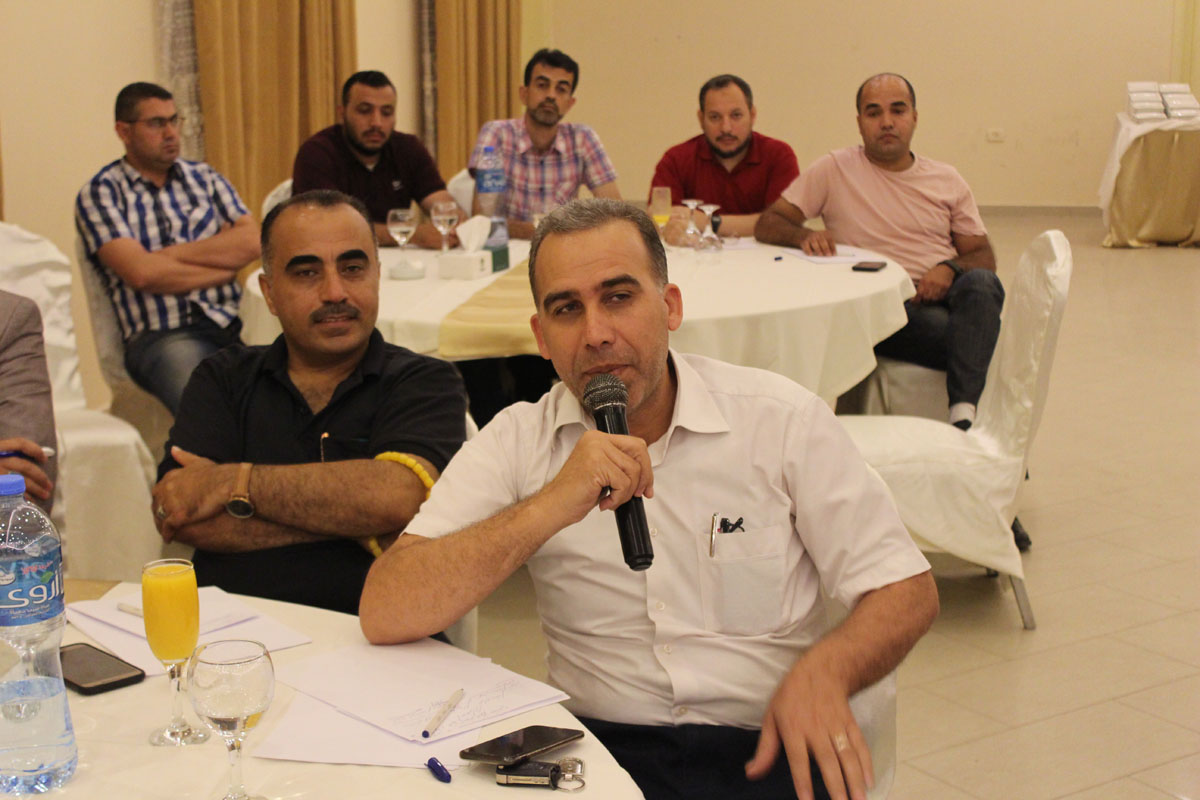
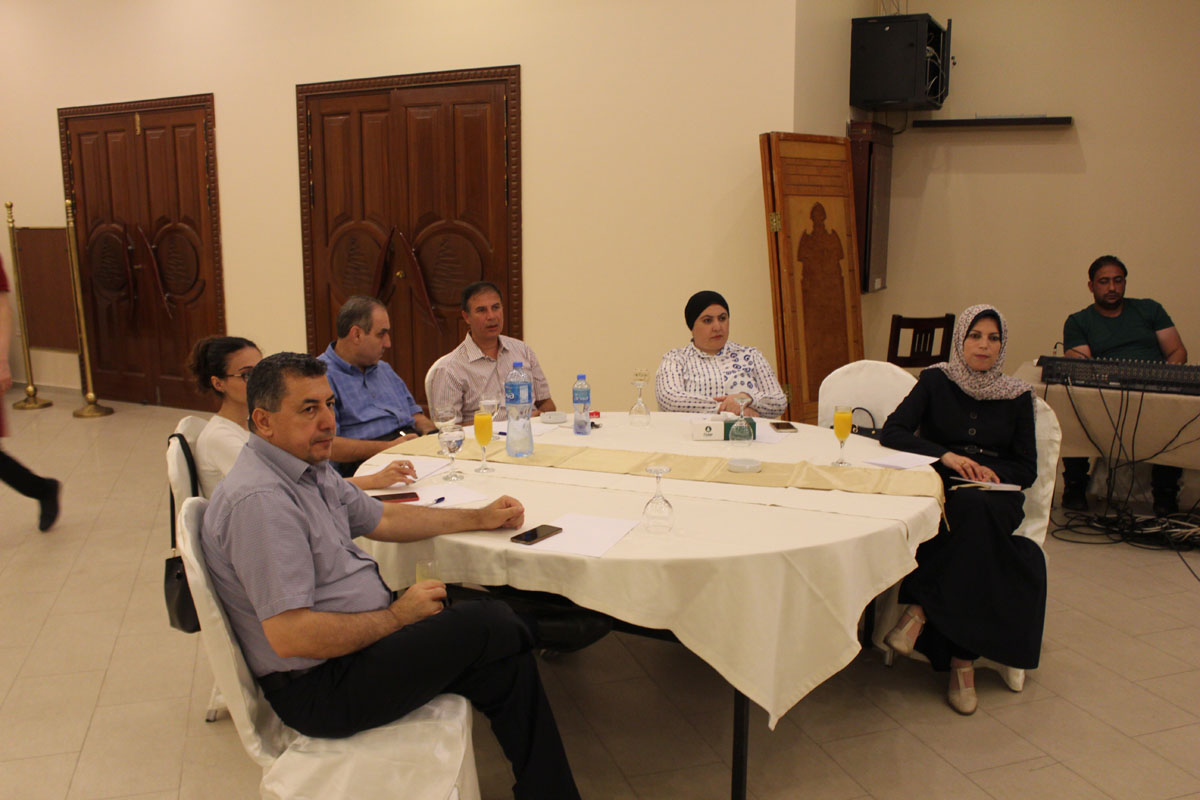
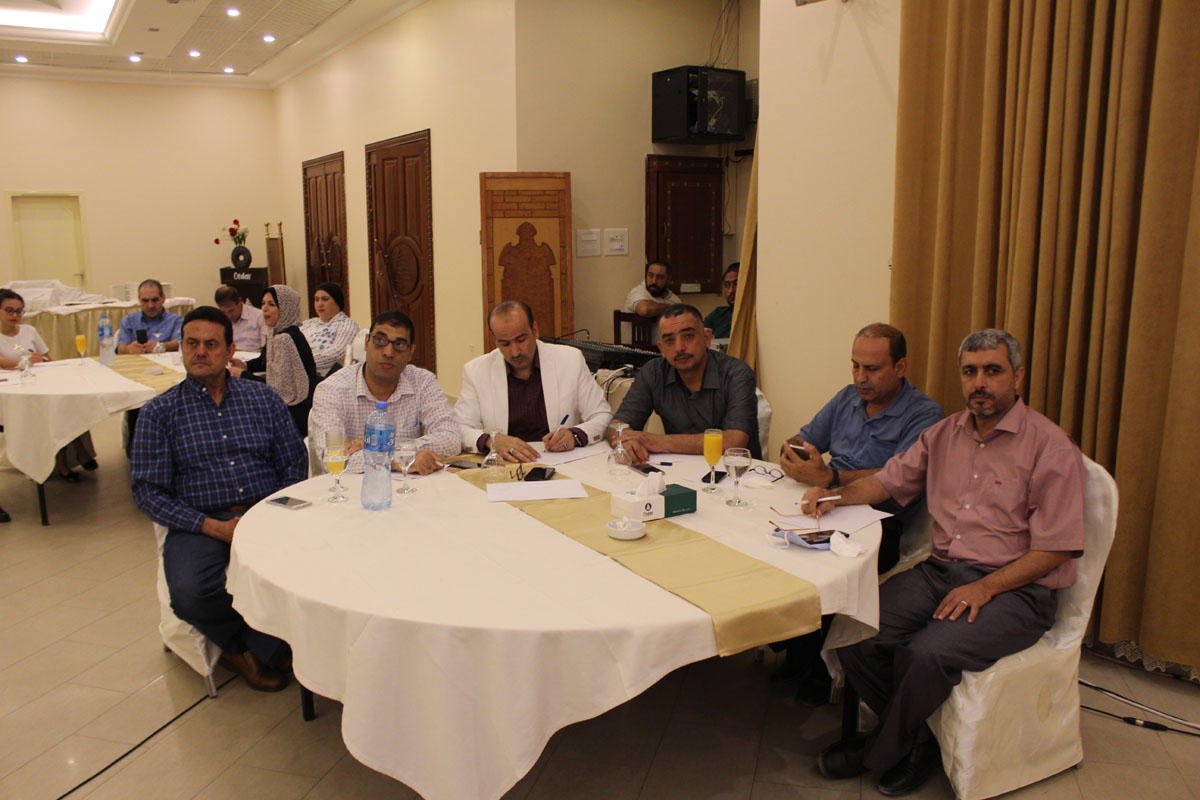
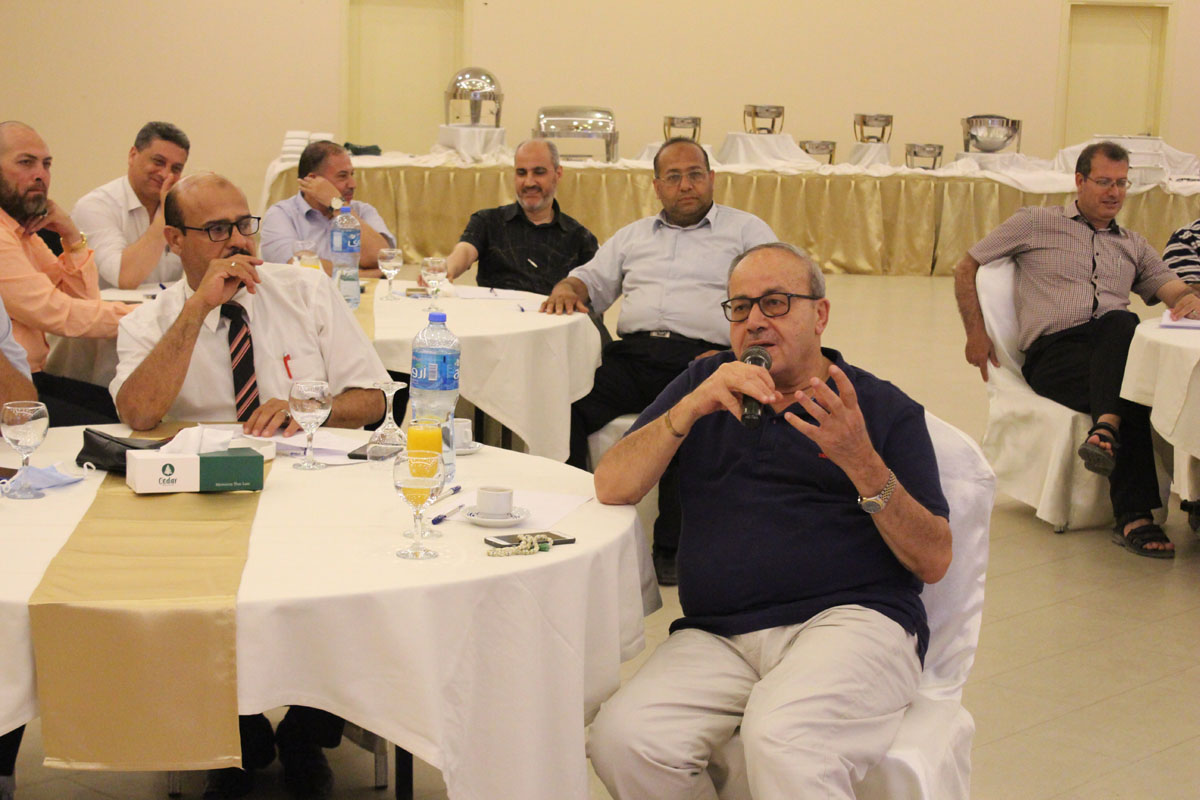
The Pal-Think for Strategic Studies institution, in partnership with the German Friedrich Ebert Foundation, organised a dialogue session titled “Jordan and the Israeli annexation plan.. the position and the repercussions”, hosting from Jordan via the Zoom programme Mr Oraib al-Rantawi, founder and director of the Al-Quds Center for Political Studies in Amman, with the attendance of an elite of writers, researchers, politicians, and youth, to strengthen the communal dialogue about the issues that concern the present and future of the Palestinian people.
The session was opened by the director of “Pal-Think”, Mr Omar Shaban, welcoming the attendees, and he said: the annexation plan has not been carried out and has not ended, and it still seizes the attention of decision-makers in America, Europe, Israel, the neighbouring Arab states, and Palestine of course. There is agreement that the Jordanian position was hard-line in its refusal of the plan, because Jordan is greatly harmed at the political and geographical level, since the collapse of the Palestinian state affects it directly — and I think one of the reasons that pushed the Israeli government to postpone the annexation, after the strength of the Palestinian position of refusal, was Jordan's position”.
In his turn, Dr Osama Antar, programmes director of the “Friedrich Ebert” foundation in the Gaza Strip, welcomed the attendees, and said: “The Israeli annexation plan, even if postponed, will be realised partially, and the most harmed after Palestine is Jordan; and knowing the Jordanian political and communal position is very important, to know how to unify the efforts in Jordan and in Palestine in order to stop the plan, and to limit its effect on the two-state solution, and on the Palestinian-Jordanian demographic composition.”
For his part, the director of the “Al-Quds” centre, Mr Oraib al-Rantawi, said: “There are several factors that push the decision-maker in Jordan to refuse the annexation plan, and these factors touch Jordan, its entity, and its future. Since the coming of King Abdullah there has been an understanding on Jordan's interests in the final solution, and this definition settled on: the arising of a Palestinian state with East Jerusalem as its capital serves not only the Palestinians but forms a first line of defence for Jordan's security and identity. It is the means of ending the schemes of some Israeli right-wingers to transform the conflict from being Palestinian–Israeli into Israeli–Jordanian.”
He added: “The deal of the century and its repercussions left Jordan alone in dealing with the file of the Palestinian refugees in Jordan, who are 4.4 million. Were it not for Jordan's efforts, we might have lost the battle of preserving UNRWA as a symbol of refuge and because it presents the services to the refugees. Another factor is the Hashemite custodianship of the holy places in Jerusalem, which is almost unable to perform its duties because of the Israeli policies. As for the annexation: it strikes the peace treaty that drew the borders between Israel and Jordan, with the exception of the borders between the two Banks, which were excluded for the final-solution negotiations. And agreement was reached on preserving their legal status until that moment.”
He continued: “Should the annexation take place, the Palestinian Authority may no longer remain able to complete its function and might collapse, and consequently we go to open scenarios: like an intifada, or military action, or social violence, or transfer, and perhaps the control of religious movements over the West Bank — and this is not welcomed in Amman. Also Jordan has wide experience in dealing with the successive American administrations, but what is new with the Trump administration is that it is biased not only toward the Israeli narrative but biased toward the narrative of the Israeli right, and this administration showed for the first time tolerance toward the infliction of harm on essential Jordanian interests. For the first time in Jordan's history its greatest threats come from the camp of the allies and not from the camp of the traditional adversaries — and this is a matter that does not repeat often in history, but it is happening now.”
He went on: “Add to that the state of Arab exposure that worries Jordan, especially as its role at the regional level has been retreating during the past years, and this is an element counted for the Jordanian position. We must pause at the sentence of the Jordanian king to the American Congress, namely Don’t take Jordan for granted — that is, do not take Jordan's position as guaranteed. This position was expressed practically: Jordan postponed the signing of the gas initiative in the East Mediterranean because of the atmosphere of the annexation and the deal of the century, and Jordan was able, by its diplomatic effort — resembling a beehive — to prevent Israel from using the Timna airport, which threatens the safety of the Aqaba airport.”
He added: “The Jordanian–Palestinian coordination is in its best days, and I do not recall it being so even in the February 1985 agreement — now the relations are open and the contacts are almost daily, and there are exchanged official visits.”
Al-Rantawi pointed out that there are demanded and necessary changes such as: Jordan's moving from dependency to self-reliance, and it must look inward and strengthen popular participation, and the election of a multi-party parliament, and the finding of a strong government.
He said: “As for what worries me, it is the position of the Emirates, because we know that the Emirates advances toward normalisation with Israel with real steps, since the Emirates and Israel are the two strongest economies and armies in the region, and enjoy the strongest relationship with the United States in the Middle East — and these are points that may lead to the weakening of Jordan's position. As for the cards of strength in Jordan's hand, they are many: Jordan has important friends in the United States, and the media and the institutions of decision-making and the institutions of public-opinion-making show great understanding of the Jordanian position. Most important, Jordan rests on a solid Palestinian position, since the Palestinians united in their refusal of the deal of the century despite their deep division. As for the holder of the strong popular position that presses toward Jordan's position on the annexation plan and the new American and Israeli policies, it is the tribes of Jordan. If Jordan is skilled in using them, and if it allows the people to express itself, matters will be decided.”
Al-Rantawi made clear that Jordan must do several things, the most important of which: looking to the Jordanian interior and playing the cards of strength, cementing the Palestinian–Jordanian relations, and intensifying the movement on the local and international arena.
He continued: “There is a world awakening against racism that began with the killing of George Floyd in America, and the Palestinians must exploit it as Sharon wanted to do when he wanted to place the Palestinians within international terrorism in 2001. There must be a conscious and aware Palestinian movement that uses the suitable instruments and the suitable discourse in confronting racism, enslavement, and occupation.”
He concluded by saying: “I think the Arab region after the corona pandemic will witness a new wave of the revolutions of the Arab Spring — the failed states will increase in failure, the states of sliding economy will slide, the gap between the rich and the poor will widen, the armies of the unemployed will expand, and poverty will spread more. It is clear that all the factors that ignited the revolutions of the Arab Spring are present.”
The attendees' questions turned on the Jordanian reactions should the annexation plan be implemented, the effect of the annexation plan on the Jordanian–Palestinian relations, and its effect on the Jordanian–American relations.