«Matching media-faculty education to the labour market»: episode seven of «Youth Participate»
Young Palestinians producing research papers under the Canada-funded «Promoting democratic participation of Palestinian youth» project continue presenting their work on the «Youth Participate» radio programme — this week on media education and the labour market.
- Date
- 2020-01-15
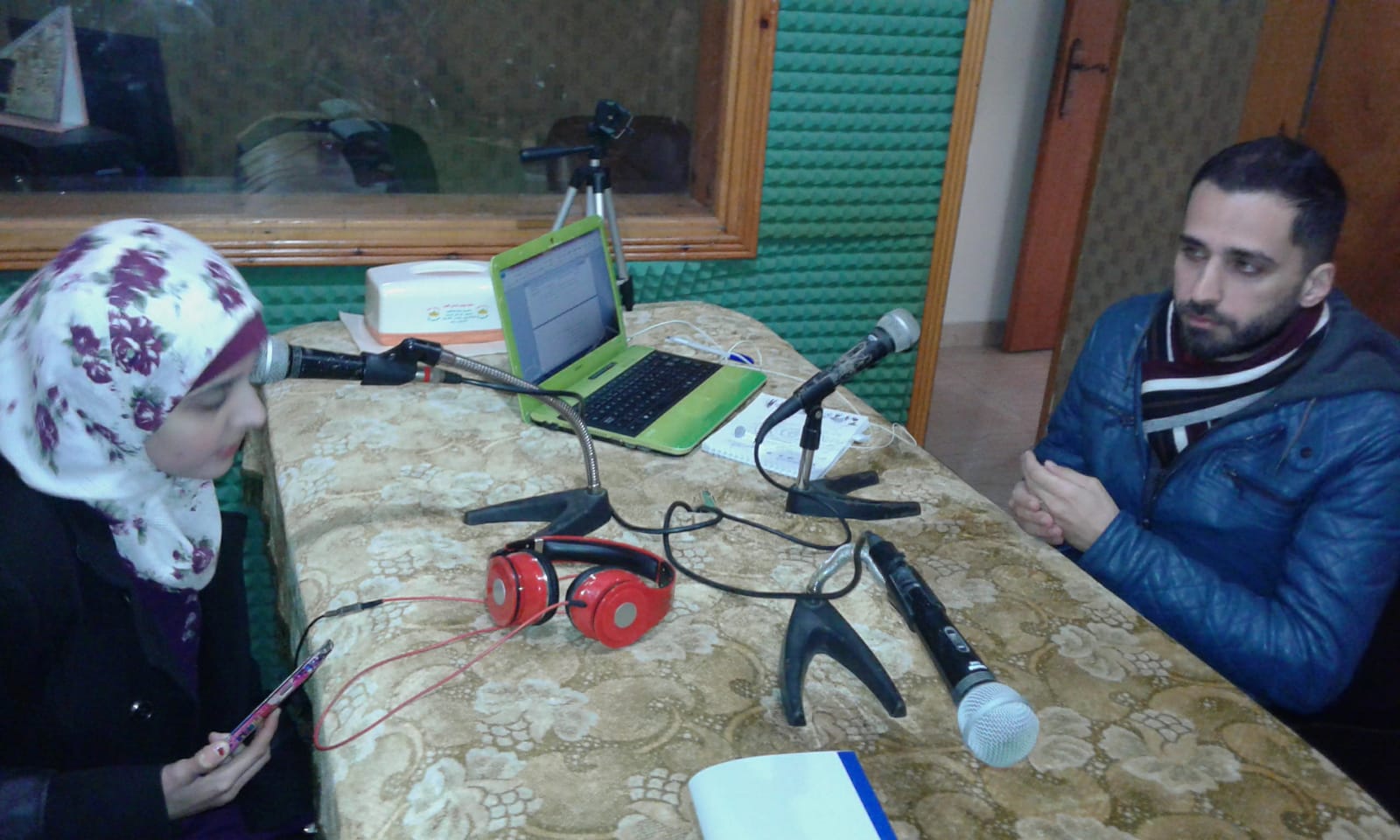
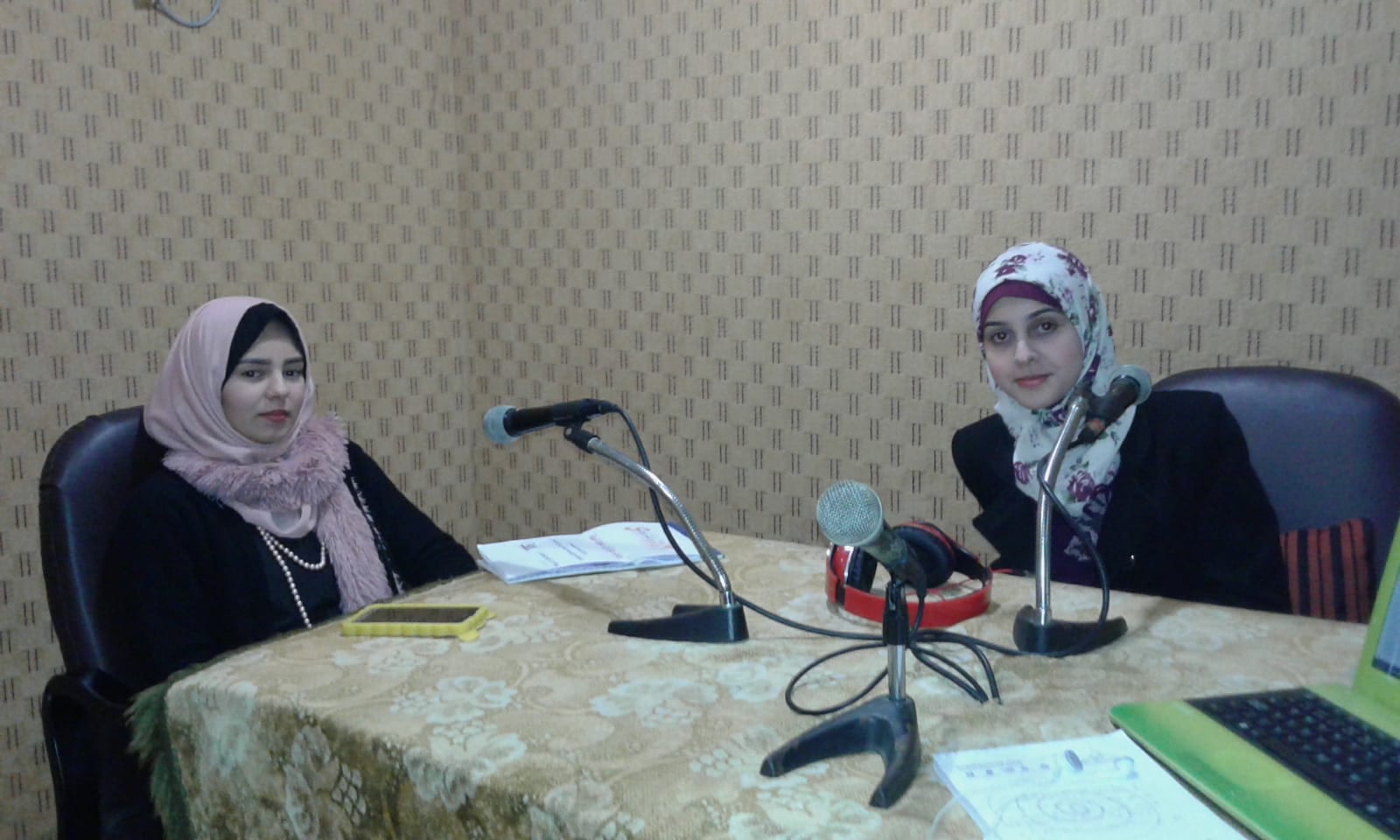
The Palestinian youth participating in preparing research papers, within the project “Strengthening the democratic participation of Palestinian youth” implemented by the Pal-Think for Strategic Studies institution and funded by the Government of Canada, continue presenting their papers through the radio programme “The youth participate”; in this week's episode the two young women Yasmin al-Duraimli and Nourhan al-Tabatibi reviewed their research paper titled “Toward aligning the outputs of education in the media faculties with the labour market”.
Al-Tabatibi began the talk on the media faculties' direction toward digital media, which she described as weak and insufficient — adding that what pushed them to take up this subject was their feeling of the necessity of a special attention to digital media and the importance of the media faculties developing their courses, given the development of the tools and means in the labour market and the world's heading toward the new media.
From her side, al-Duraimli completed the presentation of the subject with her talk about case studies worked on within the paper through conducting interviews with academics on the universities' vision in providing an educational environment able to hone the students' skills and prepare them according to the requirements of the local market in conformity with the age's development. She made clear that, through polling the opinions of the students in the universities on the obstacles facing the alignment of the faculty's outputs with the labour market, their views centred on the weakness of the universities' capacities and funding, in addition to the blockade. The two young women affirmed that there is a great gap between the faculties' visions and what they present on the ground of courses and skills the student needs in order to integrate into the labour market — what actually happens is training the student in the traditional media, and it is clear this is not what the graduate needs, which compels the student to head to educational and training centres, and this costs him doubled effort and money alongside what university education costs him; so the graduates have come to collide with the problem of unemployment, which forces them to accept jobs below their level and educational qualification or not suited to their specialisation and ambition.
In a telephone intervention, the journalist at the Reuters agency and lecturer at the media faculty of the University of Palestine, Fadi Shanaa, related that the media faculties still focus on theoretical education instead of practical education, which creates a shock for the faculty's graduates upon their contact with the labour market, and this impedes their integration into it — describing the educational courses in the universities as sterile, which the universities must reconsider and replace with courses that meet the market's requirements in a professional and practical way. He noted that the problem is widespread in all the faculties in Palestine, and they must re-crystallise the strategic plans so that they suit the needs of the labour market and become developmental plans.