Seminar: «The latest developments in Turkey and their consequences for the region and the Palestinian question»
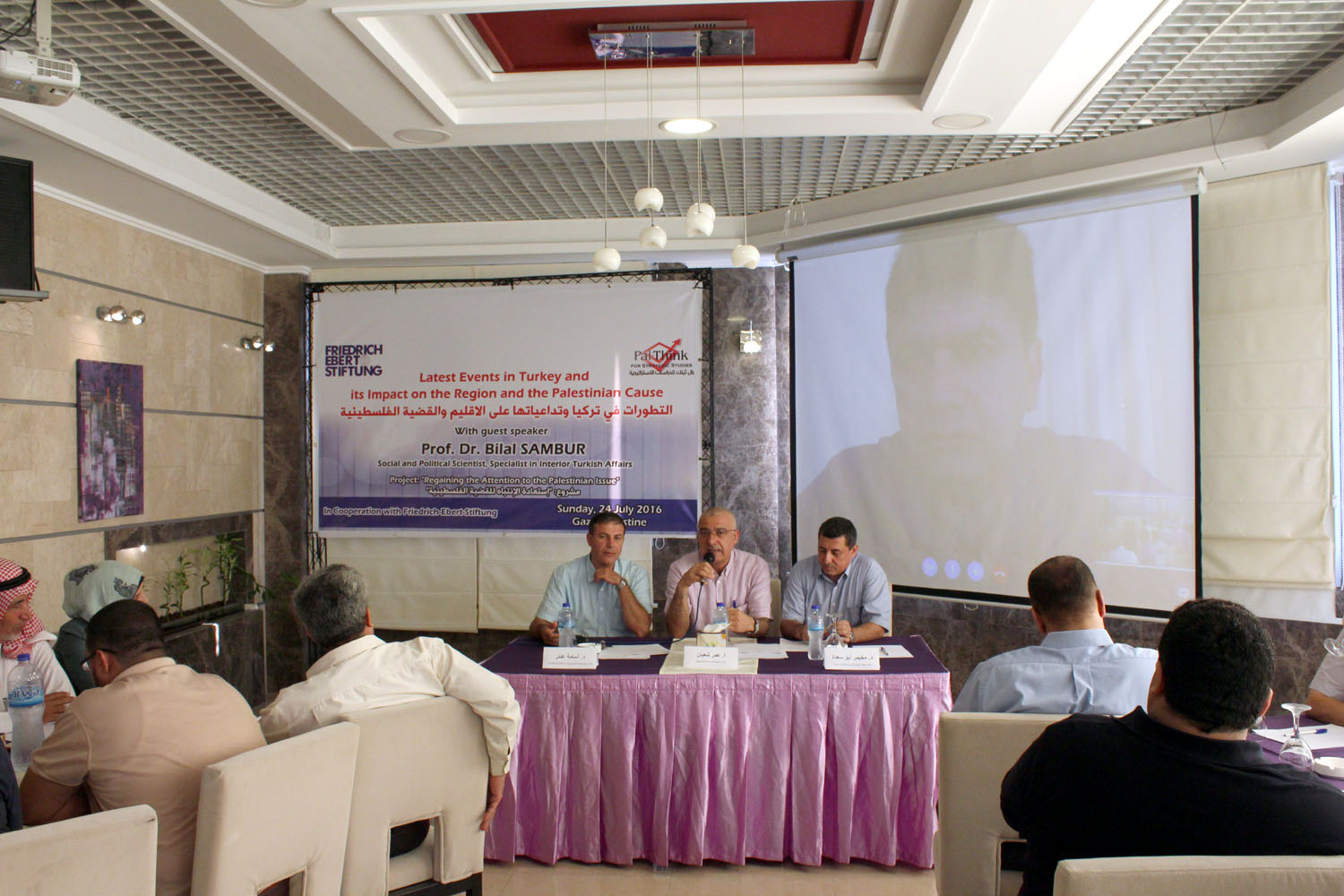
True to its philosophy as an independent, non-ideological Palestinian think-tank, Pal-Think with the Friedrich Ebert Foundation held a seminar on the latest developments in Turkey and their consequences for the region and the Palestinian question.
- Date
- 2016-07-26
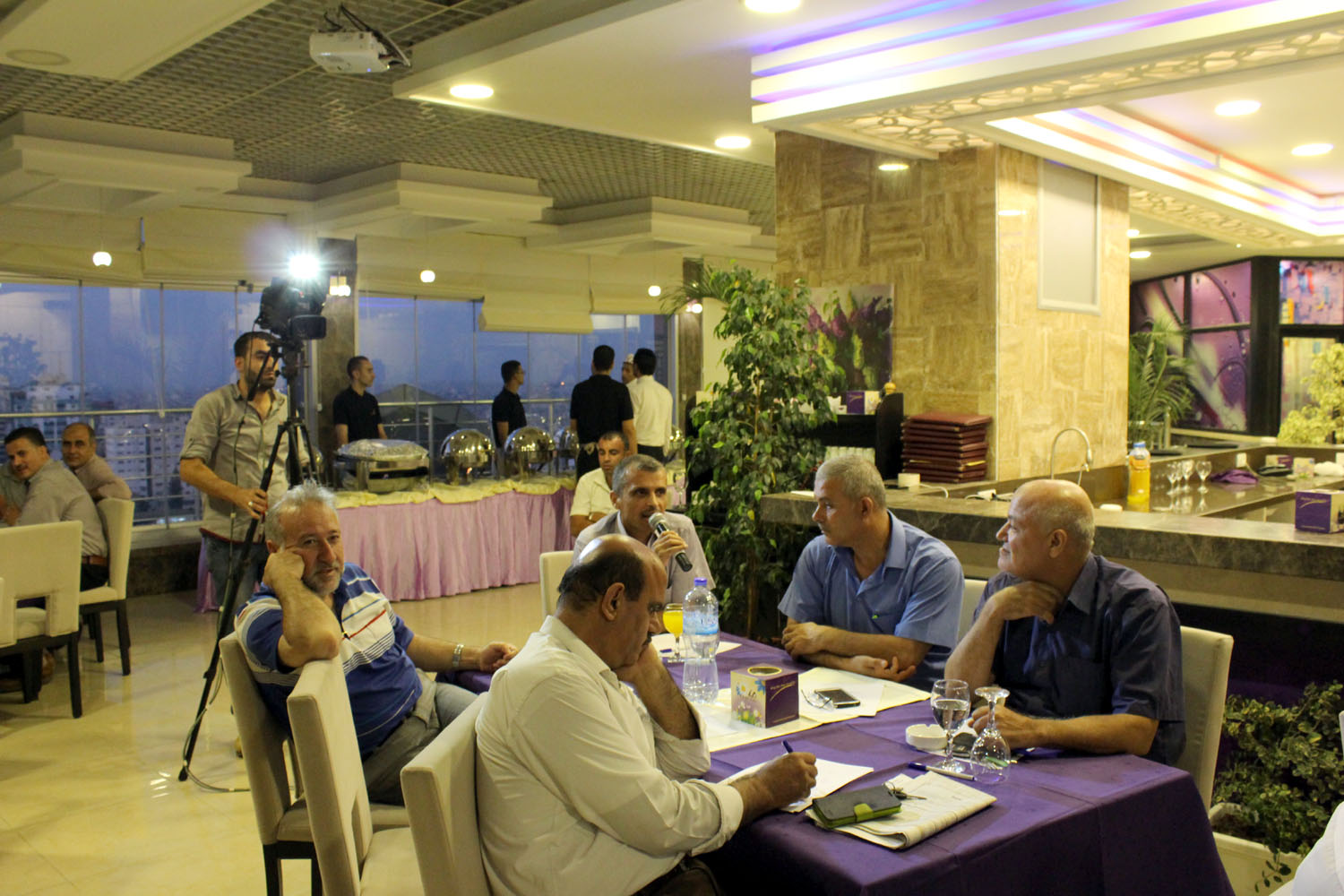
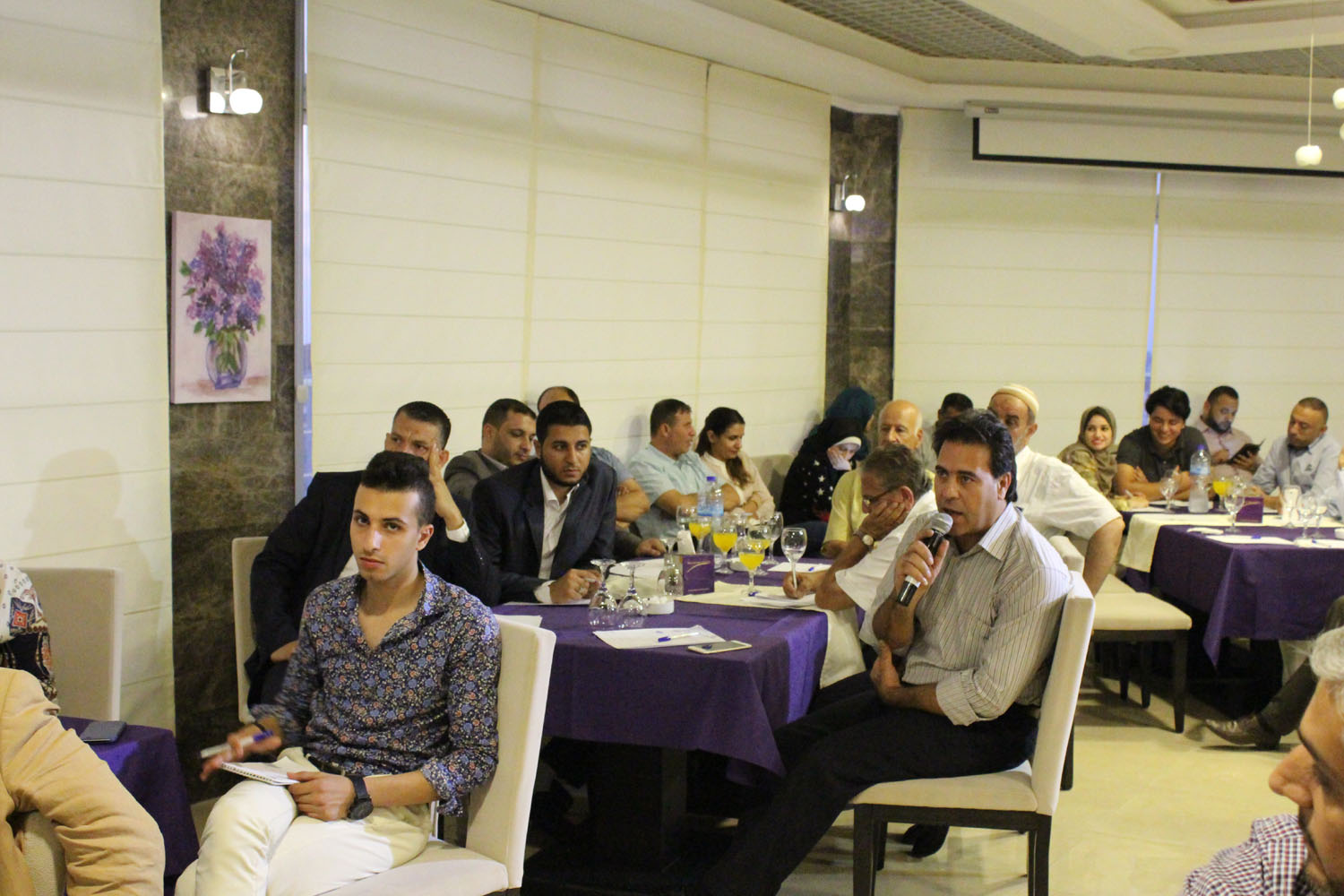
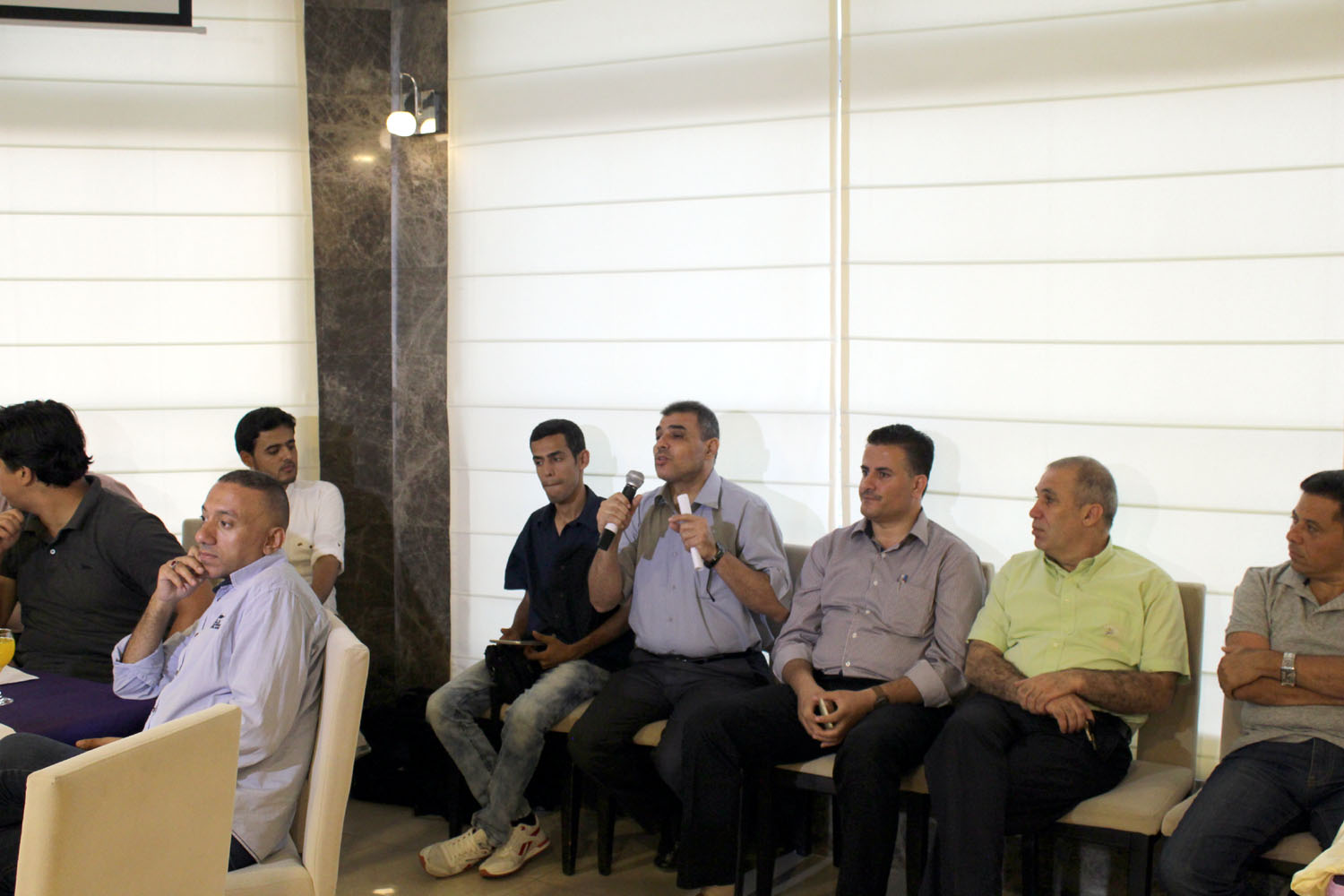
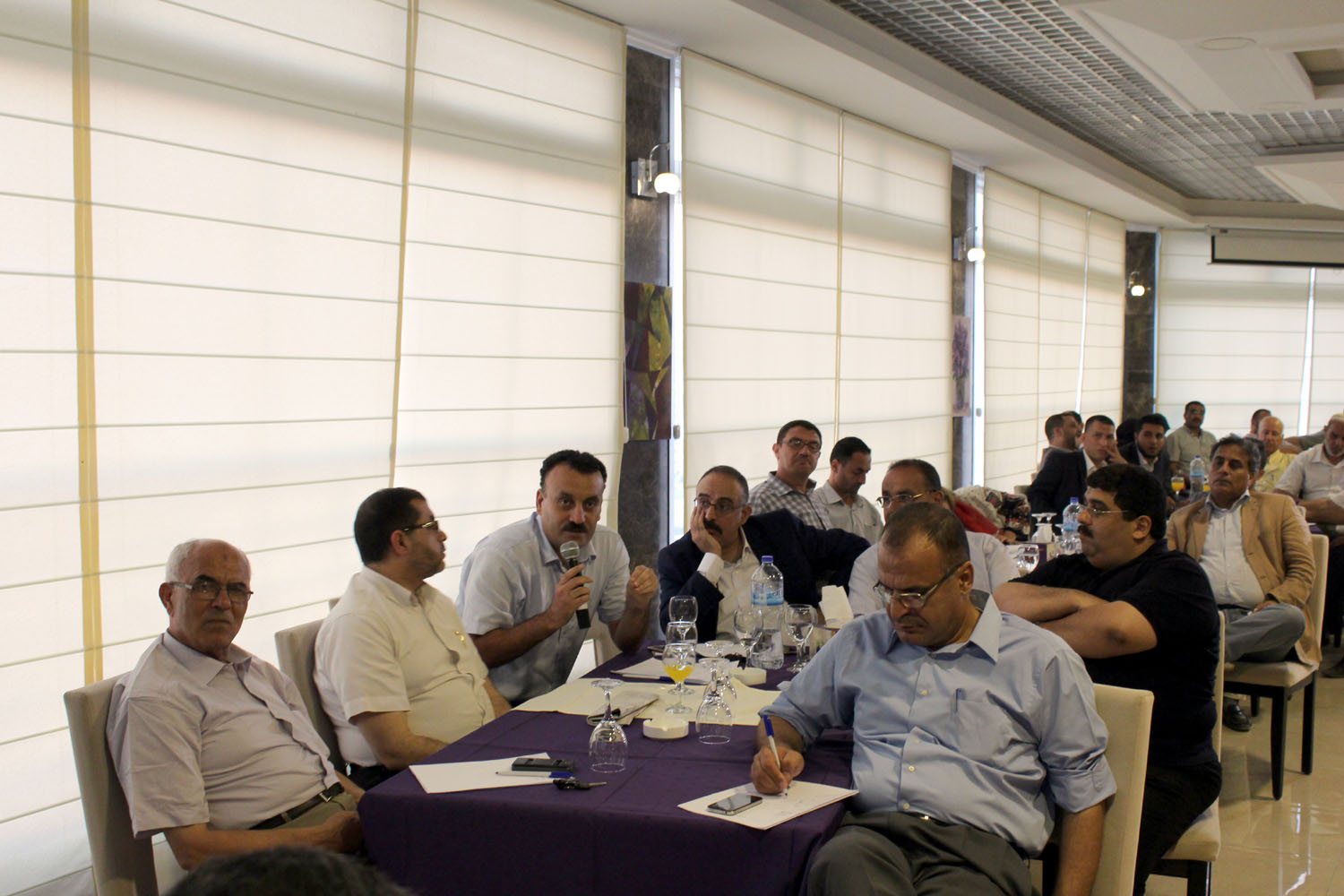
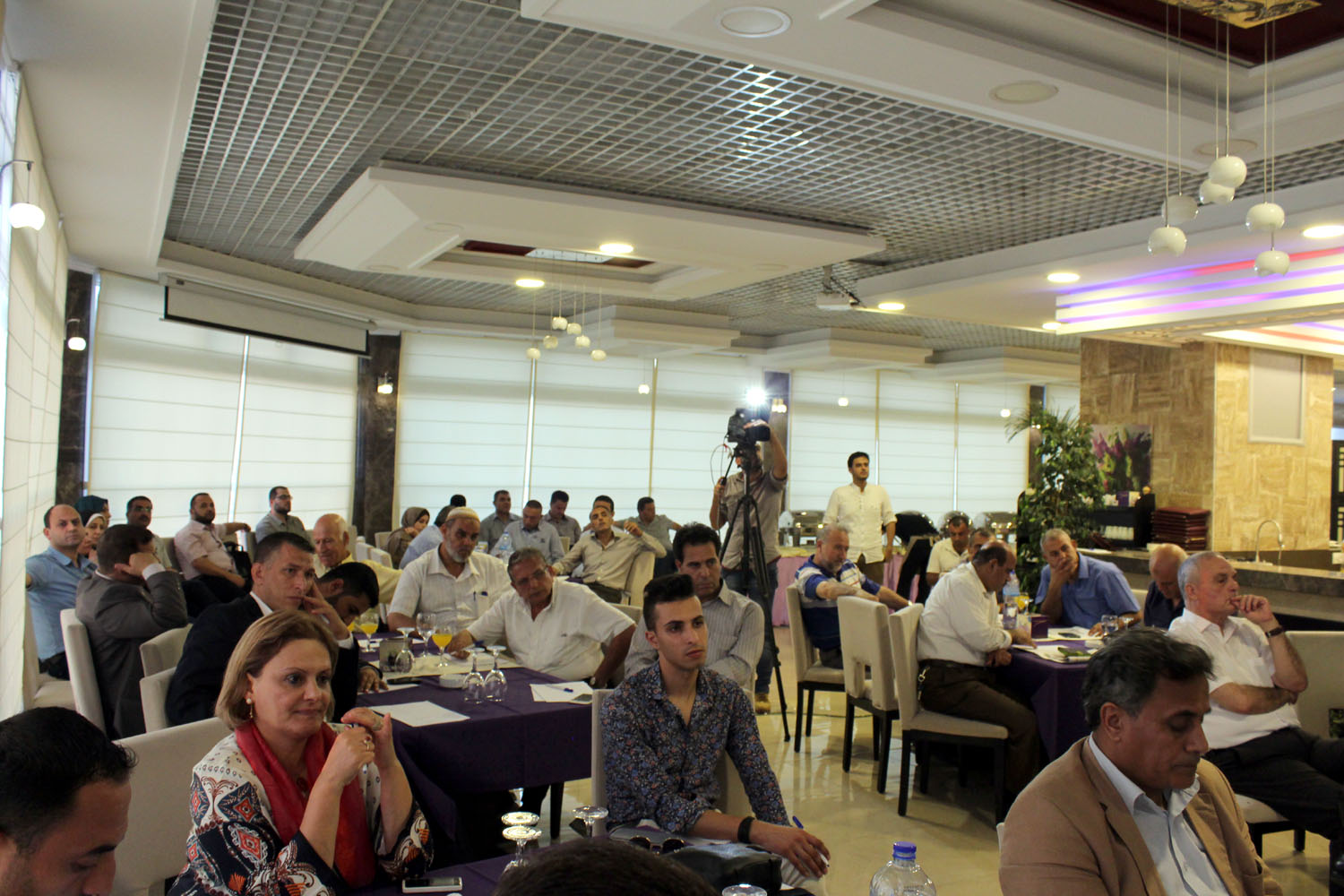
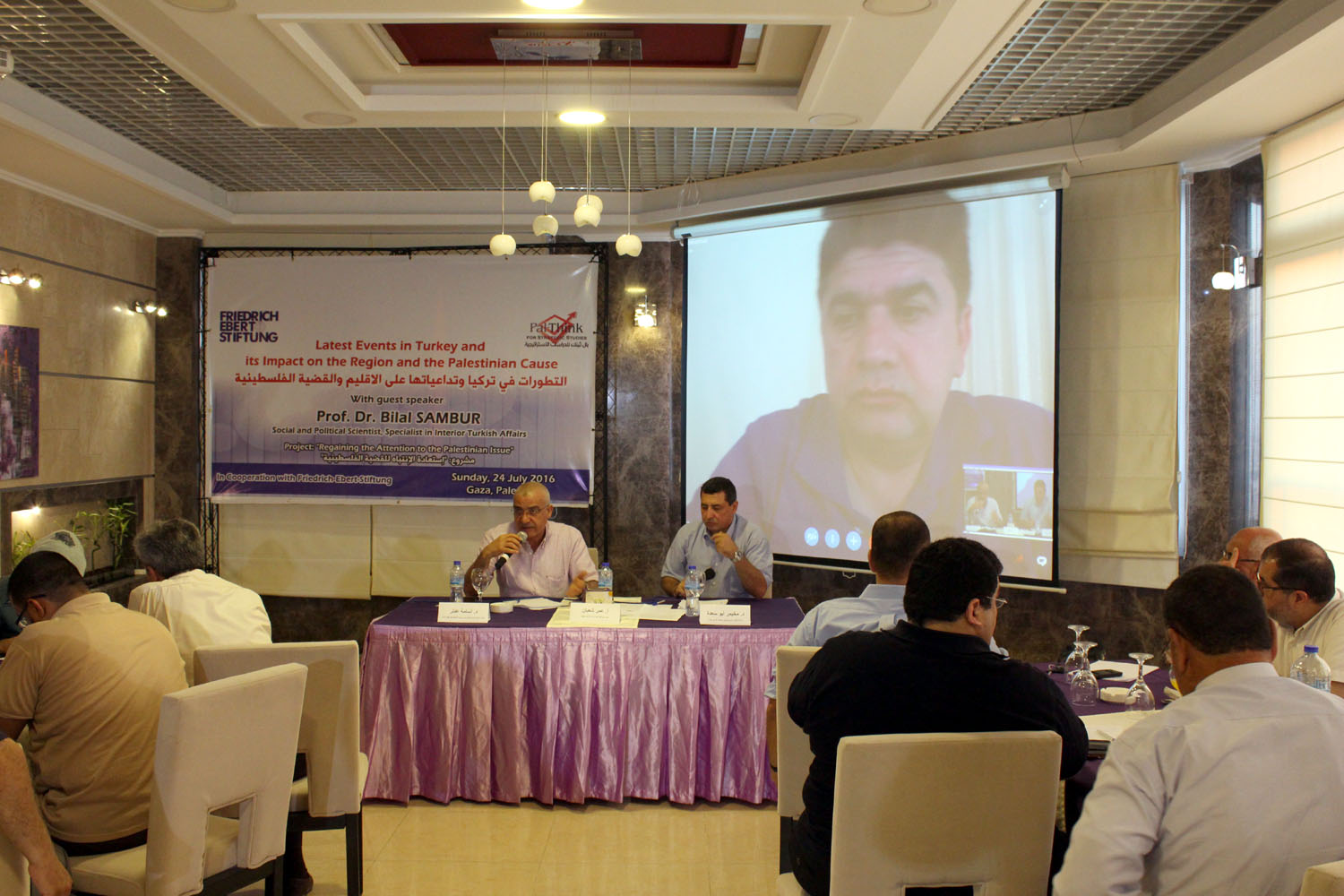
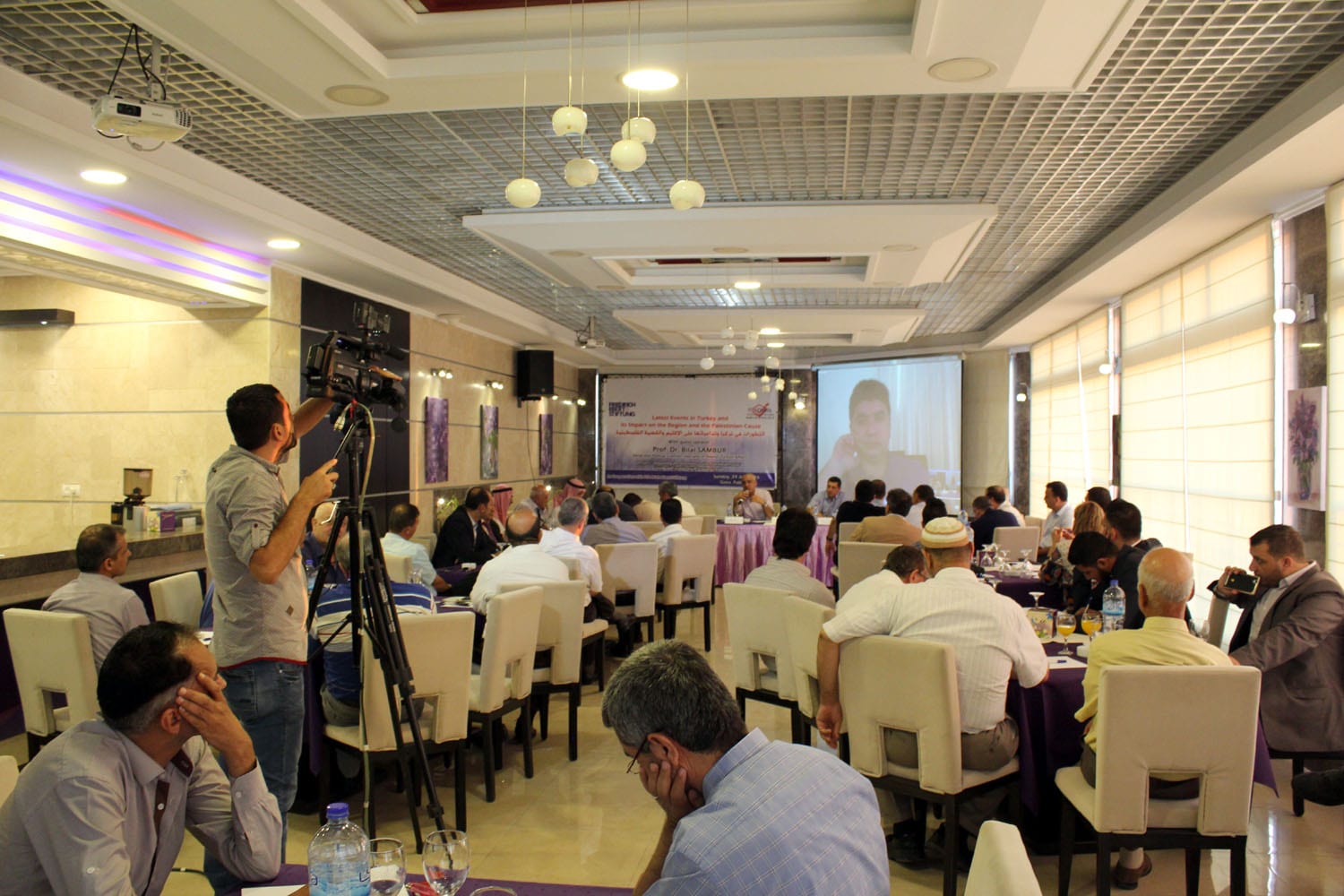
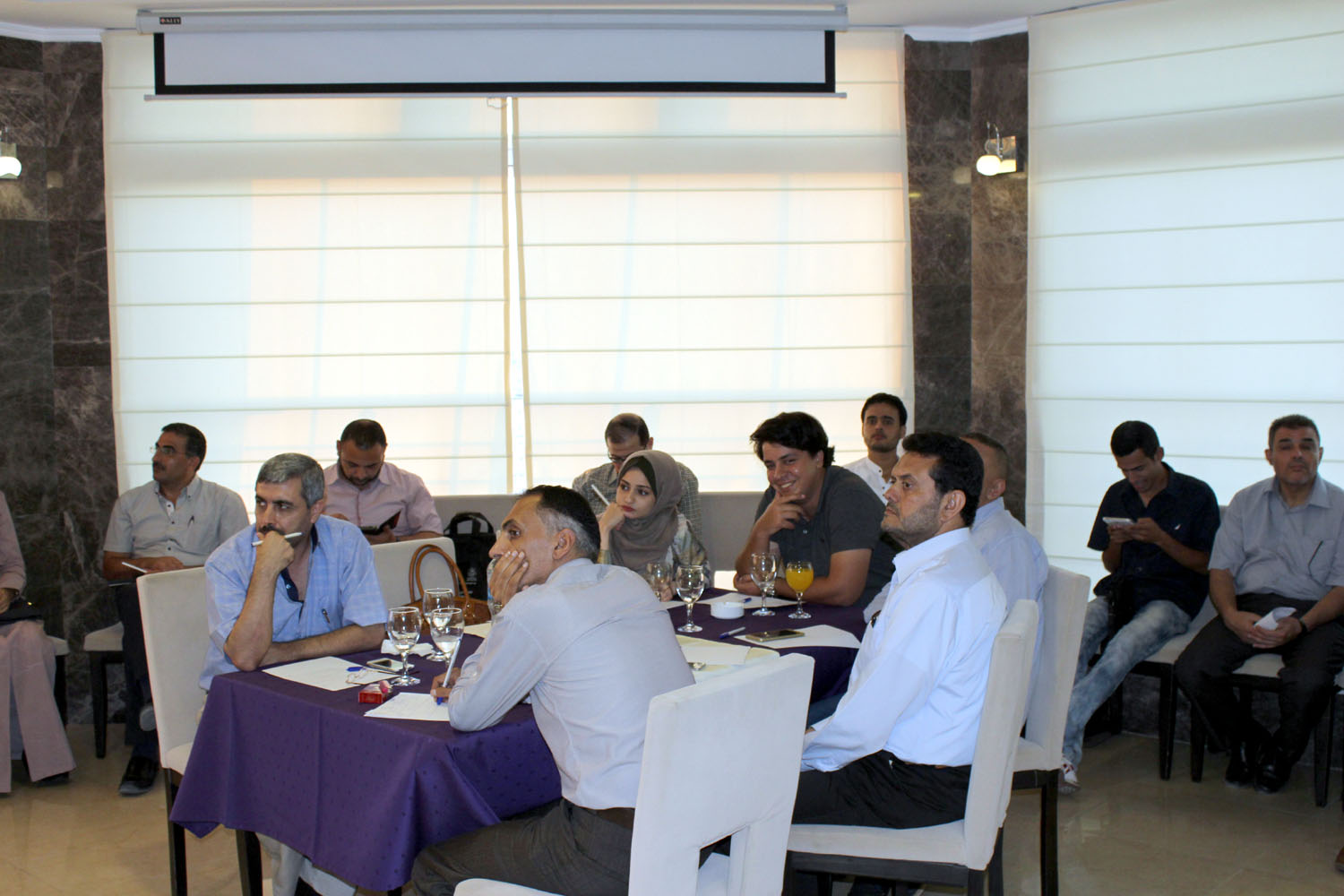
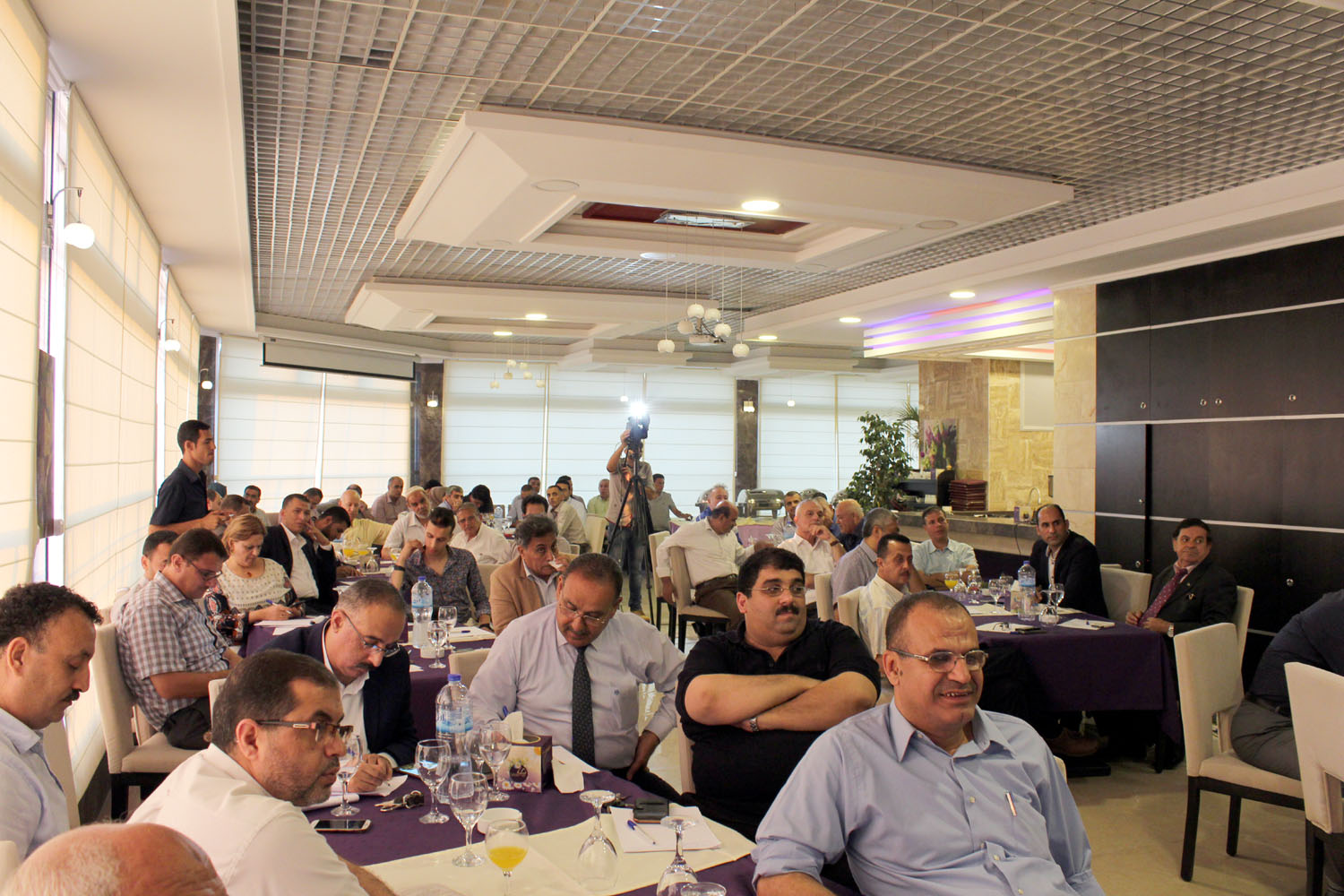
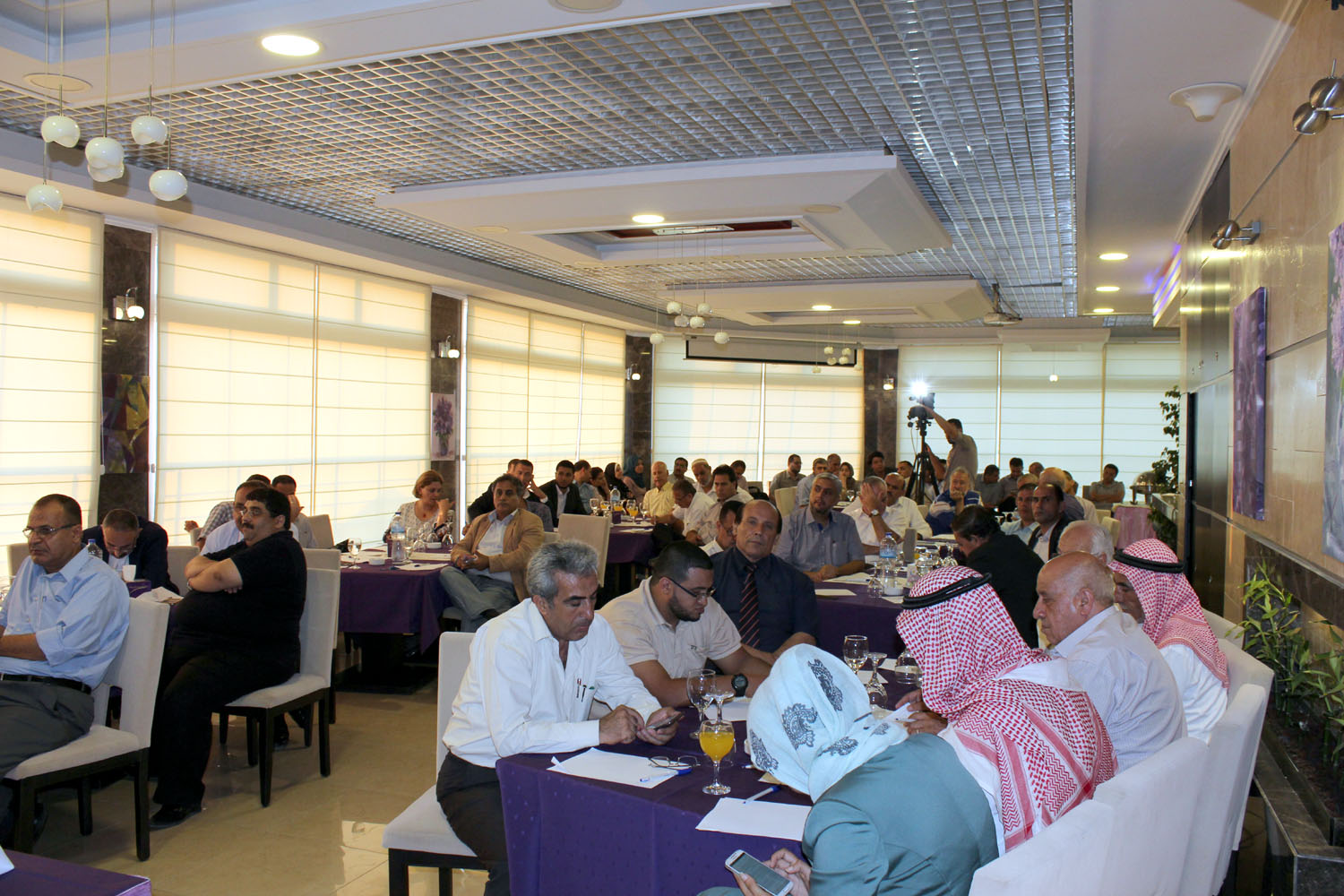
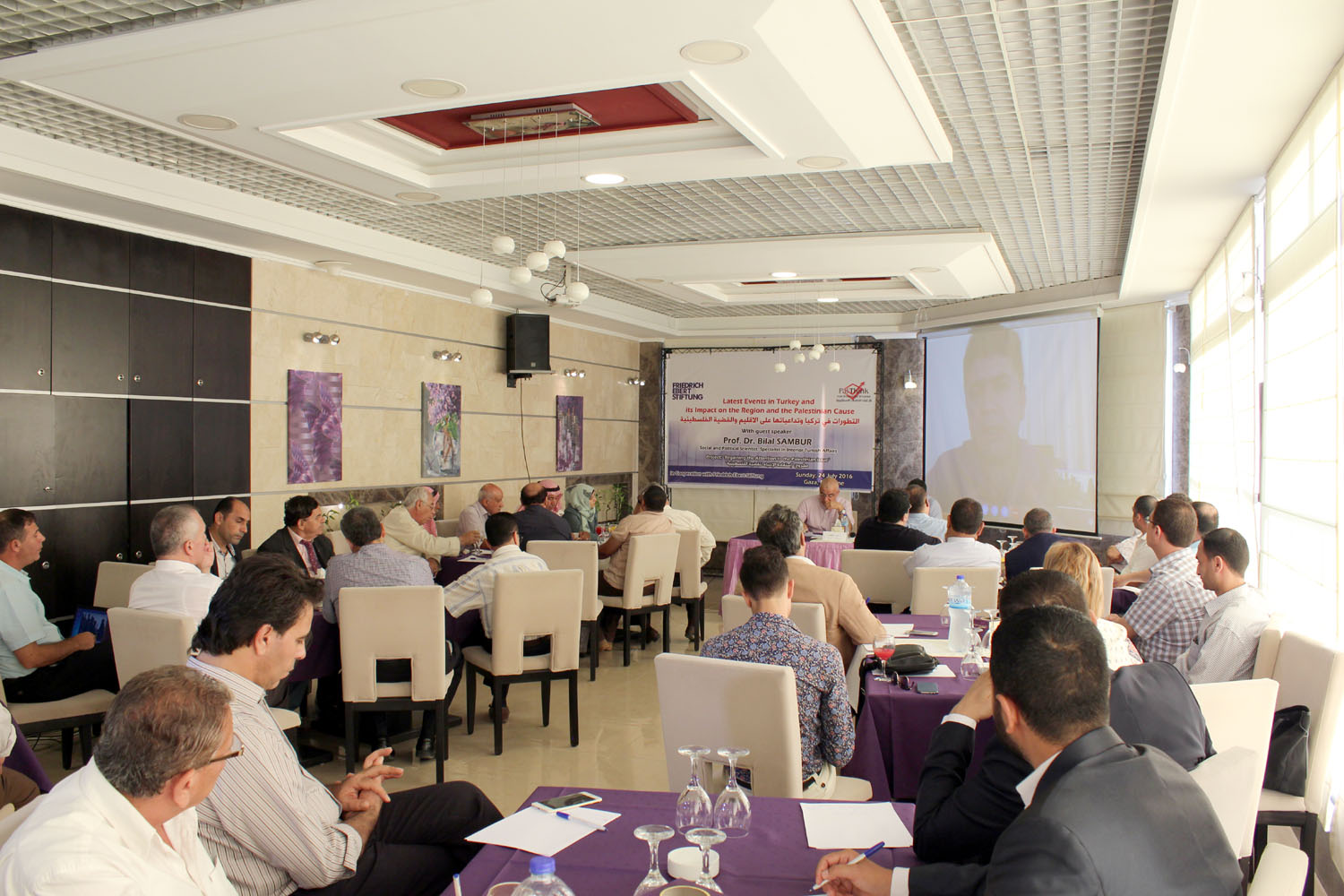
In continuation of the philosophy of Pal-Think for Strategic Studies as an independent Palestinian think tank attending to the Palestinian affair internally and externally in a professional, independent manner without a prior ideology, Pal-Think for Strategic Studies, in cooperation with the German Friedrich Ebert foundation, organised a discussion seminar titled “The recent developments in Turkey and their repercussions on the region and the Palestinian cause”. The seminar hosted Dr Bilal Sambur, professor of political science and religions at Yildirim Beyazit University in Turkey, speaking via Skype from Ankara, and the workshop was moderated by Dr Mukhaimer Abu Saada, professor of political science at al-Azhar University in Gaza, with dense participation from the various strata of society — researchers, academics, politicians, businessmen, and young activists.
The seminar was opened by both Mr Omar Shaban, director of Pal-Think for Strategic Studies, and Dr Osama Antar, Gaza Strip programmes director at the German Friedrich Ebert foundation, welcoming the attendees and thanking Dr Sambur for his participation in this seminar, and affirming Turkey's role in supporting the Palestinian people and the Palestinian cause.
Dr Sambur presented a historical background on the political context in Turkey, where he said that there are three active factors in modern Turkey: “the Turkish republic founded by Kemal Atatürk, the Justice and Development Party representing political Islam, and the other groups” — making clear that the interaction of these three elements, whether in alliance or in contradiction, is what has shaped Turkey's political history in the last hundred years.
Dr Sambur said that the Turkish people are still under the shock of the failed coup attempt and the details of what happened are not yet clear. Dr Sambur thinks that the Fethullah Gülen movement, which bears hostility to President Erdogan, has a direct relation to the coup, and despite Fethullah's denial of his relation to the coup, generals in the army admitted that he is in relation with them — but the coup-makers failed because of the Turkish people's support for Erdogan and the Turkish people's keenness on strengthening democracy and not returning to military rule.
Regarding the failure to reach an alliance between Fethullah Gülen and Erdogan, Dr Sambur made clear that there had been attempts by Erdogan and the Justice and Development Party at conciliation, but Gülen kept refusing because he believes his position to be loftier and higher than Erdogan's. As for what relates to Turkey's relation with Russia, he made clear that the two pilots who downed the Russian plane were arrested, and he believes there will be a meeting between Putin and Erdogan during the coming month to try to improve the relations with Russia.
Regarding the vitality of the Fethullah Gülen movement in public relations, he explained that this movement has two faces, a sunny face and a dark face. The sunny face: it has a relation to education, networking, humanitarian aid, and social work. While the dark face has a connection in its relation with the army, the judiciary, and the state's institutions. He believes that after 15 July the Fethullah Gülen movement will be dealt with in a new way, such that it will not be allowed to have relations and connections with the army and the judiciary.
Dr Sambur also affirmed that the Turkish support for the Palestinian cause is a matter not subject to the partisan calculations, as they do not consider the Palestinian cause a foreign-policy issue so much as it is part of Turkey's social and domestic issues — and Turkey cannot retreat in supporting the Palestinian cause and the Palestinians.