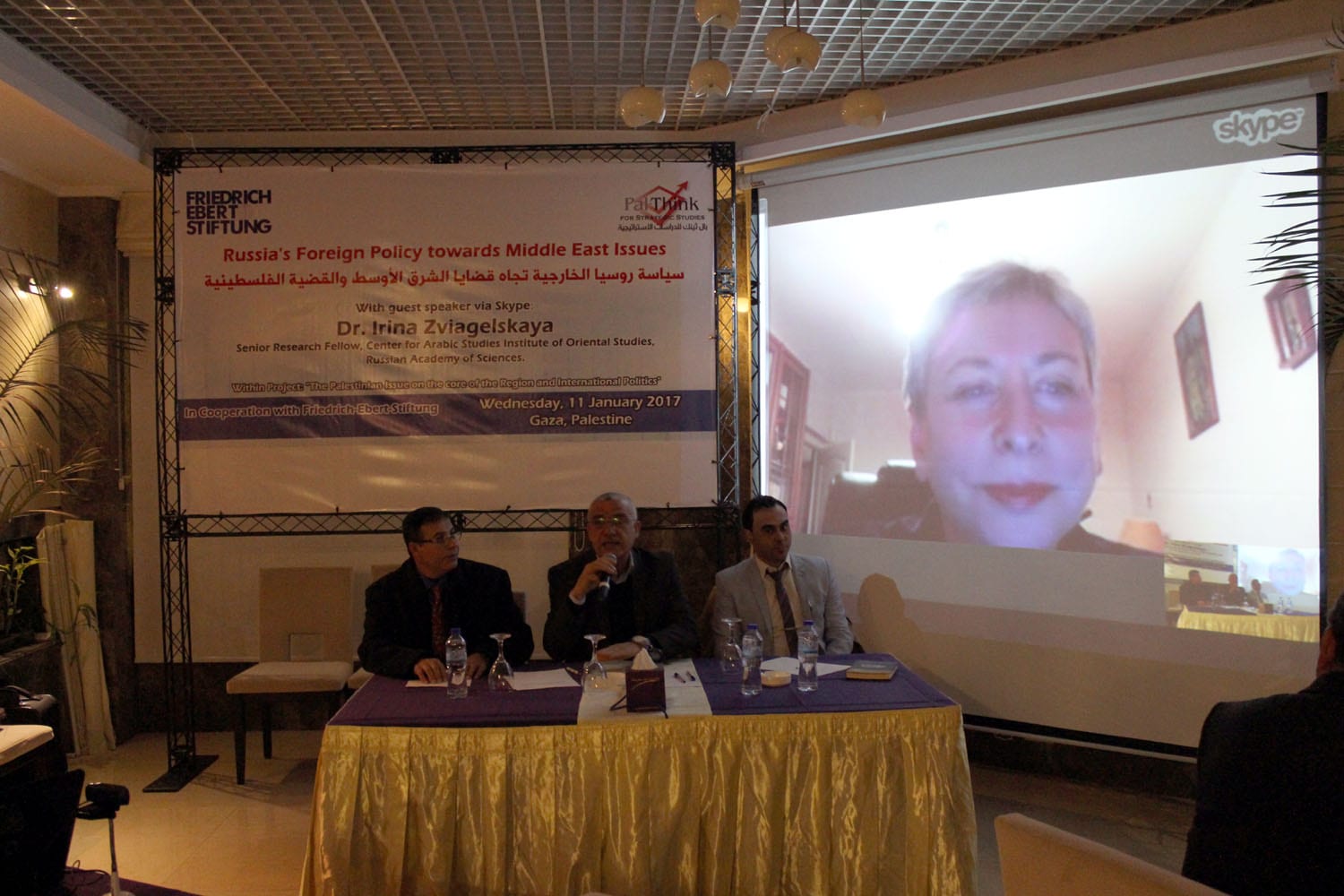
A Russian researcher affirms Moscow's enduring support for Palestine: Putin and Trump in harmony leading the war on terror
Russian Middle East researcher Dr. Irina spoke on Russia's intervention in Syria, its expected role in the Palestinian file, the harmony between the Russian and American presidents, and the dangers of terrorism and the means of confronting it.
- Date
- 2017-01-12
Gaza –
Dr Irina, the Russian researcher in Middle East affairs, spoke on Wednesday evening about several issues, most prominently the Russian intervention in Syria, the awaited role in the Palestinian file, the harmony between the Russian and American presidents, and the dangers of terrorism to the world and the ways of confronting it.
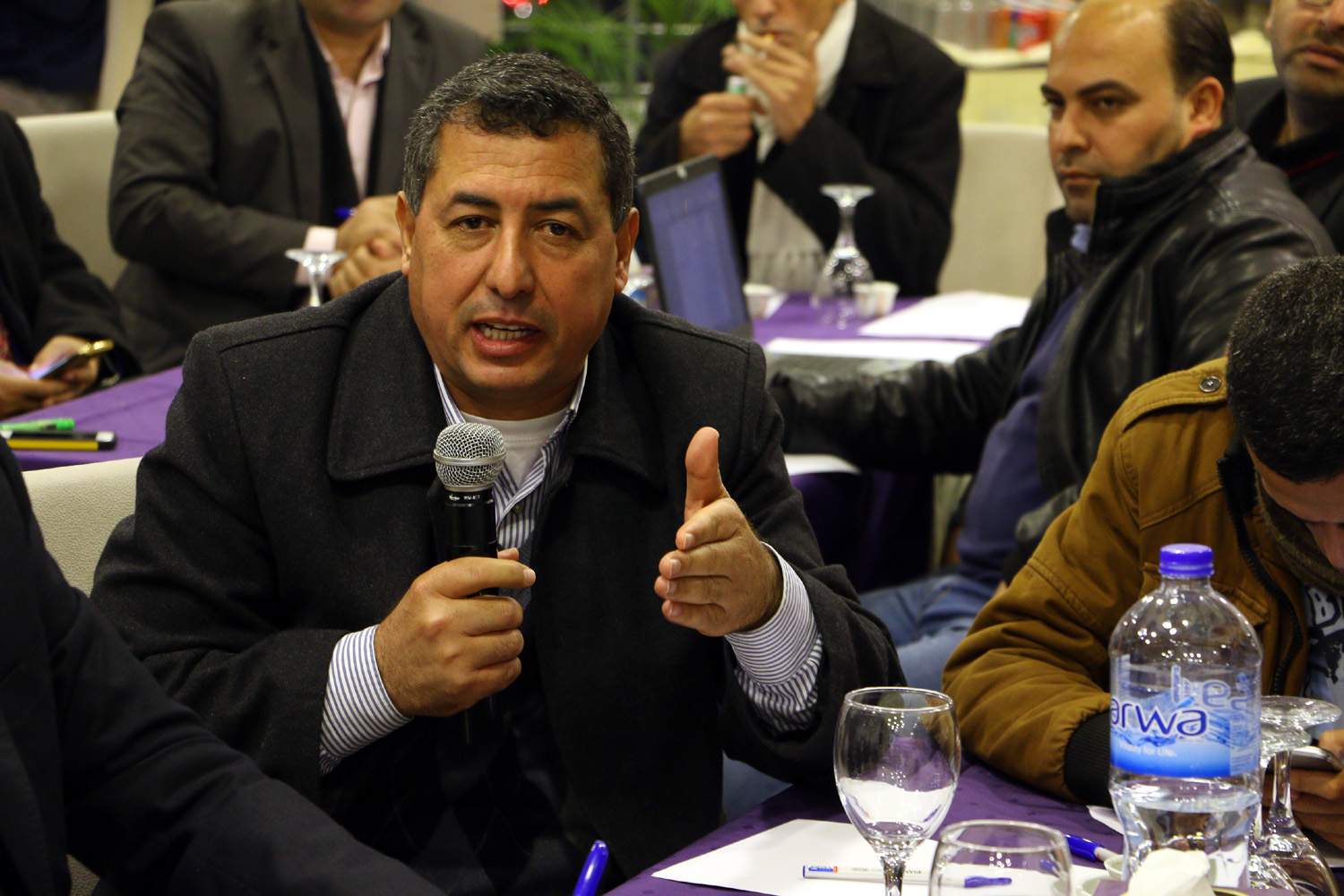
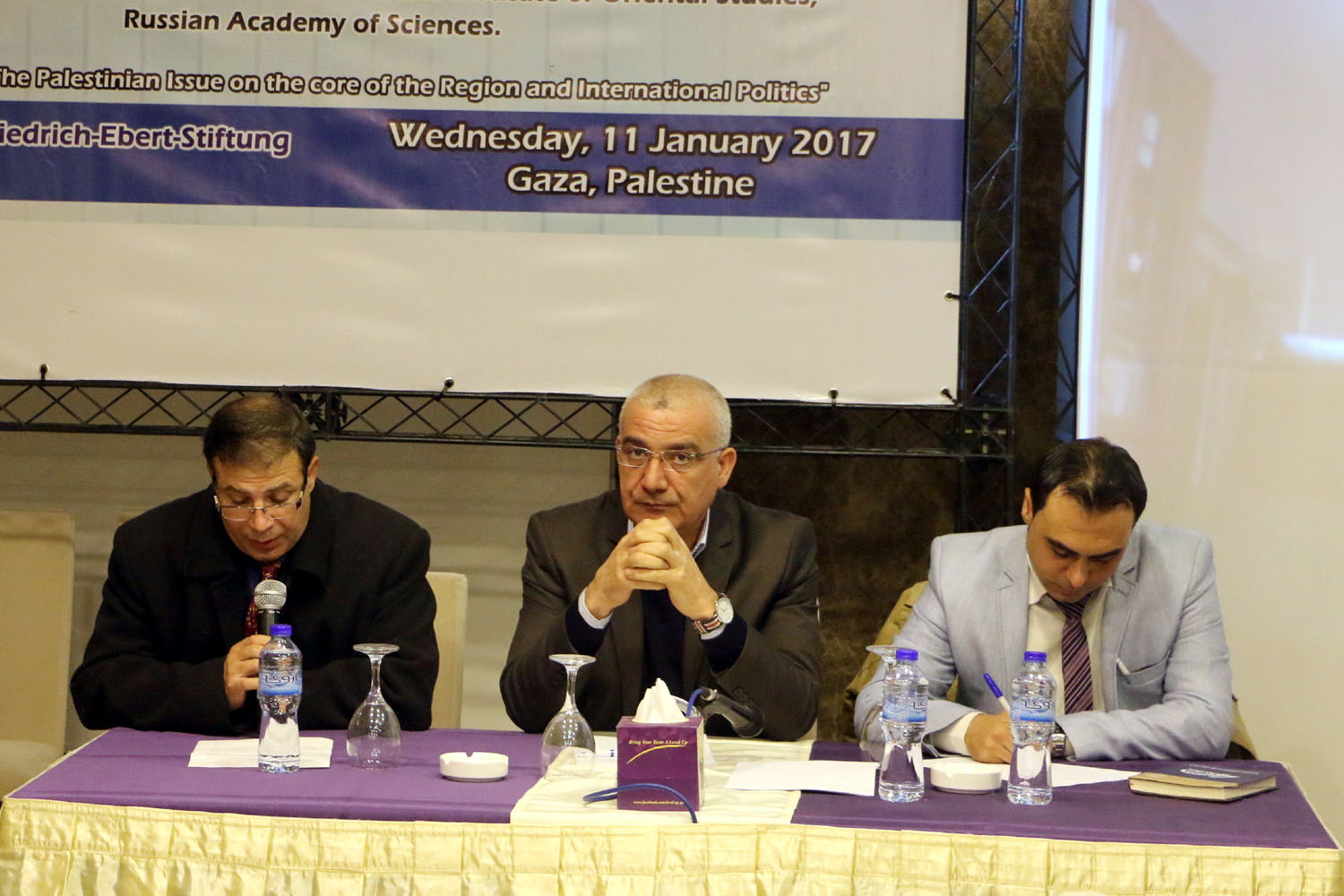
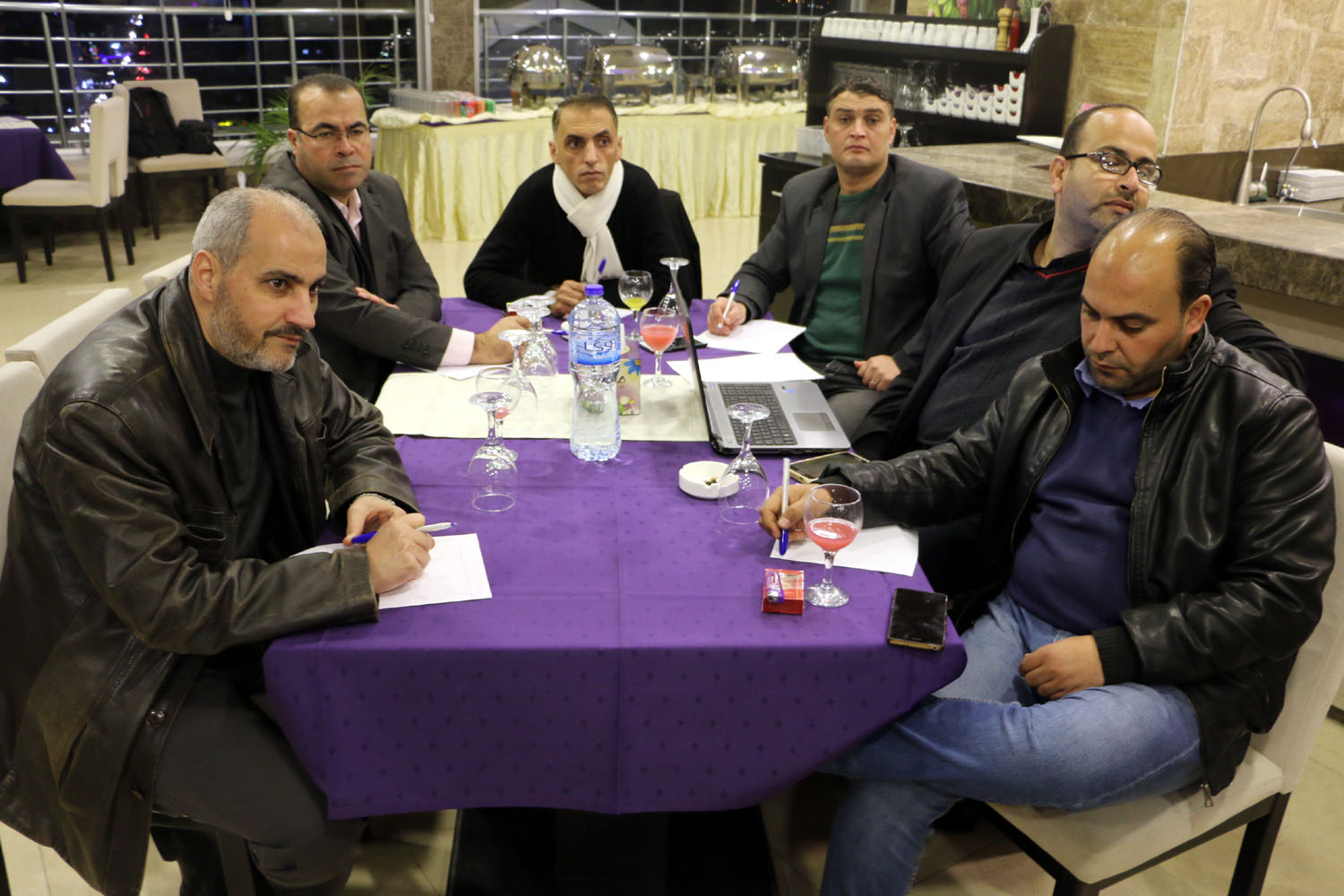
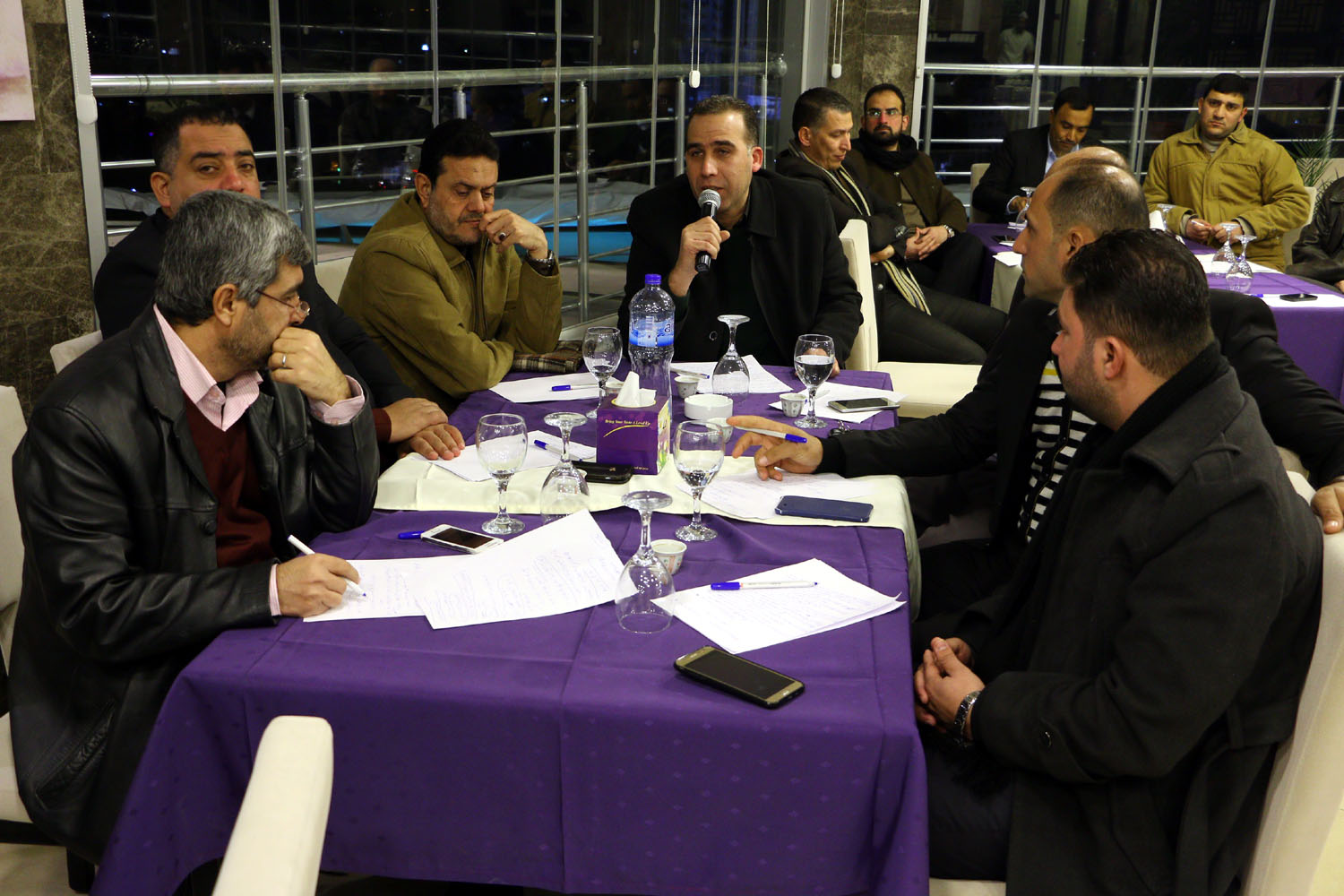
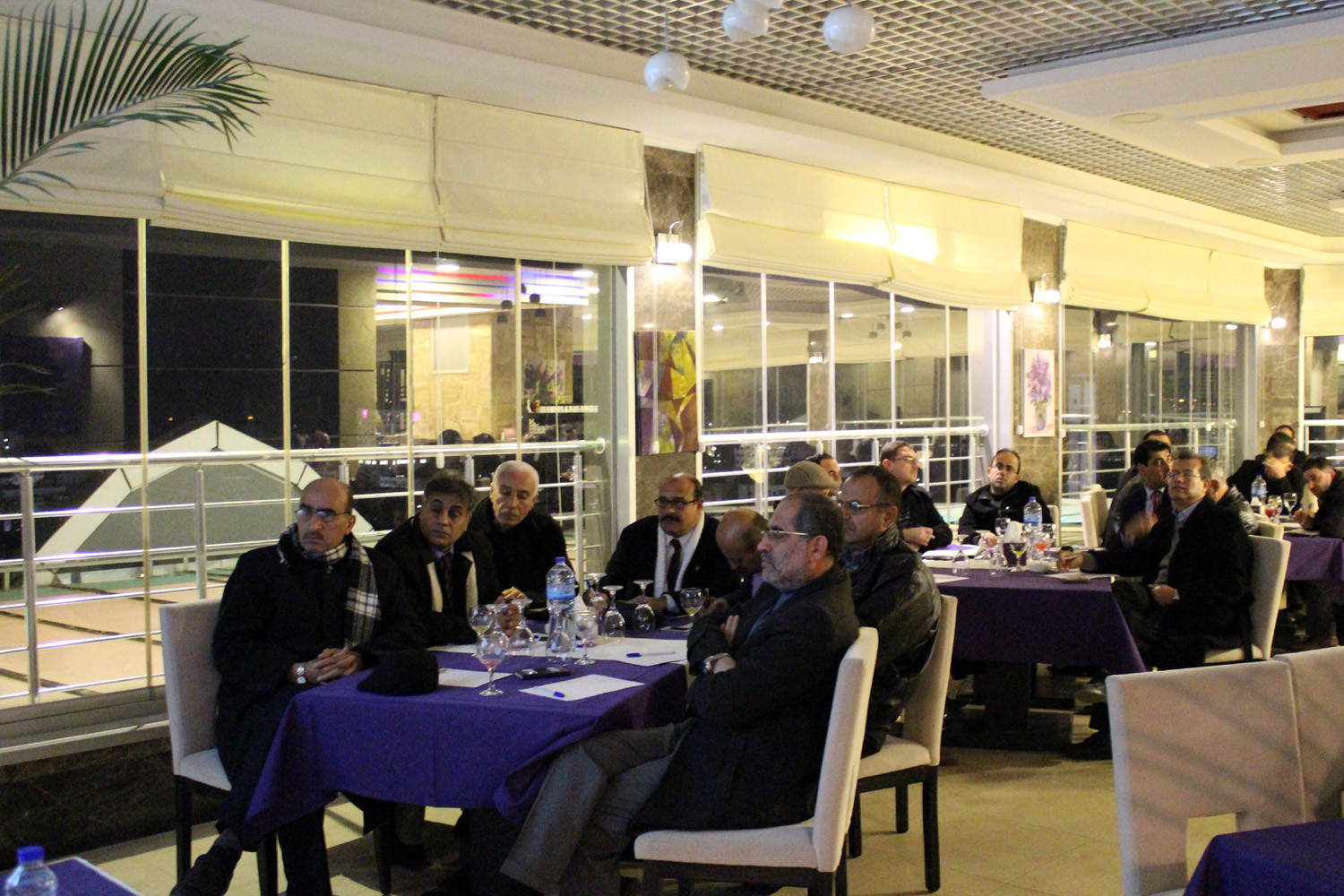
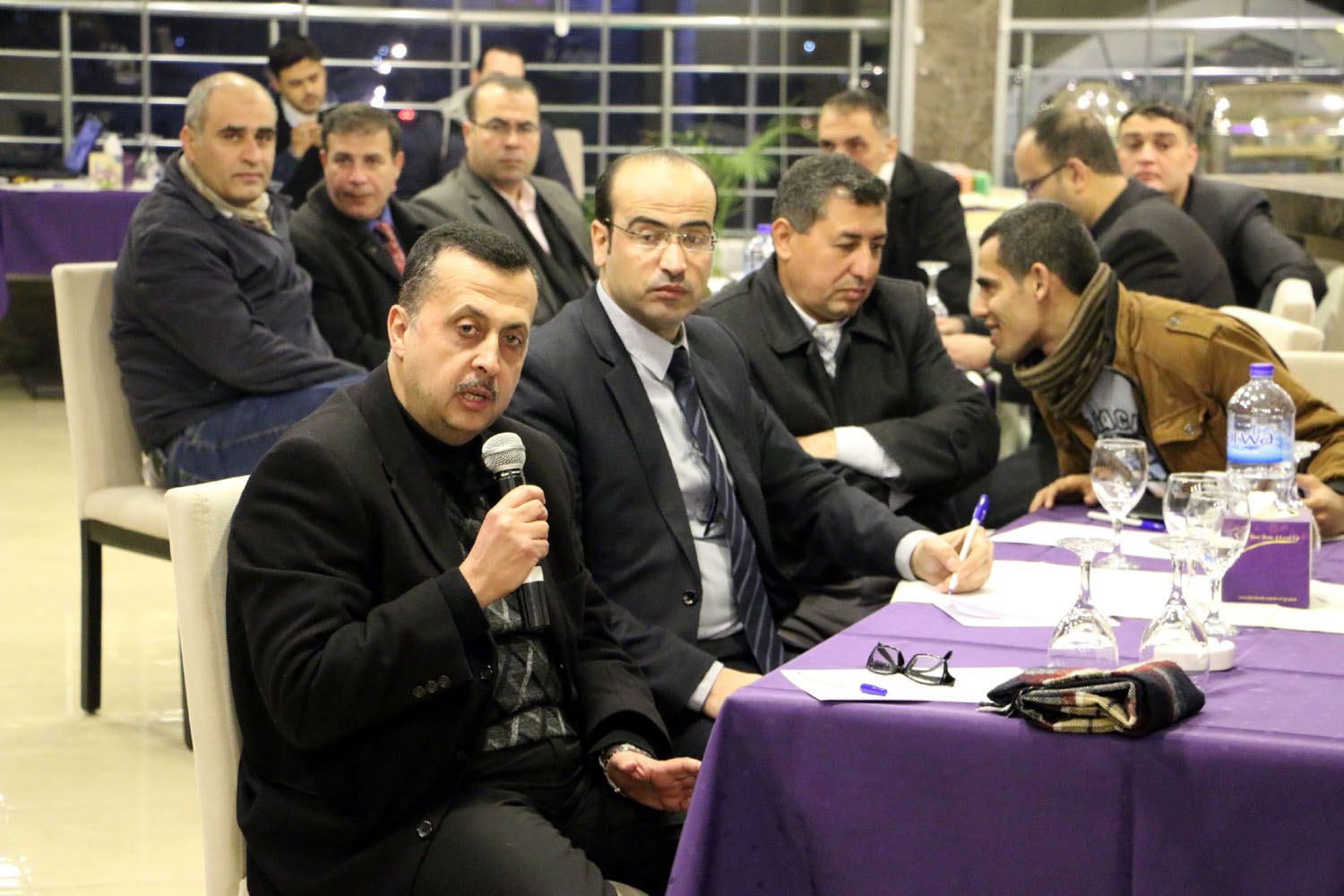
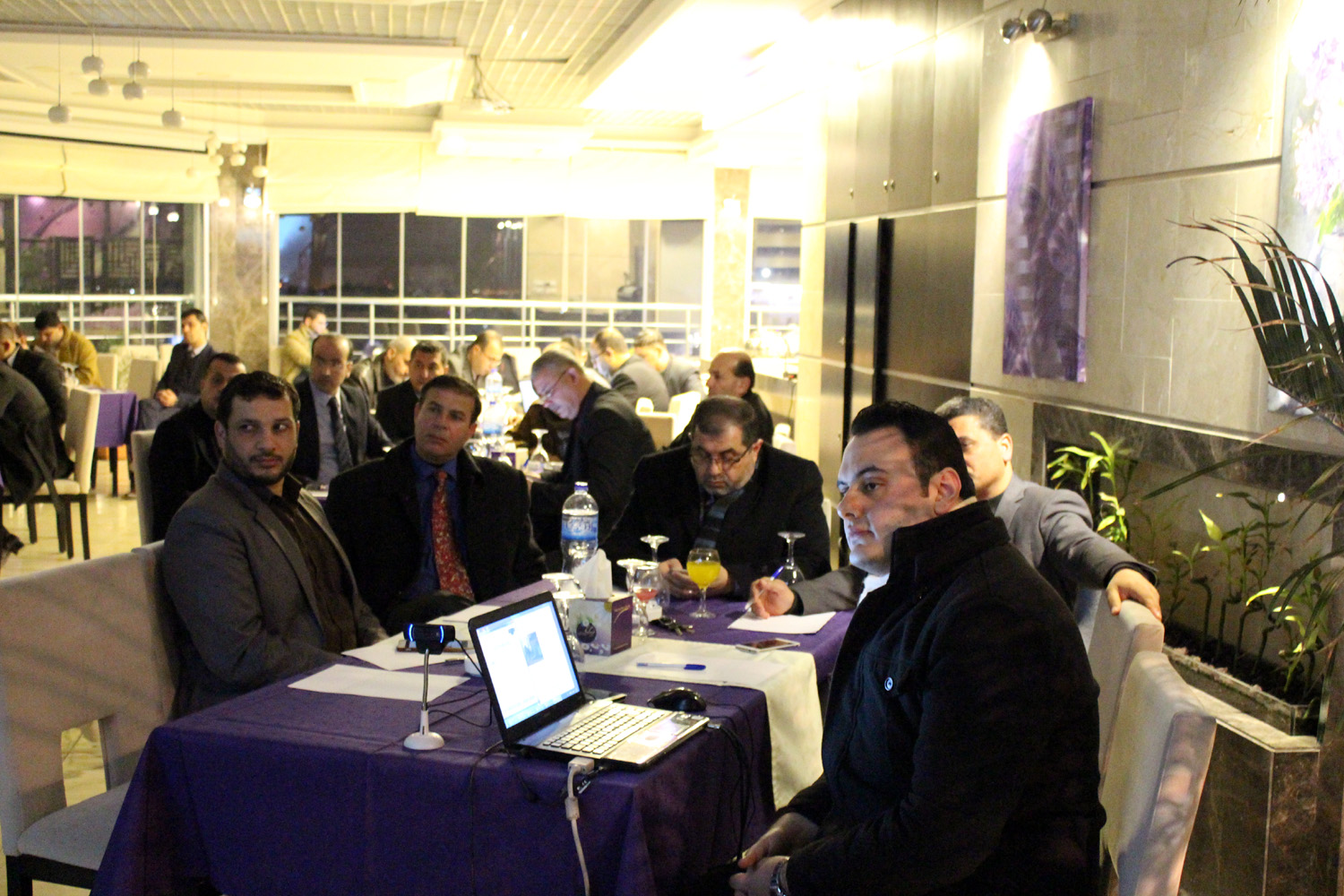
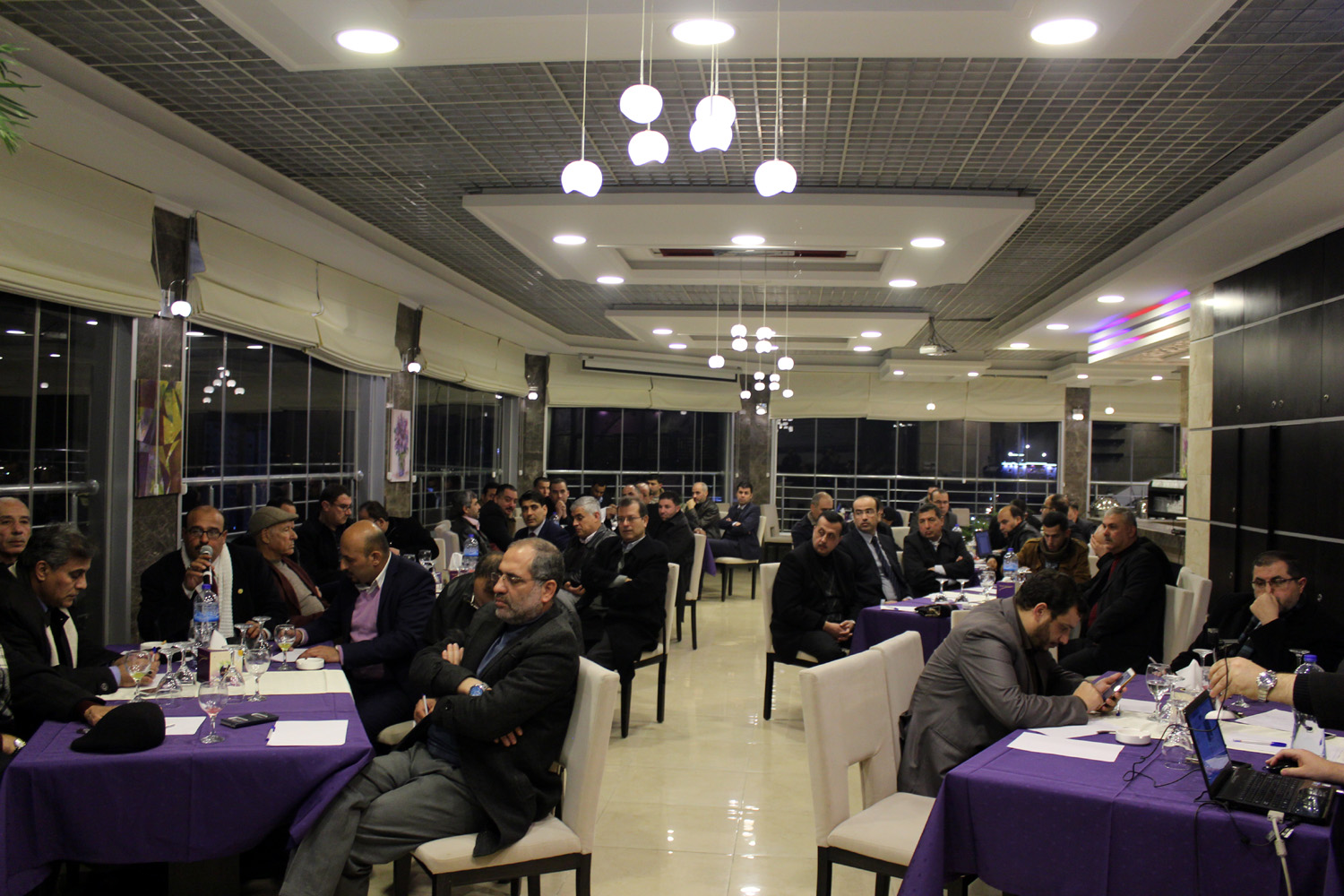
The Russian researcher Dr Irina took up many issues with the attendance of a gathering of politicians, researchers, and civil-society activists, in a session organised by the Pal-Think centre for political and strategic studies in cooperation with the German Friedrich Ebert foundation, via Skype, in the Level Up hall in Gaza City — under the title: Russia's foreign policy toward the issues of the Middle East and the Palestinian cause.
The Palestinian file
Dr Irina stressed Moscow's full support for the right to establish a Palestinian state, and the consideration of the Palestinian cause as the most important of the Middle East's issues, according to what the United Nations resolutions affirmed, and the Russian leadership's rejection of the continuation of the building of the Israeli settlements on the Palestinian lands, and she described the current Israeli leadership as “rigid and not desiring dialogue”.
She indicated that Moscow directed an invitation to the Palestinian factions to host an internal Palestinian dialogue with the goal of ending the division and unifying the Palestinian visions and efforts.
She made clear that the Palestinian cause receded after what is called the Arab Spring, and is no longer a priority because of the world's occupation with the developments of the Middle East, in light of the failure of the previous solutions and the endeavours that were not successful, such as the road map.
The Russian intervention in Syria
The Russian researcher attributed the causes of the Russian intervention in the Syrian crisis to several causes, at their head the fear of the terrorist groups' expansion outside Syria and operating inside Central Asia and Russia, and Moscow's rejection of the intervention of external parties to topple governments.
She also affirmed that the Russian military intervention aims at preserving the states of the Middle East from disintegration, after the experience of Iraq, and the Americans' admission that their pretexts for occupying Baghdad were not real, especially regarding the nuclear weapons.
She said that Moscow's intervention came as a result of the United States' refusal to fight terrorism in Syria, and the non-engagement with the proposal of the Russian president Vladimir Putin to establish a world alliance to fight terrorism — which led to the establishment of two separate military alliances led by each of Moscow and Washington.
Terrorism and the security of Russia and Central Asia
She expressed Moscow's fear of the collapse of the states of the Middle East, especially the collapse of the Syrian state and its transformation into a gathering place for the terrorist groups, and a launching point toward the world's states, including the Russian lands, 14% of whose population are Muslims, and the possibility of forming a real danger to internal Russian security — besides the terrorist groups' striving to attract members and fighters from the states of Central Asia of Islamic density, and to recruit sleeper cells that could move at any time.
She revealed that the number of fighters in the terrorist groups from the states of Central Asia is about 7000 terrorists who could return to activity in the states they came from and touch internal Russian stability — warning of the terrorist groups' capacities to recruit new individuals via the internet, and recruit them to work against security and peace in other states.
The harmony of Putin and Trump
She said that the arrival of the new American president Donald Trump to the White House brought about a harmony between Washington and Moscow in the position on fighting terrorism, and she expressed her lack of optimism about Trump's positions toward the Palestinian cause in light of his promises to move the American embassy to the occupied city of Jerusalem — a matter that will reflect negatively on the Palestinian and Arab positions toward the new American administration.
Russian regret in Libya
She pointed to Russia's regret for not preventing the establishment of a no-fly zone in Libya by using the veto right, and its contenting itself with abstaining from the vote in the Security Council — which allowed an international intervention in Libya without Russia's approval, which rejected the killing of the Libyan president Muammar Gaddafi without trial, considering that the task of toppling the dictatorial rulers is the task of their peoples and not through the external interventions.
Developing the Russian-Turkish coordination
She made clear that the Russian–Turkish relations improved after the failure of the coup in Ankara, and the relations developed in the direction of joint coordination in the issues of the Middle East; she also indicated that Russia is not the Soviet Union and does not possess its power.
The attendees' interaction
The participants in the meeting followed up with varied questions about the Russian role in the region and the future Russian efforts in the Palestinian–Israeli conflict, in an open discussion with the Russian researcher, who replied to the attendees' questions by clarifying the aspects she had not touched on. The session was moderated by Mr Omar Shaban, director of the Pal-Think centre for strategic studies, and the simultaneous translation from Russian to Arabic and the reverse was presented by Dr Nidal Touman.
The interventions affirmed the importance of an advanced Russian role in the Palestinian cause, especially after the positive Russian position in the Security Council, with the affirmation of the futility of demanding new direct negotiations between the Palestinians and the Israelis, given the failure of this political means and its futility in the previous stages.
The participants expressed their following and their deep awareness of the developments of the Russian position and the strong return to the warm waters, and the great military presence in the Mediterranean setting out from the Tartus naval base, besides the establishment of the “Hmeimim” base for the air force.
Participants reviewed the importance of the economic causes of the Russian intervention in Syria, to stop the projects of transporting the Gulf gas to Europe, and the extent of that's effect on the Russian economy and the limiting of Moscow's influence in the European Union.
Participants stressed that the Russian expansion came to strengthen the Russian presence in the important Middle East region, by reading the geopolitical factors and competing with the American role after the withdrawal from Iraq, in addition to Russia's anxiety at the West's endeavours to draw Ukraine to the Western interests and their economic, military, and security extensions in proximity to Russia's borders.
The attendees rejected the linking of Islam and terrorist action, considering that terrorism is a world phenomenon by which all the heavenly religions have been affected. The attendees affirmed the necessity that the Russian intervention be for the benefit of the unity of the states and the integrity of their lands against the partition projects, and the unity of their peoples far from the sectarian discords, and their right to express their will and their freedom in the direction of democracy and development.