Pal-Think concludes the specialised «Preparing a Civic Intellectual» training programme
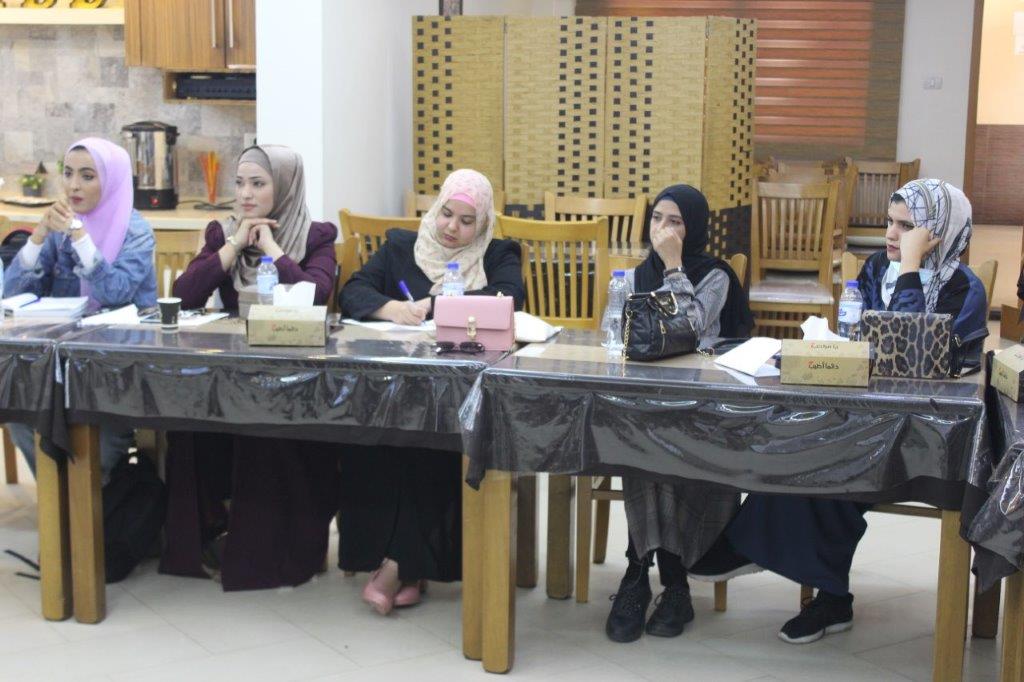
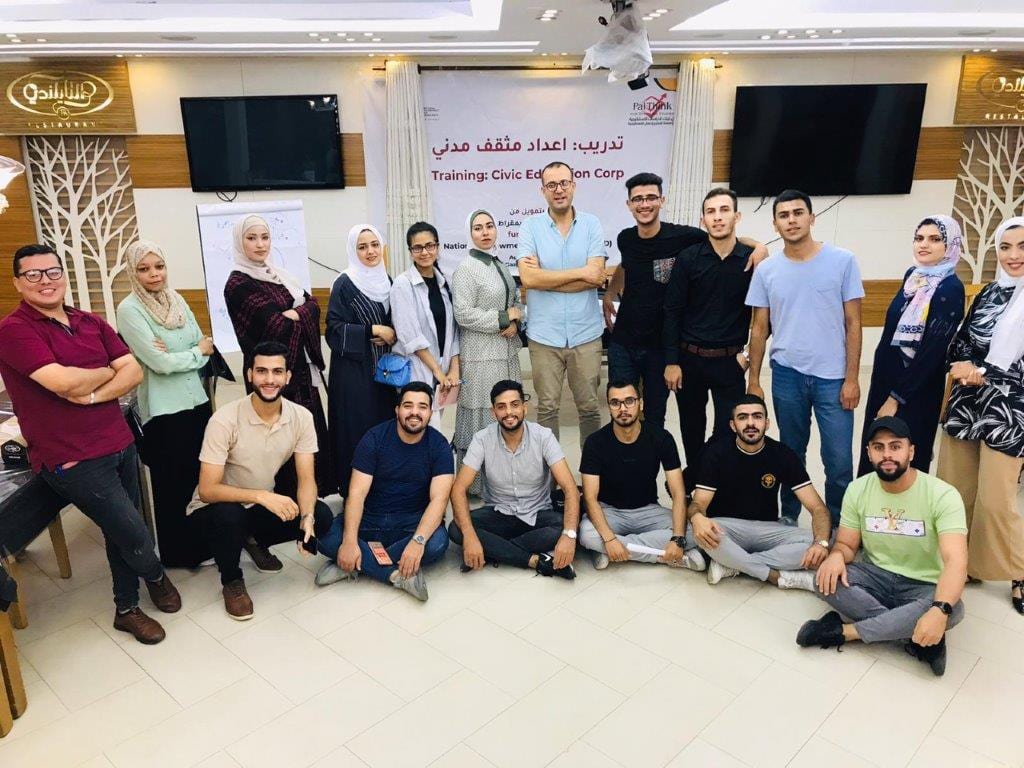
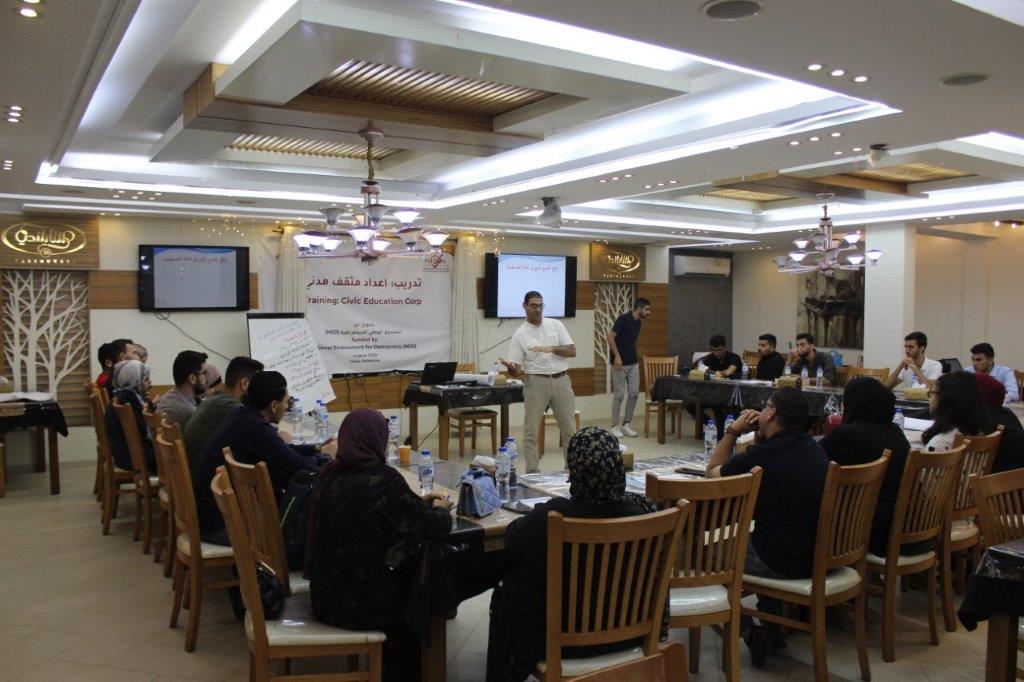
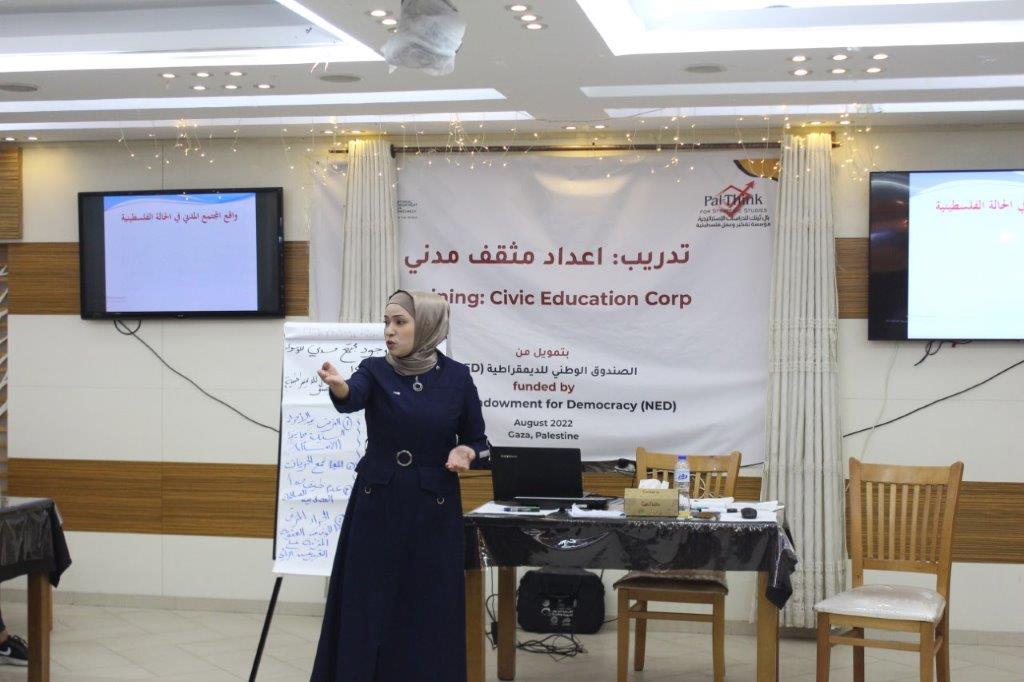
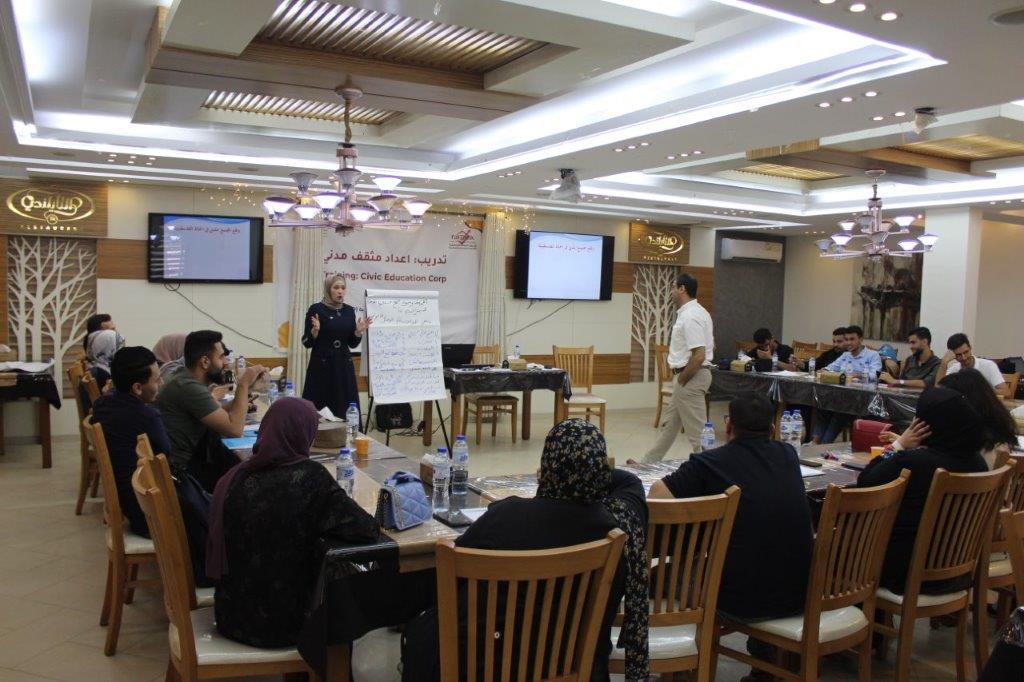
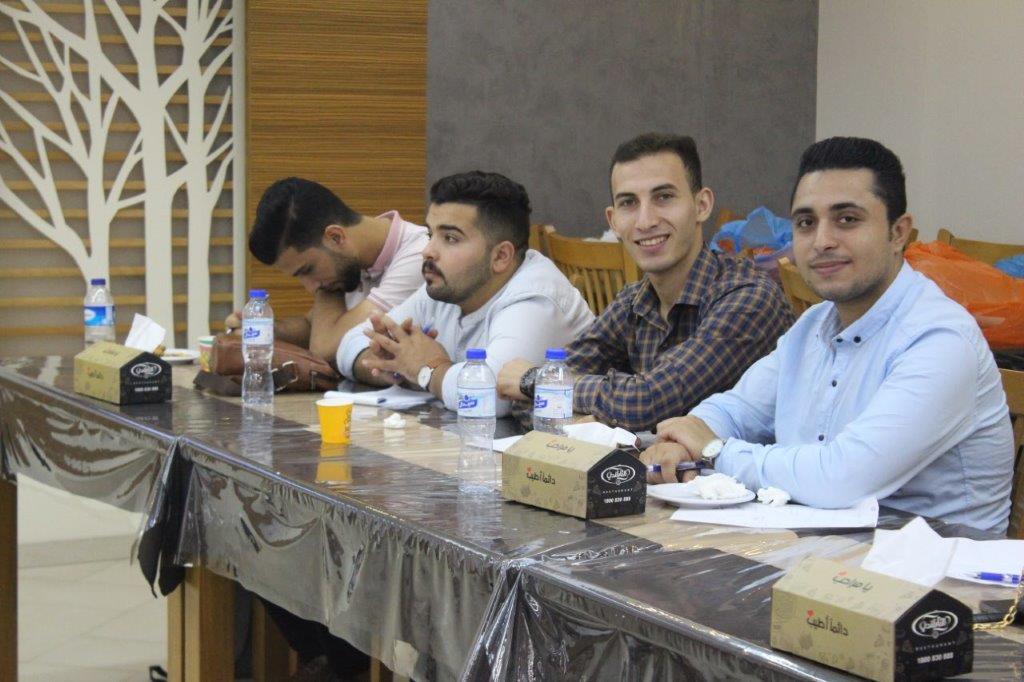
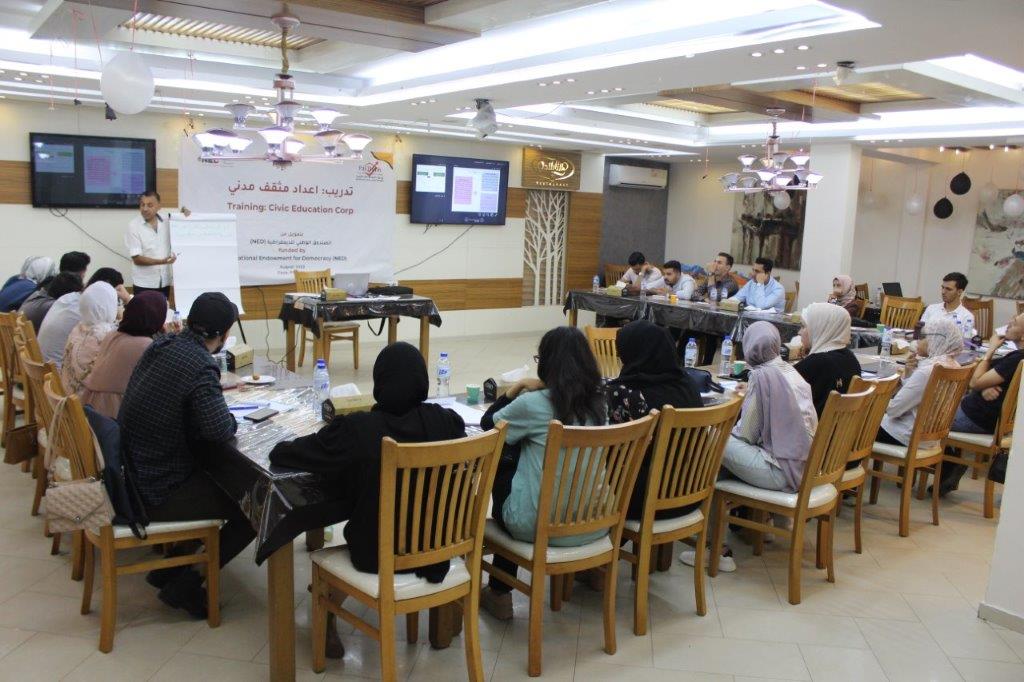
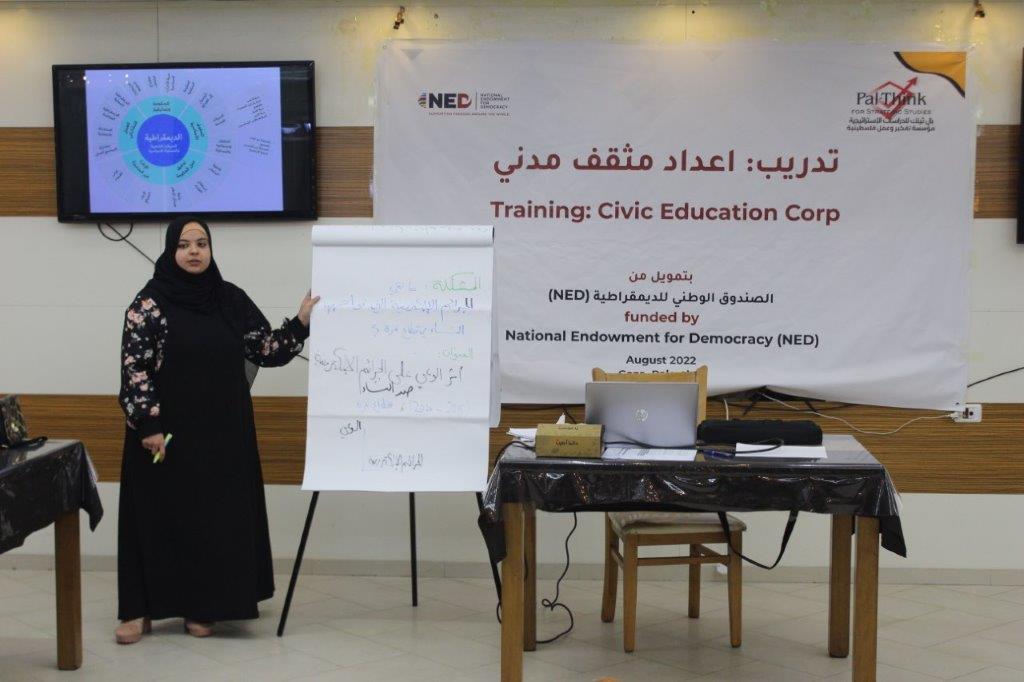
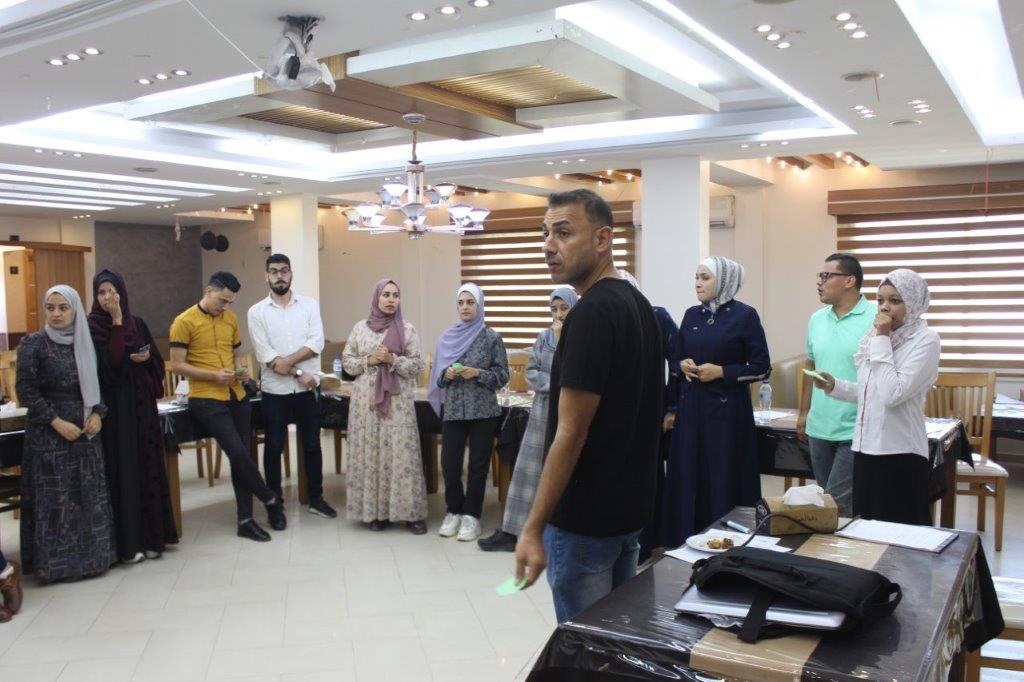
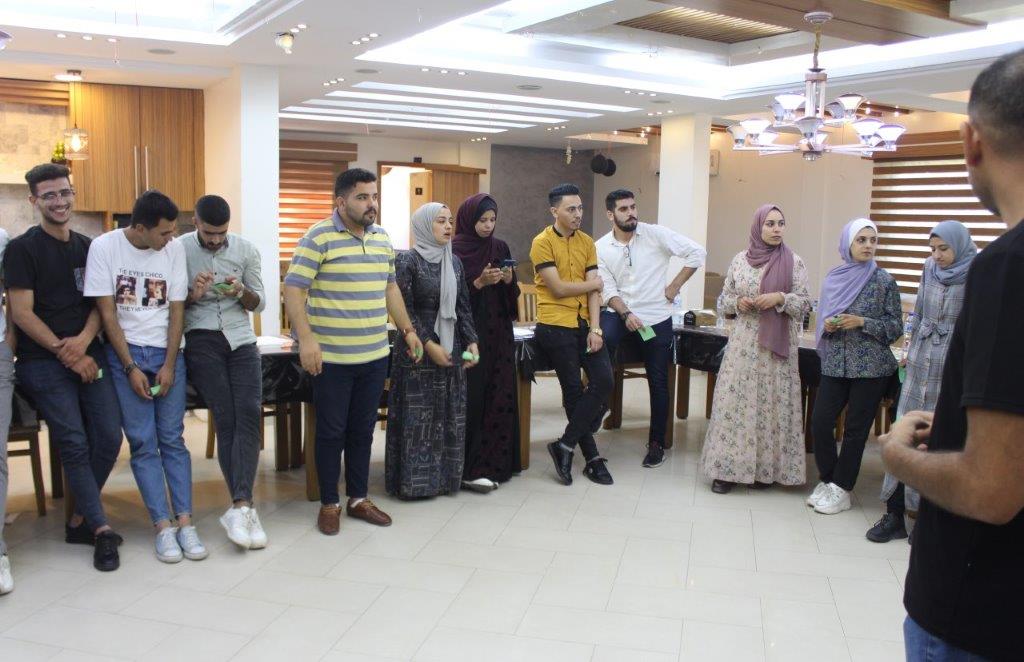
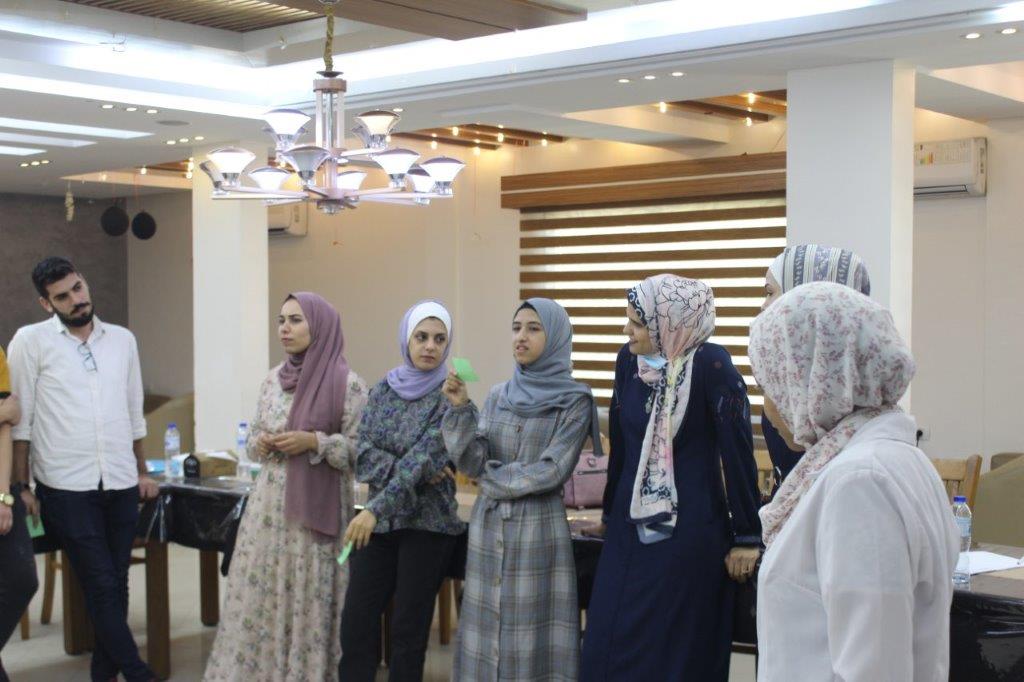
After seven continuous, intensive training days, Pal-Think concluded the «Preparing a Civic Intellectual» programme for young men and women, covering civil society, democracy and human rights, under the Civic Education project.
- Date
- 2022-09-11
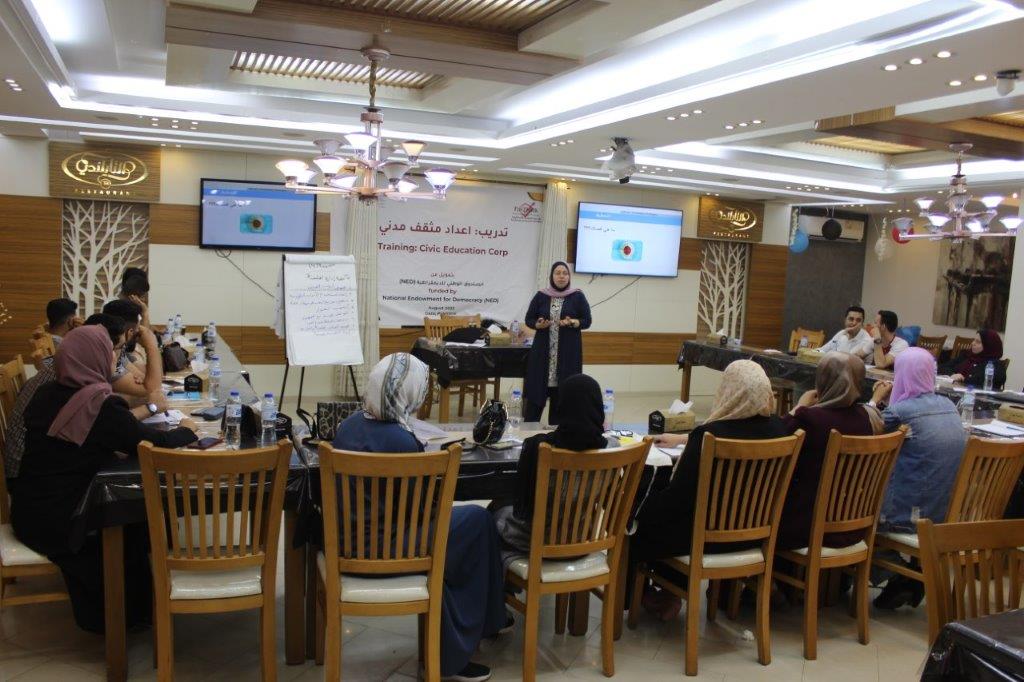
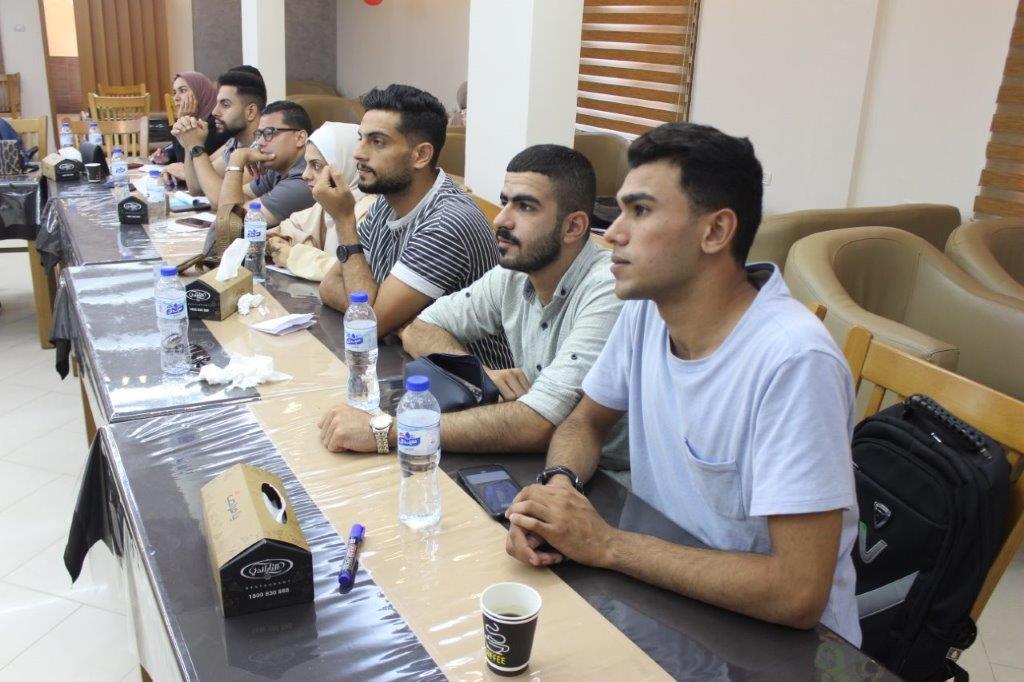
After seven continuous, intensive training days, Pal-Think concludes the “Preparing a Civic Intellectual” programme, which targeted a group of young people of both sexes and focused on a number of issues related to civil society, democracy, and human rights — within the activities of the project “Preparing a Civic Intellectual 3”, implemented by Pal-Think for Strategic Studies with funding from the National Endowment for Democracy (NED).
The first training day was led by Mr Abdullah Sharshara, lawyer and legal researcher, under the title “International human-rights law and the Palestinian situation”. He spoke of the importance of education and awareness in the field of human rights and its role in the development and progress of societies and peoples; Sharshara then spoke of the emergence of the human-rights system, its characteristics and divisions, and the International Bill of Human Rights, touching on the principles and standards of human rights contained in the Palestinian body of laws and comparing them with international human-rights law.
The second training day was led by the researcher and legal trainer Mr Mohammed al-Talbani, under the title “The standards of democracy under the Palestinian system”. During the training he set out the place of respect for rights and freedoms among the standards of democracy, and shed light on the differences between political and civil rights and the rest of the rights and freedoms. Al-Talbani likewise explained the condition of the Palestinian political system as regards the system's unity and the extent of its exercise of national sovereignty, clarified the nature and role of the principle of the separation of powers in the democratic system, and shed light on the development and reality of the legislative and executive branches in Palestine.
The third, fourth, and fifth training days were led by Dr Islam Atallah, under the title “Research-writing skills in the issues of democracy and human rights”. He reviewed the concept of research papers in the issues of democracy and human rights, noting they are “analytical articles that seek to describe and analyse the issues and problems entailed by public policies and to document these policies' results for democracy and human rights in society and the state”.
He noted that the research paper critiques the policies produced by the state's conduct and by phenomena, and presents recommendations and alternatives to decision-makers and to the direct and indirect participants in shaping public decisions.
Atallah made clear that before beginning a research paper, the researcher must answer several questions: “Why am I writing this topic? Who is the target audience? What is the article's core message/issue? And what effect can this topic have?” — and he set out the stages of the writing process.
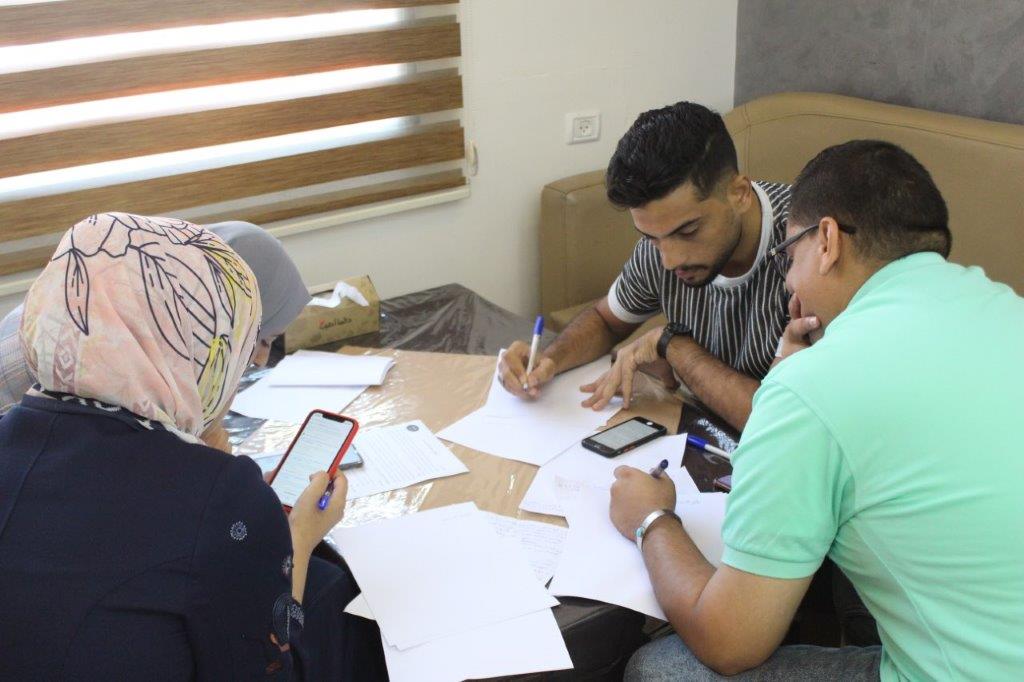
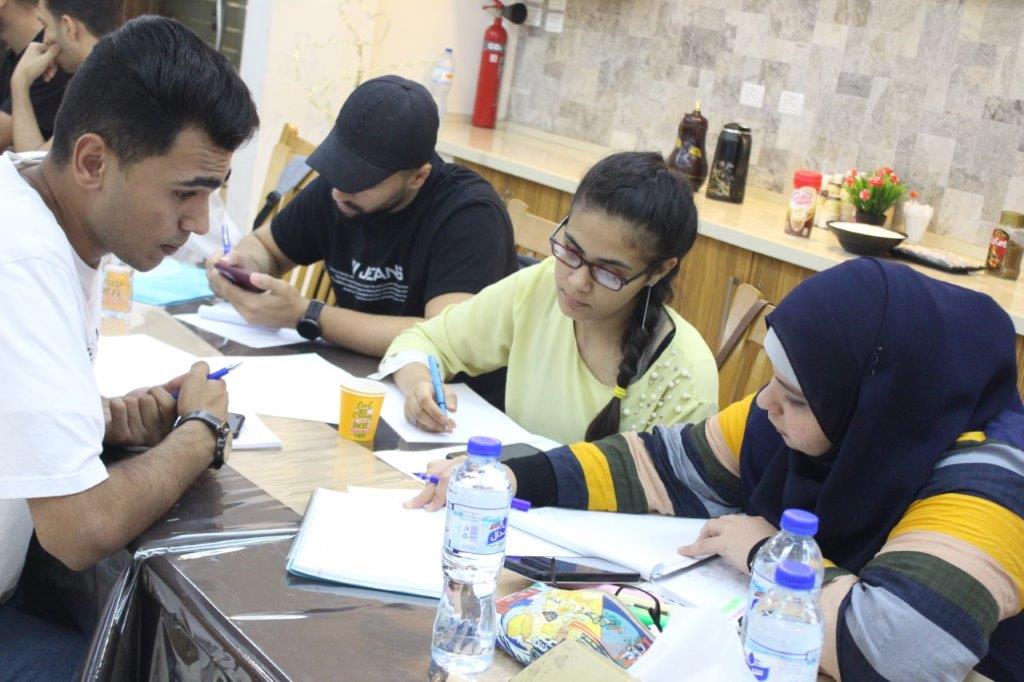
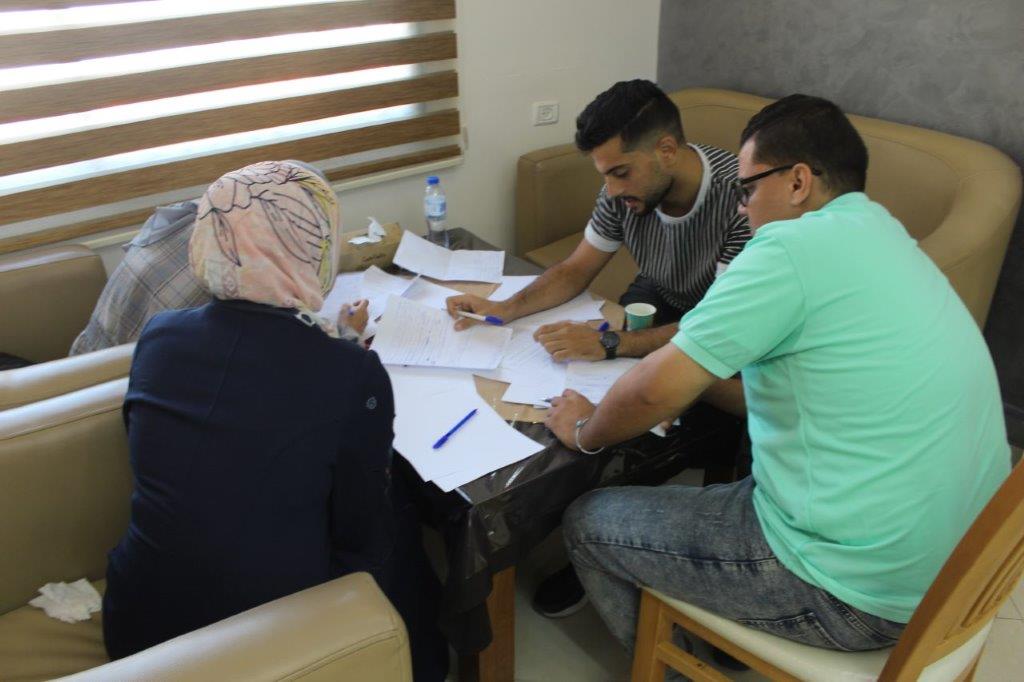
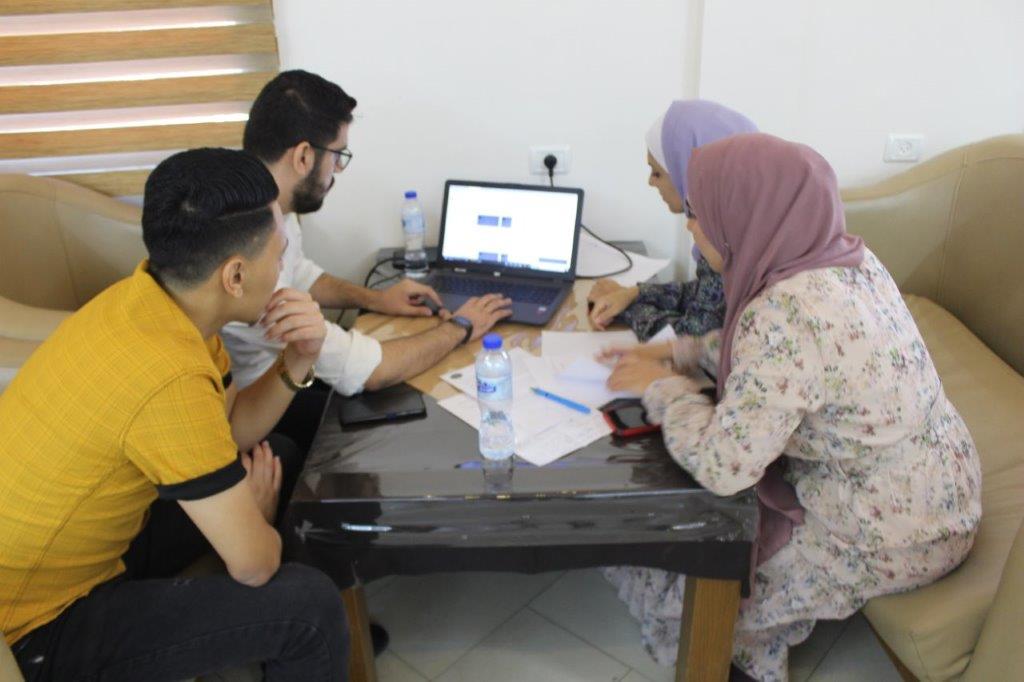
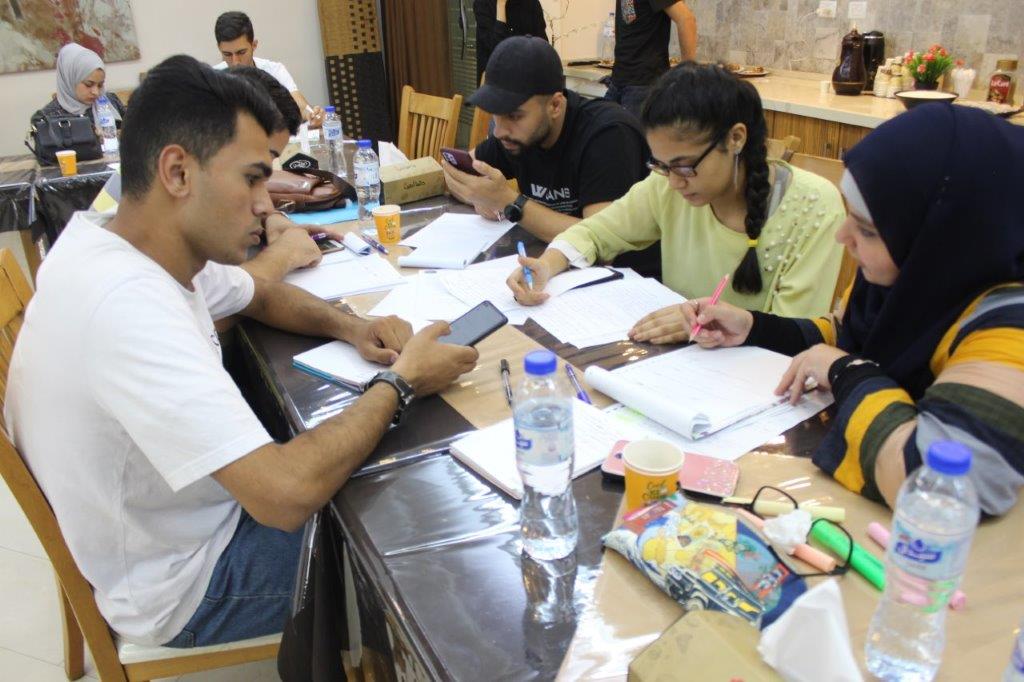
During the training the group was divided into small research groups to choose a research topic and begin the practical application of the theories and concepts presented over three training days.
On the sixth training day, Ms Samah al-Safadi, entrepreneurship expert, spoke on “Presentation, communication, and networking skills”, showing that the skill of delivery and presentation is among the most important life and practical skills of the present age for individuals and organisations, as it raises the individual's competence and performance and increases productivity.
On the seventh training day, Mr Saji Obaid, trainer in pressure and advocacy, spoke on the skills of pressure and advocacy for issues related to democracy and human rights, the stages the pressure-and-advocacy process passes through, the skills of writing initiatives addressing the issues of democracy and human rights, and how to reach the target group of the pressure-and-advocacy process.
It is noted that the “Preparing a Civic Intellectual 3” project aims to prepare young intellectuals of both sexes in the issues related to civil society — foremost the topics of democracy and human rights — and to develop their research skills in these topics. The trainees will therefore carry out a number of awareness meetings to pass the knowledge and skills they learned to their young peers, prepare research papers discussing the issues of democracy and human rights under the supervision of an elite of researchers and writers, and carry out a number of radio episodes and public meetings to present the research papers' outputs.