Pal-Think hosts Dr. Nasser Al-Kidwa on the Palestinian question and regional and international developments
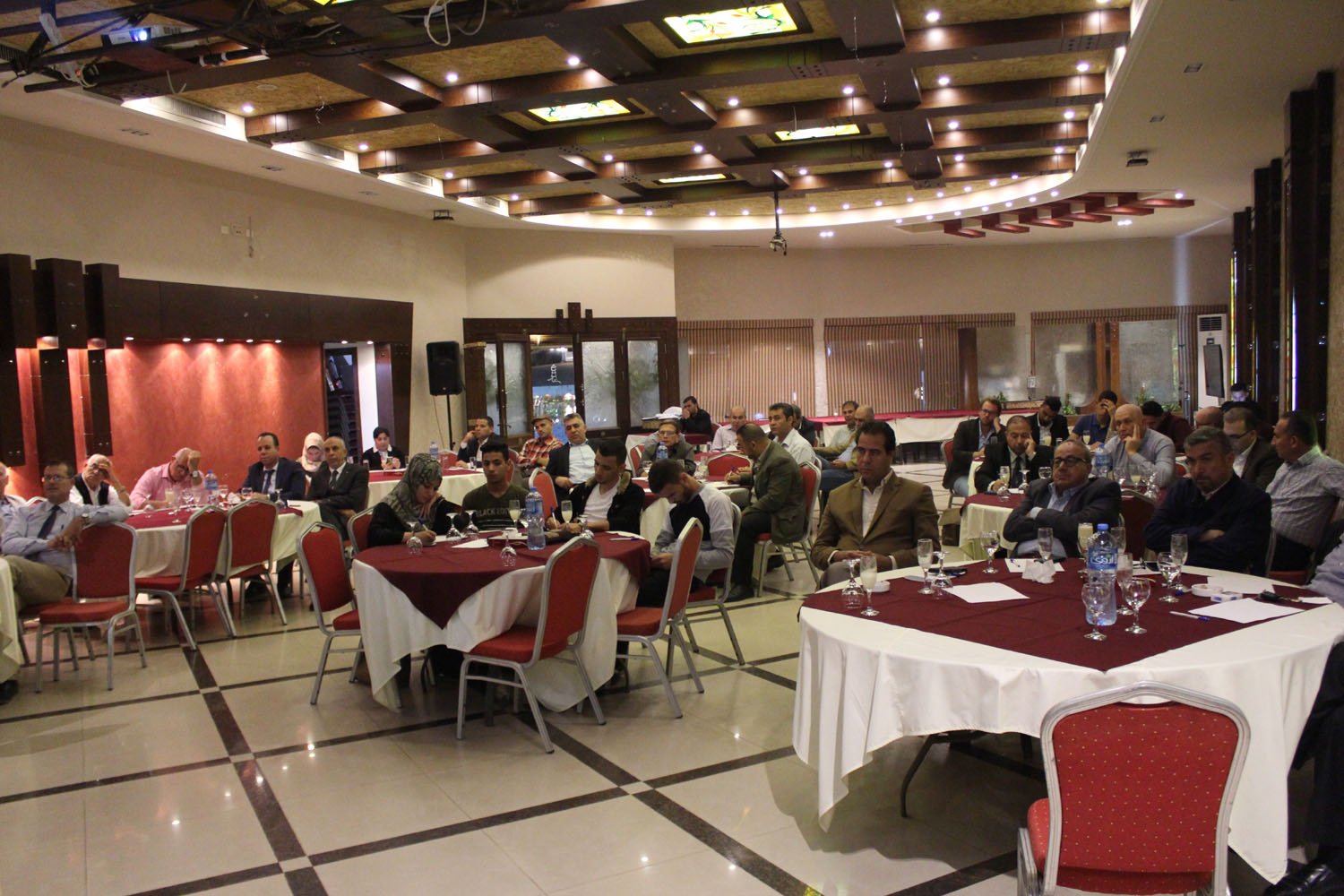
Pal-Think held a dialogue at Gaza's Lighthouse hotel on the Palestinian question amid regional and international developments, with the Friedrich Ebert Foundation, hosting Dr. Nasser Al-Kidwa before an elite audience.
- Date
- 2019-11-10
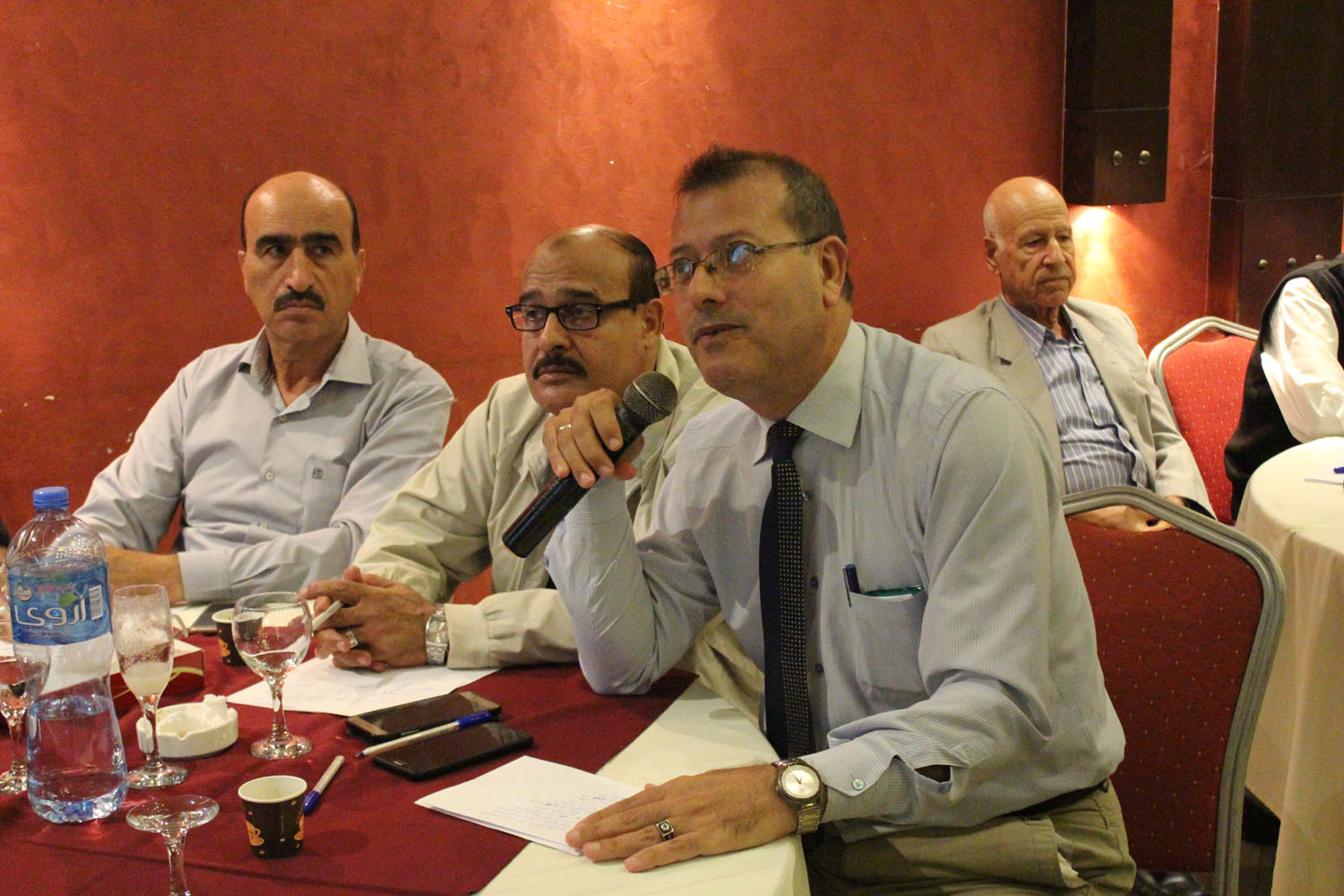
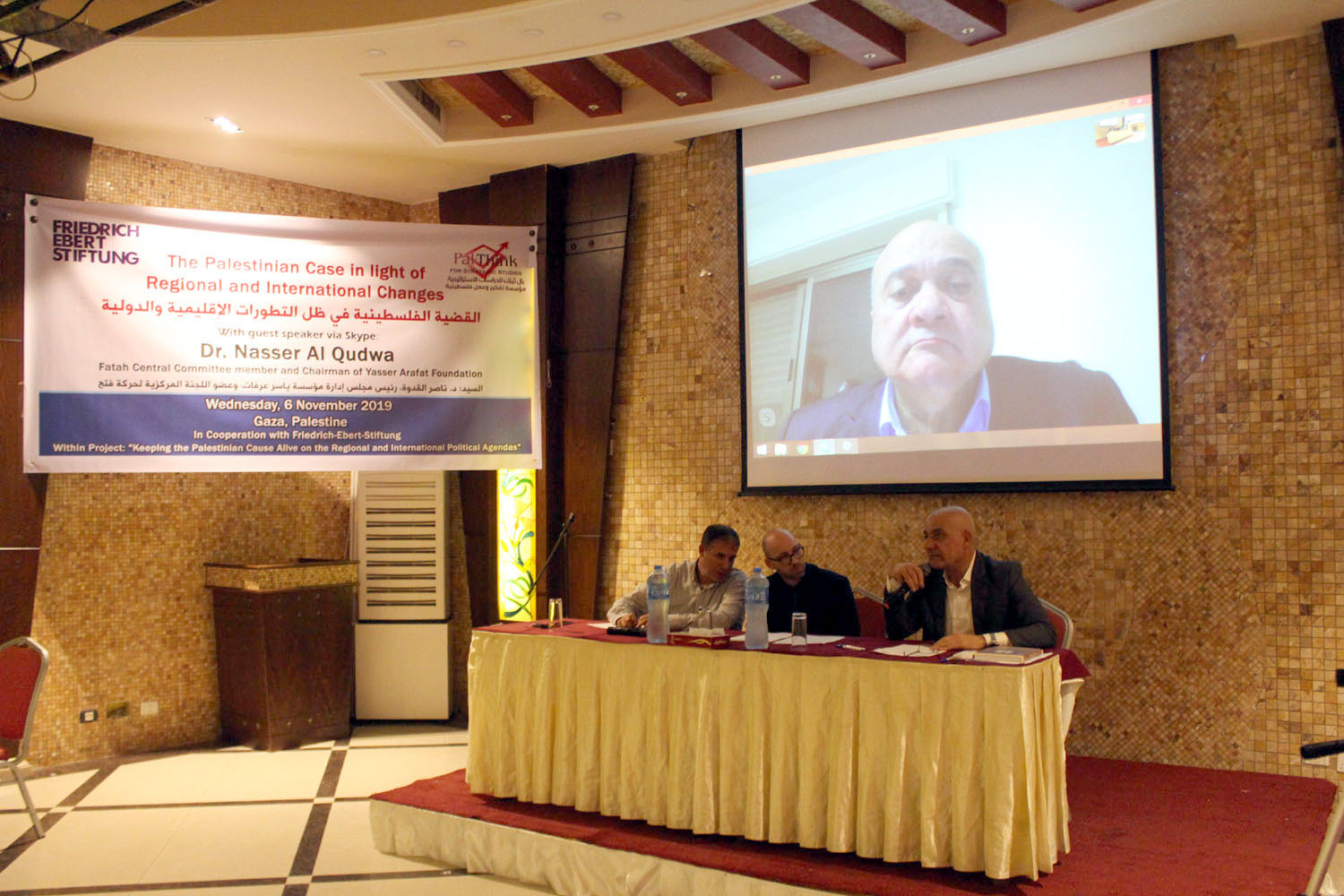
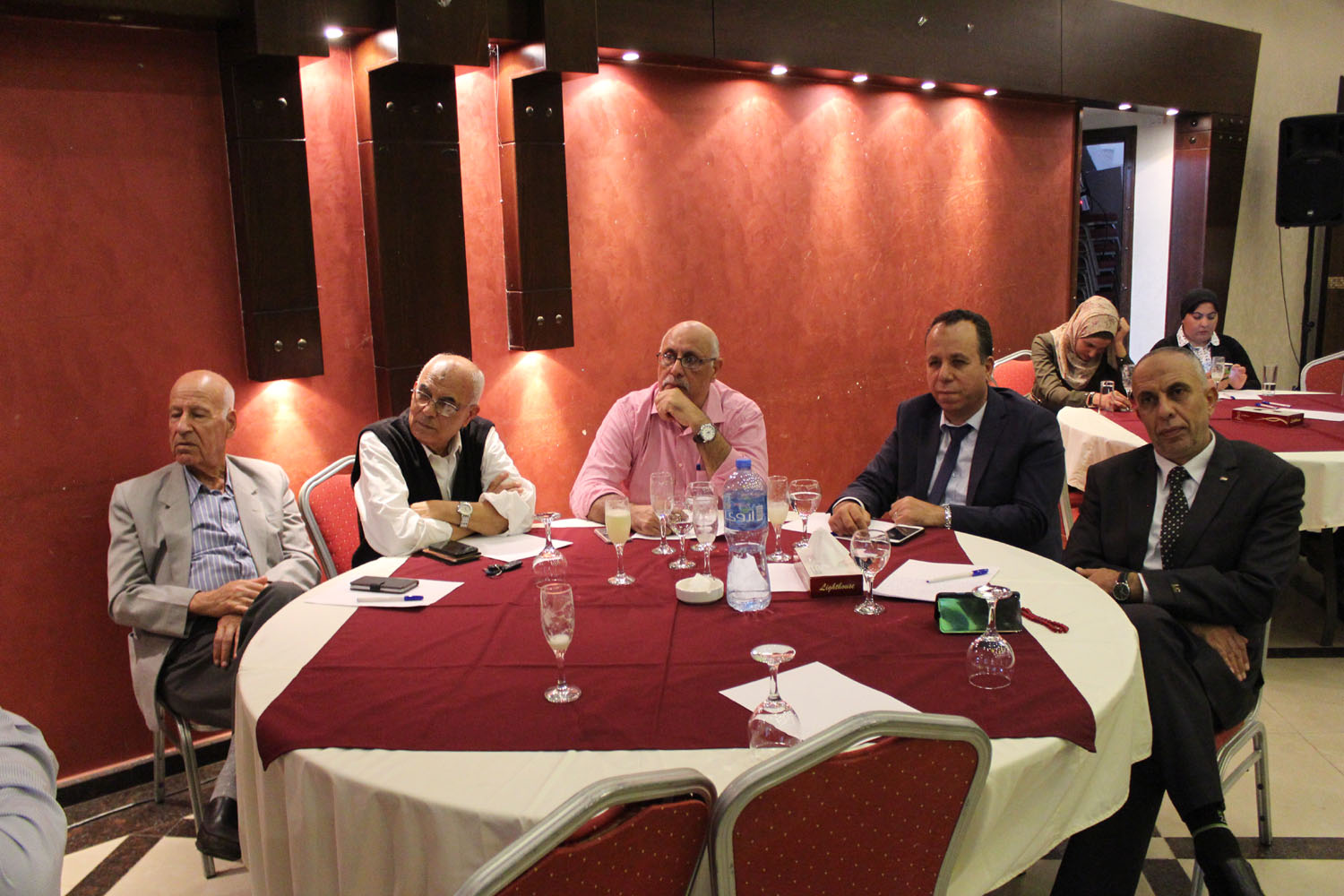
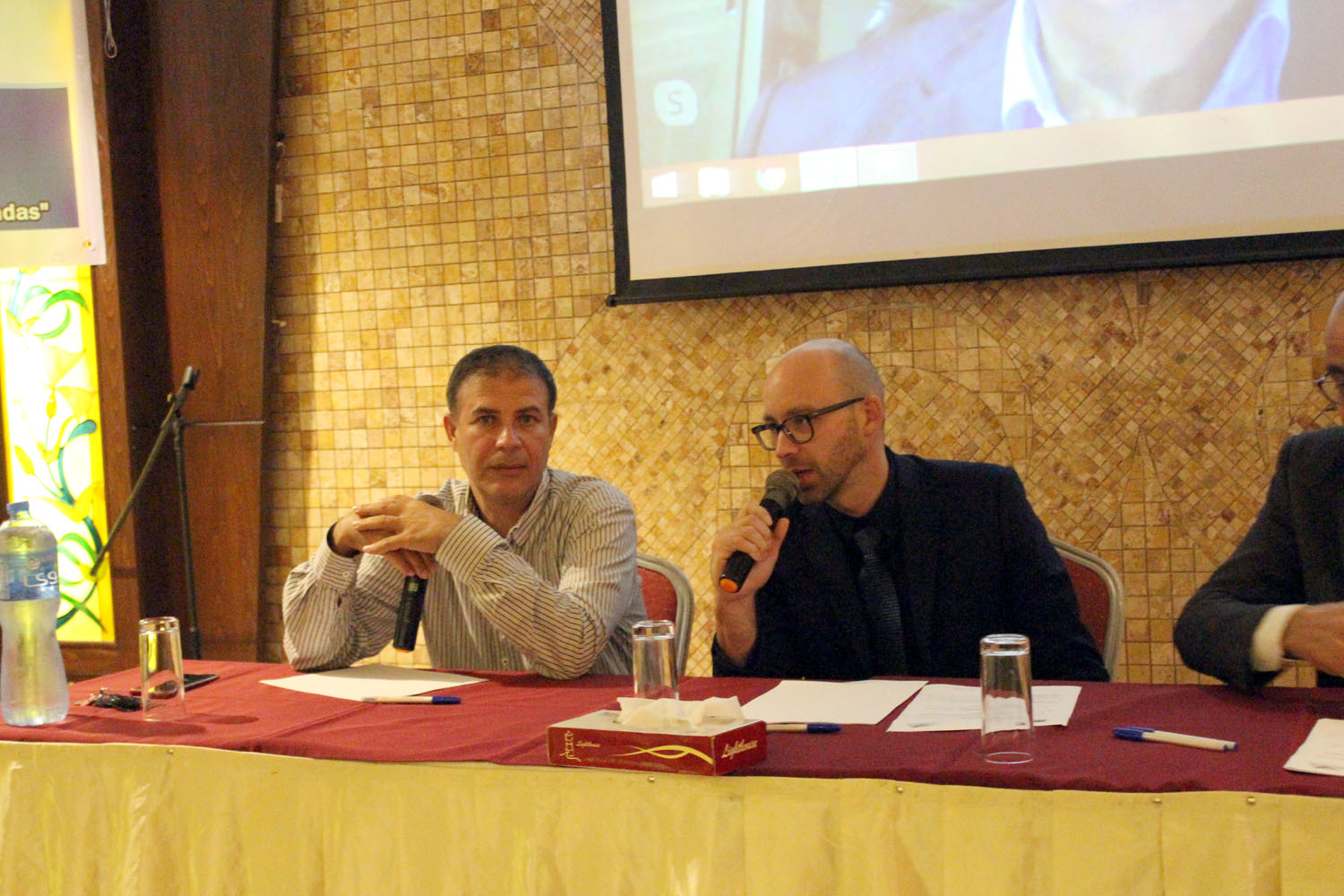
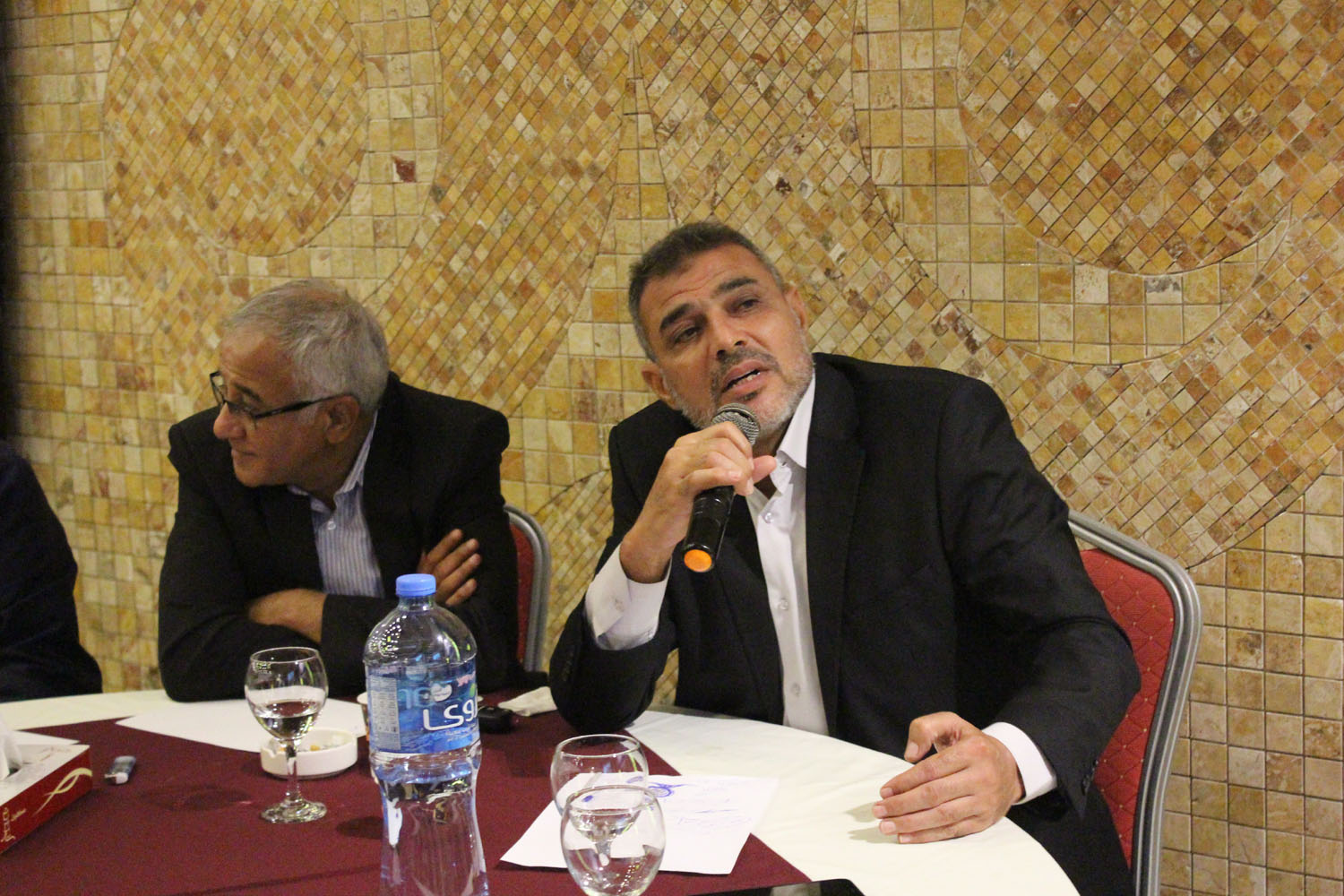
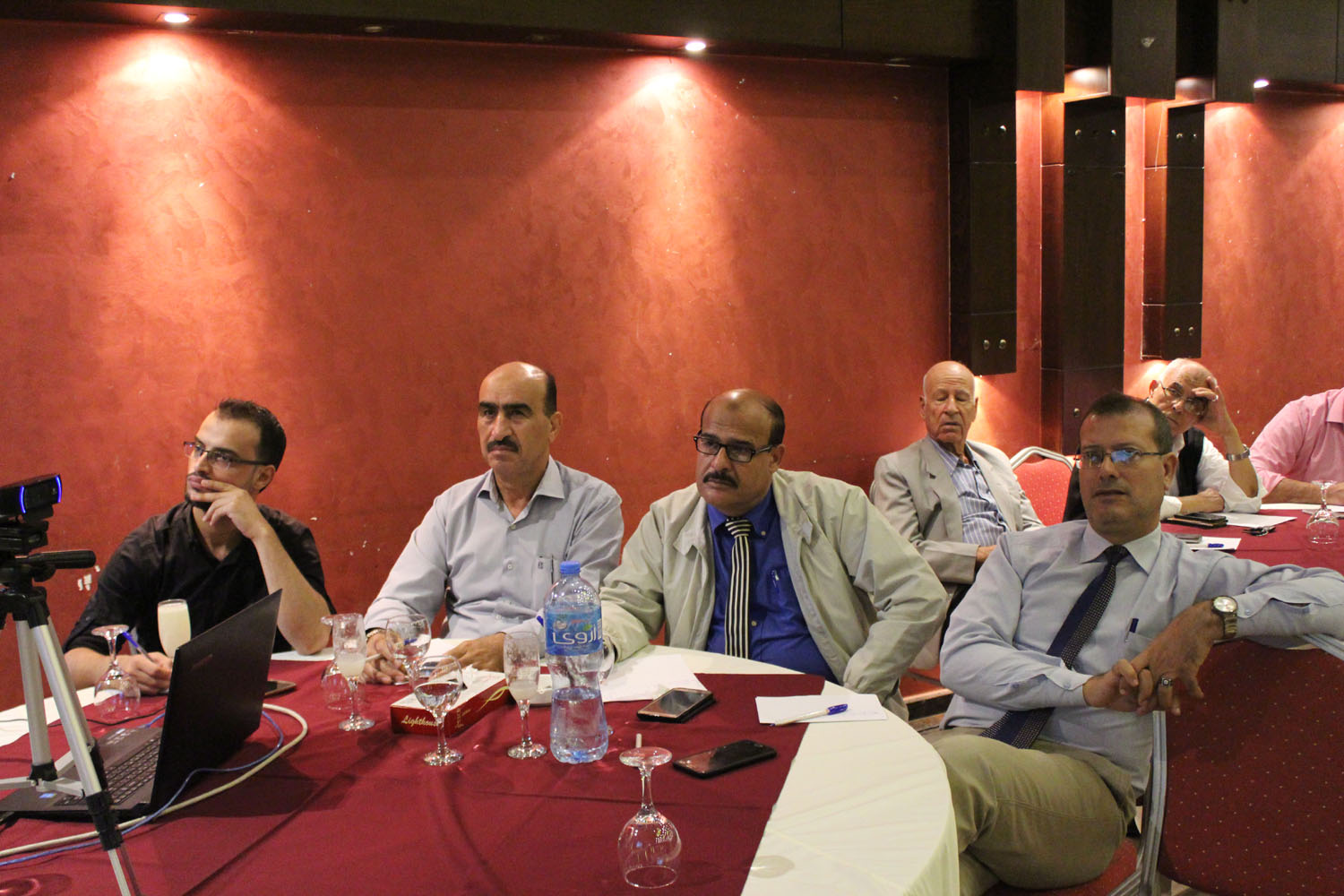
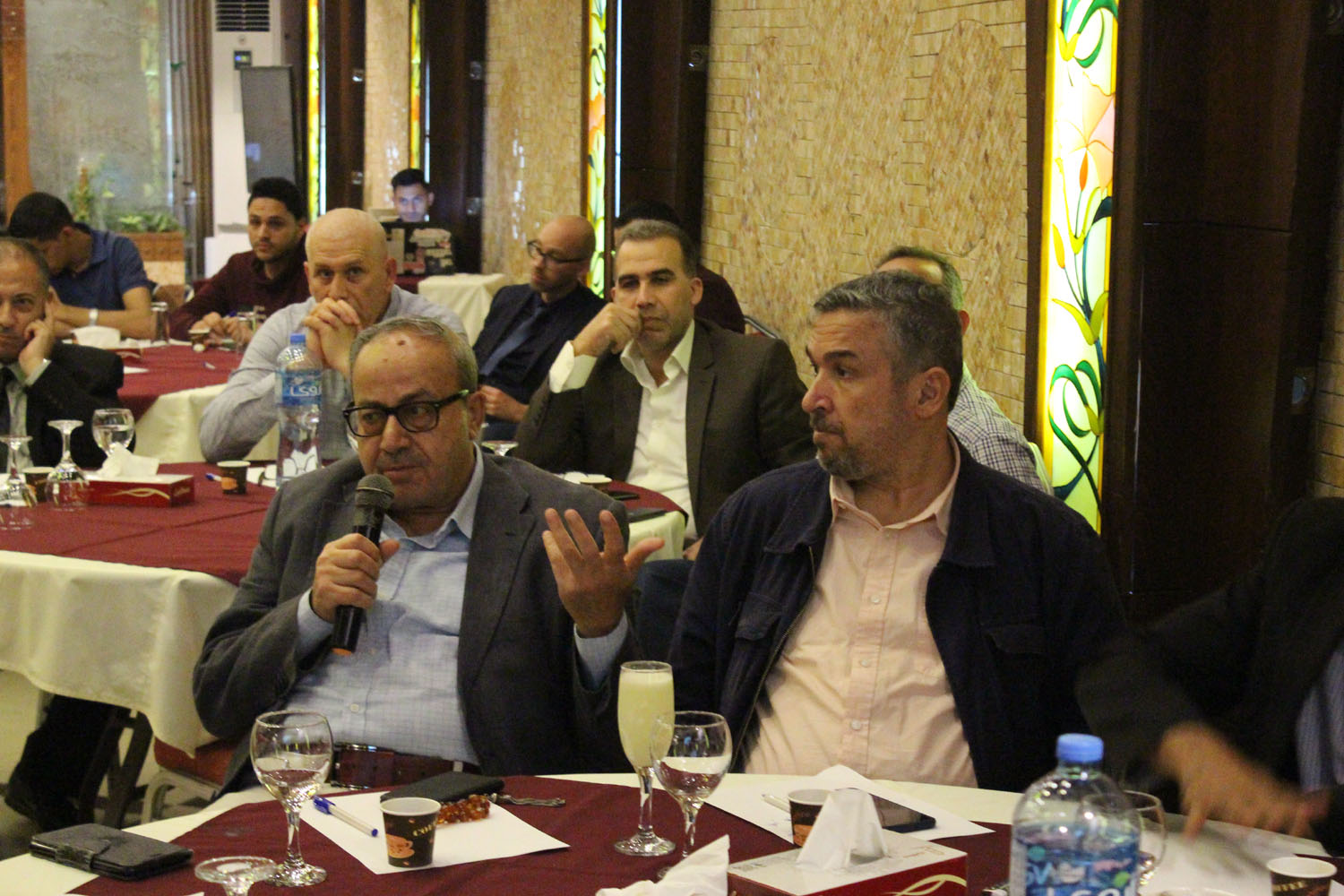
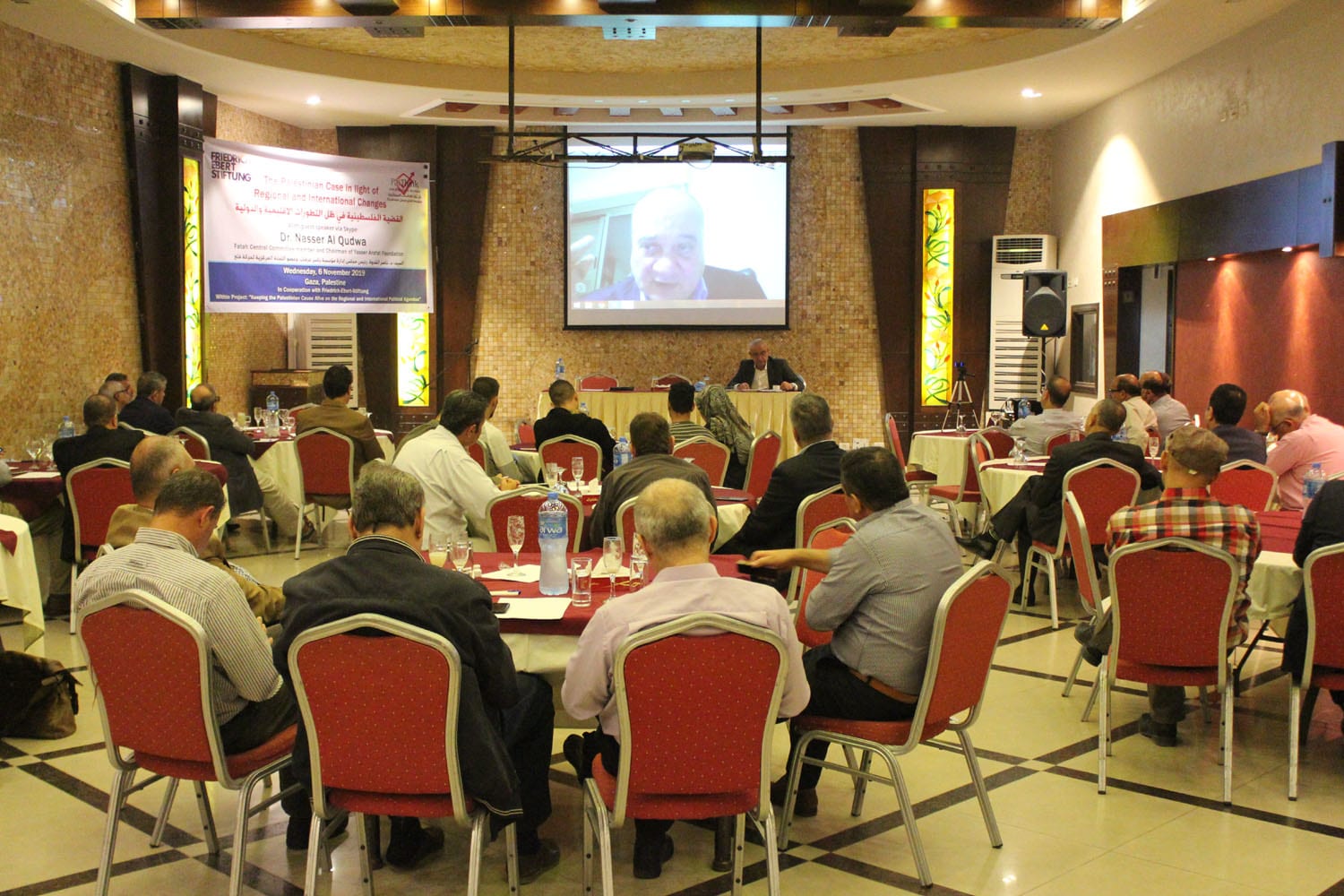
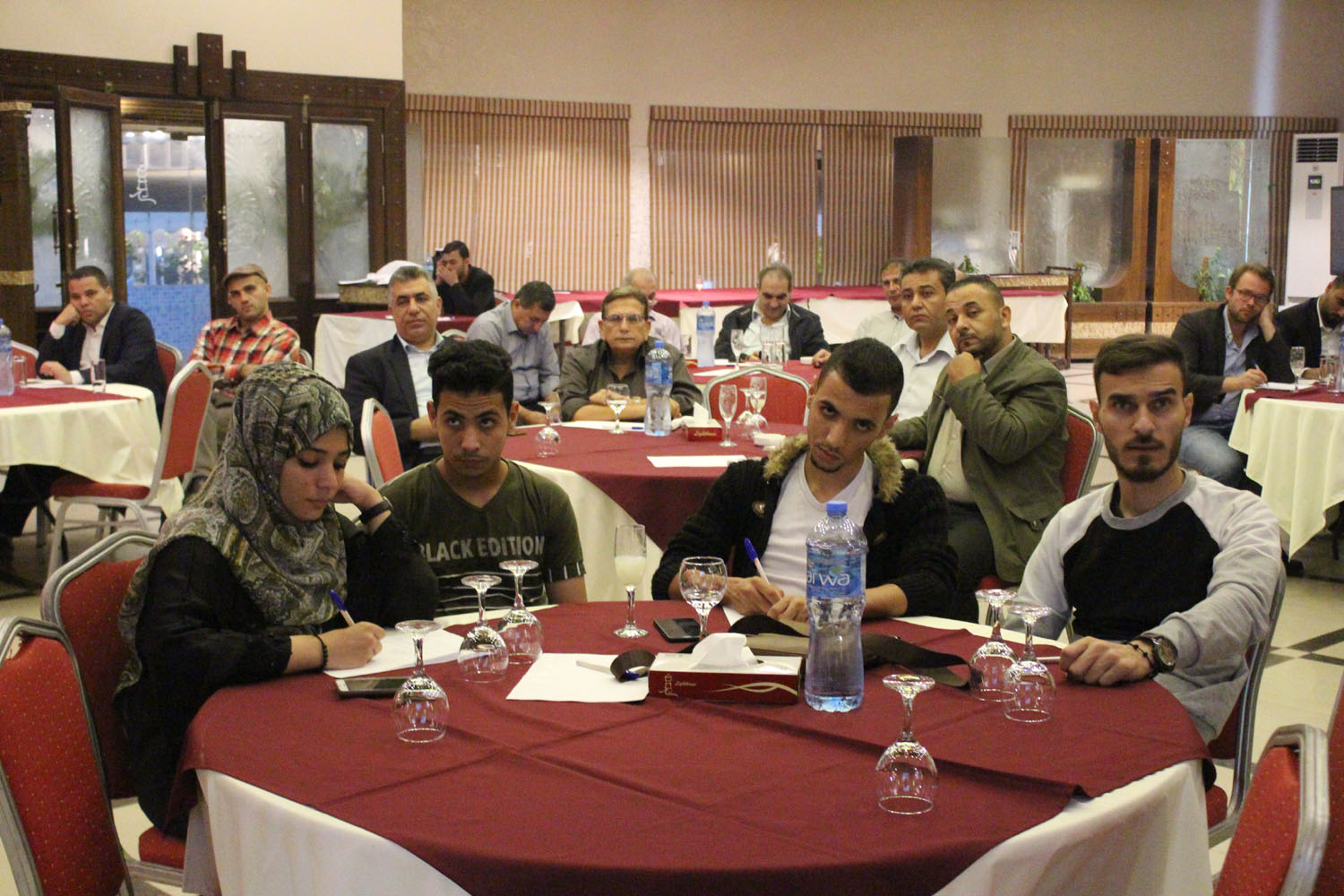
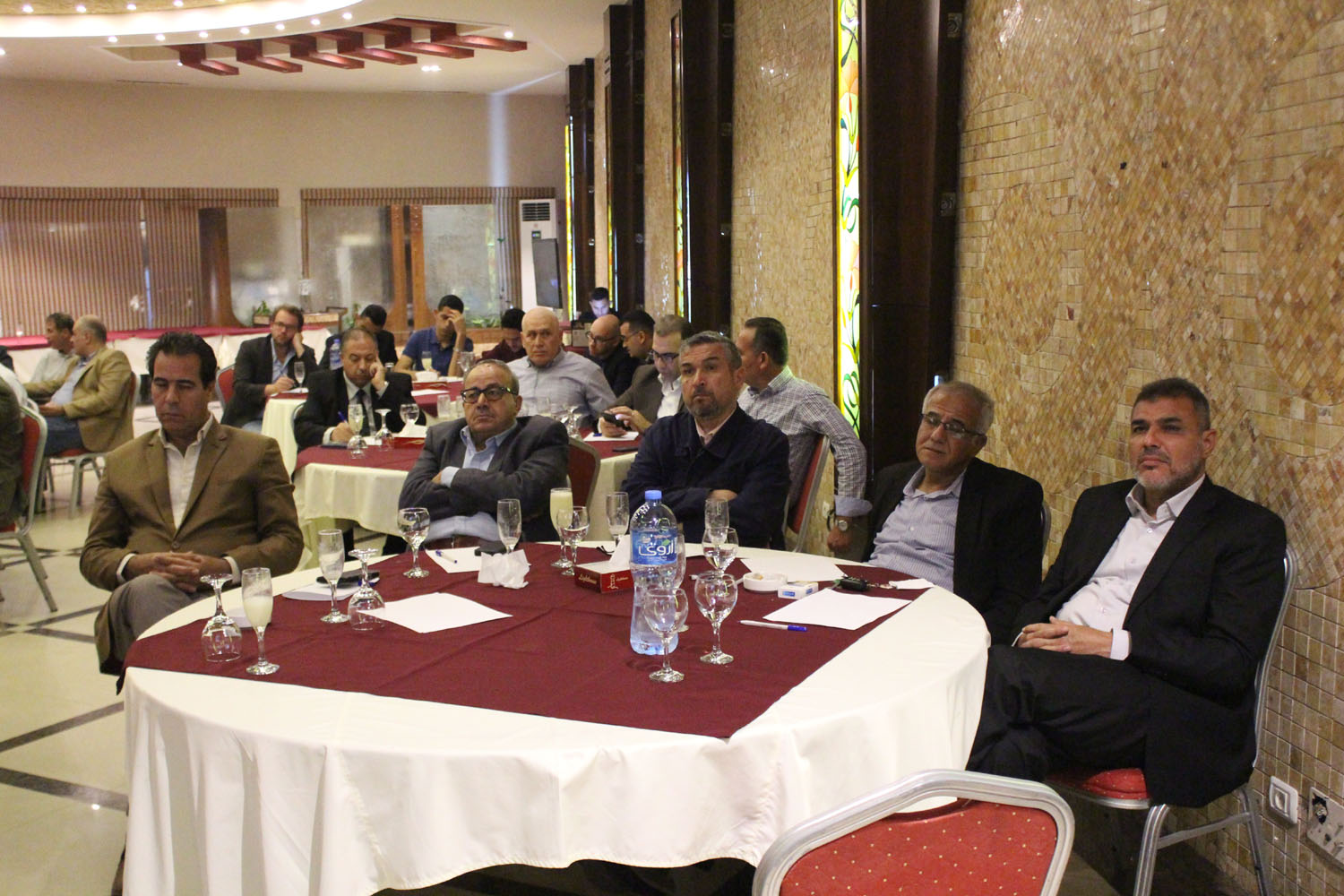
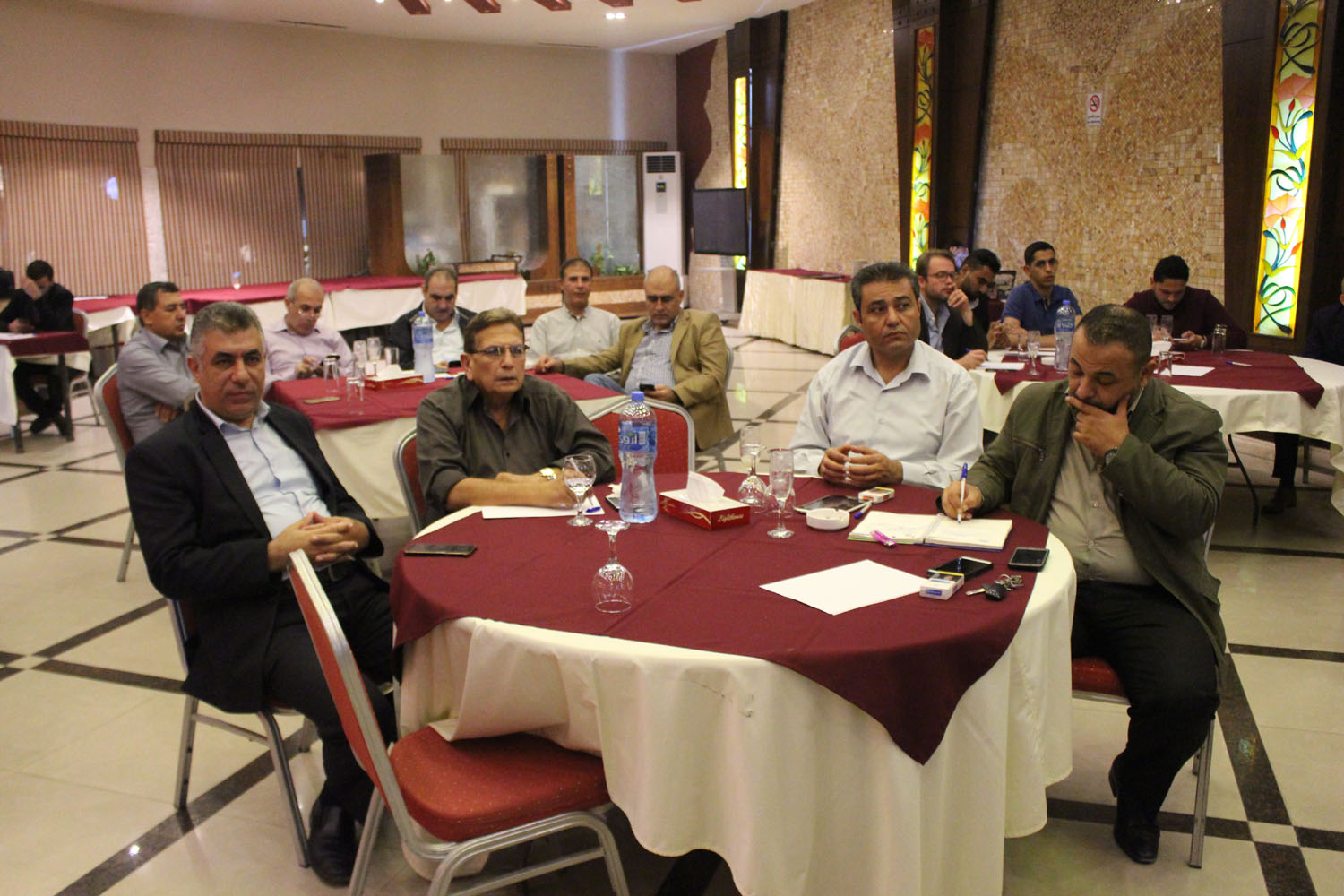
The Pal-Think for Strategic Studies institution held, at the Lighthouse hotel in Gaza yesterday, Wednesday, a dialogue meeting on the Palestinian cause in light of the regional and international developments, in cooperation with the German Friedrich Ebert foundation, which works in the field of political communication, and with the attendance of an elite of academics, researchers, and interested youth, in order to deepen knowledge around the Palestinian cause.
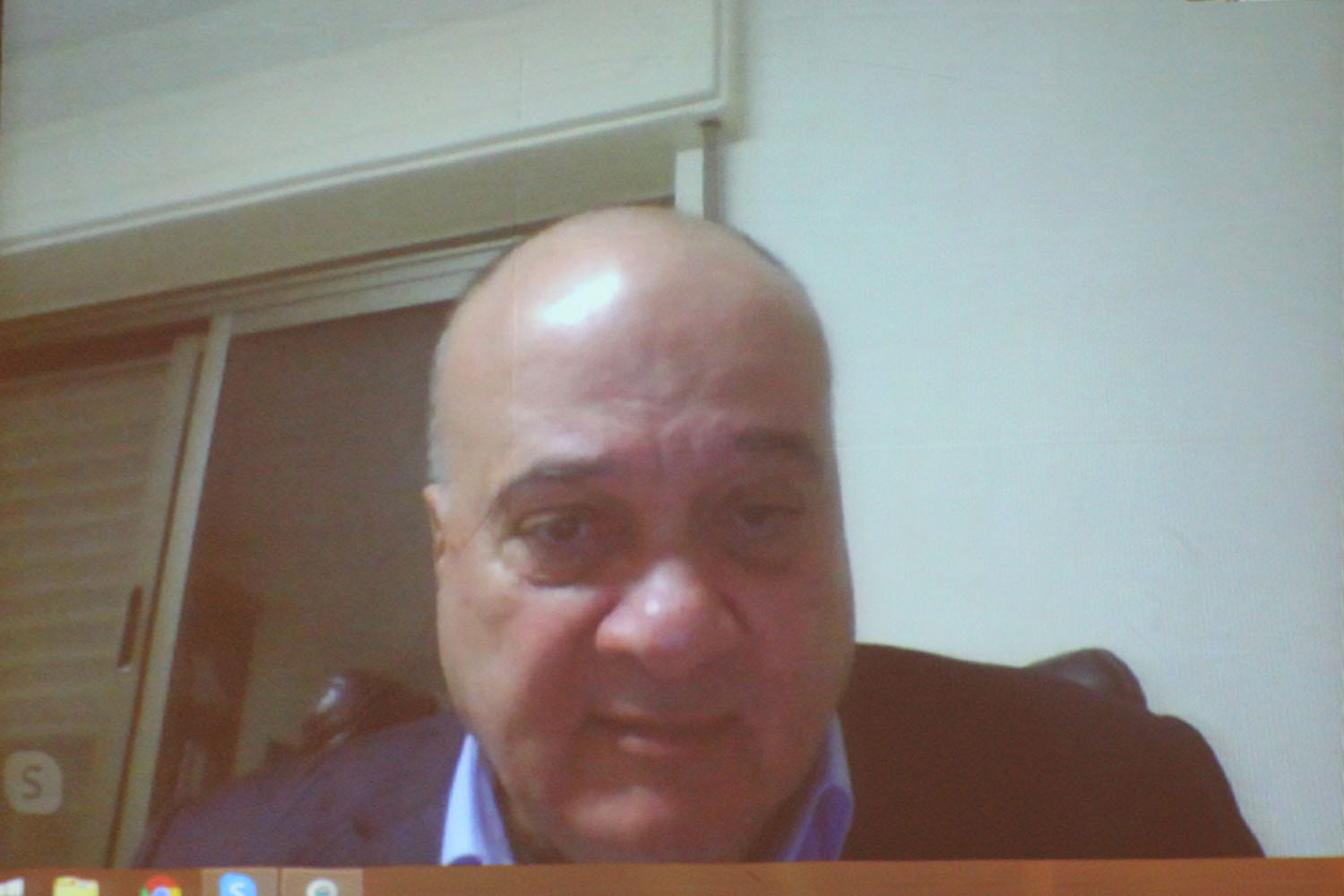
The meeting hosted Dr Nasser al-Qudwa, member of the Central Committee of the Fatah movement and chairman of the board of the Yasser Arafat Foundation, via Skype. He spoke of the American-Israeli measures against the Palestinians, the European Union's position toward Palestine, the regional situations, national unity, and the elections.
The meeting was opened by the director of the Pal-Think institution, Omar Shaban, thanking the German Friedrich Ebert foundation and those present. He said that this meeting comes within the periodic cultural activities Pal-Think carries out to break the cultural and moral blockade imposed on the Gaza Strip, and to strengthen knowledge and spread political culture.
From his side, Hannes Alpen, director of the German Friedrich Ebert foundation, began his talk by thanking Pal-Think and the attendees. He said that the Palestinian cause has not received attention in recent years because the world became occupied with other issues, and during that, the situation in Palestine was growing worse day after day. And it is possible, through the ongoing developments, to draw the world's eyes to the Palestinian cause once again, because the situations change quickly.
He continued: “We also warn against excessive optimism regarding American policy toward the Palestinian cause; therefore, the Palestinians must strengthen themselves with their own hands, and go to the elections, because they may reflect a positive external image of Palestine, that it enjoys democracy”.
In his turn, Dr Nasser al-Qudwa began his word by thanking Pal-Think, Friedrich Ebert, and the attendees. He said that the United States of America has taken unjust measures against Palestine, such as: its recognition of Jerusalem as Israel's capital, the closing of the Liberation Organisation's office in Washington, and its currently taking measures to end the work of “UNRWA”.
He added: “The Europeans have not taken a negative position against Palestine, but they have not performed their role as they should, and they must press Israel through the bilateral European-Israeli relations, take legal measures against the settlements and the factories established in them, and recognise the State of Palestine on the '67 borders with East Jerusalem as its capital, because this creates a political fact that cannot be retreated from in the foreseeable term”.
He continued: “The United States and Israel have created an imaginary central regional danger, which is the Iranian danger, to cover over the real central danger, which is the Israeli occupation. He noted that the Arab position, despite its weakness, was and will remain a lever for Palestine”.
He also pointed out that Palestinian diplomacy has weakened by force of the internal Palestinian state, and it is possible to strengthen it if national unity is achieved. He went on to say: “The Palestinian leadership believes in democracy and in appealing to the people, and Palestinian unity must be achieved and then the going to elections — and not the reverse. The requirements of Palestinian unity are Hamas's clear announcement of its relinquishing its control over the Gaza Strip, the completion of a political partnership between the political parties, in the Palestinian National Authority and the Liberation Organisation, and that there be a clear and time-bound agreement, which is implemented, to reach comprehensive elections”.
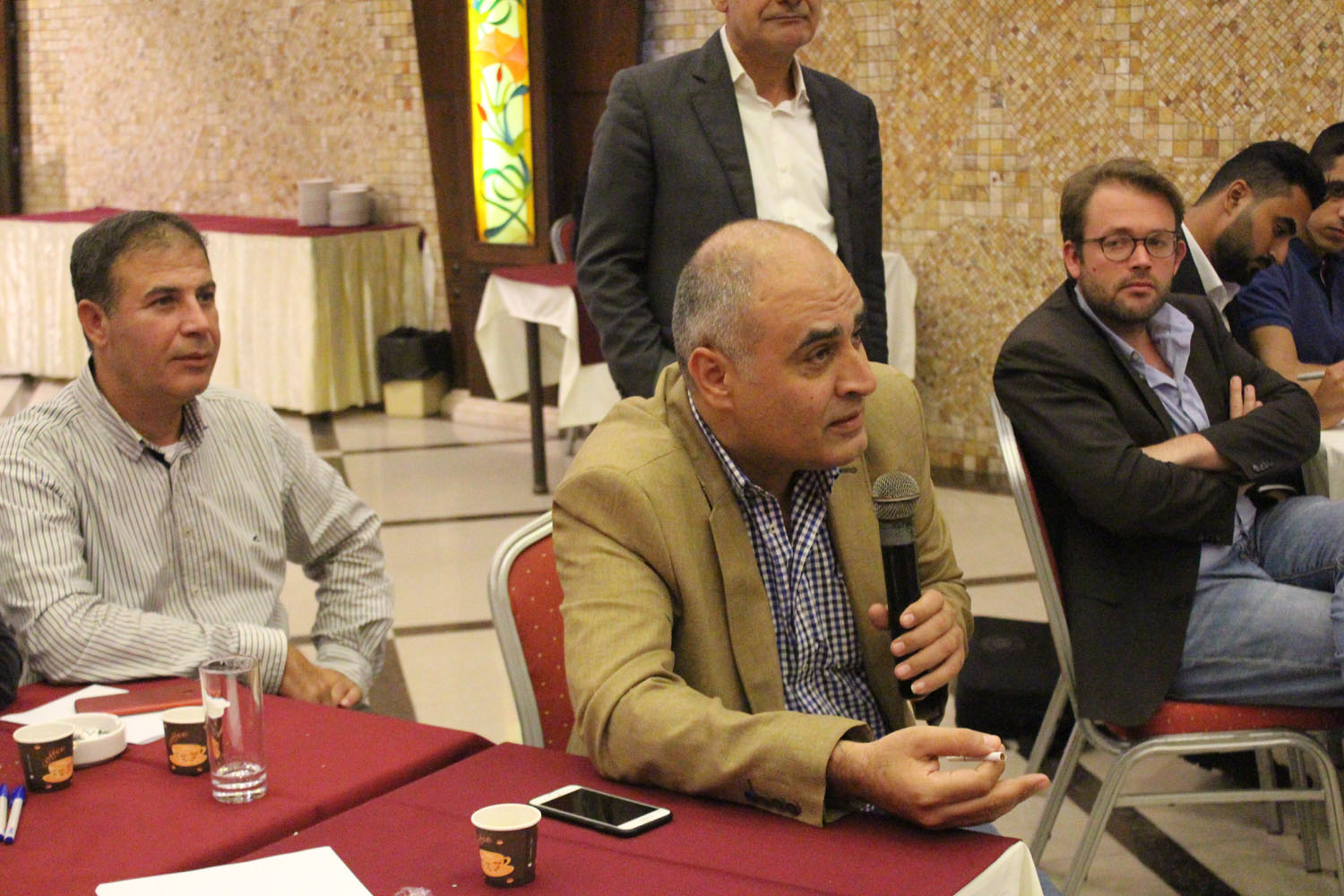
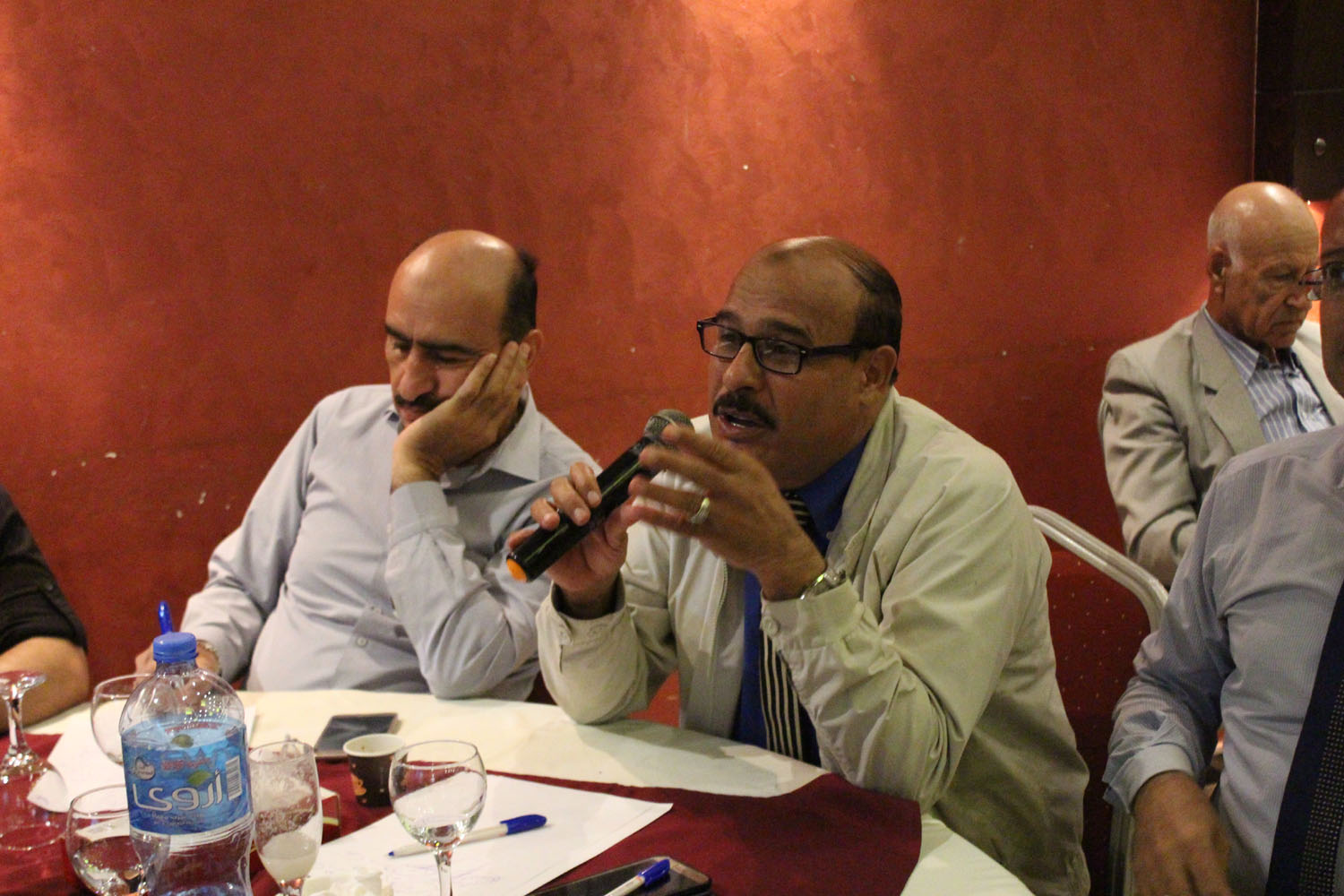
The questions of the attendees — who asked Pal-Think to continue holding similar meetings — revolved around the role required of the Palestinians to confront the American-Israeli encroachment, the Palestinian elections and the possibility of achieving them in all Palestine, and the weakness of Palestinian diplomacy and the options available to the Palestinian leadership.
It is recalled that Pal-Think periodically holds dialogue meetings with decision-makers locally and regionally, in order to fill the cultural gap among the youth and the interested, so that they be able to build the independent Palestinian state.