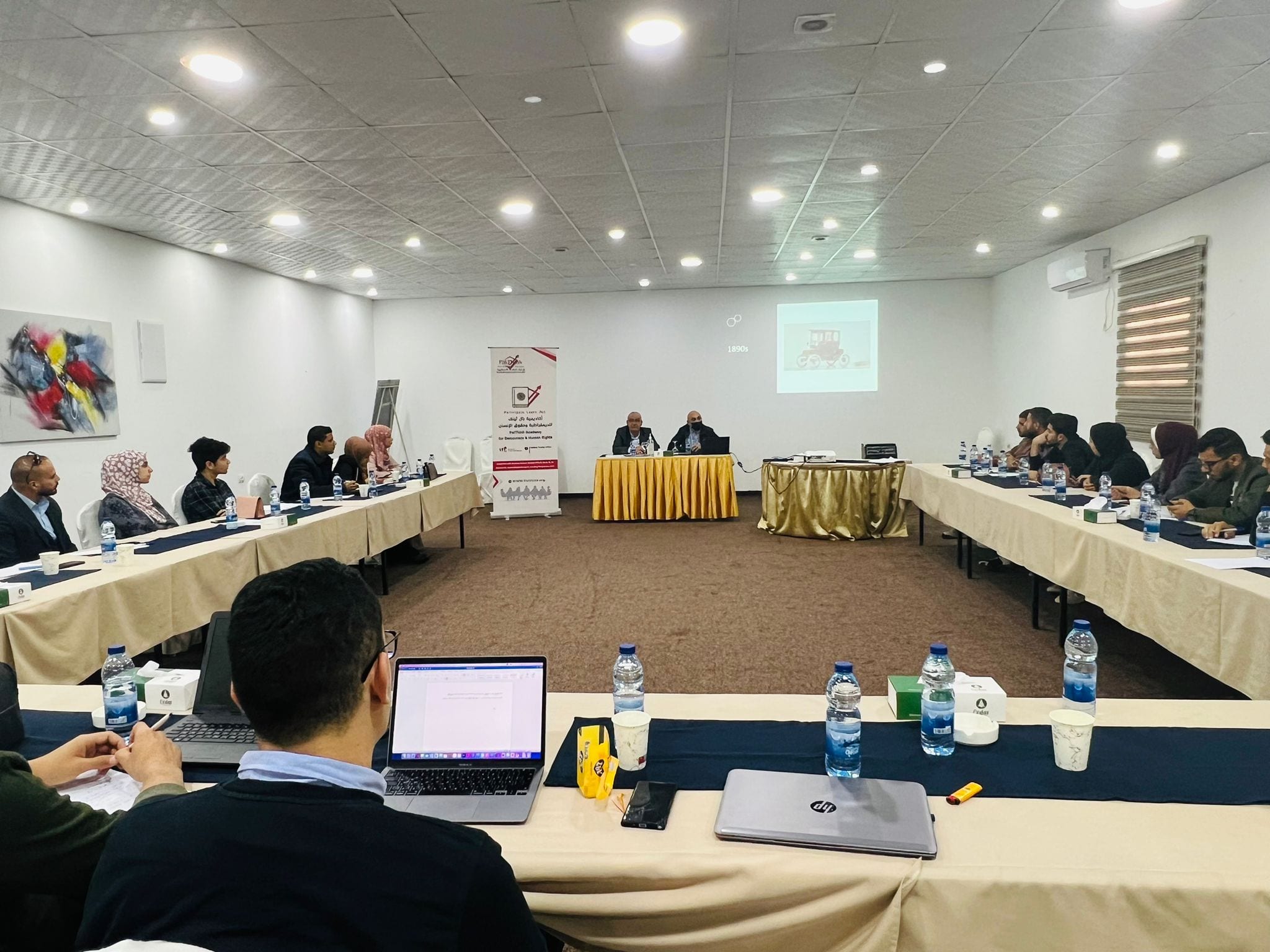
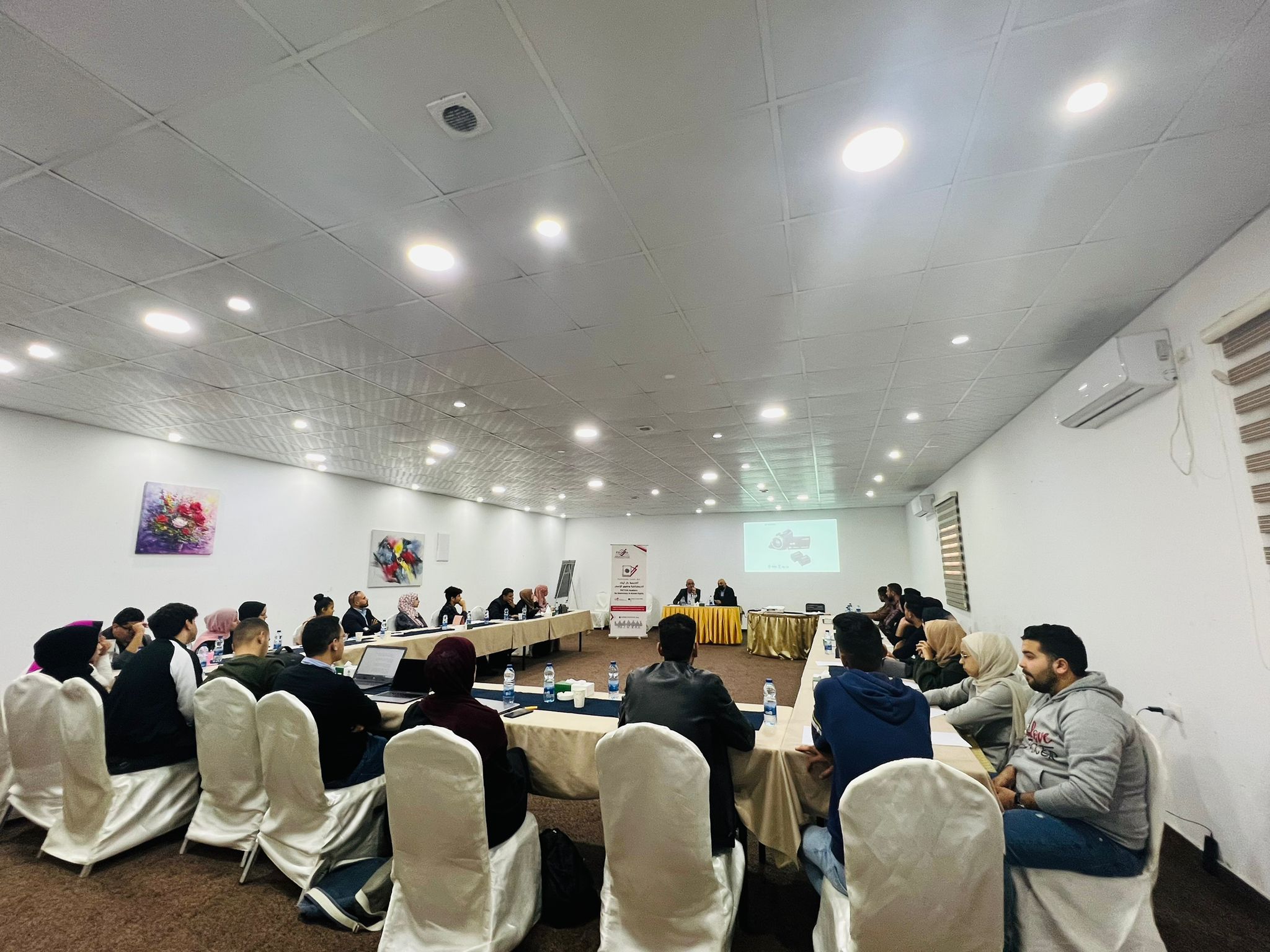
Pal-Think hosts UNICEF's Gaza office chief in a dialogue with the Democracy & Dialogue Forum's youth
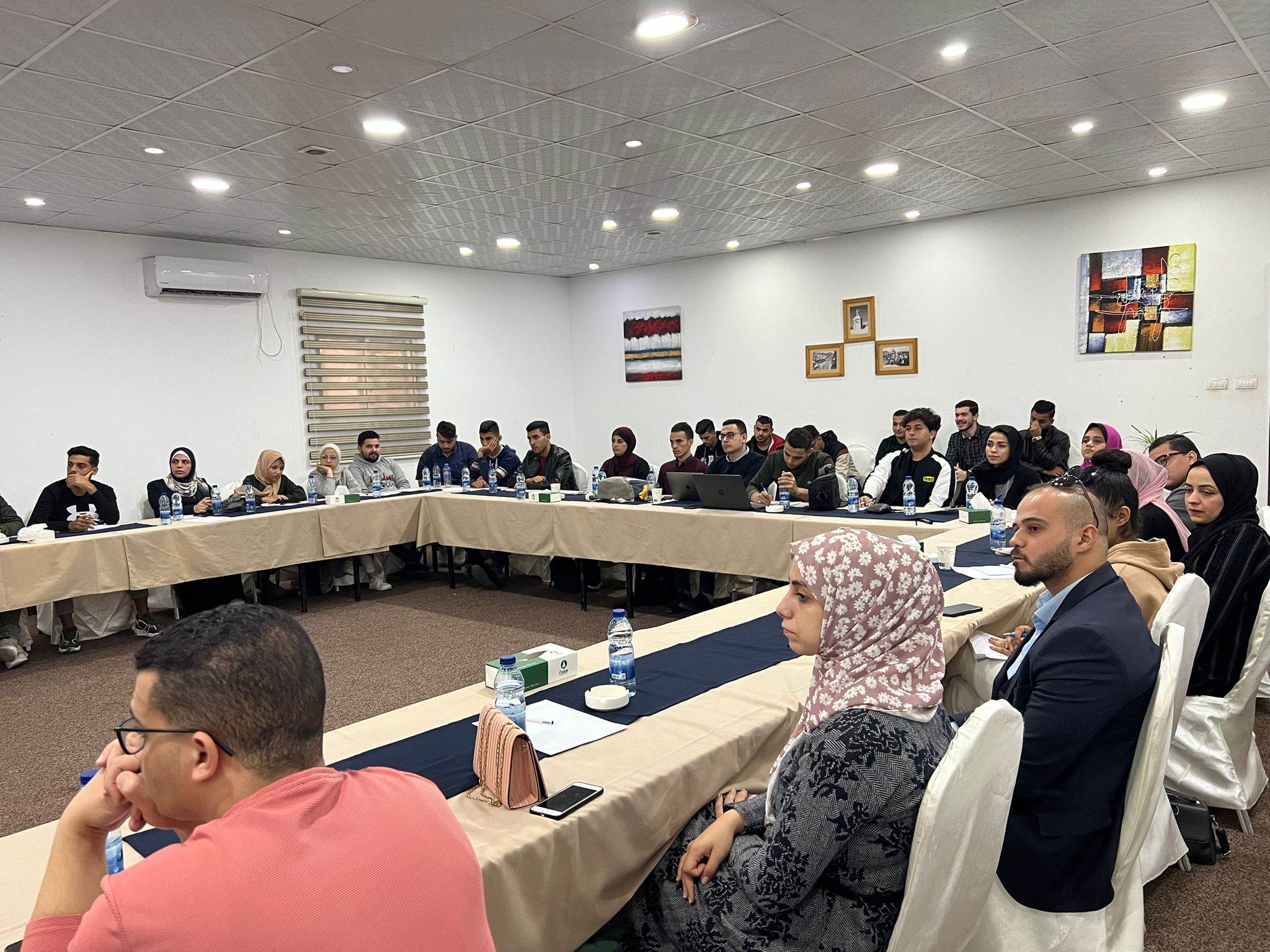
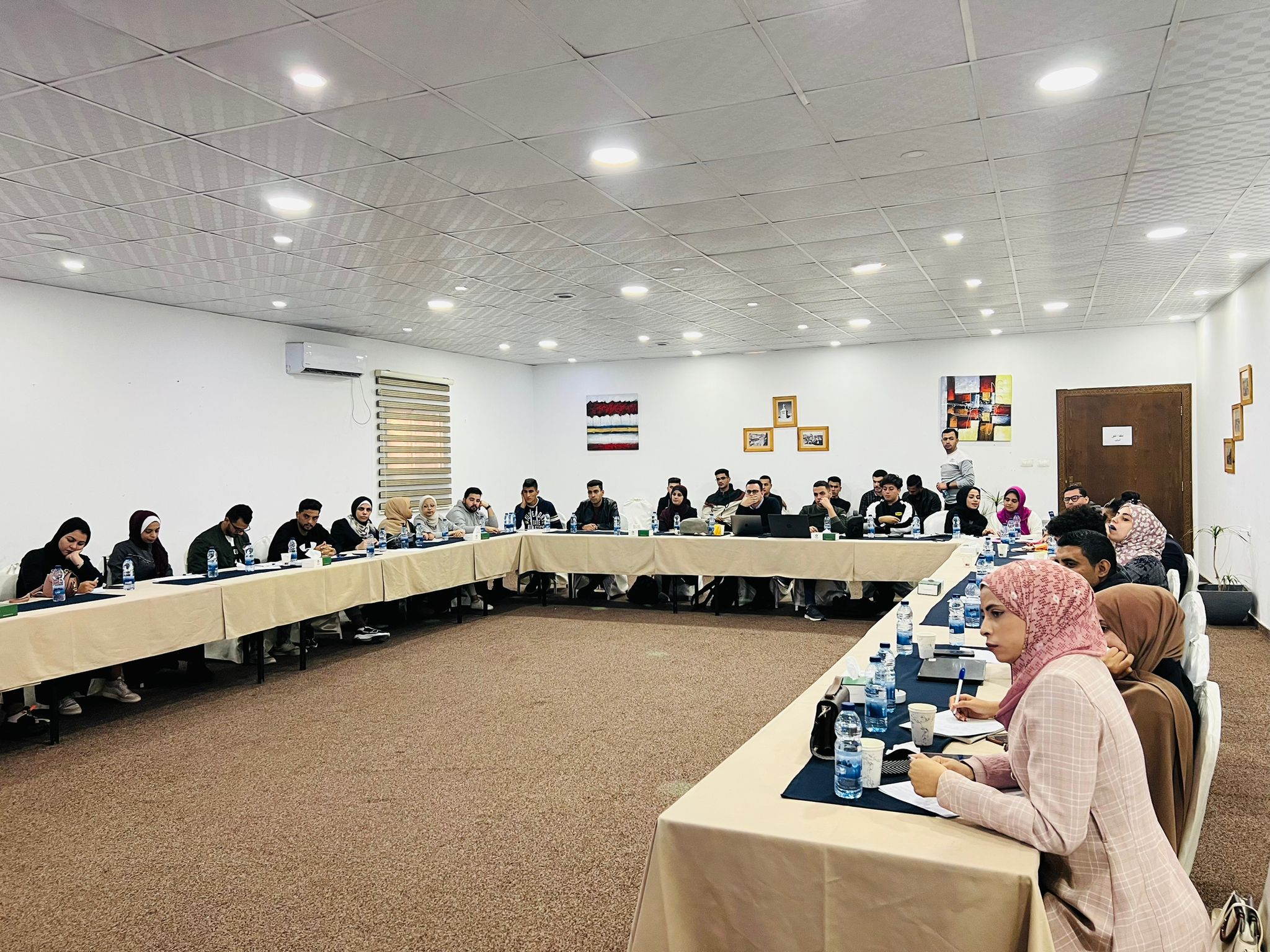
Continuing its efforts to raise young people's awareness and break their intellectual isolation, Pal-Think held a dialogue with UNICEF's Gaza chief Ramiz Behbudov, under the Pal-Think Academy for Democracy and Human Rights.
- Date
- 2022-11-12
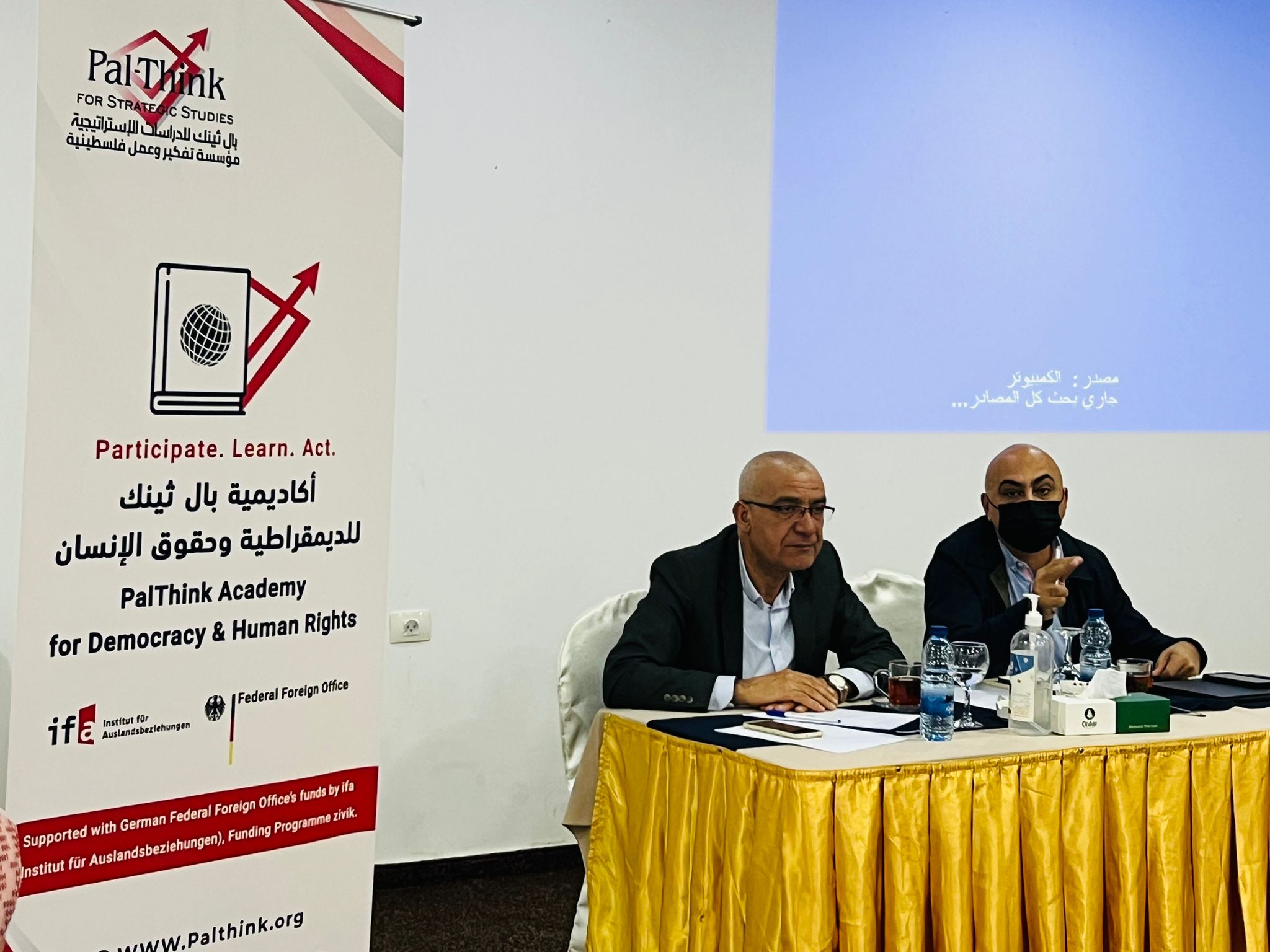
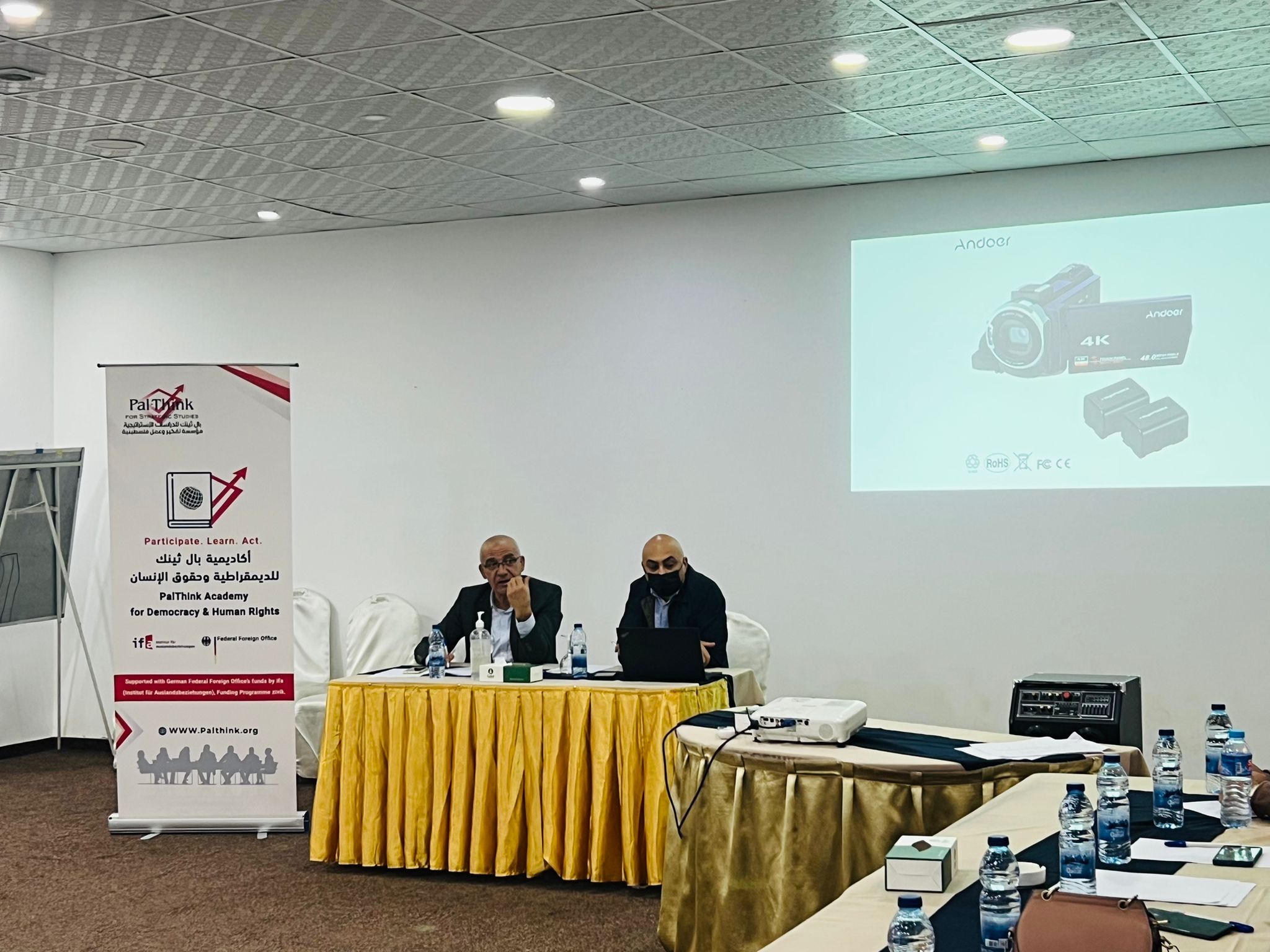
Continuing its tireless efforts to raise young people's awareness and break the knowledge blockade and cultural isolation imposed on them, Pal-Think for Strategic Studies held a dialogue meeting with the head of UNICEF's Gaza field office, Ramiz Behbudov, within the activities of the Pal-Think Academy for Democracy and Human Rights, implemented by the institution in partnership with the German Institute for Foreign Relations (ifa).
Pal-Think's director, Omar Shaban, opened the session by welcoming the audience, then spoke of the Academy project and its role in entrenching the values of democracy and human rights in Palestinian society through workshops, continuing meetings, the writing of research papers, and book and film discussions.
He said that “Pal-Think gives young people the opportunity to meet figures they cannot usually meet — diplomats and staff of international organisations — in order to increase young people's awareness of current issues.”
For his part, Ramiz Behbudov began by thanking Pal-Think for holding the meeting that brought him together with the youth, and by introducing UNICEF, its work, and its efforts supporting children in more than 190 countries around the world without discrimination on the basis of colour, creed, sex, or race.
The session took up many issues, foremost the importance of innovation in finding solutions to improve the conditions of children's lives, and that UNICEF looks for creative ideas from young people that would solve the problems of children and their communities.
The audience posed several questions and interventions on a number of issues — among them the traffic accidents that recently claimed the lives of a number of children, child labour, the flooding of streets after the recent rains, overcrowded classrooms, and the psychological effects of the wars on children.
The audience offered several ideas and proposals to support Gaza's children, among them building inclusive spaces for their development — especially those with disabilities — to improve their skills and talents, and a safe network to provide psychological support to them and their families.
Behbudov expressed his admiration for the audience's questions and suggestions, saying UNICEF would be happy with any creative ideas that would offer solutions to young people's problems. He said child labour is an extremely complex issue with no easy solution, especially in a country suffering high poverty rates, and that UNICEF works with other agencies to get children into school instead of into the streets to work.
The session discussed how dealing with flooding is a focus of UNICEF's attention: this year, with support from the government of Kuwait, it implemented programmes in seven different areas of the Gaza Strip to mitigate the effects of flash floods. UNICEF also works with the vital-utilities organisations to improve their capacity to address problems over the long term, as these are their responsibilities. He added that UNICEF awaits creative solutions from the youth, because they are capable of change.
The discussion also shed light on the fact that one of the main problems in Gaza is the psychological effects of the wars, and that UNICEF and its partners provided support to more than 150,000 children in Gaza during the past year.
At the discussion's close, the participants discussed violence against children: 80% of children in Gaza have been exposed to violence, while UNICEF supports 12 centres providing varied protection services to between 30,000 and 40,000 children each year.