Pal-Think presents and discusses a policy paper: the obstacles to strengthening democracy in Palestine and how to overcome them
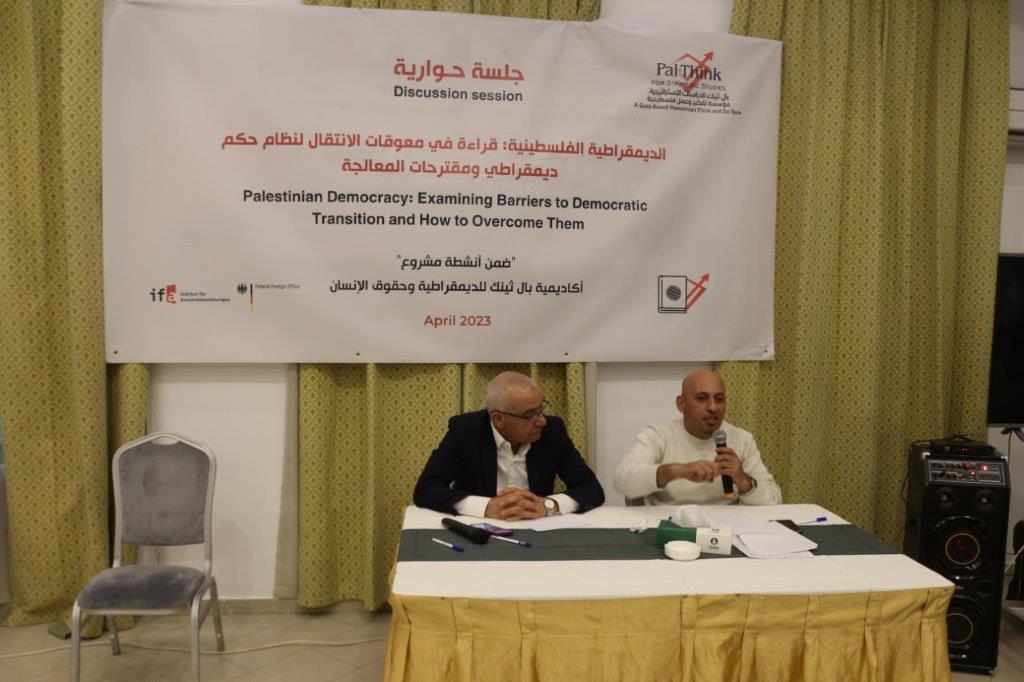
Pal-Think held a dialogue discussing the research paper «Palestinian democracy: a reading of the obstacles to democratic transition and proposed remedies», by Pal-Think researcher Yahya Qaoud, under the Pal-Think Academy project.
- Date
- 2023-04-11
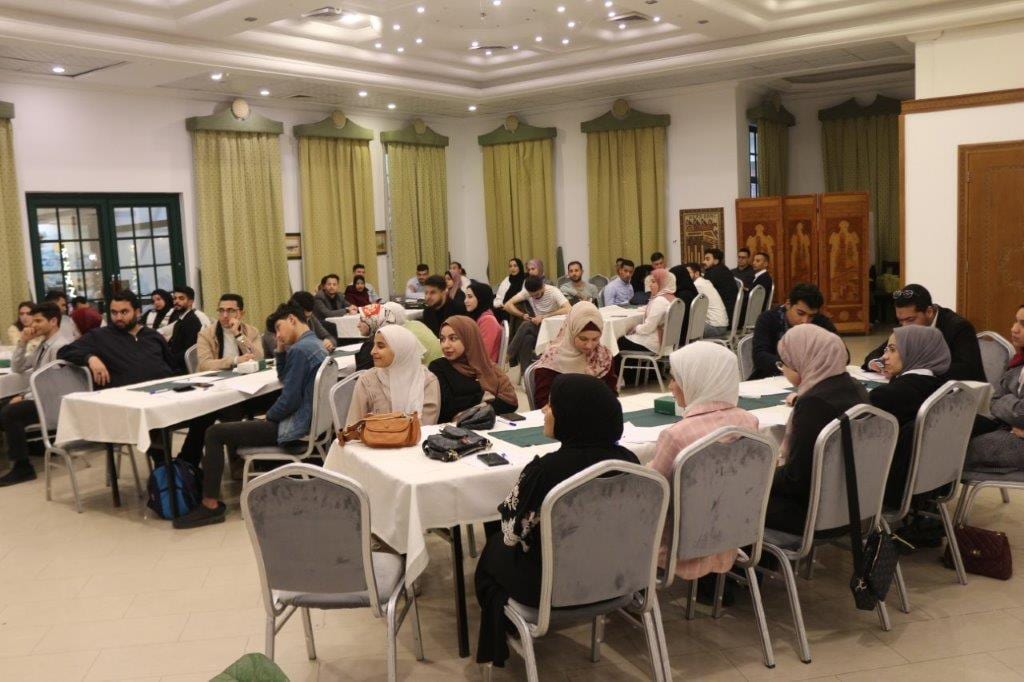
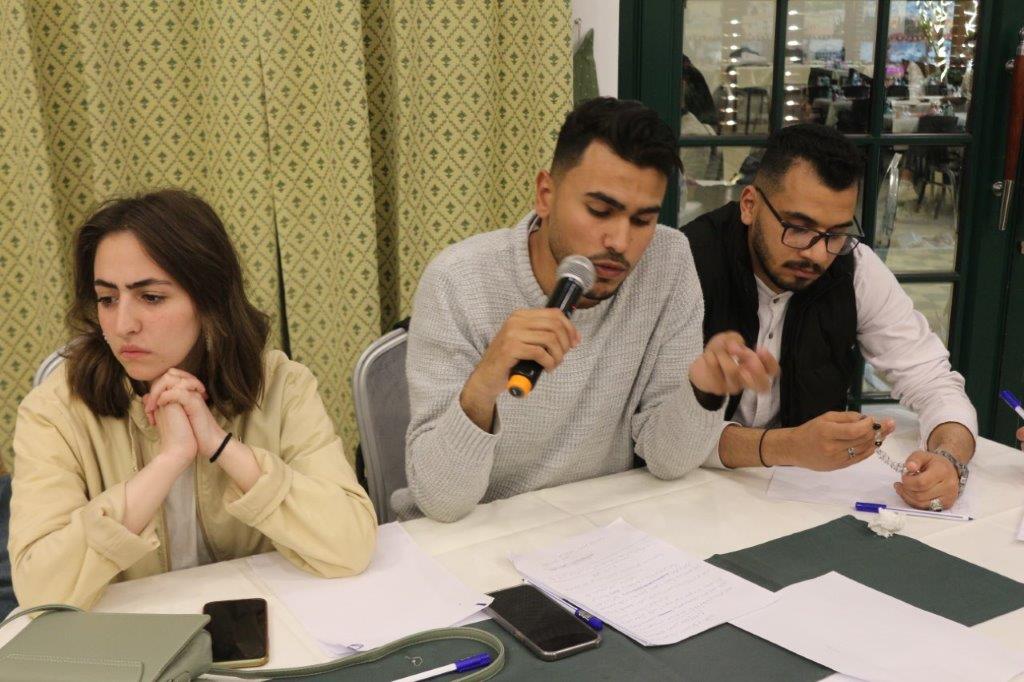
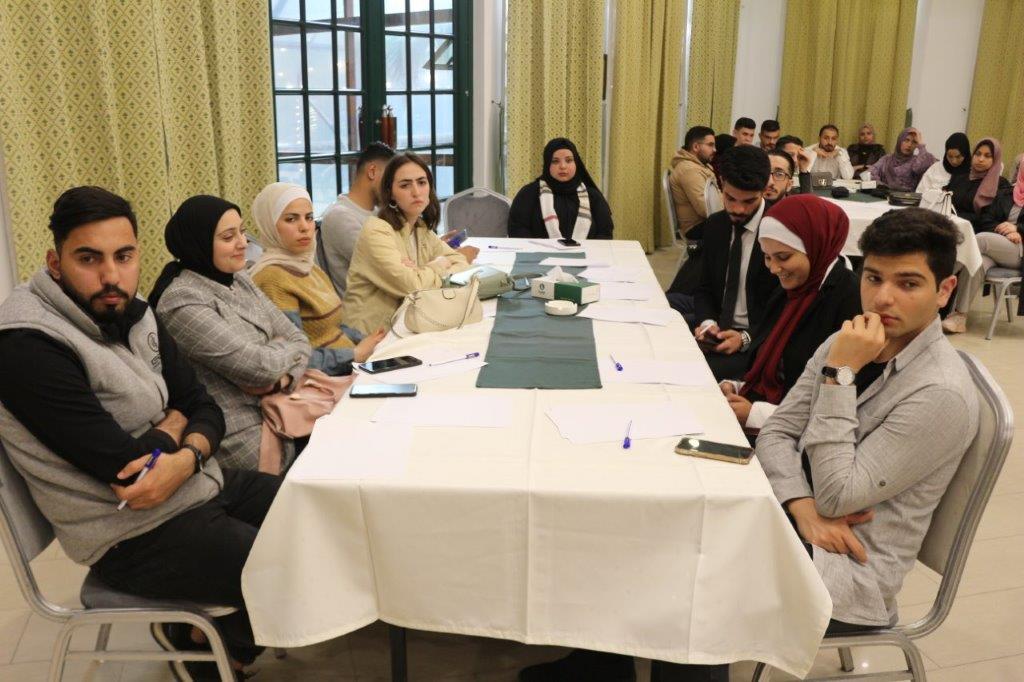
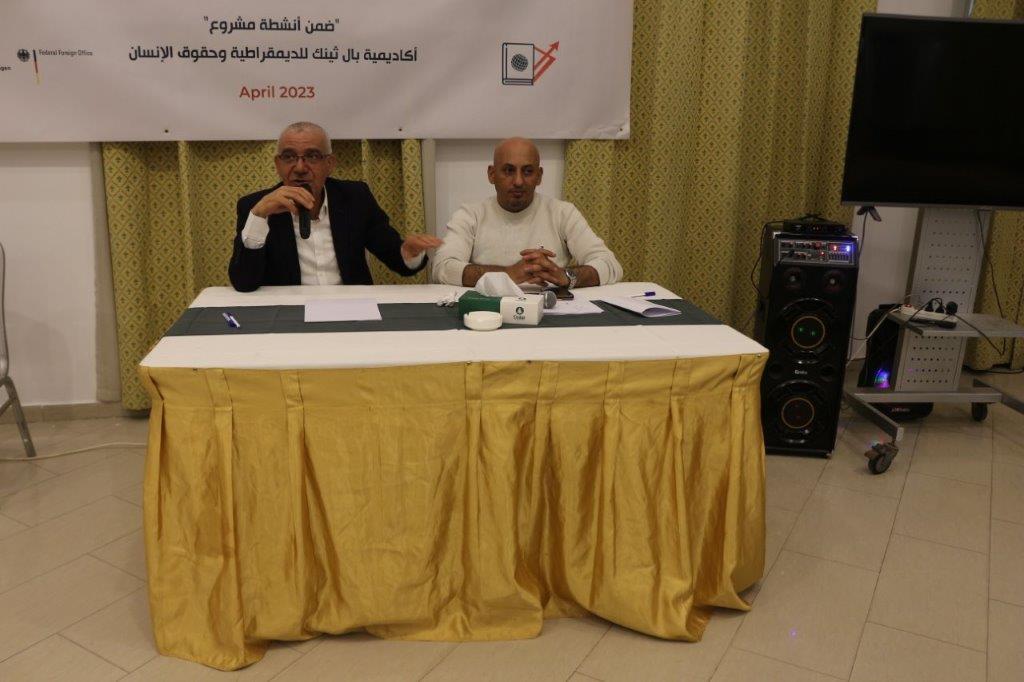
Pal-Think for Strategic Studies held a dialogue session yesterday, Monday, to discuss a research paper titled “Palestinian democracy: a reading of the obstacles to transition to a democratic system, and proposals for treatment”, prepared by Pal-Think researcher Yahya Qaoud, within the activities and events of the “Pal-Think Academy for Democracy and Human Rights — phase two” project.
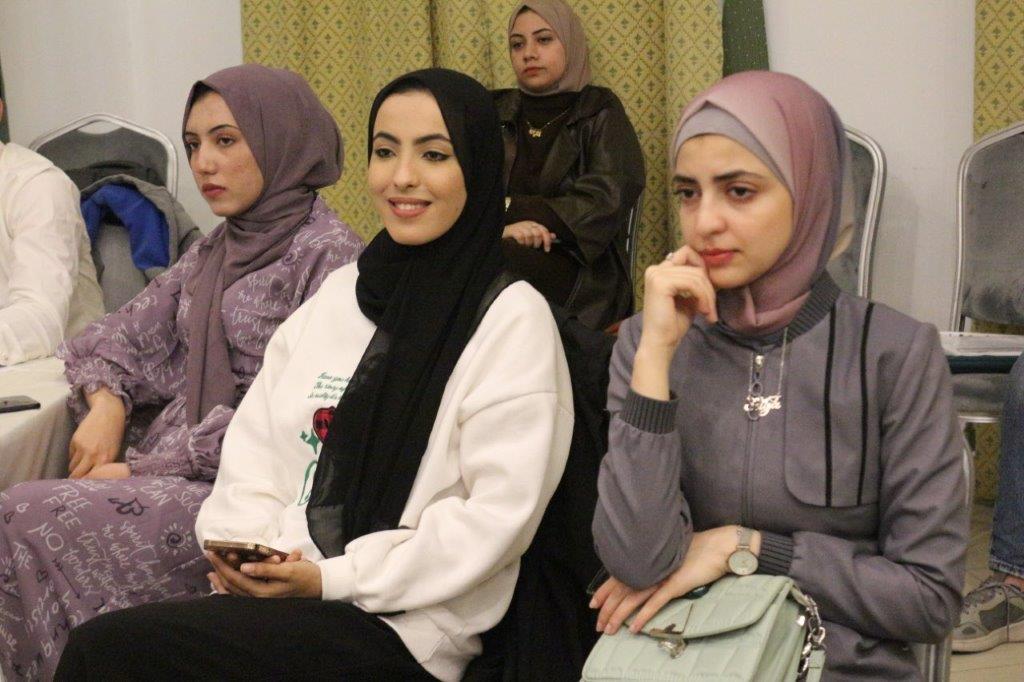
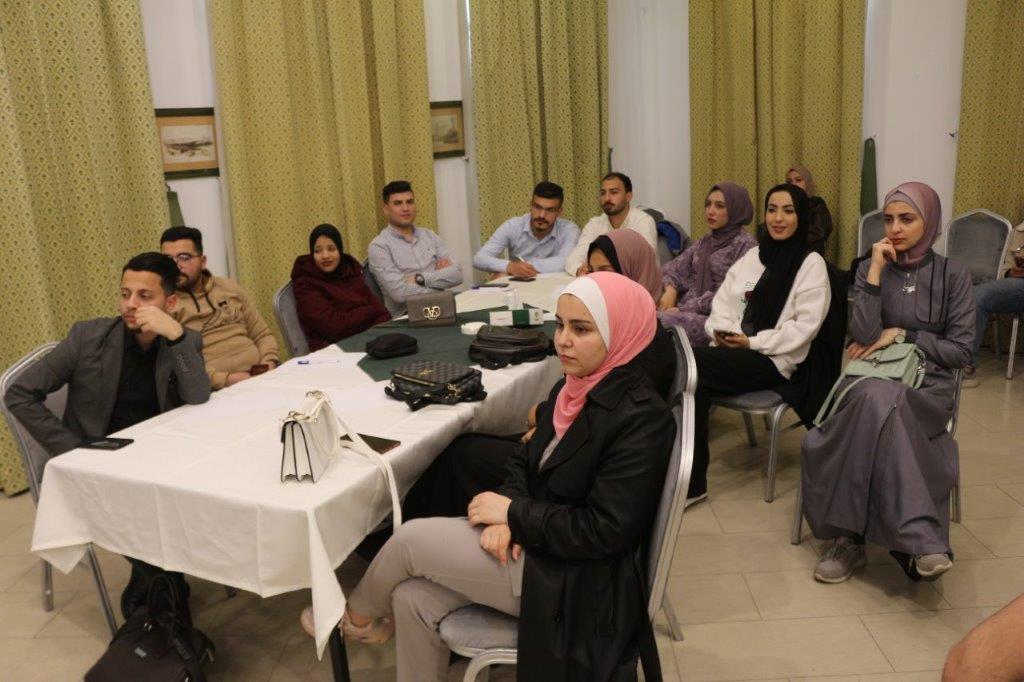
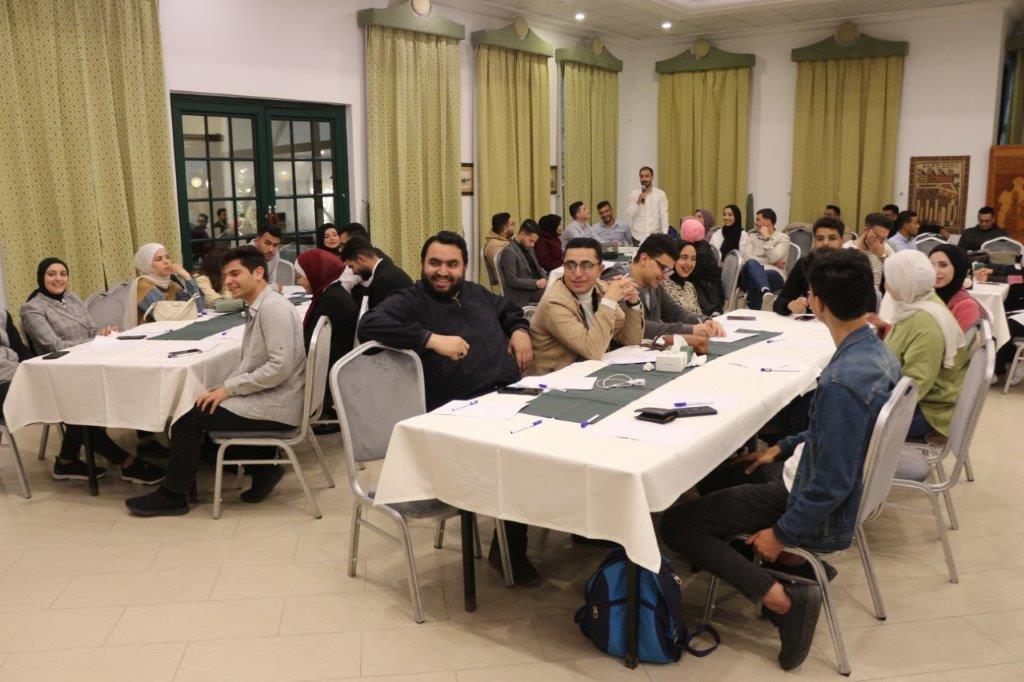
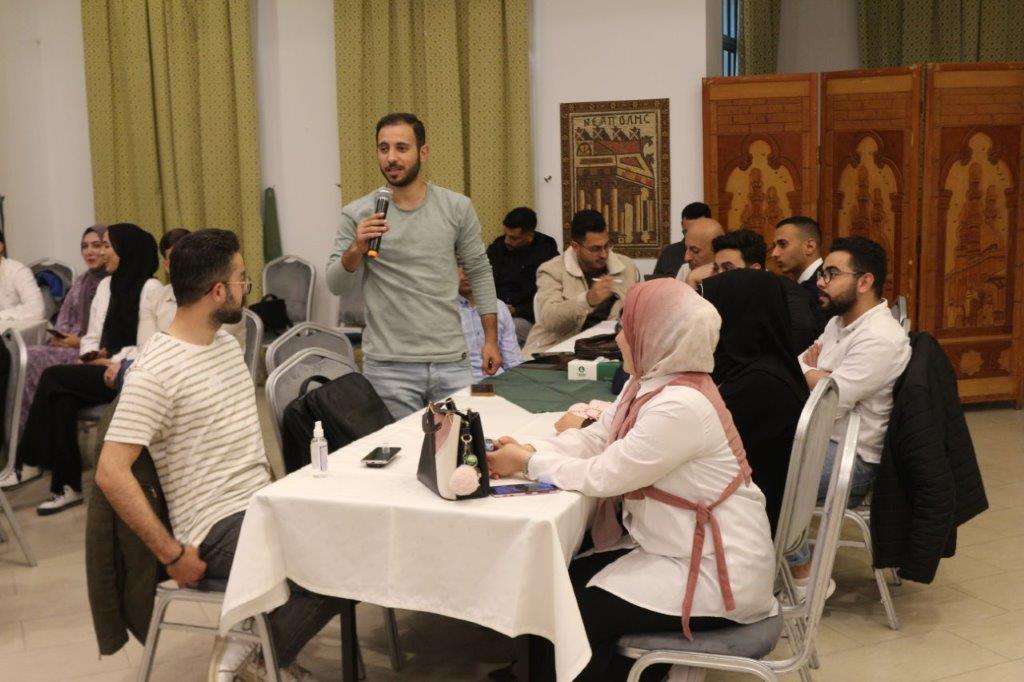
The director of Pal-Think, Omar Shaban, welcomed the attendees — among them researchers, academics, and members of the academy — saying that “the first phase of the project achieved dazzling success and helped raise the awareness and refine the characters of the participants through the various activities, especially the academy's members”, before a packed attendance of 70 people, most of them young.
For his part, Pal-Think researcher Yahya Qaoud, researcher in political science and public policy, presented the paper he prepared on the obstacles to democratisation in Palestine. He said the beginning of the democratisation process was new and full of hope: the first elections were held two years after the Authority was formed, and the laws, systems, and regulations governing Palestinian elections were built. Despite the Israeli occupation as the principal obstacle, the electoral experience was repeated in the local-government bodies and the general elections in 2004–2006, and their holding was prevented in 2021. On another front, across the years of the Palestinian division democratic life was paralysed, despite some elections held in the universities and municipalities of the West Bank without the Gaza Strip, and some union elections in Gaza and the West Bank — as shown by Palestine's ranking of “109” out of “167” on the global democracy index of 2022.
He noted that the democratic transformation in Palestine is more “instrumental” than a conscious transformation grounded in a culture of law. A set of internal factors has helped paralyse the democratic process, such as the cultural inheritance and the deformation of the political system's structure; and a set of external factors has driven its paralysis, foremost among them external attempts to influence the course of the democratic process, and the absence of UN support for providing a Palestinian environment that embraces the democratic process.
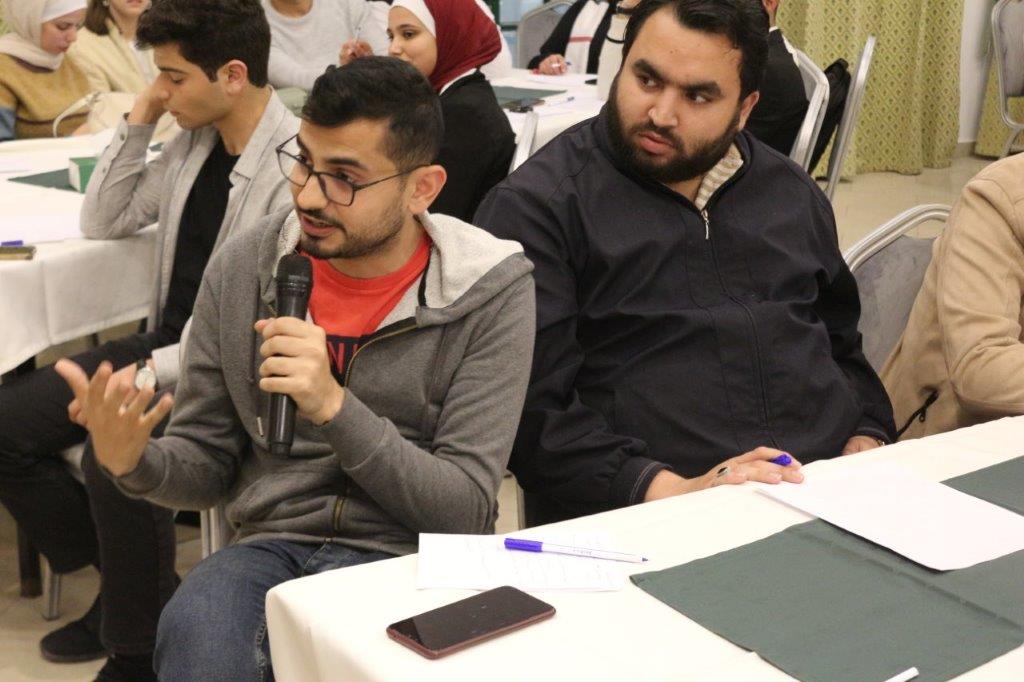
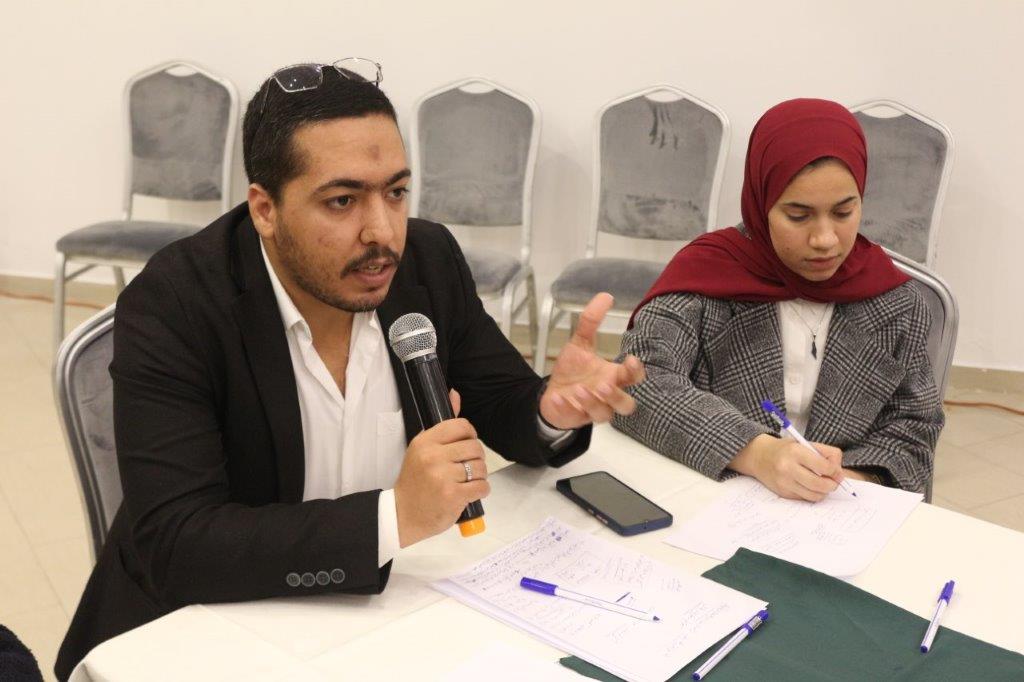
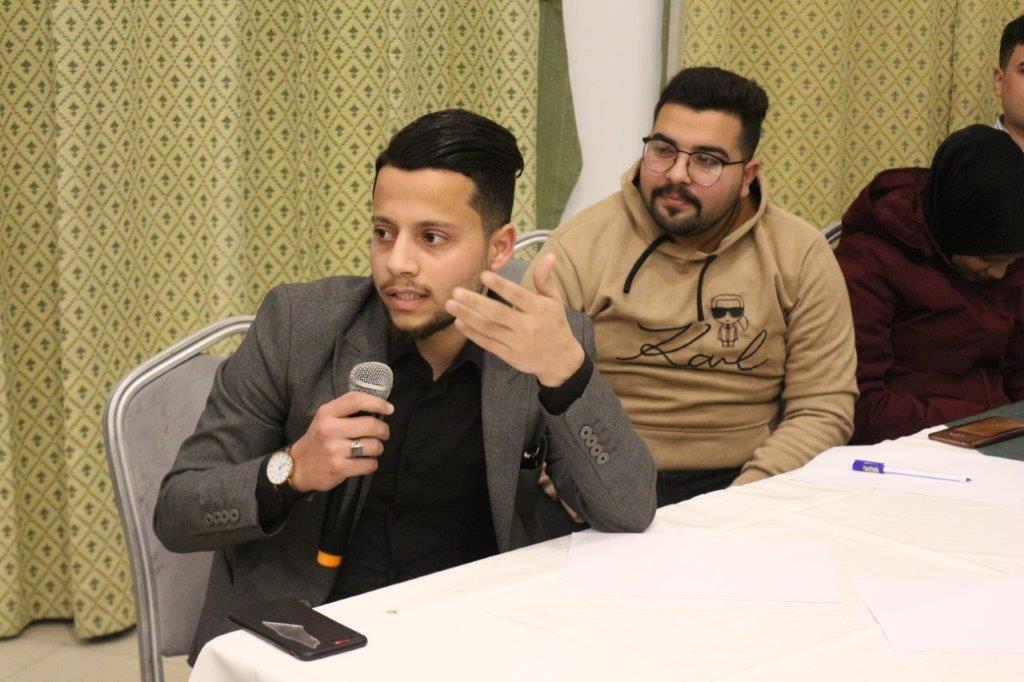
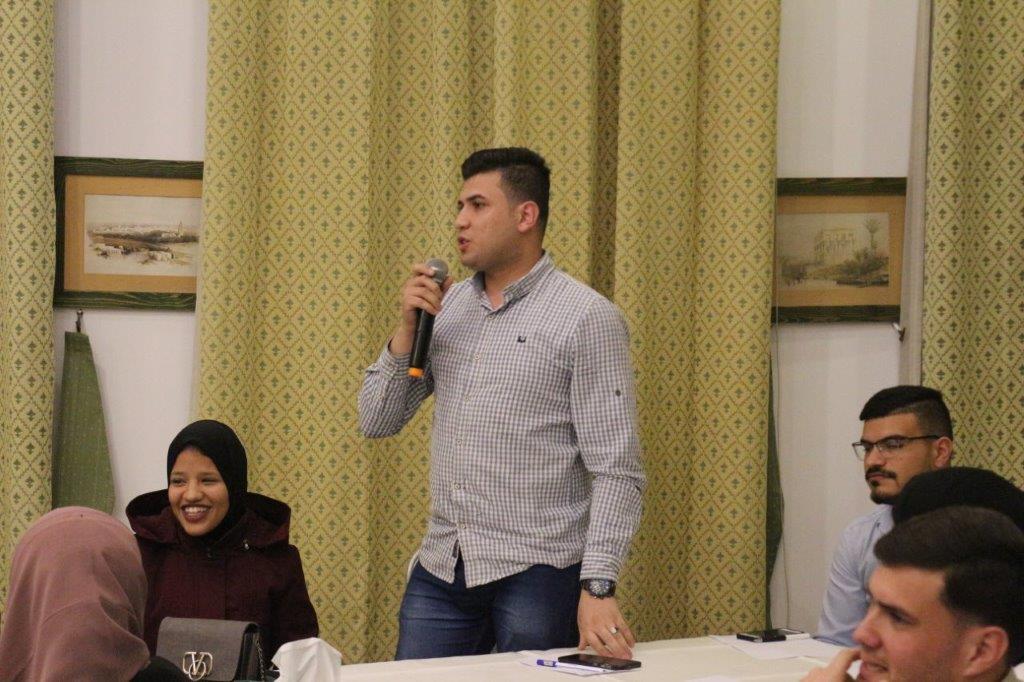
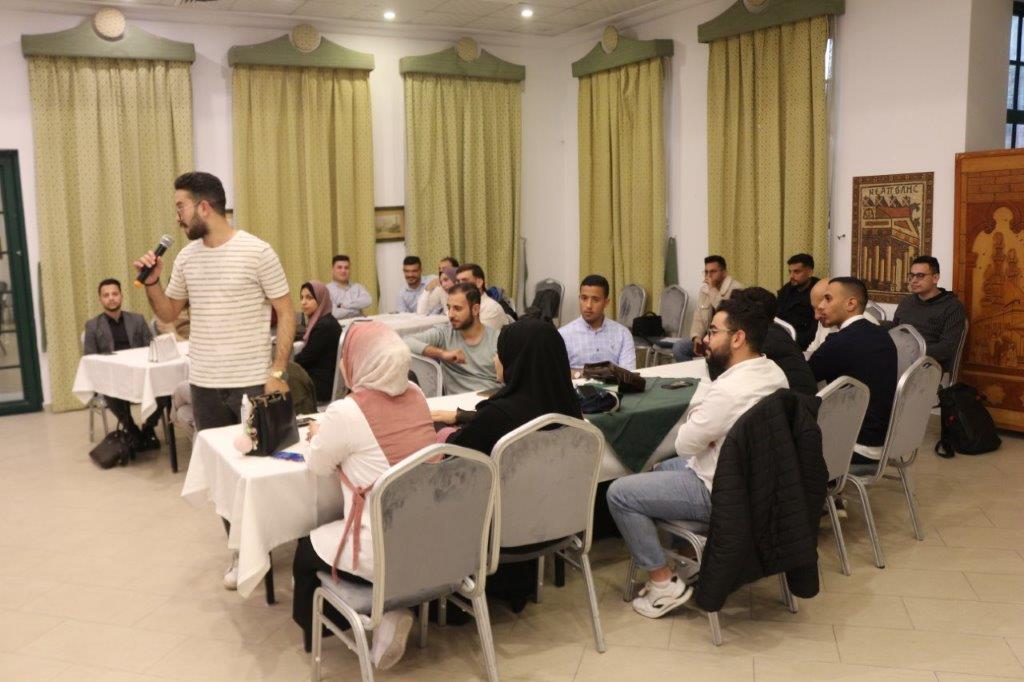
The session closed with an in-depth discussion with the attendees, who offered a number of interventions and questions on democracy in Palestine. The dialogue turned on the crisis of the absence of Palestinian elections and its repercussions, and on the structure and diversity of Palestinian society and whether it is prepared for and supportive of a culture of democracy — with the attendees discussing what Palestinian society suffers from the absence of certain concepts indispensable to democratic transformation, such as freedom of expression, tolerance, and acceptance of the other opinion.