Pal-Think holds a dialogue on a paper about women in the Palestinian political system
Pal-Think held a dialogue presenting the research paper «Women in the Palestinian political system 2023: obstacles and aspirations», by Dr. Elham Shamali, Dr. Yahya Qaoud and young researchers Nour Nassar and Mai Afifa, under the Pal-Think Academy project.
- Date
- 2023-08-22
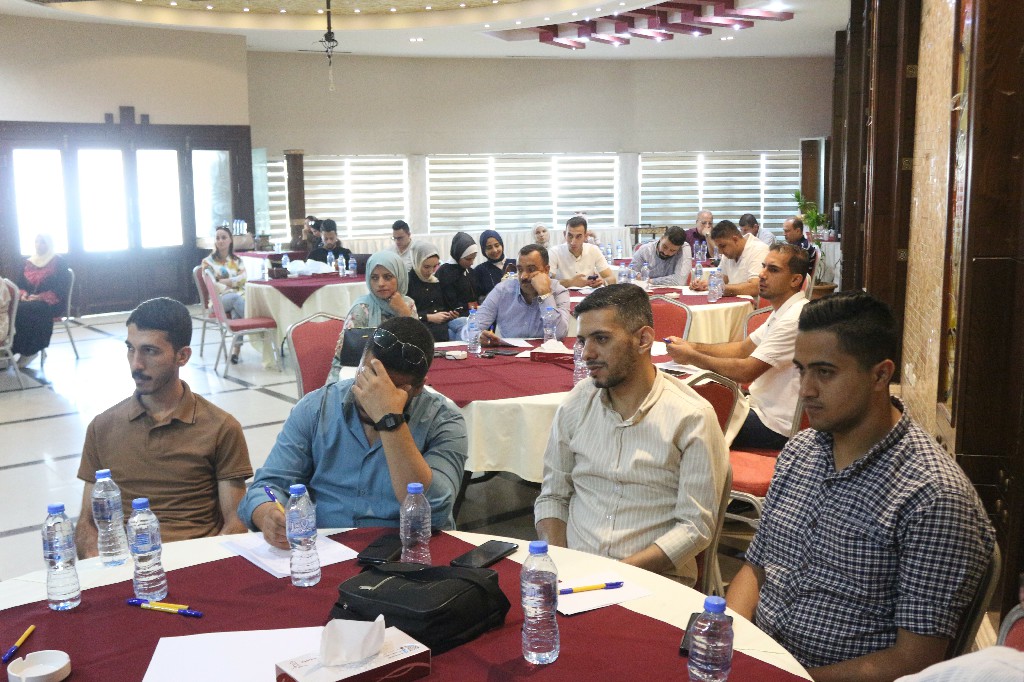
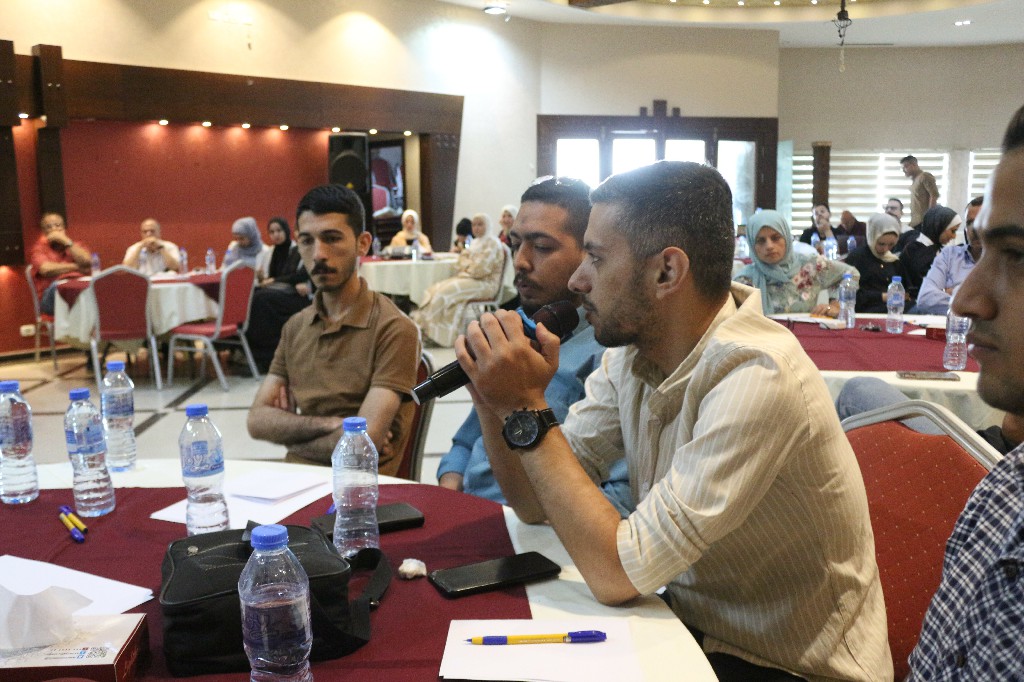
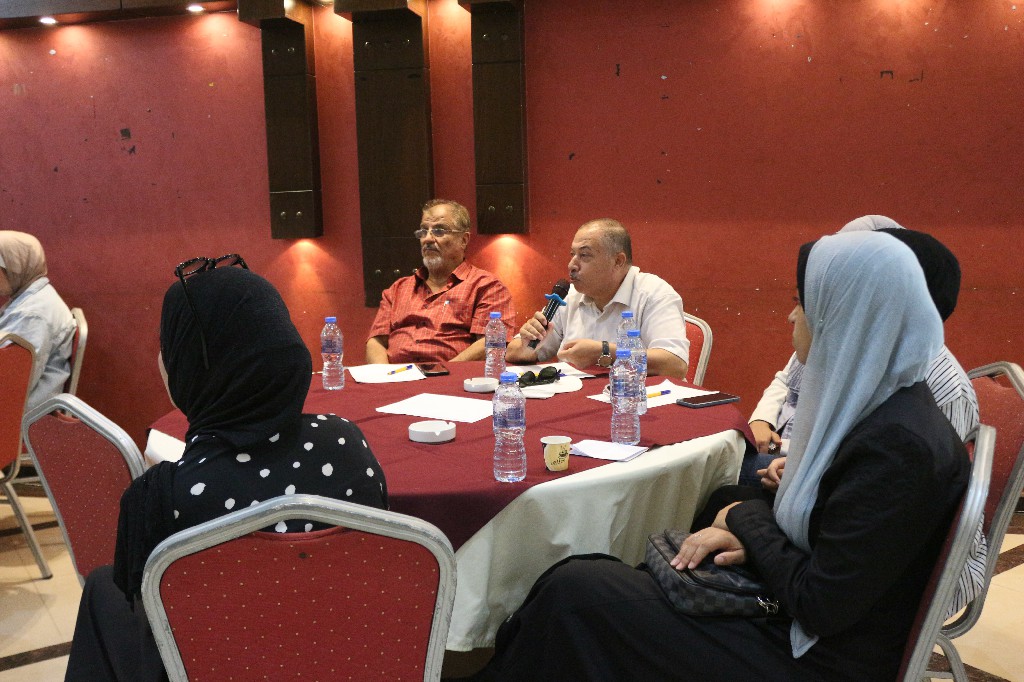
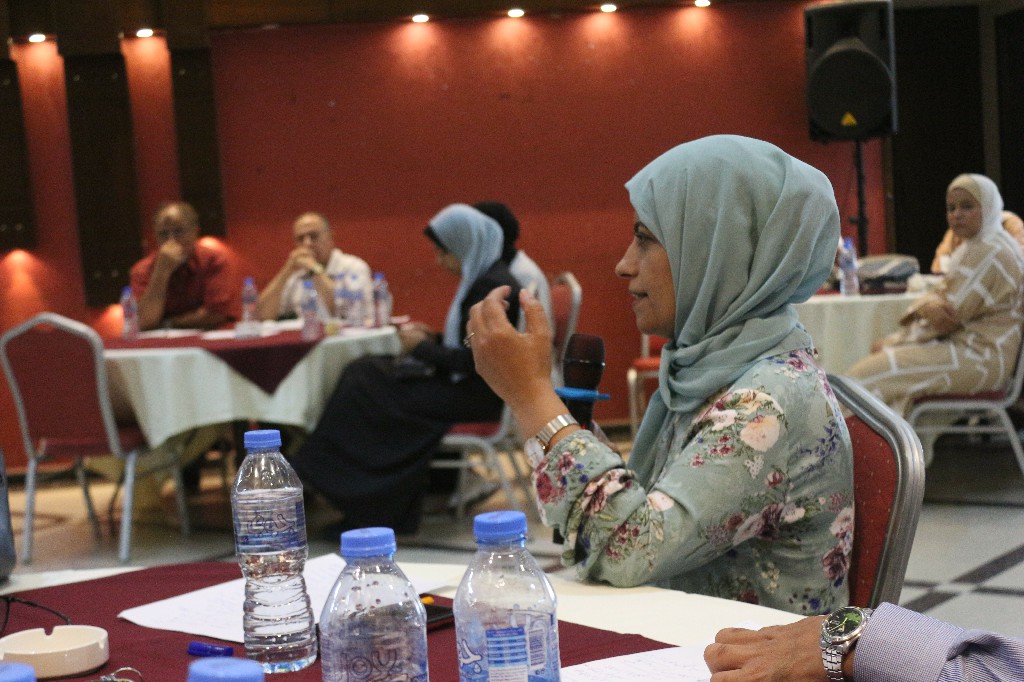
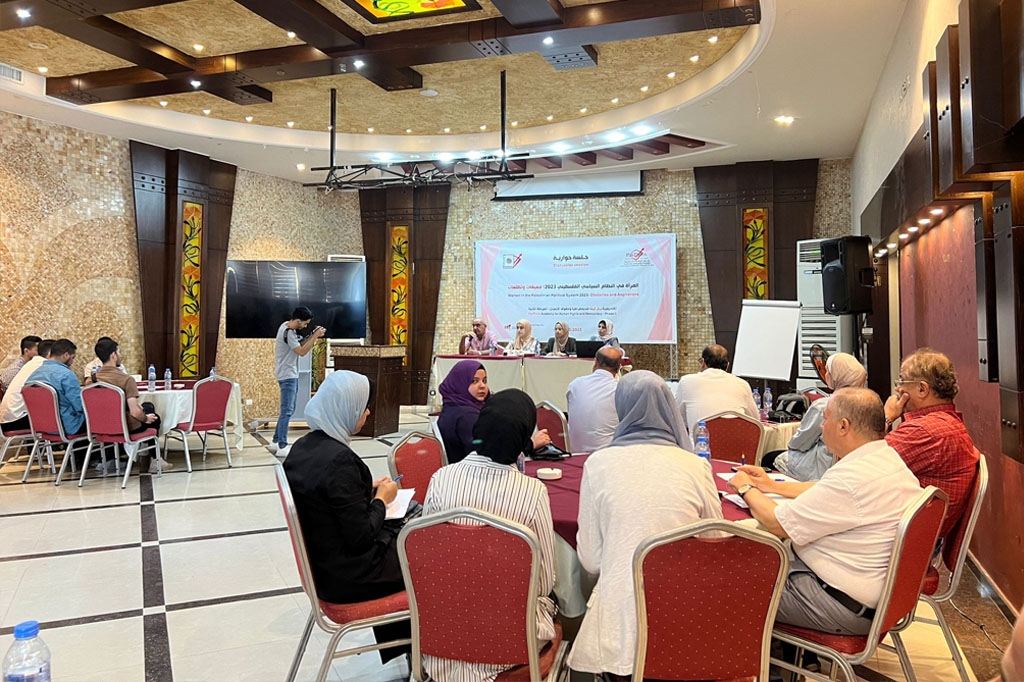
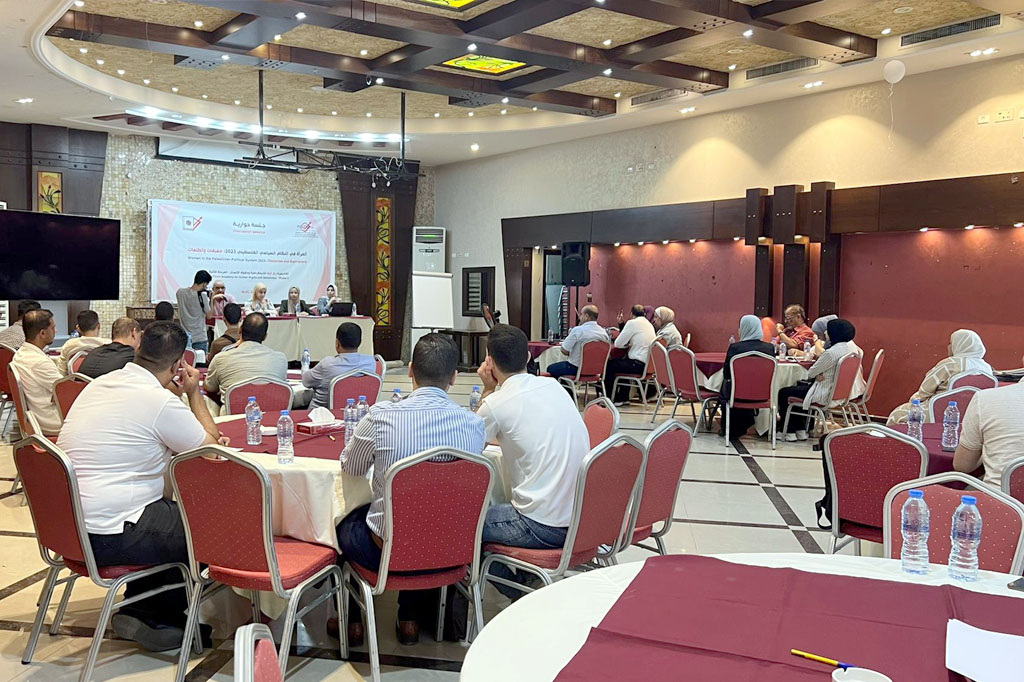
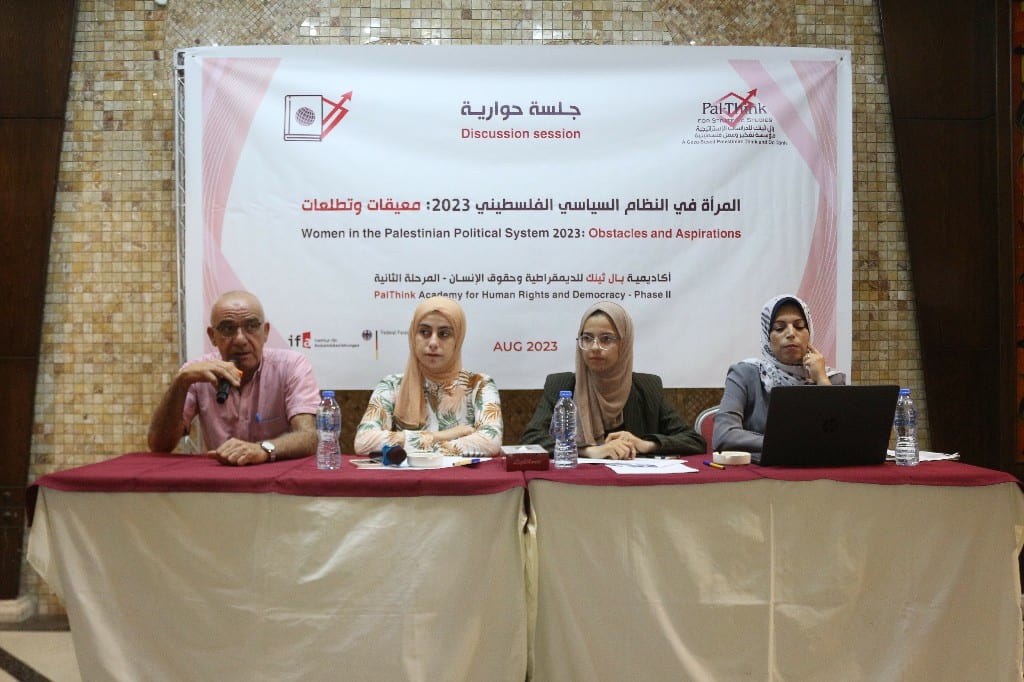
Gaza — Pal-Think held a dialogue session presenting and discussing the research paper «Women in the Palestinian political system 2023: obstacles and aspirations», produced by Dr. Elham Shamali, Dr. Yahya Qaoud, and young researchers Nour Nassar and Mai Afifa, under the «Pal-Think Academy for Democracy and Human Rights (phase two)» project implemented with Germany's Institut für Auslandsbeziehungen (ifa).
Pal-Think's director Omar Shaban opened the session, welcoming the audience and noting that «developing young and local capacities is one of the main pillars of Pal-Think's development-oriented work — Pal-Think gives young people the opportunity to work and train on producing research and policy papers, enabling them to become the researchers of the future.»
Dr. Shamali said «the paper seeks to read Palestinian women's condition in 2023 by tracking their progress, positioning and setbacks in politics, the economy and society, and by examining the key relevant legislation that is supposed to strengthen — not diminish — Palestinian women's standing.»
She noted that «women have played a major political, social, economic and cultural role through their long history of Palestinian struggle against the Israeli occupation — Palestinian women's political participation dates from 1929, and women have taken part in the work ever since» — adding that «Palestinian women suffer in every field from the radical discourse in the surrounding society, which seeks to diminish their importance and presence on the political scene.»
Young researcher Nassar continued with women's position in Palestinian legislation and law, spotlighting the policies the paper recommends at the governmental, institutional and party levels.
She added that «not all Palestinian laws have been harmonised with the signed international conventions and covenants — a major obstacle before women's political participation. The Legislative Council's suspension since 2007 and women's absence from law-drafting have further weakened the legal system.»
She identified «three principal challenges before women's advance in Palestinian public political life: the Israeli occupation, which obstructs Palestinian society's development; participation in ending the division, which has confused the priorities of the Palestinian struggle and become a blight paralysing energies and efforts; and the dispute over women's rights itself — one of the main impediments to developing women's role, participation and mobilisation in the principal battle for the people's rights.»
The presentation was followed by a deep dialogue on women's movement to claim their rights themselves, upbringing and school education on women's rights, the practical and procedural obstacles before women's rights, women's participation in reforming the Palestinian political system, the toll of the political system's absence and the division on women's rights, and the political parties' treatment of women.