Pal-Think holds a dialogue with Germany's representative Oliver Owcza
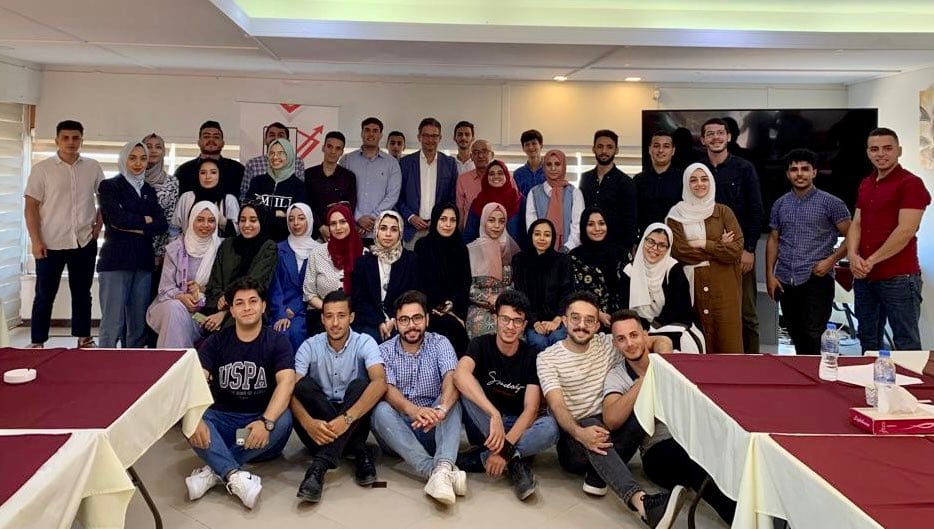
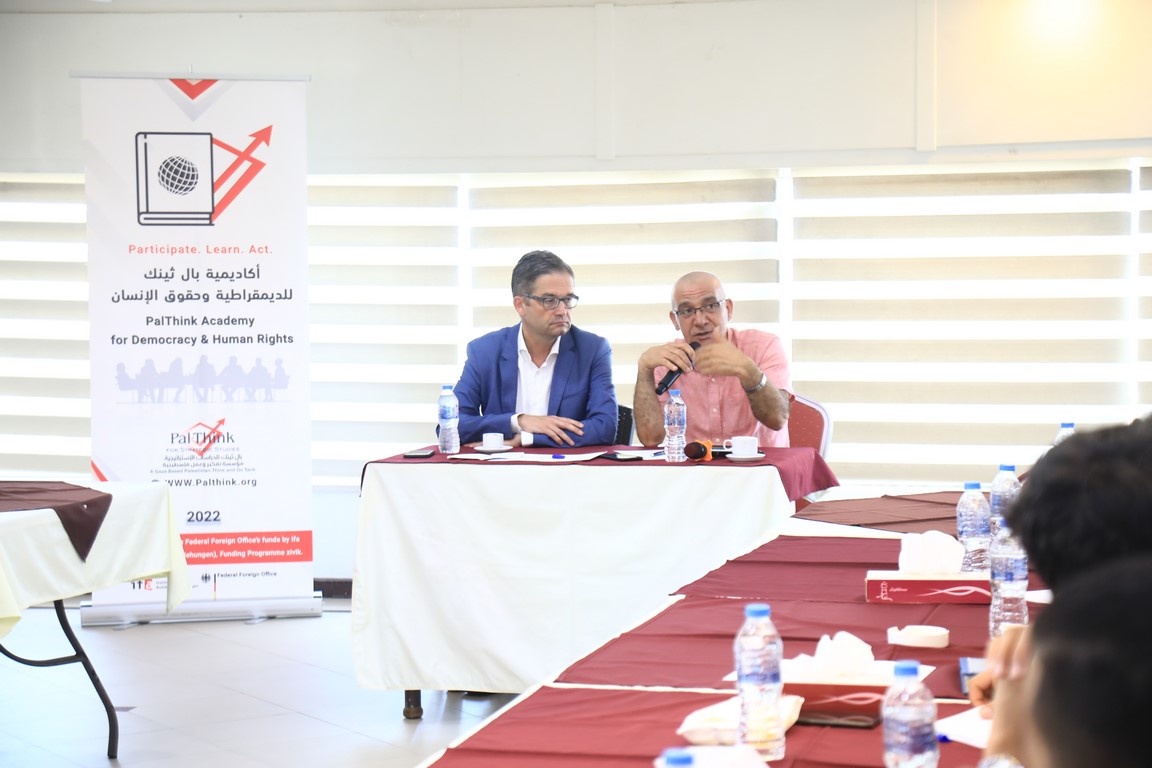
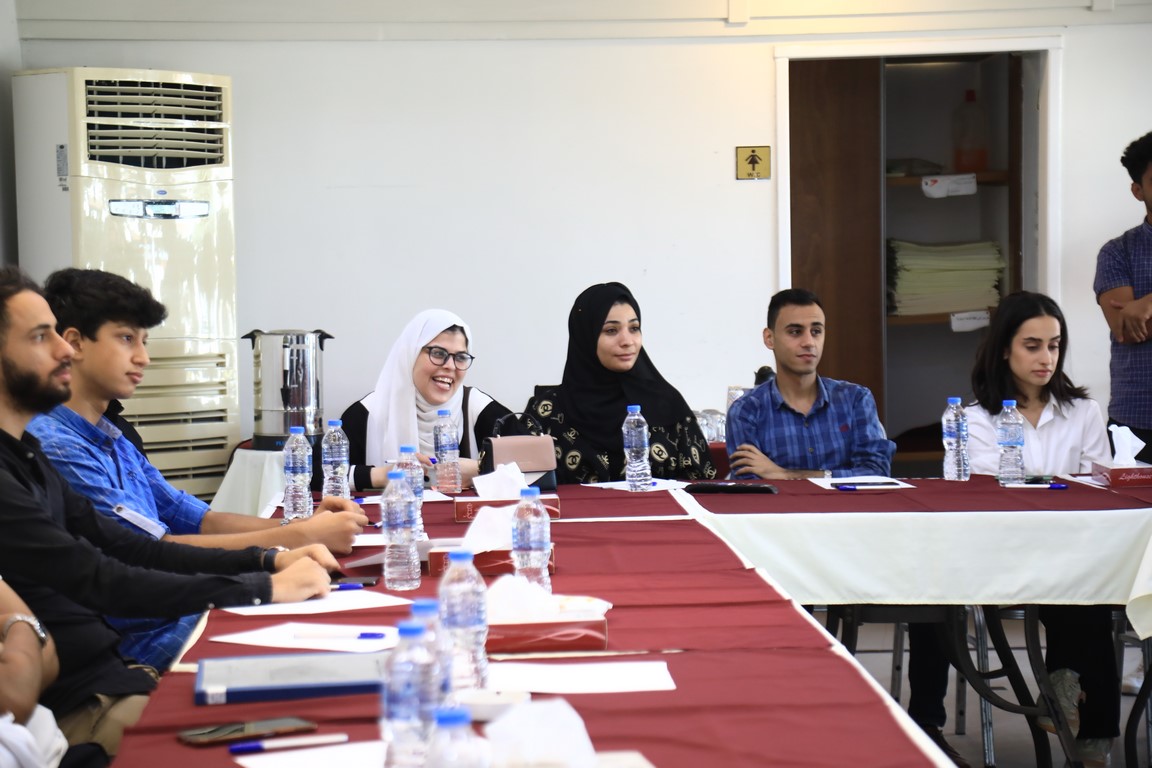
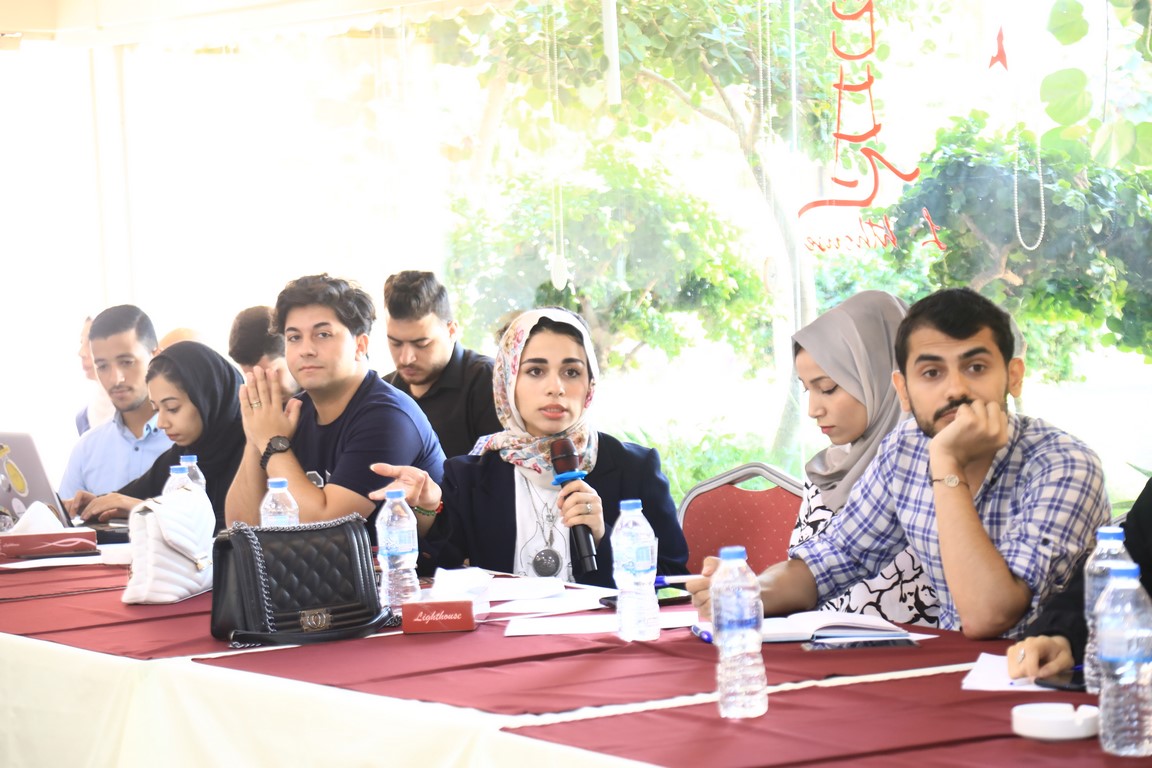
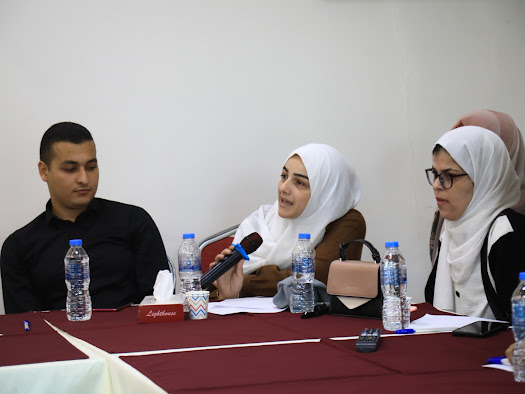
Pal-Think held a dialogue between Germany's representative Oliver Owcza and the trainees of the Pal-Think Academy for Democracy and Human Rights — part of its work to break the cultural siege on Gaza's youth.
- Date
- 2022-07-23
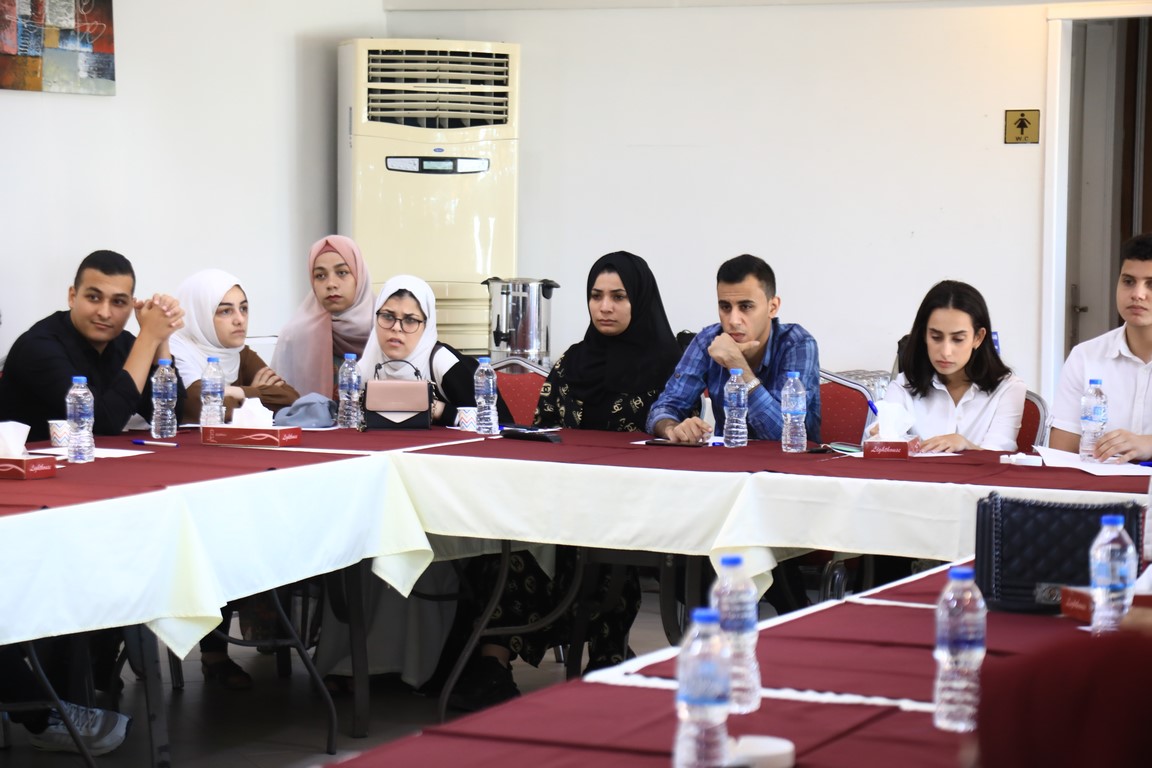
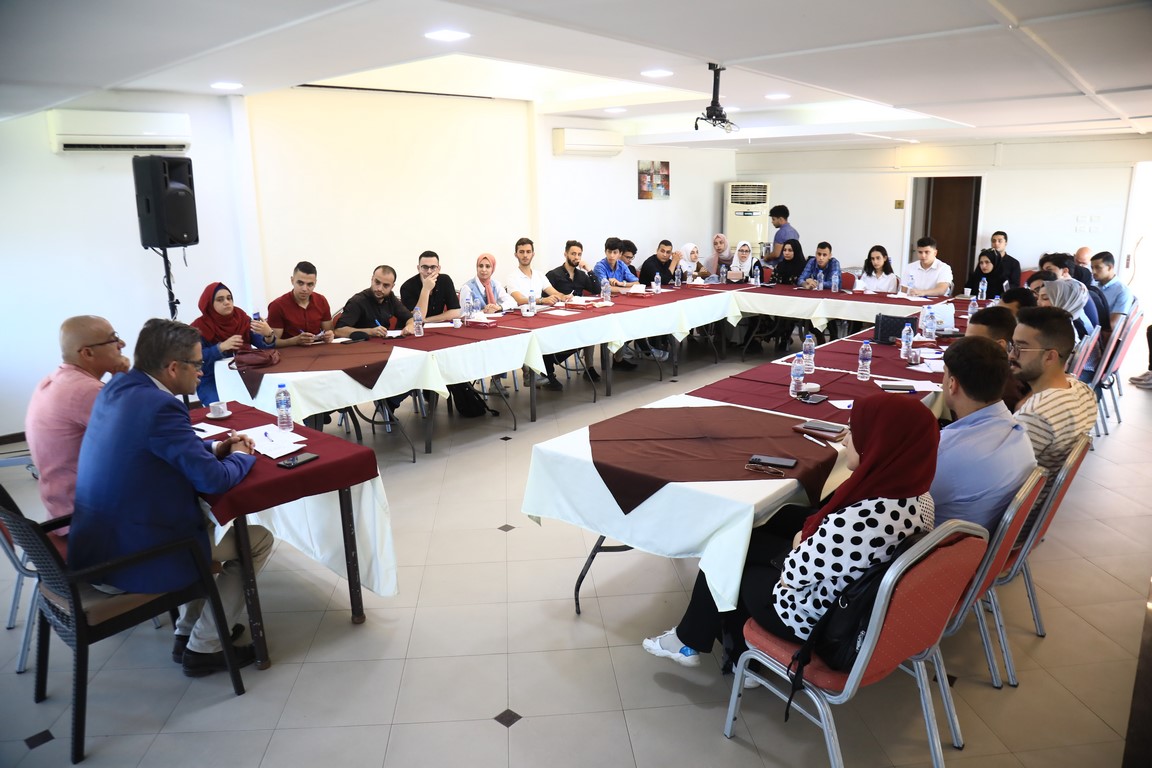
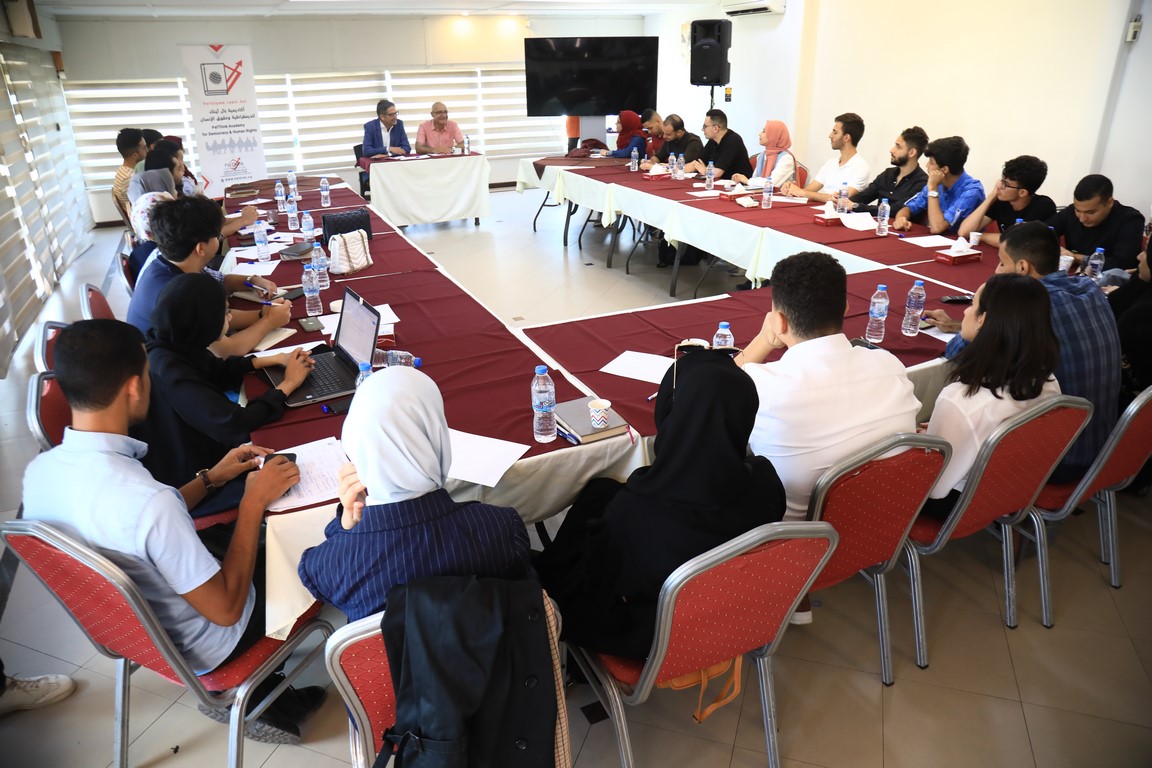
Pal-Think for Strategic Studies organised a dialogue meeting with the representative of the Federal Republic of Germany, Oliver Owcza, and the trainees of the Pal-Think Academy for Democracy and Human Rights, yesterday Thursday — within the institution's tireless work to break the cultural and knowledge blockade imposed on the youth of the Gaza Strip, to help them meet effective decision-makers, and to enable them to think outside the box, qualifying them to be the leaders of the future.
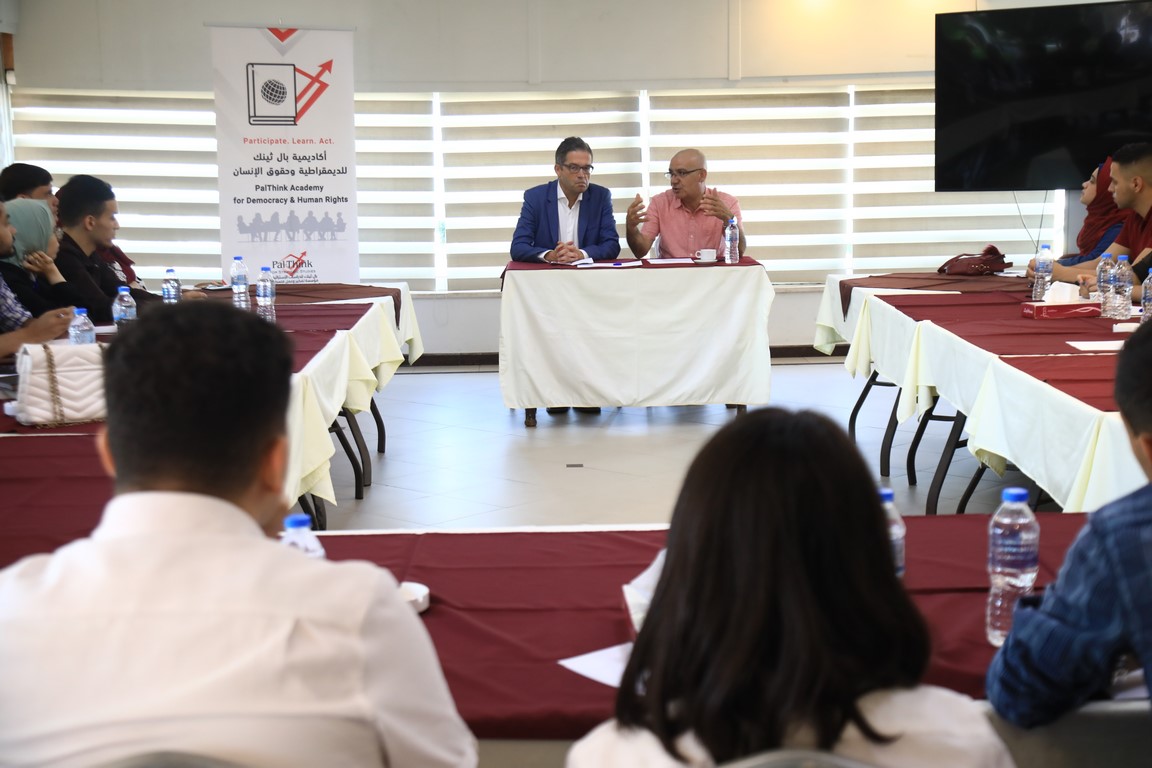
The institution's director Omar Shaban opened the meeting by welcoming His Excellency Oliver Owcza and the attendees, and said this visit comes within the Academy's work of breaking the ring of the stifling blockade on youth by enabling them to meet international diplomats and discuss with them their countries' policy toward Palestine”.
He added: “Meeting diplomats and learning of their work is useful and of greater benefit to youth than university education confined to theoretical sciences”.
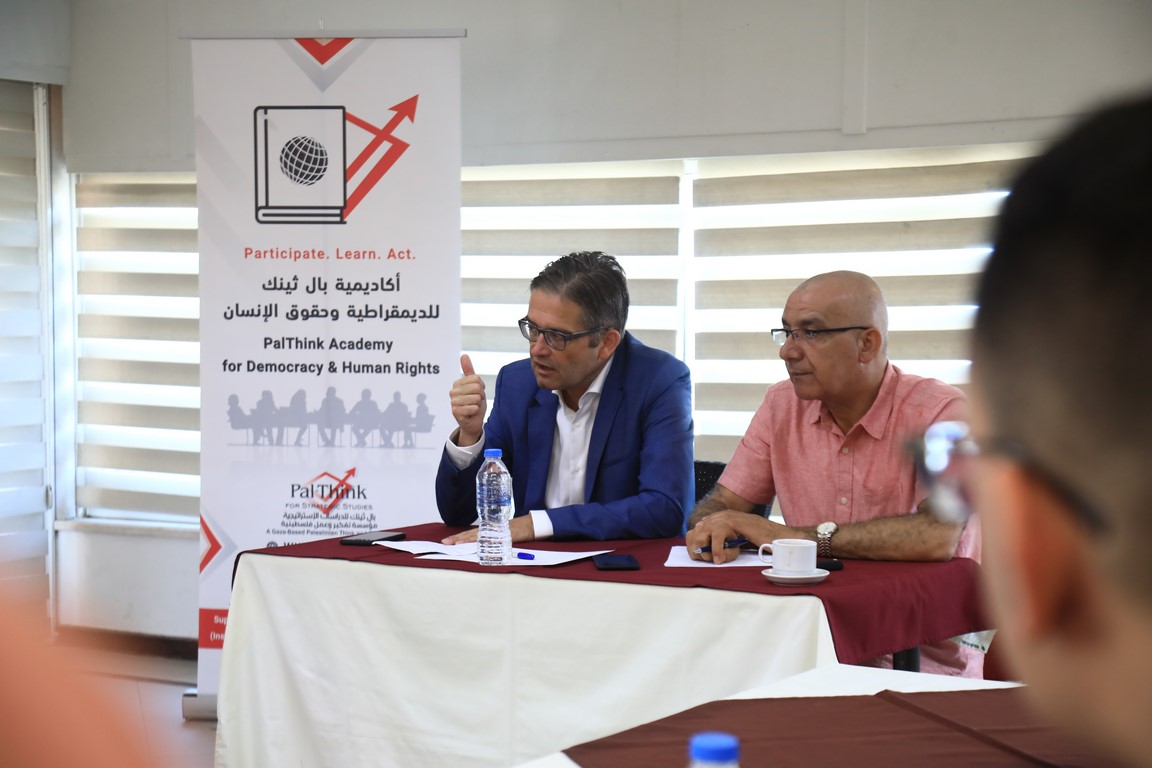
For his part, His Excellency Ambassador Oliver Owcza opened his remarks by expressing his happiness at meeting the youth of the Gaza Strip, describing them as “inspiring, and the youth of the future”.
He said: “Our current office is located in Ramallah, and it is responsible for relations with the Palestinians in East Jerusalem, the West Bank, and the Gaza Strip. We are now a representative office of Germany, but should Germany officially recognise Palestine as a state, the office would turn into an embassy — though we now work as an embassy and have different departments”.
He pointed out that they have different departments: a department responsible for the Germans who live and reside in Palestine, and for issuing visas and residencies for Palestinians wishing to visit Germany or study there.
The ambassador added: “The development-cooperation department and the humanitarian-aid department are among our largest departments. In the development-cooperation department we work with multiple parties to achieve long-term development goals. We have negotiations every two years on the humanitarian aid and development cooperation to be implemented, estimated at some 52 million euros yearly, and the priority goes to developing the economy and employment”.
He explained that they have a special department concerned with civil society and local governance.
He affirmed that water is “among our priorities: we funded the re-operation of the water-treatment plant, and it was a very successful project among the development-cooperation department's activities”.
He reported that the representative office works to help certain factories and companies raise their manufacturing quality standards to grant them the “ISO 2200” certificate for easy entry to world markets — which likewise falls under the development-cooperation department.
As for humanitarian aid, Owcza showed that they fund humanitarian aid when the need for it appears, pointing out that the largest organisation working in this field is UNRWA — which he described as working like a state, given the services it provides and the length of time since its founding.
He affirmed that Germany is among UNRWA's fundamental supporters, especially after the administration of former American president Donald Trump stopped funding it.
He said: “Yesterday we visited a project Germany funded and supervised in the Deir al-Balah camp after the completion of its first phase, which lay in rebuilding the infrastructure in a civilised manner, building streets, and providing housing units for 121 families, surrounded by green areas, playgrounds, places set aside for diverse community purposes, and markets”.
Politically, Germany's representative explained that they are politically engaged in the first place through multi-party talks with the Palestinian Authority in a constructive way to develop cooperation, and also through certain forces in the Legislative Council.
He added: “We have another department concerned with political advocacy, which happens partly through political dialogue, to address issues that concern us — especially regarding human-rights violations. We know well that Israel is the occupying power, and it is the fundamental force for any change, perhaps among the most important fundamental factors of change”.
He affirmed at the same time that Germany has special relations with Israel, because of his federal republic's history, pointing out that all the German parties agree on the importance of relations with Israel.
Owcza continued: “There is also multilateral cooperation, which means unifying efforts to achieve greater effectiveness for the beneficiaries, where we work with our partners who hold the same goals”.
He pointed out that they address certain political issues, such as the cancellation of the Palestinian elections last year, saying: “We believe this is the suitable time to hold the elections, and their cancellation was disheartening”.
He said: “It was recently asked of them to chair the working group concerned with the Palestinian Authority's budget, which needs reform, and which has not been reformed to this day. We try to encourage those concerned to reform it and offer them proposals, and this is part of our political work”.
He explained that they have a media department attending to publishing all that relates to Germany to acquaint the Palestinians with his country; a department for cultural cooperation; a representative office of the German academic exchange service in East Jerusalem; and another department for protocols, to receive high-level personalities from Germany.
Regarding what is happening in the village of Masafer Yatta, Germany's representative said “the military administration there uses unlawful means to evict the Bedouin; we address that politically, we were present there ourselves, we showed our presence and sympathy, and we certainly do all that with our partners”.
He concluded by saying: “I do not know what it means to be young in the Gaza Strip, but I try to listen to as many of you as possible. It is hard to imagine being young in the Gaza Strip”.
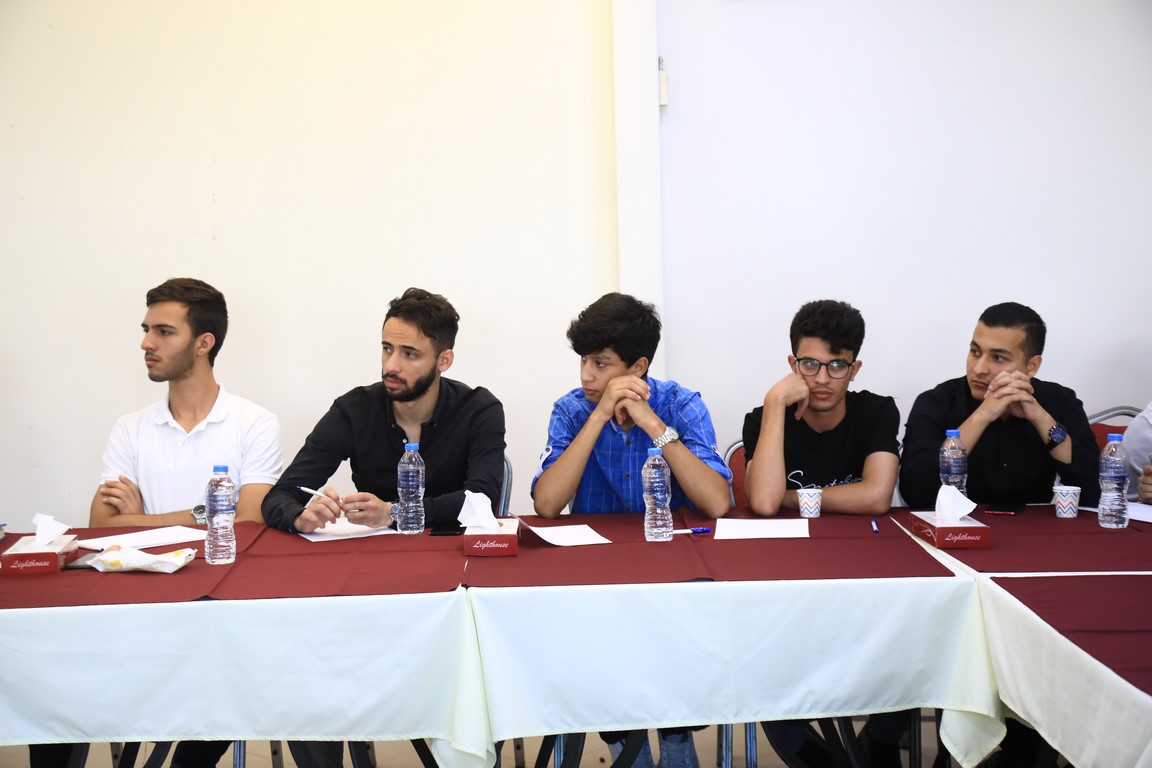
The trainees' questions and interventions turned on the approach Germany takes in dealing with youth issues in the Gaza Strip; the goals of cultural intervention in Palestine; Germany's position on Israel's assaults on Palestinians' rights, which form a violation of international law; his state's position on the settlements; and the political influence of youth in Germany.