Pal-Think continues its awareness sessions for university students
Pal-Think's Civic Education Forum continued its awareness sessions for Gaza's university students on democracy, human rights and gender-based violence — developing students' capacities in these fields.
- Date
- 2021-06-21
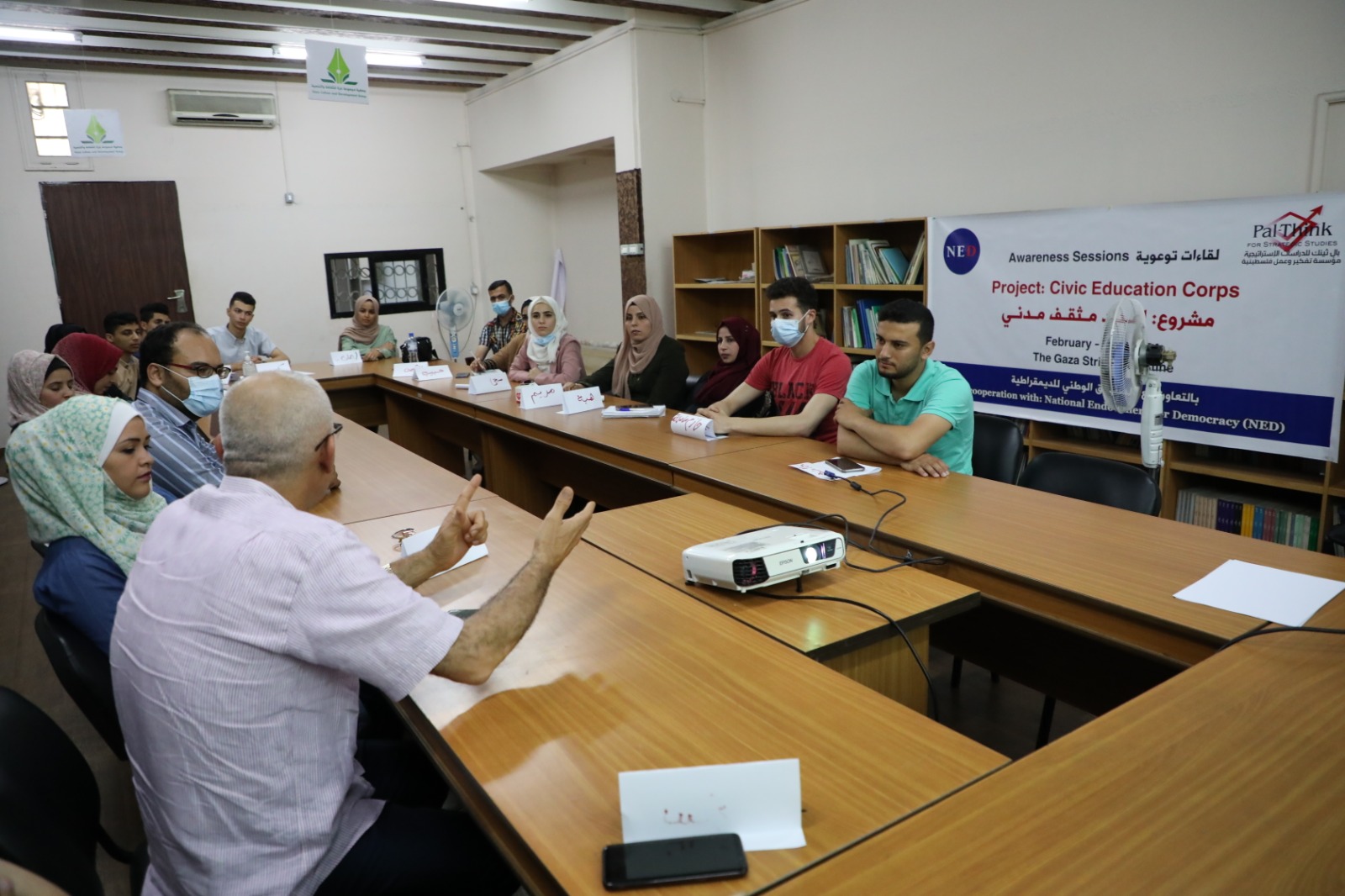
Within the efforts Pal-Think for Strategic Studies exerts in order to grow and develop university students' capacities in the issues of democracy, human rights, and gender-based violence, the civic-education forum affiliated to Pal-Think continued carrying out the awareness sessions targeting university students in the Gaza Strip, within the project “Preparing a Civic Educator”, implemented by Pal-Think for Strategic Studies with funding from the National Endowment for Democracy (NED).
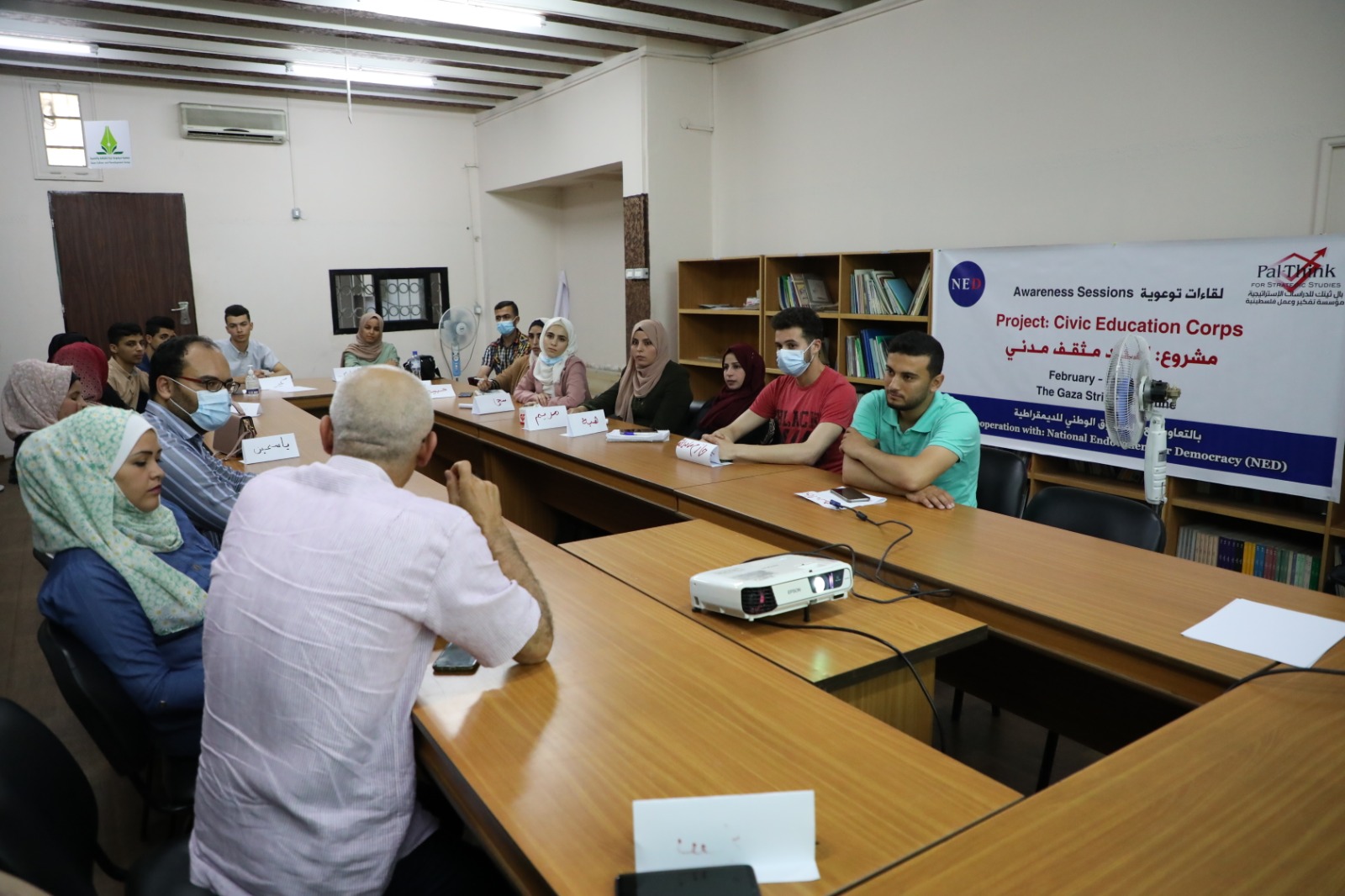
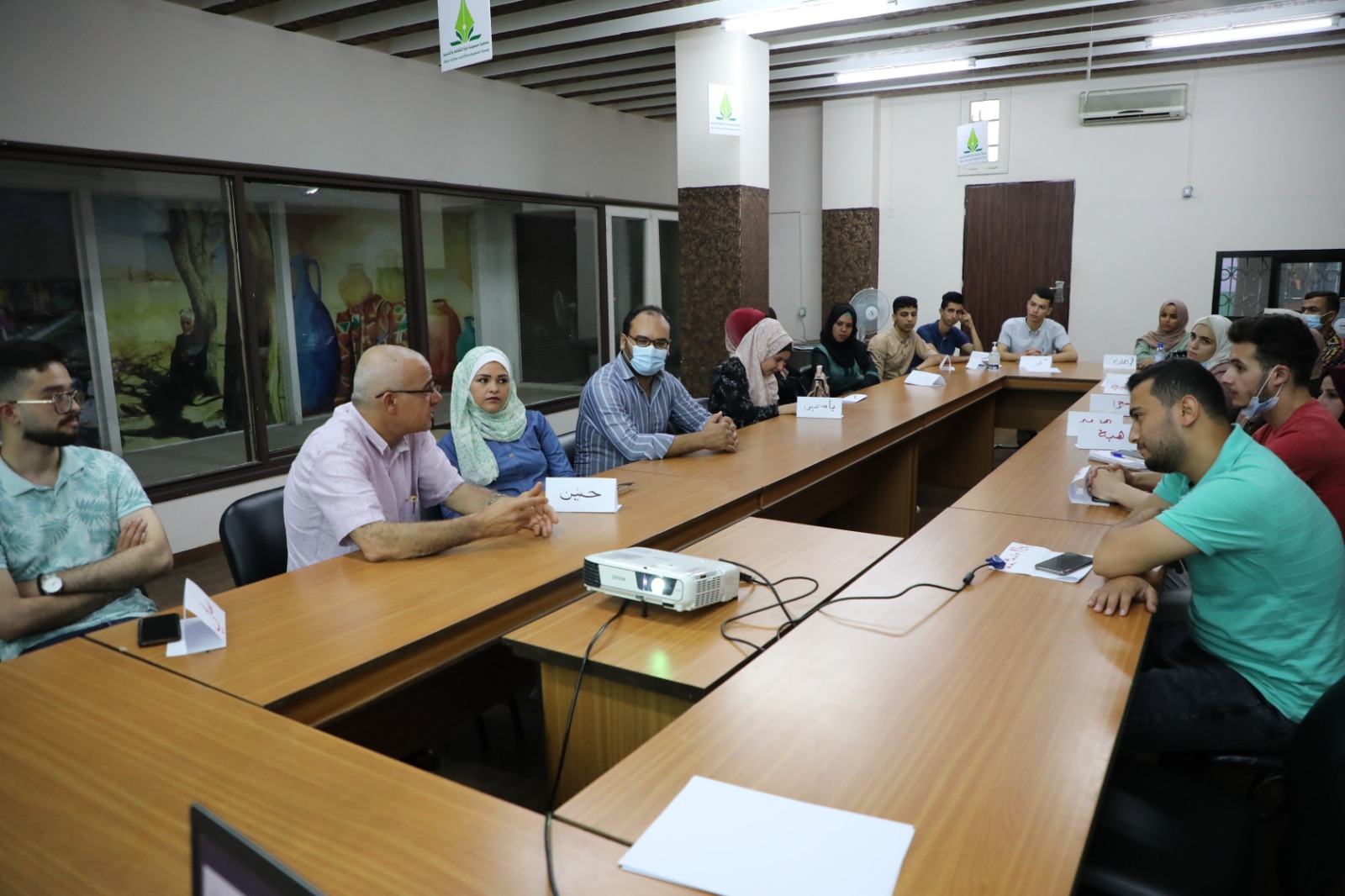
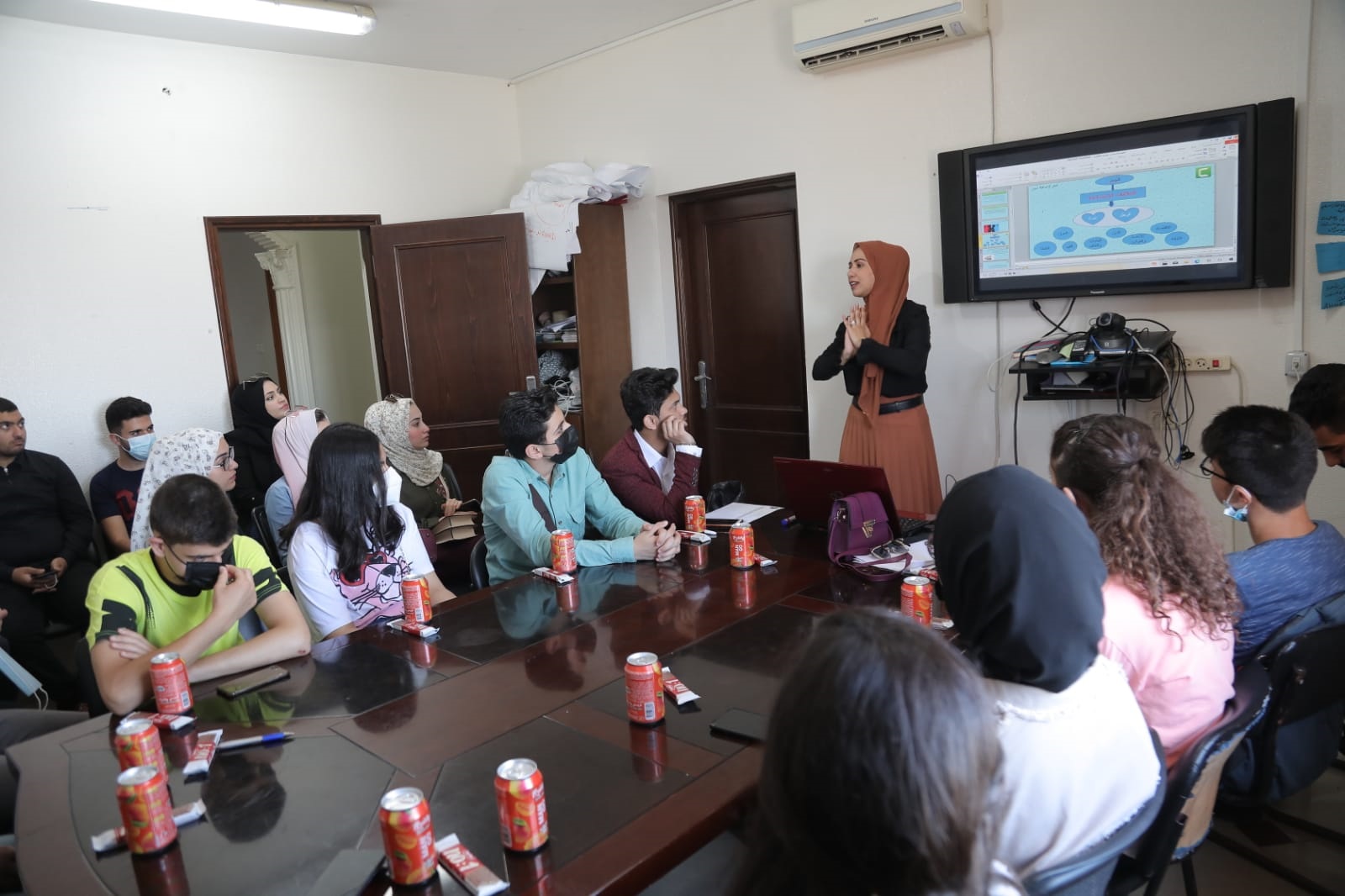
In this frame a session was carried out on “Combating corruption”, on Thursday, 17 June 2021, at the Gaza Group for Culture and Development Association, with the attendance of a number of university students.
Speaking during the session, Mr Omar Shaban, “director of Pal-Think for Strategic Studies”, welcomed the attendees and affirmed that this encounter comes within the continuous efforts Pal-Think exerts in Palestinian society with the goal of strengthening youth's capacities and growing their skills in the issues of democracy and human rights — affirming that during the civic-education project, which targets university students of both sexes, 25 male and female students were trained on the issues of democracy, human rights, gender-based violence, the rule of law, the principles of integrity and transparency, and the skills of presentation and delivery; then the field was opened for the trainees to coordinate with the universities and civil society institutions to carry out what they learned during the training programme, in reinforcement of the peer-education approach.
He mentioned that during the stages of the project's implementation “we felt a noticeable development in the trainees' capacities and skills in delivery, persuasion, and passing on the information they learned”.
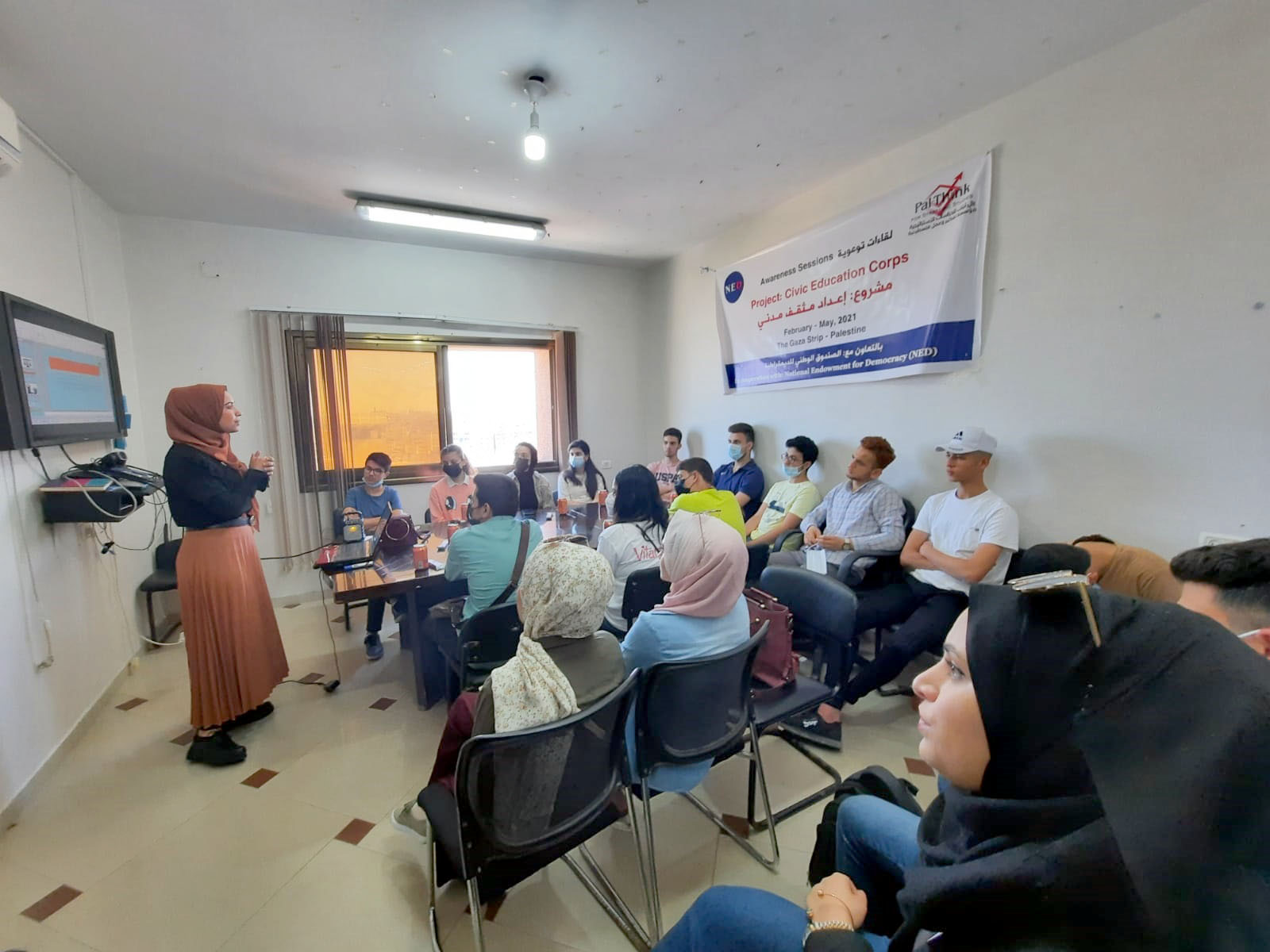
For her part, the civic-education body member Hadeel Ahel led the encounter on corruption — its manifestations, forms, and causes — making clear that among the forms and manifestations of corruption are financial corruption, administrative corruption, and political corruption. She likewise mentioned the causes of corruption, and Ahel reviewed the concepts related to combating corruption, such as the concept of good governance, the concept of integrity, transparency, accountability, and other related concepts.
Ahel affirmed that among the most important instruments and means through which corruption can be combated is awareness — especially among the youth category, who are counted the communal category most able to face society's problems and treat them.
As for the second encounter, it was carried out on Saturday, 19 June 2021, titled “Gender-based violence (reality and solutions)”, in cooperation with the Palestinian Media and the Activation of Youth's Role Body — PYALARA, and with the attendance of a number of university students.
The encounter was led by the student Suha Sukkar, “a trainee in the civic-educator project”, who in turn spoke on the concept of gender: the communal differences that determine the different roles, rights, duties, obligations, relationships, and responsibilities between woman and man, generated as a result of economic, social, and cultural factors through historical development. She likewise mentioned the most important differences between the concept of gender and the concept of sex, and set out that gender roles mean the roles determined by society and tied to its expectations of individuals based on sex — as it determines roles for males and others for females, and ties to each role a set of behaviours, values, and practices around femininity and masculinity.
Sukkar likewise spoke on the forms of gender-based violence in the Palestinian condition, the mechanisms of dealing with cases of gender-based violence, and the most important official and unofficial bodies and institutions that can be resorted to in the case of being subjected to any form of violence; she likewise reviewed the legal texts that treat the issues of gender-based violence.
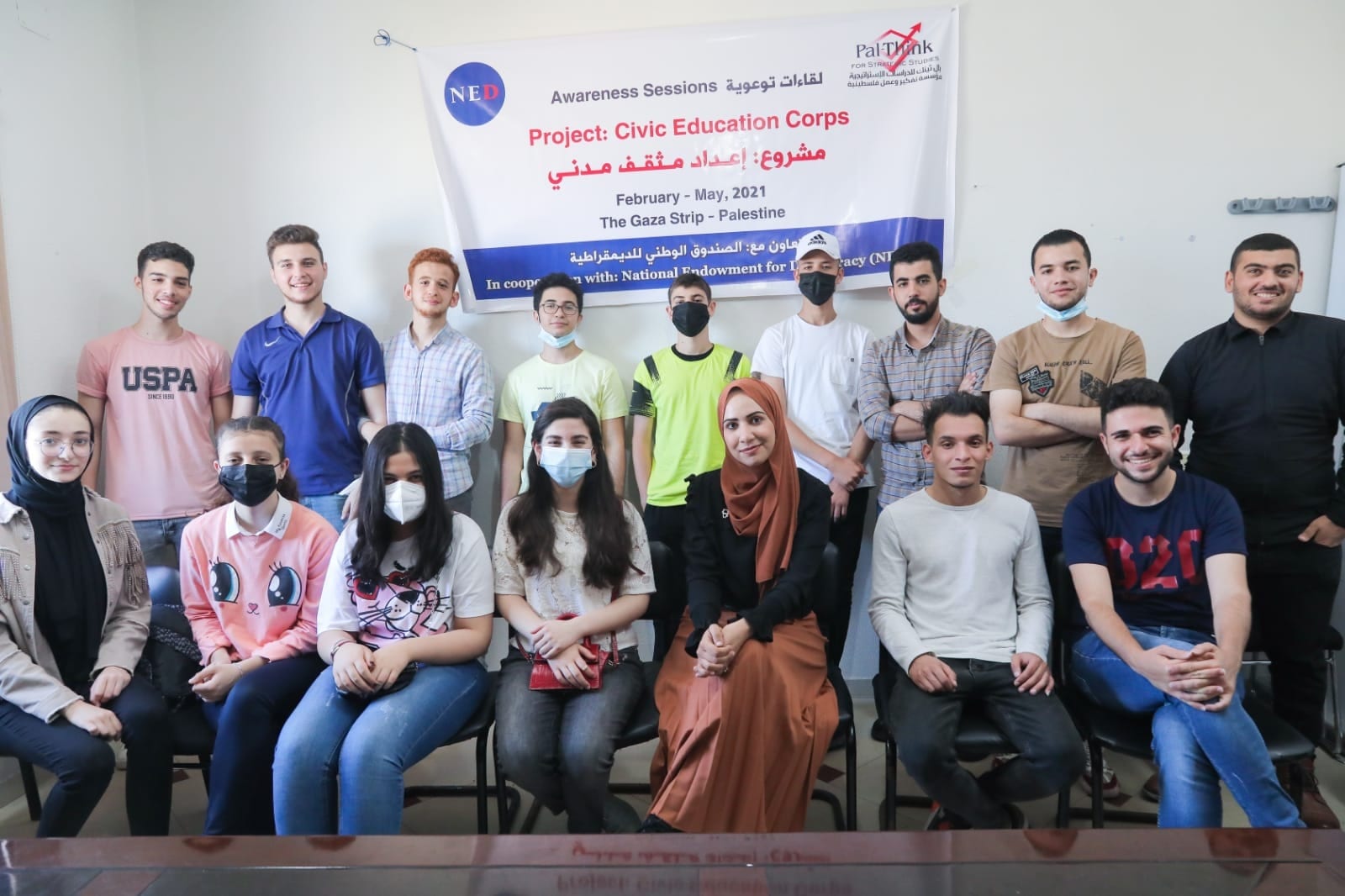
It is recalled that through the civic-education body 15 awareness sessions were carried out in cooperation with the Palestinian universities and civil society institutions, with the attendance of a number of male and female university students; the students, members of the civic-education body, took part in carrying out these encounters after receiving intensive trainings on the issues of democracy, human rights, gender-based violence, and combating corruption.
Likewise, 5 radio episodes were carried out with the participation of the members of the civic-education body, and with the attendance of a group of experts and intellectuals to discuss the issues related to the training topics.