Session: «The European Union's position on the Israeli annexation plan»
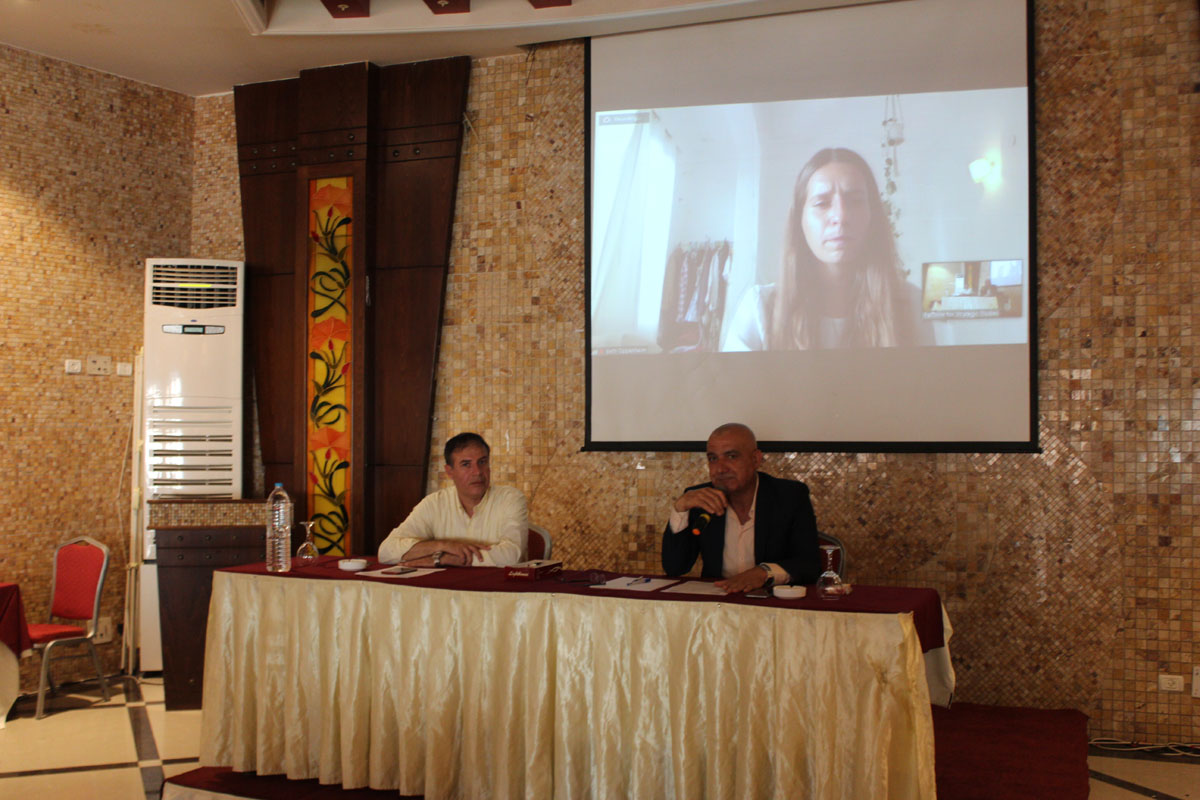
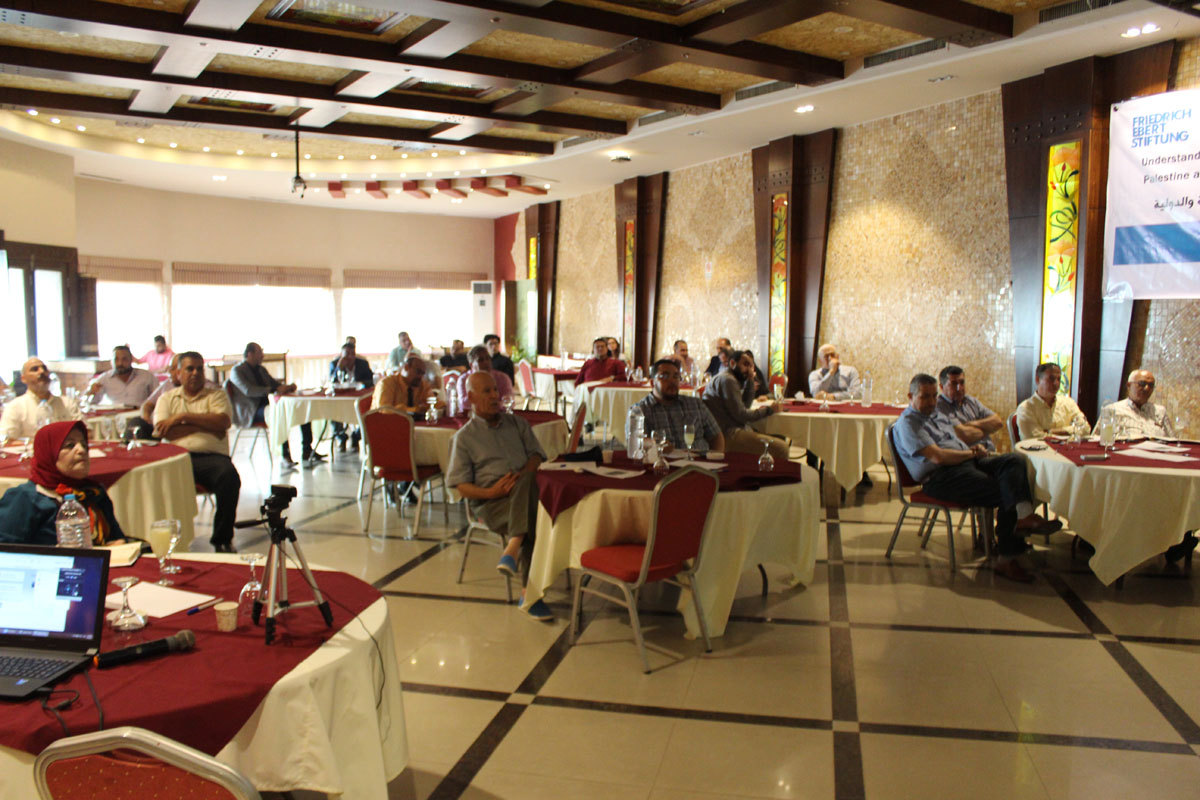
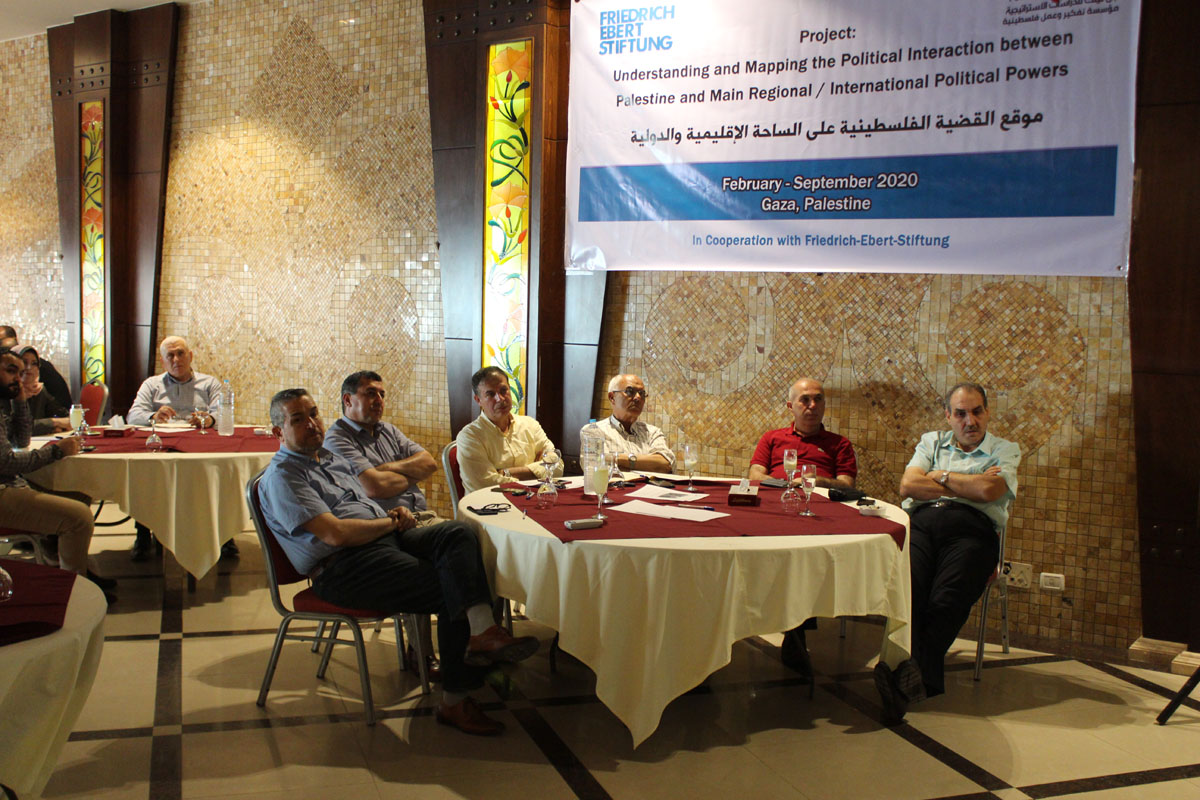
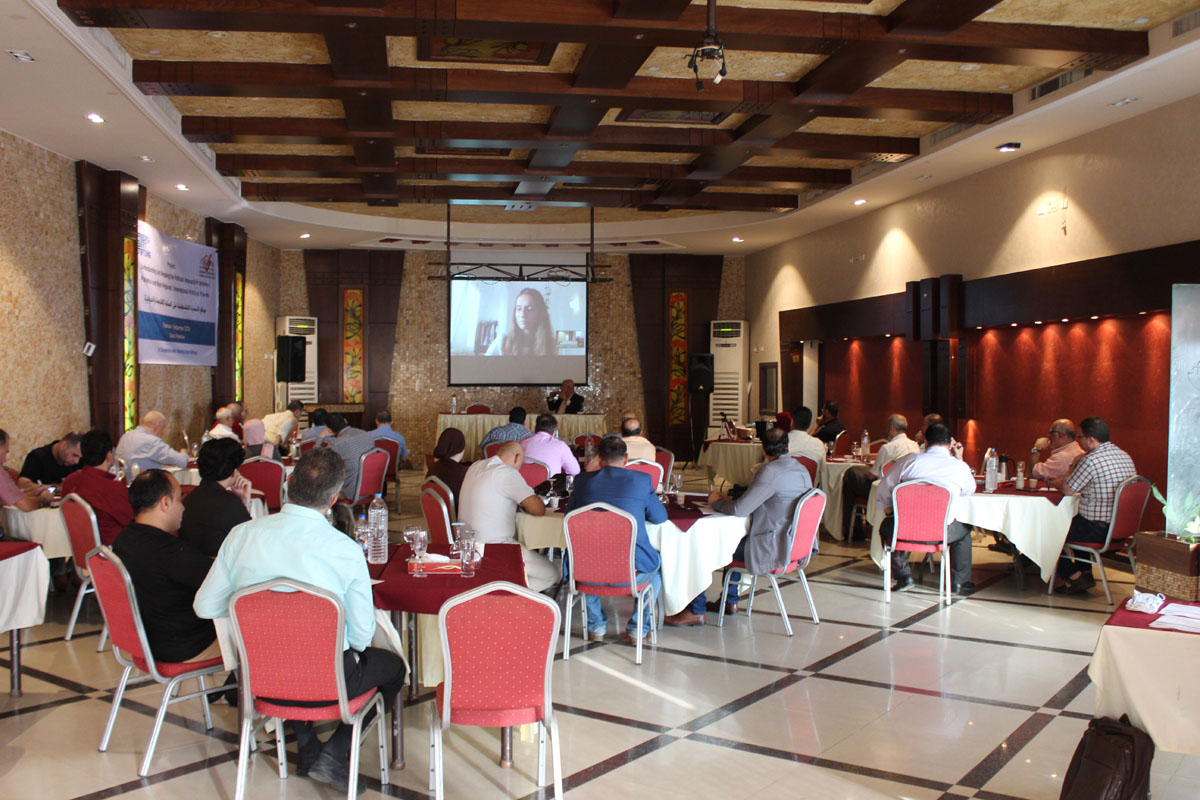
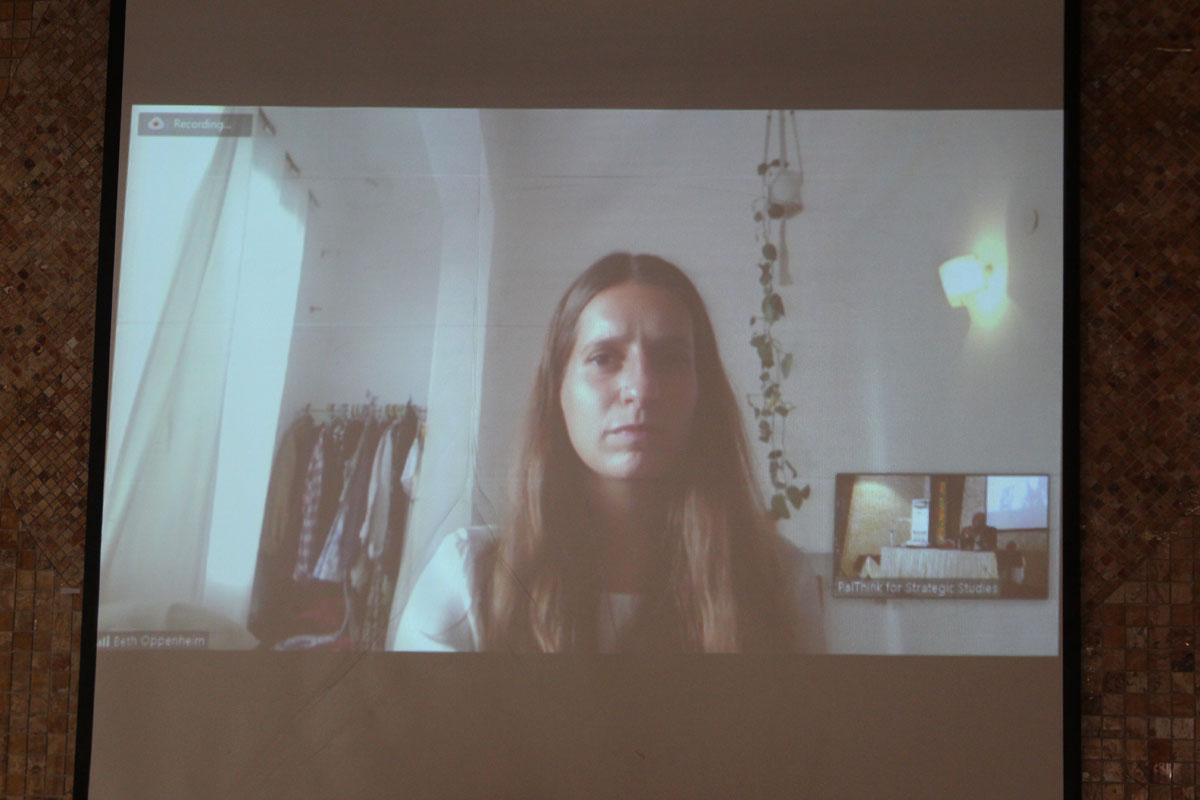
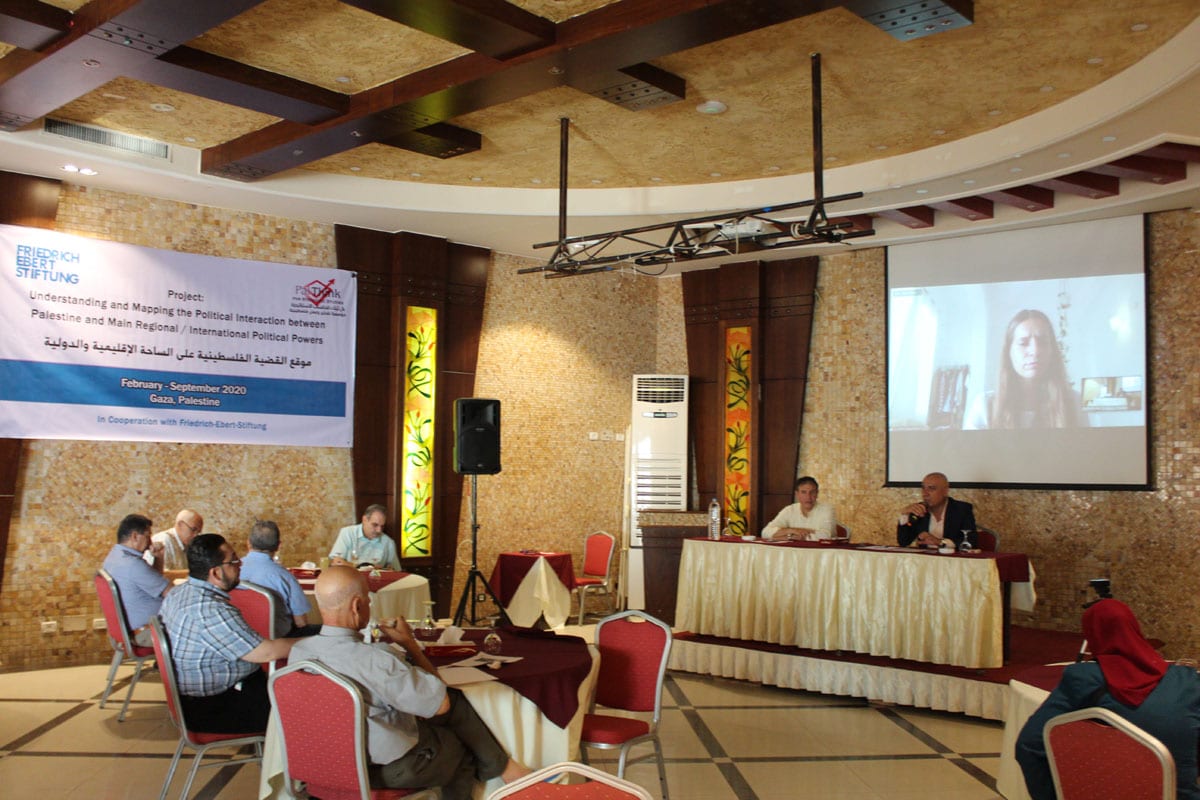
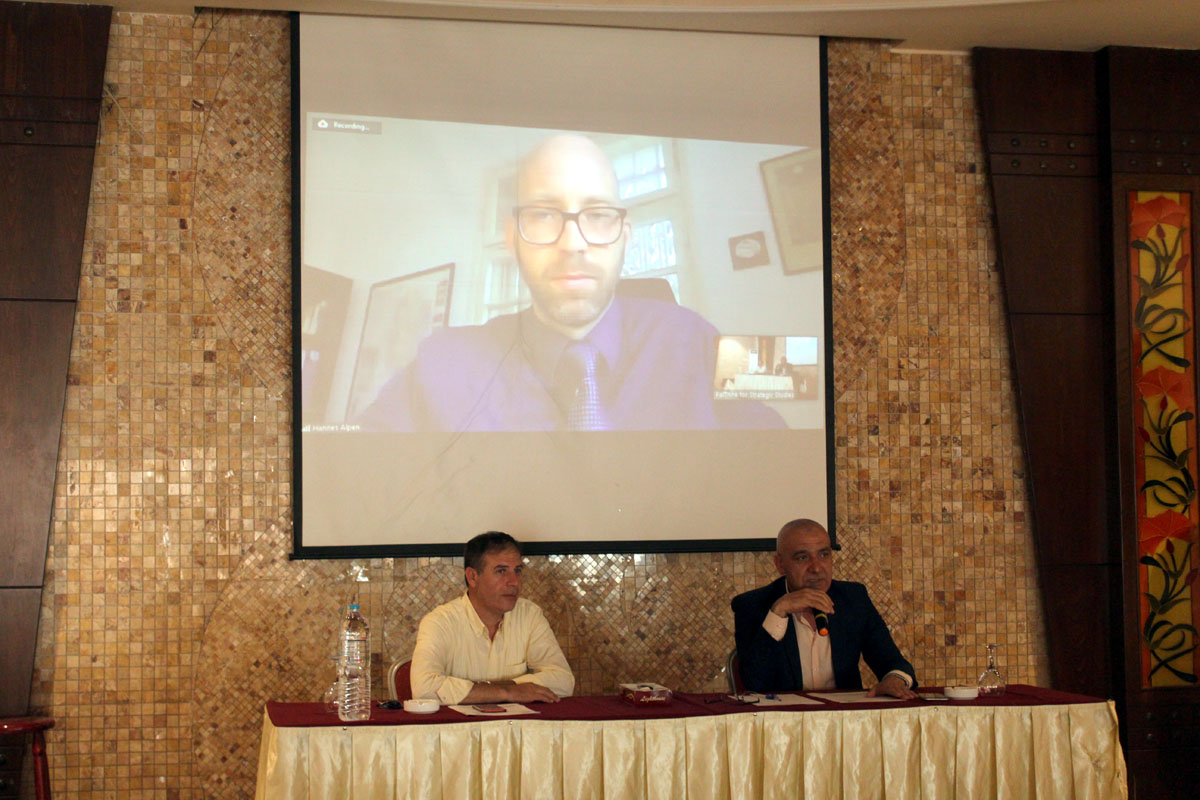
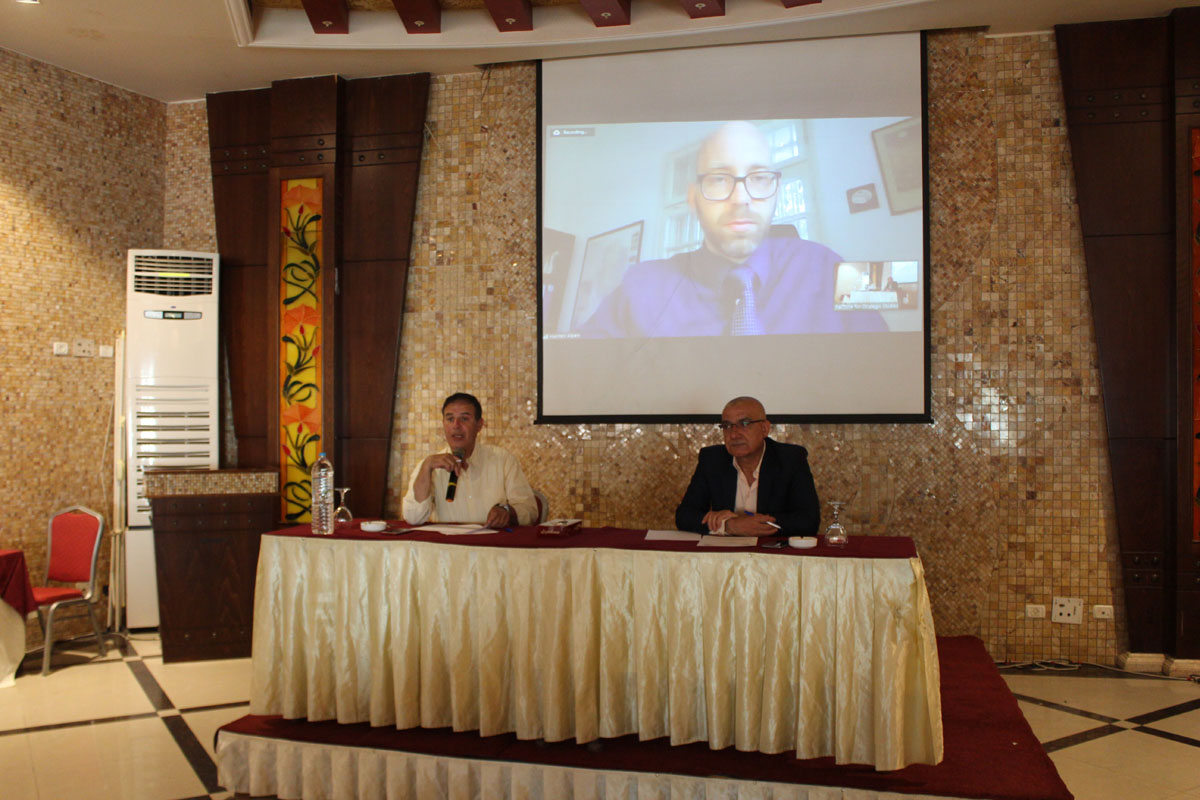
Pal-Think, with the Friedrich Ebert Foundation, held the dialogue «The European Union's position on the Israeli annexation plan», hosting over Zoom Dr. Beth Oppenheim, expert in European foreign policy.
- Date
- 2020-06-30
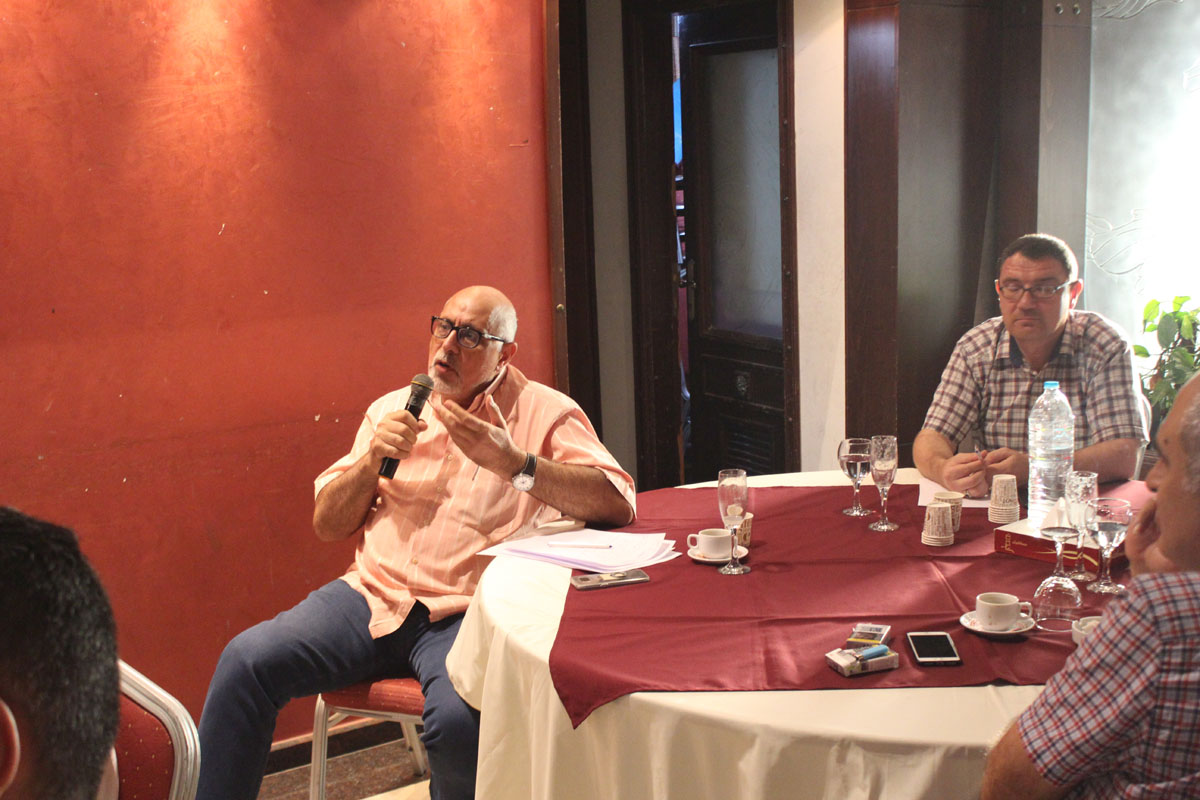
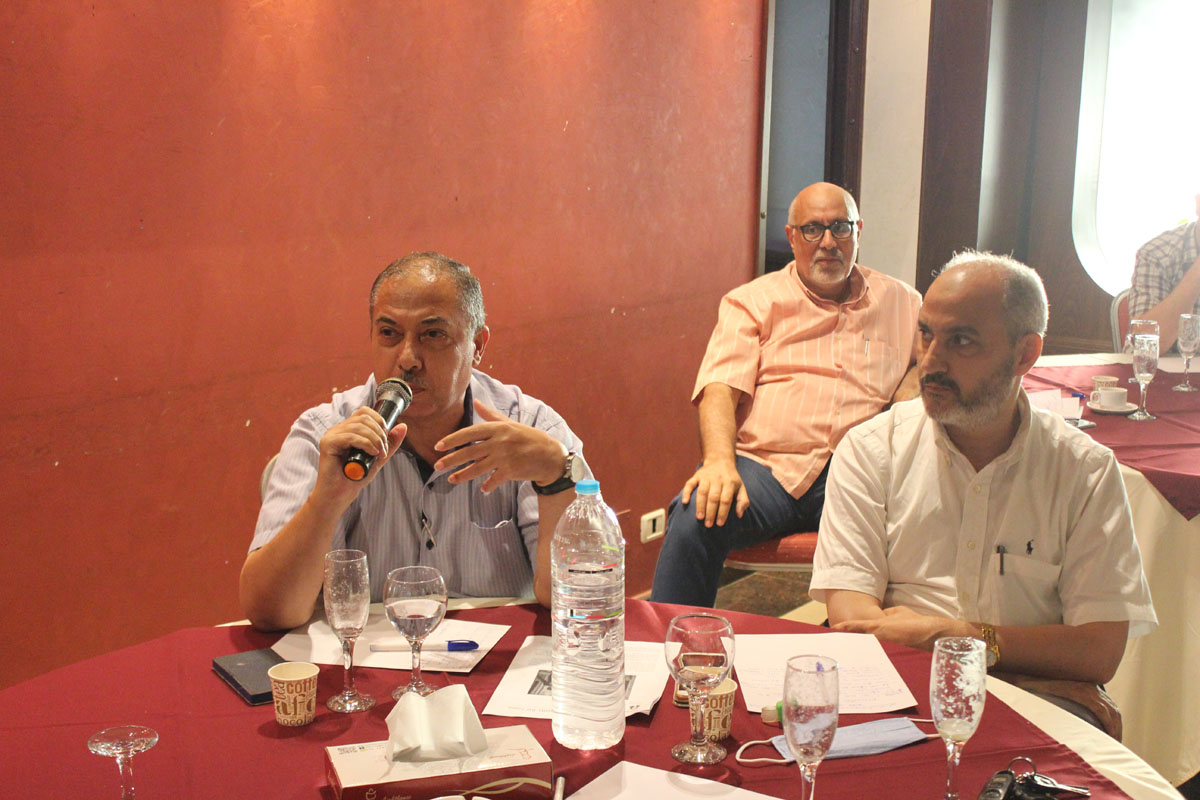
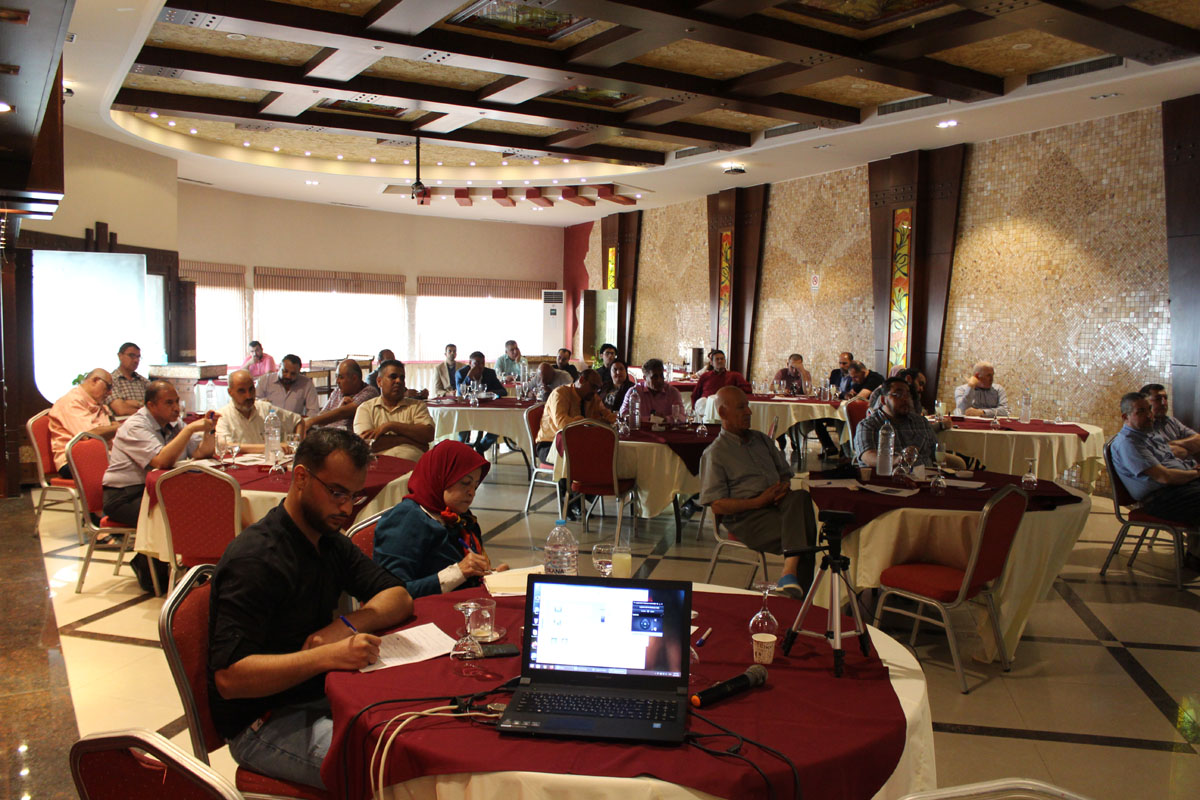
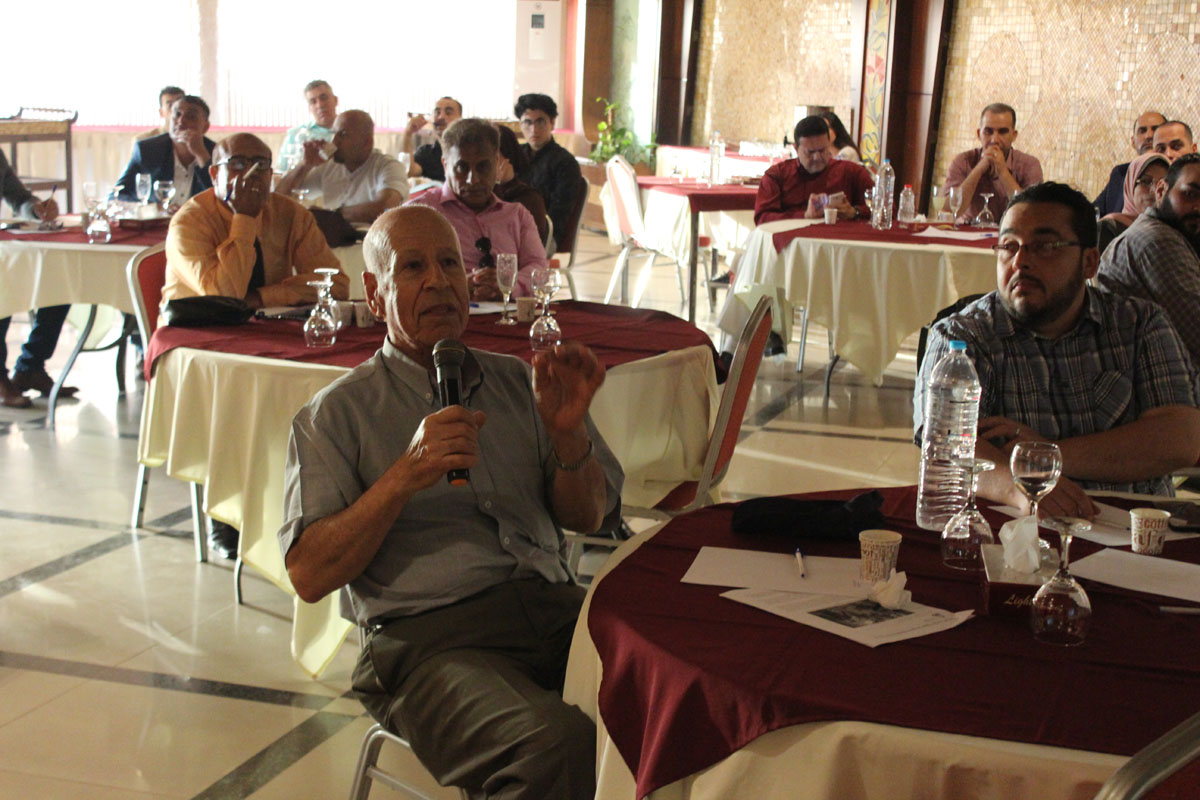
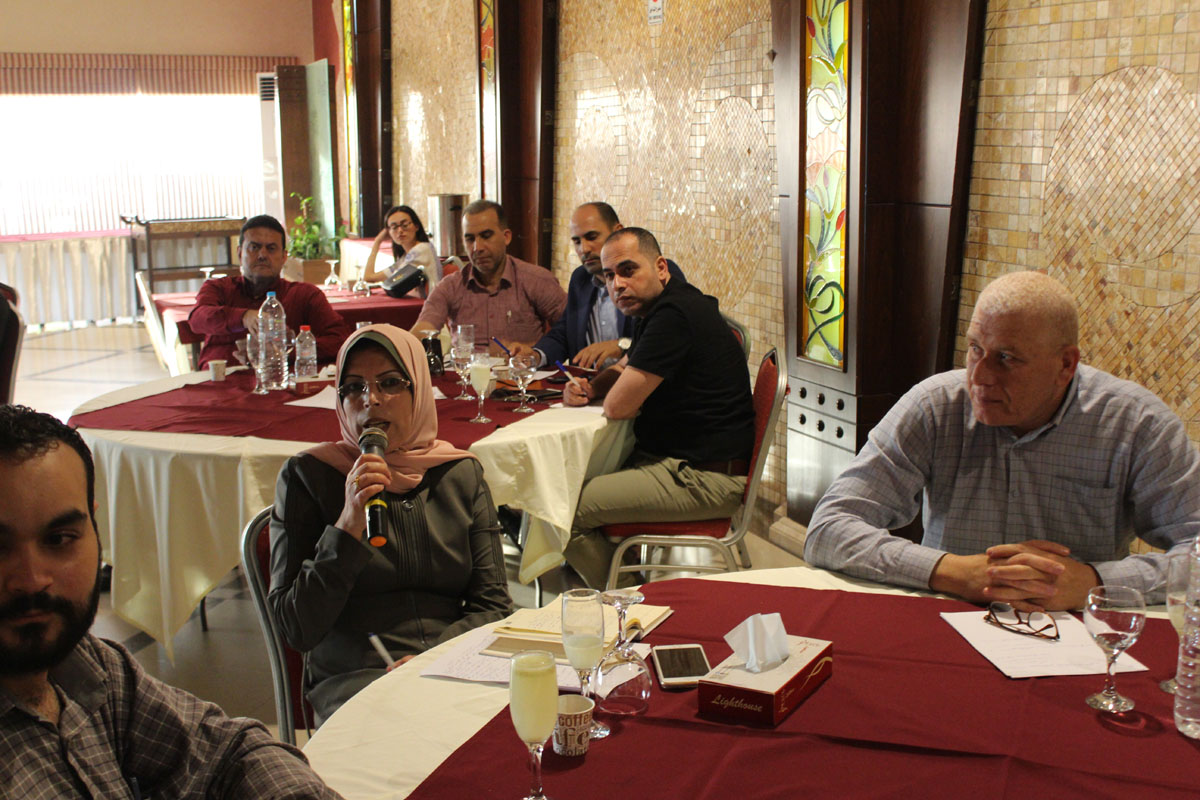
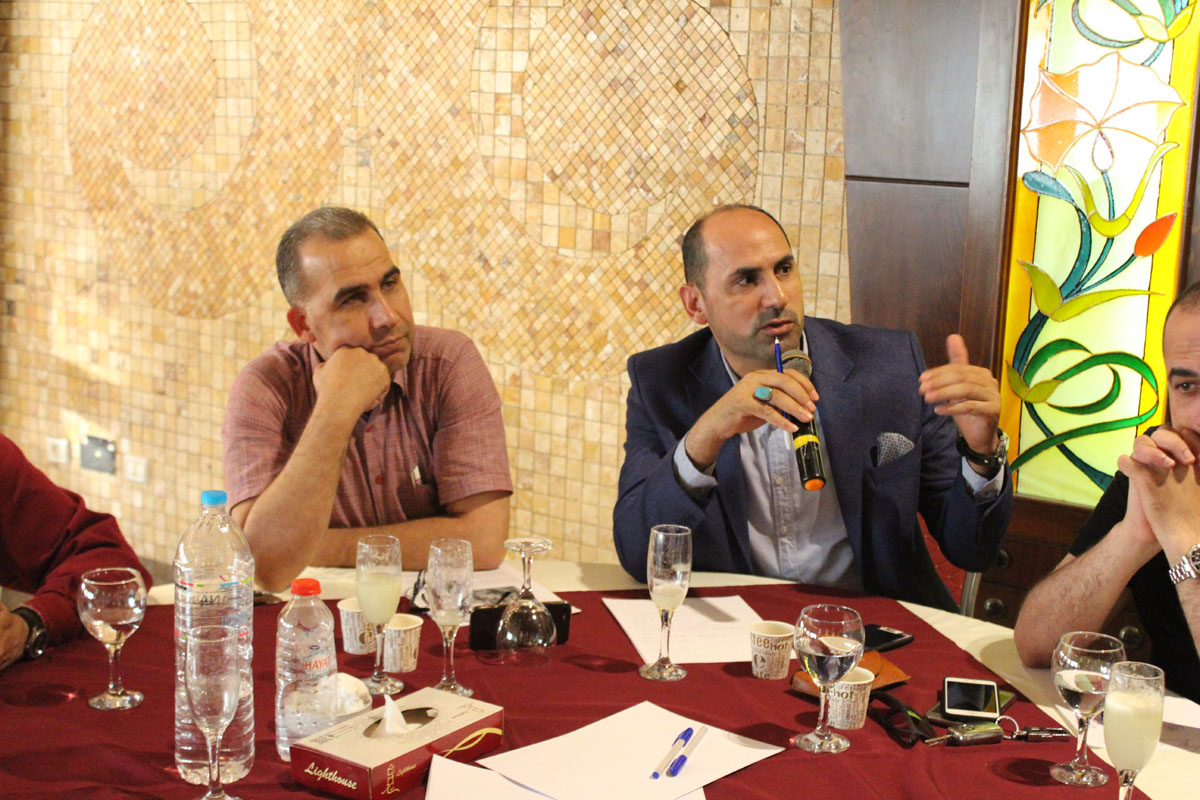
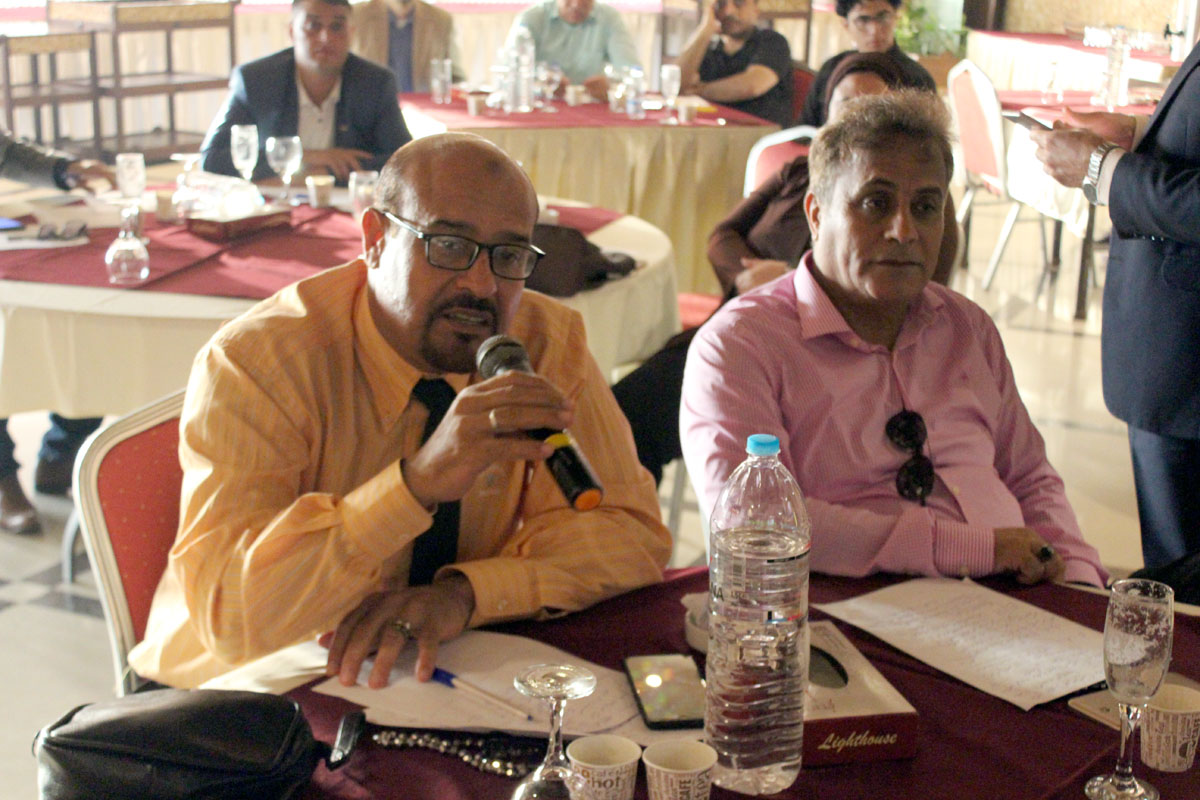
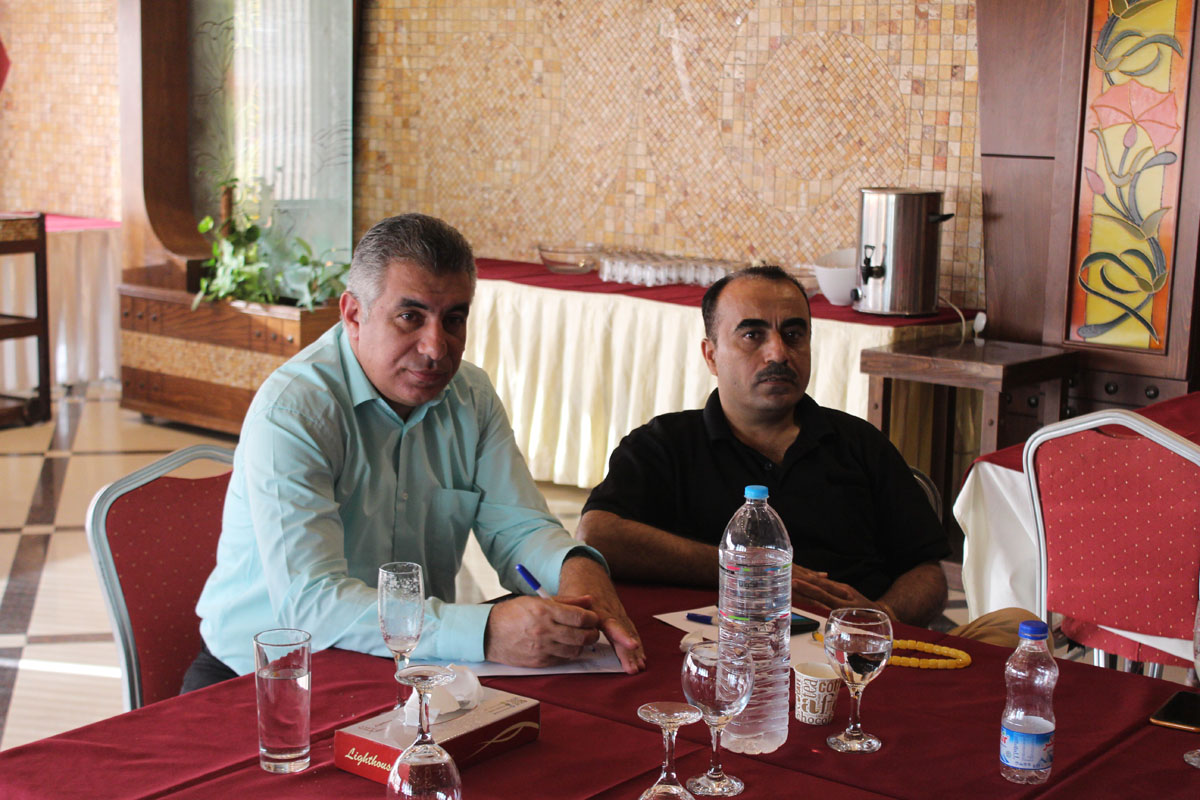
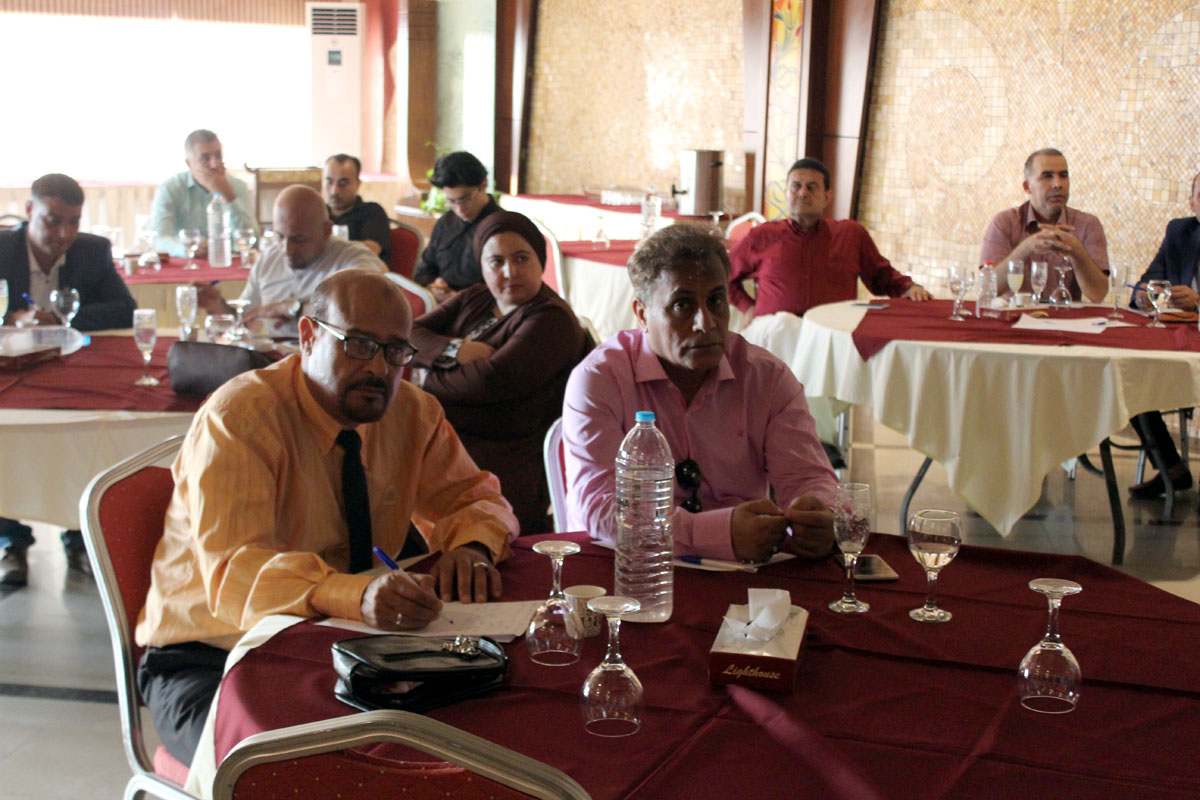
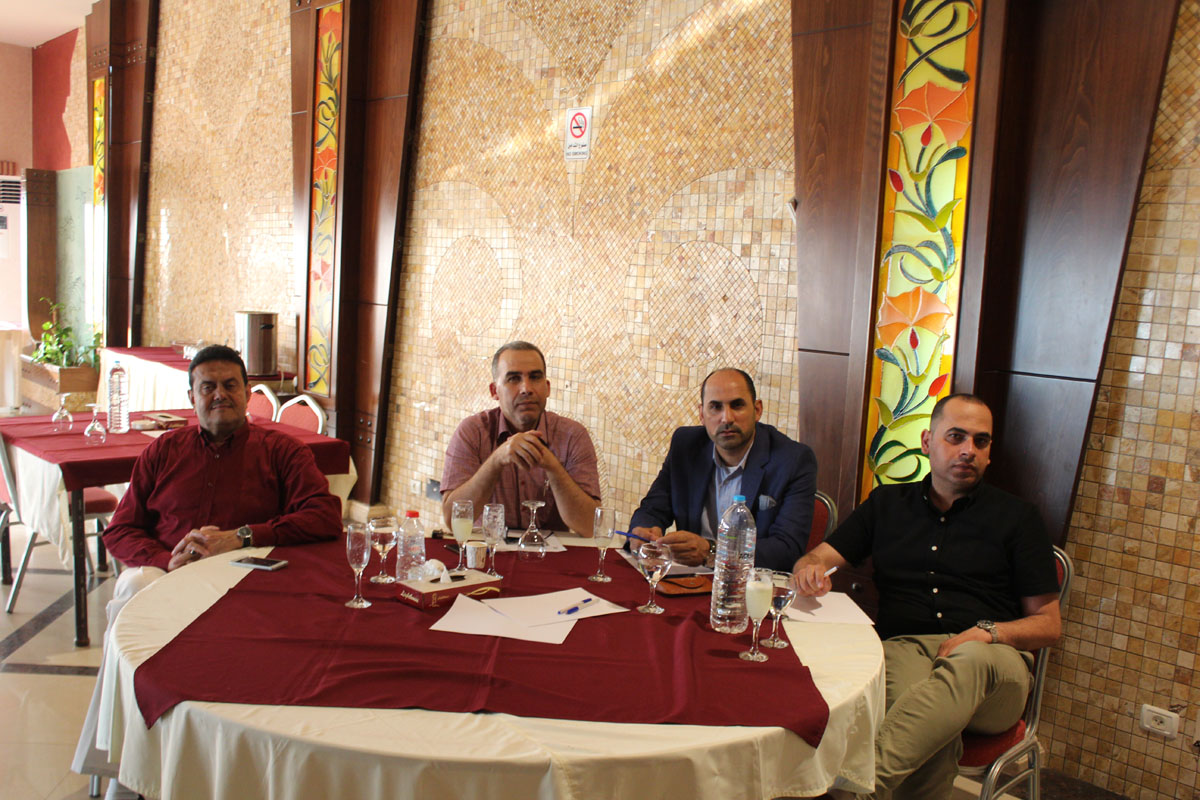
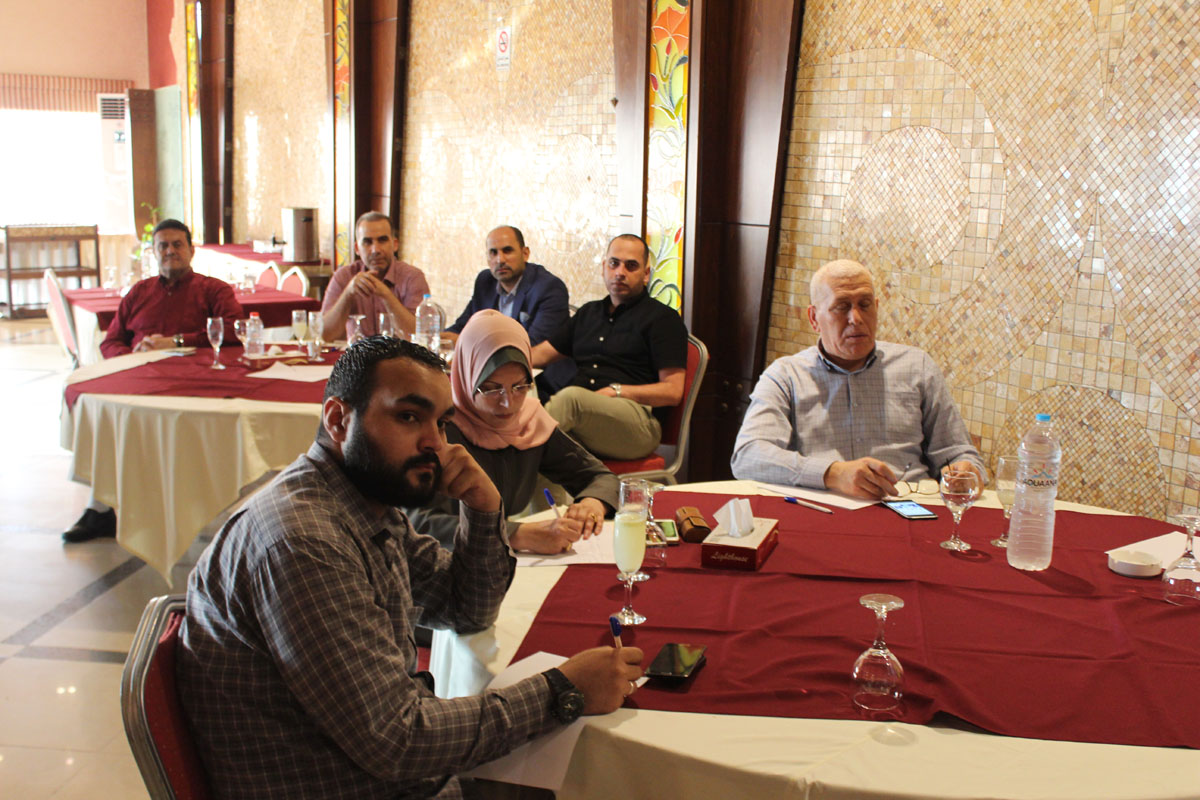
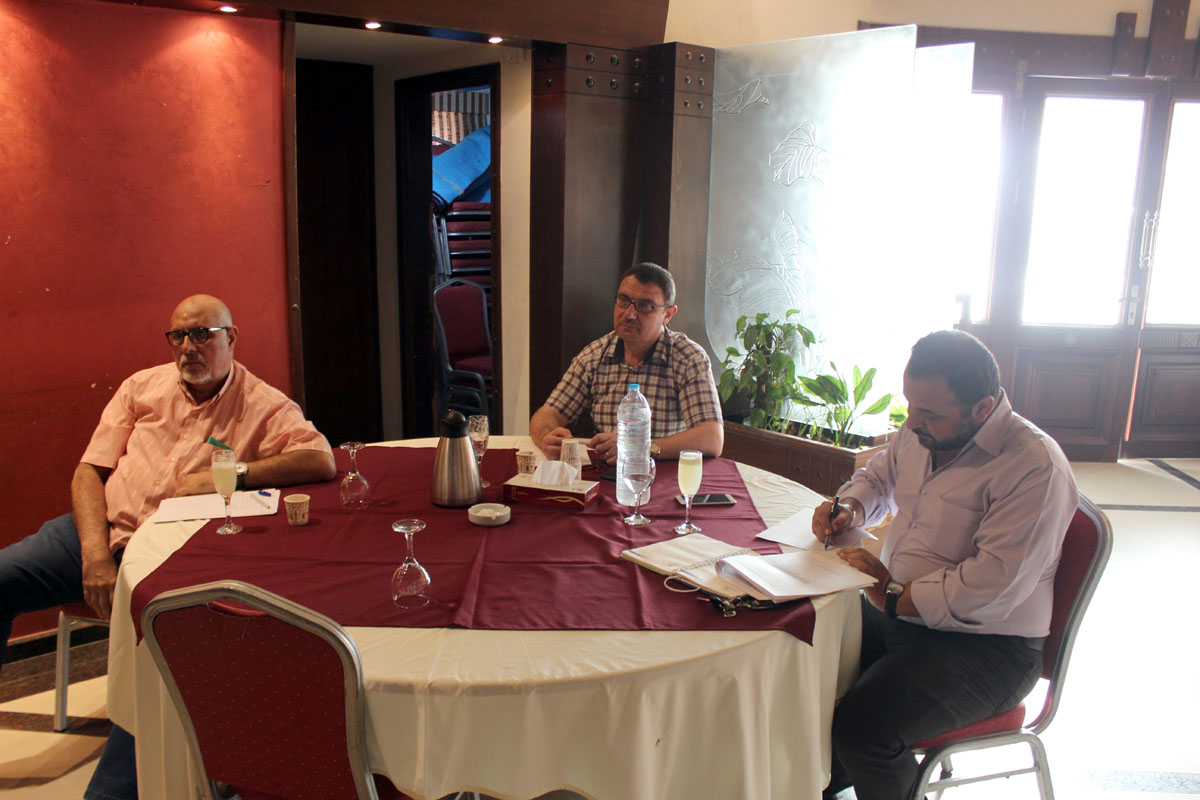
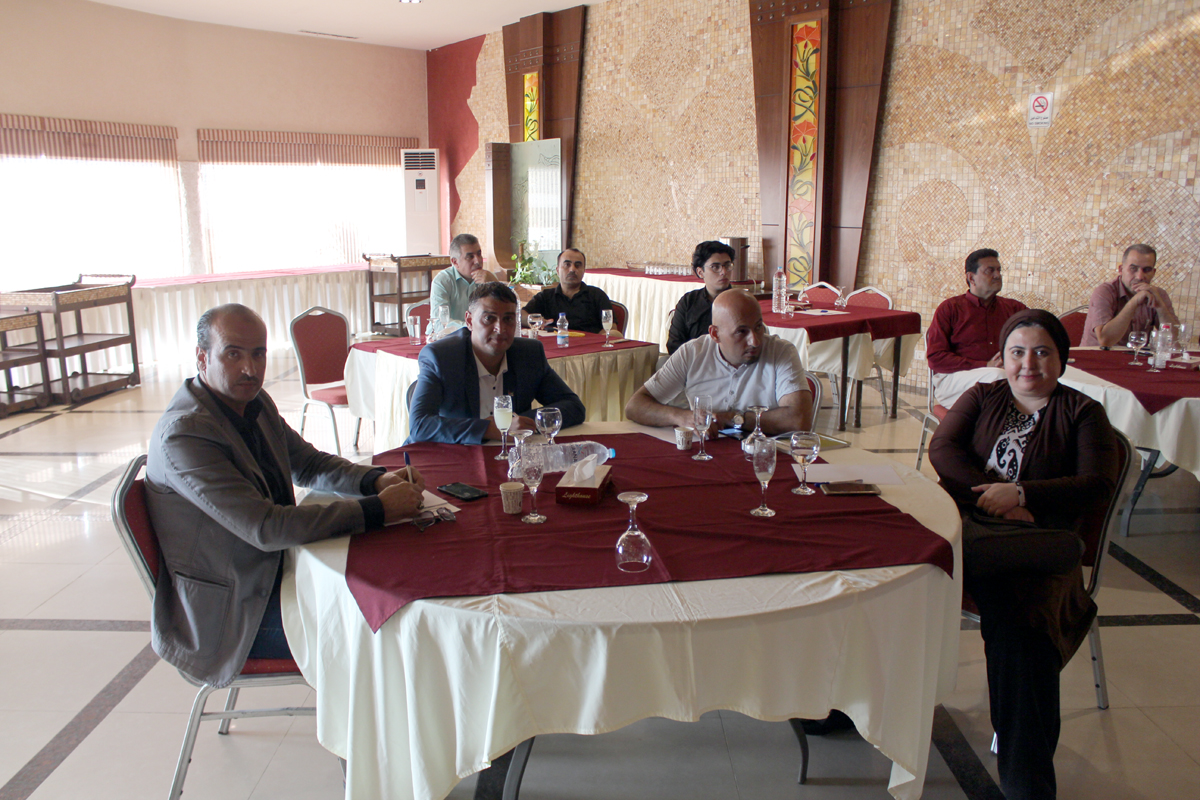
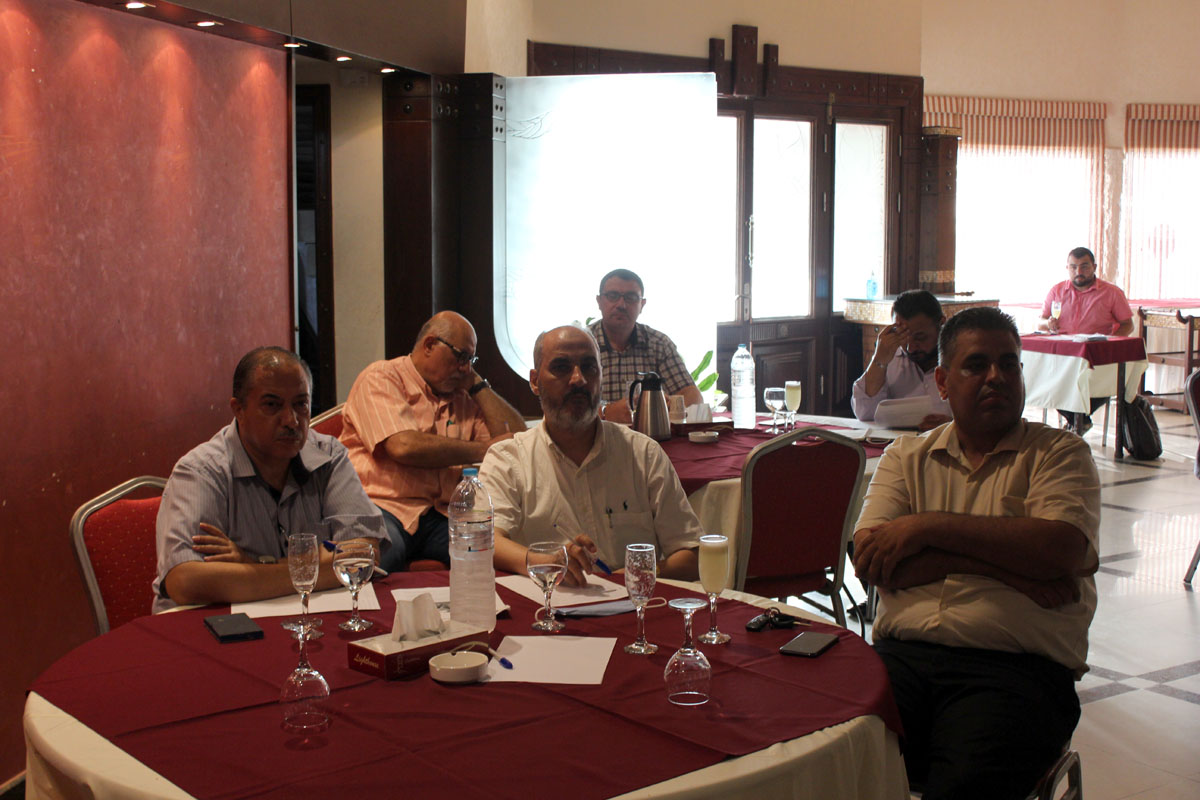
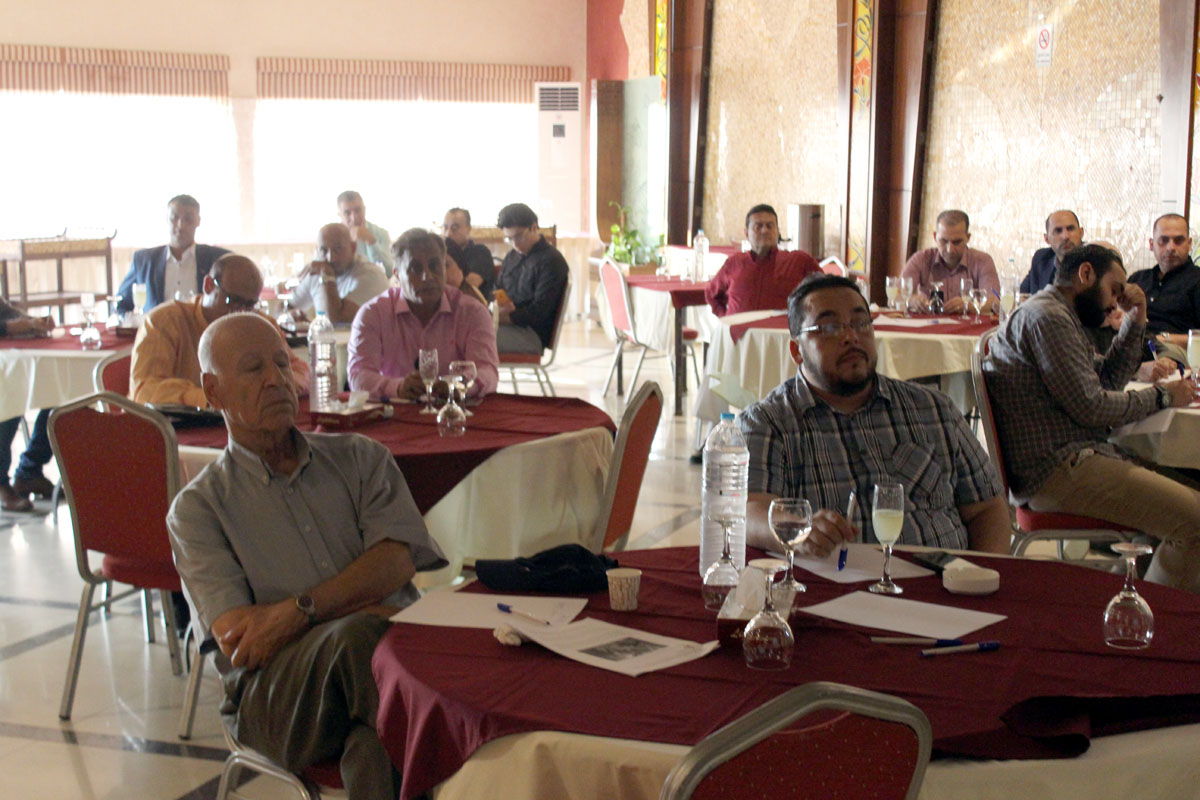
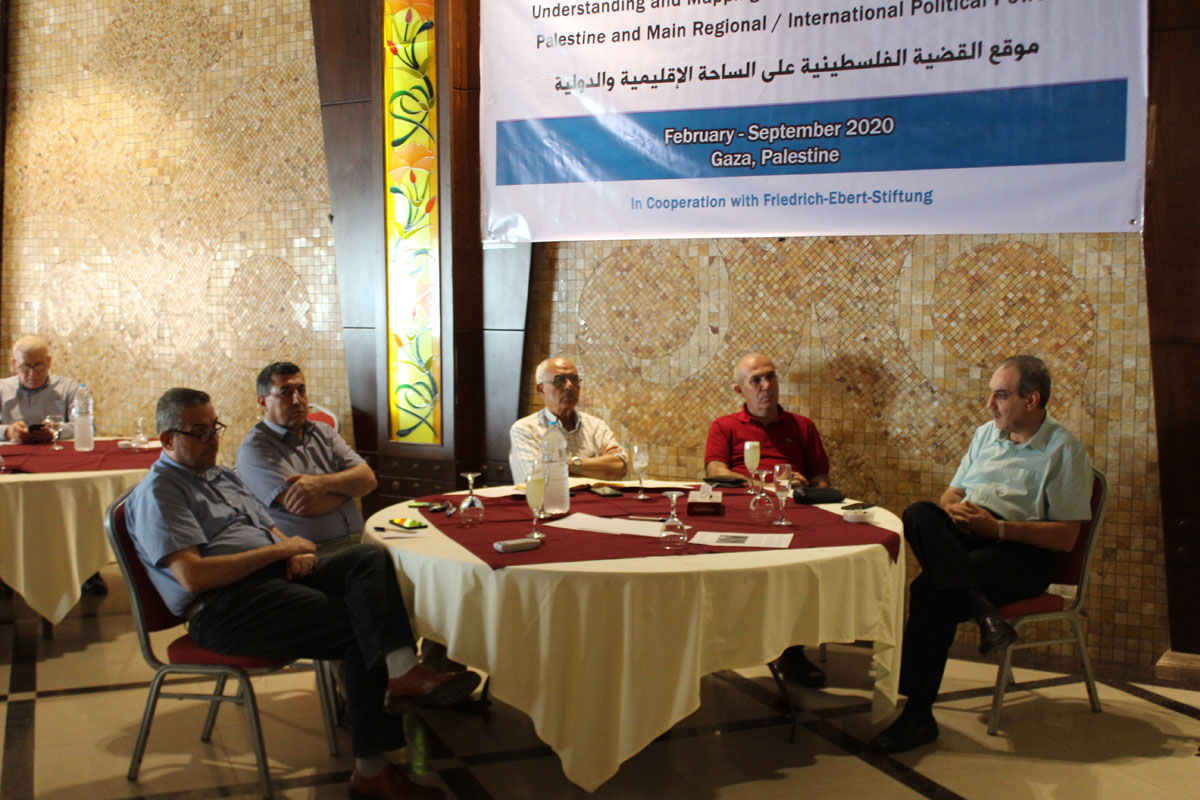
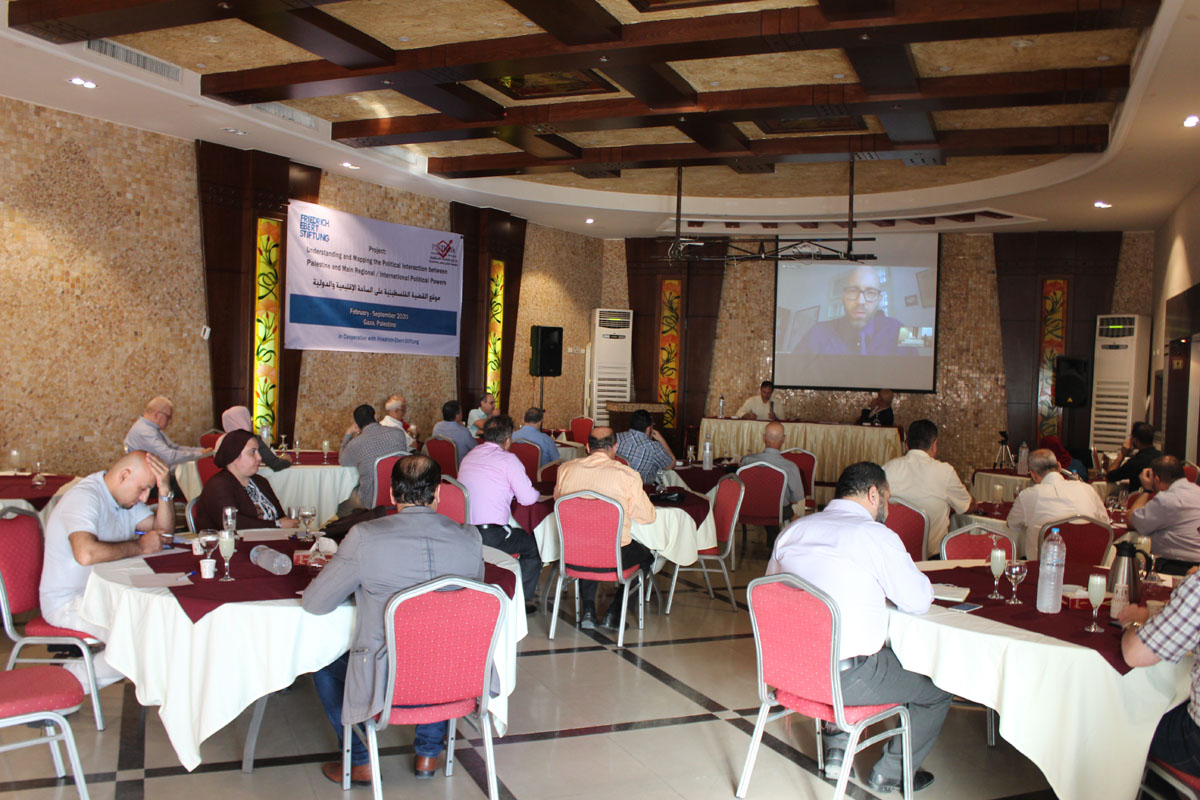
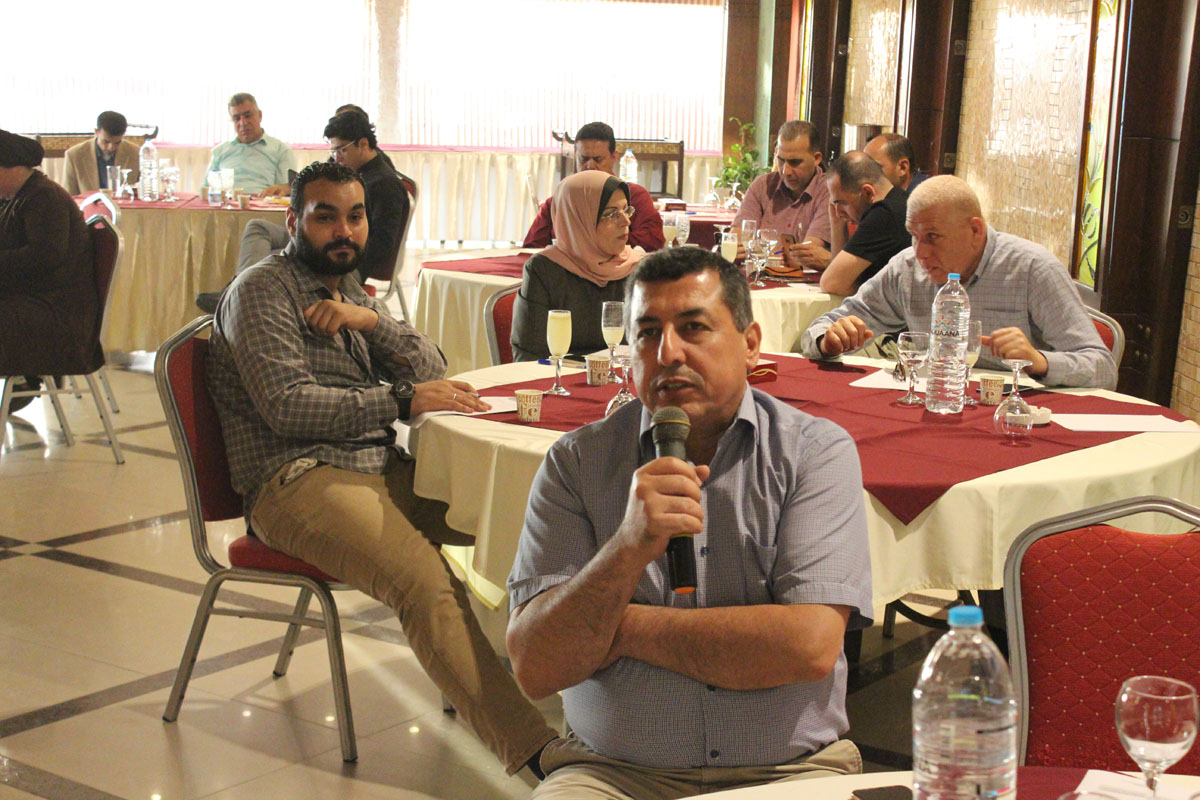
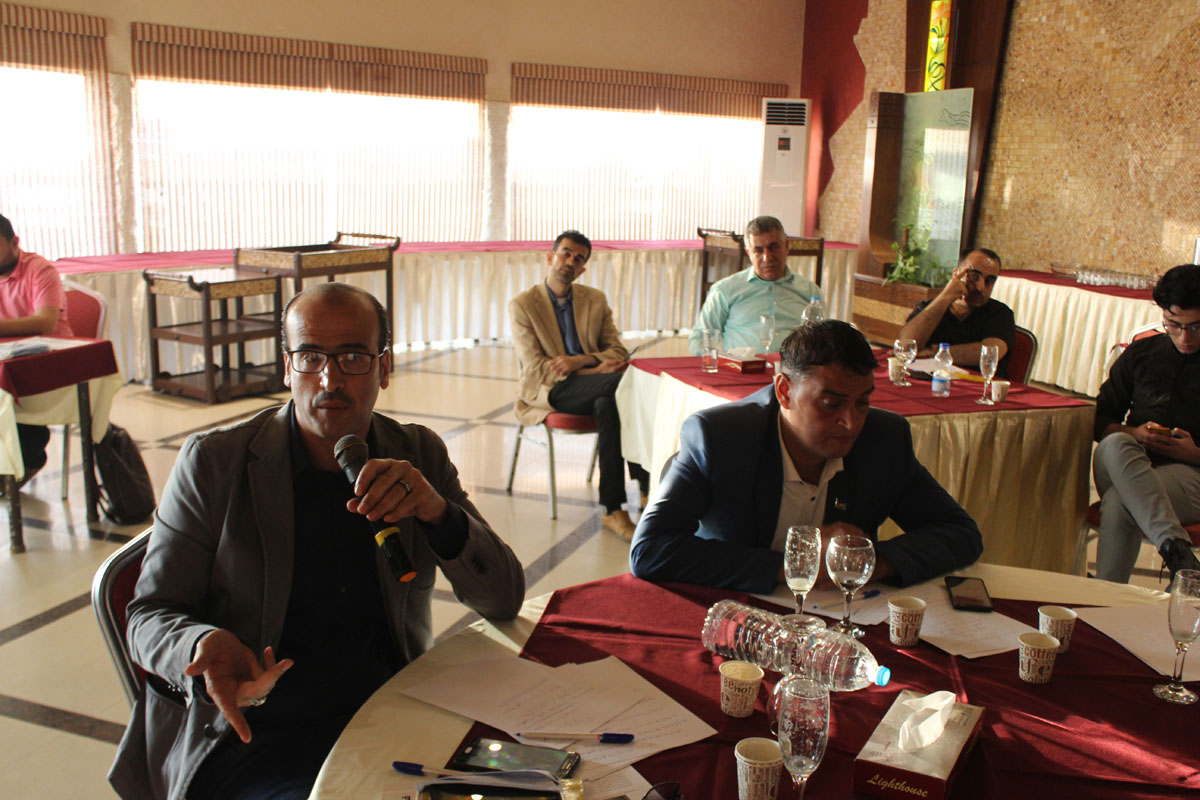
Pal-Think for Strategic Studies organised yesterday Monday, in partnership with the German Friedrich Ebert Foundation, a dialogue session titled “The European Union's position toward the Israeli annexation plan”, in which it hosted via the Zoom programme Dr Beth Oppenheim, the expert in European foreign policy, with the attendance of an elite of intellectuals, researchers, and interested persons — to strengthen the issues that concern the present and future of the Palestinian people.
The session was opened by the director of the “Pal-Think” institution, Mr Omar Shaban, welcoming the session's guest and the honourable attendees, and he said that the Pal-Think for Strategic Studies institution, a Palestinian think-and-research institution, continues its work in discussing the political issues that concern the Palestinian and international affair today.
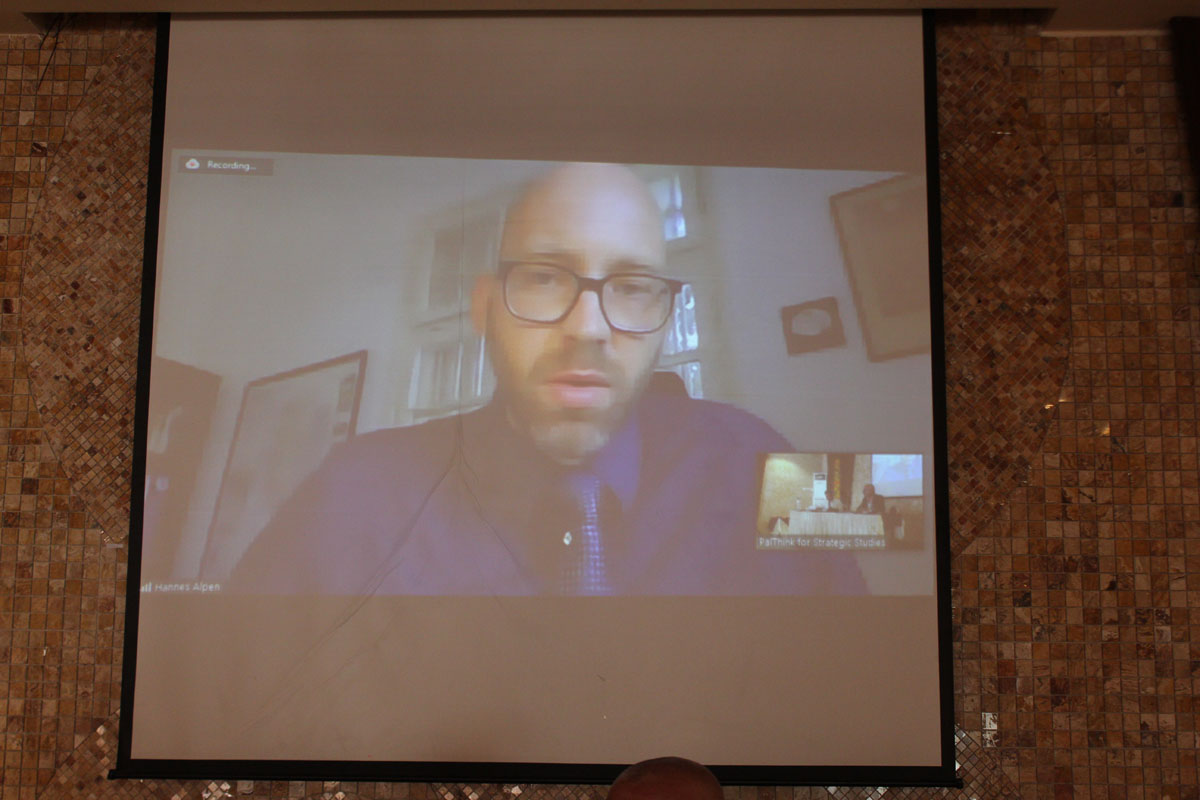
In his turn, Mr Hannes Alpen, director of the “German Friedrich Ebert” foundation in Palestine, spoke from Jerusalem via Zoom, expressing his happiness at the cooperation and partnership with “Pal-Think”, and said: “We have examined much the issue of the annexation. Some say that there may be an annexation of small areas only, but this too is a breach of international law.”
He added: “During my wide talk with a very large number of the politicians in Germany and the region, I noticed the existence of a real transformation in the understanding and grasp of the Palestinian cause, and of the nature of the conflict, the Israeli decisions, and the effects consequent on the annexation operation. He concluded saying: “I think there are clearly-featured changes in the recent period at the level of the Arab homeland and Europe, and real changes at the level of the European politicians in general and the Germans in particular toward the conflict, and of course we look to a role more effective than the current role. There is a real change: the Palestinian cause has become a fundamental issue in Europe as the Syrian, Libyan, and Yemeni issues were in the past years.”
From her side, Dr Beth Oppenheim made clear that she is not very optimistic about the European position, because it is divided upon itself in this issue. She said: “There is no doubt the European Union is opposed to the annexation, but its position will not be decisive, because a decision in the European Union requires unanimity among its 27 members. And there are many institutions, blocs, and decision-making centres in Europe. The European Union can easily unite on a domestic issue, but when the matter relates to an external issue the matter becomes more difficult — especially when the matter relates to the Arab–Israeli conflict.”
She added: “In the past the European Union used to obtain unanimity even as relates to the issues of the Middle East, and previously France, Britain, and Germany were the states of greatest influence on the European Union's position, but after Britain's exit there came to be a role for the small states. And clearly, Israeli policy has succeeded in dividing and fragmenting the European Union, because there are small states in the European Union that enjoy solid economic relations with Israel, and see their relationship with Israel as strategic and it prevents them from taking a position opposed to it — and consequently the European Union has become less able to take external decisions.”
She continued: “There are other factors that influence the European Union's capacity to take a unanimously-agreed position toward Israel, among them the subject of the Holocaust — for there are states the past still prevents from taking a position opposing the Israeli position. Such as Hungary, in which the right has emerged noticeably and which supports Israeli policy. And there are states that refuse there being any European unanimity on a position against Israel, to preserve their relations with it, because they are bound by strategic economic and security agreements. In addition to the existence of several blocs inside the European Union toward the annexation issue, and this will make reaching a unanimously-agreed European position more difficult.”
She went on: “The states of Europe demanded the application of sanctions against Russia when it annexed the Crimean peninsula in 2014 — so will the punishment of Israel for the annexation be demanded? Consequently this will create a fissure in how international law is applied.
Some European states consider the annexation a violation of international law and likewise an end of the two-state solution, which is the position the European Union has adopted for three decades. And there are states also that fear the annexation's repercussions on stability in the region, and this will strain the relations in the Middle East. Also the annexation threatens the unity of Eastern Europe, because there are many minorities that might demand independence, or the wish of some states to annex other parts. So the matter, then, is not related to the Middle East, but reflects itself onto the European Union.”
She added: “We do not know what turns in Netanyahu's mind — will the annexation be partial or total, or will he abandon it. Despite this, some European states see that Israel must bear some consequences for the annexation, even if at the technological or economic level. And some states may take actions individually, such as: freezing the free-exchange agreement between Europe and Israel, and the labelling of the settlements' goods or their boycott. As relates to the Palestinian side: increasing the support for the Palestinians; the European Union may support the Palestinian reconciliation, and the funding of the Palestinian Authority and the strengthening of its role. The states that cannot punish Israel may compensate for that by supporting the Palestinian Authority.”
She concluded by saying: “This is the suitable time for Europe to take a decisive position and confirm its credibility, and compensate for the hesitancy in its policy during its past years.