The Youth Forum for Policy & Development hosts the director of Lebanon's Nahnoo association
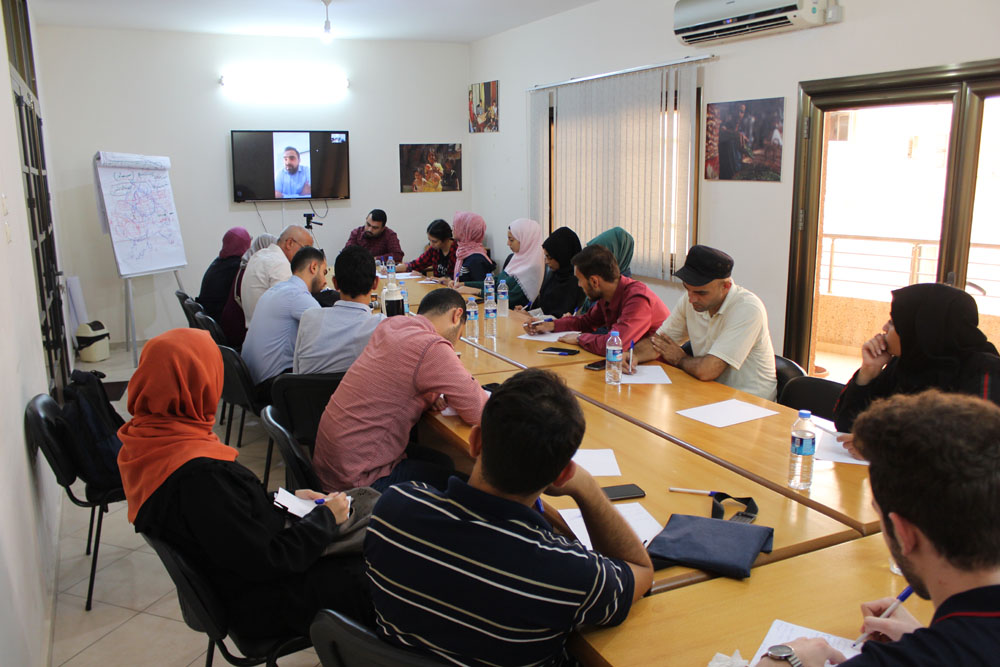
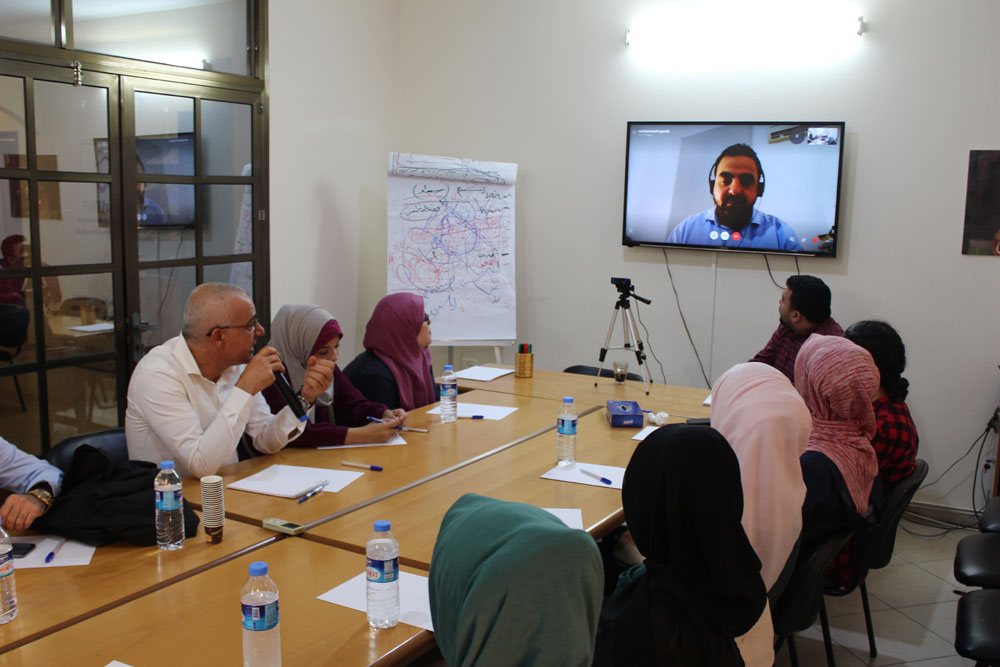
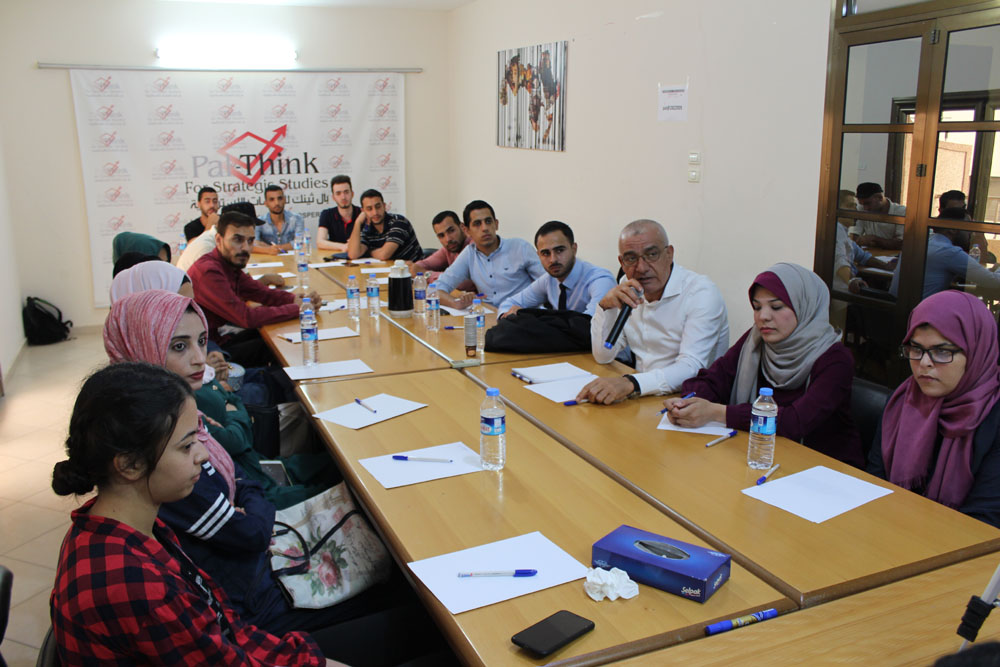
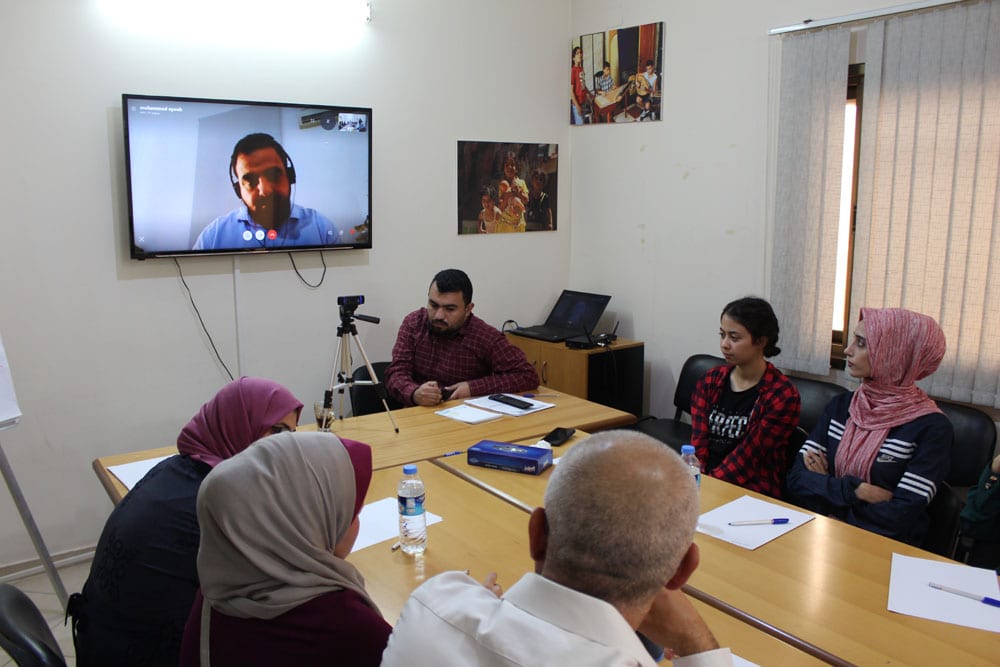
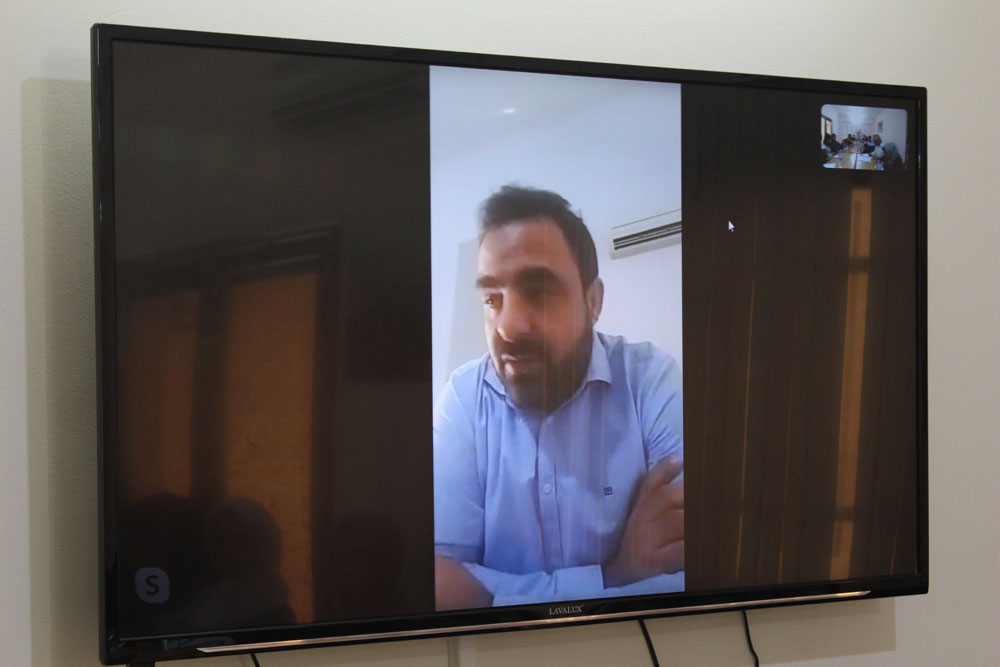
Pal-Think held a Skype meeting with Mohammed Ayoub, founder of the Nahnoo association in Beirut, under the Youth Forum for Policy & Development — opened by Omar Shaban in tribute to the deep bond between the Palestinian and Lebanese peoples.
- Date
- 2019-10-17
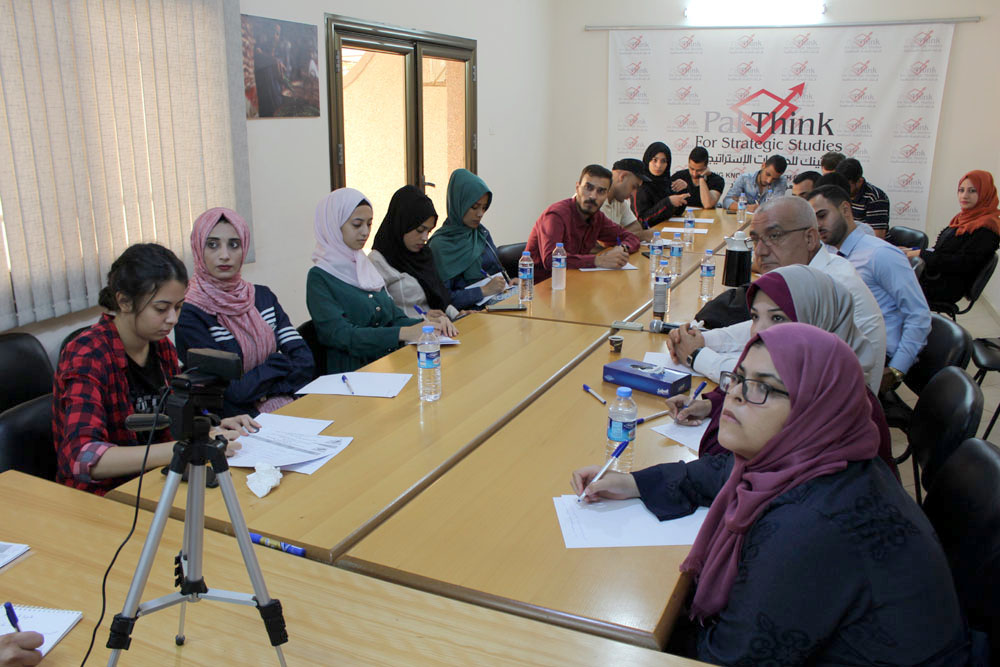
Pal-Think for Strategic Studies organised a meeting via Skype with Mr Mohammad Ayoub, founder of the Nahnoo association in Beirut – Lebanon, within the activities of the Youth Forum for Politics and Development. Mr Omar Shaban opened the meeting welcoming the guest and praising the firm relation between the two peoples, the Palestinian and the Lebanese, and affirming the importance of communication and joint cooperation with Arab experiences that can be benefited from in the Palestinian context — as the meeting comes within a series of meetings the institution organises with several institutions in the Arab homeland and the world.
Mr Mohammad Ayoub spoke to the forum's members about the experience of the “Nahnoo association” in planning and implementing initiatives that address the needs of the brotherly Lebanese society. He shed light on the “Horsh Beirut” campaign, aiming at creating a public space amid the urban expansion in Beirut, to transform the Horsh from a barrier separating the sects and religions into a meeting point that consolidates the bonds of communal relations and limits the congestion in Lebanon. He began with a group of his colleagues by conducting the legal, political, and social studies related to the Horsh, and Mr Ayoub affirmed the importance of research and study before planning any communal activity or implementing it.
Mr Ayoub mentioned many of the benefits that would return to society upon opening a green public space in the middle of the city of Beirut, among them finding a meeting place and breathing space visited by the Lebanese of all spectra and ethnic groups. He gave this space the character of the “salon” in which the members of the one family gather to spend their time and interact with one another, while each of them goes to their area, isolated from the rest of the sects and religions, to their “rooms” — strengthening the moral value and symbolism of the public spaces, which carry the possibility of hosting happy occasions, national celebrations, and other manifestations of peaceful assembly.
He added, narrating the development of the campaign's stages, from a partial opening of the Horsh, to the increase of the popular pressure that led to its opening completely to the citizens, and ending with the current stage, which is launching a competition to set a conception for the planning and organisation of the Horsh, in which artists, engineers, and students of the humanities from the general public participate — in an effort aiming at involving the public in decision-making, and educating them about the Horsh and its organisation, management, and preservation as one of the public assets.
Mr Ayoub also spoke of the different means and strategies used during the campaign's period, extending since 2010 — among them the research papers and studies, the awareness tours, peaceful demonstration, cooperation with the competent security bodies, building the team's capacities, and documenting the legal documents and the media statements necessary for achieving the sought goal.
The meeting concluded with a round of discussions from the forum's members and the answering of the youth's questions with the meeting's guest. Among them, a question from one of the members of the Youth Forum for Politics and Development at the Pal-Think institution, about whether the role of civil society is complementary or a substitute for the governmental bodies. Mr Ayoub answered by defining what civil society is, and that everything that is not military is civil society, and that the abundance of civil-society institutions may be a result of the weakness of governmental performance. And that the role of these institutions can range between complementary to the government's role, or opposed to it, and this depends fundamentally on the nature of the work of the particular institution, far from generalisation.