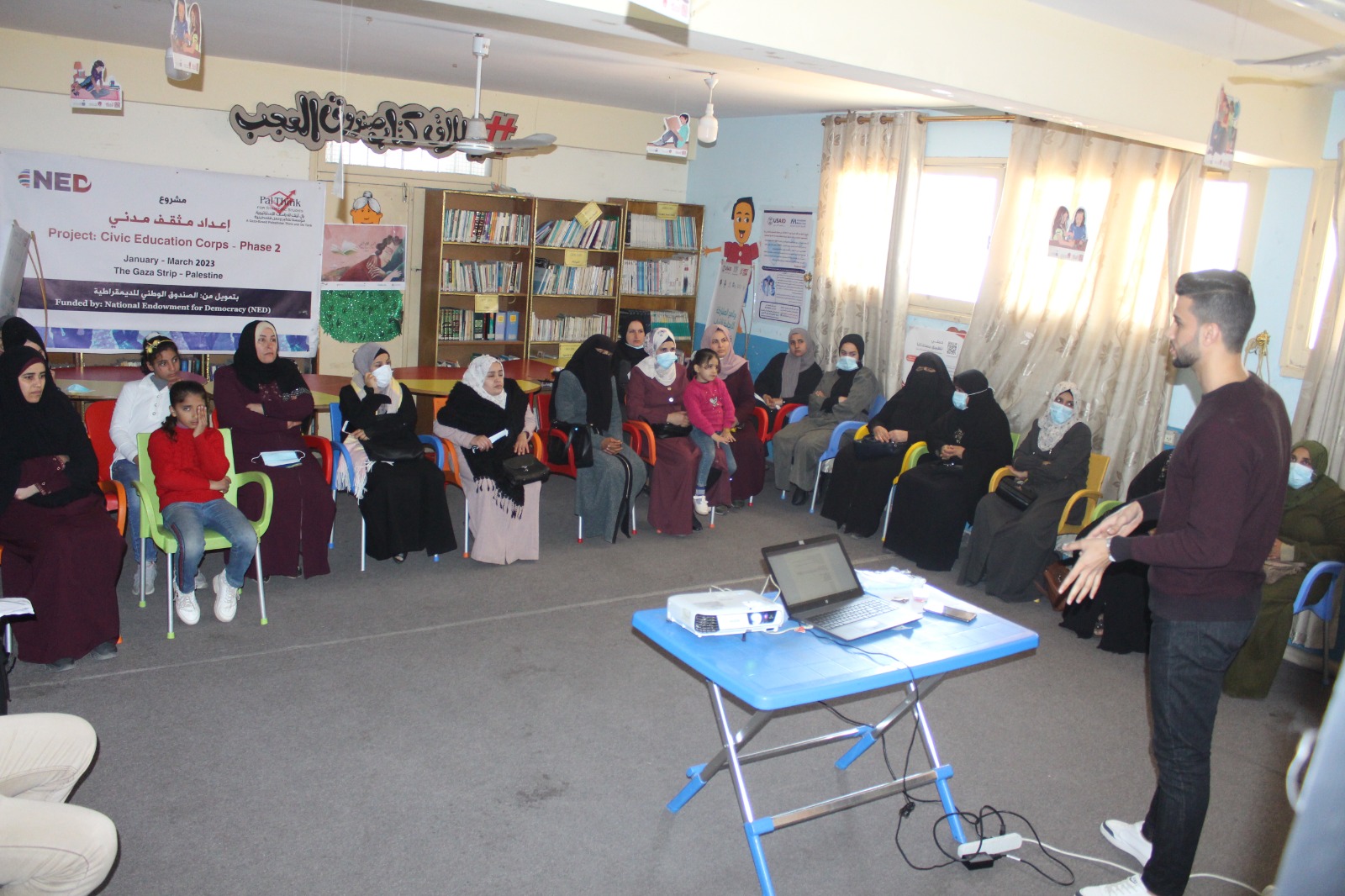
Pal-Think's Civic Education Corps begins a series of awareness meetings
For the third consecutive year, Pal-Think's Civic Education Corps began a series of community-awareness meetings on democracy and human rights — spreading civic culture across Palestinian society and among youth in particular.
- Date
- 2023-01-25
Within the pivotal role Pal-Think's civic-education body plays in spreading and strengthening the culture of democracy and human rights in Palestinian society in general and among youth in particular, Pal-Think began, for the third year running, delivering a series of community-awareness meetings on the issues centred on entrenching the principles of democracy and human rights in Palestinian society.
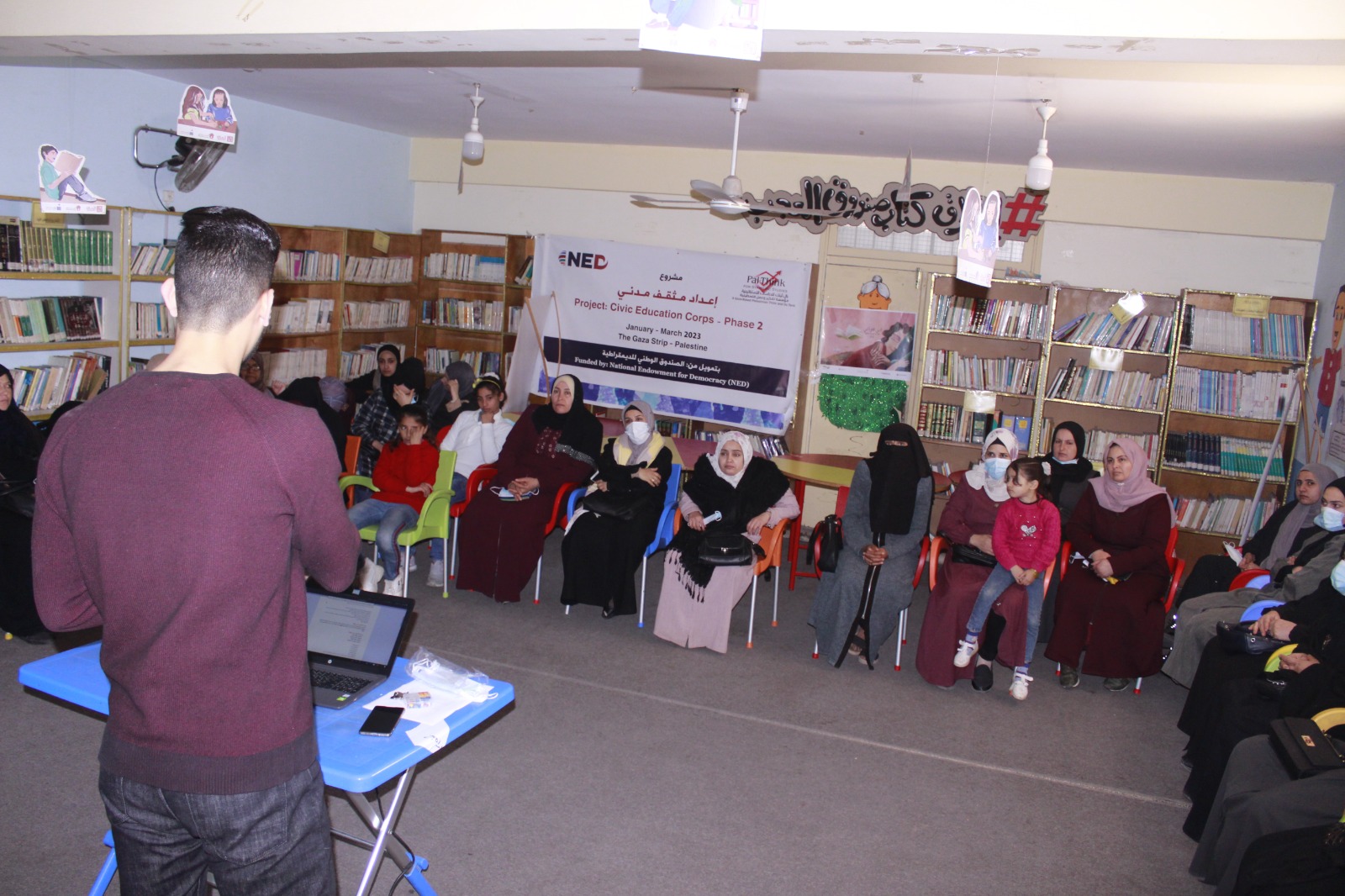
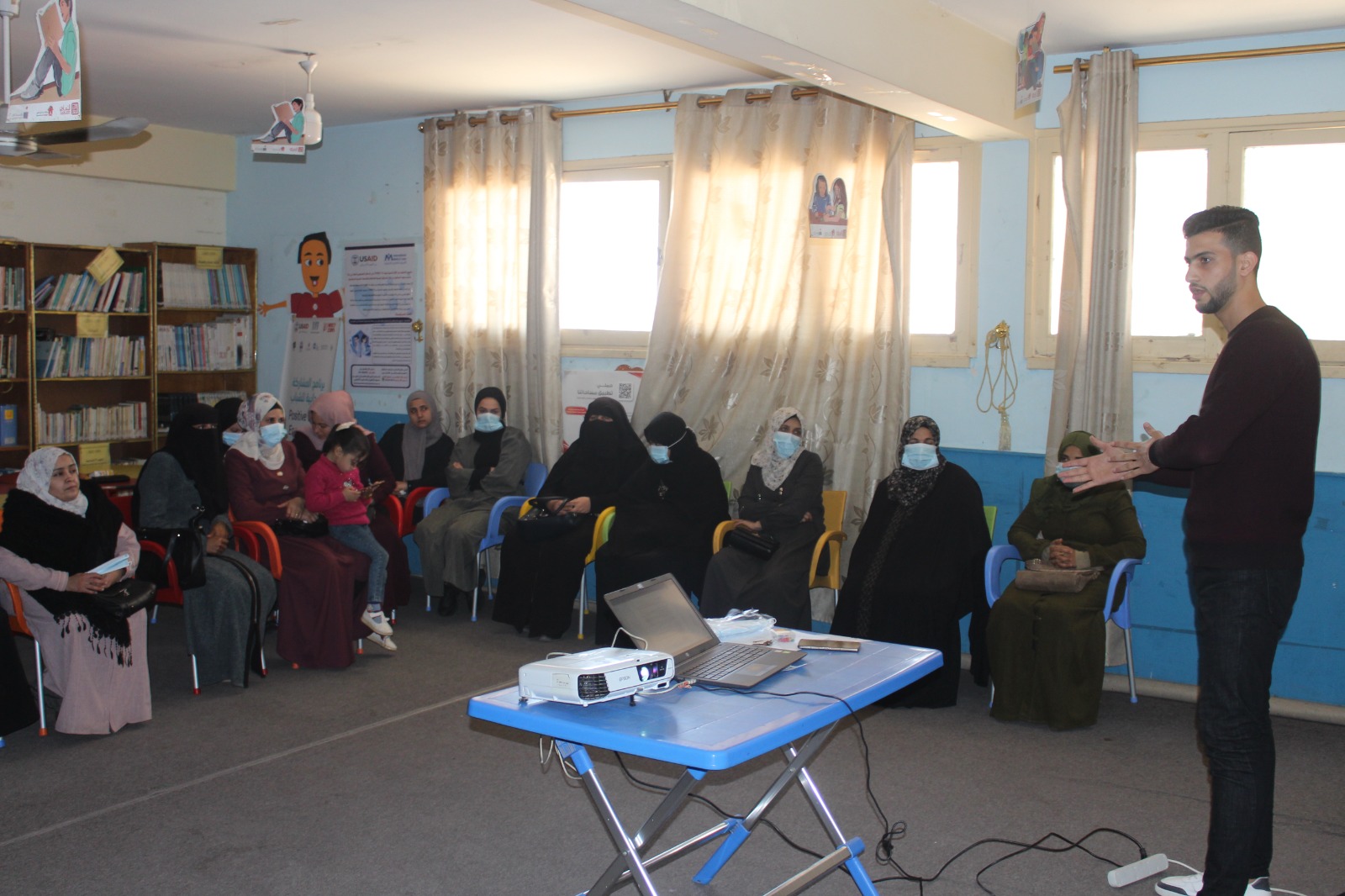
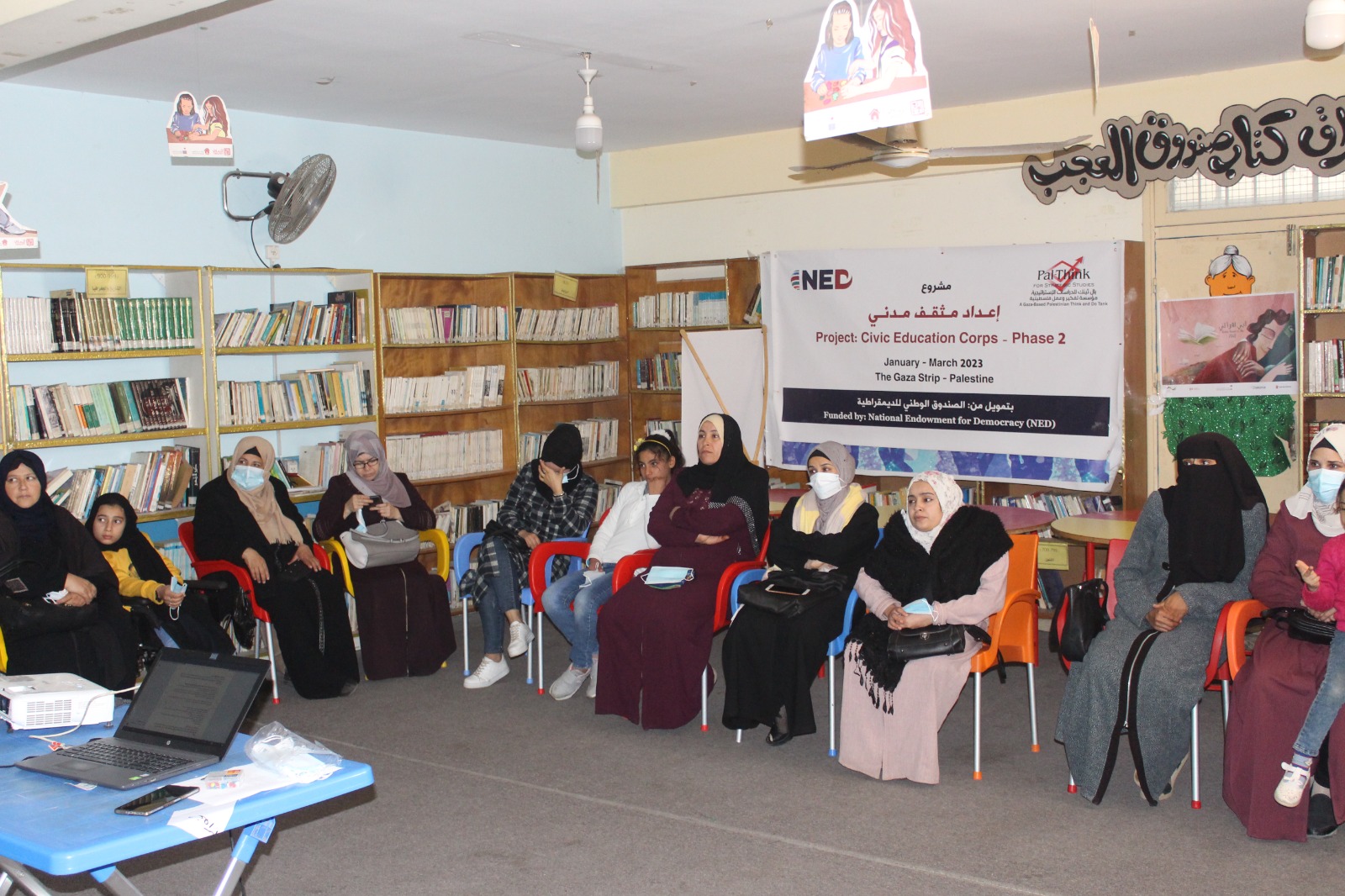
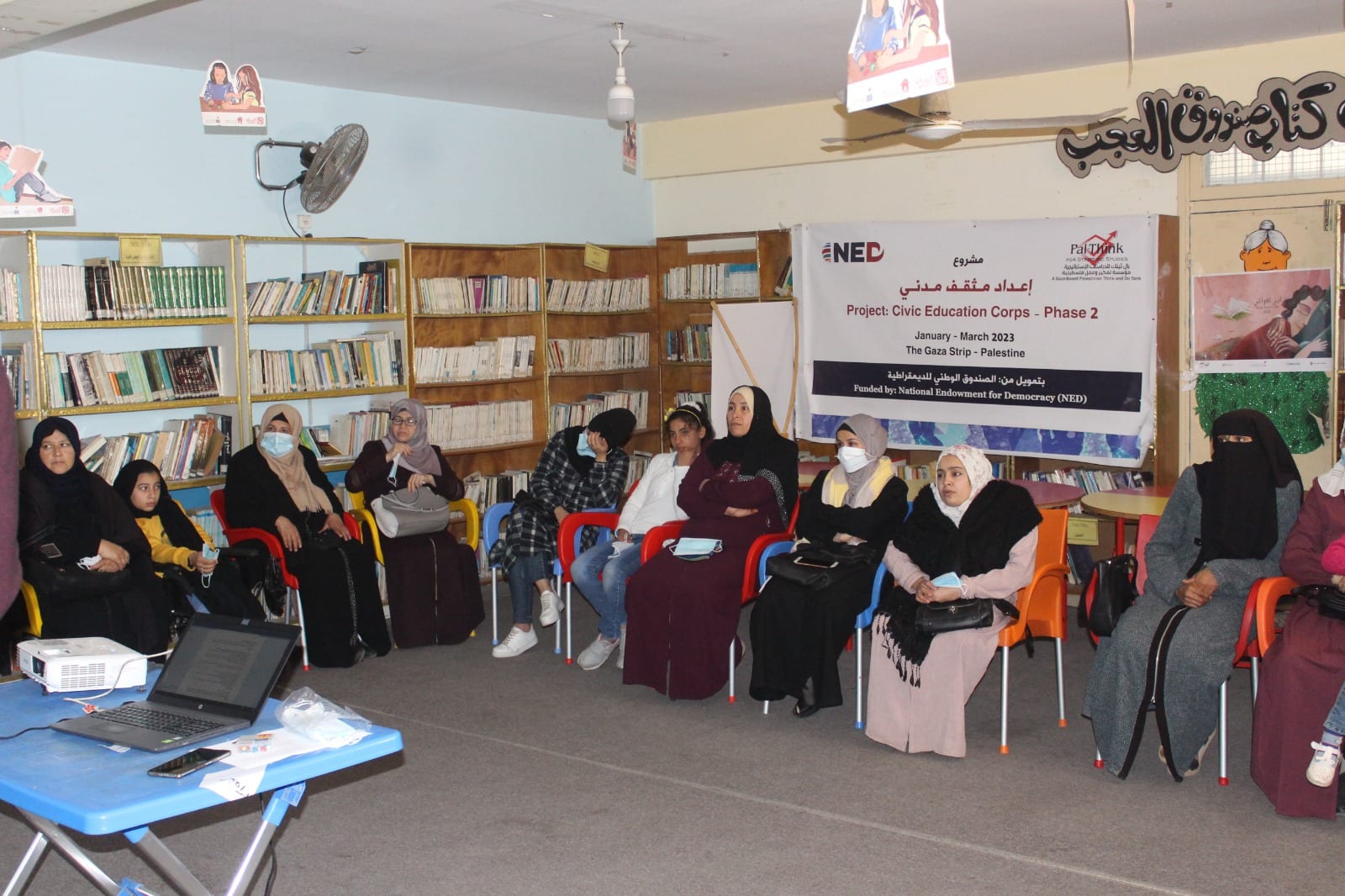
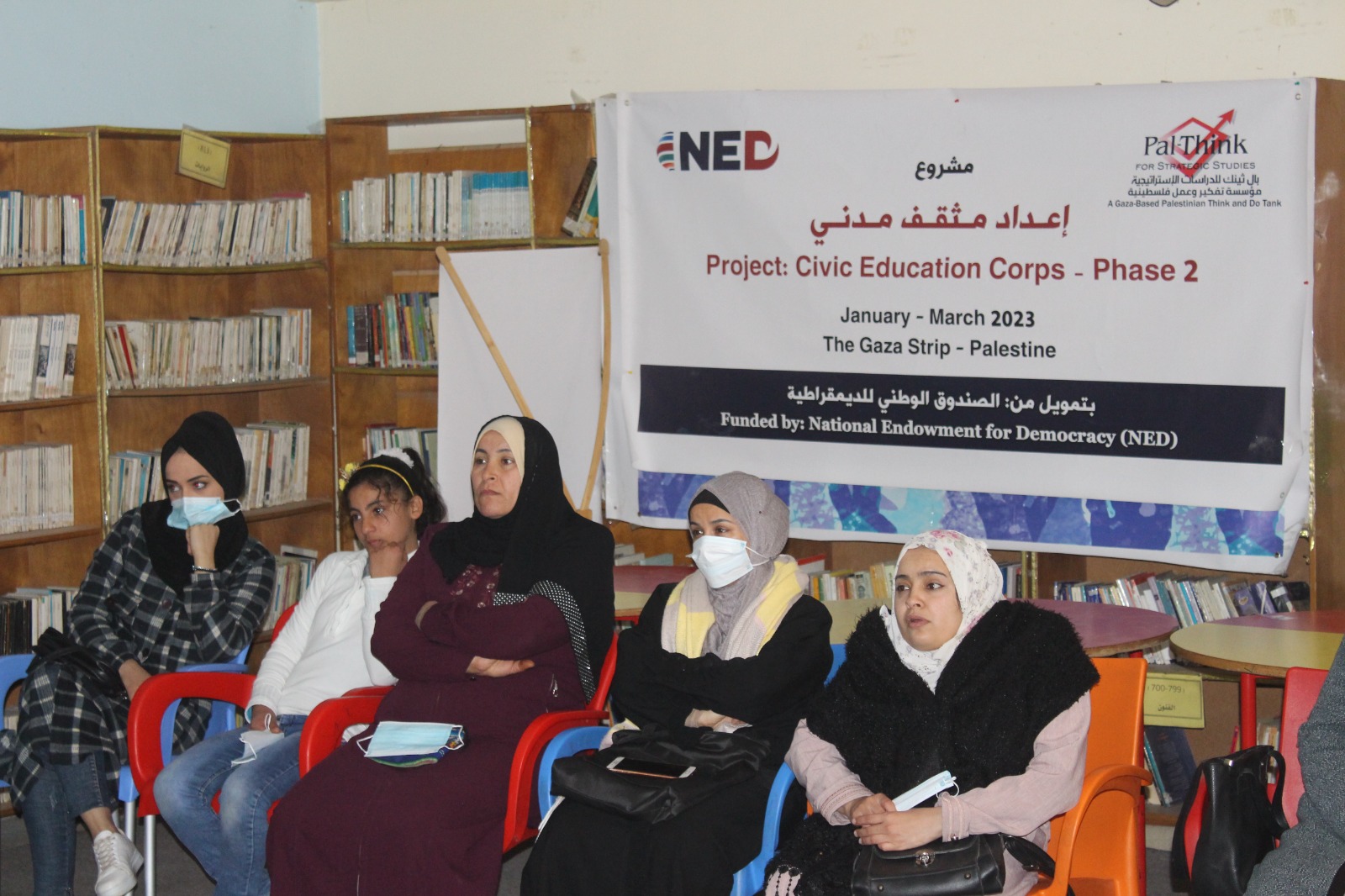
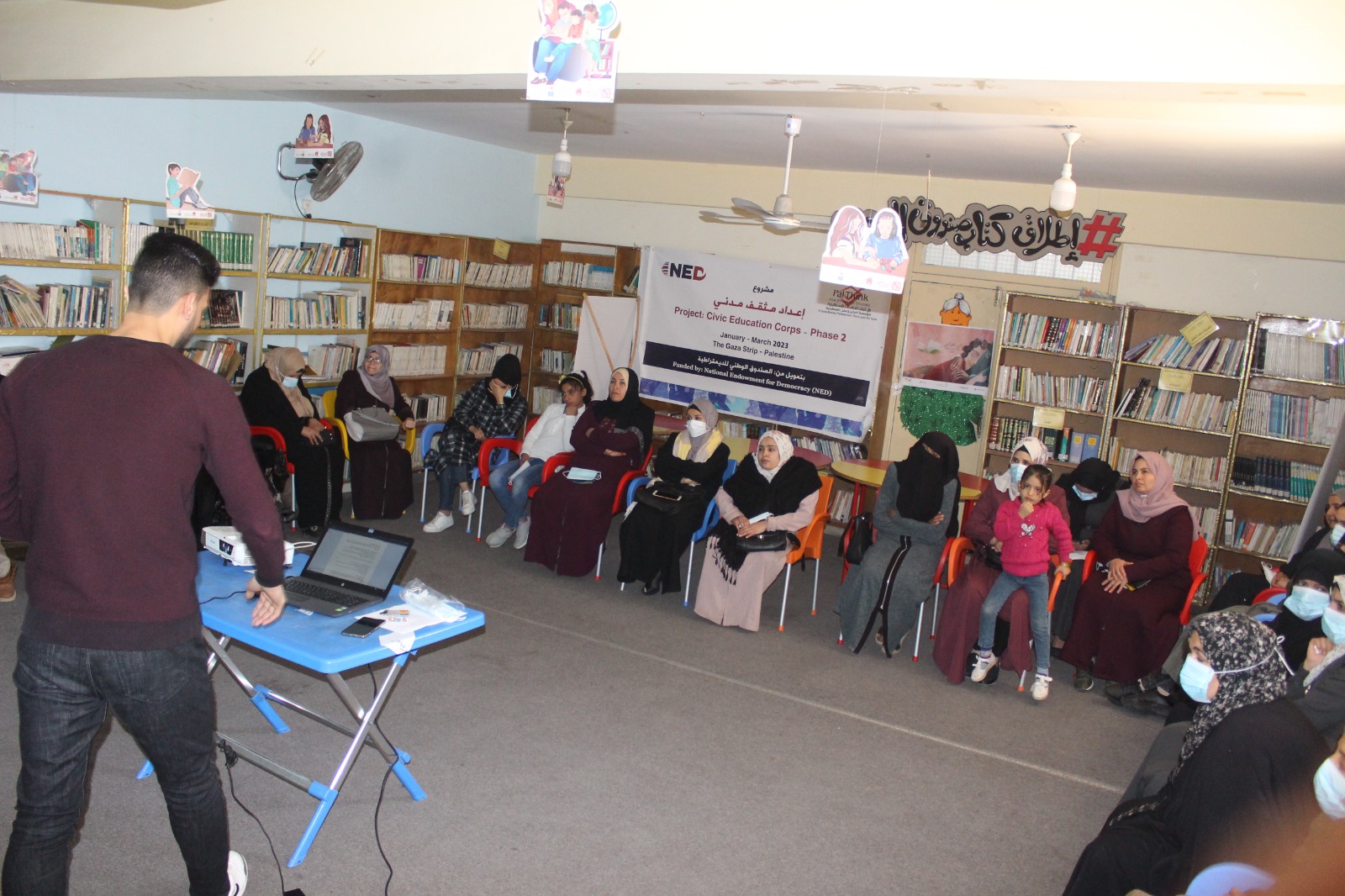
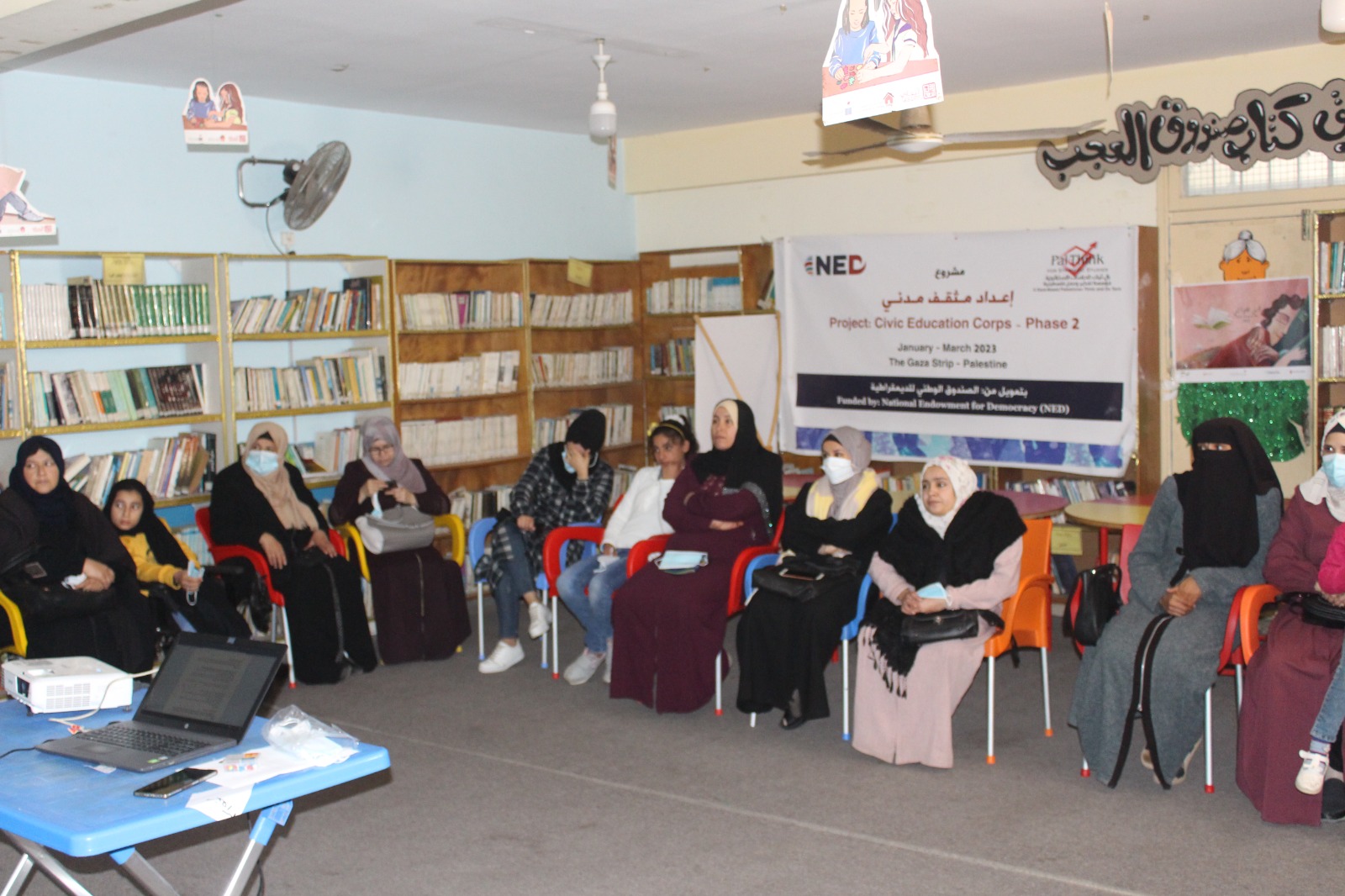
In that light, the first legal-awareness meeting was delivered in cooperation with the Women's Programmes Centre in the Rafah governorate, titled “The rights of persons with disabilities and the effect of their absence on Palestinian society”, attended by a number of young people and persons with disabilities of both sexes and their families.
This comes under the project Preparing a Civic Educator (2), implemented by Pal-Think for Strategic Studies with funding from the National Endowment for Democracy (NED), which aims to strengthen democratic values and the concepts of human rights among the youth of the Gaza Strip, create young leaders able to spread these values in their community, and enable them to play their part in decision-making, in cooperation and coordination with civil-society institutions.
The workshop was opened by civic-education body member Mr Mohammed al-Houbi, welcoming the guests and stressing the importance of engagement with the issues of persons with disabilities, awareness of their rights, and the necessity of their participation in the various activities of public life on an equal footing with others.
Al-Houbi noted that the Universal Declaration of Human Rights affirmed the principle of equality and non-discrimination, as did the International Covenant on Civil and Political Rights and the International Covenant on Economic, Social and Cultural Rights; and he showed that all of them affirmed a number of rights for persons with disabilities, among them the right to work, the right to social security, the right to political participation, and the right to form associations and gatherings advocating the rights of persons with disabilities without prohibition or restriction.
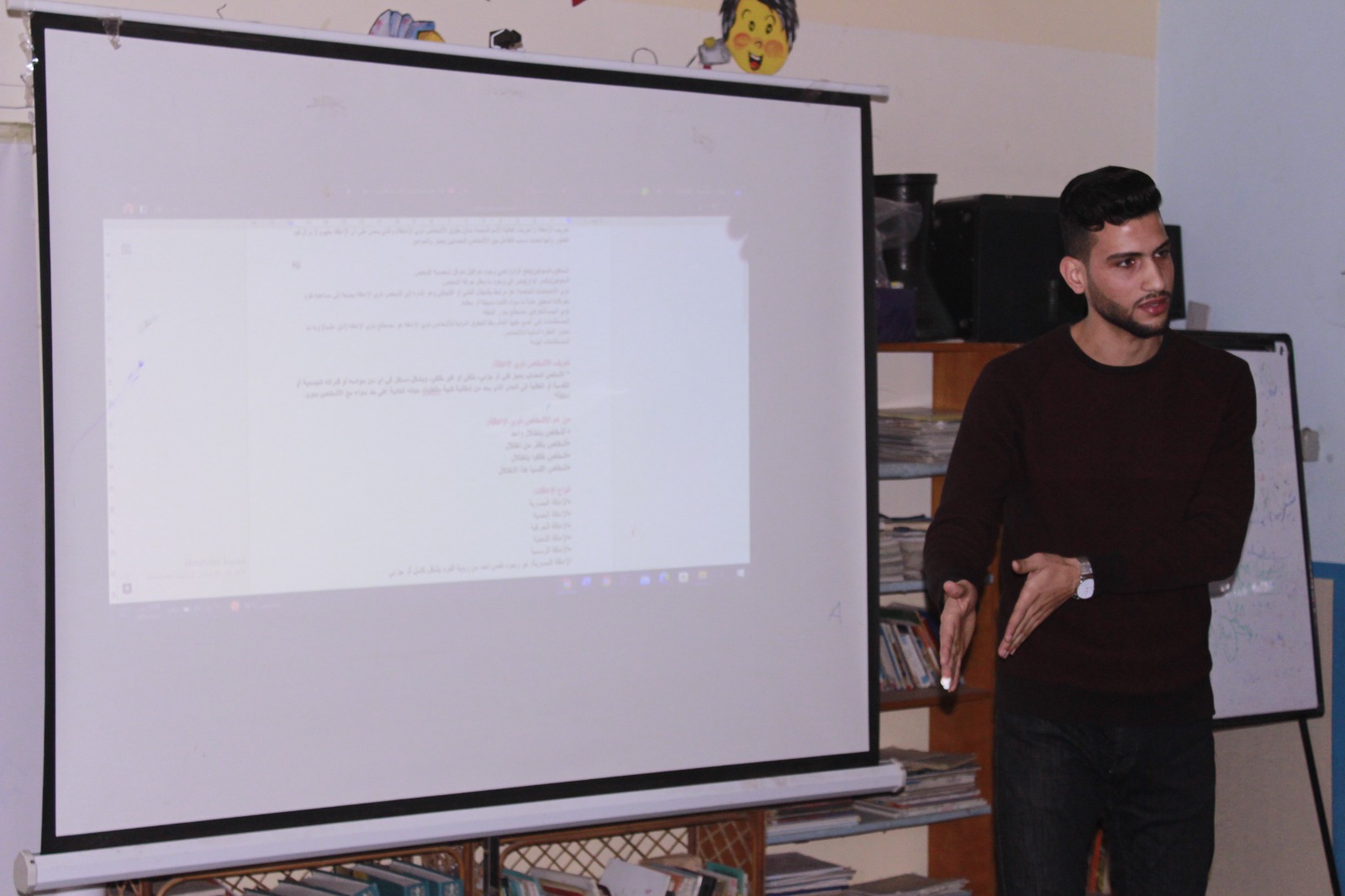
Al-Houbi set out the historical sequence and evolution of the concept of disability, focusing on the most important definitions related to it.
For her part, civic-education member Ms Rawan al-Zamli continued by clarifying who persons with disabilities are, how disability arises, the types of disabilities in society, and how to distinguish them by their sound definitions.
The two trainers closed the meeting by setting out the principal local and international legal foundations for defending and advocating the rights of persons with disabilities, and the main shortcomings of the local laws concerning them.
The civic-education project 2022–2023 comprises a set of activities, including an intensive training programme for the new members of the civic-education body, followed by a number of awareness meetings on topics related to democracy and human rights, in addition to preparing research papers on democracy and human rights, delivering radio episodes to present the research papers, and presenting the papers' outputs in discussion sessions joined by researchers, representatives of civil-society institutions, and decision-makers — noting that all these activities will be delivered with the fundamental participation of the members of the civic-education body, who underwent an intensive training programme at the project's start.