Dialogue: «The question of identity in the Palestinian reality»
Pal-Think held a dialogue on the problem of identity in the Palestinian reality, with a gathering of intellectuals, community elites and young people — part of the institution's philosophy of debating every strategic question in Palestinian life.
- Author
- The editorial team
- Date
- 2017-04-09
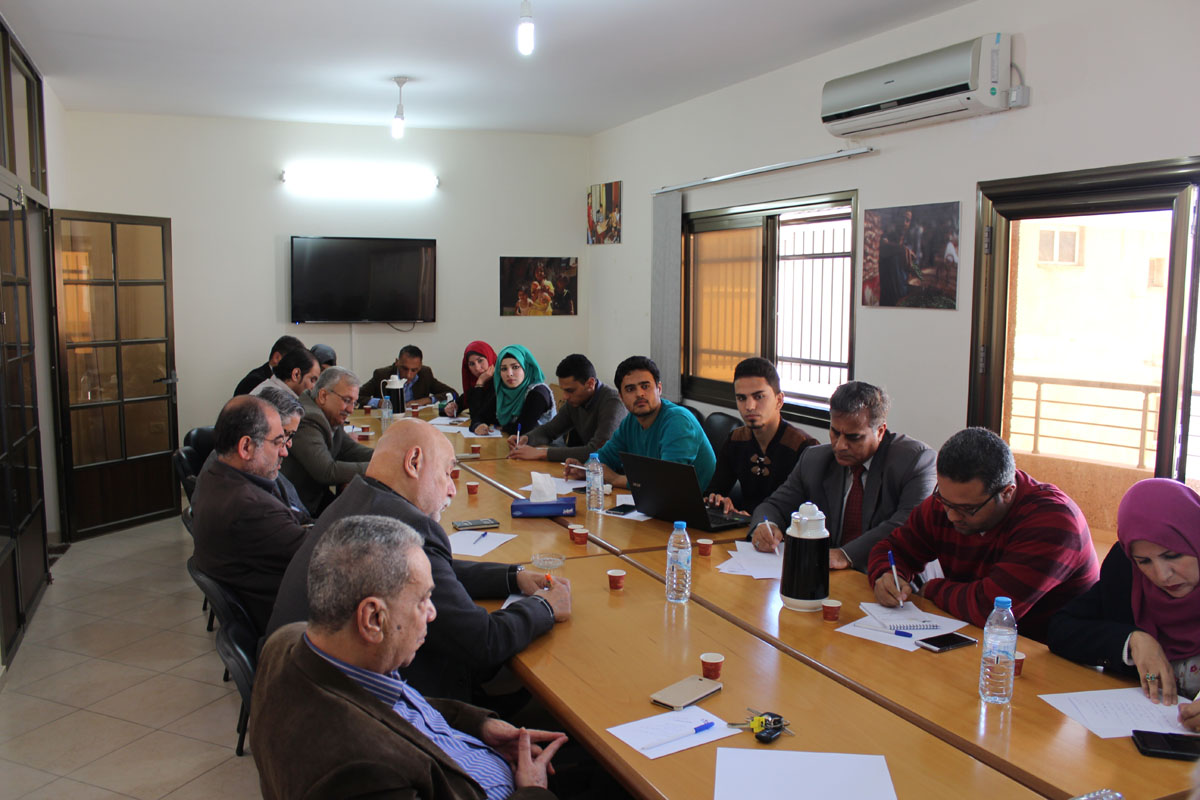
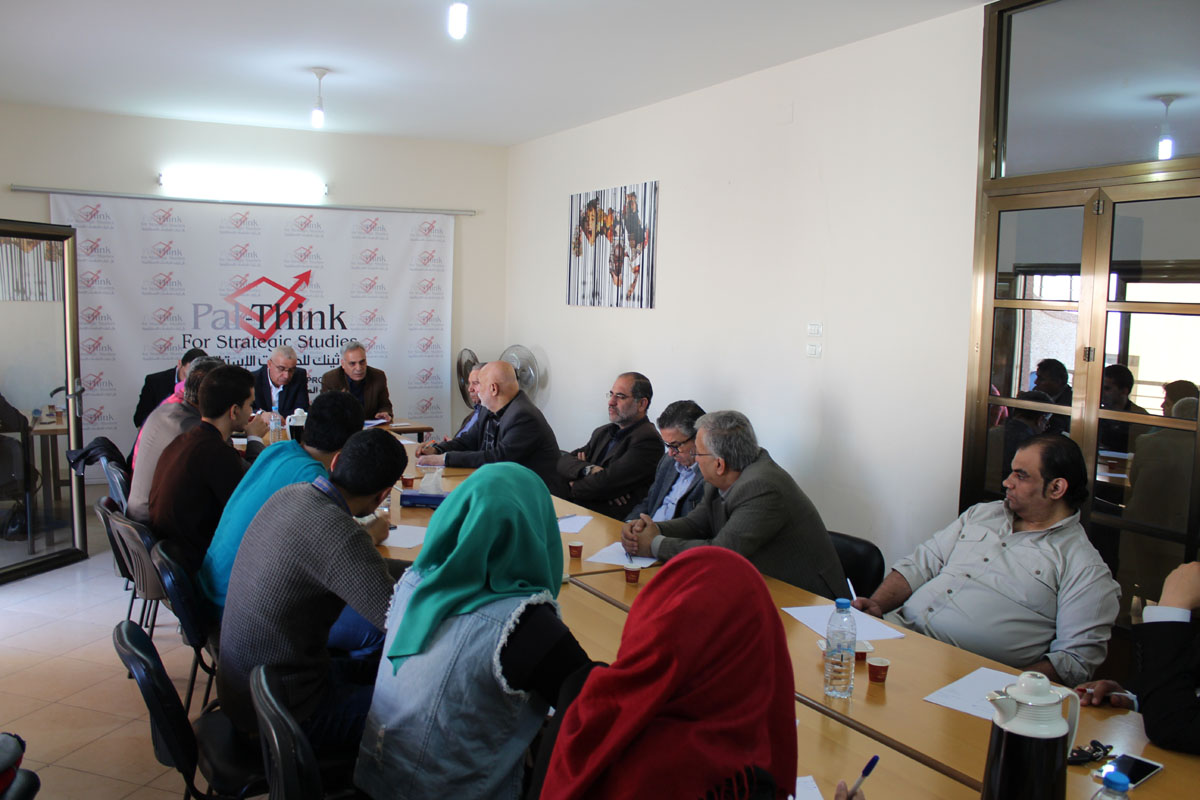
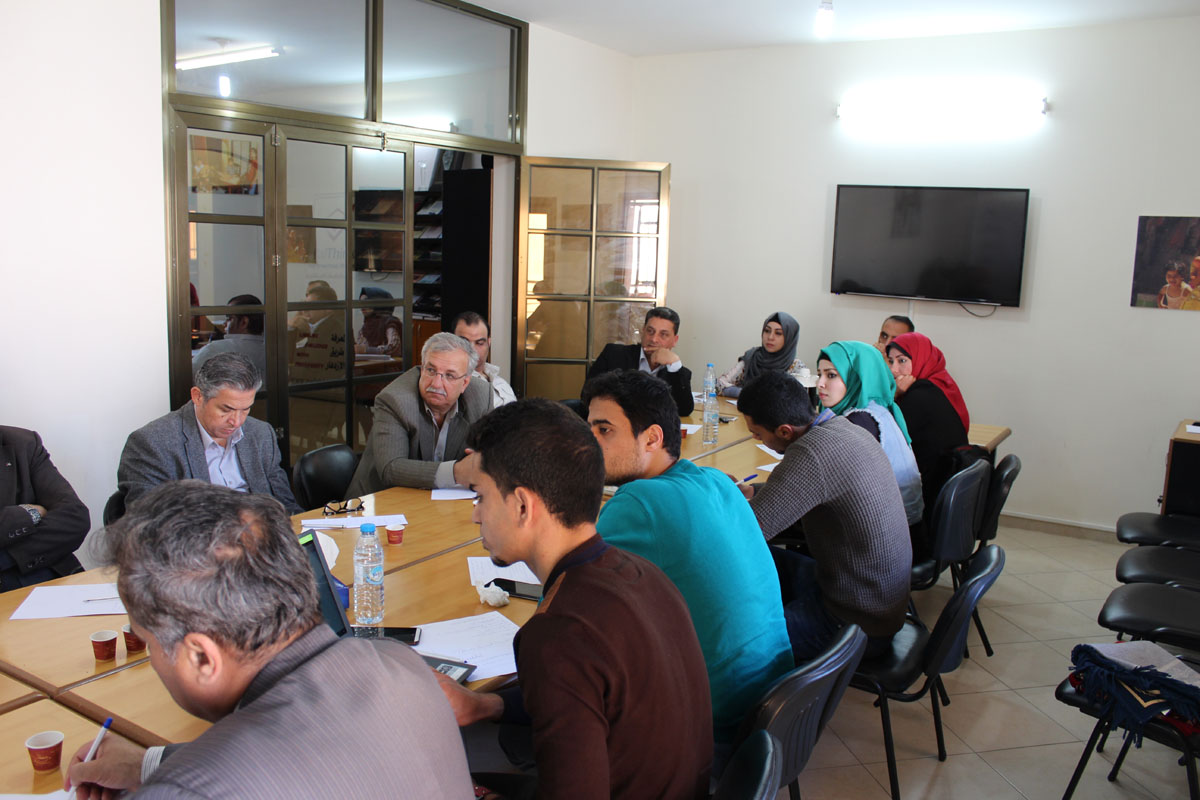
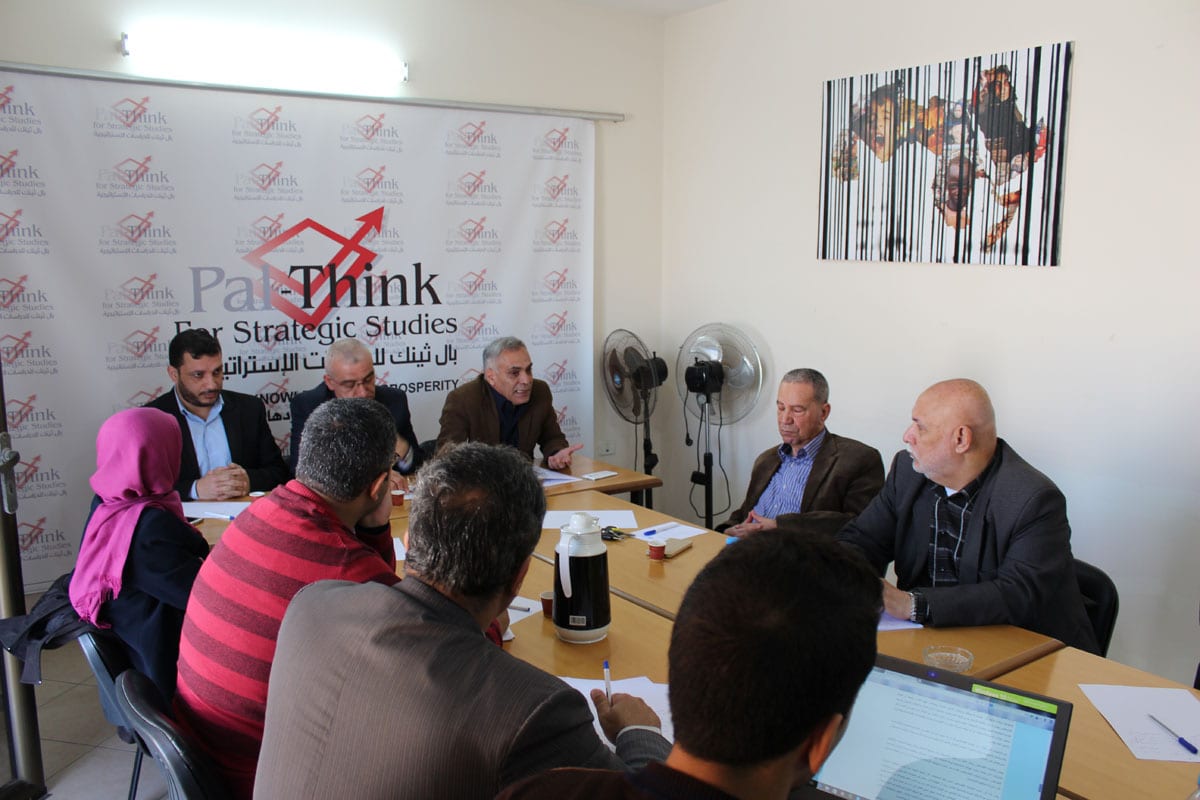
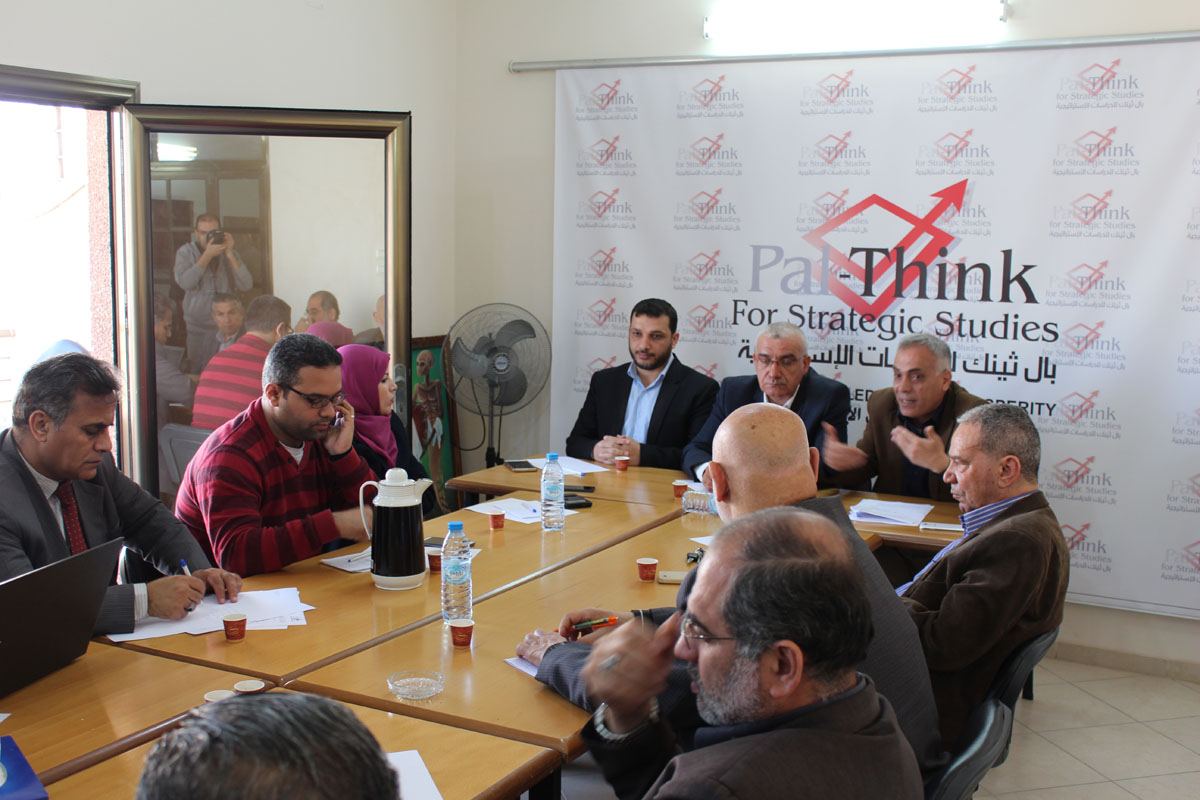
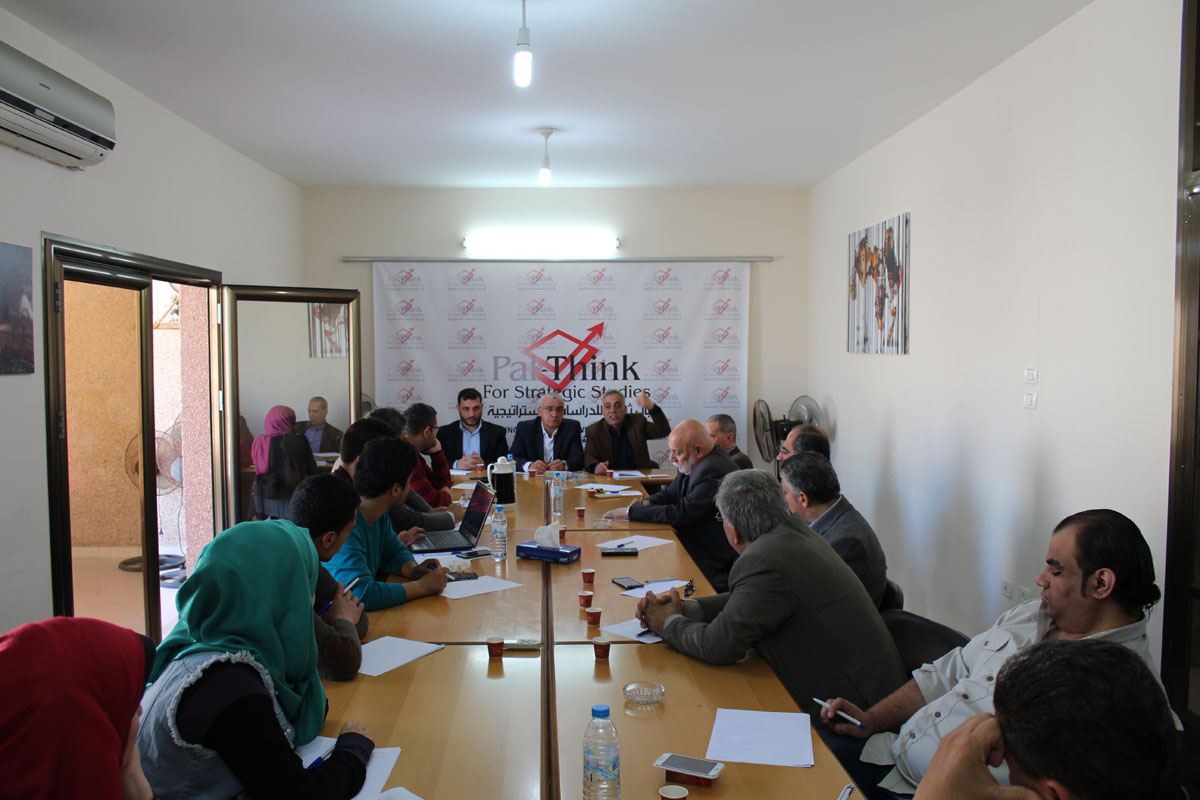
Pal-Think for Research and Political Studies organised a dialogue encounter on the problematic of identity in the Palestinian reality, with the attendance of an assembly of intellectuals, communal elites, and youth in the institution's hall.
The encounter was opened by the director of Pal-Think, Omar Shaban, making clear that this encounter comes within the frame of the institution's working philosophy, which aims to discuss all the strategic issues in the Palestinian reality — as Pal-Think attempts to strengthen thought and deepened dialogue around a totality of the thorny issues in the Palestinian condition, away from ideological promotion, with the goal of contributing to the exit from the dark tunnel through which Palestinian society is passing in its various places of presence.
For his part, the development researcher Tayseer Muhaisen pointed out that national identity is a multi-dimensional, changing social composite, and not a fixed essentialist quiddity — because it is a group's possession of shared social and political distinguishing features (culture, political system, historical memory, collective feeling, in the same boat) that separate it from others and make of it what it is. Muhaisen considered that the Palestinians experienced their social and political distinctness early, and that there are three stages the Palestinian identity has passed through: formation, exploration, and fissuring. Despite all the transformations Palestinian society has passed through from the Nakba until this moment, the Palestinian identity still stands — as a great proportion of Palestinians still define themselves in attachment to Palestine, the homeland and the cause. The researcher Muhaisen noted the existence of two possibilities for the destinies of the Palestinian identity's development: either restoration and re-emergence anew, if a set of circumstances and conditions is present; or further retreat, reaching dissolution and vanishing, should the Israeli occupation manage to finish off and dissipate, and should the region's map be redrawn on regionalist, denominational, and sectarian bases.
For his part, the writer Ibrahim al-Madhoun affirmed that there is no threat and no crisis in the Palestinian identity, and that identity is a feeling that is roused and strengthened by all forms and positions — affirming that the crises that batter Palestinian society can be crossed without touching the Palestinian identity, and that the Palestinian citizen is conscious of the identity and has sufficient awareness to protect it.
At the end of the encounter, the participants affirmed during their interventions the necessity of possessing critical awareness and strengthening national steadfastness as an entry point for strengthening the concept of identity and protecting it, and that youth must be backed in coming out of the captivity of isolation and polarisation and coming out of the condition of colonial distortion.