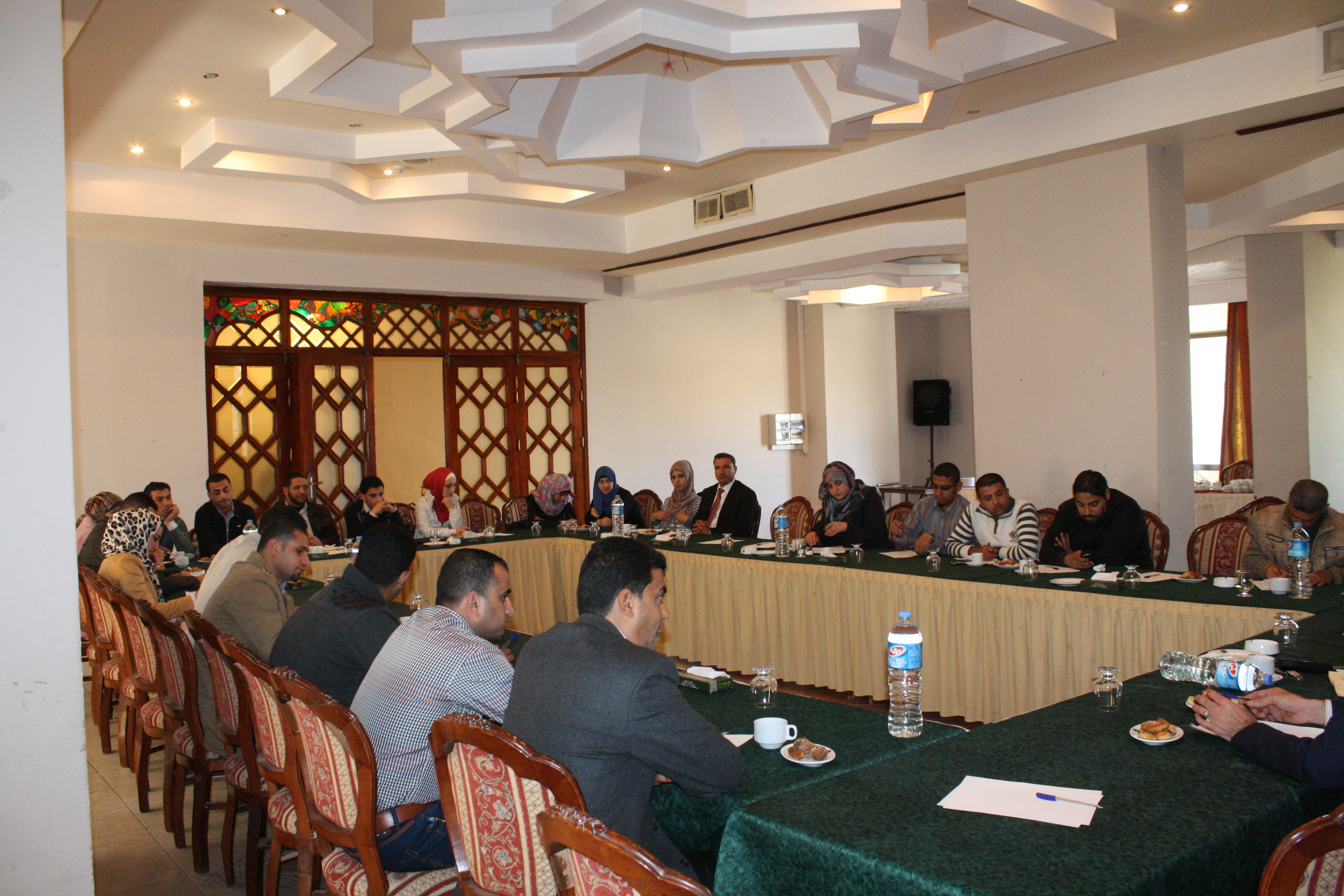
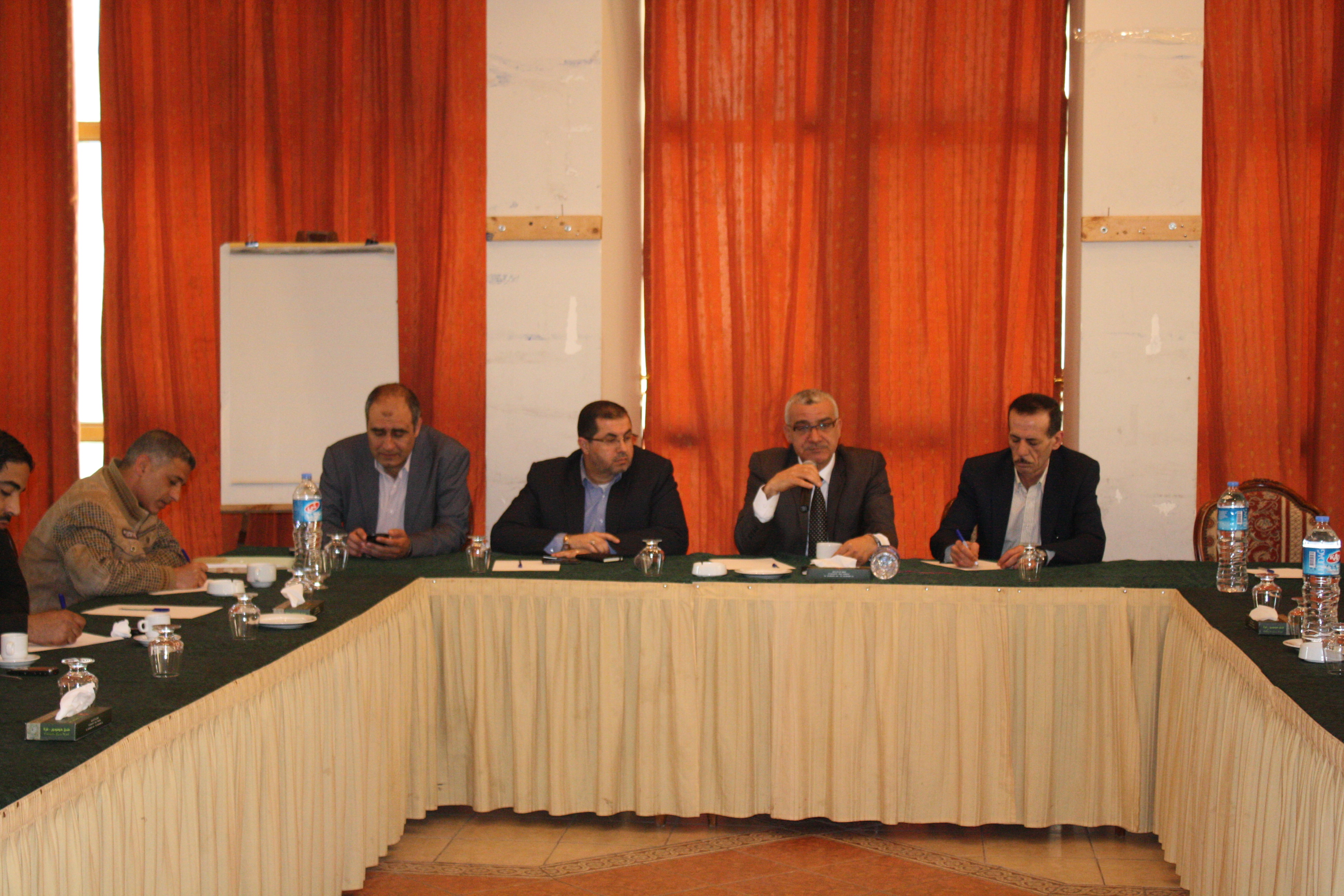
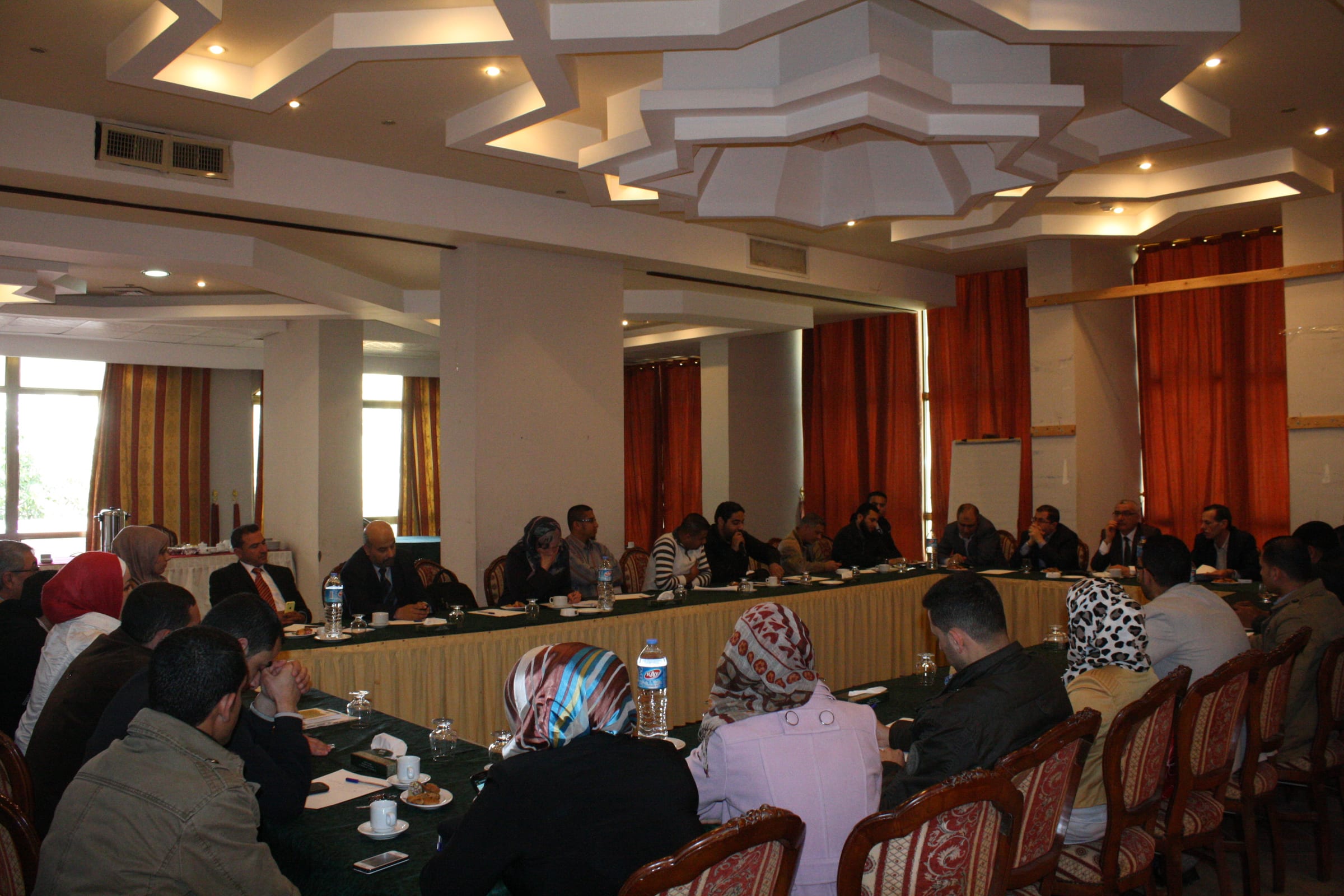
Brainstorming session: the foundations of dialogue among young people when they disagree
The Youth Forum for Tolerance held a brainstorming session, «Mechanisms and foundations of dialogue», promoting the values of unity, tolerance and the culture of dialogue among Palestine's different youth groups.
- Author
- The editorial team
- Date
- 2014-04-01
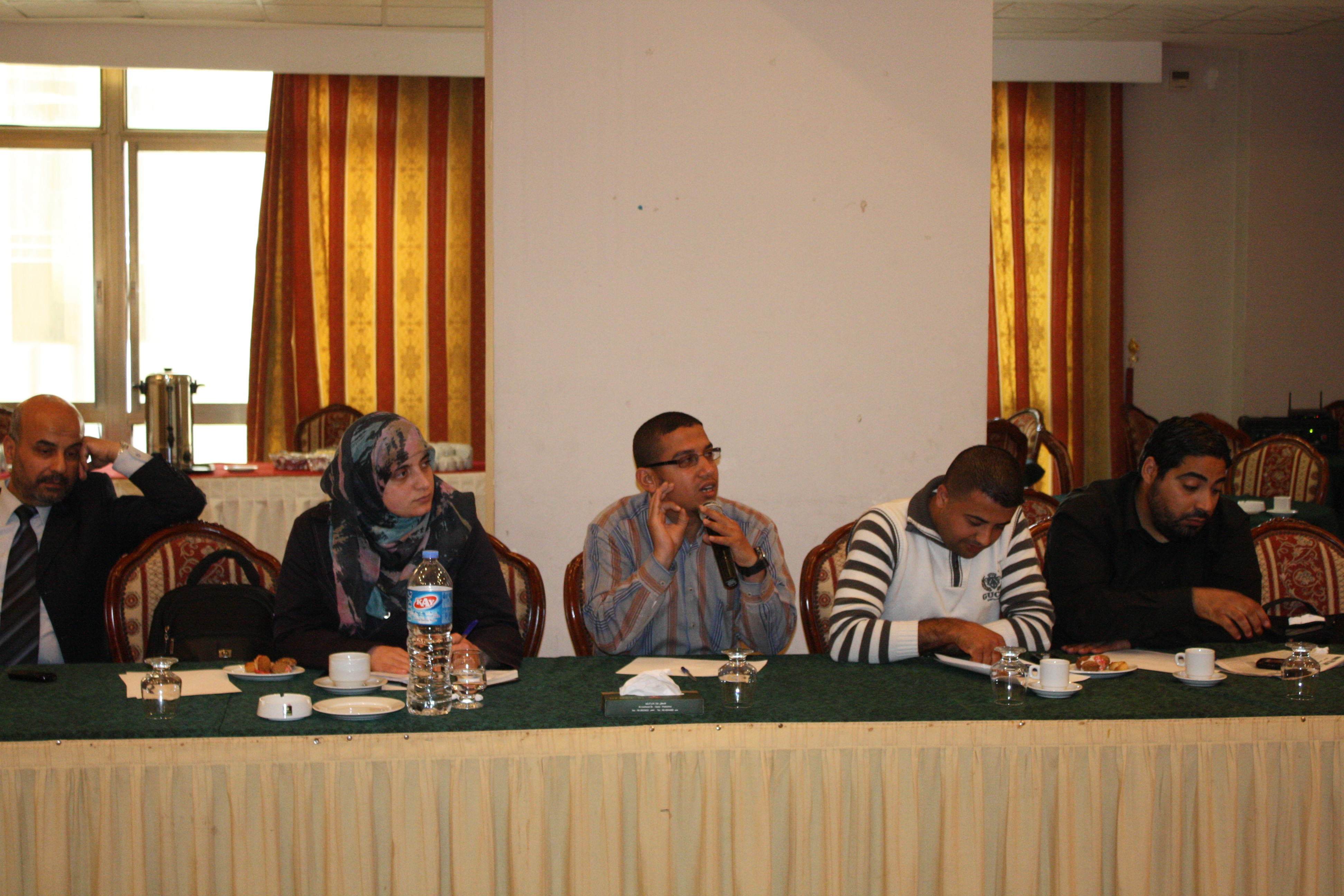
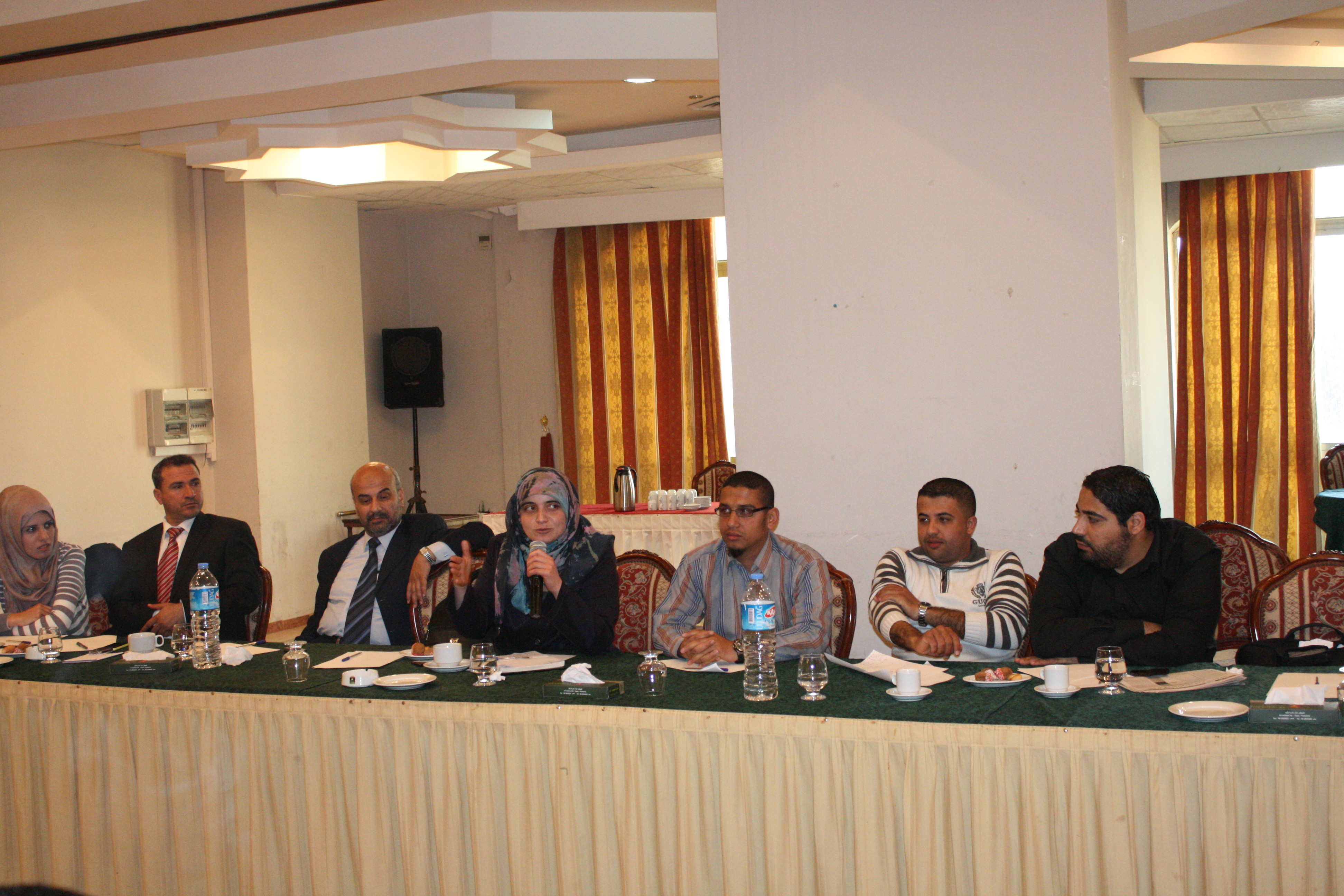
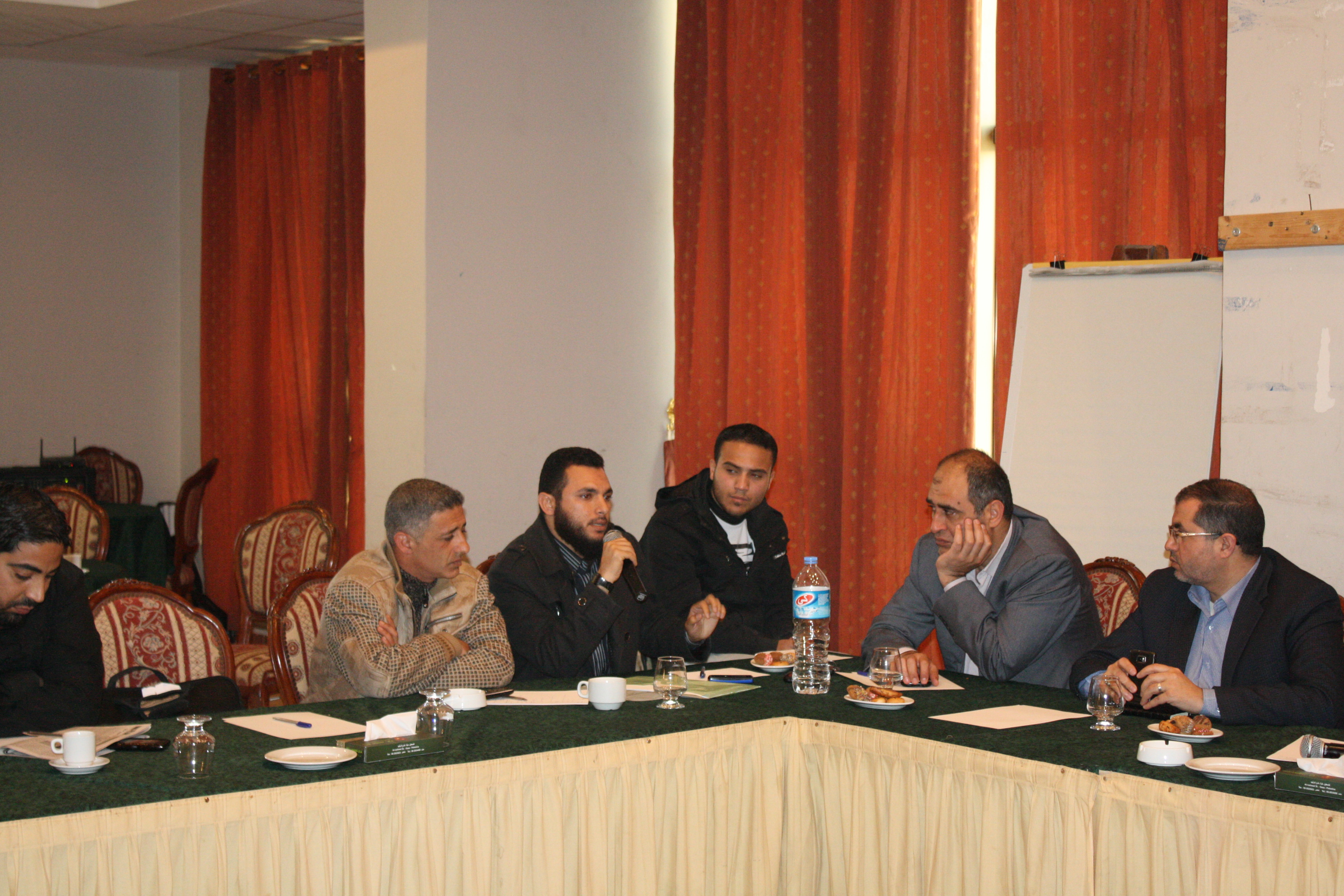
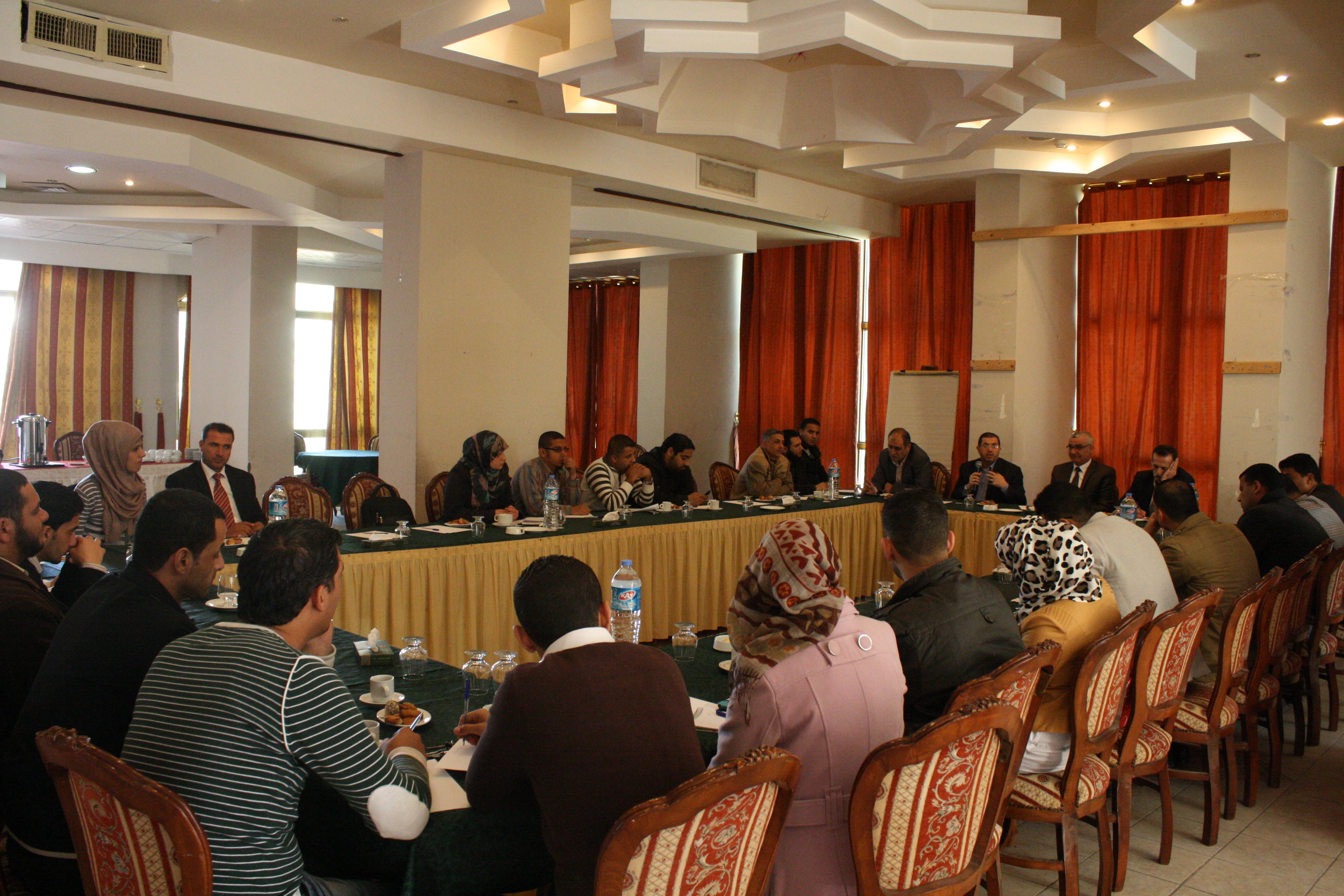
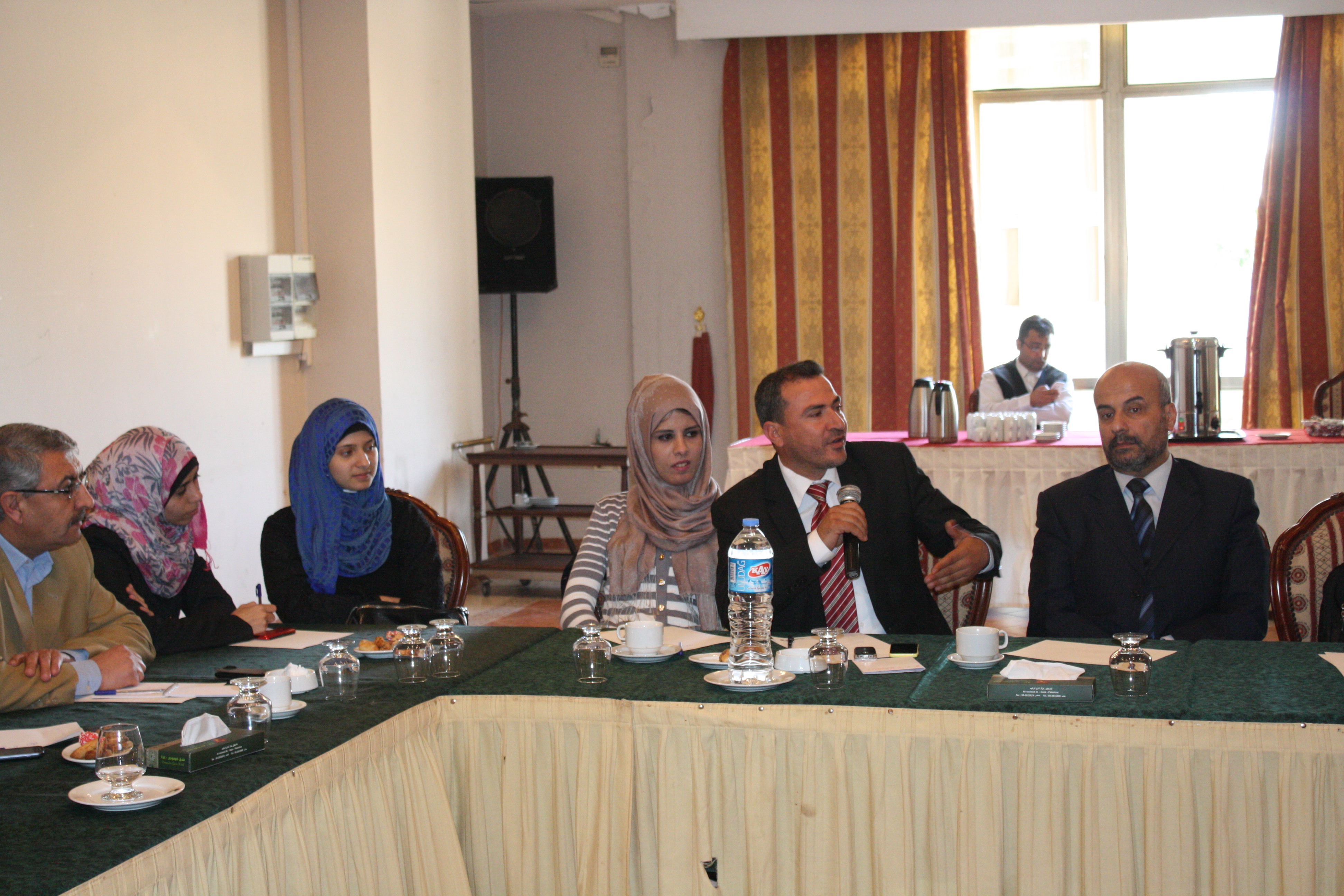
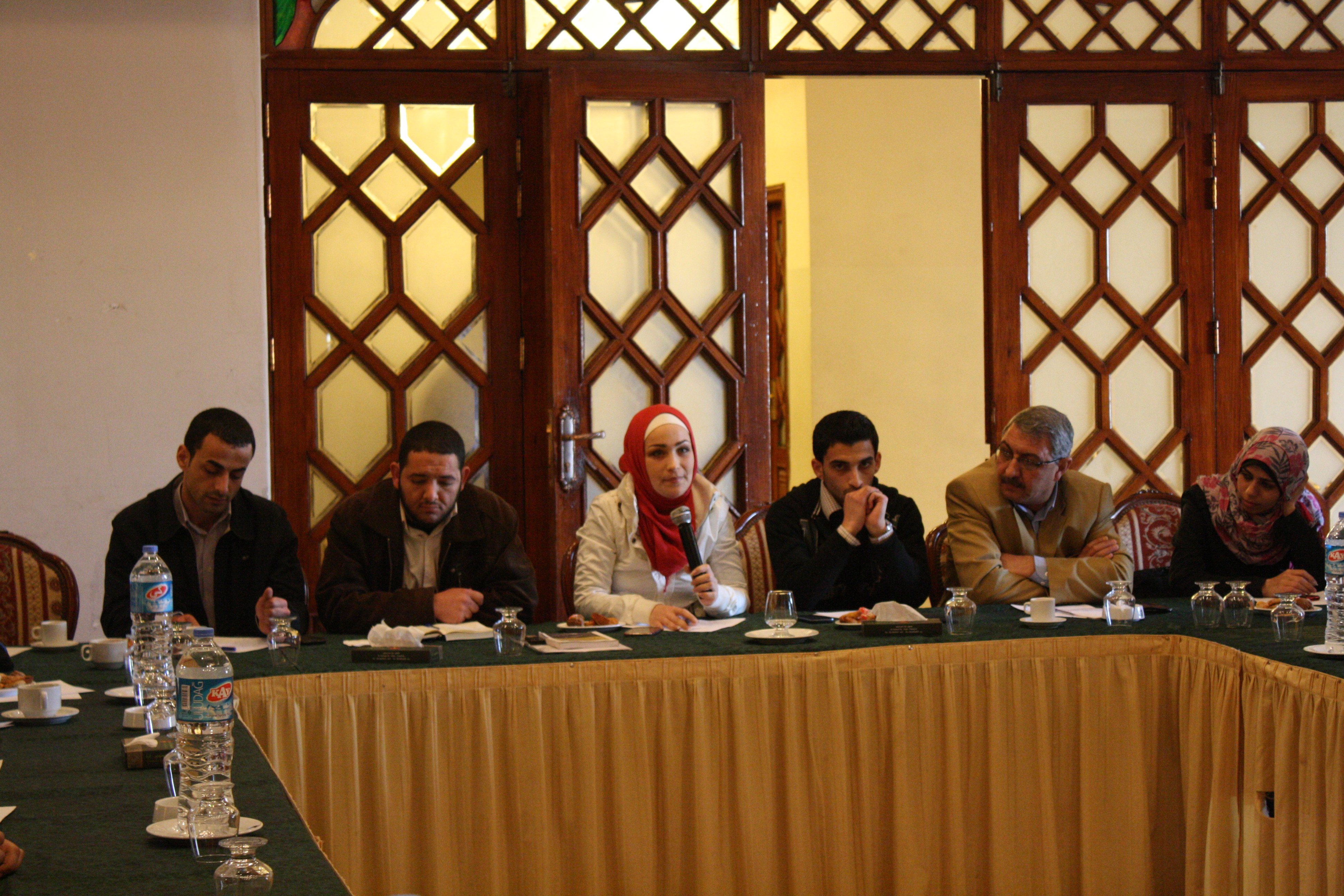
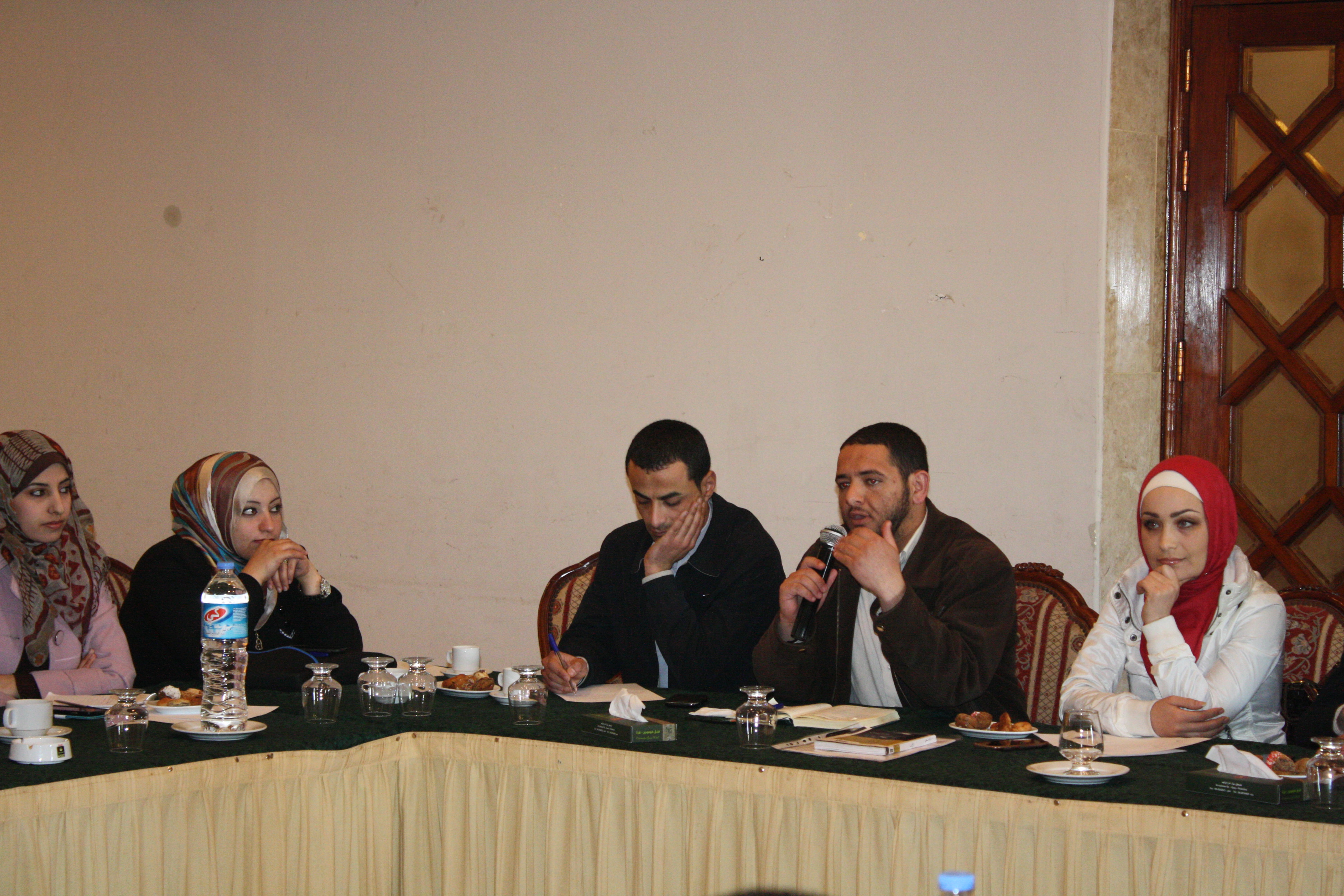
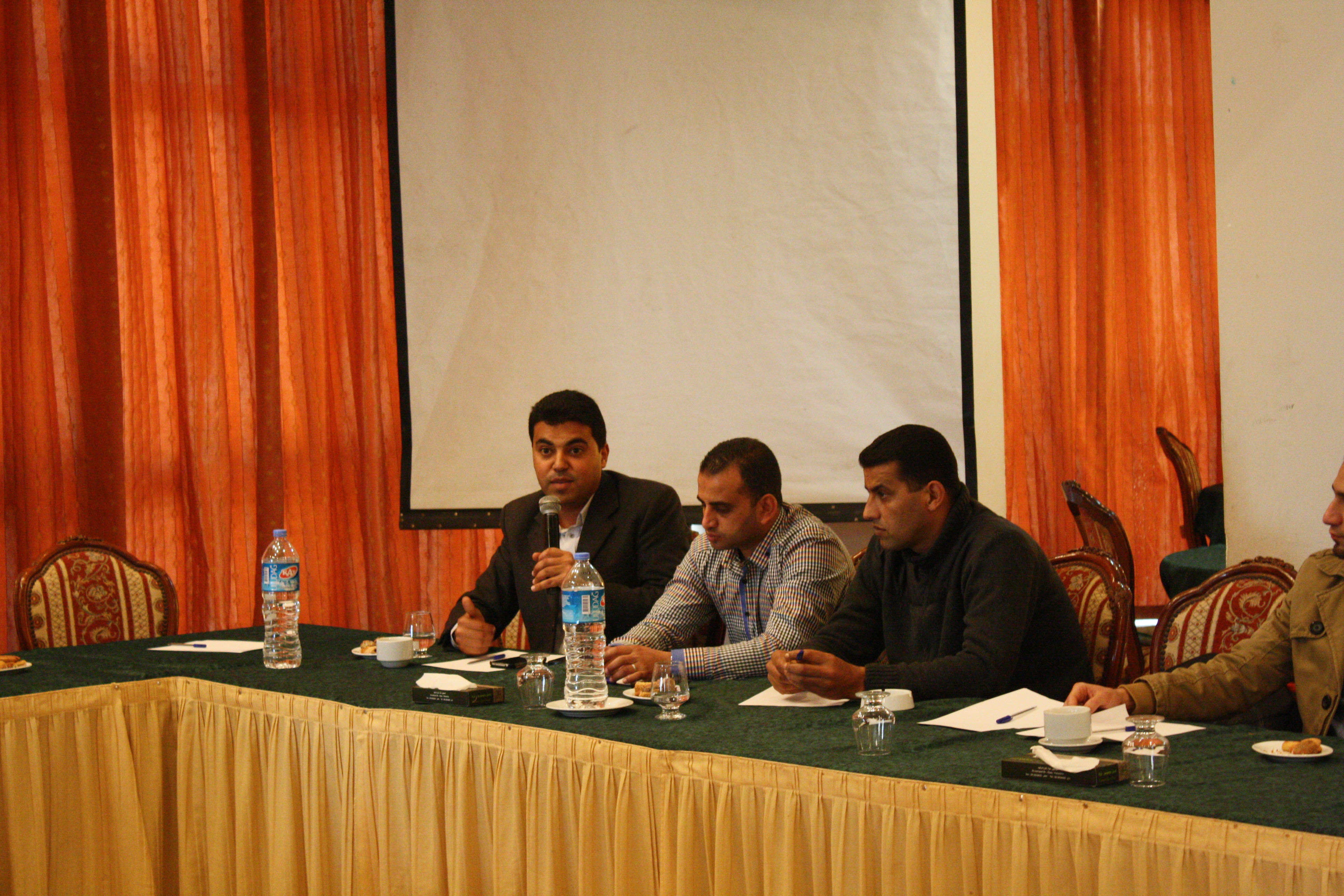
Gaza – In continuation of the activities carried out by the Youth Forum for Tolerance at the Pal-Think institution, aiming at strengthening the values and concepts of unity, tolerance, and the culture of dialogue among the different Palestinian youth categories, and in appreciation of the importance of the effective youth role in achieving communal and political reconciliation, the youth forum organised a brainstorming session titled “Mechanisms and foundations of dialogue among the youth upon disagreement”, with the attendance of a number of representatives of civil-society organisations, experts, and a number of youth of varied affiliation and orientation, who enriched the discussion with their interventions, opinions, and their presentation of previous experiences related to the session's subject.
The workshop was opened by Omar Shaban, director of the Pal-Think for Strategic Studies institution, where he welcomed the attendees and the speakers, shedding light on the reality of the absence of the culture of dialogue in the discussions of Palestinian youth, and asking about the causes of the weakness of the culture of dialogue among the youth and how to implant this culture among them.
The attendees were given an opportunity to intervene and speak on this issue. From his side, Dr Basem Naim, the former Minister of Youth and Sport in the national-unity government, praised the efforts civil-society organisations make in raising and treating sensitive issues that concern society and the citizens, and especially the youth, and recalled that dialogue is a way of life that cannot be abandoned.
Likewise Mr Amjad al-Shawa, director of the network of civil organisations, stressed the importance of the role of the family and the educational institutions in spreading the culture of dialogue and accepting the difference of opinions as recognised educational foundations, noting the role civil-society organisations play in spreading cultural awareness and entrenching positive thought among the youth category through the projects implemented regularly. In addition to that, Mr Ayman al-Hour, director of the al-Karmel association for culture and communal development, spoke of his institution's experience in qualifying and developing a youth group of multiple political affiliations working under a unified vision, agreed in goals and ambition, making clear that the matter was not easy, but it is not impossible either. As for Mr Fathi Sabbah, chairman of the board of the Palestinian Institute for Communication and Development, he noted the importance of every young person taking the initiative of change in themselves by themselves, and of each of us renouncing authoritarian thought and giving the opportunity to the opinions of others for the sake of developing the self and then society as one system.
The participating youth saw, through their interventions, that ending the state of division from which society suffers has a great role in restoring the culture of dialogue among the youth — such that only with the reconciliation will the state of trust return and the frustration dominating the youth's thought vanish. Others also mentioned that the family has an effective role in entrenching the concepts of dialogue and accepting the opinions of others in children from an early age, through using sound methods of dealing and communication. Great happiness and gratitude filled the participants in this dialogue session, given the importance of this issue and the little focus given to it previously — hoping that this session be a beginning of a series of future sessions, such that the opportunity is given to a larger number of youth to participate, and likewise touching on similar and important subjects and issues.
The workshop came out with a set of constructive recommendations from the speakers and participants, represented in the necessity of renouncing the social disputes represented in authoritarianism and the culture of submission that has effaced the culture of dialogue, whether in — the smallest institution — the family, to the university and other educational and non-educational institutions; noting the necessity of organising national youth activities and events shared among all the spectra of the Palestinian people, to strengthen and entrench the youth's role in strengthening their belonging to the homeland; building study curricula that support this direction; giving the youth room to express their opinions freely within peaceful assemblies and protecting them, and not restricting the public freedoms; in addition to encouraging the youth's greater engagement in the political system and the trade-union assemblies, and activating the role of the unions and the student and youth frameworks at the political, communal, and cultural level, to revive and develop the youth's awareness; and setting methodical foundations and principles for rational, open dialogue within the shared interests — as a first building stone for ending the political division.