A call to harness renewable energy as a sustainable answer to the electricity crisis
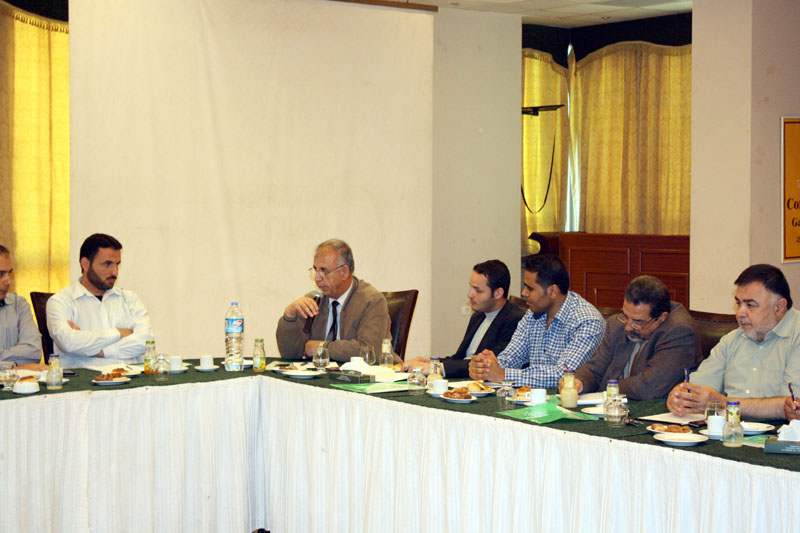
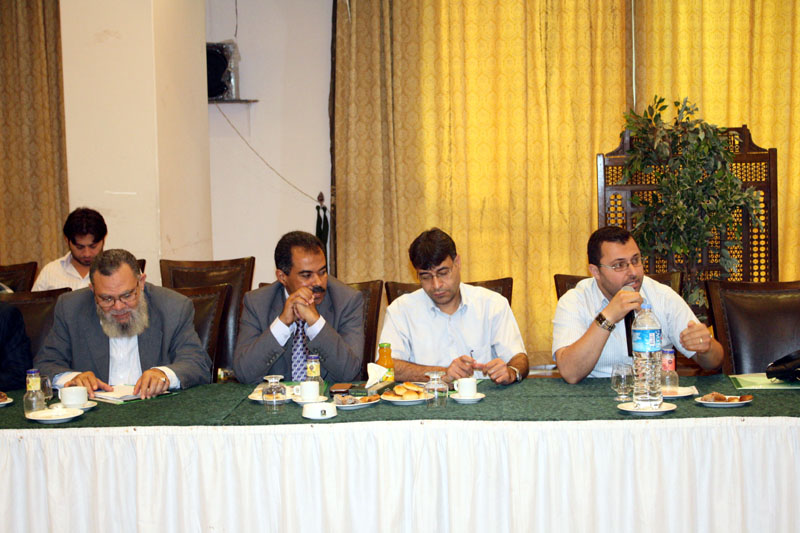
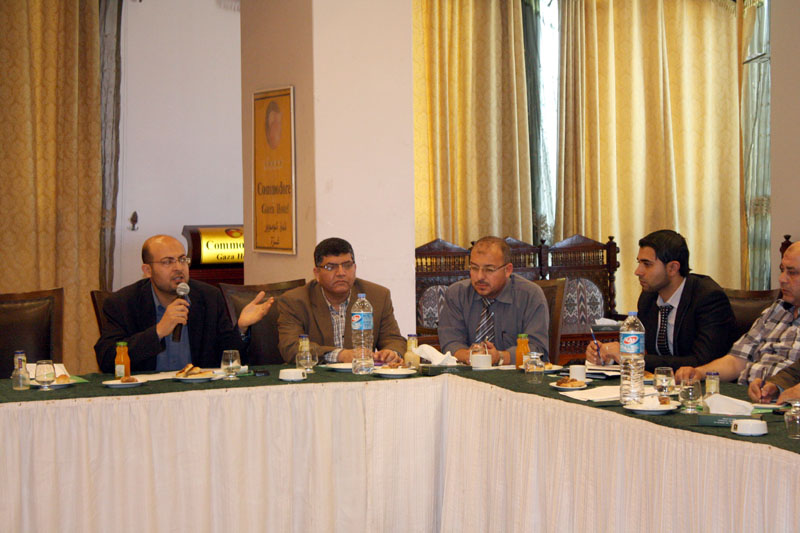
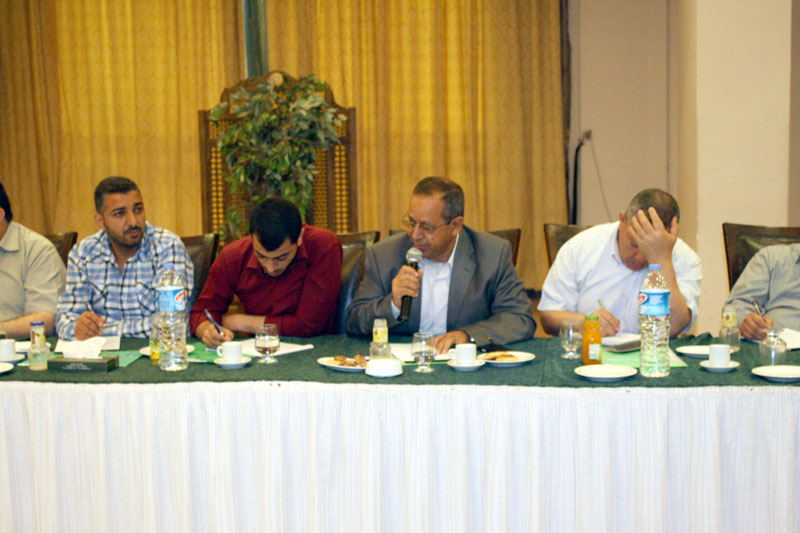
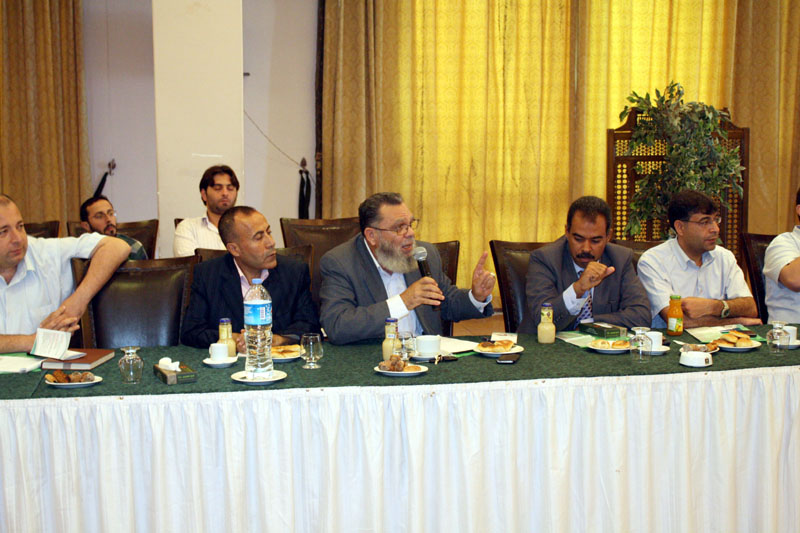
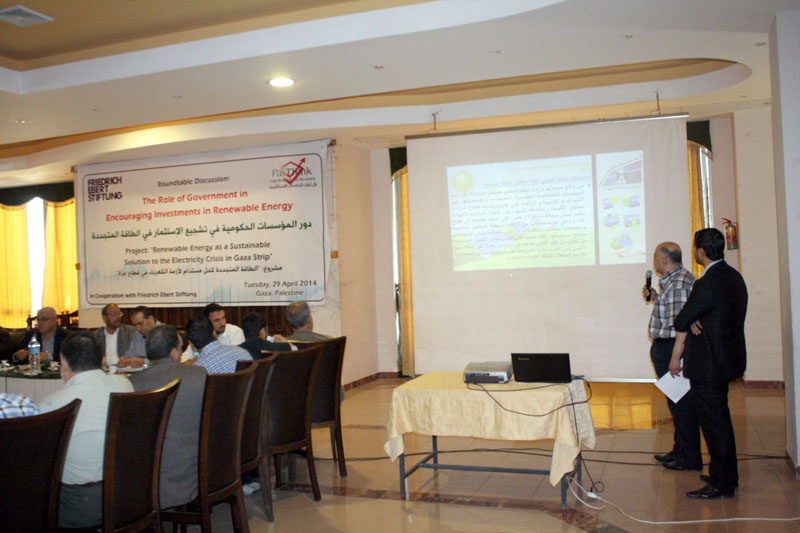
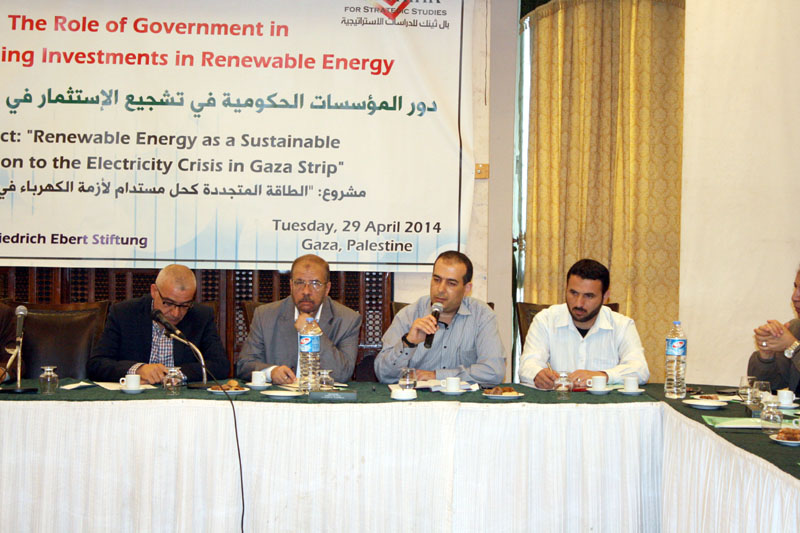
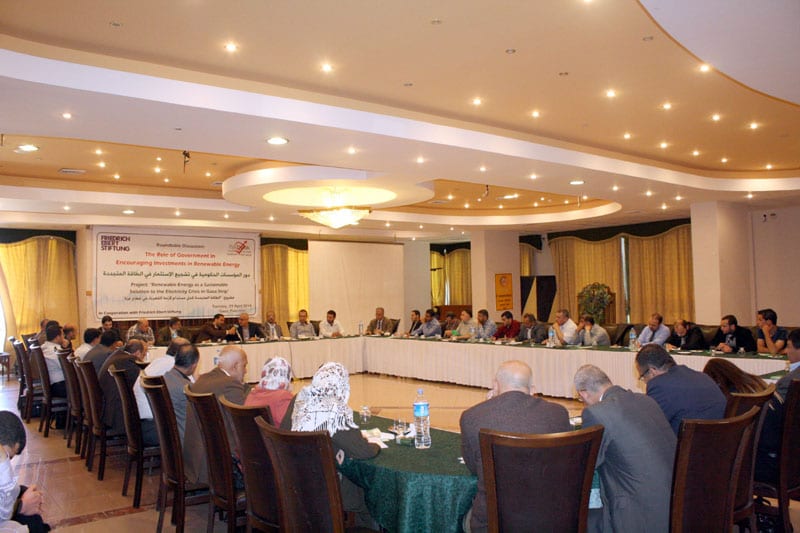
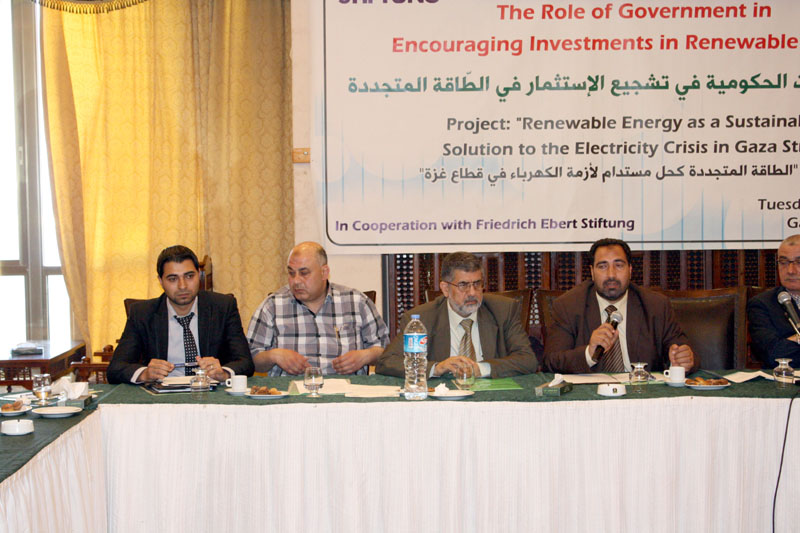
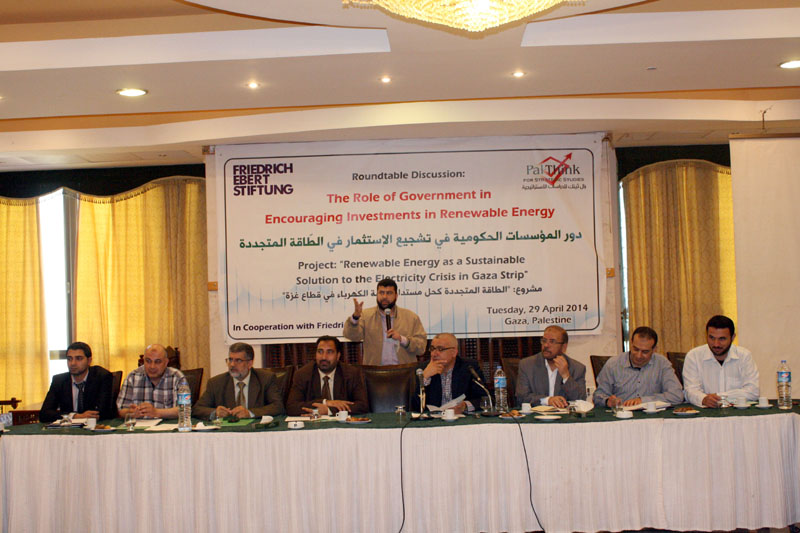
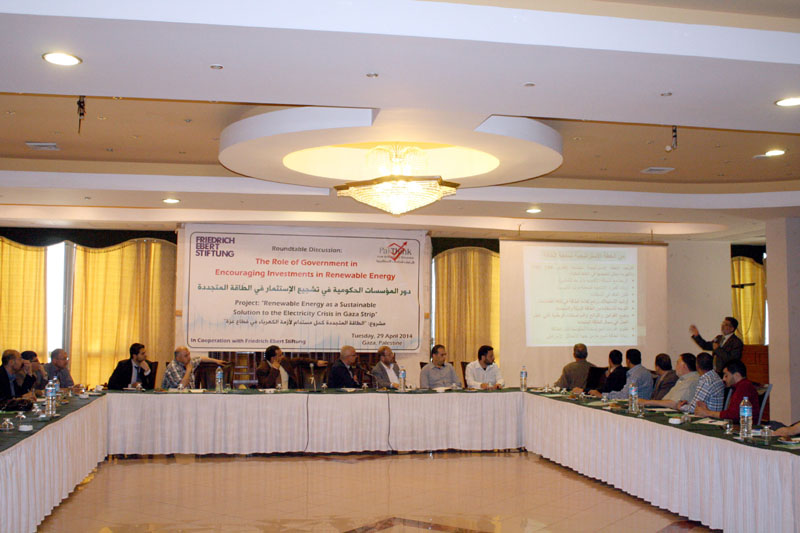
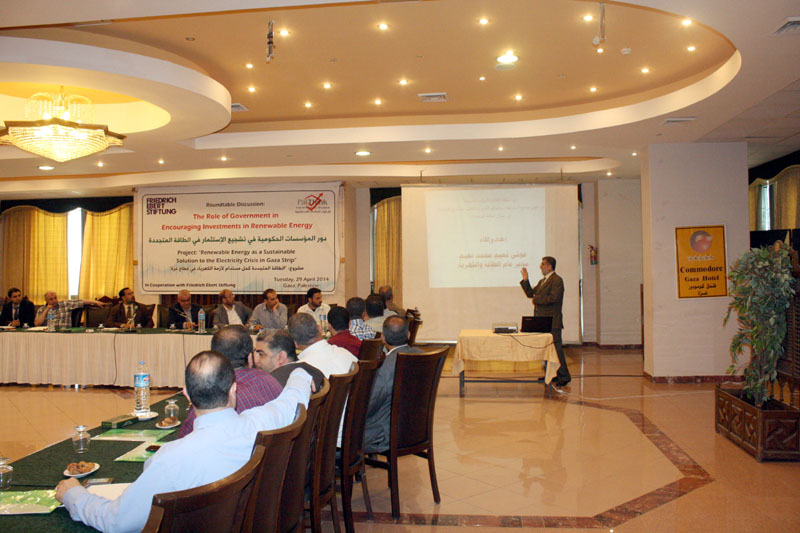
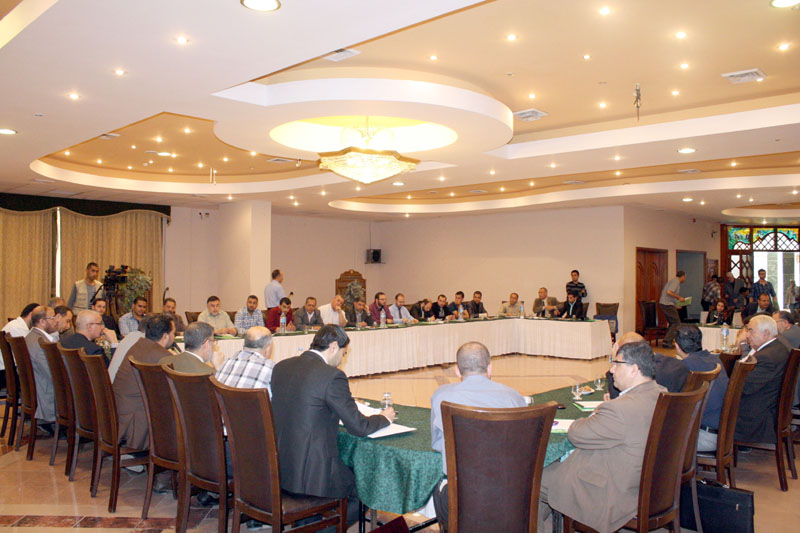
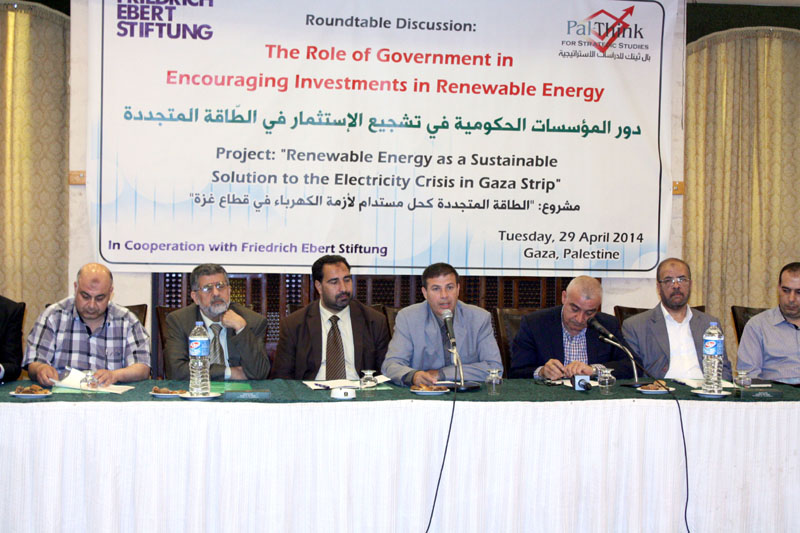
Pal-Think and the Friedrich Ebert Foundation held the fourth workshop, «Government institutions' role in encouraging investment in renewable energy», under the renewable-energy project, opened by director Omar Shaban.
- Author
- The editorial team
- Date
- 2014-04-30
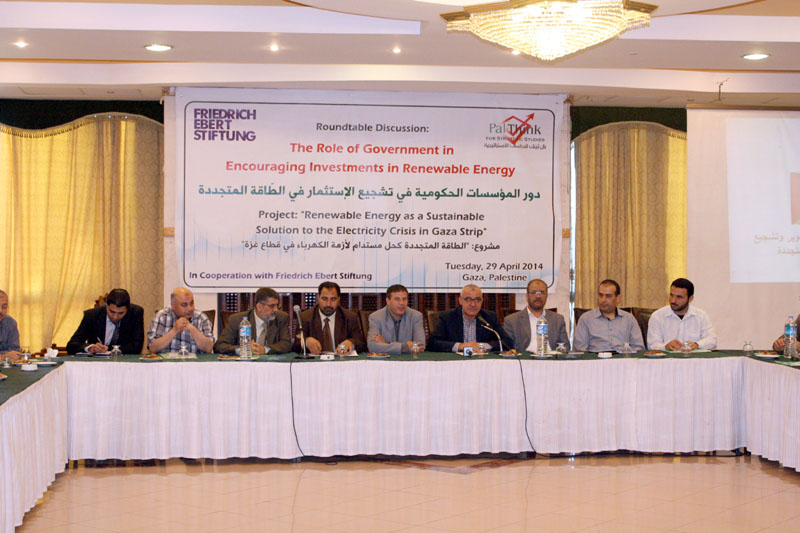
The “Pal-Think” for Strategic Studies institution, in cooperation with the German Friedrich Ebert Foundation, organised the fourth workshop, titled “The role of the governmental institutions in encouraging investment in renewable energy”, within the project “Renewable energy as a sustainable solution to the electricity crisis in the Gaza Strip”.
Omar Shaban, director of the “Pal-Think” institution, welcomed the attendees, stressing the importance of holding these seminars, which pour into the homeland's interest; setting out the importance of these sessions for coming out with positive results by way of study, research, and cooperation between the governmental institutions, the private sector, and the supporting institutions.
In his turn, Dr Osama Antar, programmes director of the German Friedrich Ebert foundation, affirmed the importance of renewable energy in our Palestinian society for reducing the expenses needed to generate electric power — affirming the necessity of contributing practical proposals to create a short-, medium-, and long-term strategy to solve the problem of the electricity crisis.
For his part, engineer Awni Naim, director-general of the Energy and Electricity Authority, said that his authority's strategic plan is represented in rationalising consumption and heading toward benefiting from alternative energy, and likewise setting the laws, regulations, and national specifications that organise the work in the field of renewable energy.
Naim spoke of the difficulties his authority faces in substituting alternative energy for traditional energy, going on to speak of the electricity deficit and what has resulted from the blockade imposed on the Gaza Strip.
He made clear the existence of projects for using renewable energy in each of the intensive care at al-Nasr children's hospital in Gaza City and the al-Agha school in Khan Younis, besides the existence of many proposed projects that will be implemented soon.
In his turn, engineer Sobhi Skaik, director-general of the general administration of engineering, organisation, and planning at the Ministry of Local Government, recommended the necessity of applying building regulations with the system of heating water by solar energy, and prohibiting the establishment of a “roof” for buildings exceeding five storeys, to exploit the building's surface for generating solar energy for its residents.
Affirming the necessity of enacting regulations and laws for providing electric power by exploiting solar energy, with the necessity of observing the bad economic situation of the people of the Gaza Strip.
While engineer Hatem al-Nabrees, director-general of the electromechanics unit at the Ministry of Public Works and Housing, affirmed the necessity of moving toward energy-saving buildings, and working on the energy-rationalising electrical devices and keeping away from the use of the energy-consuming ones.
Al-Nabrees called for installing smart electricity meters as one of the conditions for saving electricity and exploiting larger quantities of it.
As for engineer Abdel Fattah Abu Mousa, director-general of the unit of coordination with the private sector at the Ministry of National Economy, he stressed the necessity of the private sector's investing in the projects aiming at substituting renewable energy for the traditional.
He called on the investors to benefit from the investment-encouragement law, pointing out that his ministry grants a patent certificate to inventors.
The seminar concluded with a number of proposals and recommendations aiming at strengthening the use of renewable energy, and recommended the necessity of a real movement from the governmental bodies to begin seriously implementing the alternative-energy projects, and communication with the private-sector institutions and the governmental ministries to embark immediately on applying the electric-energy systems — with the necessity of applying the solar-energy system in the housing projects and in the new buildings, and the possibility of exploiting solar energy in lighting the state's institutions, which consume approximately 30% of the energy across the governmental institutions, the schools, and the hospitals.