Pal-Think hosts Mr. Bo Schack, director of UNRWA operations in Gaza, on the challenges facing UNRWA and how to meet them
Pal-Think held a special meeting with Bo Schack, UNRWA's director of operations in Gaza, attended by notable figures, academics, thinkers, politicians, business people, researchers and media — on the agency's challenges and services.
- Author
- The editorial team
- Date
- 2015-11-16
Gaza — Thursday 12 November 2015
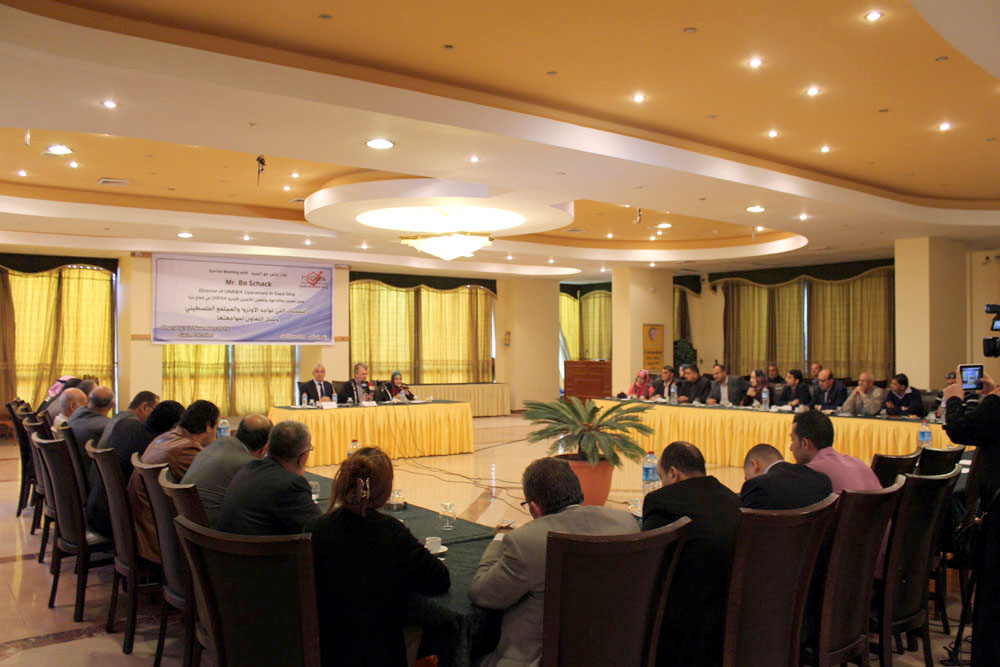
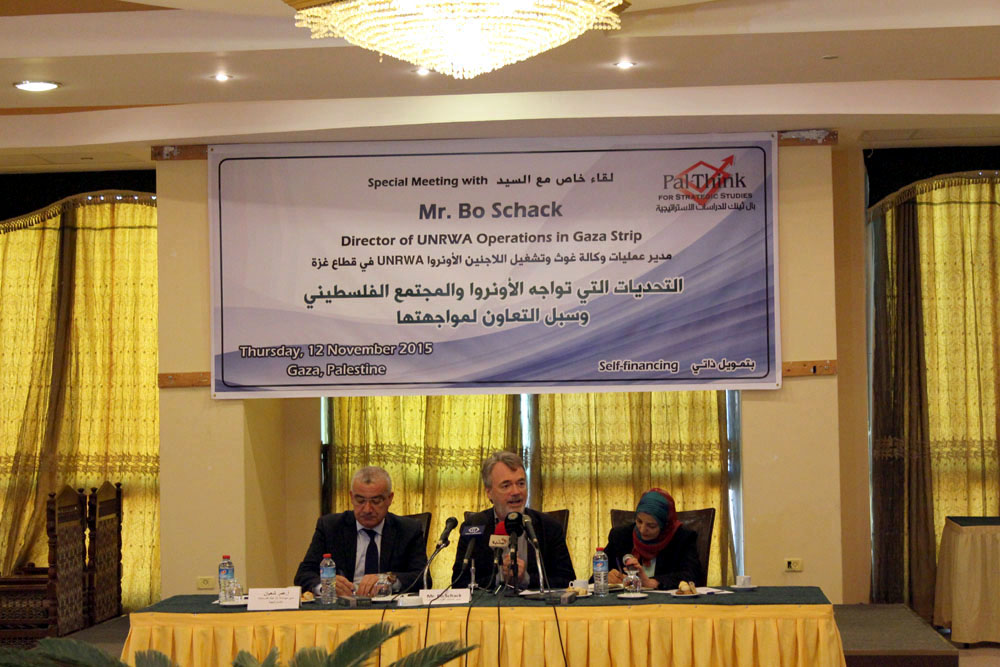
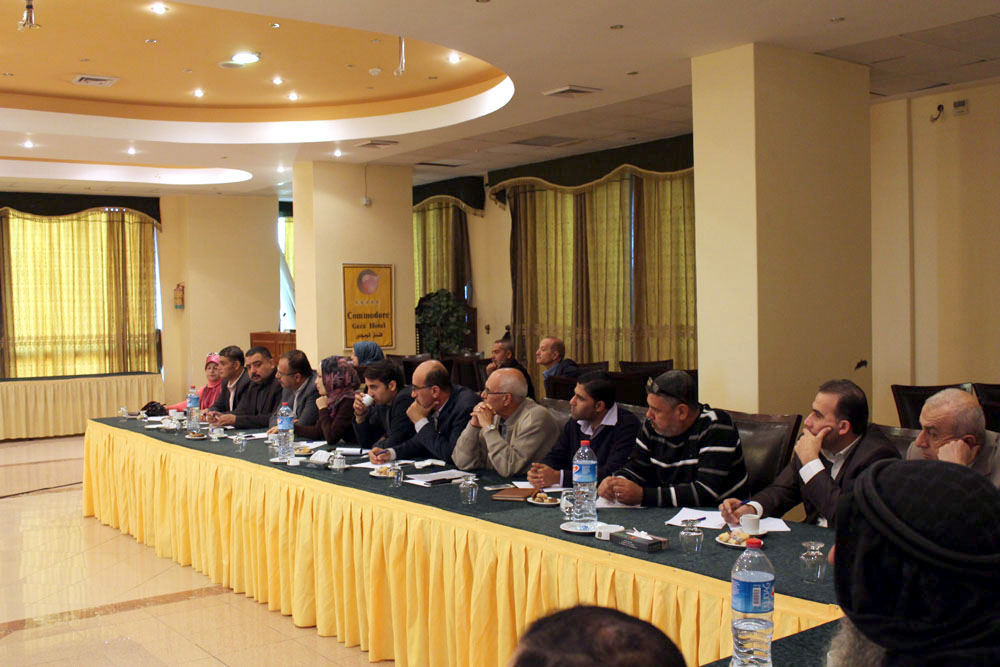
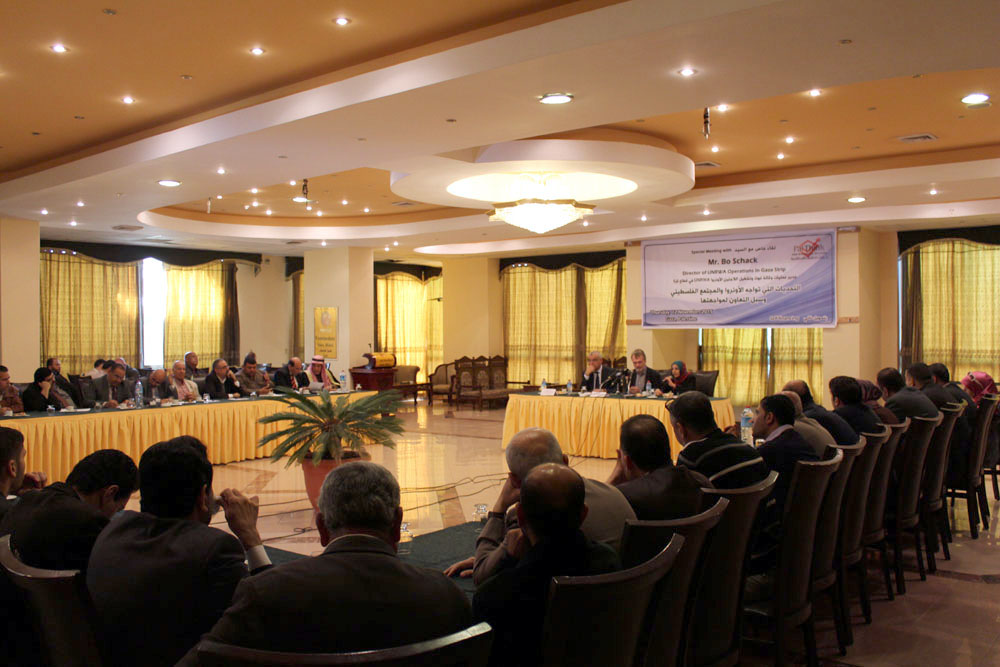
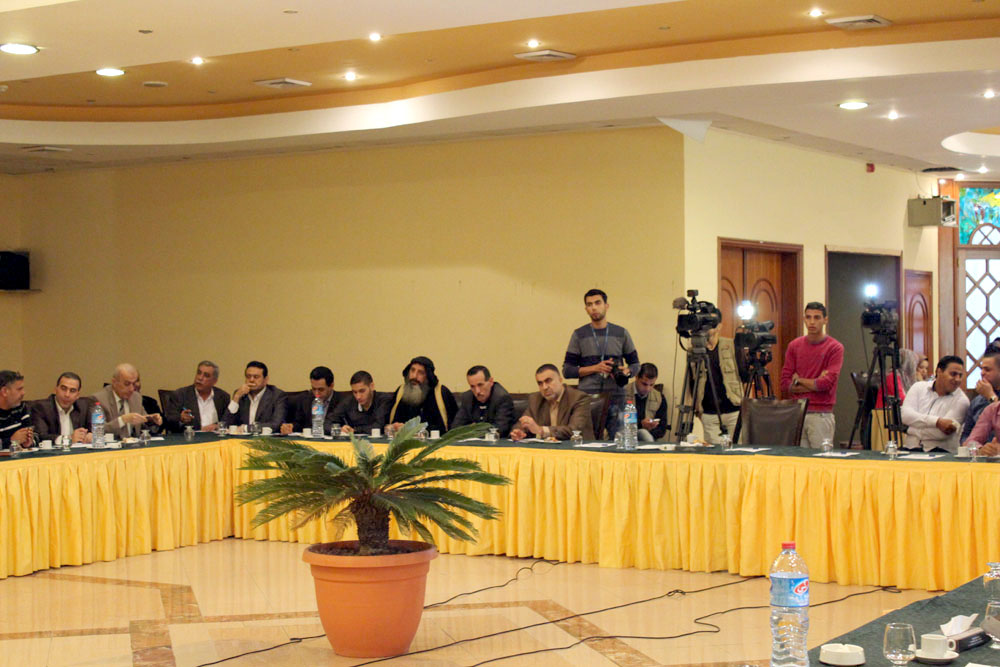
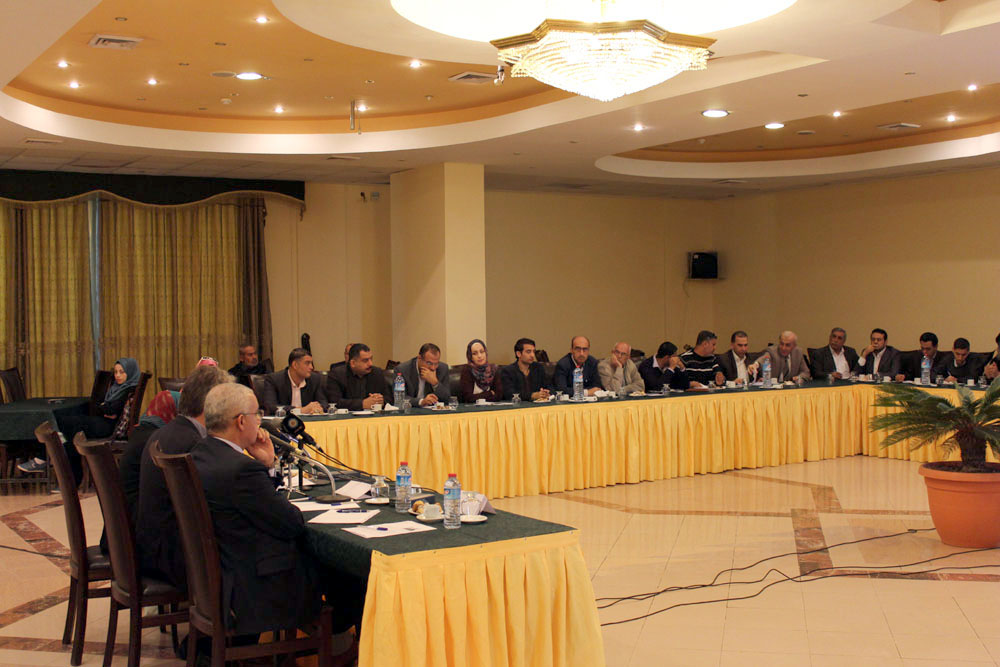
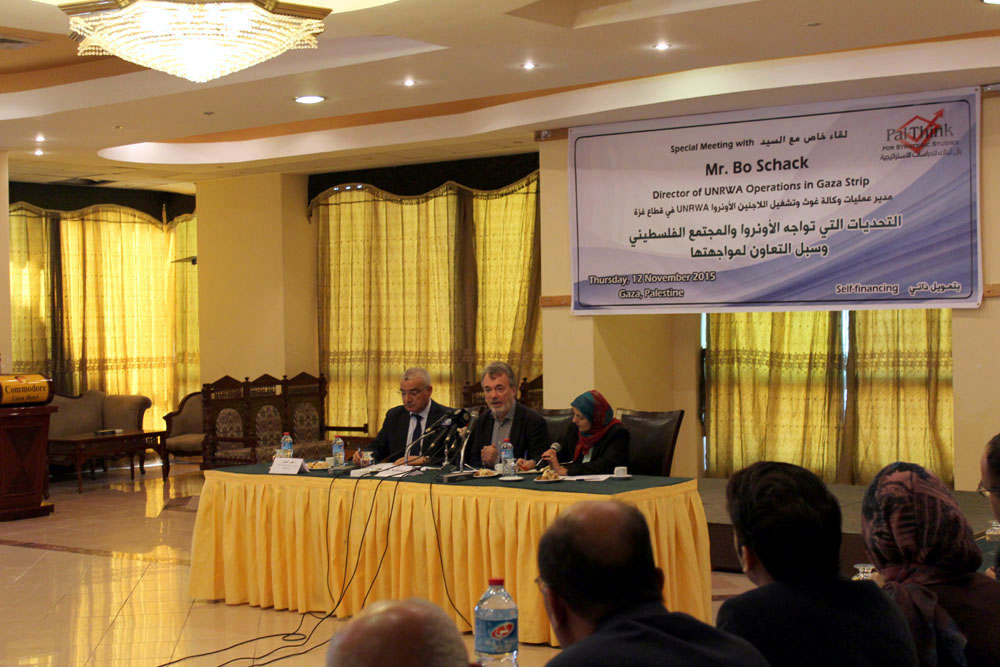
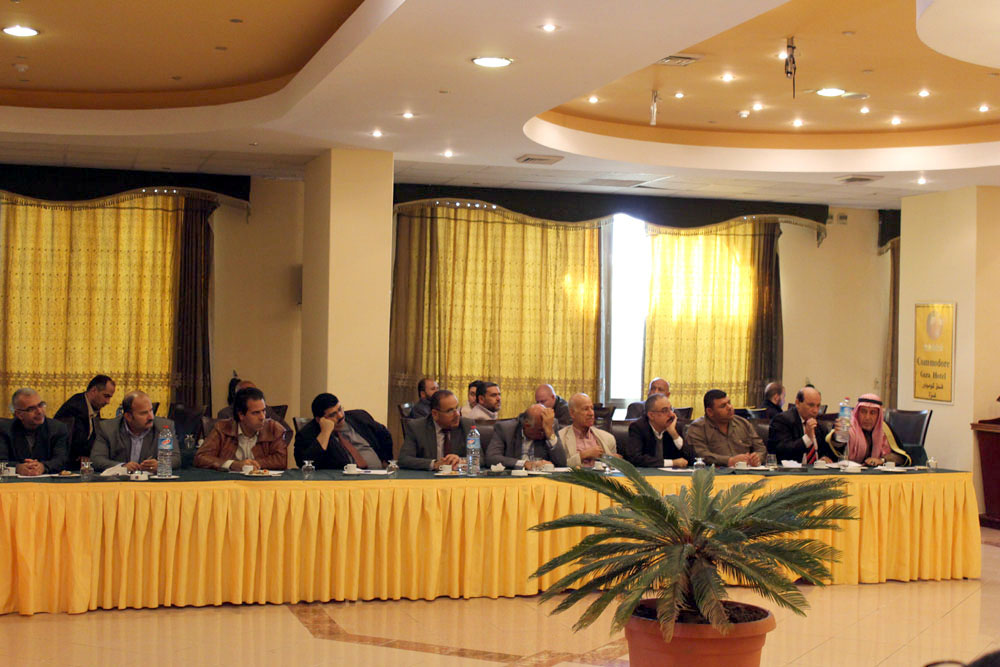
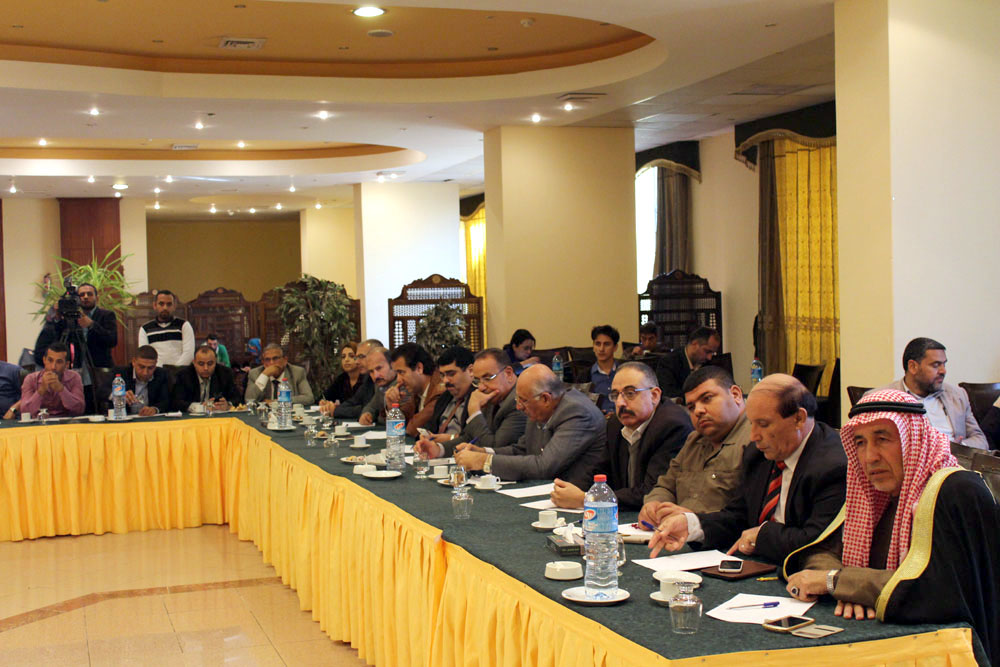
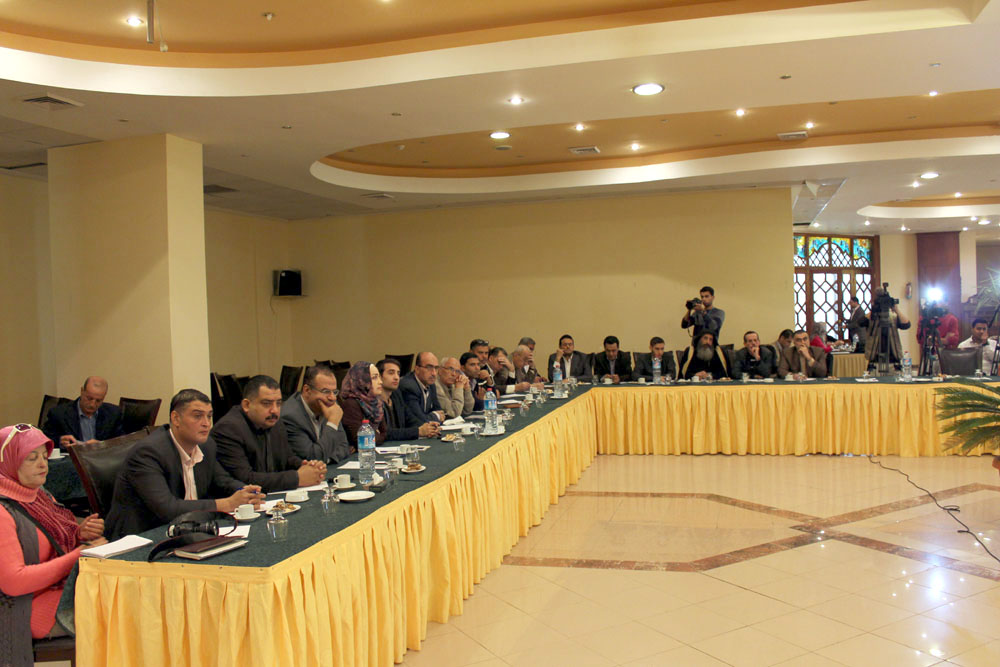
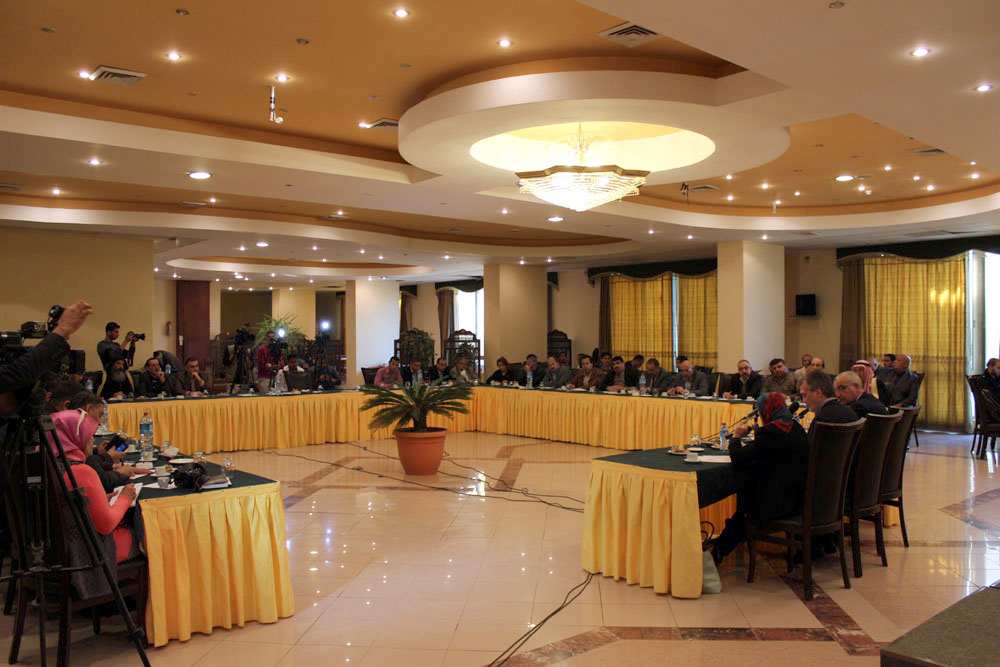
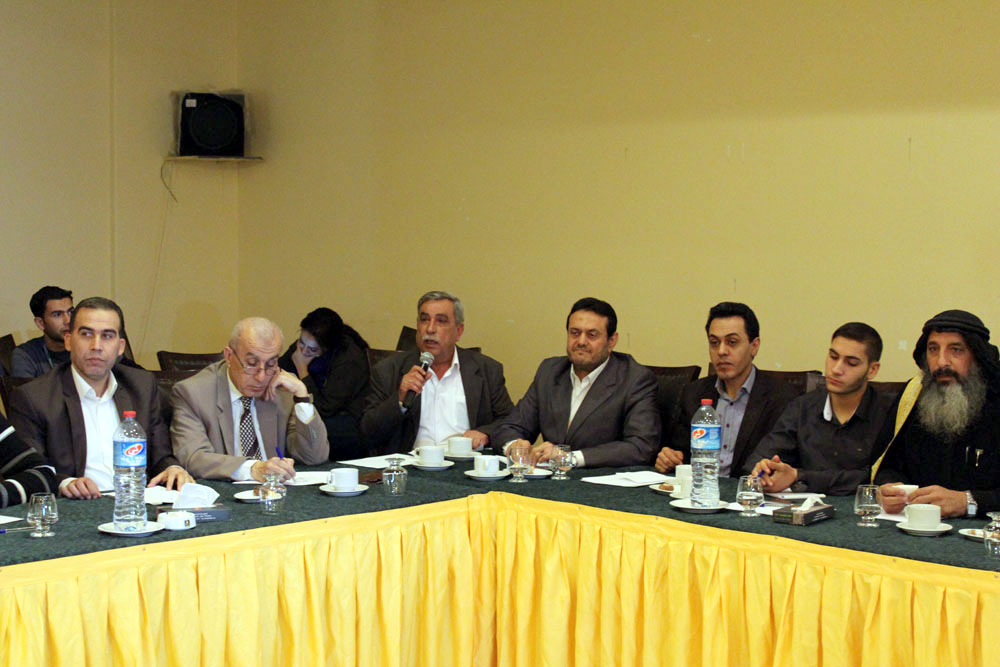
Pal-Think for Strategic Studies organised a special meeting with Mr “Bo Schack”, director of operations of the United Nations Relief and Works Agency for Palestine Refugees “UNRWA” in the Gaza Strip. The meeting was attended by many prominent personalities, academics, thinkers, notables, politicians, businessmen, researchers, media people, and interested youth, and the meeting revolved around the challenges UNRWA faces in Palestinian society and the ways of confronting them.
The meeting was opened by Mr Omar Shaban, director of the Pal-Think for Strategic Studies institution, welcoming Mr Schack and the honourable attendees, and he presented a profile of Mr Schack, who assumed his post as director of UNRWA operations last September. He pointed out that Mr Schack has thirty years' experience of work in the United Nations system, and comes to his current post carrying with him wide experience of work in peace-building operations, humanitarian response, and protection in conflict zones. Before joining UNRWA, Mr Schack worked as a representative of the United Nations High Commissioner for Refugees, and Mr Schack worked within the UNHCR's team in many legal and protection-related assignments in Senegal, Hong Kong, the office of the head of the UNHCR, in the Commission's two offices in Asia and Europe, and in the Commission's special operations in the former Yugoslavia, Sri Lanka, Burundi, and Iran. Shaban affirmed that Mr Schack has immense energy for re-presenting UNRWA and consolidating the relationship with the Palestinian people; on the other hand he affirmed that Mr Schack loves great frankness, so he is present to listen to the opinions and enquiries of the honourable attendees.
For his part, Mr Schack thanked the Pal-Think for Strategic Studies institution for organising this meeting, the first of its kind since he assumed his post, and affirmed that he has gone to many continents but this is his first time in this region astonishing in its human energies and in its suffering. He reviewed his position and what he had seen in the Strip during the past two months — from meetings with the students in the schools, to the magnitude of the suffering the Strip's inhabitants have faced in the past eight years; but he saw the insistence of the youth and the school students on learning and on presenting something to their country. He likewise reviewed UNRWA's most important work in the Strip: presenting services in the education sector, presenting primary health care and psychological support, and distributing food to thousands of the refugees, in addition to UNRWA's role in the process of the Strip's reconstruction. Mr Schack ended his introduction by affirming that UNRWA's crisis is a financial and not a political crisis — because were it political, no solution would have been found in the first place.
On the other hand, the attendees' questions directed to Mr Schack centred on the issues of employment in UNRWA, UNRWA's absorptive capacity, and the mechanism of employment in the education sector — he affirming its integrity and transparency and that it takes place in full coordination with the staff union. Some of the attendees criticised UNRWA's not involving civil society in its consultations over the reconstruction projects; some asked how to cooperate for the sustainability of funding, and how to set a mechanism through which transparency is strengthened and UNRWA's services widened; while some asked about the reasons for UNRWA's reduction of its budget year after year.
At the end of the meeting Mr Schack thanked the attendees, valued the important points the attendees raised, and called for completing the meeting with other meetings in the near future, and hearing from a larger stratum of Palestinian society — especially the categories that benefit from the services of the Relief and Works Agency for Palestine Refugees, UNRWA.