Pal-Think concludes a workshop on civil society's role in national reconciliation, with Birzeit University's Ibrahim Abu-Lughod Institute
Pal-Think and Birzeit University's Ibrahim Abu-Lughod Institute held the second workshop on «Strengthening civil-society organisations' role in national reconciliation», following the first at Birzeit in December 2015 — deepening coordination between the two halves of the homeland.
- Author
- The editorial team
- Date
- 2016-03-21
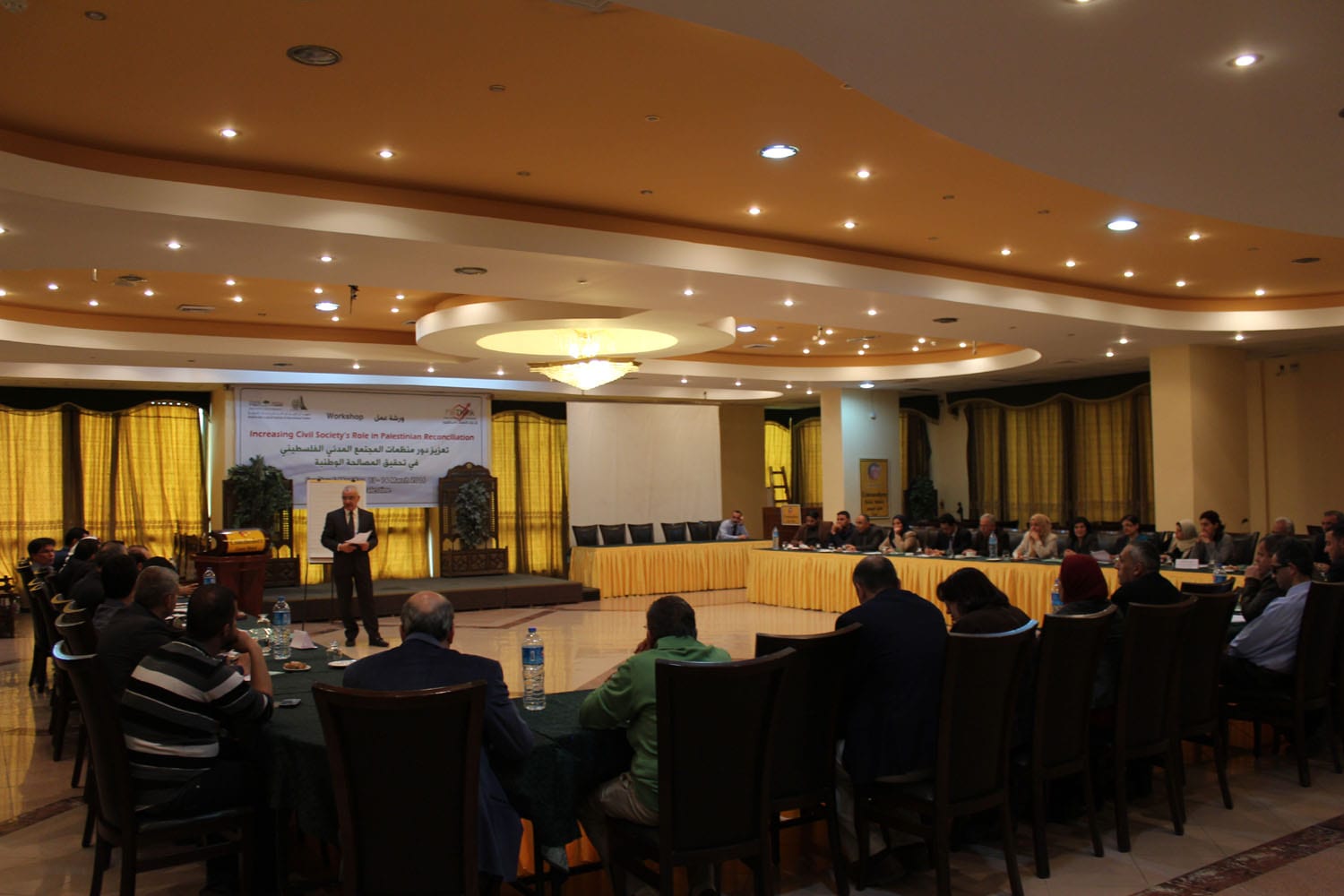
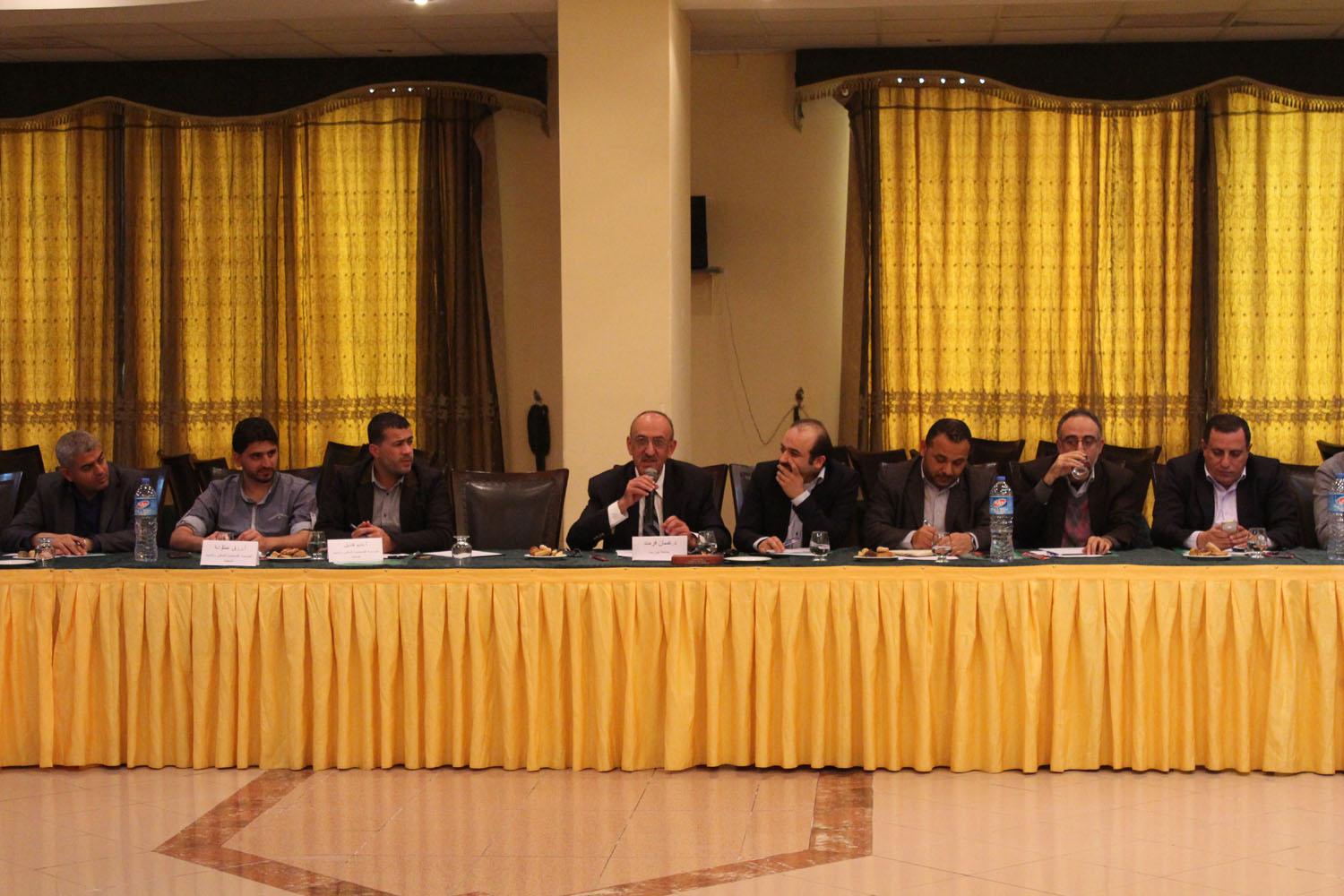
Pal-Think for Strategic Studies, in cooperation with the Ibrahim Abu-Lughod Institute of International Studies at Birzeit University, held the second workshop titled: “Strengthening the role of civil society organisations in the national reconciliation”, as a follow-up to the first workshop organised at Birzeit University on the eighth of December 2015. The second workshop aims to examine and strengthen the ways of coordination between civil-work organisations at the national level to achieve reconciliation and national unity, in a way that forms an important tributary to the political track, and to develop working plans for taking part in the reconciliation process. The workshop was attended by dozens of representatives of civil society organisations from the southern and northern Palestinian governorates. The workshop's events began at three o'clock on Sunday, 13 March, after the delegation from the northern governorates arrived in the Gaza Strip. The workshop was opened by Omar Shaban, director of Pal-Think for Strategic Studies, affirming the importance of strengthening work at the national level and civil society institutions' important role in achieving some accomplishments to ease the citizens' suffering. On behalf of Birzeit University, Dr Ghassan Faramand, member of the council of the Ibrahim Abu-Lughod Institute of International Studies at the university, spoke, pointing in his word to the university's role as a research institution seeking to work in partnership with civil society institutions, it being an upright, credible party that gathers the division's parties around one table for discussion — in its belief that national unity is an indispensable necessity, and it must be a Palestinian priority despite all the current difficulties.
The attendees discussed important issues such as the efforts of civil society organisations over the past nine years and the extent of those efforts' success, the principal results of the survey study, and the principal obstacles to strengthening civil society's participation in the reconciliation process. The session was continued on the morning of Monday, 14 March, with the workshop's events continuing until four in the afternoon. The participants discussed how to ease the citizens' suffering in the principal fields that enable them, with civil society's participation, to reach the process of the Palestinian national reconciliation. The participants formed working groups in the fields of: youth, higher education, and good governance; then the working groups presented what they had discussed around the previous three topics and affirmed the importance of the role of youth and higher education in the national reconciliation process. In closing, the attendees discussed developing a future working plan for civil society organisations to strengthen participation in the reconciliation process, and the attendees affirmed that we are not in the business of managing affairs in light of the division, but rather of pushing toward achieving the ending of this condition and proceeding to find a gathering frame that presses toward achieving the national reconciliation. There sprang from the workshop a working group as a follow-up committee comprising four representatives of civil society institutions from the West Bank and the Gaza Strip.
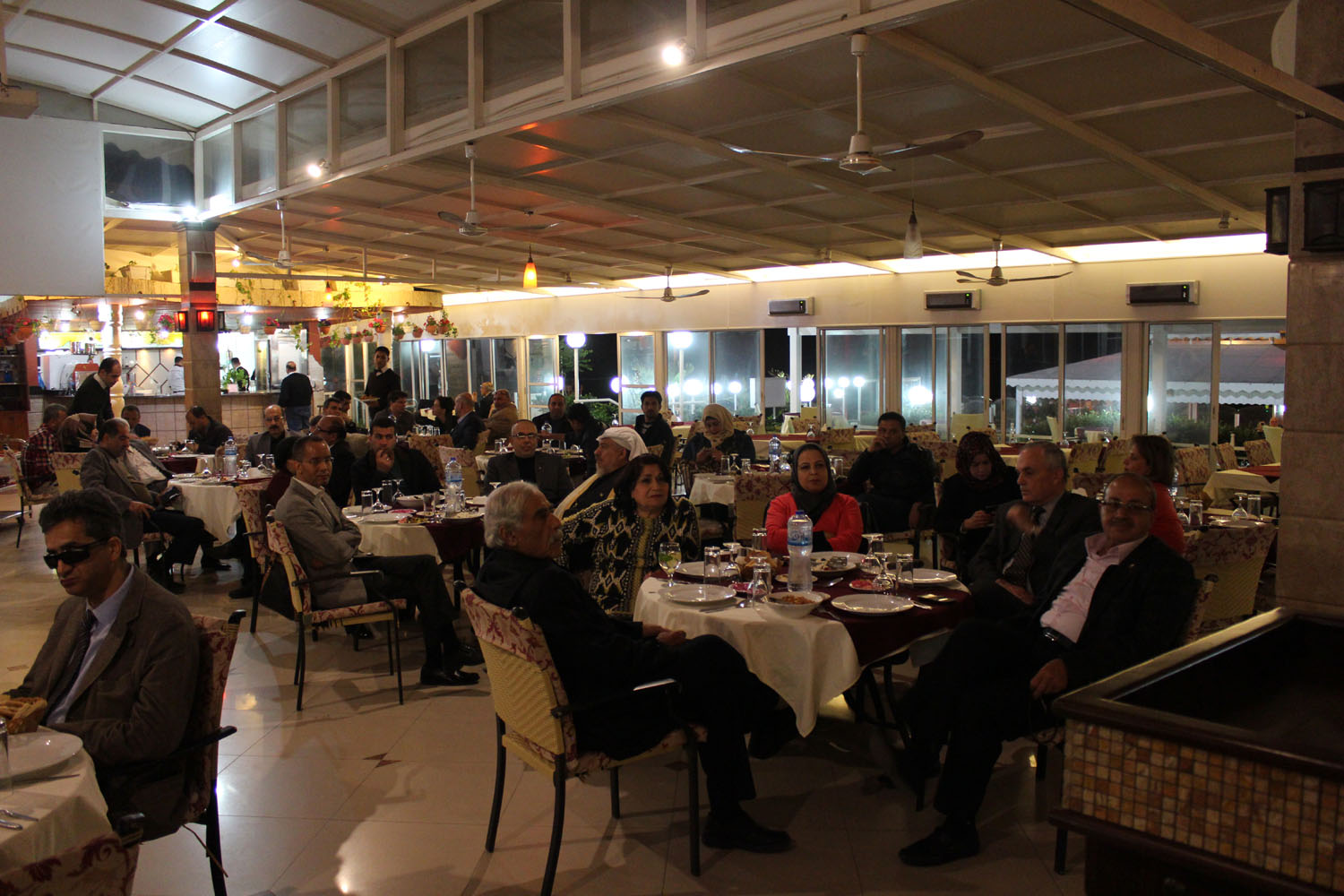
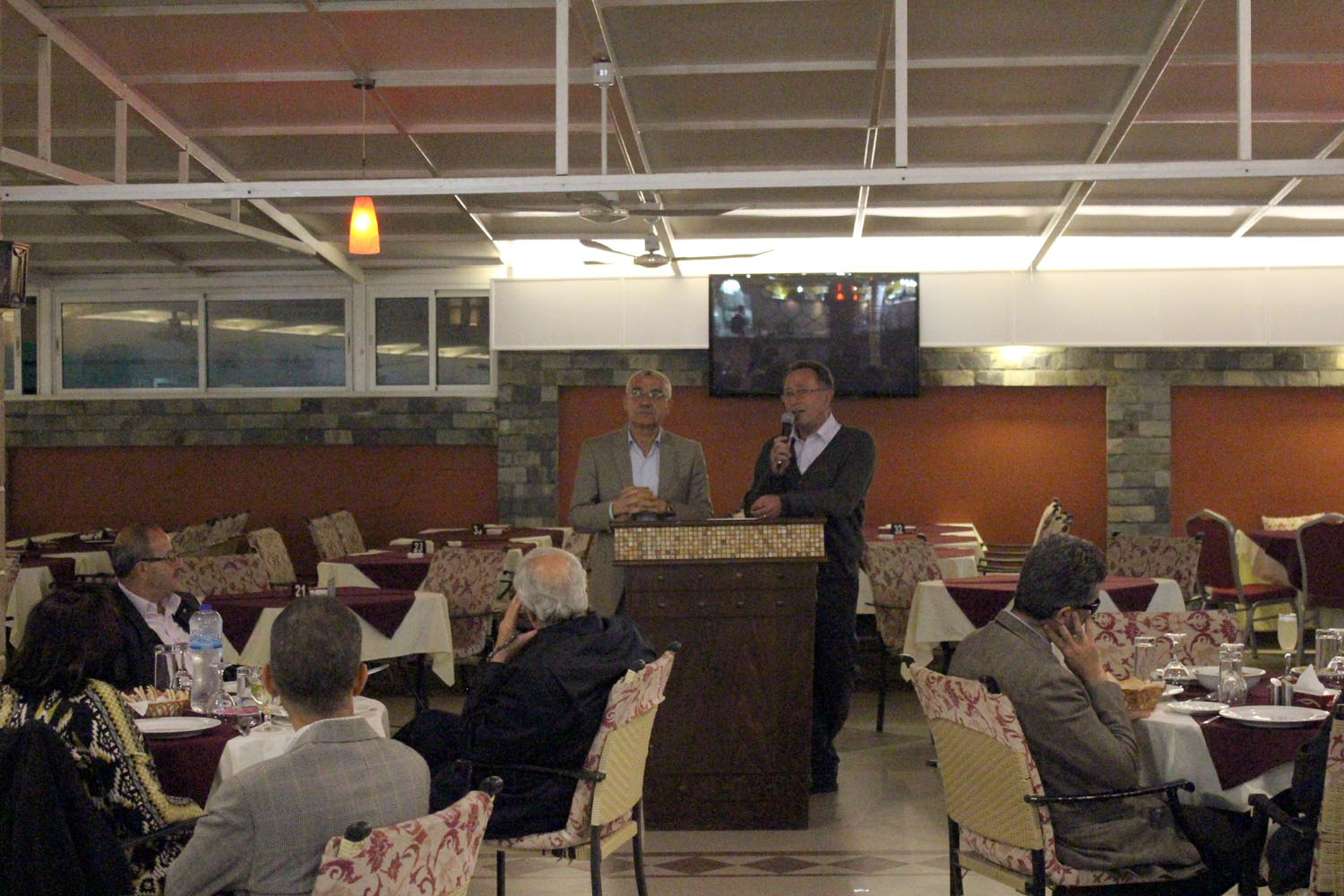
The visit concluded with the organisation of a reception attended by the workshop's participants from the northern and southern governorates, in addition to many representatives of the political forces, civil-work organisations, and representatives of some international and UN institutions. Everyone affirmed the importance of strengthening the role of civil society organisations in the national reconciliation and the fundamental issues that concern the Palestinian citizen.