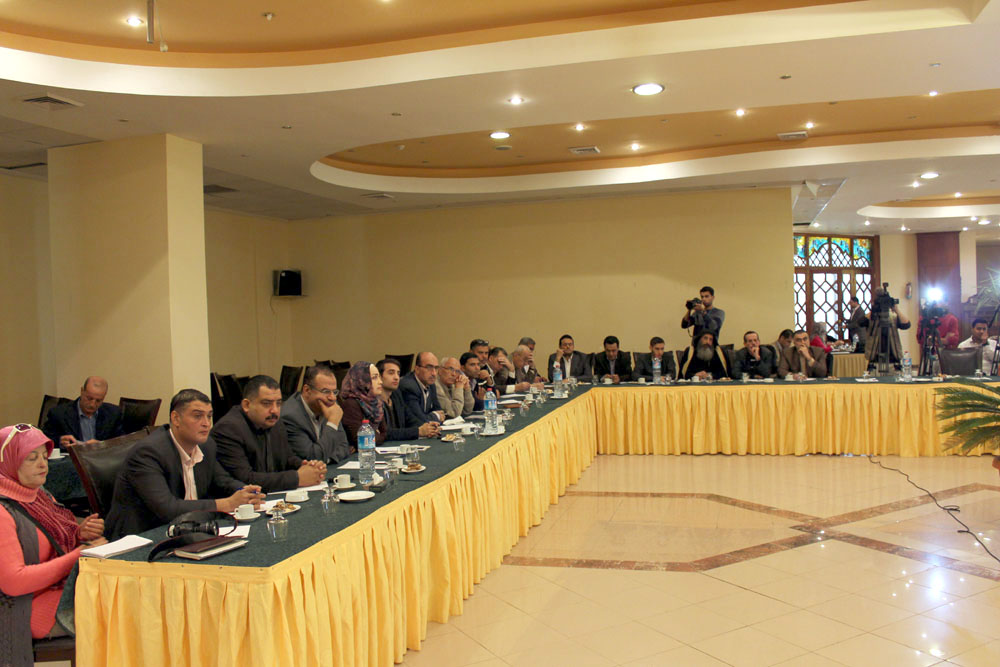
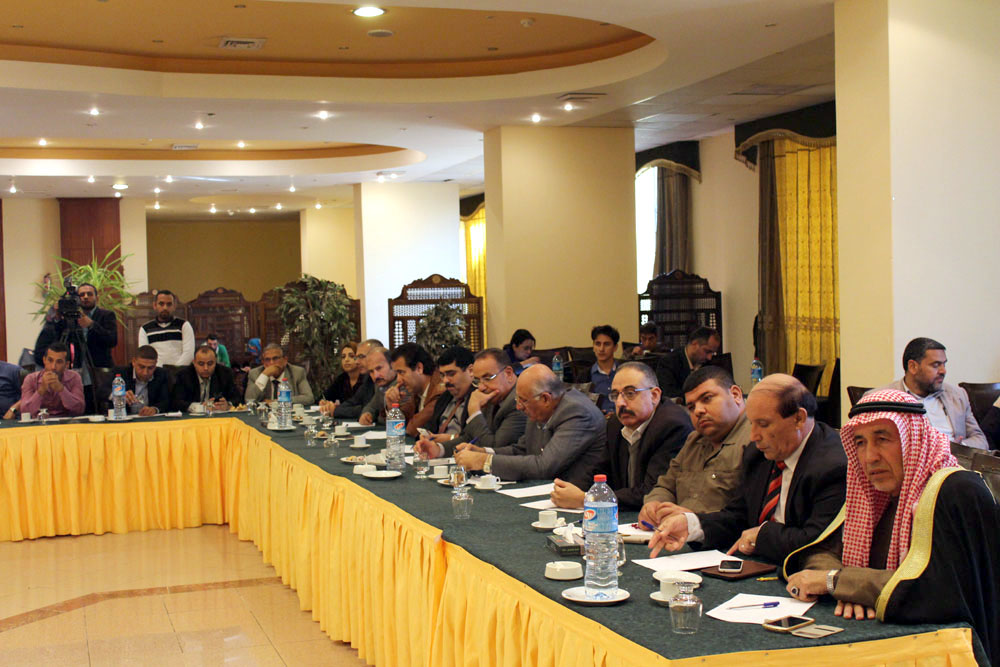
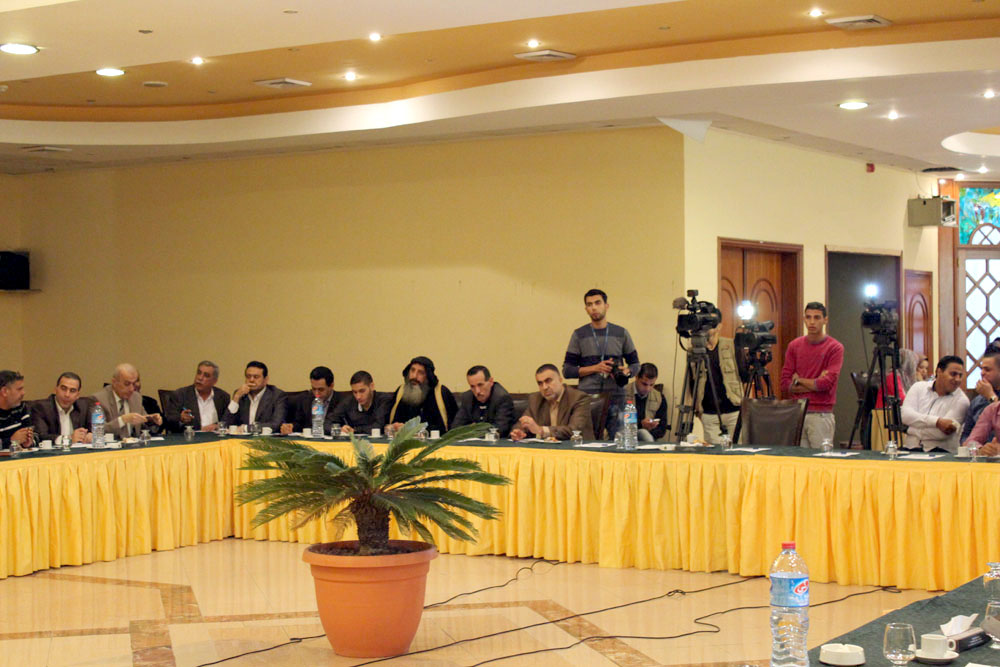
With Friedrich Ebert Stiftung, Pal-Think holds a seminar on the social-security law
True to its philosophy as an independent, professionally non-ideological Palestinian think-tank, and given the recent controversy around the social-security law, Pal-Think held a workshop on the law with the Friedrich Ebert Foundation.
- Author
- The editorial team
- Date
- 2016-05-26
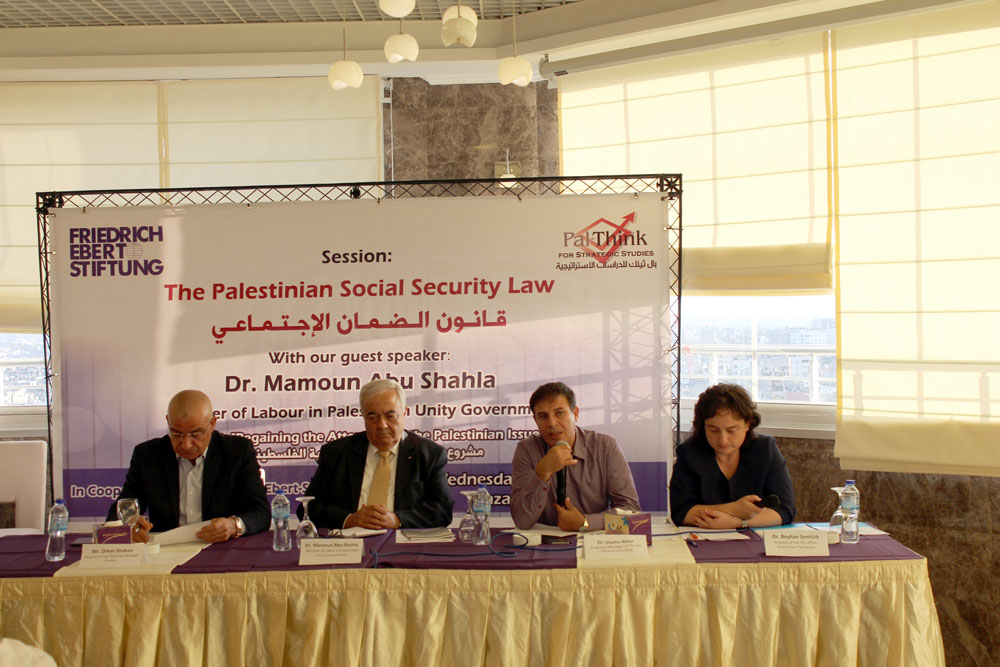
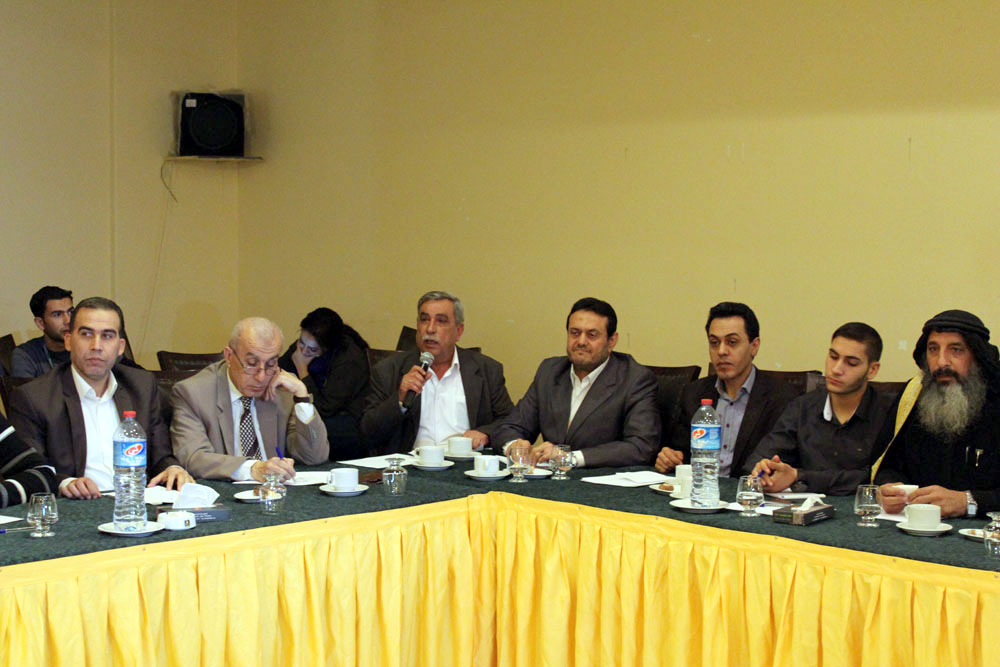
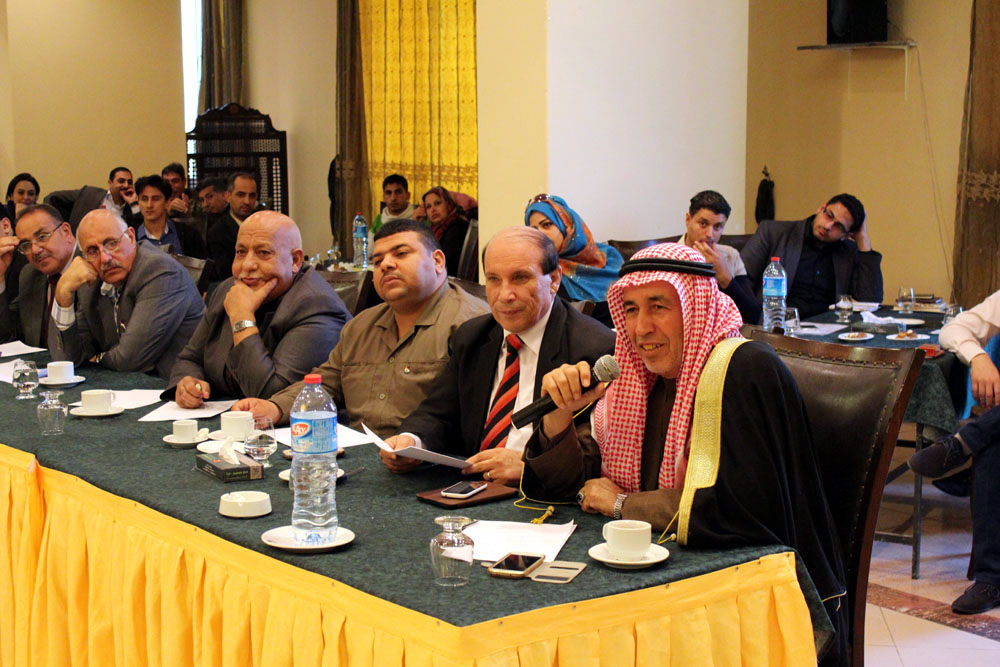
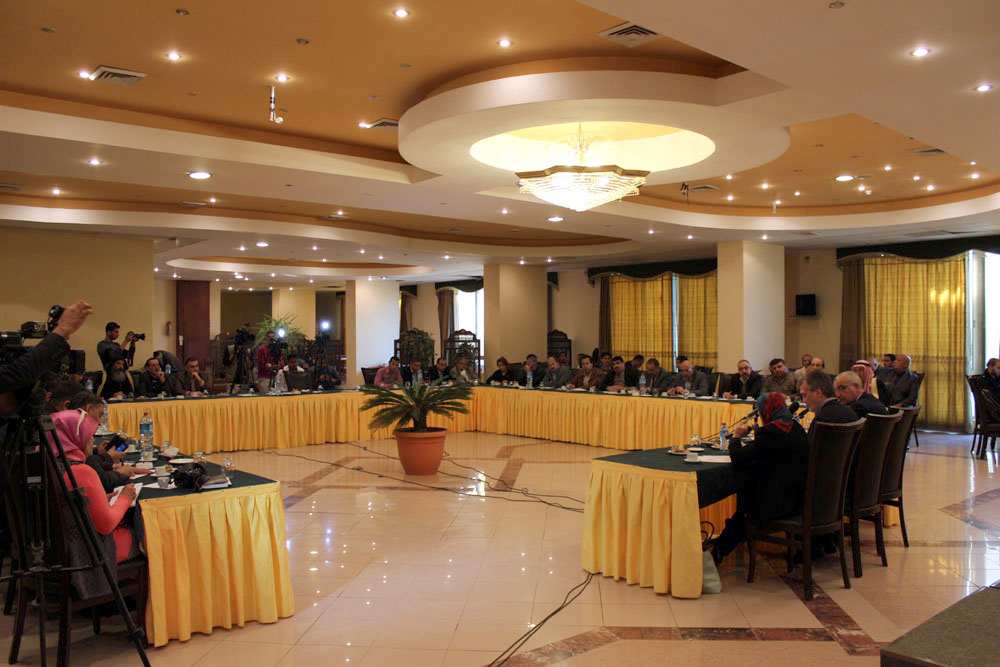
In continuation of the philosophy of Pal-Think for Strategic Studies as an independent Palestinian reflection institution concerned with the Palestinian affair internally and externally in a professional, independent manner without prior ideology, and given the importance of the subject of the social-security law and the standing controversy around it lately, Pal-Think for Strategic Studies, in cooperation with the German Friedrich Ebert Foundation, organised a workshop titled “The social-security law”, within the project “Restoring attention to the Palestinian cause” — with the participation of Dr Mamoun Abu Shahla, Minister of Labour in the national accord government, Dr Beyhan Şentürk, director of the German Friedrich Ebert Foundation in the Palestinian territories, and Dr Usama Antar, the foundation's programmes director in the Gaza Strip, and with the attendance of a group of experts, syndicalists, rights advocates, representatives of civil society organisations and the international and local institutions, and some media people and academics from the Gaza Strip.
The workshop was opened by Mr Omar Shaban, director of Pal-Think for Strategic Studies, welcoming the attendees and the Minister of Labour Dr Mamoun Abu Shahla, and he affirmed that Pal-Think is an independent Palestinian research institution that opens the field for discussion on any issue without having a prior position. He continued his talk on the importance of the subject of the social-security law and praised the positivity of the government's enacting of such laws — affirming the necessity of strengthening the legal aspects, organising professional life, and filling the gaps concerning the legal, constitutional, and legislative aspects. He pointed out that the social-security law touches all the people's categories: the employees, the government, the private sector, the civil sector — it is not a law that touches a particular category; hence comes the importance of discussing this law in this workshop.
In a word from Dr Beyhan Şentürk, director of the German Friedrich Ebert Foundation in the Palestinian territories, she presented a sketch of the German Friedrich Ebert Foundation, which is concerned with the features of social justice and democratic values, and said during her word: “It is a very wonderful thing to see the Minister of Labour here discussing the social-security law with multiple spectra of the people, so that he can find the suitable solutions related to this law.” At the end of her word she thanked the minister for attending the session and likewise thanked the participants and praised Pal-Think's efforts in holding such enriching encounters.
In the word of the Minister of Labour in the national accord government, Dr Mamoun Abu Shahla, he thanked everyone for attending the session and expressed his happiness at the attendance of Dr Beyhan, because she is greatly conscious of the law and because she will help in conveying the Palestinian people's picture to the West. Mr Abu Shahla pointed out that the social-security law was supposed to be enacted long ago, because it is among the laws that guarantee the rights of citizens and workers, and it is the sole way to obtain the rights of the Palestinian workers inside Israel. He pointed to the formation of the national team to create the social-security law; this team drew on experts from the International Labour Organization, until the team arrived at the actuarial study to compose the content of the social-security law.
The Minister of Labour noted that lately the law received great protests from people, which pushed the government to form a ministerial committee to amend the law, so that it suits the people's interest. There were many dialogues with syndicates, employers, and other parties, and many of the law's articles were re-drafted. A decision was taken to go with a number of recommendations to the Council of Ministers after the end of the dialogues period, whereupon the necessary amendments will be made and the obscure matters clarified — to satisfy the protesters' wishes and so that there be no disagreements and disputes over the law, to reach solutions that suit the citizens' interest.
On another side, there were interventions and questions from the participants: the participants affirmed that the social-security law is a pressing need Palestinian society requires — because Palestinian society needs the release of the Palestinian workers' funds held in Israel, as the occupation government insisted that it will not release these funds unless the social-security fund is formed. Some asked about the government's role toward this law and whether it will support it should there come to be a deficit in the law's fund. The participants discussed the rate of the contributions the employer presents, which is 8.5%, as many consider that this rate does not suit the years of service the worker may present throughout their working period, and does not accord either with the retirement salary the worker will take after retirement. A number of the attendees objected to the policy of enacting legislation generally in light of the division, considering this a great error into which both sides of the division fall. Some stressed that the law must comprise all society's strata and not be confined to a particular category only — indeed this law must reach strata such as the unemployed, and the law must not comprise particular categories to the exclusion of others.
For his part, Abu Shahla pointed out that the law's nature is gradual and it is open to development and amendment; but because of the continuous impediments that face us as a Palestinian people generally and as an accord government especially, the law will begin with three benefits only, and the law will develop gradually until it comprises everyone. Abu Shahla affirmed that the currently existing statistics say that the minimum-wage law is not applied in Palestine, as there are 32% of workers who do not obtain the minimum wage; but should this be applied, it will become compulsory on the employer to pay this minimum, and the workers will likewise obtain an end-of-service gratuity. Abu Shahla focused on the government being ready to intervene and support the social-security fund should there come to be a deficit, and it will be the guarantor. Accordingly this law, despite its simplicity, is very important for the citizens.
At the session's close, Pal-Think thanked Dr Mamoun Abu Shahla, Minister of Labour in the national accord government, and Dr Beyhan Şentürk for their attendance, cooperation, and contribution to shedding light on the important issues that could contribute to solving the internal problematics at the communal and political level.