Study day: How well do Gaza universities' curricula match the labour market?
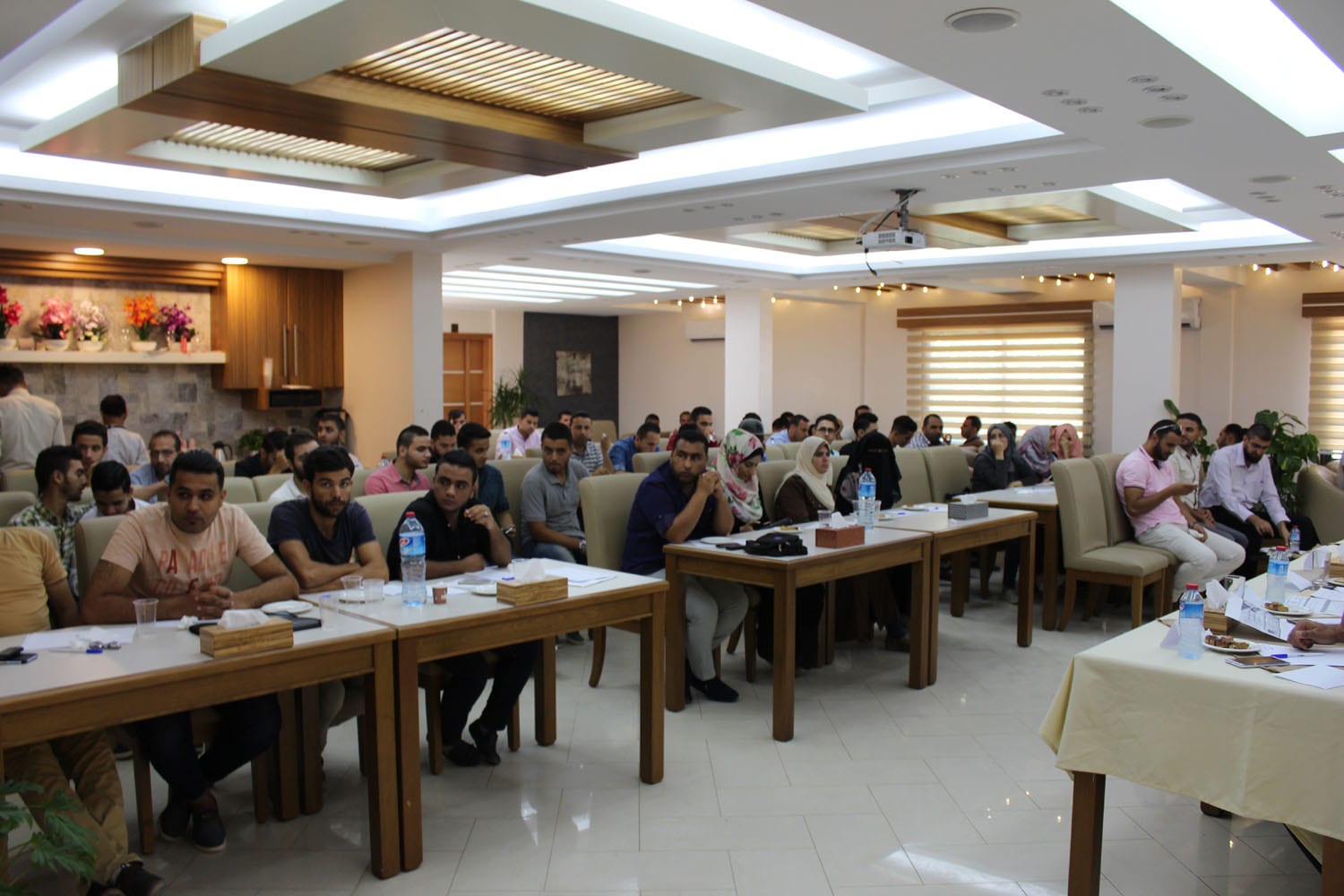
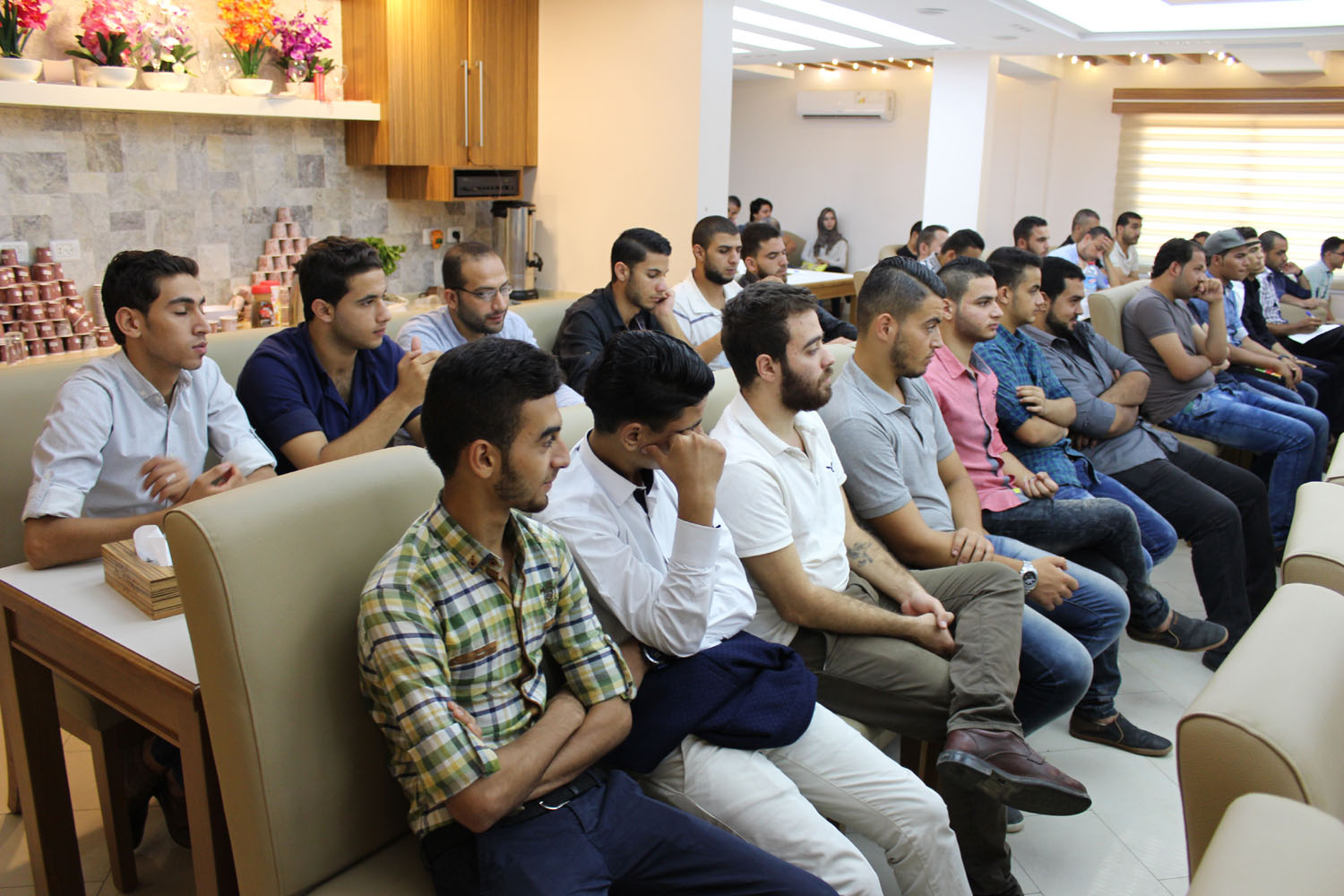
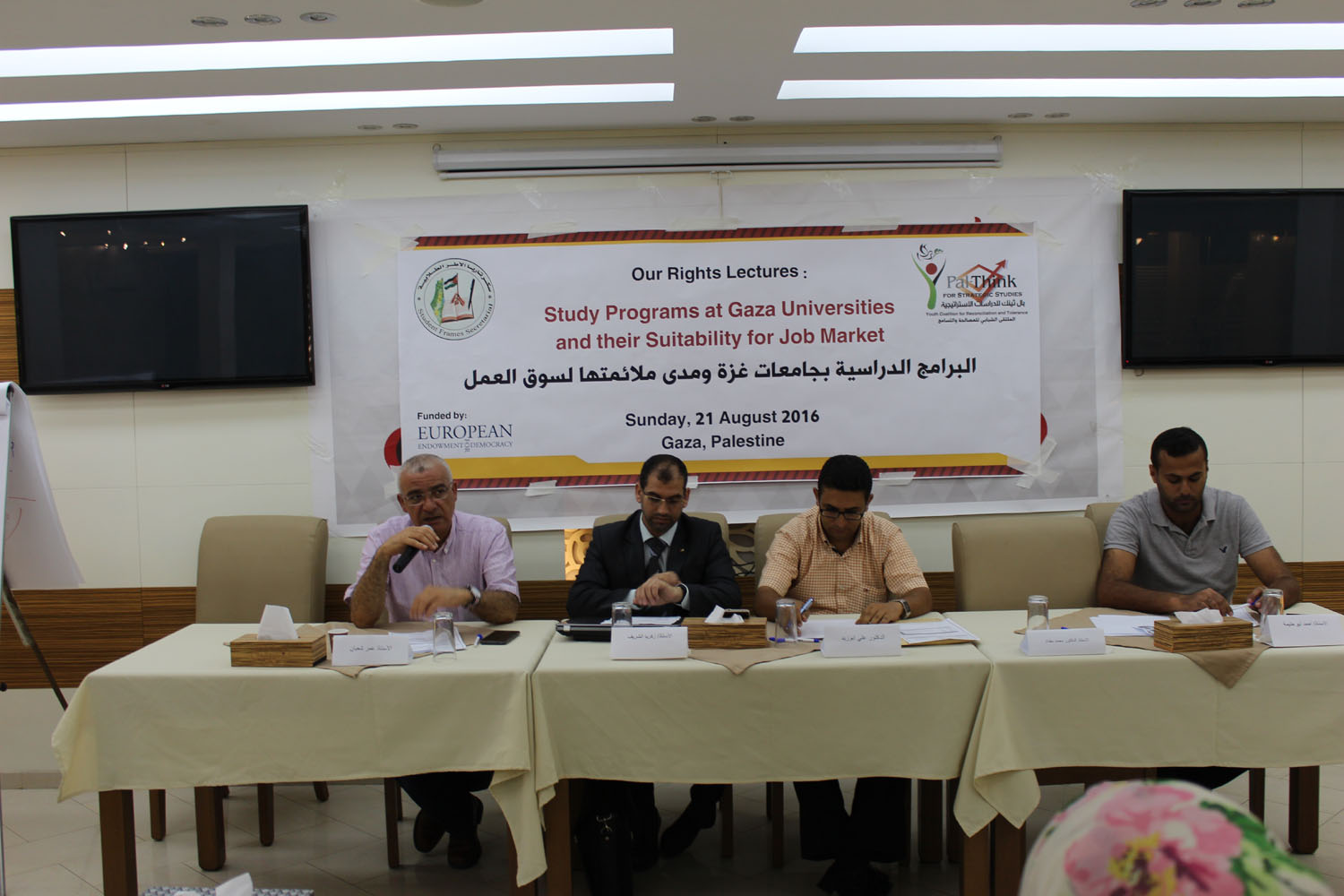
The student-blocs secretariat, with Pal-Think's Youth Forum for Reconciliation and Tolerance, held a study day in Gaza — «University curricula in Gaza and their fit with the labour market» — with a large attendance of students and interested youth.
- Author
- The editorial team
- Date
- 2016-08-22
The secretariat of the student frames, in cooperation with the Youth Forum for Reconciliation and Tolerance affiliated to Pal-Think for Strategic Studies, organised a study day titled “The study programmes in Gaza's universities and the extent of their suitability to the labour market”, in Gaza City, with the participation of a dense attendance of youth, university students, and the interested.
The day was opened with a welcome, then the word of the coordinator of the secretariat of the student frames, Mr Arafat Abu Zayed, who affirmed through it the importance of the topic put forward, in order to strengthen discussion in it and come out with practical recommendations that enable a true suitability of the curricula and study programmes to the Palestinian labour market.
In the word of Mr Omar Shaban, head of Pal-Think for Strategic Studies, he welcomed the attendees and guests and praised the role of the secretariat of the student frames and this unitary body, which comprises the whole of the student collective from the various political spectra under a single umbrella of student work, and said: “Pal-Think works diligently to strengthen the secretariat's role and help it put forward the topics that concern it, through supporting a number of study days that enable the secretariat to determine its need, reaching the treatment of the problems that stand in the way of its work in the Palestinian universities in the Gaza Strip.”
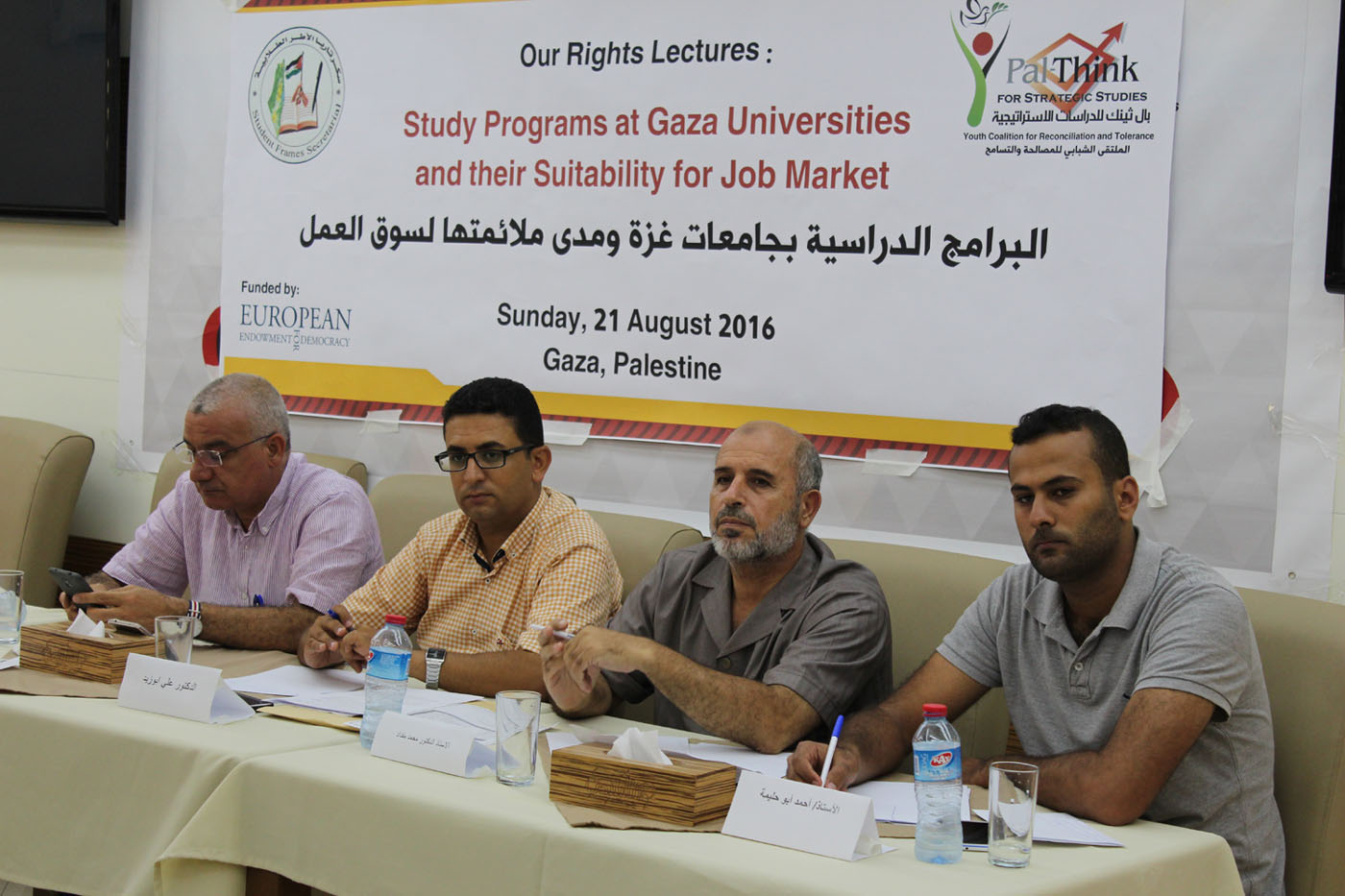
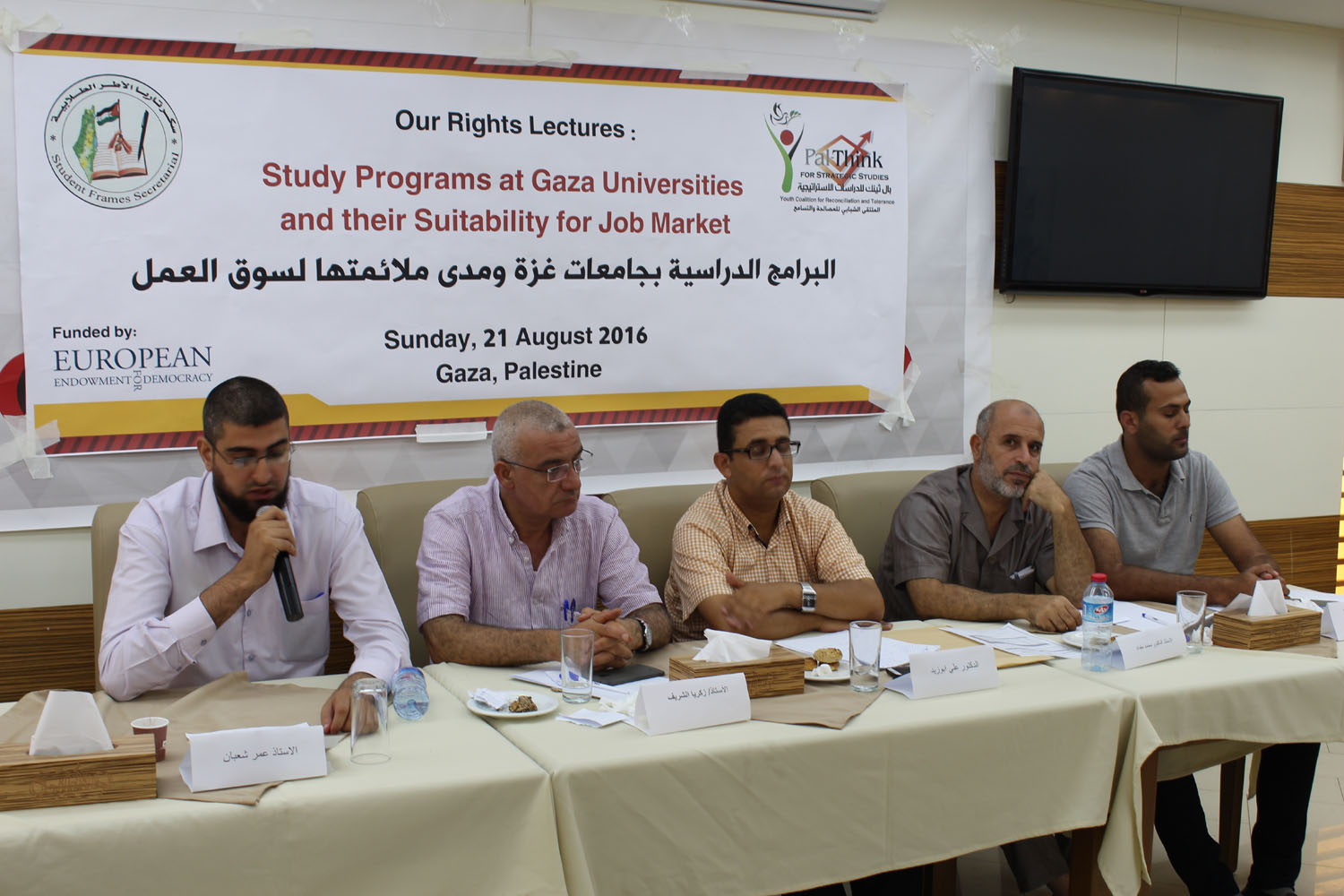
For his part, Mr Zakiya al-Sharif, the researcher and specialist in study curricula and their suitability to the labour market, presented a working paper through which he classified the university specialisations and academic degrees, and presented statistics related to the numbers of graduates, the numbers of universities, and the employment rates in the Gaza Strip for each specialisation.
He likewise focused on the importance of the vocational specialisations within the frame of fighting the phenomenon of unemployment, and called for the necessity of attention to these specialisations. He spoke also of the needs of the Palestinian labour market and the magnitude of the thirst for work opportunities through the piling up of the numbers of graduates, as well as of the problem of the university specialisations and the labour market's needs for them.
For his part, Dr Ali Abu Zaid, representing Al-Azhar University, spoke of the university's vision of determining the Palestinian labour market's needs through developing the study plans to be flexible and to suit our needs for them, and mentioned that Al-Azhar University intends to launch a number of new specialisations, most importantly the specialisation of veterinary medicine for the first time in the Gaza Strip.
Abu Zaid set out the lowly view society adopts toward the technical and vocational specialisations, which could treat a part of the unemployment problem, and called for the necessity of the integration of roles between the universities and the government, as well as the parties and civil society institutions, in order to treat the unemployment problem.
Dr Mohammed Miqdad, dean of the Faculty of Commerce at the Islamic University, likewise presented his own vision as well as the Islamic University's vision on this subject, and mentioned that the Islamic University has its own projects whose fundamental goal is bringing the university's specialisations into accord with the labour market's needs. He set out that the graduates of the Palestinian universities are distinguished by high capacities and competence that enable them to compete, but the true problem is in the weakness of the labour market's absorption of graduates, the absence of employment, and the scarcity of work opportunities in the private and government sector because of the blockade and the division.
Miqdad called on the youth to overcome all the problems that stand in the way of their path and their future, through carving their path by themselves and improving their own skills and capabilities, as well as greater attention to the vocational and technical specialisations; and he called also for the necessity of preventing repetition in the specialisations and educational programmes in the Palestinian universities.
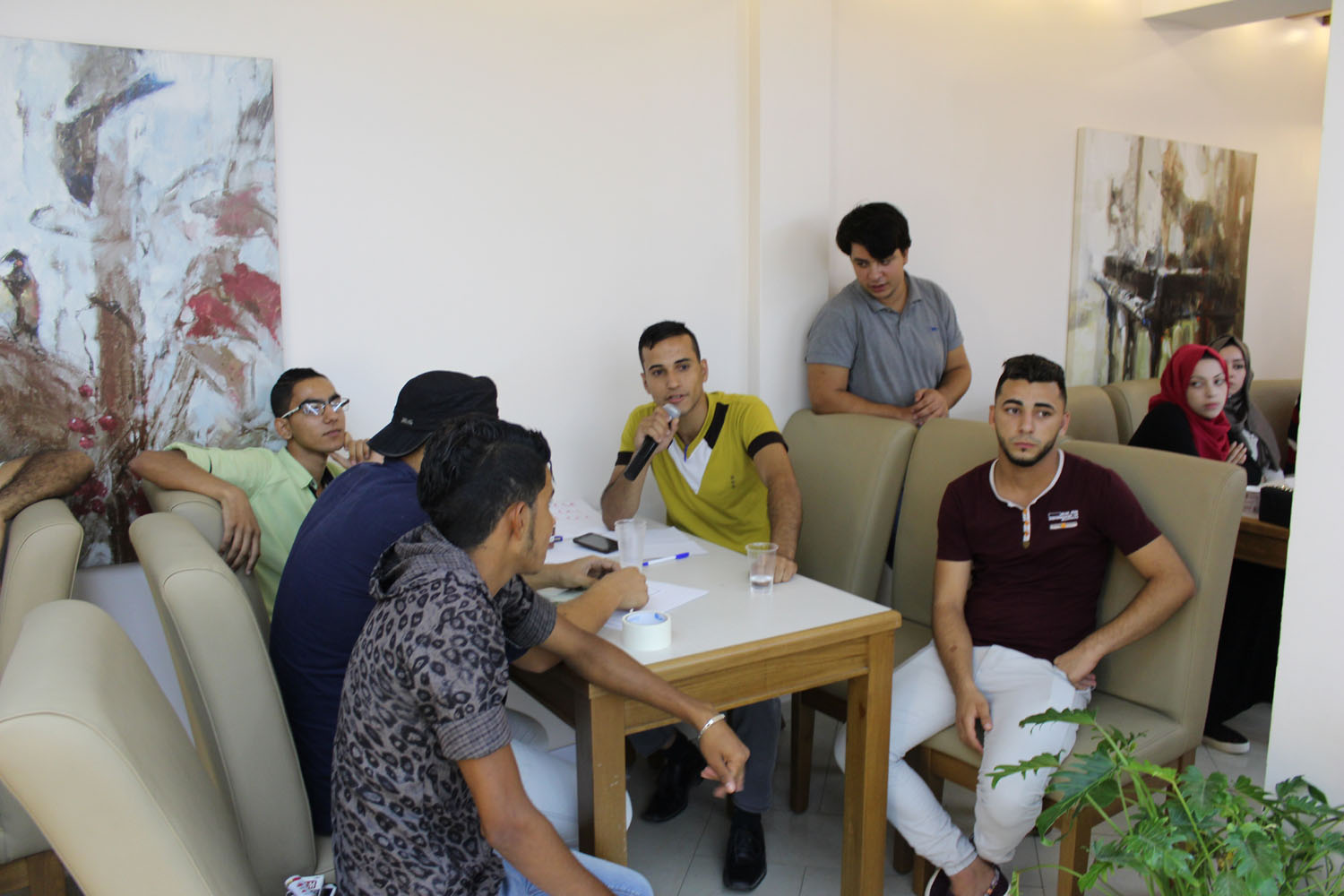
After the presentation of the working papers, the door of discussion was opened before the attendees, who presented interventions that formed a quality addition to the study day.
At the close of the study day, Mr Mohammed Farwana presented the recommendations and the final outputs of the study day.