Pal-Think signs community initiatives to advance social unity and national reconciliation
Believing national and community reconciliation to be a national task par excellence, and continuing its reconciliation work since June 2007, Pal-Think's director signed a series of community-initiative agreements engaging every stratum of society.
- Author
- The editorial team
- Date
- 2017-02-03
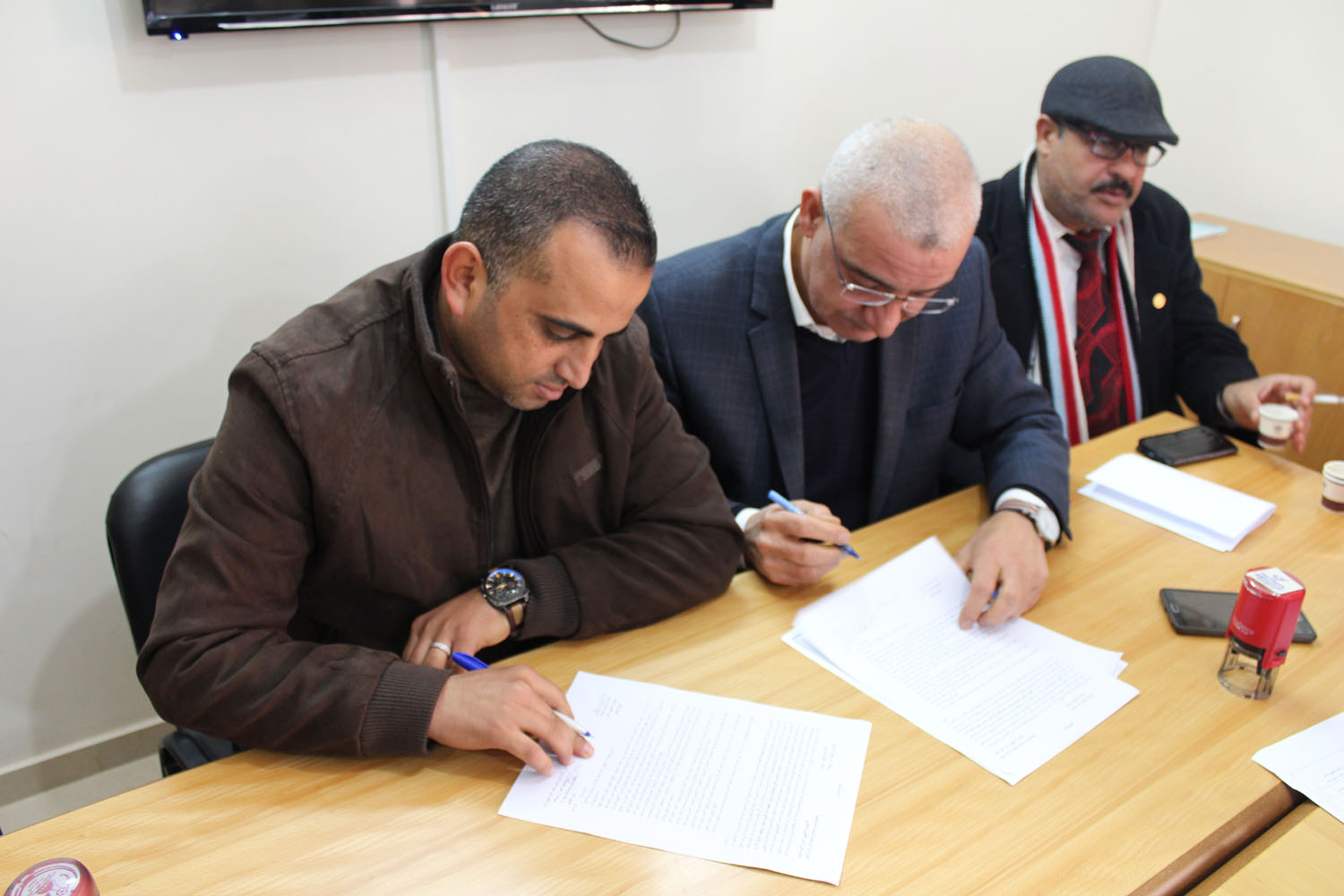
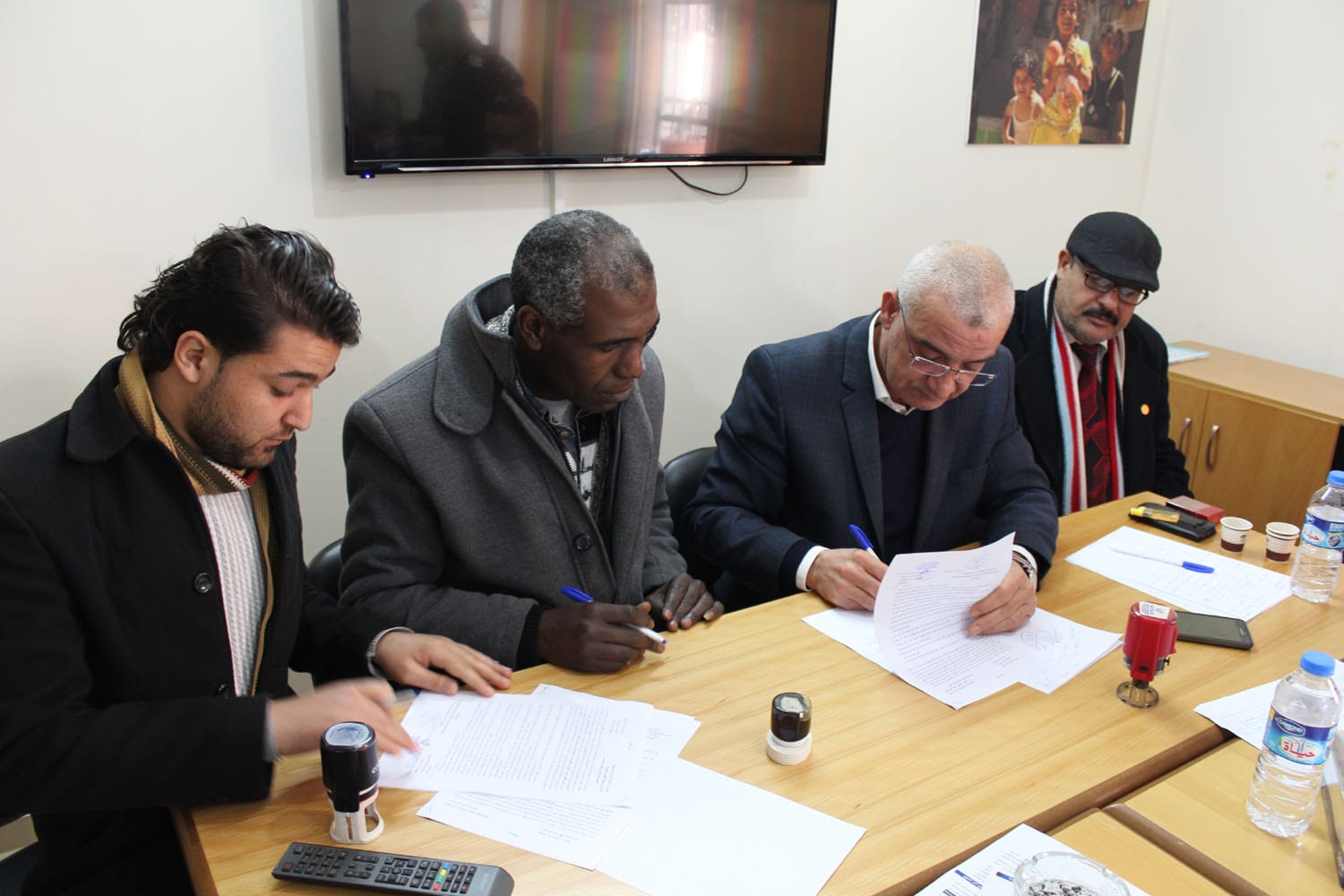
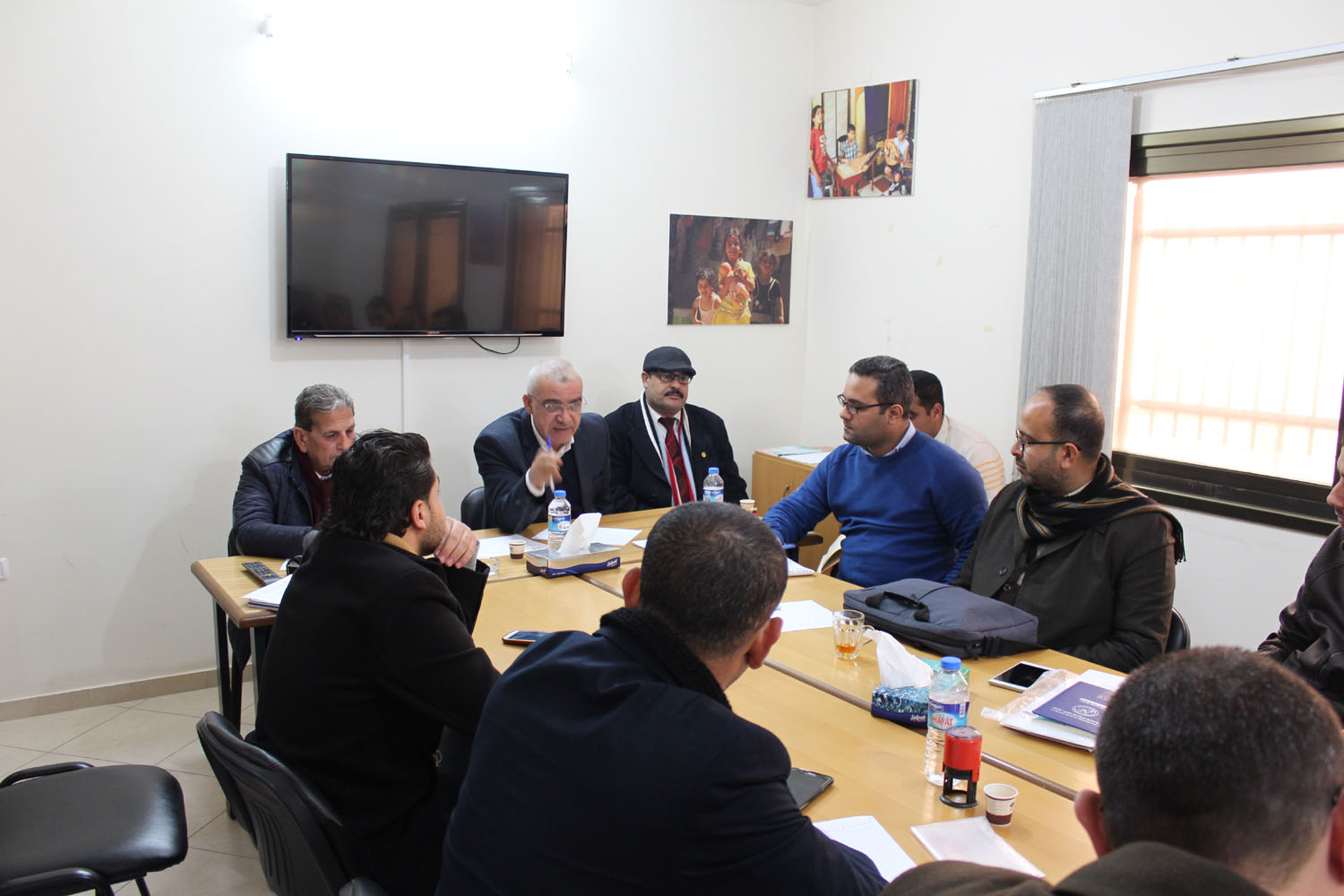
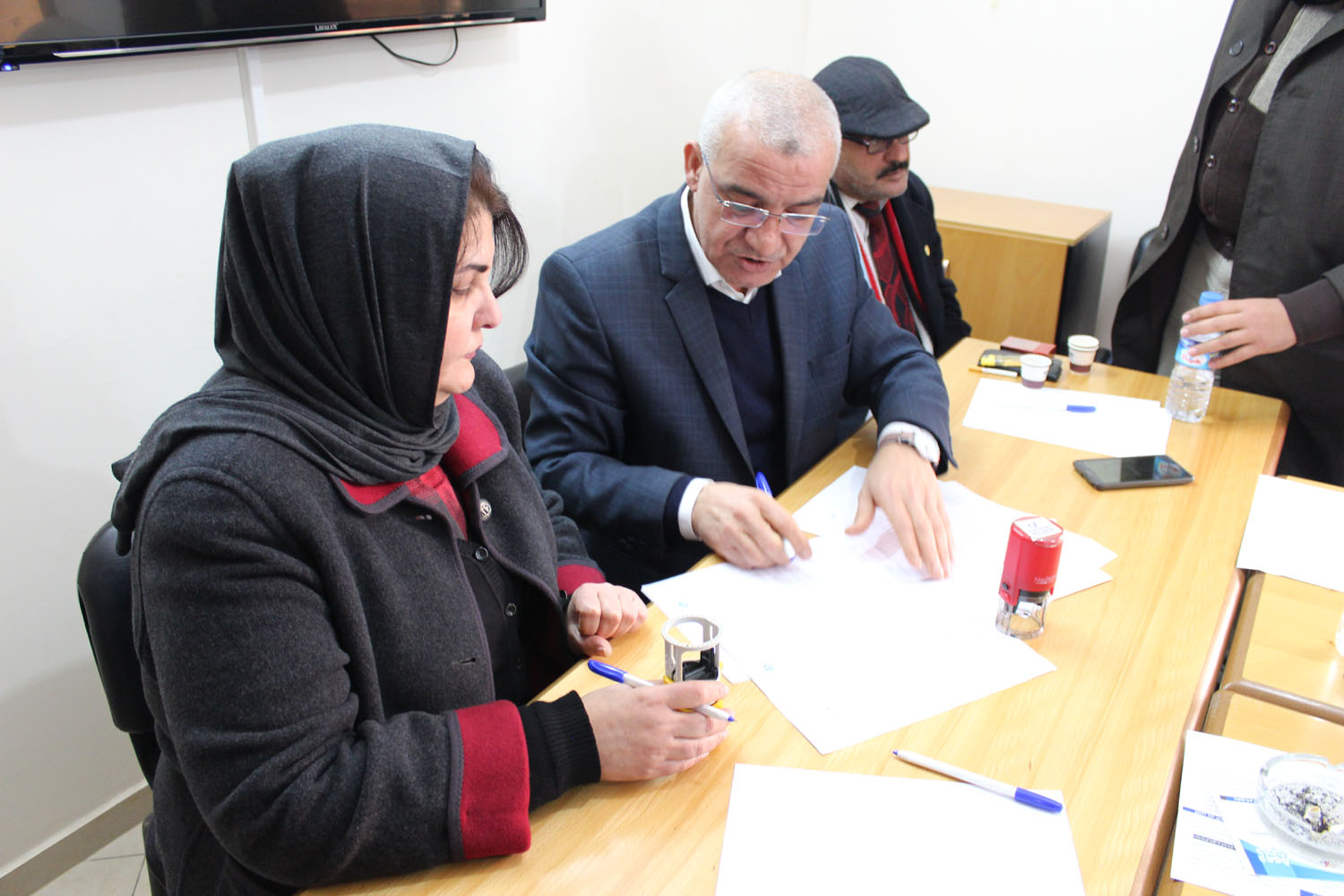
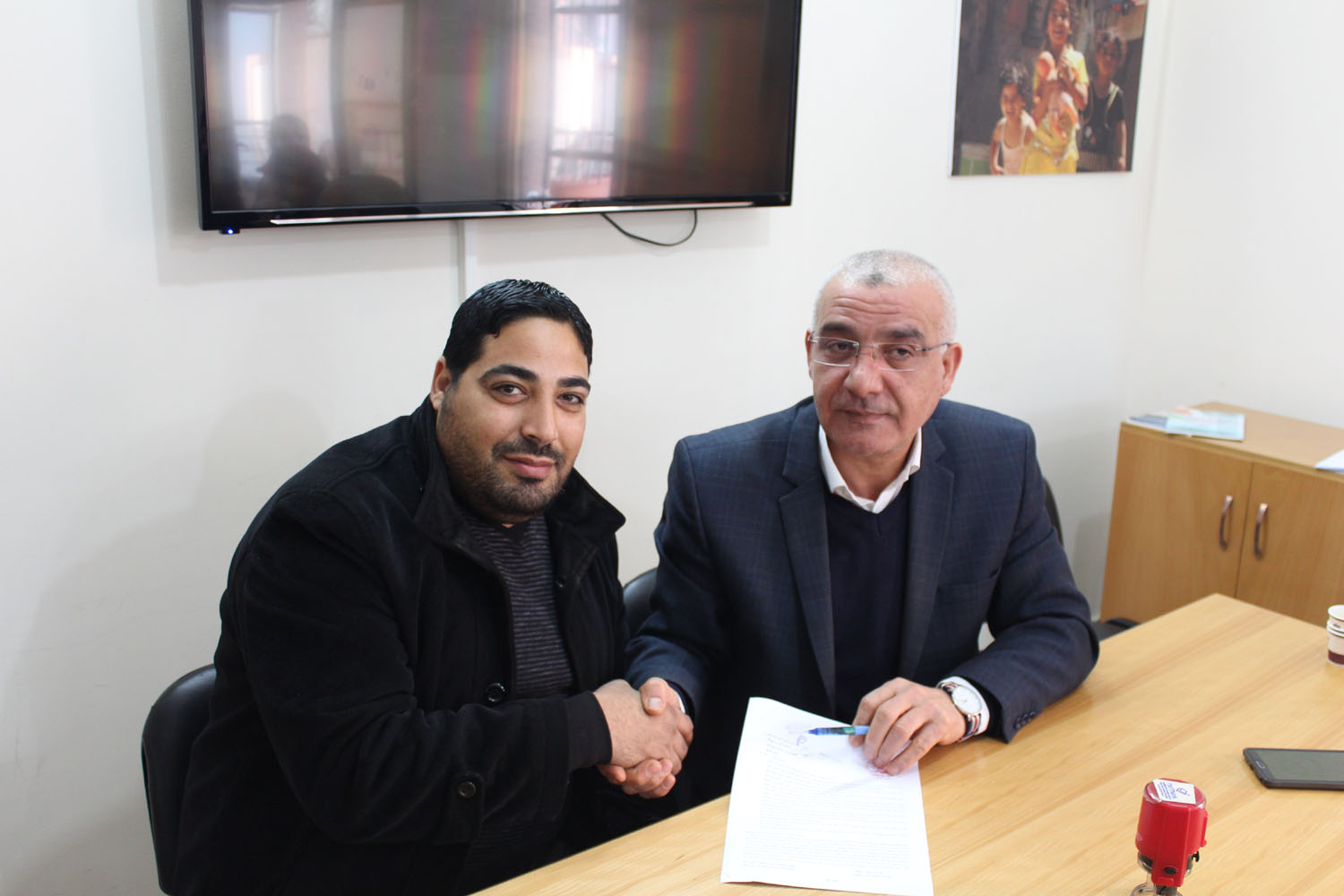
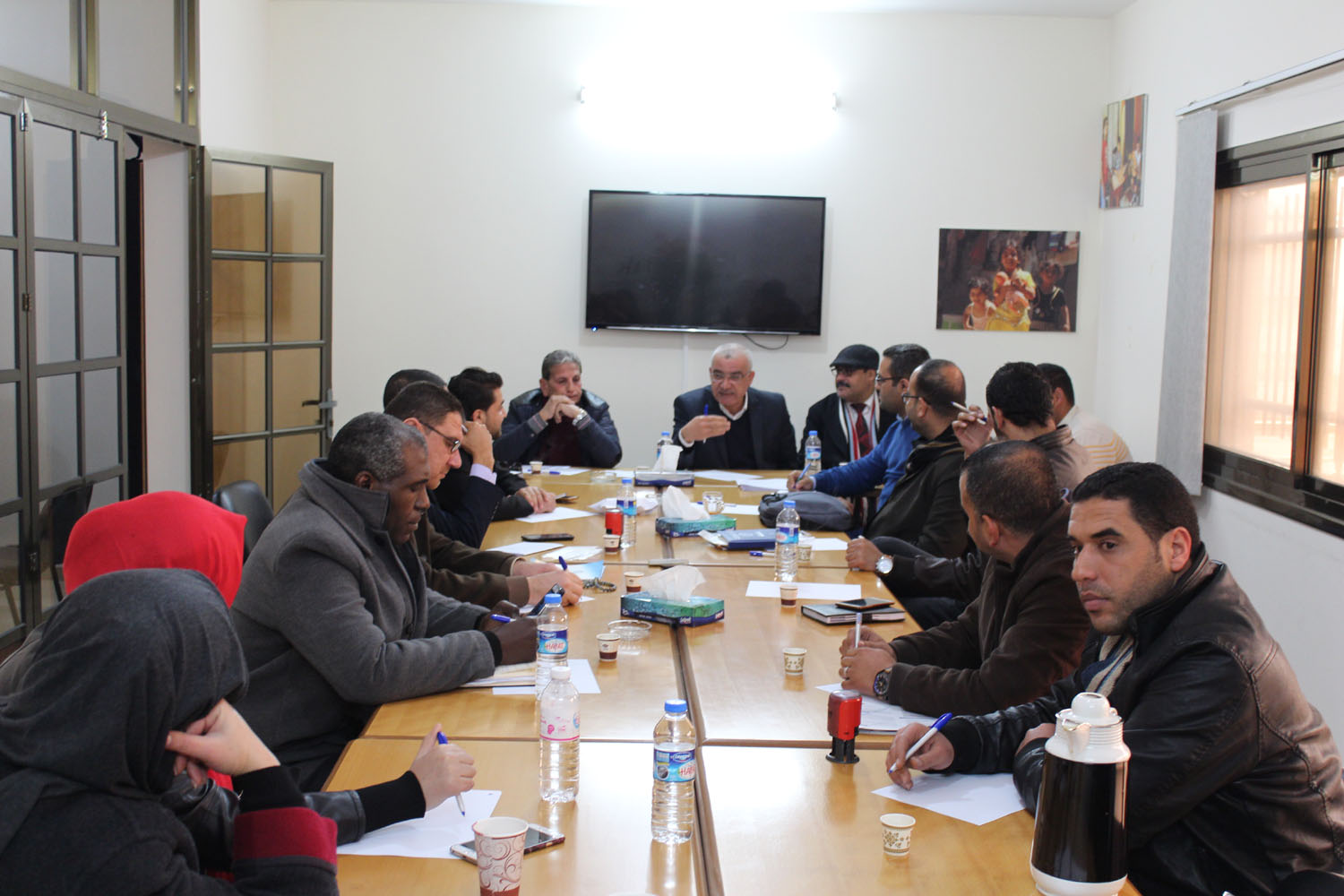
Gaza — In the belief that Palestinian national and communal reconciliation is a national task par excellence, requiring the concentration of all efforts in Palestinian society and the strengthening of people's participation at all levels and in all their strata in the process of achieving tolerance and unity, and in continuation of Pal-Think for Strategic Studies' work in the national-reconciliation efforts continuing since June 2007, the director of Pal-Think for Strategic Studies, Mr Omar Shaban Ismail, signed this week a number of cooperation memoranda with many of the grassroots civil institutions in the Gaza governorates, which presented initiatives to carry out activities and events at the level of society and in partnership with Palestinian institutions in the West Bank governorates — in a way that strengthens work between the grassroots civil institutions in the Gaza and northern governorates. Shaban stressed during the signing ceremony the importance of creative communal initiatives in strengthening the values and concepts of reconciliation as a communal culture in all the Palestinian governorates, and the importance of joint work between the governorates of the Strip and the West Bank, which most of the initiatives carried out or under implementation have translated. The partner institutions reviewed the communal initiatives and their goals in achieving communal unity and national reconciliation — these initiatives being distinguished by a high degree of seriousness and creativity, and being initiatives carried out with the people, the victims of the division, and at the national level.
Mr Saed al-Aqqad of the Bunyan Association for Training, Evaluation, and Studies affirmed the importance of the initiative put forward by them in partnership with the Solidarity Charitable Association in Rafah to strengthen communal unity in the sports sector, through organising a football match with slogans calling for the strengthening of communal unity; while Hazem Naim of the Knights of Tomorrow Association affirmed that their initiative aims to form the mediation and conflict-resolution club, which aims to hold encounters at the national level to strengthen communal peace, reconciliation, mediation, and conflict resolution.
Ms Iman Shanan, director of the Aid and Hope Programme for the Care of Cancer Patients, reviewed the initiative “Our cause is solved if only we unify our word”, which aims to activate solidarity with the women's institutions in the West Bank governorates in a way that helps women cancer patients receive the care necessary for them, away from the political division. Likewise Mr Tareq Abu Zakri of the Al-Aqsa Club stressed the initiative “Why fanatical?”, with the goal of limiting the phenomenon of clannish fanaticism and spreading the values of reconciliation and tolerance.
For his part, Mr Ayman Abu Rok of the Youth Without Borders institution spoke on the initiative “The Mountain and the Sea”, which comes in partnership with the REFORM institution from Ramallah, through which a short film will be produced and filmed speaking of the condition of estrangement among Palestinian youth, and at the end of the video the costs of the division upon the Palestinian people will be made clear through figures.
As for Hatem Abu Taha of the United Cultural Social Association, he spoke of the importance of dialogue debates and the carrying out of the debate “Palestinian youth see themselves as an effective partner in the reconciliation”, and stressed the importance of stirring new ideas that support the concept of constructive dialogue in Palestinian society, the importance of empowering youth in life's multiple fields, and increasing the spaces of hope before Palestinian youth in all arenas and at all levels.
The journalist Amer Abu Shabab likewise reviewed the media role in strengthening the role of the organisations and the local community for accomplishing communal reconciliation, through the initiative of Radio Raya FM from the West Bank and Radio al-Shaab from Gaza — through broadcasting a radio programme of several episodes on the division's effect, with citizens taking part with their opinions in the West Bank, Gaza, and Jerusalem, targeting youth, academics, businessmen and merchants, and women.
As for Mahmoud al-Shaer, he spoke of the initiative of Magazine 28 titled “Poetry unites us”, and mentioned that this initiative gathers many poets from the Gaza Strip, the West Bank, and the Palestinian interior in a poetry evening interspersed with many cultural performances and poetic texts from all parts of the homeland. The Khota House for Publishing and Distribution reviewed the initiative “Palestinian testimonies on ten years of division”, which rests on gathering the testimonies of 40 Palestinian writers and intellectuals of both sexes — whether from Gaza, the West Bank, the Palestinian interior, or the diaspora — on the years of the Palestinian division and its political and social effects on Palestinian society; the testimonies will be printed in a booklet and distributed to the public libraries, the universities, and the research centres.
It is recalled that the support of the initiatives comes within the project of strengthening the contribution of the grassroots civil-institutions sector in the homeland's two halves to achieving communal unity at the national level, sponsored by Pal-Think for Strategic Studies and the Ibrahim Abu-Lughod Institute of International Studies at Birzeit University, and funded by the Swiss government. Worth mentioning is that the selection process was done through a neutral committee formed of representatives of some partner institutions, as the field of application to benefit from these initiatives was opened to all, and an announcement was published to solicit initiatives publicly. In the coming days a similar ceremony will be organised to sign a number of cooperation memoranda with grassroots institutions in the northern governorates, and a workshop will be organised in the month of March gathering all the partner institutions from the homeland's two halves to strengthen cooperation, evaluate the initiatives carried out, and set the plans of cooperation in future.