Pal-Think signs a set of community initiatives across the West Bank governorates
Continuing the community initiatives under way in Gaza's governorates, Pal-Think's director Omar Shaban signed cooperation memoranda in Ramallah with several civil institutions, in partnership with Birzeit University's Ibrahim Abu-Lughod Institute and hosted by REFORM.
- Author
- The editorial team
- Date
- 2017-02-12
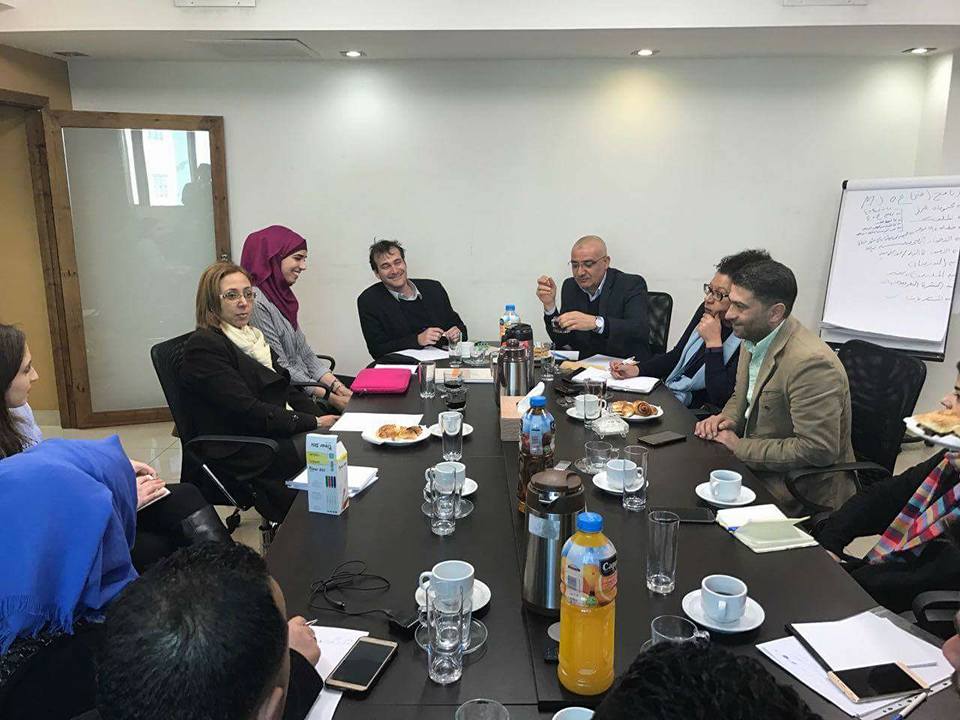
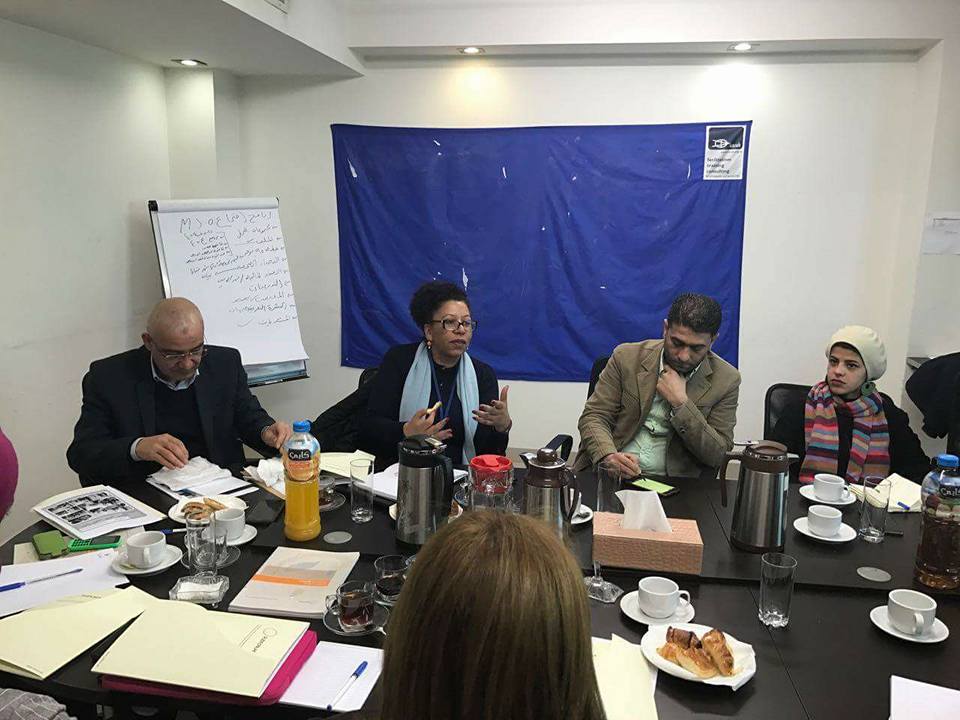
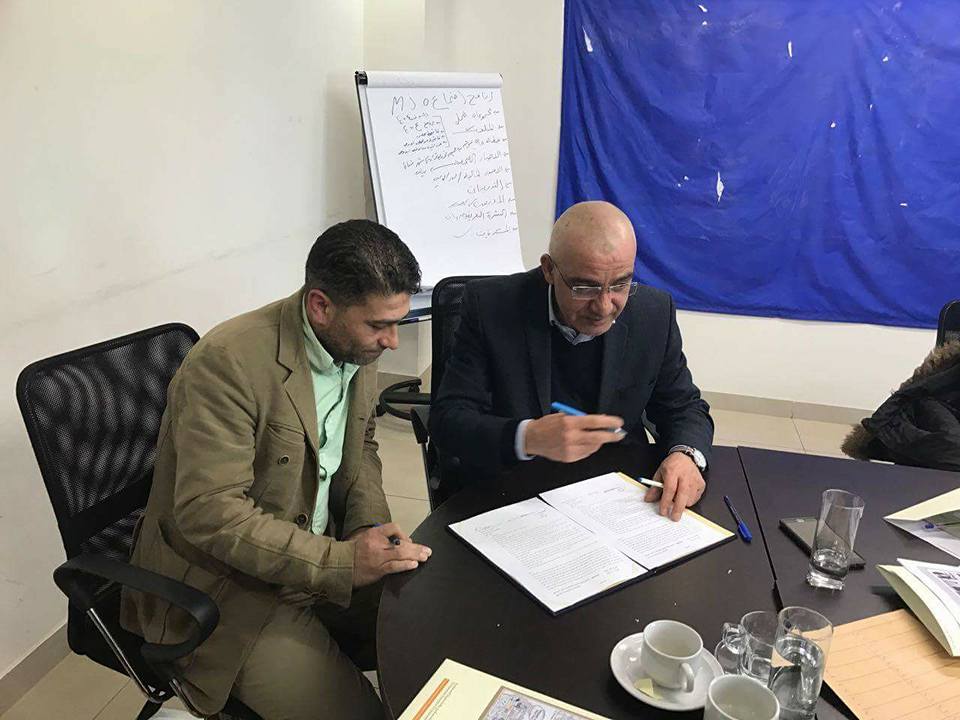
Ramallah — In completion of the communal initiatives currently being implemented in the Gaza governorates, the director of Pal-Think for Strategic Studies, in partnership with the Ibrahim Abu-Lughod Institute of International Studies at Birzeit University, Mr Omar Shaban, signed today in Ramallah, hosted by the Palestinian Institution for Empowerment and Local Development (REFORM), a number of cooperation memoranda with many of the grassroots civil institutions in the West Bank governorates, which submitted initiatives to carry out activities and events at the level of society and in partnership with Palestinian institutions in the Gaza governorates — in a way that strengthens work between the grassroots civil institutions in the Gaza and northern governorates. The signing ceremony was attended by representatives of the United Nations Development Programme (UNDP) and the Representative Office of Switzerland to the National Authority in Ramallah.
Mr Omar Shaban spoke of the programme of strengthening the participation of grassroots civil-work organisations in the homeland's governorates through enabling them to work jointly at the national level to face the repercussions of the division and separation upon the social and national fabric — affirming that the task of achieving national reconciliation must be a national task par excellence, and efforts must be concentrated inside the homeland and among the people and with them.
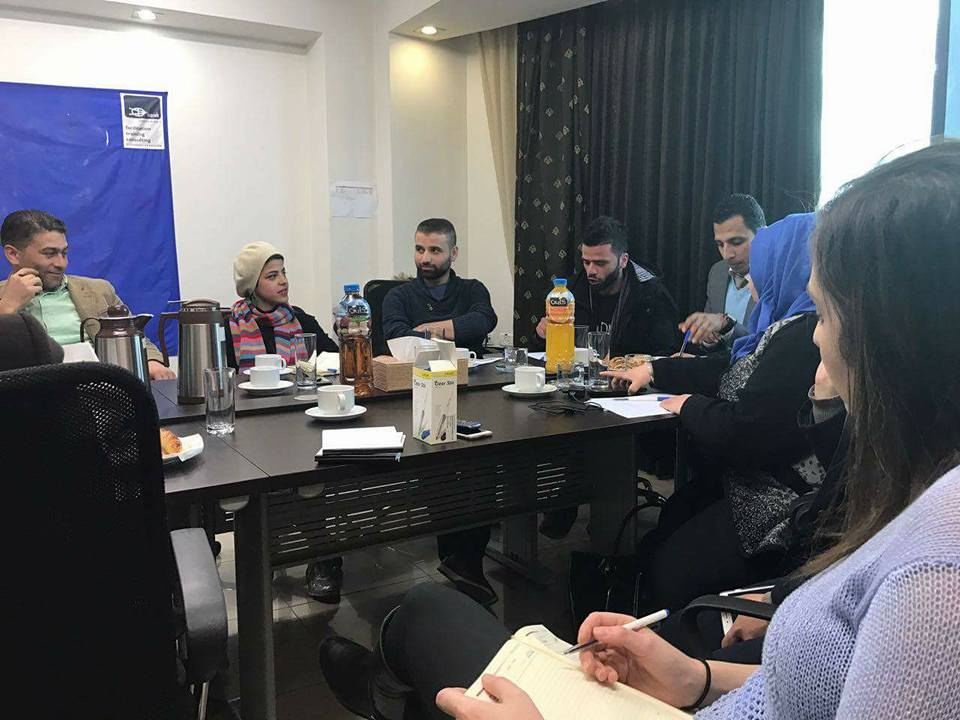
The general director of the Palestinian Institution for Empowerment and Local Development (REFORM), Mr Udai Abu Karsh, likewise spoke of the necessity of ending the division and shedding light on the financial cost upon the Palestinian people in light of the division's continuation and the fraying of the Palestinian social fabric. Taking part in the signing encounter were representatives of the initiatives: A Doll and a Tale, A Cry for the Homeland, the Hebron Debaters Team, Why Reconciliation, The Division — Facts and Losses. The young coordinators of the initiatives reviewed their initiatives and the importance of their implementation, since these initiatives allow the greatest number of Palestinians to take part in the events of the initiatives' implementation — in addition to stirring an internal movement in order to press decision-makers to hasten the completion of national reconciliation and the achievement of popular unity. Worth mentioning is that in the few preceding days a similar expanded encounter was organised through which a number of cooperation memoranda were signed with grassroots institutions in the Gaza governorates.