Conference: «Community issues through the eyes of young researchers»
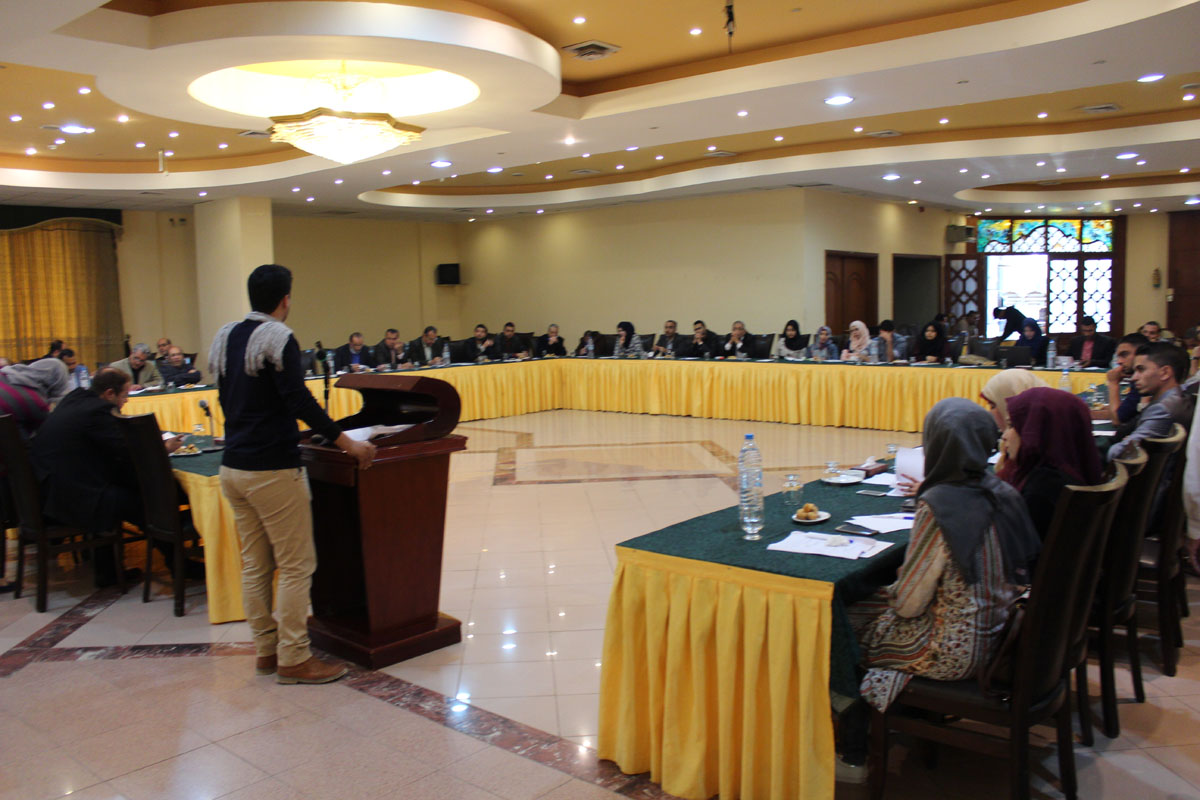
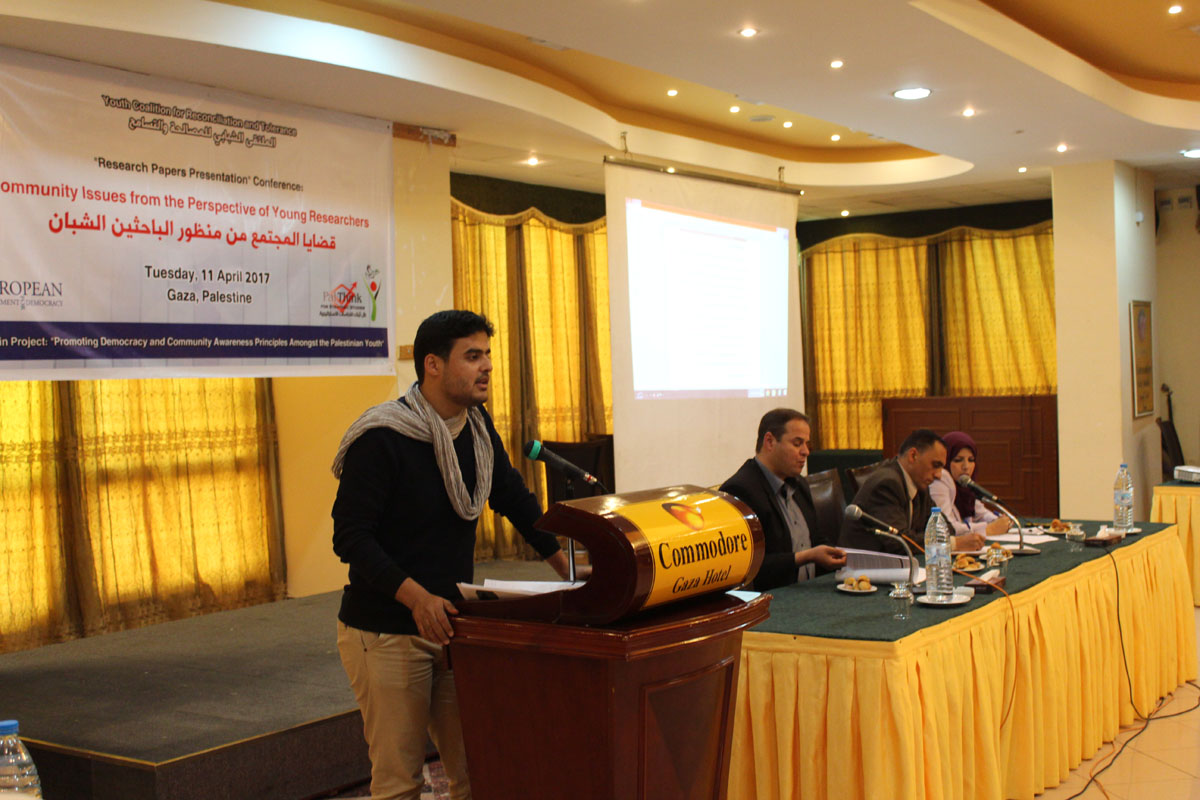
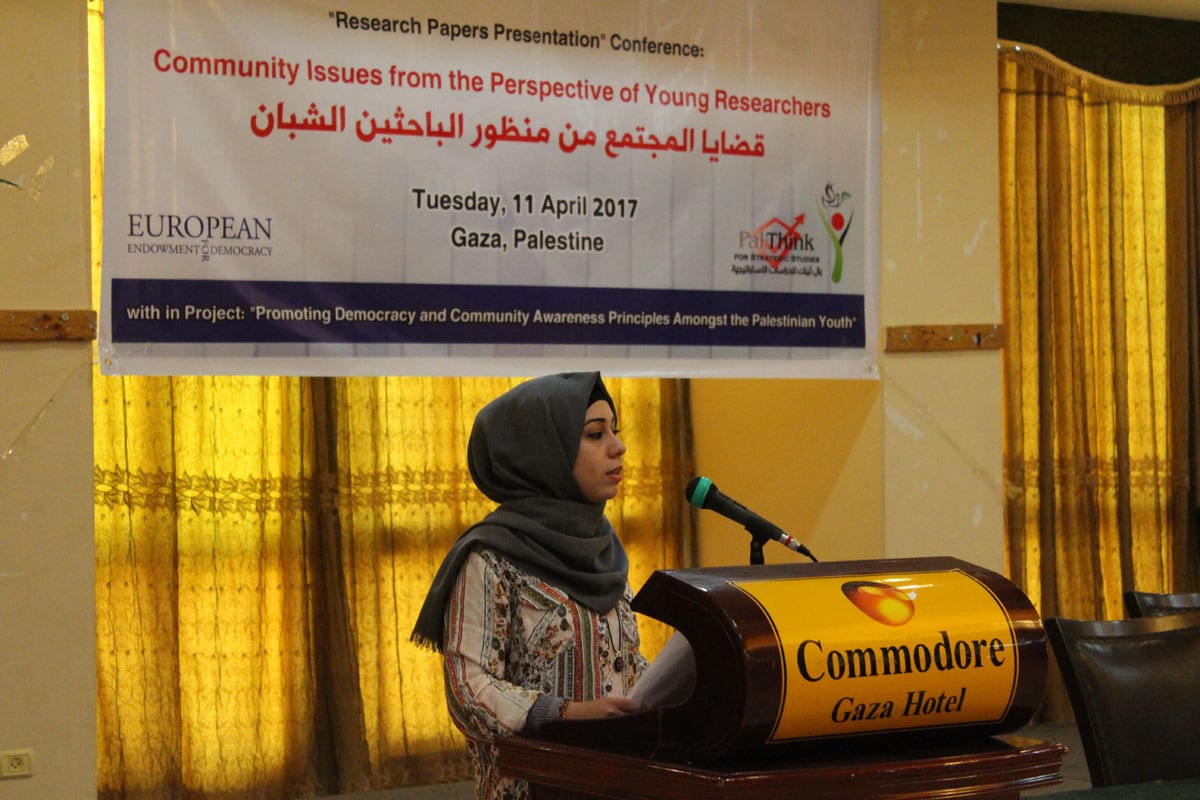
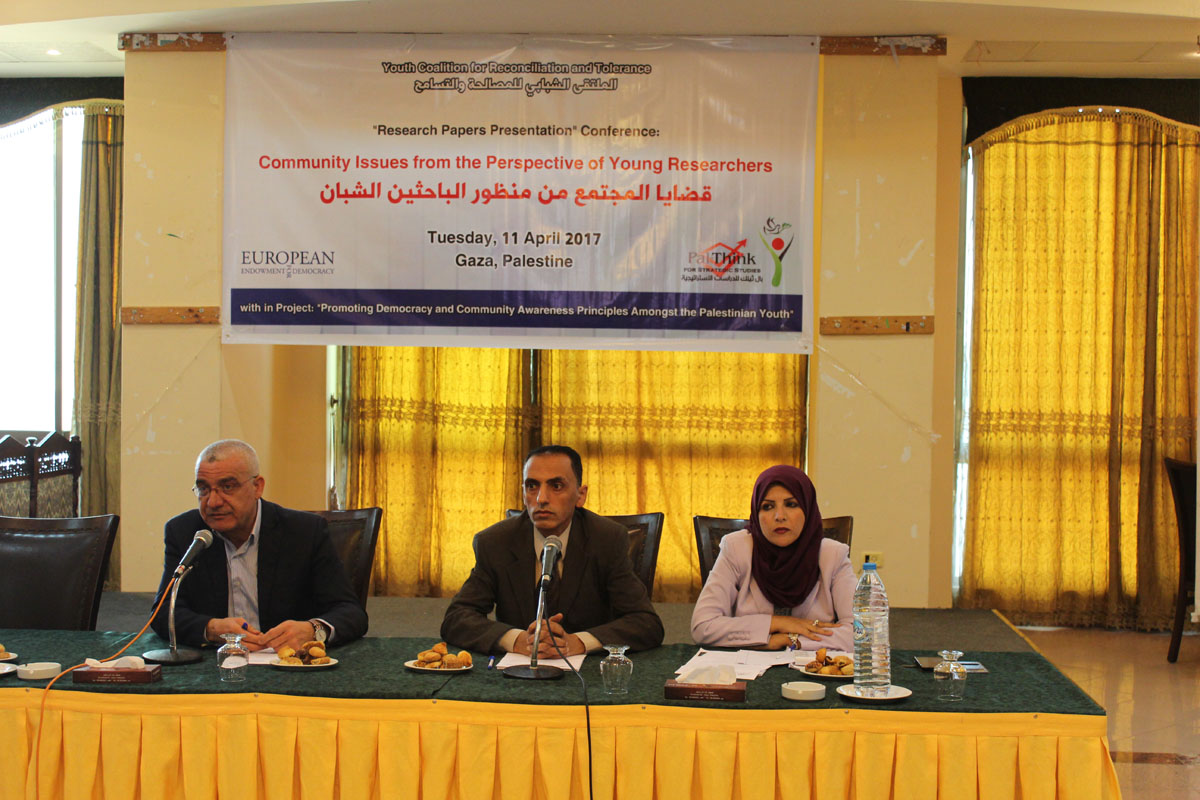
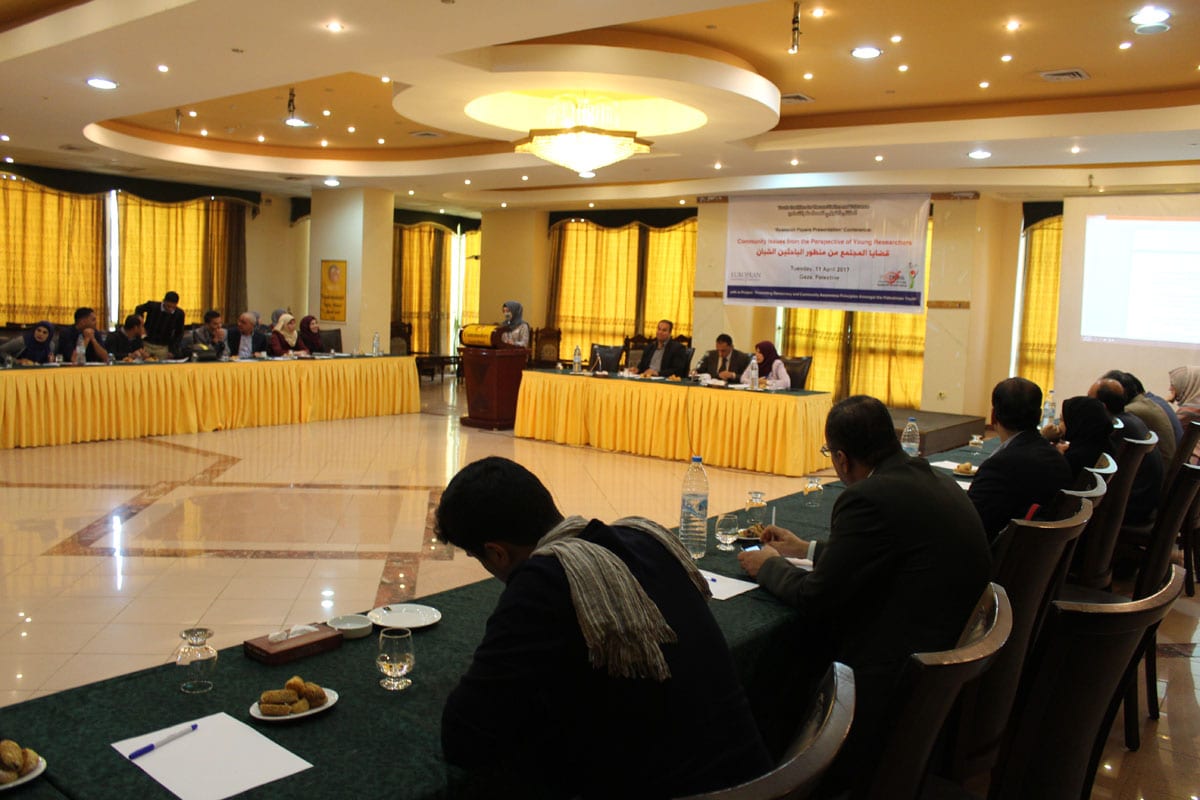
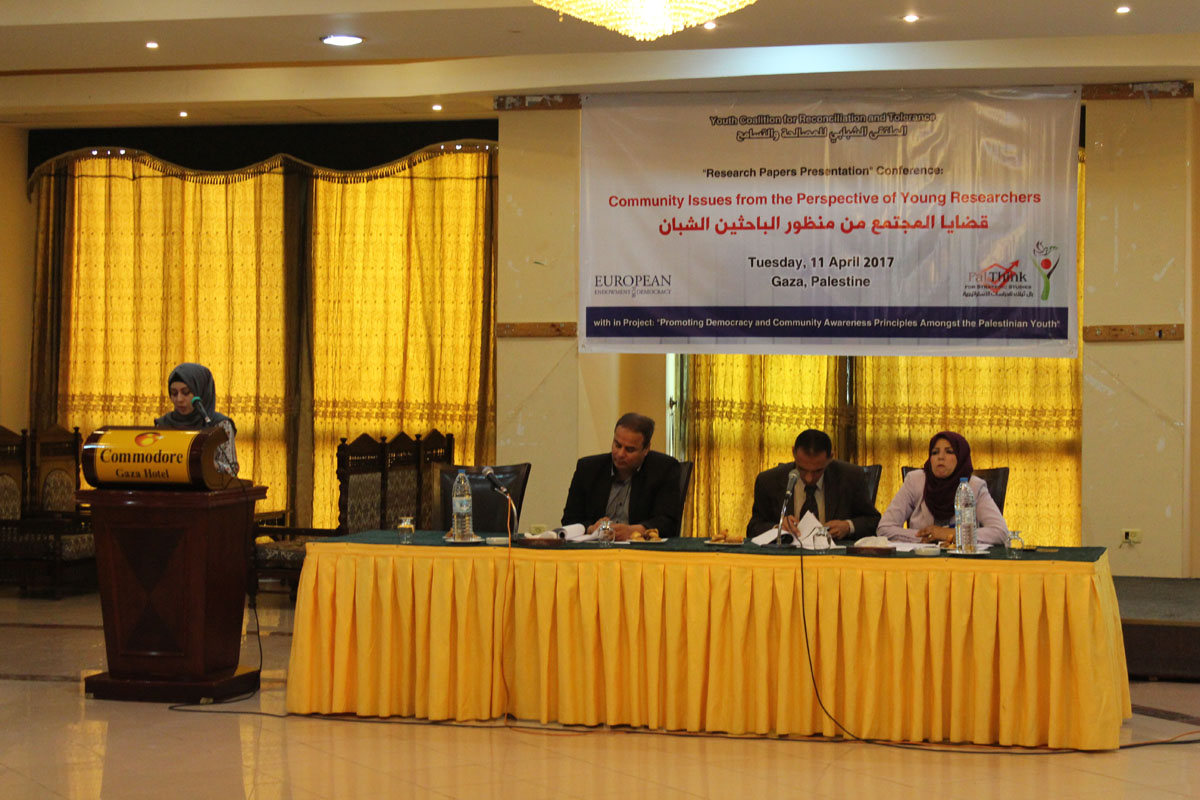
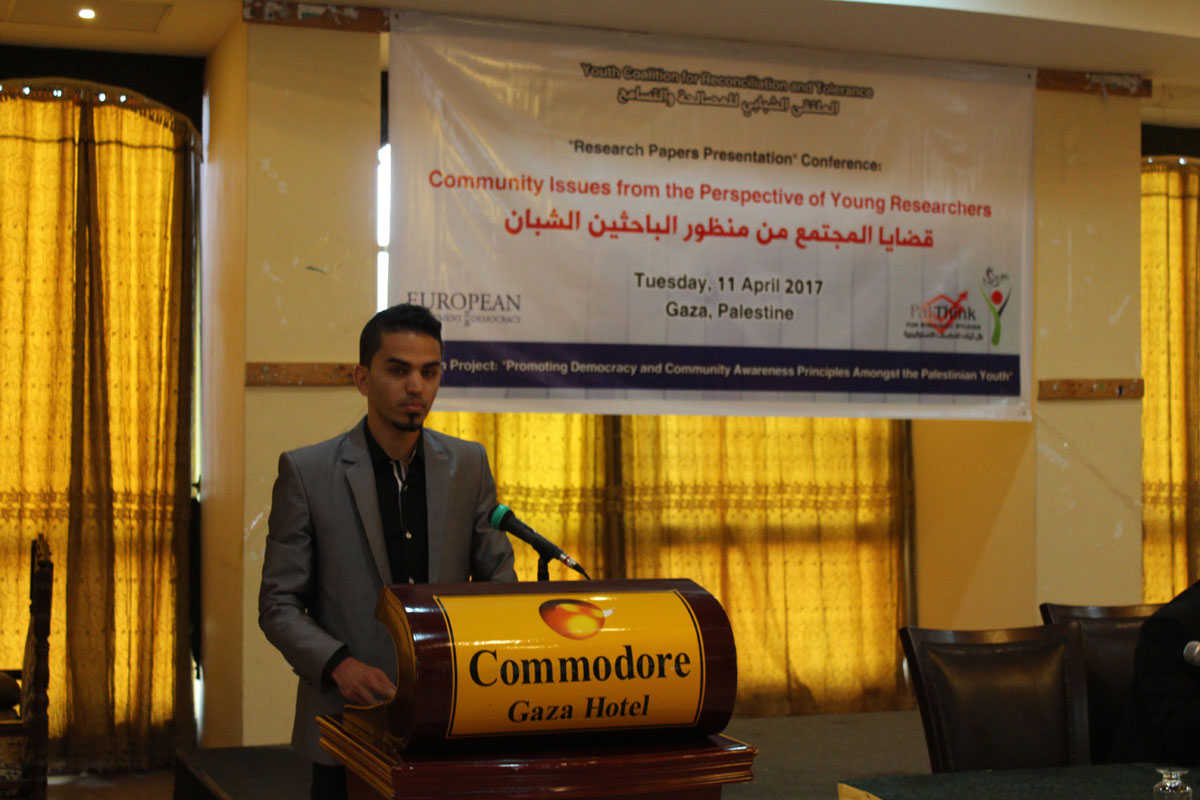
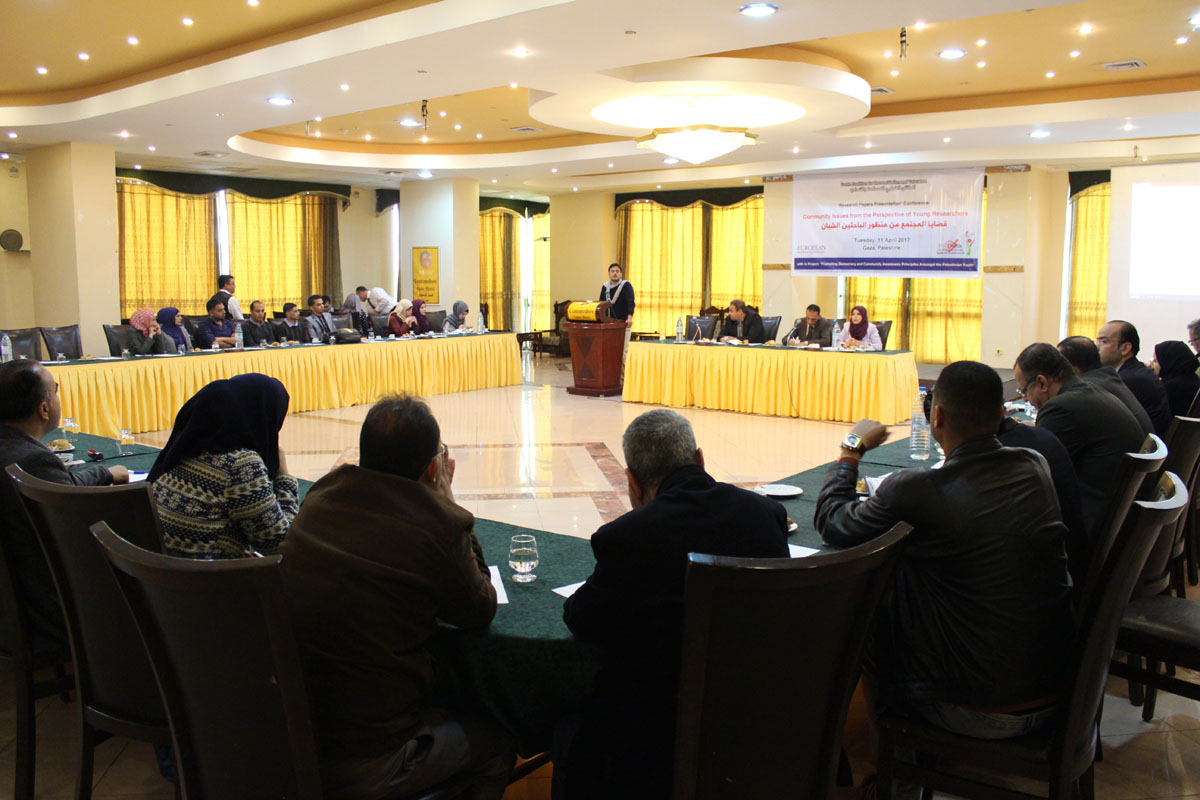
Pal-Think held the conference «Society's issues through the eyes of young researchers» at Gaza's Commodore Hotel, attended by dozens of intellectuals, researchers and university students, opened by director Omar Shaban.
- Author
- The editorial team
- Date
- 2017-04-12
Pal-Think for Strategic Studies organised a conference titled “Society's issues from the perspective of young researchers” in the hall of the Commodore Hotel in Gaza, with the attendance of dozens of intellectuals, researchers, and university students.
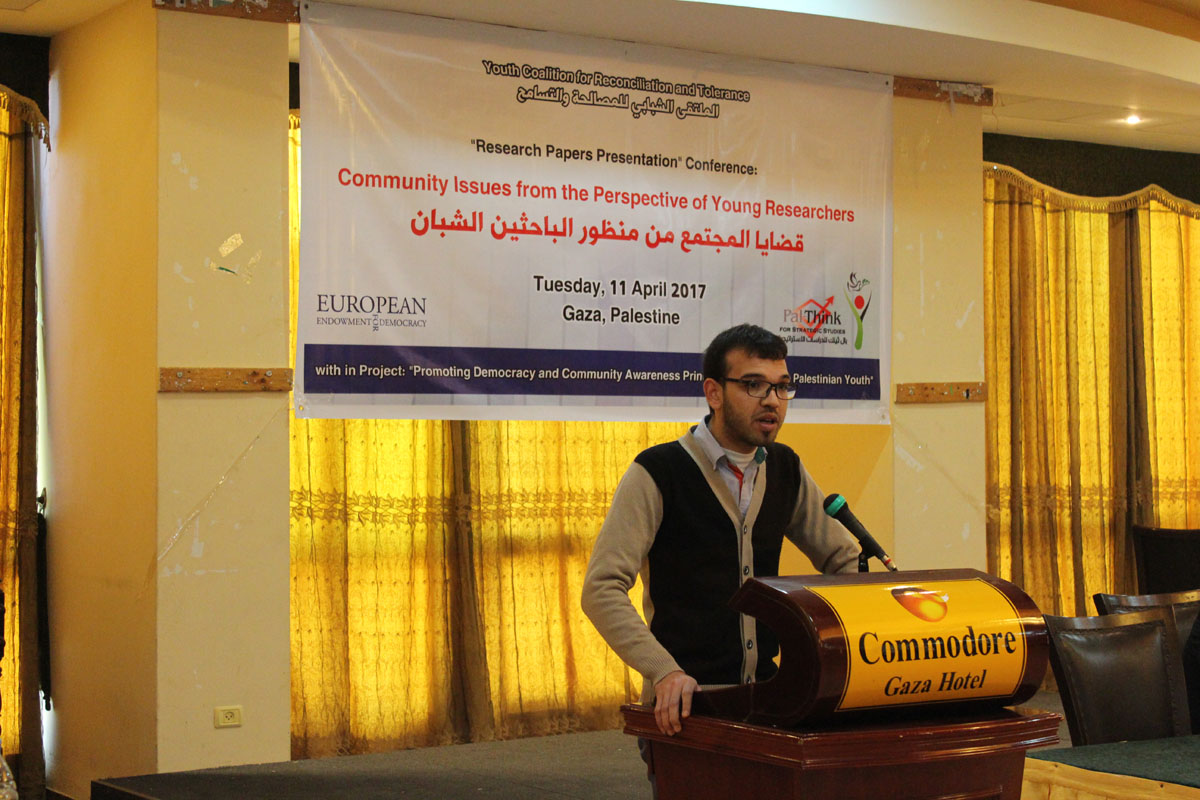
The conference was opened by Mr Omar Shaban, director of Pal-Think for Strategic Studies, who made clear that this conference comes within the frame of the institution's working philosophy, which seeks to develop the skills of scientific research on the issues of Palestinian society and to domesticate the production of knowledge in Palestine; and that the papers put forward in this conference are the product of a youth effort that came following the training and qualification of its participants within the project “Strengthening democracy and the principles of awareness among youth”, funded by the European Endowment for Democracy (EED). Shaban affirmed here the necessity of strengthening youth's role in showing their positions on all the issues that face society, and that decision-makers must listen to youth and take their opinions into consideration — and not the reverse, as is always customary.
For his part, the political researcher Mr Talal Abu Rokba — who had a great role in bringing the research papers out in the correct form — affirmed that this conference came to give the opportunity to Palestinian youth to put forward their opinions and positions on the various issues that face Palestinian society, whether economic, social, or political; affirming that the time has come to move Palestinian youth from the stage of receiving information to producing knowledge — especially in light of the knowledge poverty from which Arab society suffers, with the decline of research support and funding and the weakness of the scientific-research budget in Palestine. He called on the rest of the Palestinian institutions to follow Pal-Think's example in giving young researchers the opportunity to present themselves and put forward their vision and ideas in Palestinian society.
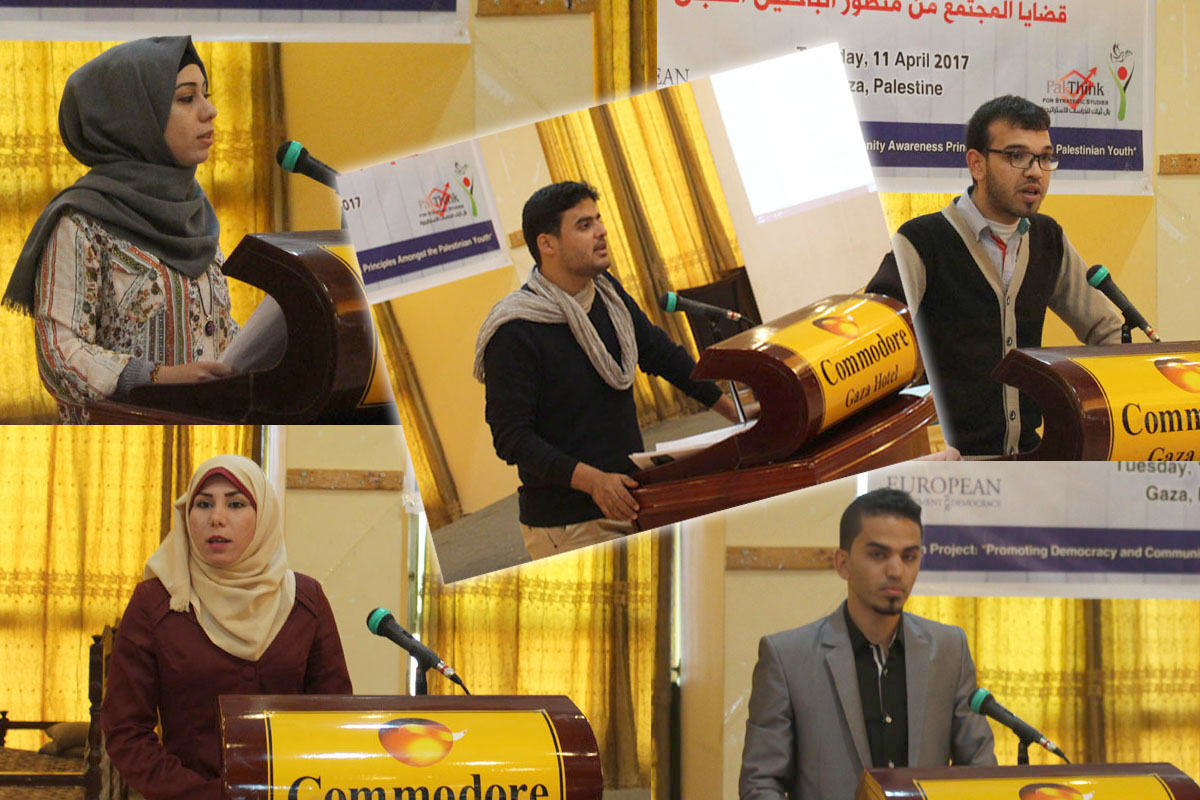
The conference discussed five working papers of the utmost importance:
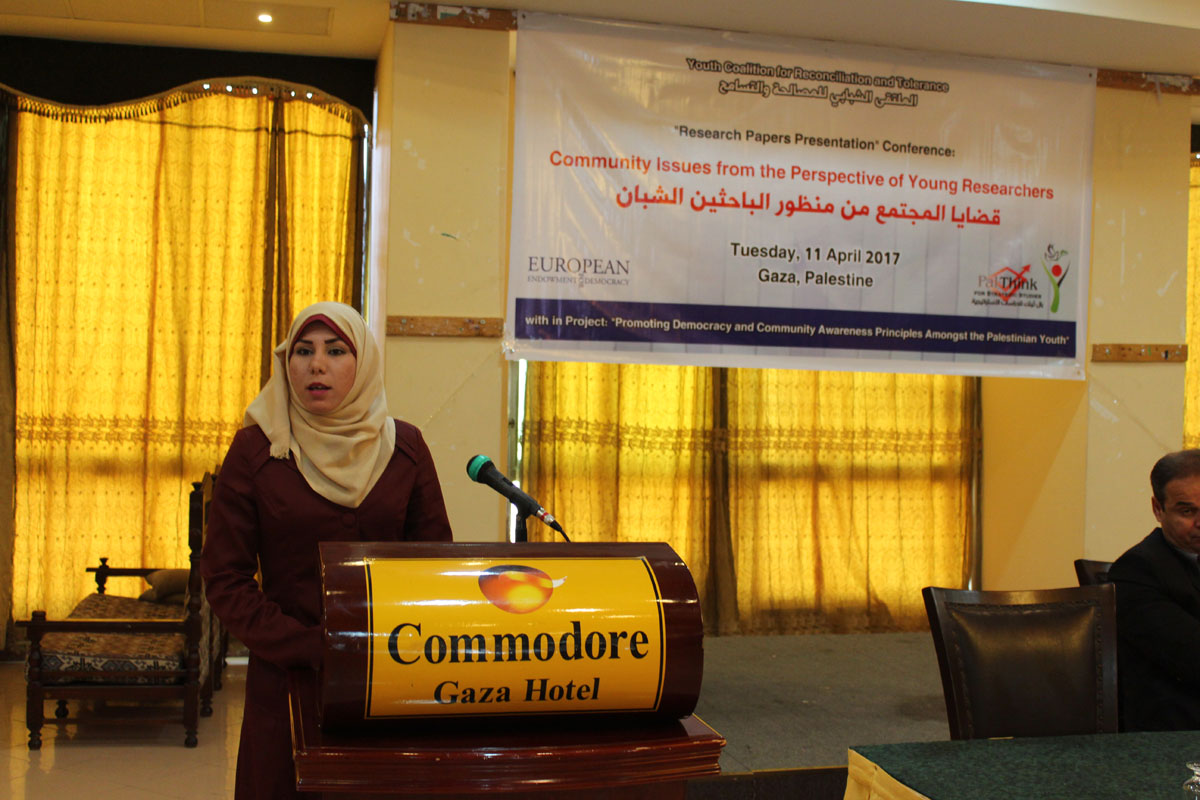
- The first paper took up “The effect of the East Mediterranean gas stock on the Palestinian cause”, prepared by the researcher Sabreen al-Qaisi, a political-science graduate of Al-Azhar University.
- As for the second paper, by the researcher Mohammed al-Farra, a civil-engineering graduate, it took up “Women's political participation: reality and challenges”
- The third paper took up “The role of civil society organisations in achieving communal development”, by the researcher Khaled al-Dawasa, a social-work graduate.
- The fourth paper, by the researcher Taghreed Najm, took up “The reality of persons with disability in Palestine .. horizons and challenges”.
- In the fifth paper, the researcher Ghassan al-Zaanin took up “The repercussions of cancelling the local elections in Palestine”.
The papers were commented on by Dr Abeer Thabet, professor of political science at Al-Azhar University, and Dr Wasim al-Habil, professor of scientific research at the Islamic University — who in turn had trained the youth to produce the research papers throughout the project's period.
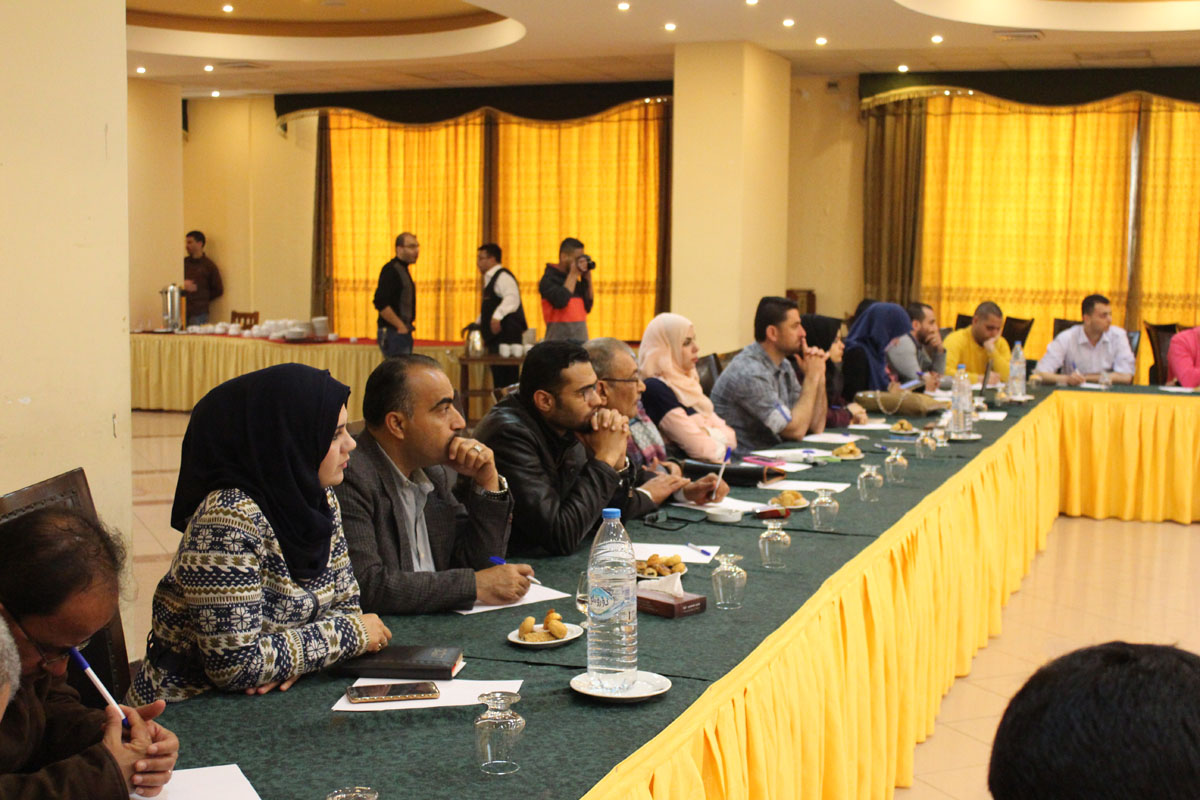
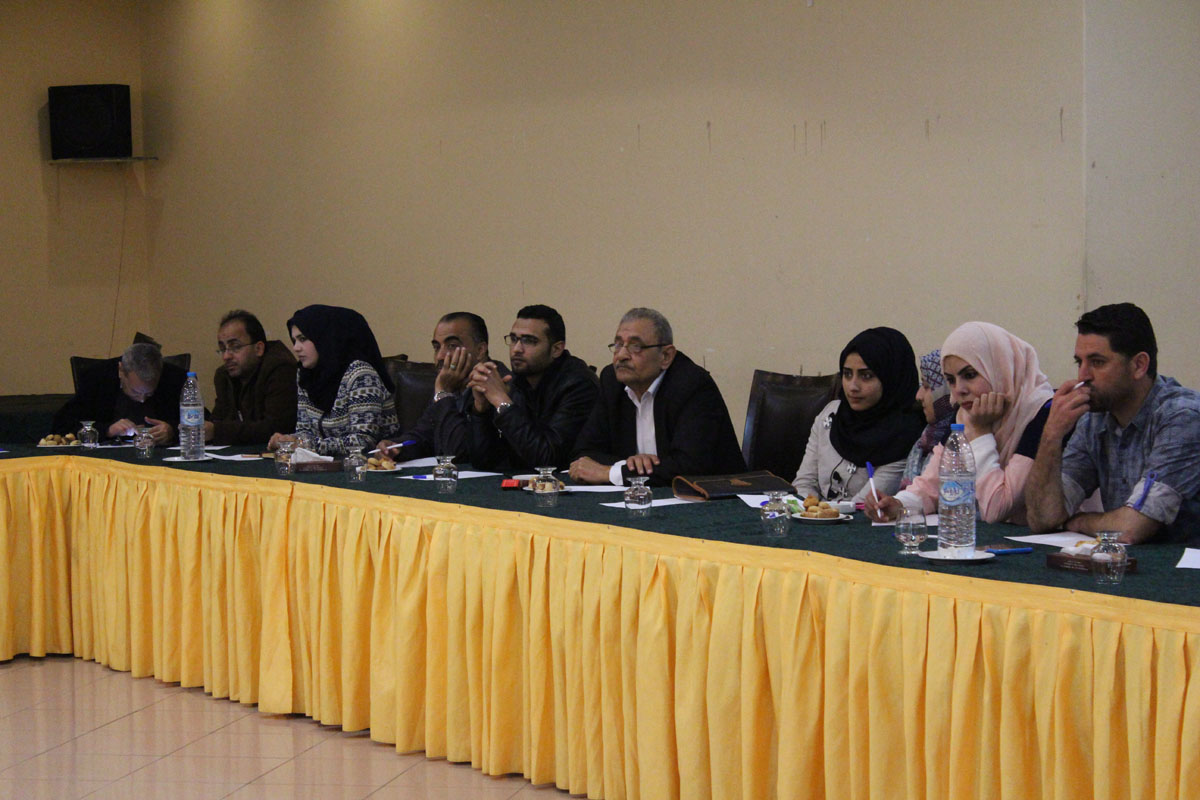
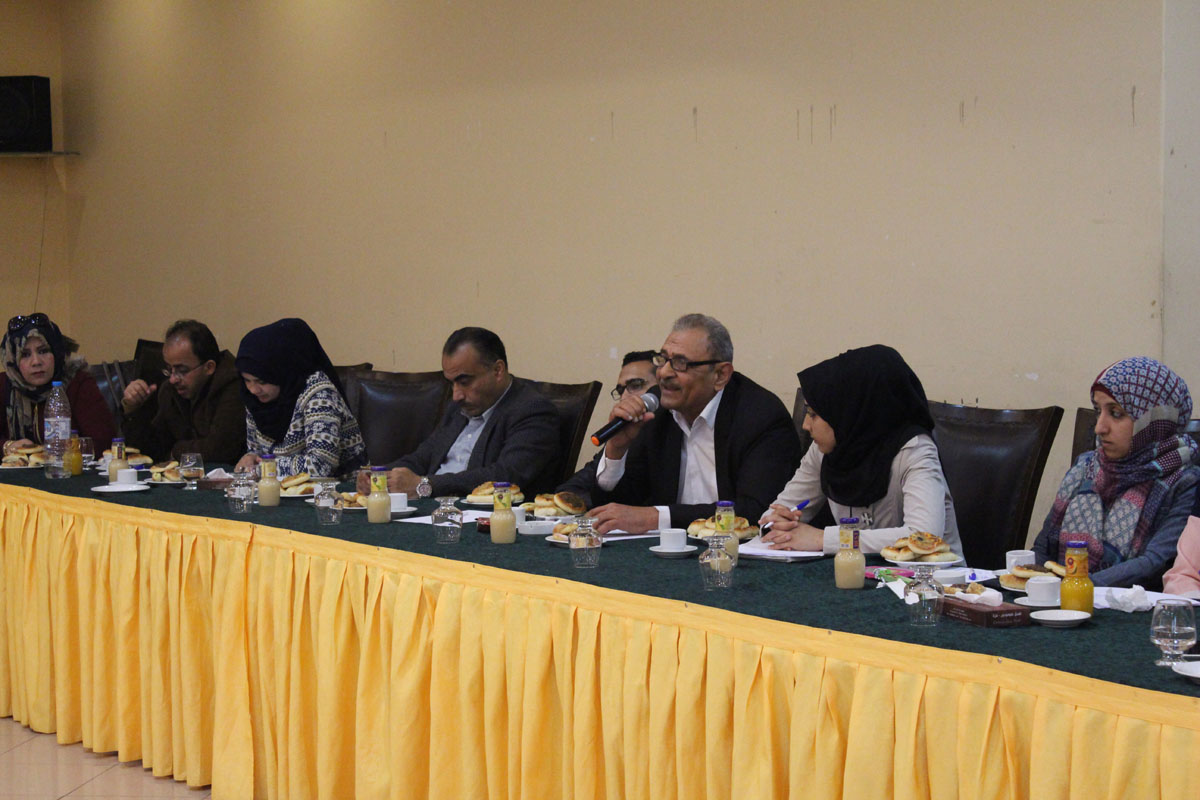
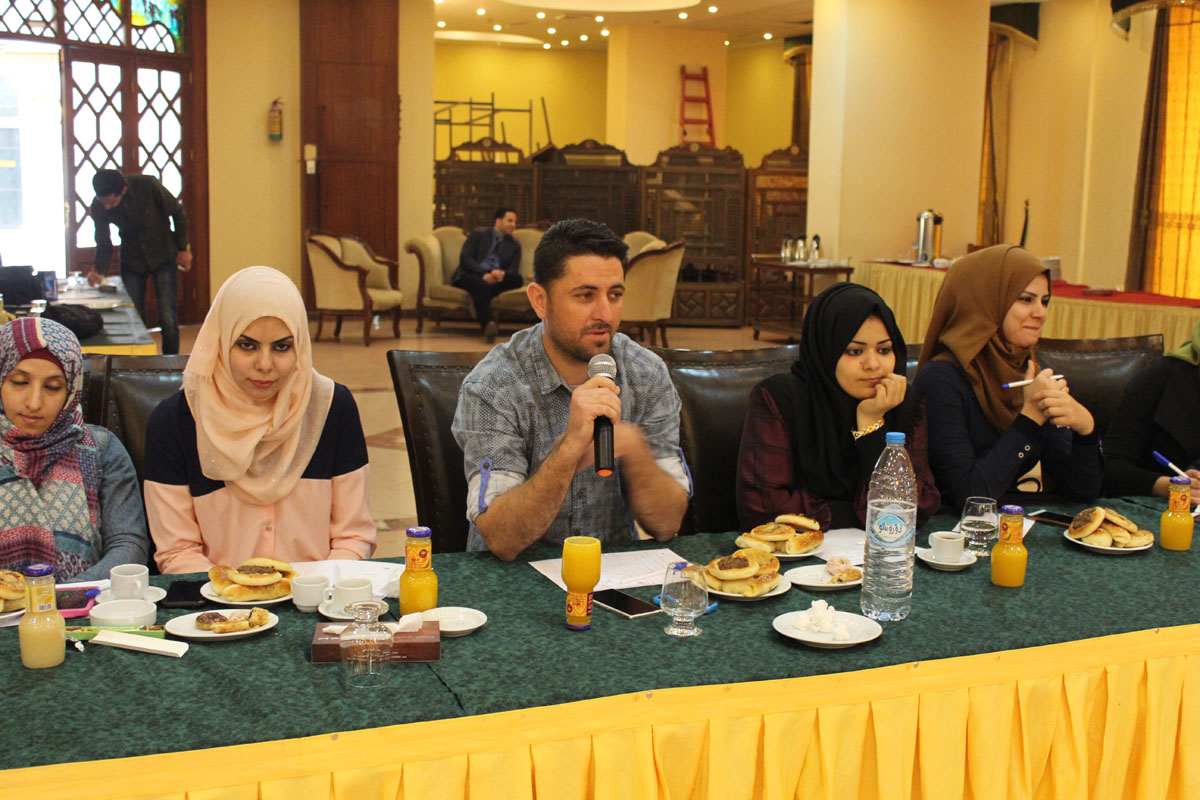
The conference was distinguished by an active participation from the attendees, who praised the research papers, affirming the necessity of strengthening the idea Pal-Think presents, which is counted unique and distinctive — with the demand to strengthen the base of young researchers and follow them up in future, so that we can face the knowledge distortion presented to us in light of the cultural opening and cultural globalisation, in order to be able to protect the Palestinian narrative from distortion; and this will come about only through attention to young researchers and giving them the opportunity and the true role for that.