Workshop: The rise of right-wing parties in Europe and its bearing on the Middle East
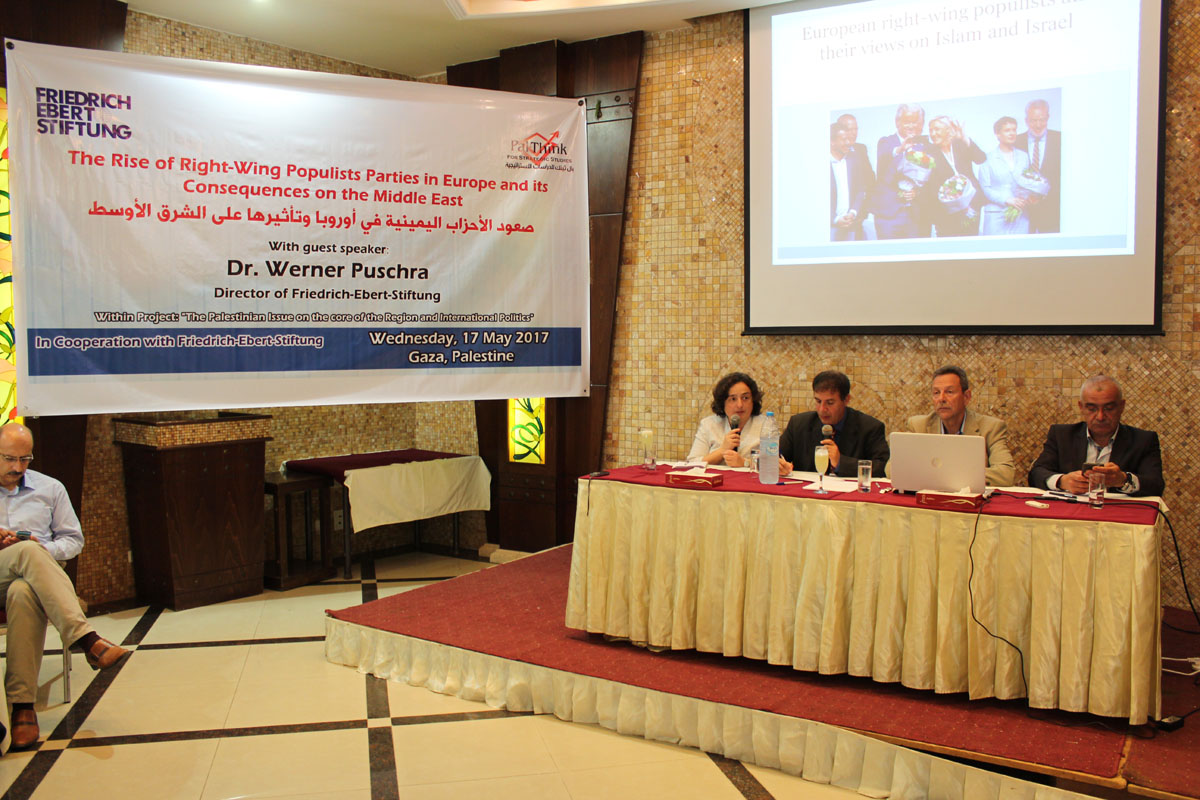
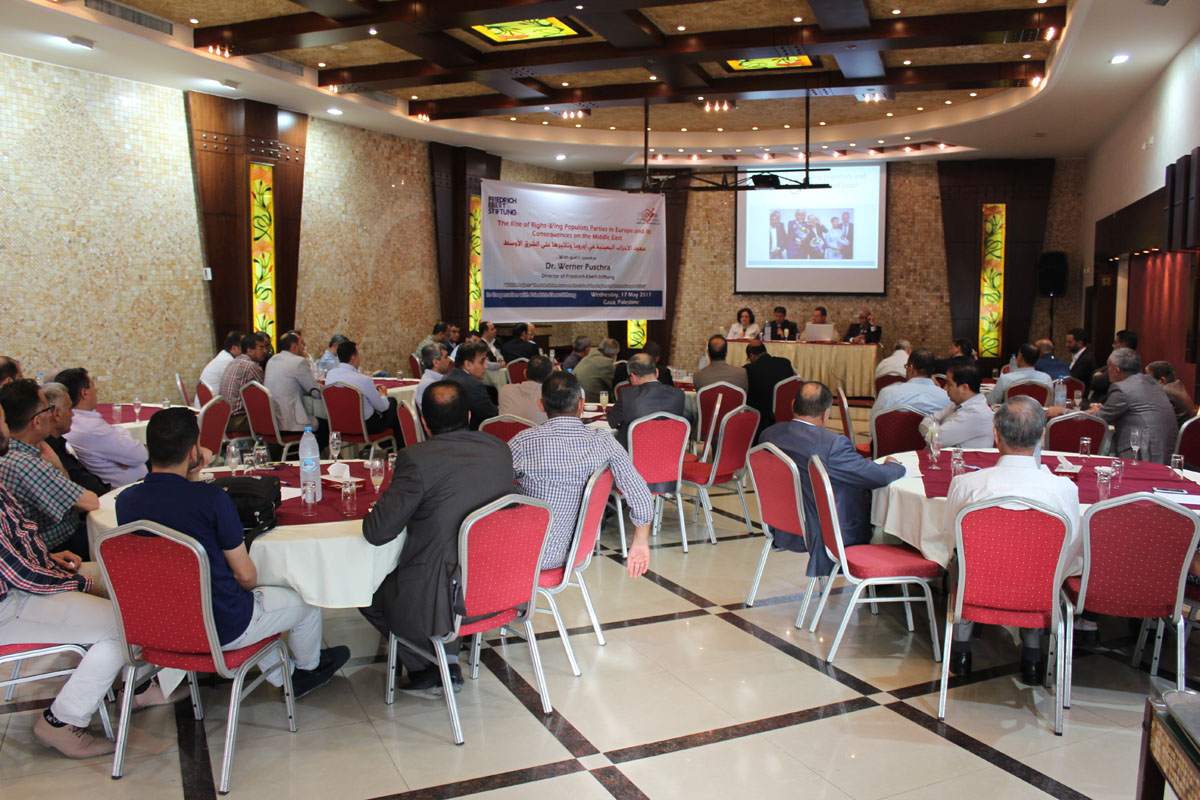
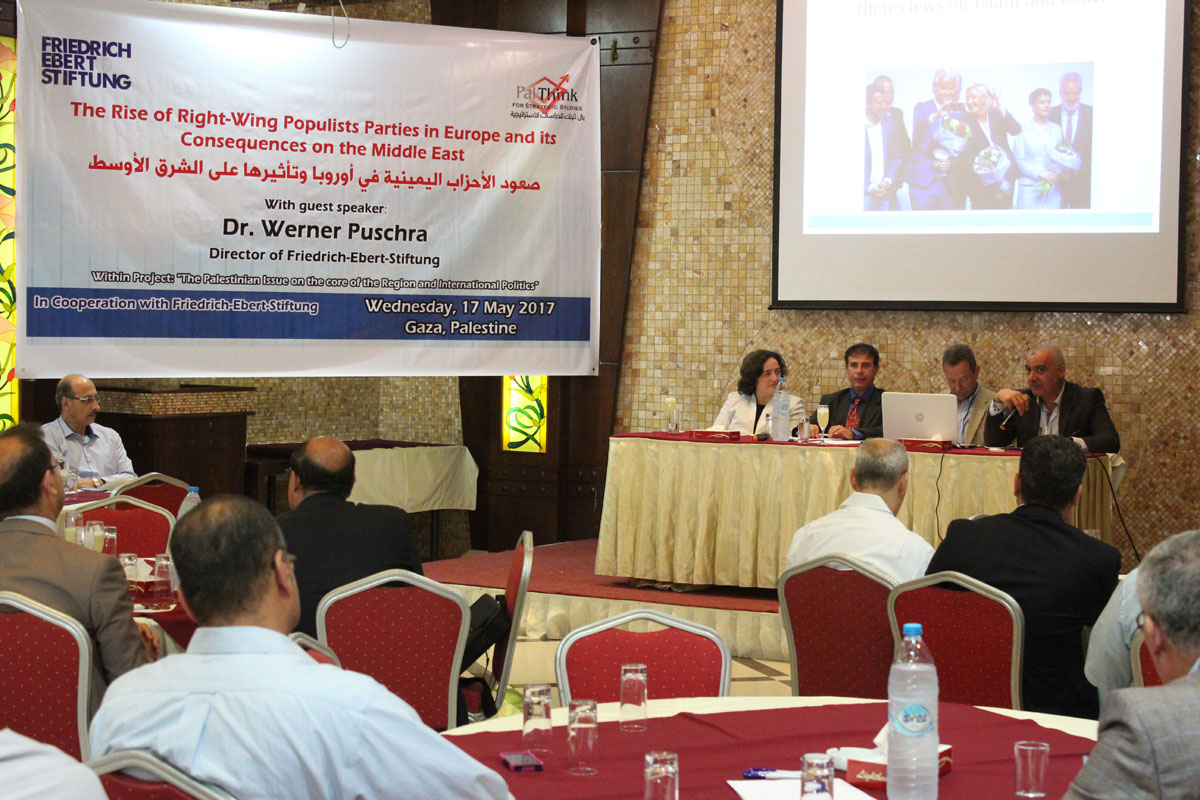
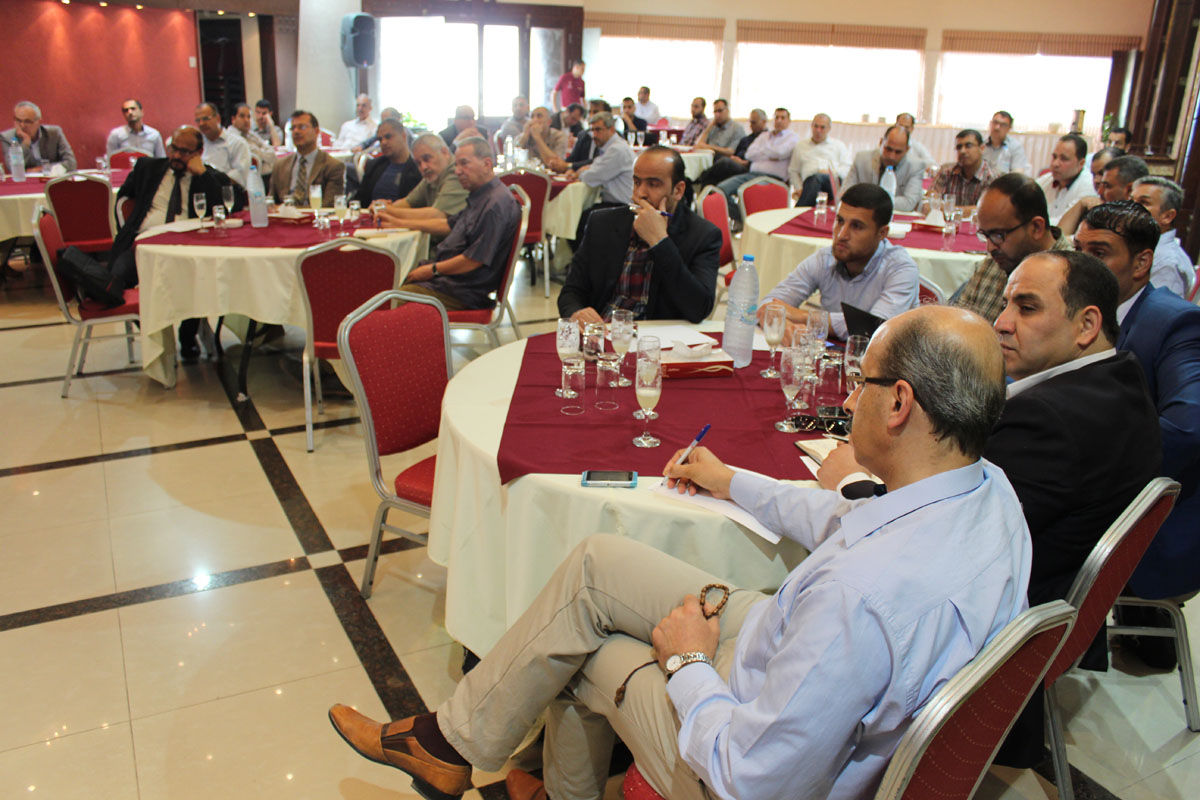
Pal-Think, with the Friedrich Ebert Foundation, held the workshop «The rise of right-wing parties in Europe and its effect on the Middle East» in Gaza, hosting Dr. Werner Puschra, the foundation's director in Israel, with its Jerusalem director Dr. Beyhan Şentürk attending.
- Author
- The editorial team
- Date
- 2017-05-21
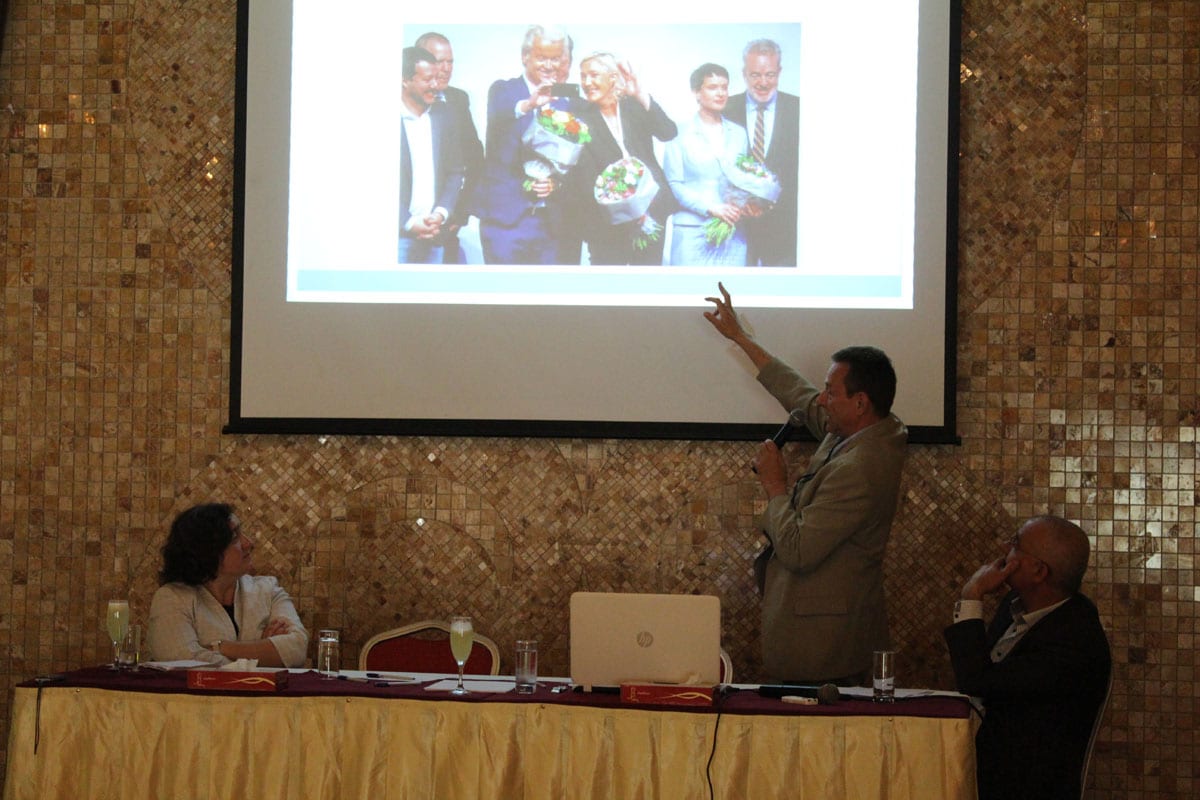
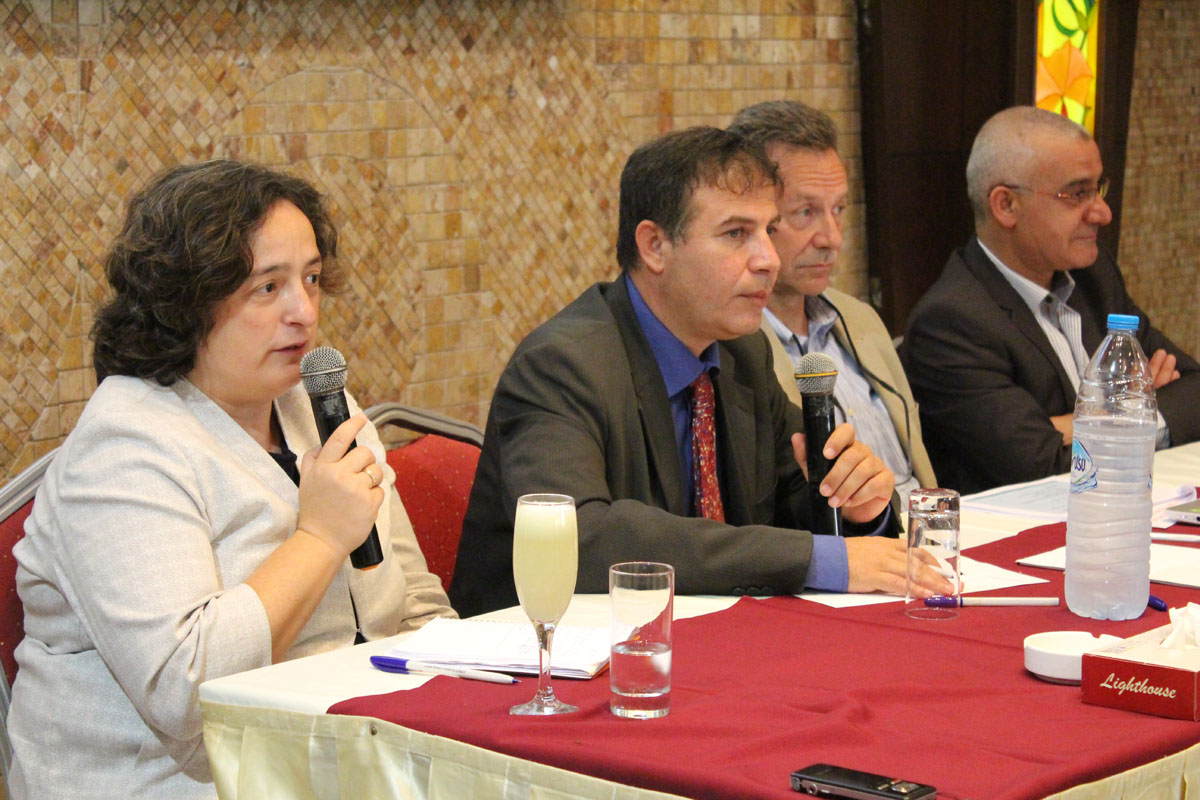
Pal-Think for Strategic Studies, in cooperation with the German Friedrich Ebert Foundation, organised a workshop under the title: The rise of right-wing parties in Europe and their effect on the Middle East, in Gaza City, which hosted Dr Werner Puschra, director of the German Friedrich Ebert Foundation in Israel, with the attendance of the foundation's director in Jerusalem Dr Beyhan Şentürk and its representative in Gaza Dr Usama Antar. The discussion was moderated by the director of Pal-Think for Strategic Studies, Omar Shaban, who presented a translation of the most important of what the guest said.
Dr Werner Puschra said that “the right-wing parties continue their rise in Europe as a result of fears of economic retreat after the great waves of migration and the inequality of capacities among the states of the European Union.”
Puschra made clear that the positions of the European right-wing parties are wavering toward Israel, which they court in order to reach the voters' ballots, and consider a democratic model for dealing with the Arabs and Muslims — but they all agree on their hostility to Islam and Muslims.
Puschra distinguished between two kinds of right-wing parties in Europe: a populist right that believes in joint collective action, does not aim to bring down the state, and carries grassroots popular demands that back the majority and demand limiting the presence and rights of minorities — and exploits these demands to reach power; whereas the extreme right leans toward individualism and is more hardline toward the state and the issues of unity and migration, and rejects the values of pluralism and cultural diversity, but it has lesser chances than the populist right-wing parties. He made clear that the right-wing parties are more racist in favour of the blond European and exclude others, considering the European race higher than the rest of human beings
He traced the causes of the rise of the right-wing parties back to the economic retreat and the growing rates of unemployment resulting from the unprecedented waves of migration after the events of the Middle East — especially in Syria, Iraq, and Libya, and the totality of the countries that underwent the events of the Arab Spring — which increased the Europeans' fears and their growing anxiety.
He explained with figures that the right-wing parties are growing in all the distant states of Europe, but they are not noticed as is the case in France, Germany, and the Netherlands — because of their distance from the Middle East, and also because they are not counted among the central states in international influence.
Puschra revealed that the Greek crisis showed the weakness of the feeling of solidarity among the states of the European Union and the absence of emotional, felt unity — especially after the rich and productive states refused to help it: it is not right for the states that work to present help to those that do not work.
He set out that the populist right-wing parties benefited from social media and the modern media in reaching citizens and influencing them, and in attacking the traditional parties, which appeared in a defensive position, ineffective in the use of the modern means of communication.
Puschra described the right-wing parties' relationship as unclear toward Israel, considering it falls within the other (the non-European); and the wavering of the relationship shows plainly in the matter of antisemitism, as happened in the incident of preventing the German deputy president from delivering a speech in Israel on the charge of antisemitism, or the expulsion of Jean-Marie Le Pen, father of the French candidate Marine Le Pen, from the party after the repetition of his sharp, racist, antisemitic declarations.
He noted the improvement of the relationship between Israel and the Netherlands after the entry of the head of the Yisrael Beiteinu party Avigdor Lieberman, who received the head of the Dutch Party for Freedom Geert Wilders in an official capacity in Israel.
Puschra affirmed that the European peoples reject the phenomenon of the rise of the right, and the citizens in Austria expressed that when they went out in demonstrations to bring down a right-wing government — noting that the communal incubator of the right-wing parties has grown as a result of the fear of economic crises, the increase of migration rates, the rise of unemployment rates, and the apprehension over the dissolving of the European element among the migrants.
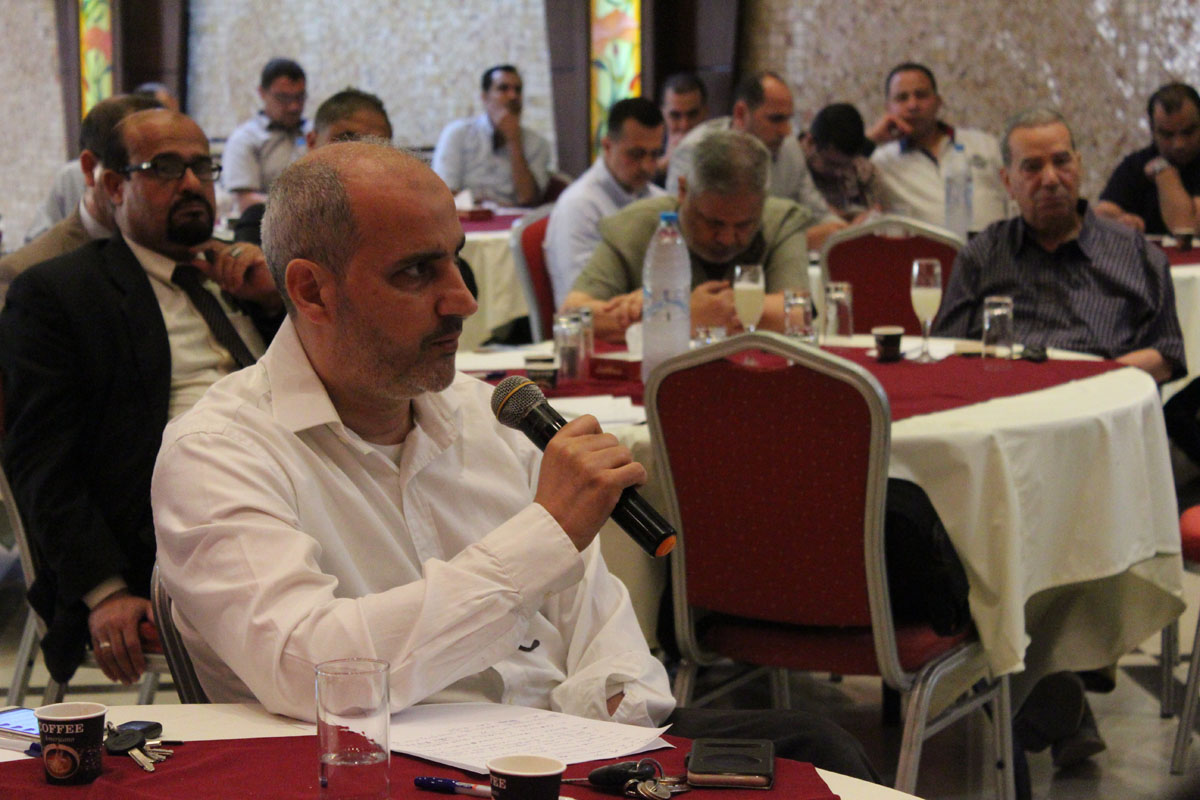
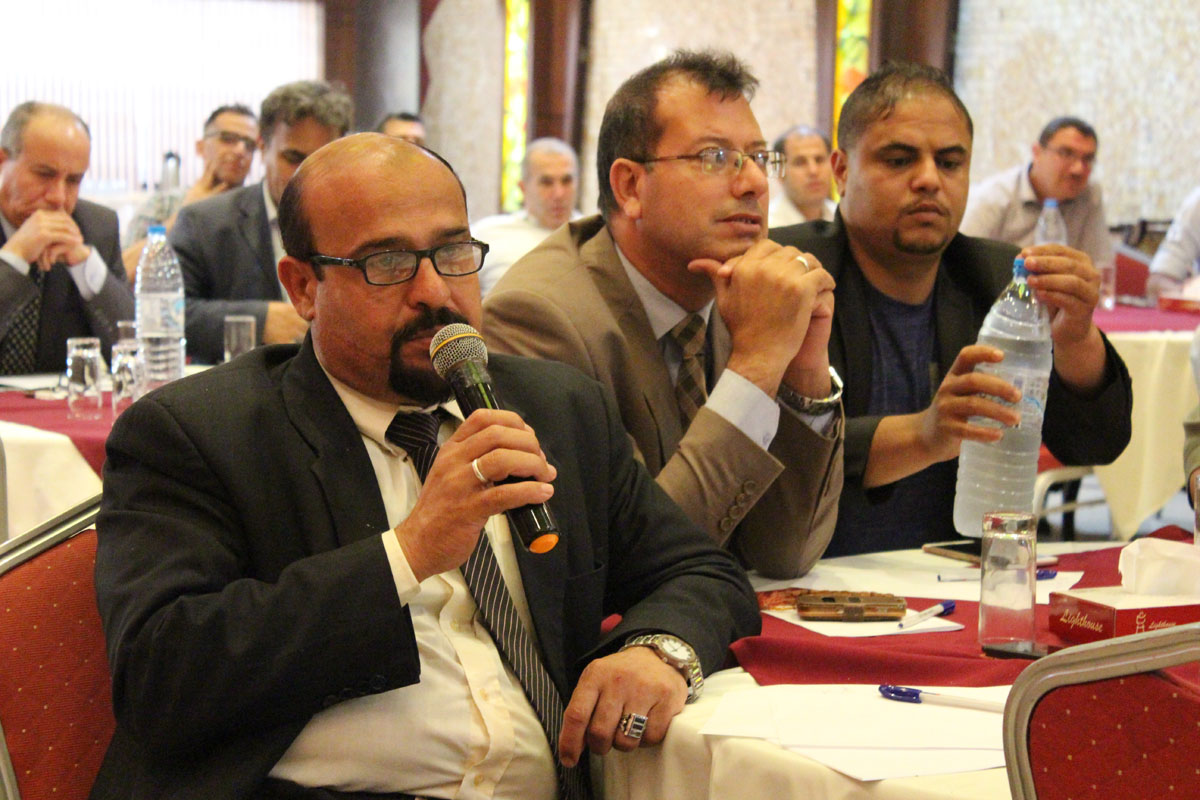
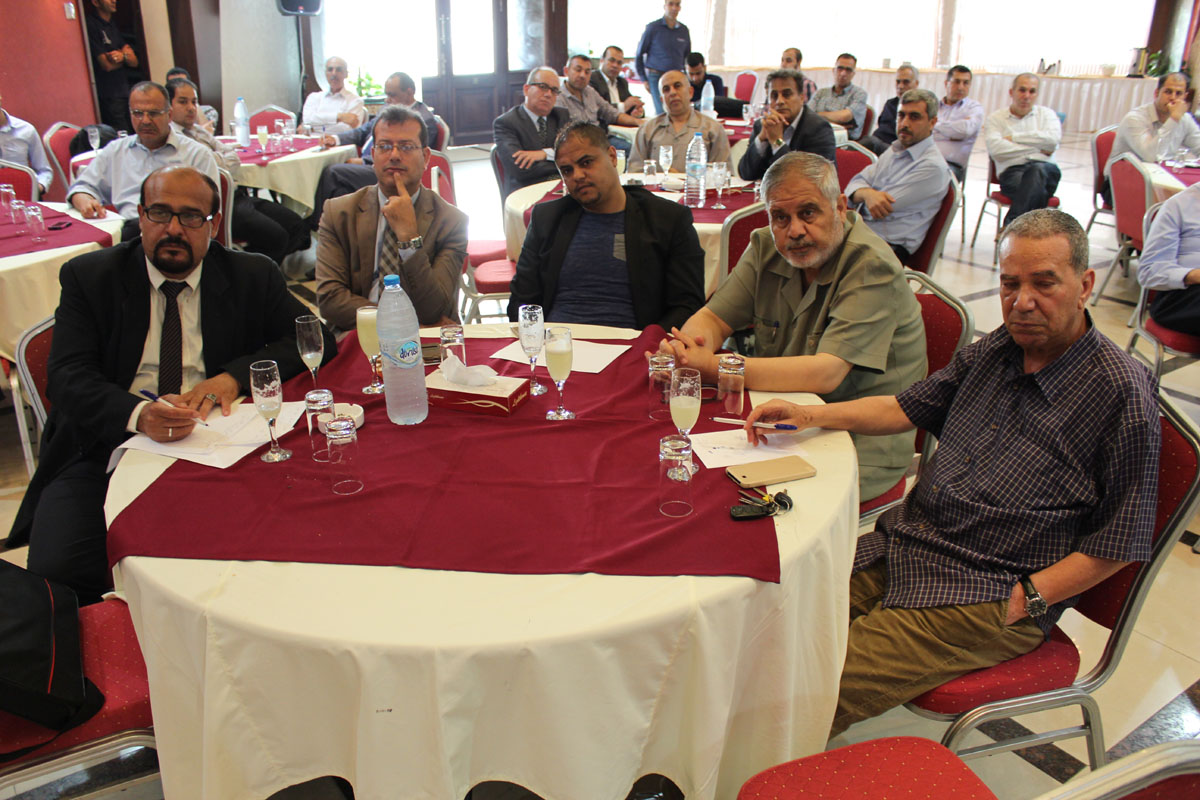
The attendees engaged with the guest Puschra — who had occupied the post of head of the foundation's division in South Africa, America, and Egypt, and now directs the foundation's branch in Tel Aviv — and the attendees took part with a number of questions on the rise of the right-wing parties and their positions in Europe, guided by the results of the elections, the opinion polls, and the important declarations of some leaders of the right-wing parties.