Counsellor Hadi Shibli: Europe's waning attention to Palestine traces to European events, the Arab Spring and the division
Counsellor Hadi Shibli, EU-file officer at Palestine's mission to the EU, Belgium and Luxembourg, attributed the decline in official European attention to the Palestinian question to the Arab Spring and the continuing internal division — a decline popular and civil-society efforts have resisted.
- Author
- The editorial team
- Date
- 2017-06-15
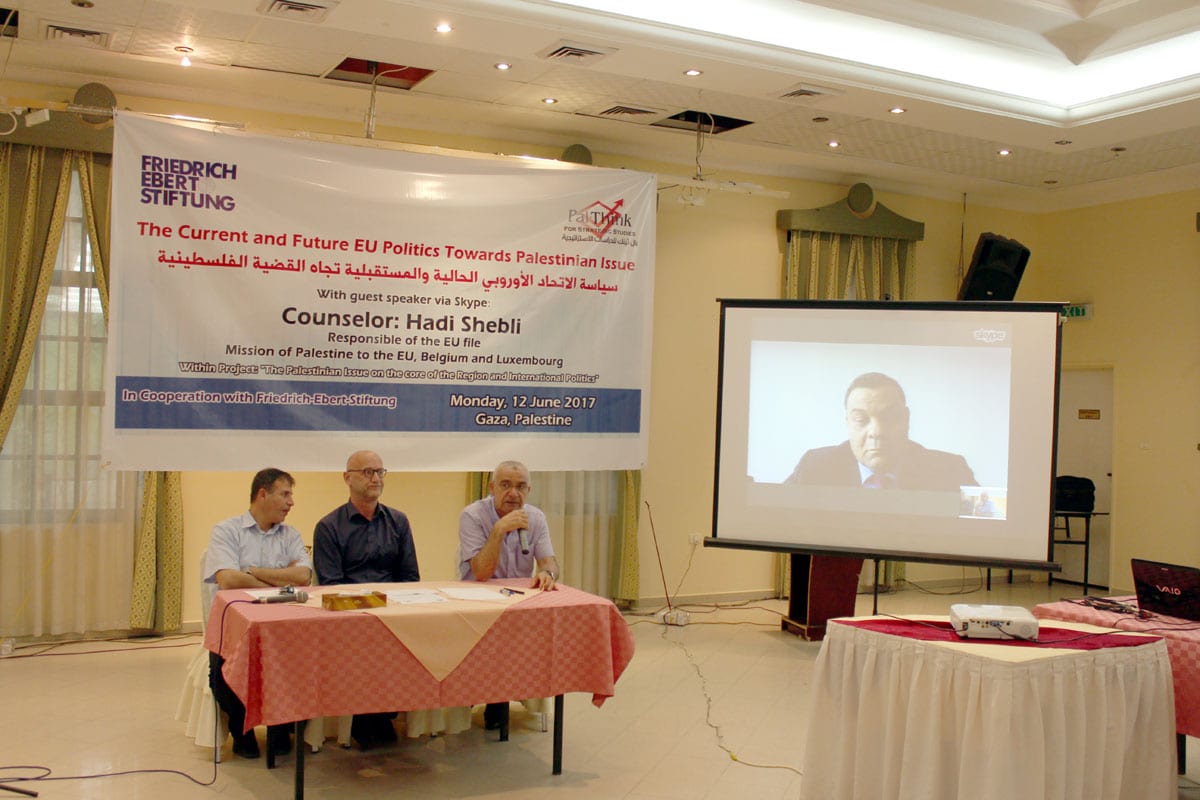
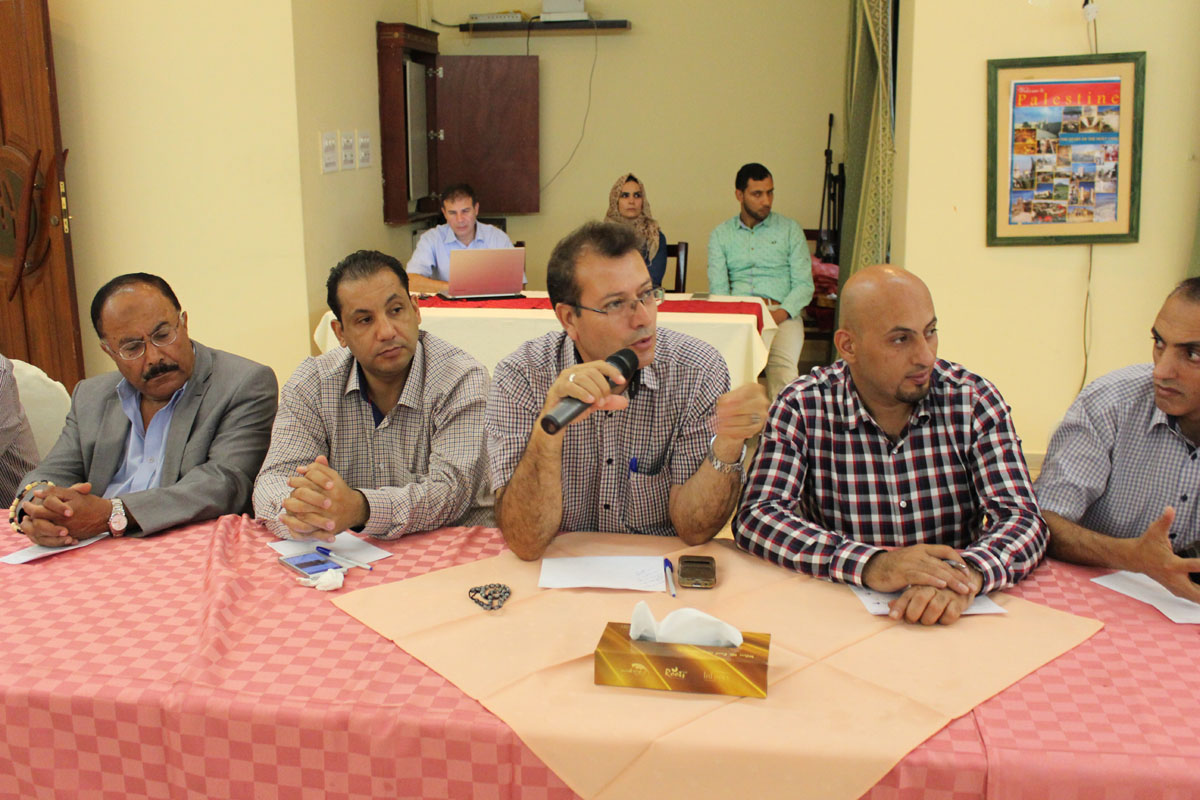
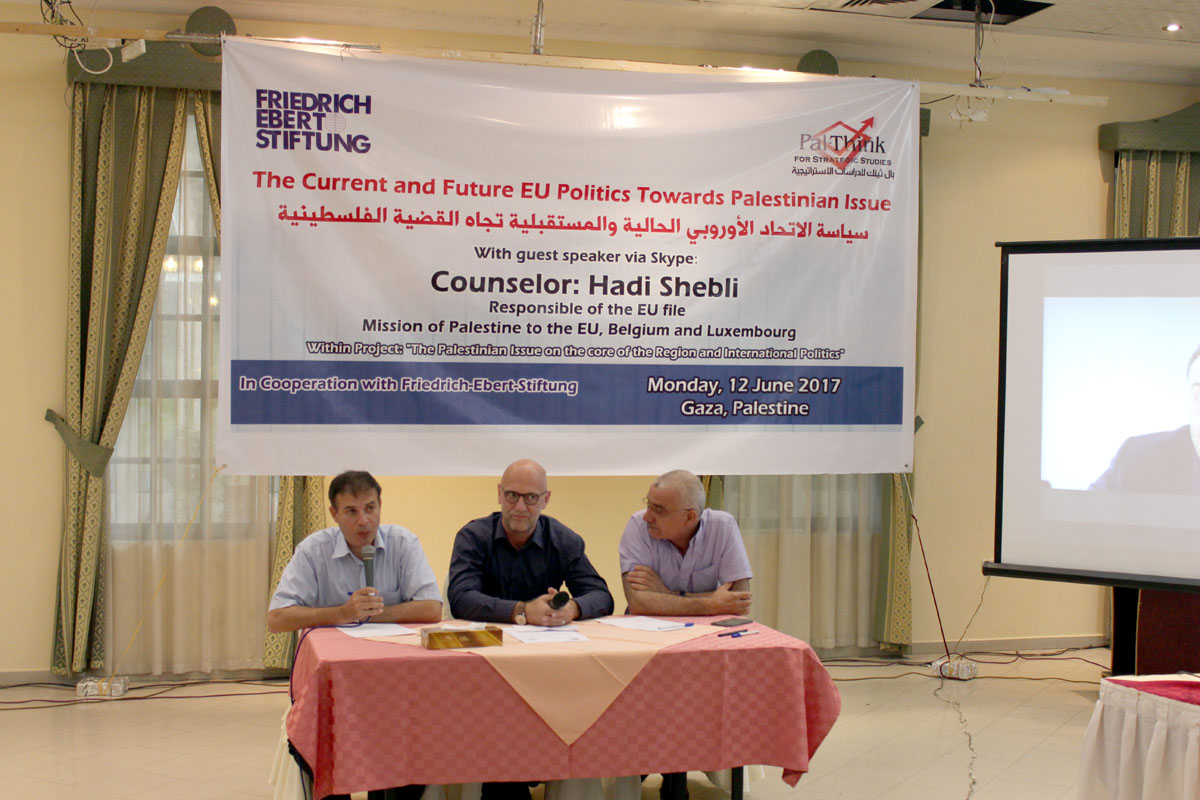
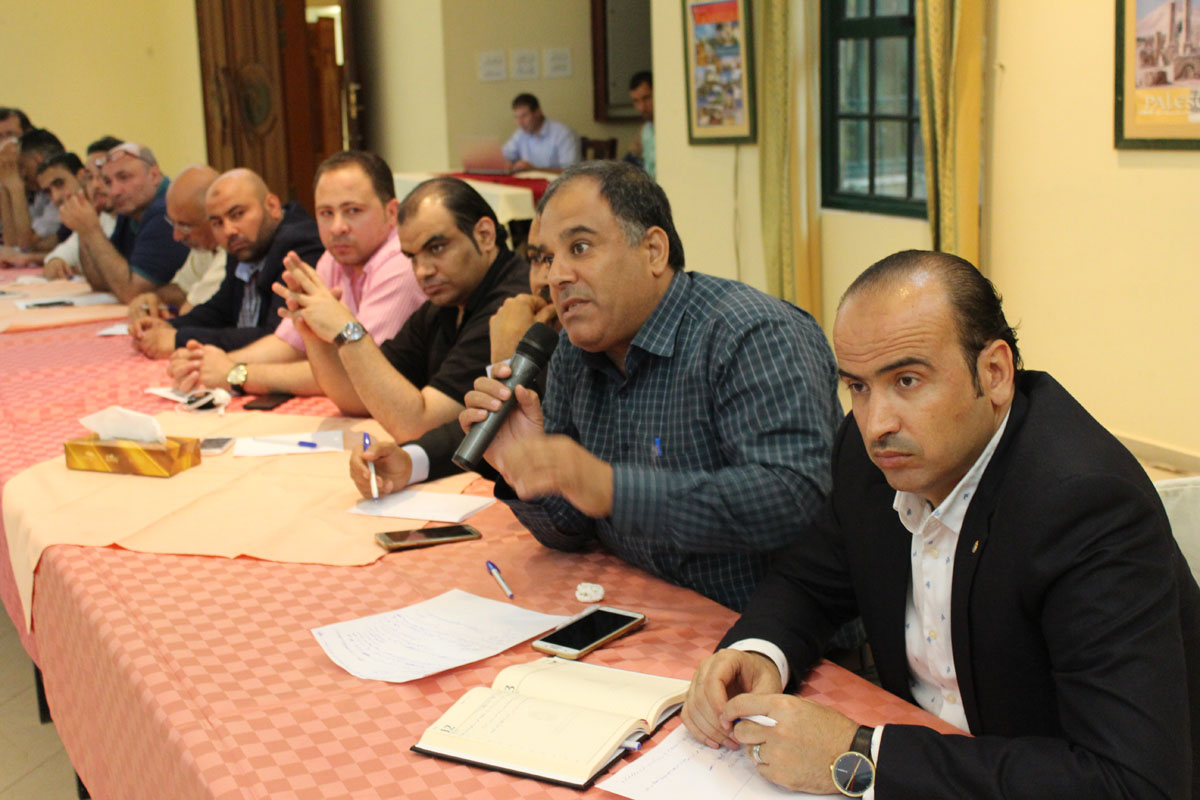
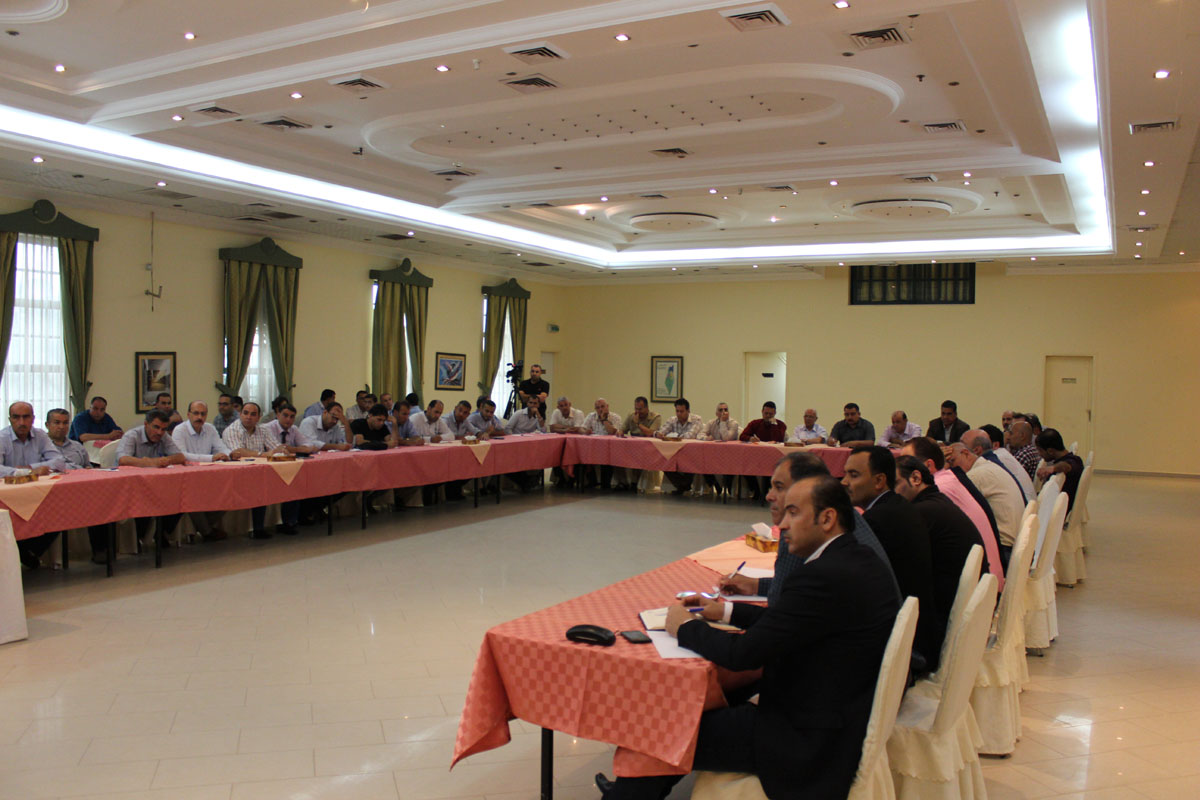
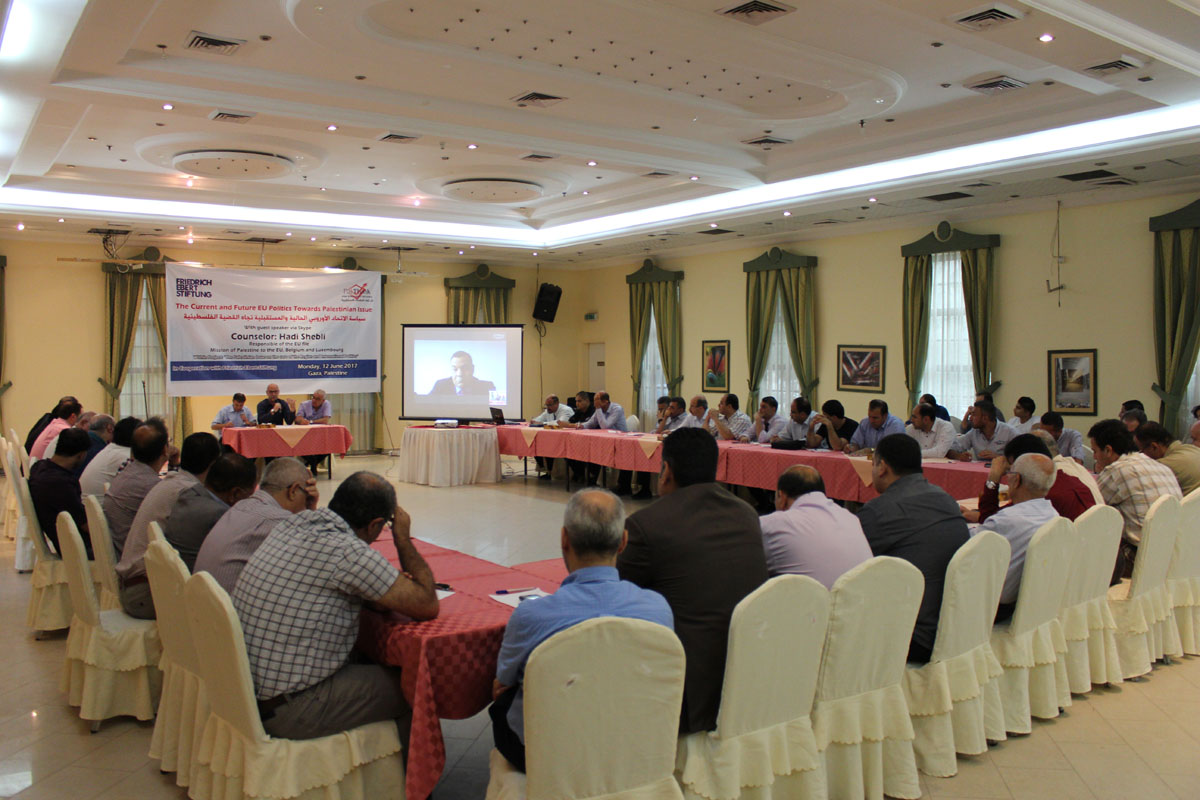
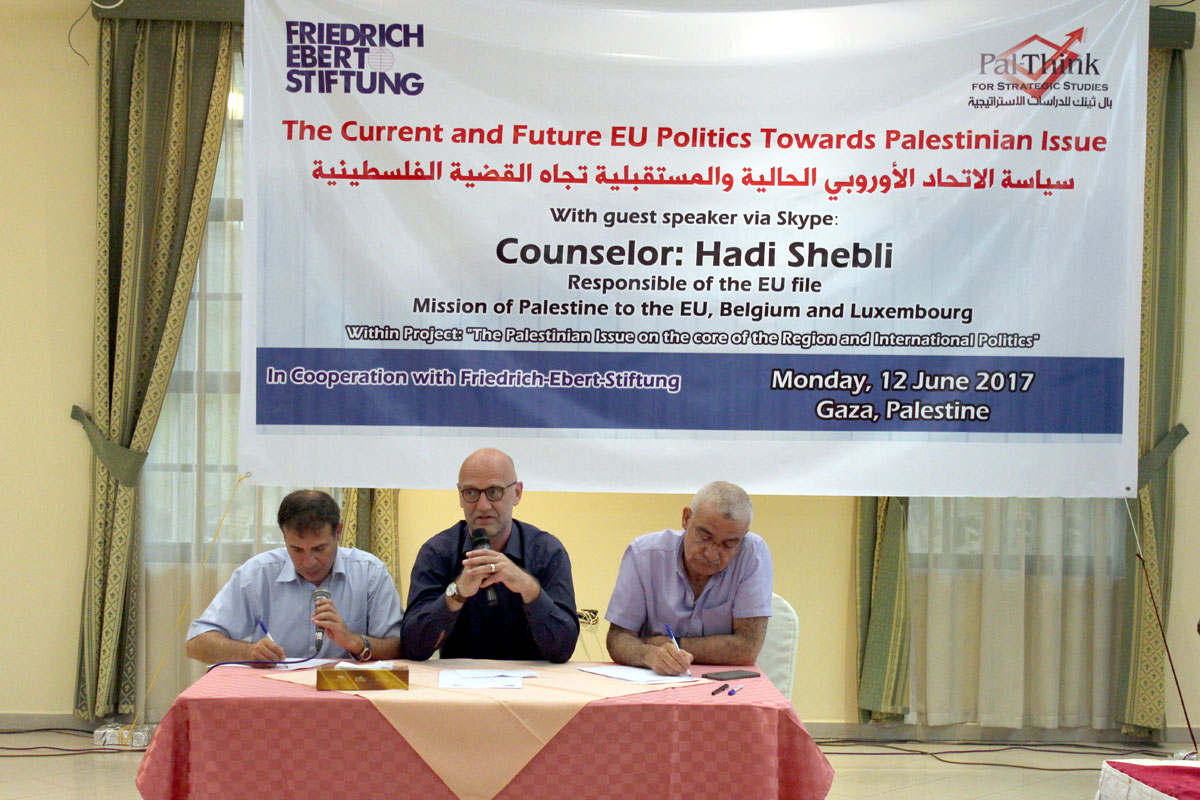
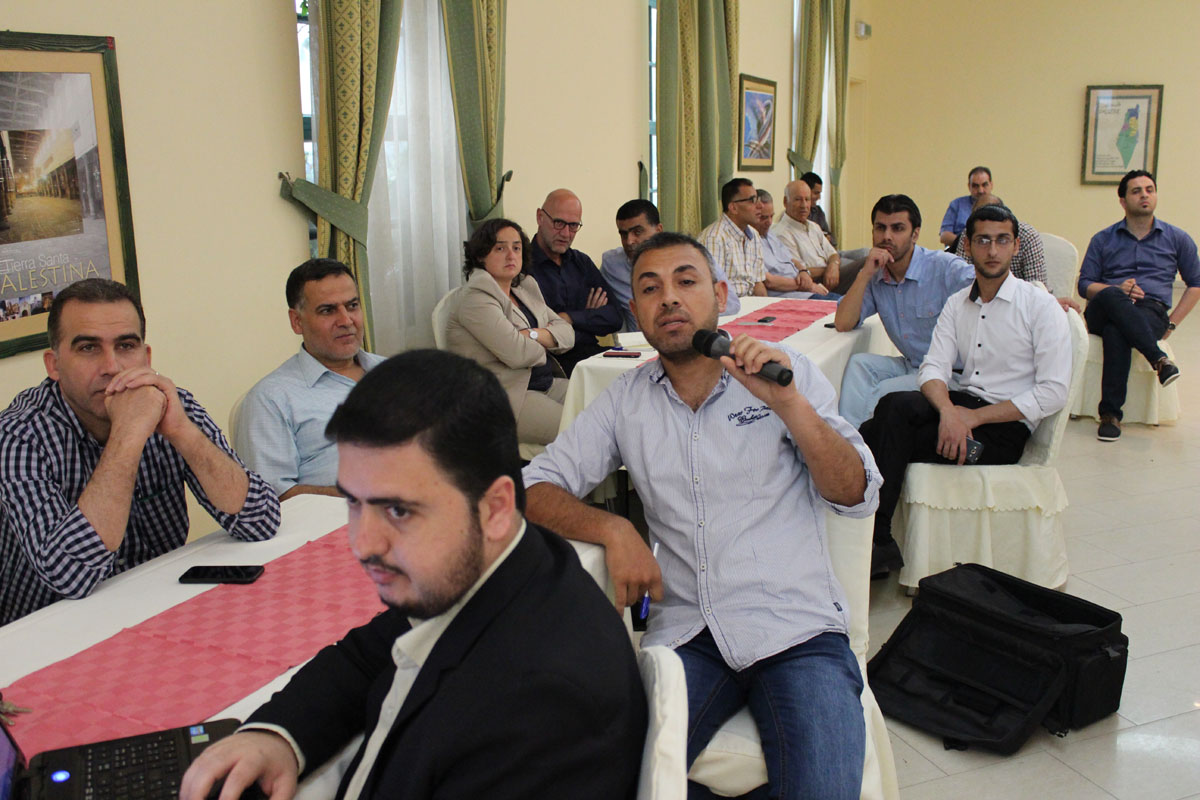
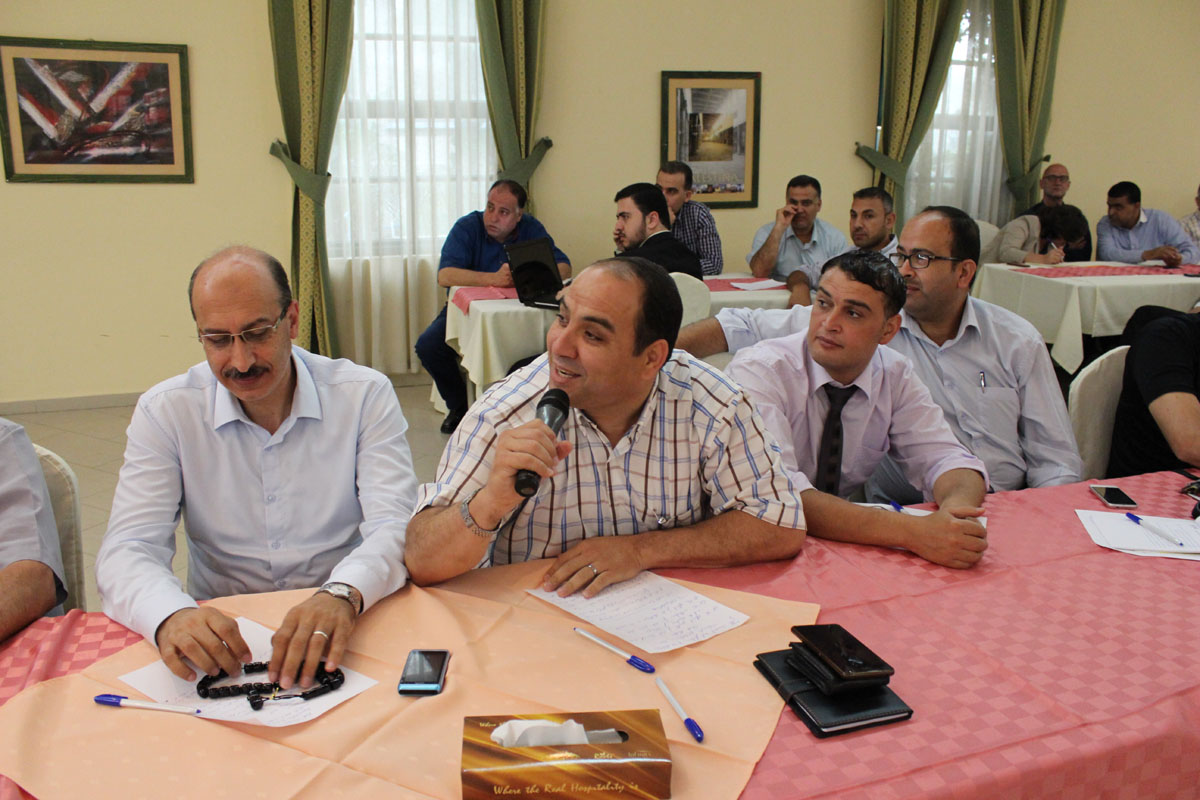
Gaza – Counsellor Hadi Shibli, official of the European Union file at the Palestine mission to the European Union, Belgium, and Luxembourg, said the retreat of official European attention to the Palestinian cause goes back to the events of the Arab Spring and the continuation of the internal Palestinian division. Shibli stressed that this retreat in the European role has not prevented the popular efforts and the activities of civil-society organisations and members of parliaments in Europe from increasing the events in support of the Palestinian cause — whether through strengthening the boycott campaigns, rejecting the settlements, or condemning the blockade of the Gaza Strip — through multiple and near-permanent events that have made the Palestinian cause an internal European affair. Counsellor Shibli spoke over Skype from Brussels during a dialogue session organised by the Pal-Think Center for Strategic Studies in cooperation with the German Friedrich Ebert Foundation under the title: “The European Union's current and future policy toward the Palestinian cause”, in Gaza City, with heavy attendance from the sectors of Palestinian society.
The meeting was opened by Mr Omar Shaban, director of Pal-Think for Strategic Studies, welcoming the honoured guest and the representatives of the German Friedrich Ebert Foundation: Dr Ralf Hexel, Dr Bettina (Beyhan) Şentürk, the foundation's director in Jerusalem, and Dr Usama Antar, programmes director for the Gaza Strip.
Mr Shaban pointed to Pal-Think's role as an independent Palestinian think-tank in strengthening the state of dialogue and methodical, rational discussion around the issues and challenges of the present and the future, with the aim of guiding official and civil decisions and policies — pointing out that this meeting comes within the series of meetings the institution organised in past months, during which it hosted many Arab and international figures with the aim of linking Gaza with the world and facing the policies of blockade and marginalisation imposed on the Gaza Strip.
For his part, Dr Ralf Hexel offered thanks to Pal-Think for its vanguard role in stirring strategic discussion around issues that concern Palestine and the region — affirming that several developments have lately taken place whose effect will continue on the form and nature of the European Union and its mechanism of engaging with the world's issues: 1) Britain's exit 2) the American president Trump's victory 3) the waves of migration from the East to Europe 4) the growth of the phenomenon of terrorism and the rise of the populist right in Europe, and the young Macron's winning of France's presidency.
In the intervention of the diplomatic counsellor Hadi Shibli, he spoke of the official Palestinian efforts with the states of the European Union, foremost the conduct of advanced negotiations to sign full partnership agreements concluded only with states of full sovereignty; in addition to obtaining clear positions from the European Union guaranteeing the determinants of the final-status issues, and extracting political and legal conclusions condemning the settlements, on the 67 borders, on Jerusalem as the capital of two states, and on the situation in the areas called C — as well as the efforts exerted to obtain the funding needed for a water-desalination plant for the Gaza Strip worth half a billion euros.
Shibli likewise took up the exertions of the Palestinian leadership, foremost President Abu Mazen, to end the division and recover Palestinian unity especially — because ending the current division will strengthen the Palestinian position and fortify it internationally.
Shibli traced the retreat of attention to the Palestinian cause back to objective causes that began with the war on Iraq and the occurrence of divergent alignments in the Arab positions, and what followed in the Arab Spring stage, with a great effect from the continuation of the internal Palestinian division — noting that the Palestinian cause used to top the bilateral and collective Arab–European meetings.
Shibli stressed that the European positions on the Palestinian cause must spring first from the European moral, historical, and legal responsibility toward the Palestinian cause — a legal and moral commitment — in addition to the existence of real interests for Europe's states in the Middle East, which will not be stable without a just solution to the Palestinian cause.
Shibli called for unifying the Palestinian strategy and discourse in dealing with the European Union, its states, and its institutions, and investing in the popular movement, the efforts of non-governmental organisations, and the sympathy of parliaments' members with the aim of pressing the official European establishment for the ending of the Israeli occupation of the Palestinian state's territories.
Shibli considered that the European Union currently stands before challenges and opportunities following the arrival of the American president Trump at the White House and his negative positions on the European Union, Britain's withdrawal from the Union, and the deteriorated European relation with Russia against the background of the position on the Ukrainian crisis — affirming that these challenges can turn into opportunities through a strategic partnership whose steps have begun between France and Germany, as military and financial powers able to develop the European Union through a presence competing with the new American policy in all issues, including the Middle East.
Shibli mentioned that the European Union arose at its start with American support through the Marshall Plan, yet the gap in relations began widening until the arrival of the Republican president Trump at the seat of rule and his positions declared at the NATO summit recently — calling on the Europeans to rely on themselves in defence issues, and the withdrawal from the climate-change agreement to which the European states attach great importance — in a great challenge that opens the door to important opportunities through strengthening cooperation among the European Union's states.
Shibli affirmed that France and Germany hold a strong determination to protect the European Union after Britain's exit and the payment of its financial share to the Union, and to crystallise a French military and German economic alliance that recovers the European Union's role as a peer of the United States of America — noting European endeavours aiming to change the rules of decision-making within the European Union from the consensus mechanism to decision-taking by majority.
He considered that the rise of the right-wing parties in Europe carried real dangers, especially in France, which drove a new political current expressing the alliance between the socialists and the right that led to Macron's winning of France's presidency — pointing out that the far-right parties exploited the matter of the great migrations and their effect on security and the economy in Europe to obtain voters' votes, despite the existence of real indicators confirming the absence of any relation between migration from the Middle East and terrorism: all the perpetrators of Europe's attacks were European citizens from Arab and Islamic families that had settled early in Europe.