Presentation and discussion of the report «Relations between Palestinians on both sides of the Green Line»
True to its vision as an independent Palestinian think-tank activating debate on strategic questions, Pal-Think held a session presenting the strategic report of the Strategic Thinking Group, with the Palestine Strategic Thinking Group and MADAR.
- Author
- The editorial team
- Date
- 2017-07-20
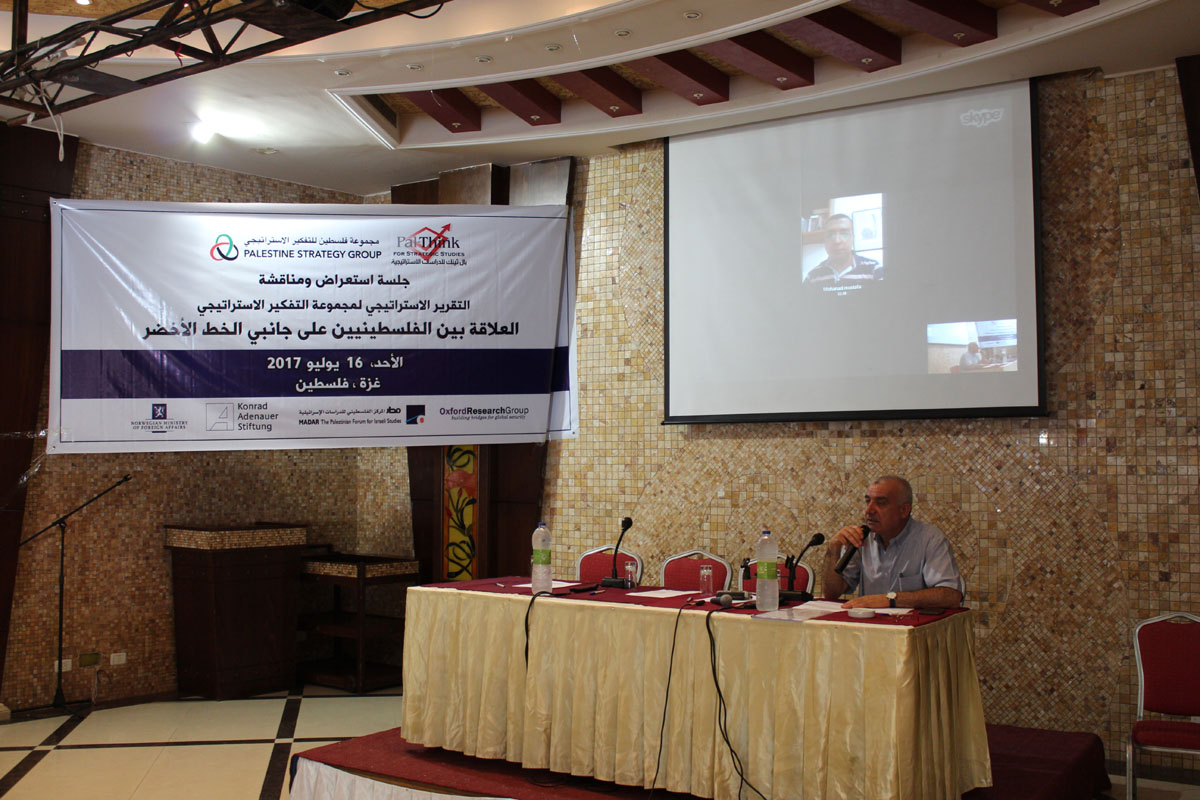
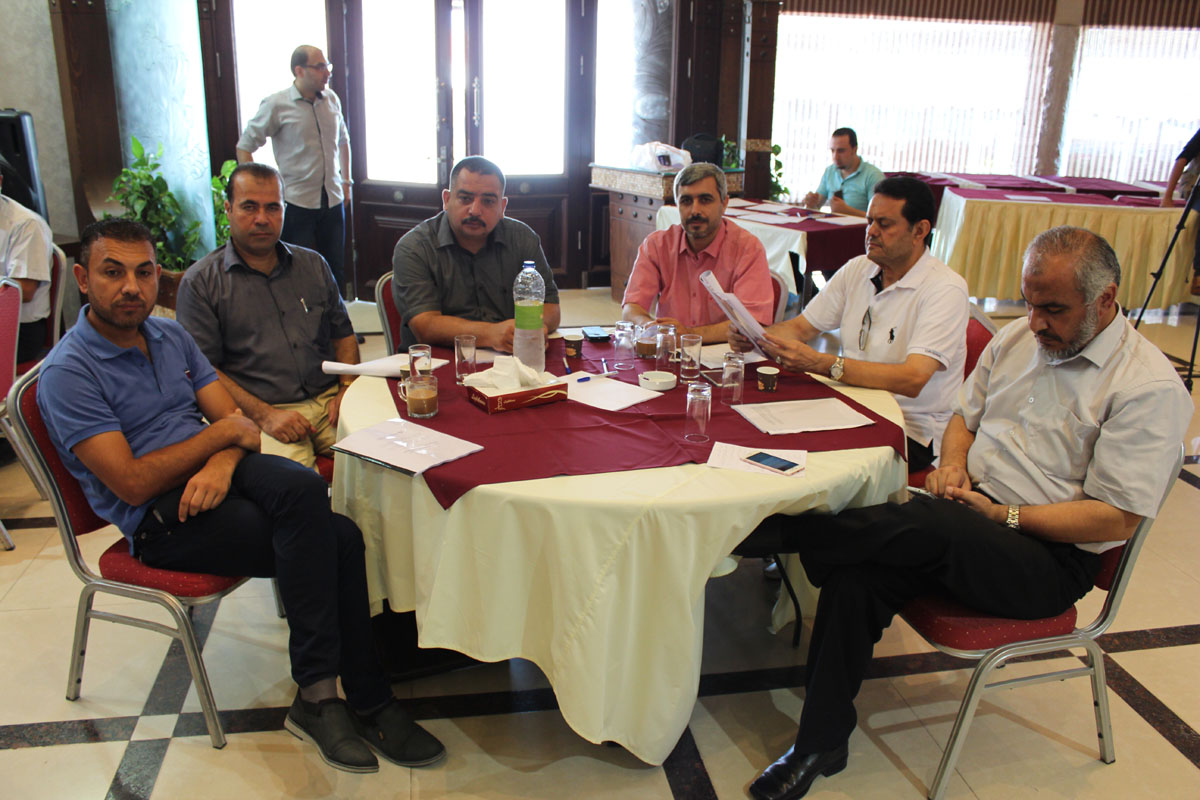
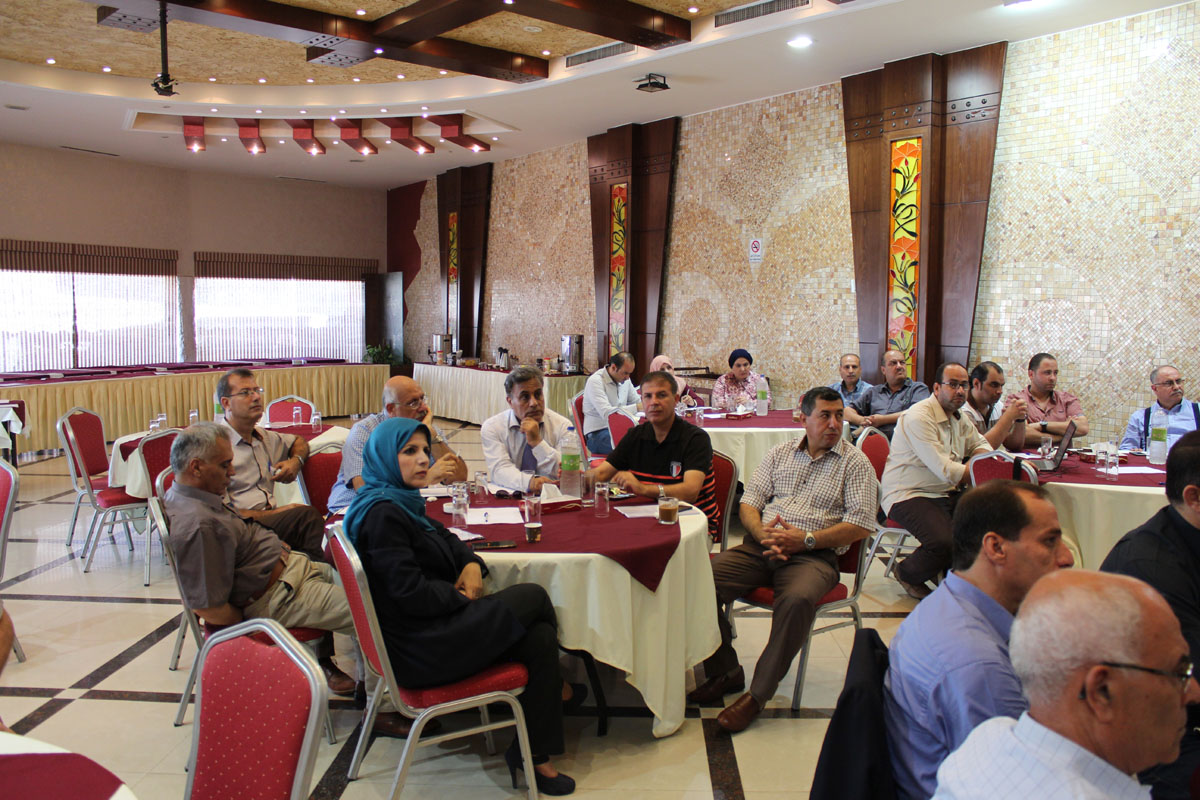
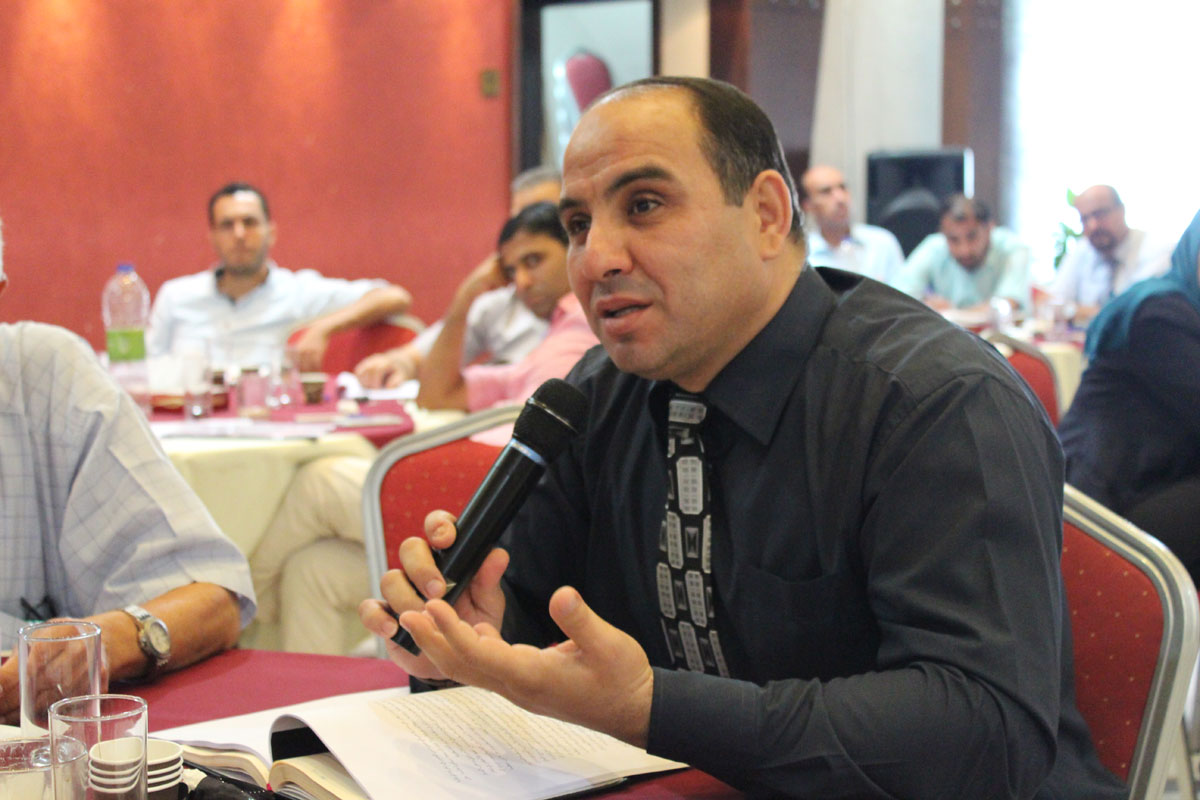
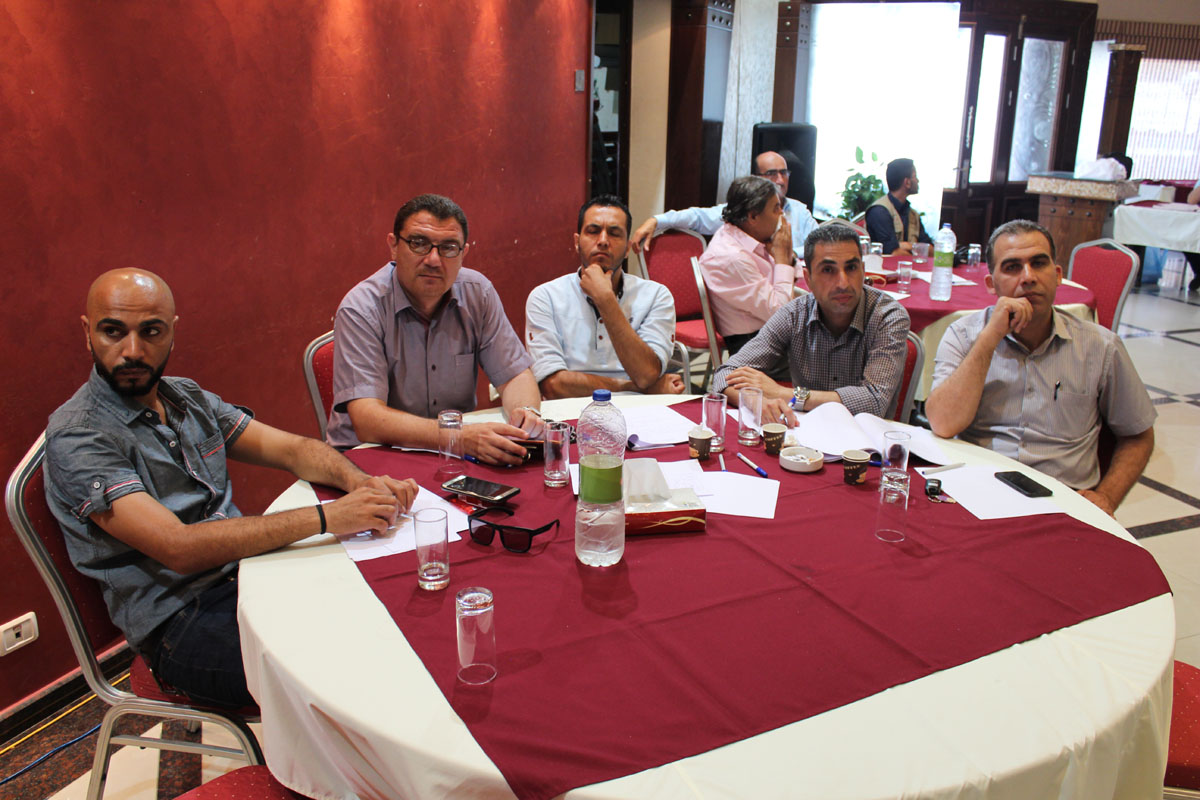
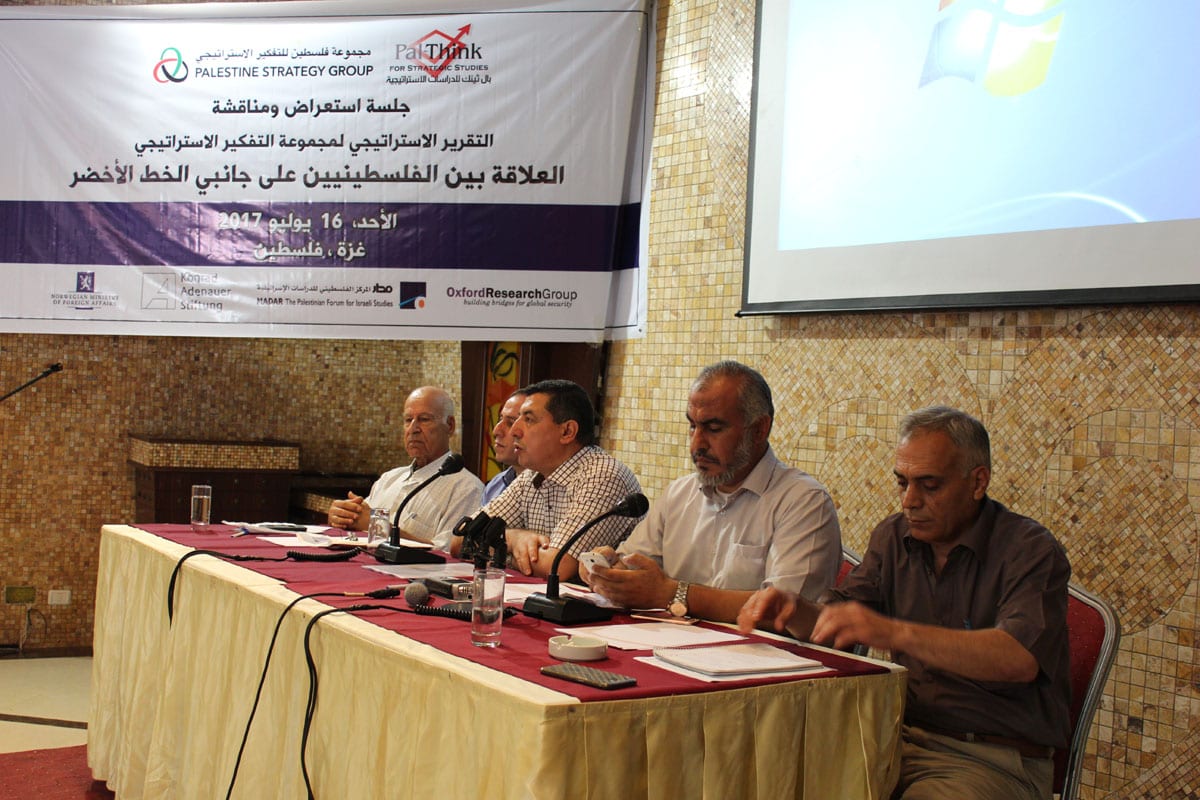
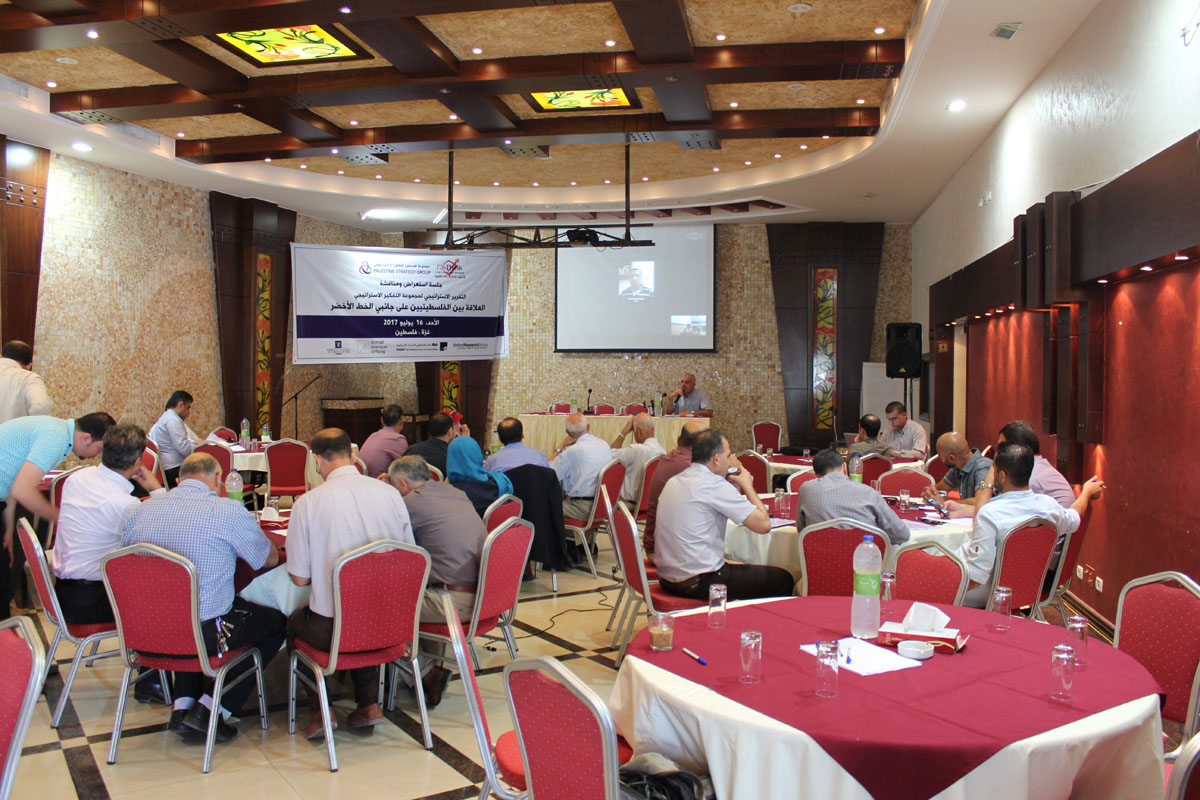
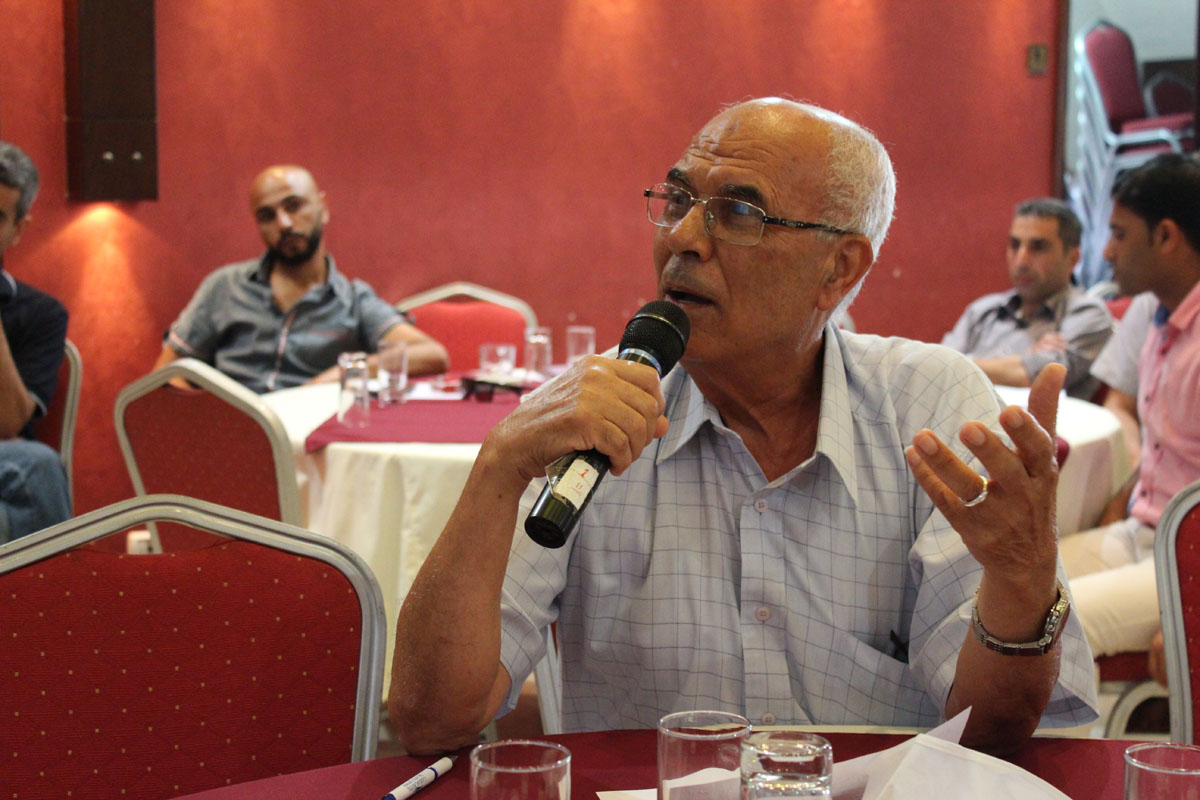
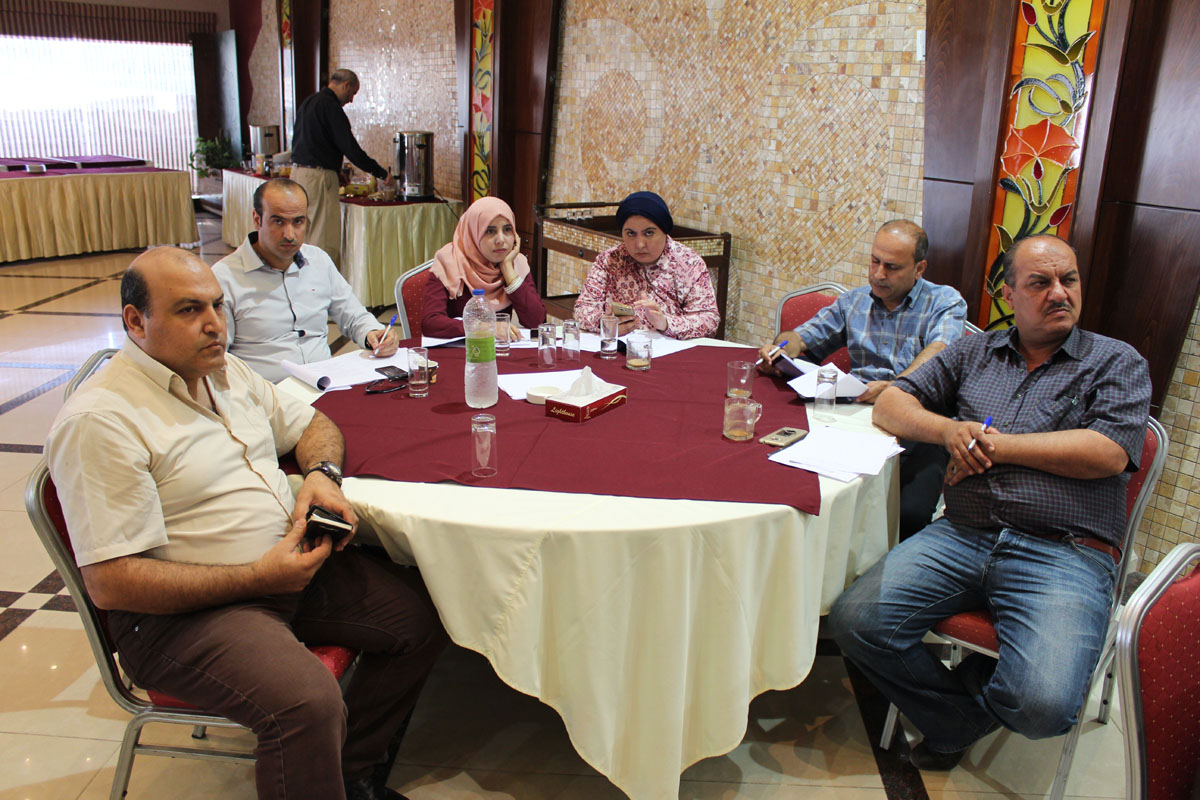
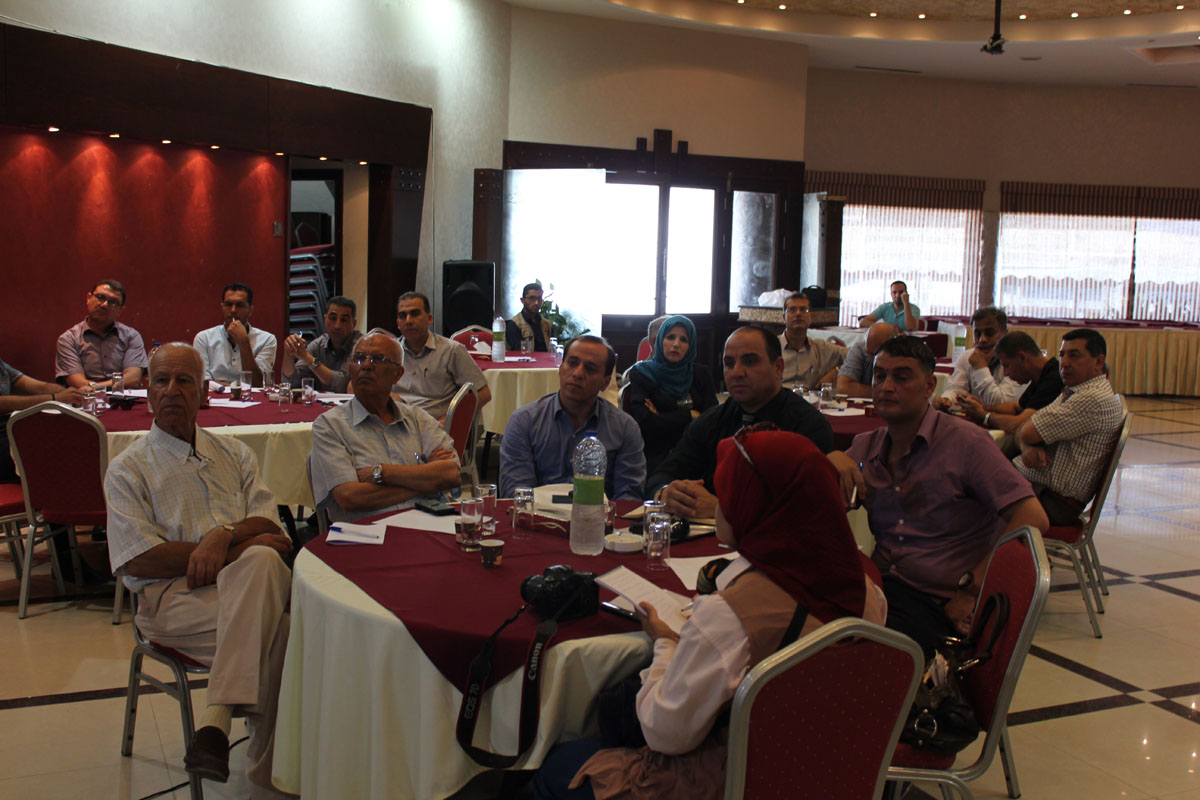
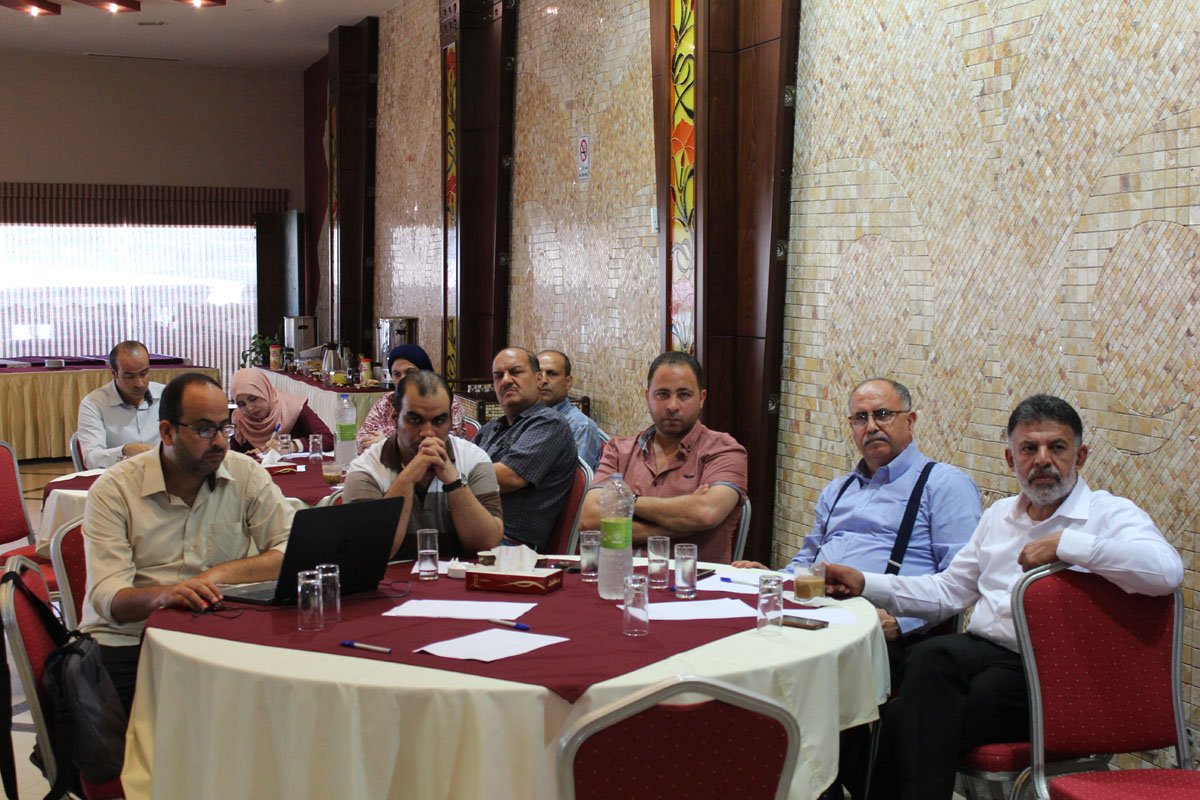
Gaza – Within its vision and working philosophy as an independent Palestinian think-tank focusing on activating discussion around strategic issues, the Pal-Think Center for Strategic Studies organised this week a session to present and discuss: “the strategic report of the strategic-thinking group, in cooperation with the Palestine Strategic Thinking Group and the Palestinian Center for Israeli Studies “MADAR”, on “the relation between the Palestinians on both sides of the Green Line” — with effective participation from Gaza and from Haifa over Skype, and with the attendance of a gathering from the Gaza Strip.
The session was opened by Mr Omar Shaban, director of Pal-Think for Strategic Studies, affirming the necessity of continuing intellectual discussion around national strategic issues and not being occupied only with the details of daily suffering despite their high importance and urgency; and examining the prospects of advancing the Palestinian condition and the Palestinian people in all its places of presence — noting that the Palestinian people forms a political community joined by common national goals despite the difference of the social and political contexts in which the Palestinian people's multiple communities live.
The first guest spoke over Skype from Haifa: Dr Muhannad Mustafa, lecturer at the University of Haifa and one of the participants in preparing the strategic report. Dr Muhannad Mustafa made clear that the report's aim is examining the relation among the Palestinians and the cooperation and partnership among them politically, culturally, and socially, and the attempt to institutionalise this relation and these interests so they become integrated. Dr Mustafa stressed that the Palestinian homeland gathers all the Palestinians despite the existence of different political projects — among them the project of the Palestinians of the interior, the project of the Palestinians in the West Bank, the Gaza Strip, and East Jerusalem, and the project of the Palestinians of the diaspora. These projects are required to integrate within a wider Palestinian vision holding fast to the collective Palestinian identity, considering the Palestinian homeland a gathering civilisational centre — with each project achieving its goals and the interests of the group it expresses, in what preserves the unity of destiny and without bringing about political contradiction among the Palestinian groups; and accumulating upon what exists of economic, social, and cultural contact, developing it, and building on the standing situation. Dr Mustafa offered three options the report puts forward for treating the standing situation and working to accomplish the common goals of all Palestinians:
- The Palestinians of the interior coming under the frame of the Palestine Liberation Organization as the representative of the Palestinian people, being part of the Palestinian cause.
- Going collectively toward a Palestinian conference representing all the Palestinians in the whole world, in order to improve the Palestinian people's performance, strengthen Palestinian identity, belonging, and the unity of the Palestinian people, institutionalise the integration of Palestinian interests, and curb the variance among them within a wide Palestinian political project — without its turning into an executive body or an ideological gathering, and without bypassing the Palestine Liberation Organization.
- The situation remaining as it currently is, with the strengthening of the bonds of partnership and identity and the avoidance of variance among the three projects.
Dr Mkhaimar Abusada moderated the second session, in which the commentators from Gaza offered their contributions on the strategic report: Dr Ghazi Hamad, Dr Imad Abu Rahma, Mr Tayseer Muhaisen, and Mr Tawfiq Abu Shomar.
Dr Abusada pointed out that each Palestinian group has its ambition: on the territories occupied in 67 they seek an independent state; the Palestinians of the interior demand the rights of citizenship, full equality, and recognition of them as a national community holding a political identity inside Israel; while the dream of the Palestinians of the diaspora is the achievement of the right of return. Abusada held that the joining of the Palestinians of the interior to the Liberation Organization in its current condition and current composition is of no utility, while part of the Palestinians in the West Bank and Gaza are not represented in the Organization — the Hamas and Islamic Jihad movements — considering that the scenario of a gathering conference of all Palestinians is a loose proposal in need of more clarification of its mechanisms and its work.
In Dr Ghazi Hamad's intervention, he said the topic is very vital and absented because of the state of decline and the loss of the national project's compass, amid the state of the dwarfing of all issues — considering that raising the issue of the Palestinian people's unity and destiny needs reviving anew and breaking the stagnation of reality, to prevent the absenting of a Palestinian body seeking integration, and to curb Israel's work of exploiting this reality, which it has studied afresh and worked to separate its components and set their ambitions at odds over 50 years. Dr Hamad expressed a problem the paper raises: that it made Israel the fixed axis of the solution with the three Palestinian components, while it put forward that the Palestinian presence is the variable, whose components search for chances of a solution with Israel separately, to achieve political or social aspirations. Dr Hamad affirmed that Israel is not amenable to engaging with Palestinian rights, separate or collective, by an experience fixed for all; while the Zionist project is clear of feature, the Palestinian project is unclear and without a national strategy for facing the occupation, with the risks of the deepening of the state of division within the single rank of each component — demanding work to design a clear Palestinian national project for all Palestinians that achieves everyone's ambition, and work to benefit from the Palestinian cards of strength — a people holding great capacities for work and sacrifice — without fragmenting the solutions and without building on the reality the occupation created, and building a complete political programme and defining its mechanisms.
For his part, Mr Tayseer Muhaisen presented his view resting on the importance of critical review and the exercise of reason before the great transformations in strategies, and understanding the changes in the region, Israel, and the internal Palestinian situation — not understood because of the state of agitation and the dominance of slogans — and finding a space for Palestinian thinking that reduces the loss before the transformation of the settlement project into a liquidation project, the steps of finishing off the Palestinian cause, and the curbing of Palestinian capacities. The researcher Tayseer Muhaisen made clear that the dialectic of unity and fragmentation is understood among the Palestinians for establishing their existence in the face of the coloniser, who works to dismantle Palestinian society — despite the report's inability to explain reality even as it uses precise namings — amid the diaspora's subjection to permanent exile, and the unity project on the Palestinian land facing a fragmentation that may lead to a new diaspora, or the gathering of the Palestinians in narrow, separate enclaves. Muhaisen said in his comment on the report that the most dangerous is the separation between the homeland and the state, the separation of the national from the political, and the attempt to raise the cause in humanitarian tracks for each Palestinian group away from its political dimension and core — stripping the political character from the Palestinian presence in what serves the liquidation project. He considered that the most important and strongest of the Palestinians' cards lies in the Palestinian presence on its land, being the foundation of any political work — which requires facing collective transfer, to prevent the achievement of the state's Jewishness. Muhaisen stressed that the political decision must be in the Palestinians' hand, away from the embrace of the outside and its axes, with the necessity of not finding justifications for the occupation and exposing its racist role and its crisis with the Israeli options inside Israeli society — with restoring standing to the spirit of confrontation and challenge and recovering the role of the Palestinian institutions, foremost the Liberation Organization and the National Council.
For his part, Dr Imad Abu Rahma spoke of the report's strategic value in the frame of its treating the Palestinian situation in its entirety despite the fragmentation of Palestinian reality, the retreat of identity, and the attempts to separate the political from the national and the cultural from the national — although the report favours the conference scenario as a collective national, not political, frame. He considered that separating the national from the state holds theoretically but is unrealistic practically, especially as this separation treats the anxiety of reality in the report's authors away from a clear methodology — for the homeland is no longer only the place of origin but has become a representative political entity of a community holding a common ambition and will.
For his part, the writer Tawfiq Abu Shomar, specialist in Israeli affairs, said the Palestinian dream is wide enough for many of the great issues; therefore it requires knowing the points of strength and treating the national issues within the frame of the Palestine Liberation Organization. He pointed to the obstacles and difficulties that stand in the way of Palestinian unity and the world currents that affect the Palestinian cause and contribute to the application of the Israeli conspiracy — and all this calls for serious work to recover national unity and focus on the issues that touch the Palestinian people in all its places of presence. The attendees stressed the importance of benefiting from the strength of the Palestinian position and the independent national decision to face all the challenges that stand before the Palestinian cause, and strengthening the Palestinian presence, the collective Palestinian identity, and preserving the comprehensive national project.
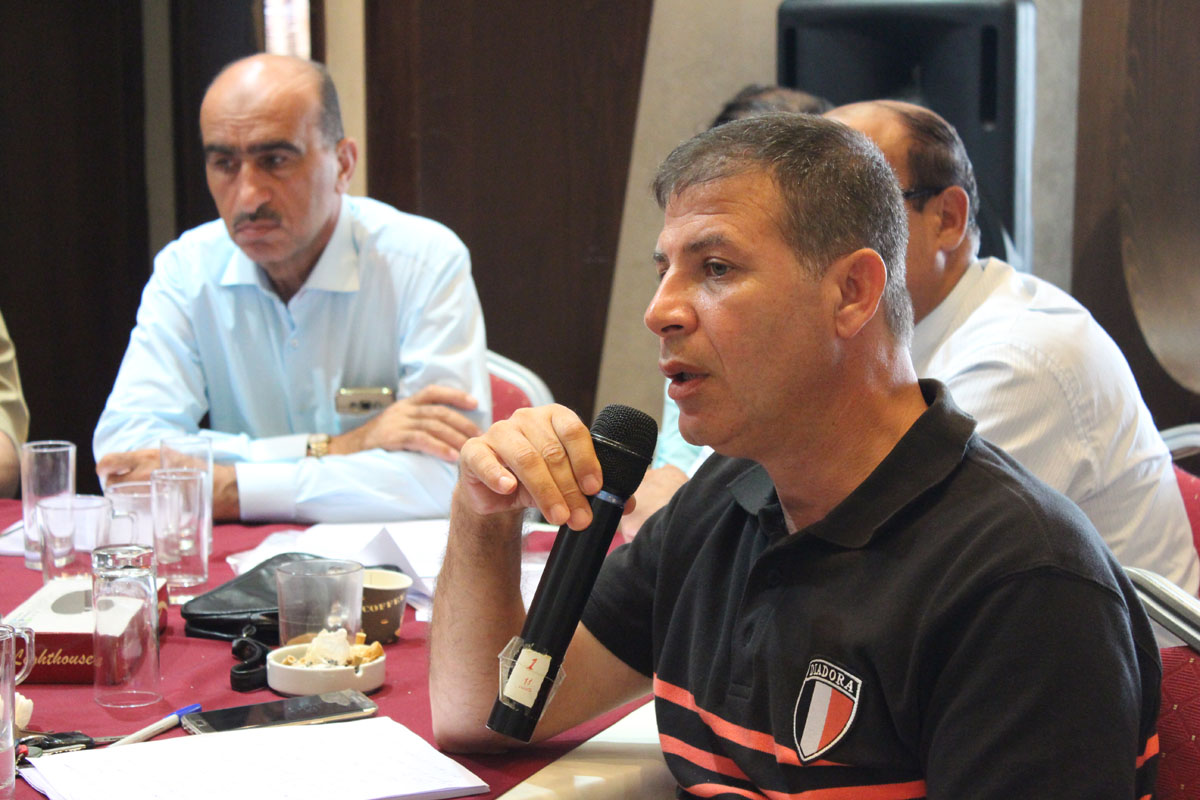
The attendees' views and their discussion with the speakers varied on the extent of the report's contribution to presenting the challenges facing the Palestinian presence and the attachment of its interests and goals, and treating the retreat through laying down mechanisms of strengthening identity and the common destiny; some expressed their fear of the continued deterioration of Palestinian reality and the retreat of the role of the Palestinian institutions representing the Palestinian communities, and the intensification of the state of polarisation among those projects and the bringing about of a Palestinian contradiction instead of the contradiction with the occupation.