Alain Gresh: solving the Middle East's problems begins with a just settlement of the Palestinian question
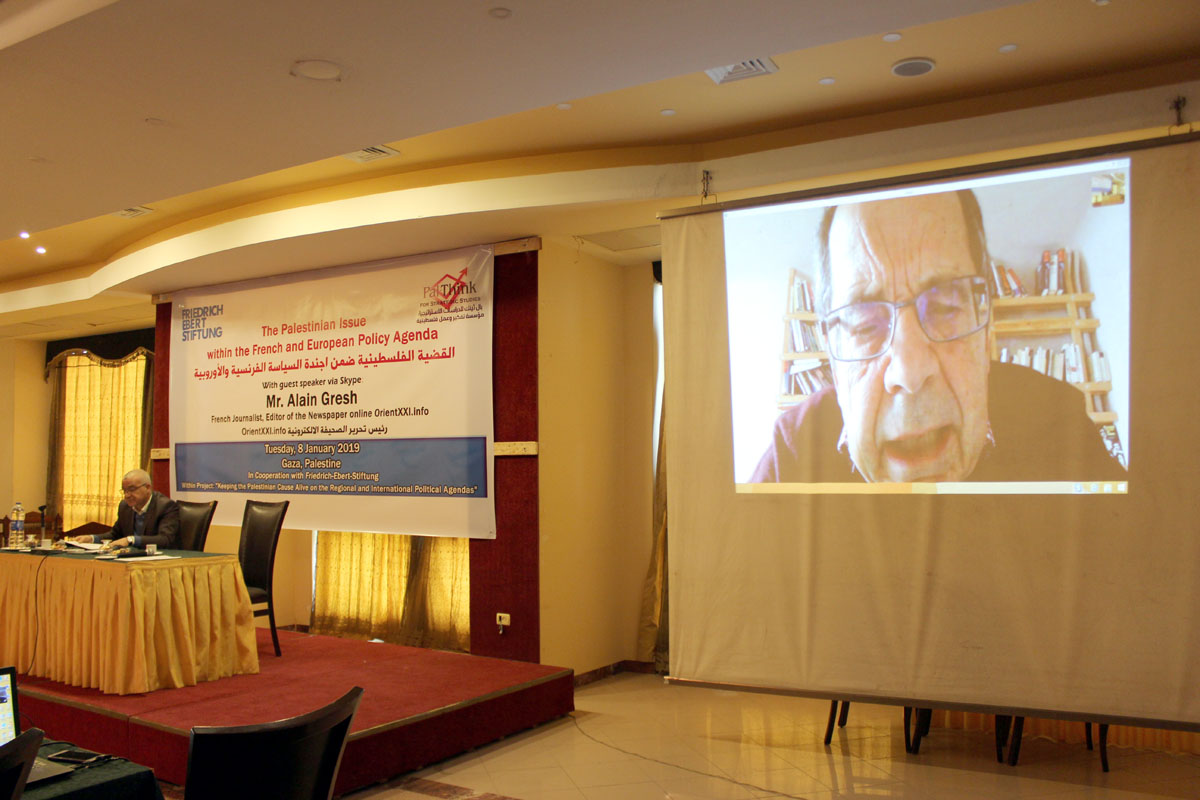
Pal-Think held a Skype dialogue, «The Palestinian question on the French and European policy agenda», with Alain Gresh — editor of OrientXXI.info and former editor at Le Monde diplomatique — in cooperation with the Friedrich Ebert Foundation.
- Author
- The editorial team
- Date
- 2019-01-09
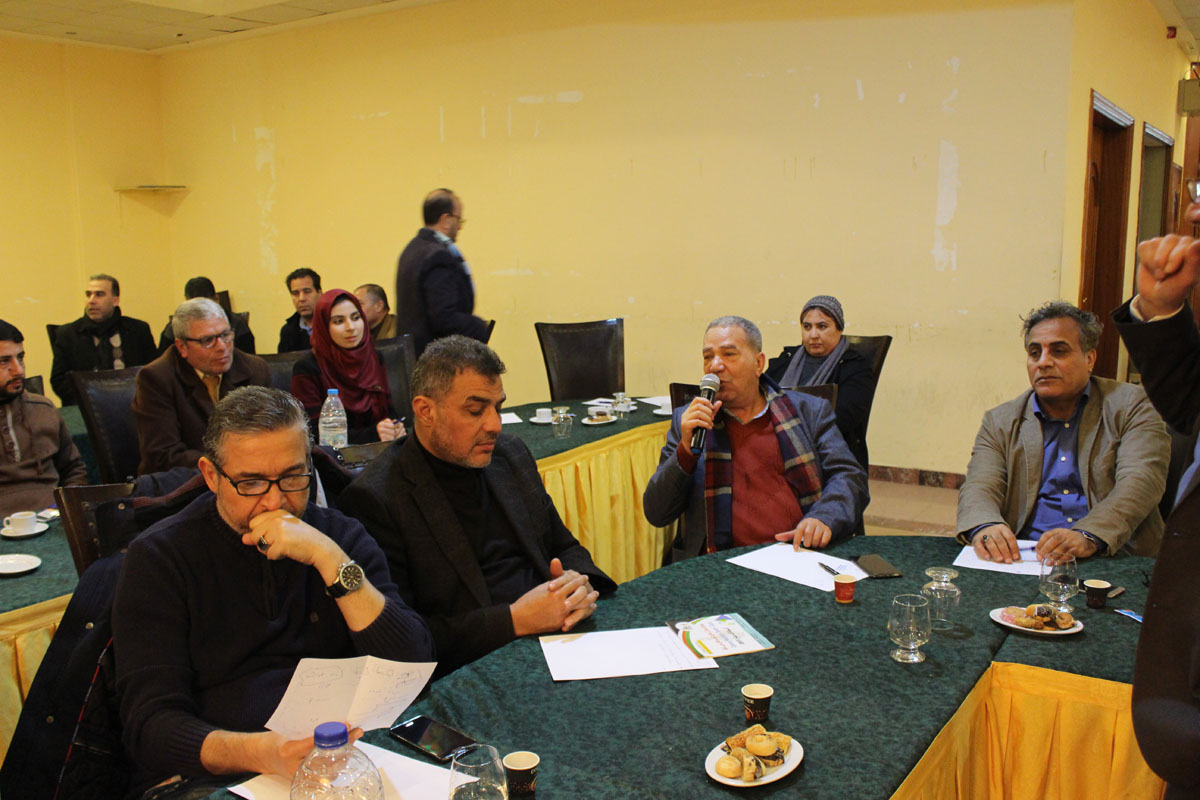
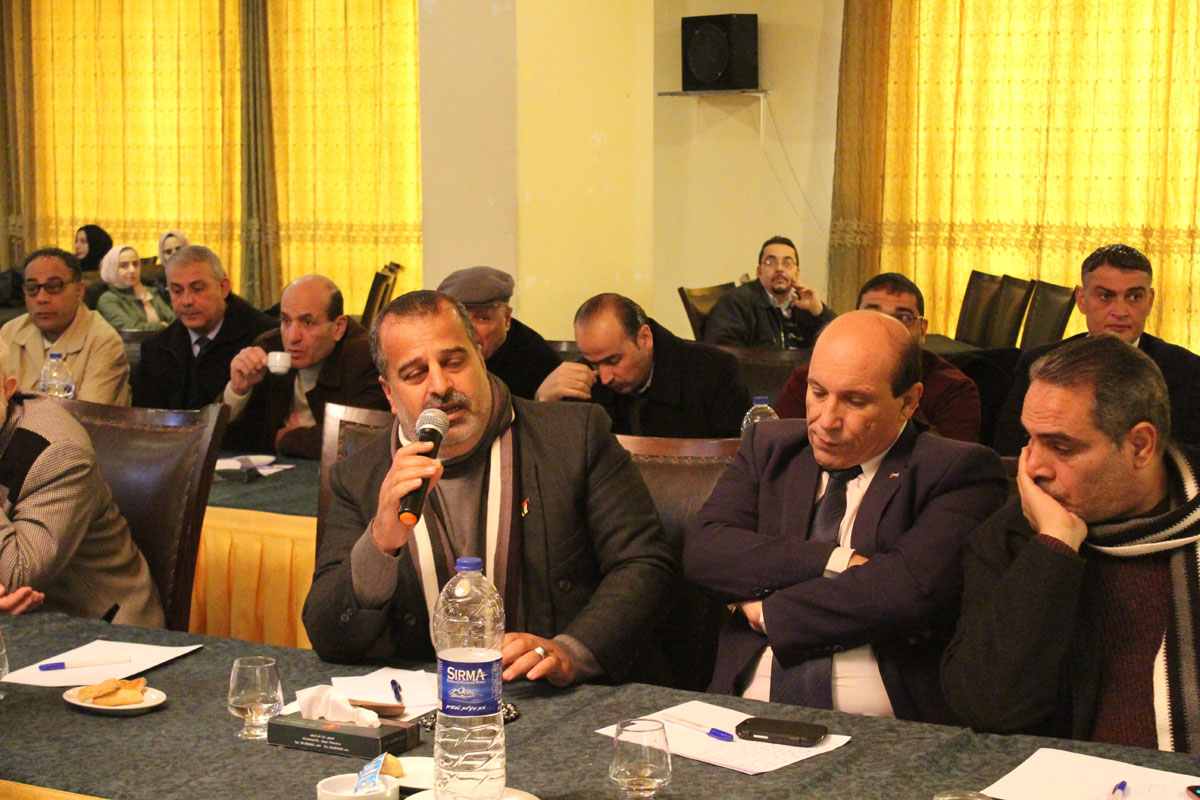
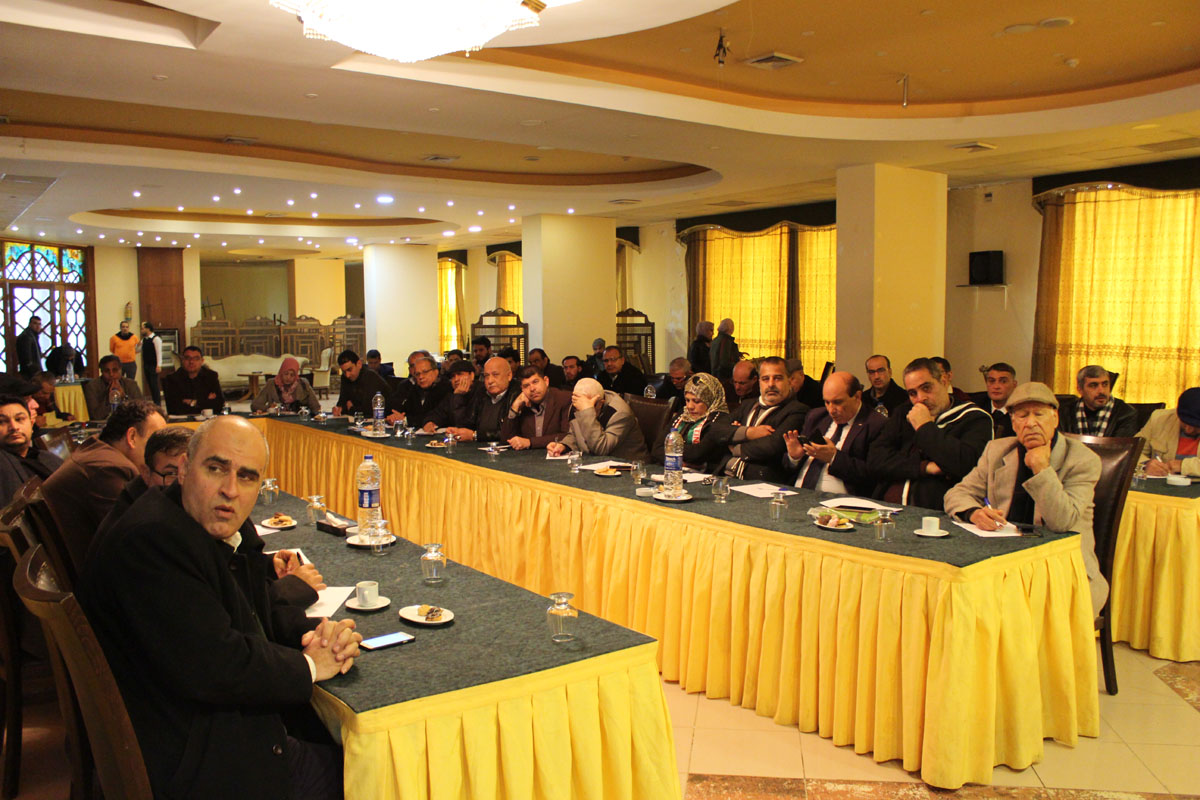
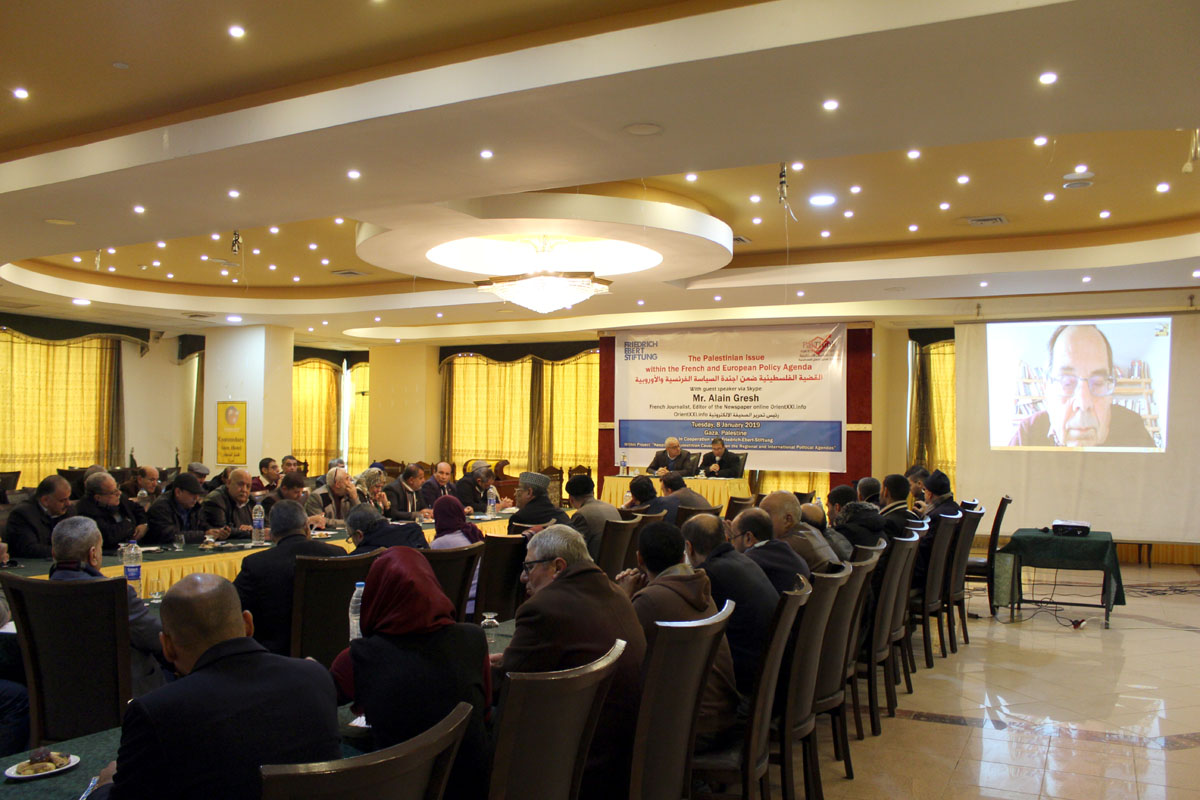
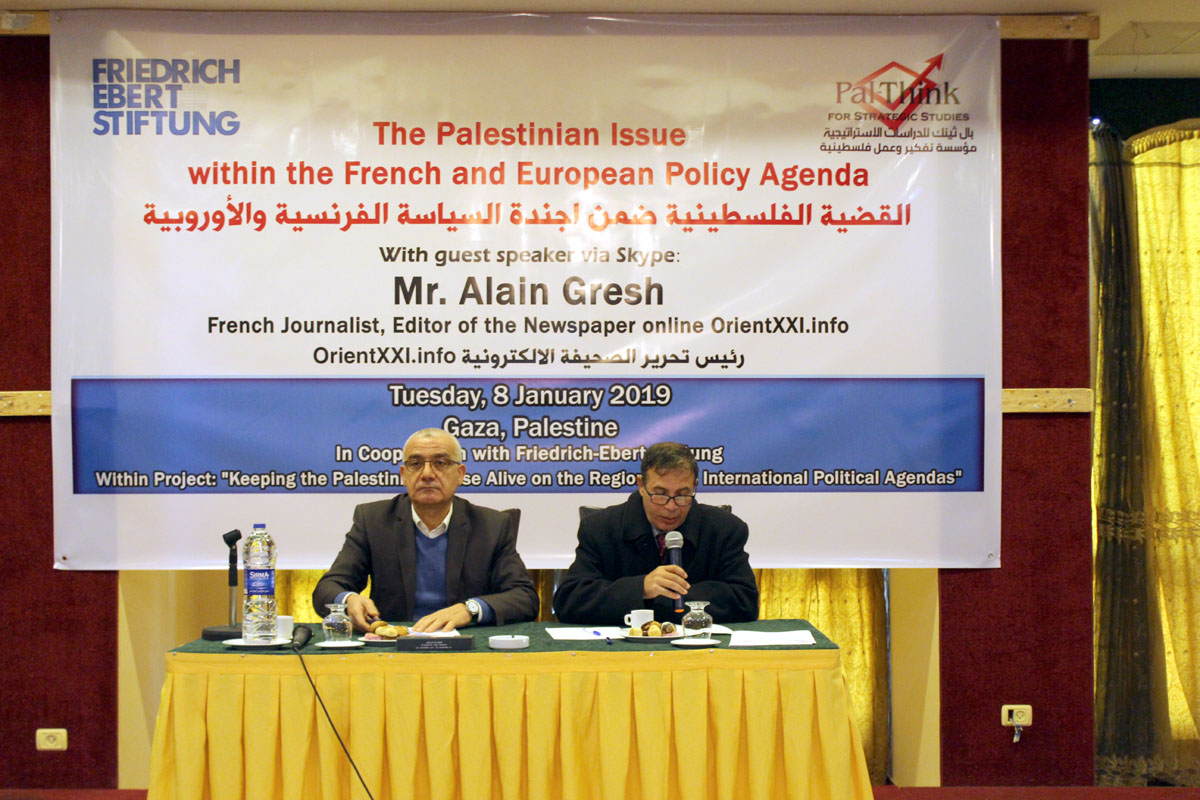
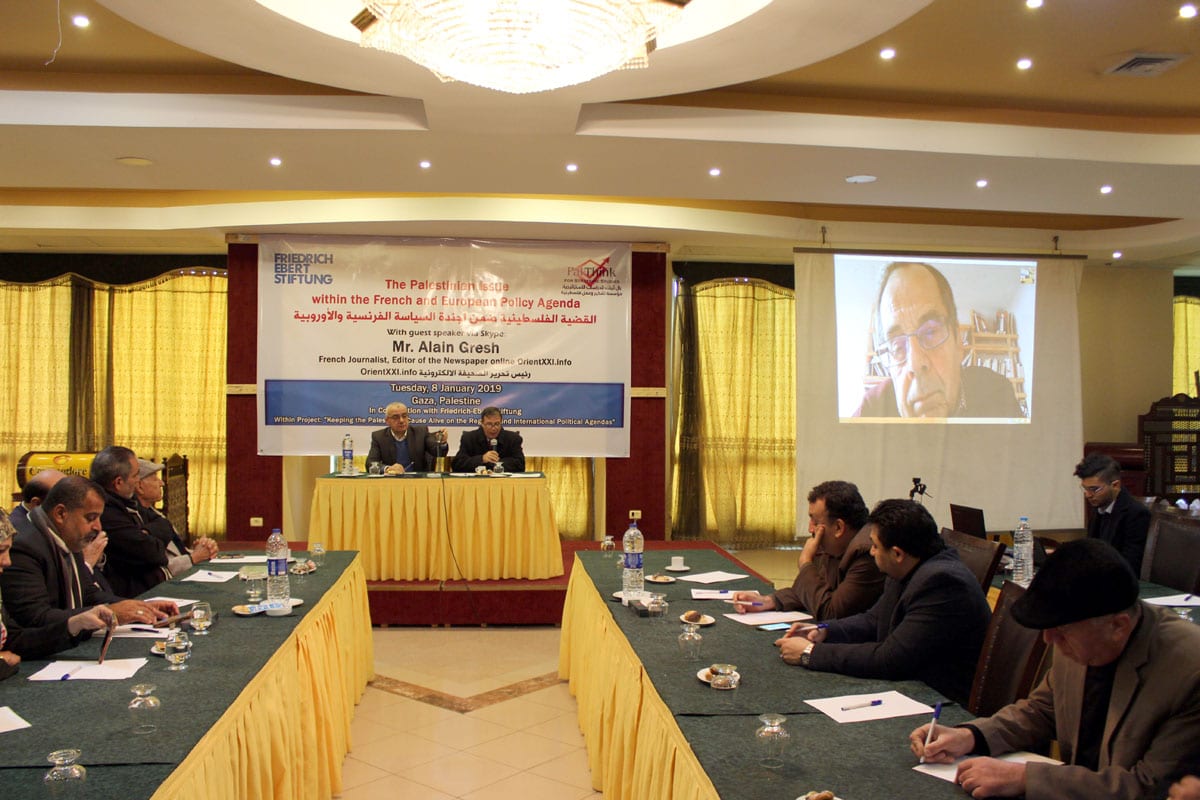
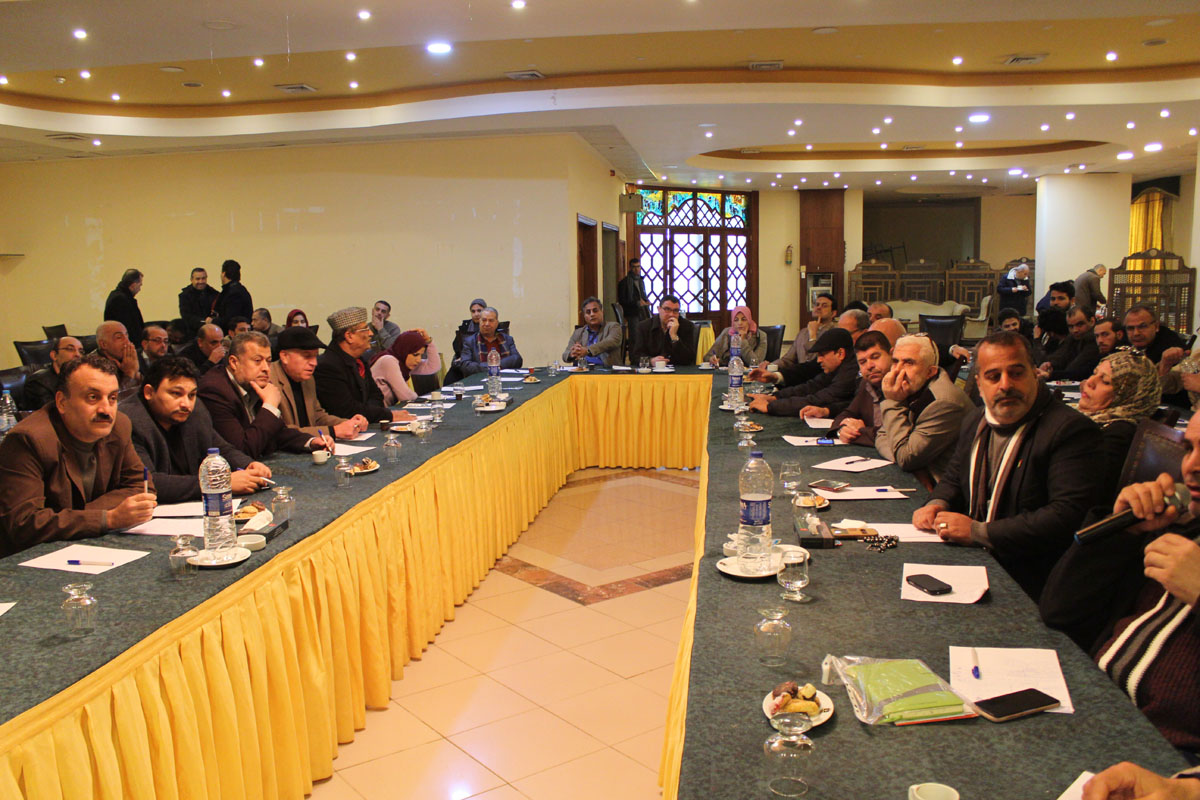
Gaza – Pal-Think for Strategic Studies organised a dialogue session titled “The Palestinian cause within the agenda of French and European policy” over Skype with the specialist in Middle East affairs, editor-in-chief of the online journal OrientXXI.info and former editor at Le Monde diplomatique, Alain Gresh — in cooperation with the German Friedrich Ebert Foundation, within the project “Keeping the Palestinian cause on the regional and international political agenda”.
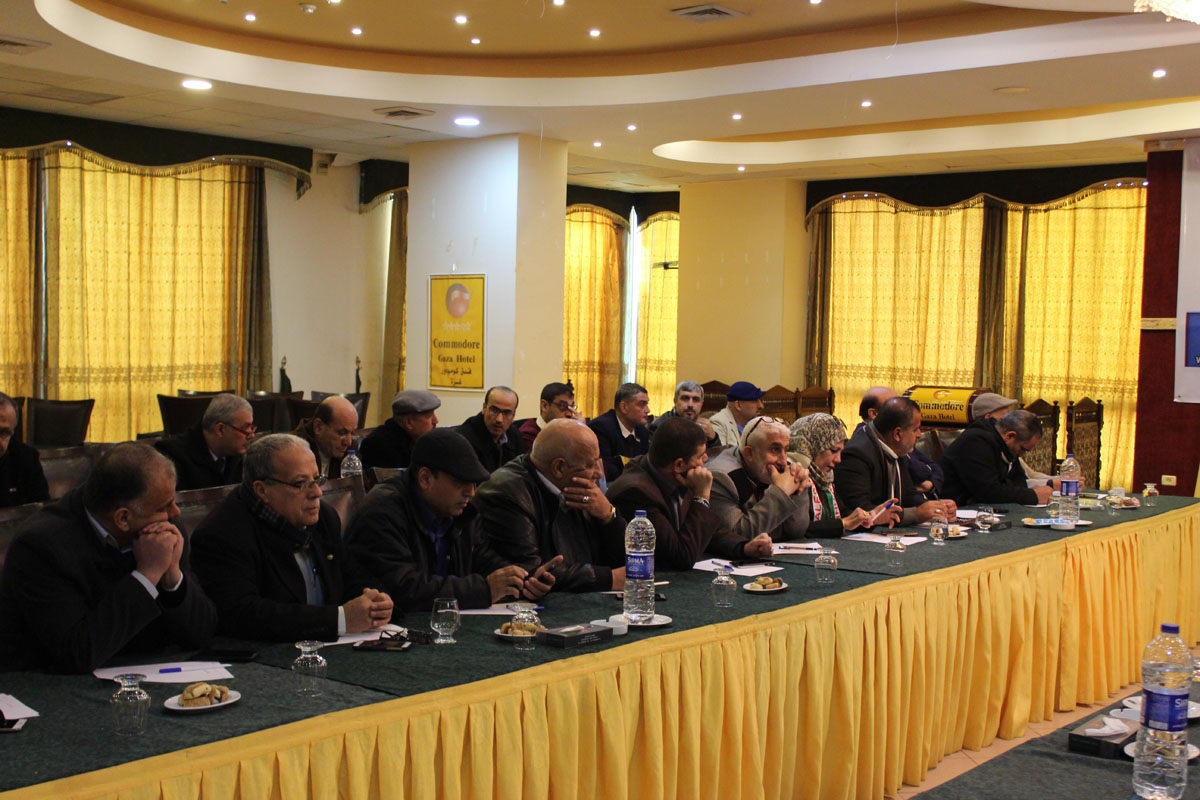
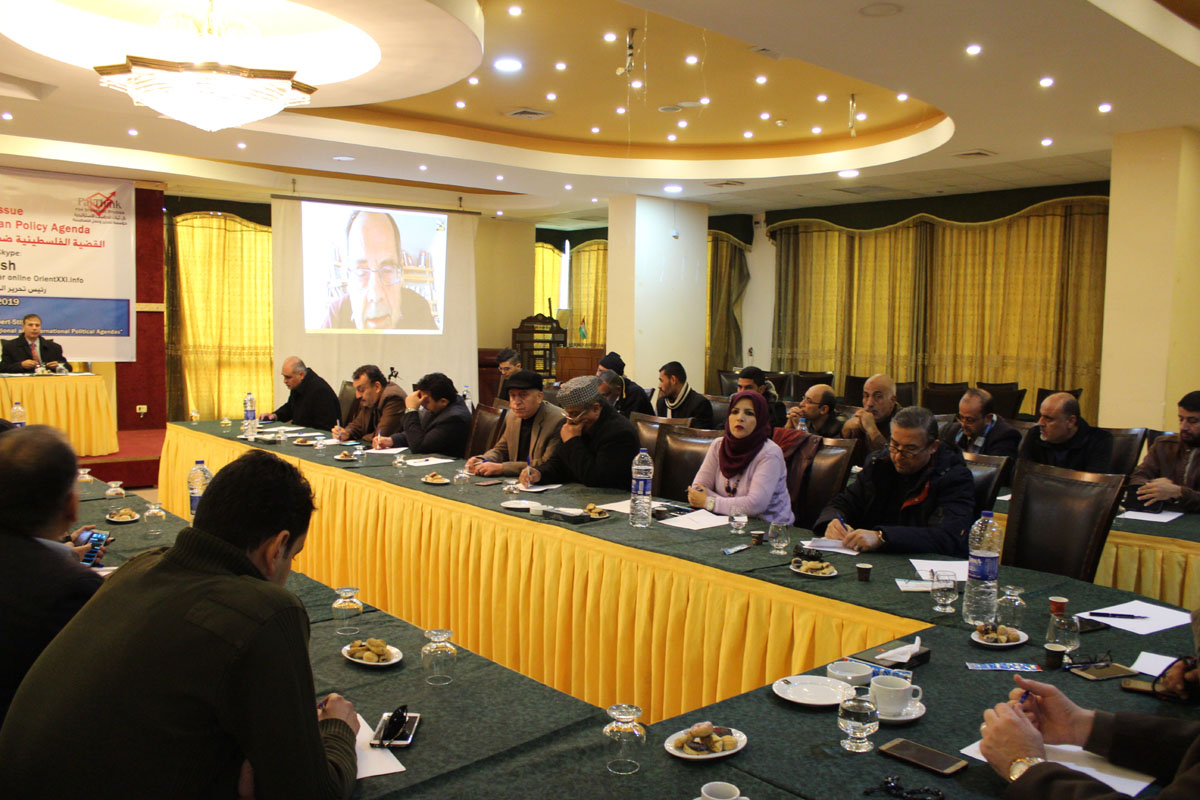
Mr Omar Shaban, director of Pal-Think, welcomed the attendees among political activists and academics, and affirmed Pal-Think's continuous striving to keep contact with the world and the international community despite all the challenges in the Gaza Strip especially and Palestine generally. Shaban pointed to the importance of discussing French policy especially and European policy generally, and their effect on the Palestinian cause under the radical changes in the Middle East and Europe's preoccupation with its internal problems, the problems of refugees, the right wing, and other political developments.
For his part, Dr Usama Antar, programmes director of the German Friedrich Ebert Foundation, affirmed the importance of taking up French policy, which holds a somewhat different policy compared with Germany concerning the relation with Israel: France has contributed many financial grants to the Palestinian Authority and put forward the French initiative in support of the two-state solution, which was thwarted by Israel and the United States.
Mr Gresh took up how French and European policy has changed much since 1976 and held importance for the Middle East: before that there were strategic relations with Israel, and most of Israel's weapons were French, until de Gaulle took upon himself the personal position, against French opinion and the French parties save the French Communist Party — in addition to his affirmation of the alliance with Europe, but with an independent French position.
He added that in the period of the eighties the Palestinian cause enjoyed French attention, and the position developed through the Palestine Liberation Organization and the Palestinian movement in the diaspora; after that the PLO office was opened in France, and France began playing a role in the European Union, which then comprised only 6 states, and European foreign policy affirmed Palestinian rights and stood against the policy of Israel and America.
He pointed out that the change that happened in the nineties concerning French and European public opinion happened for several reasons, among them the outbreak of the first intifada and the endorsement of the French parties' position in support of the Palestinian cause — and this led to the development and strength of the relation with the Palestine Liberation Organization. He added that the outbreak of the second intifada contributed to bringing about the change, French policy, and the positions of principle: the settlements were condemned, Jerusalem was affirmed as the capital of the state of Palestine, and trade relations were strengthened — pointing out at the same time that France and Europe support Palestinian rights, but at the same time there is no pressure at all on Israel to bring about the required change.
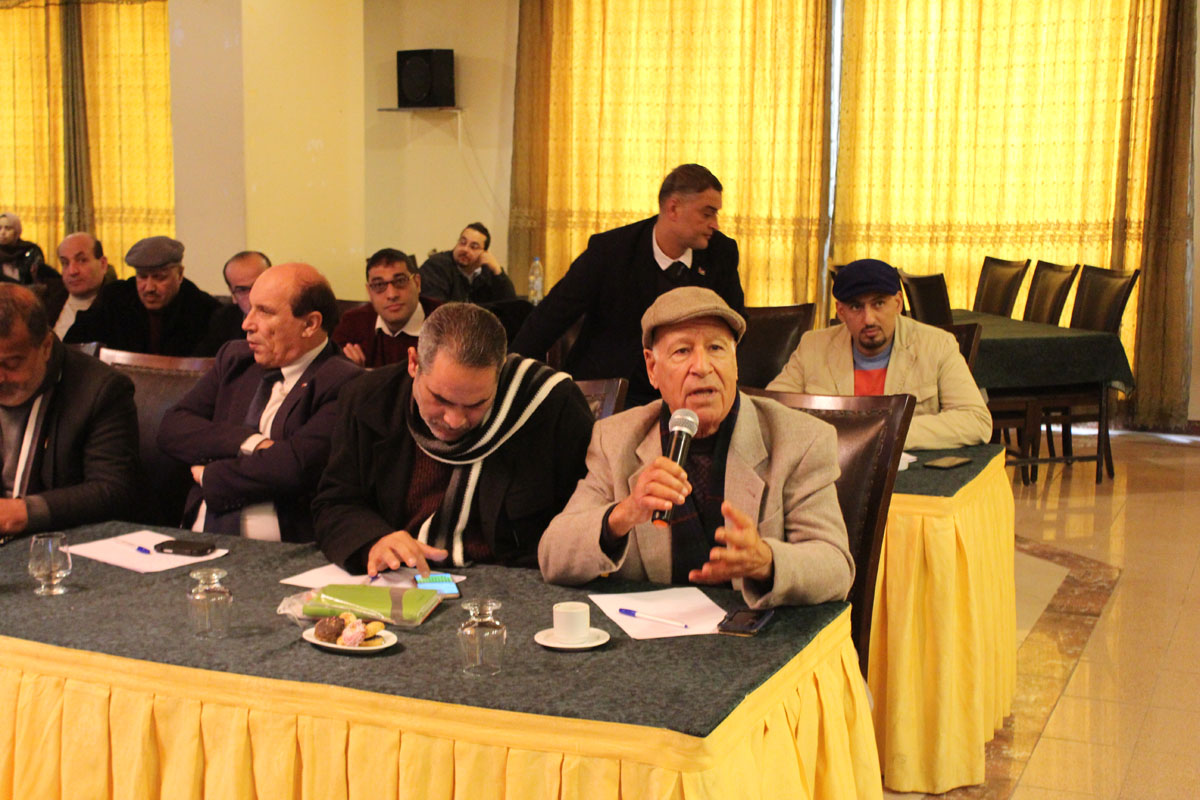
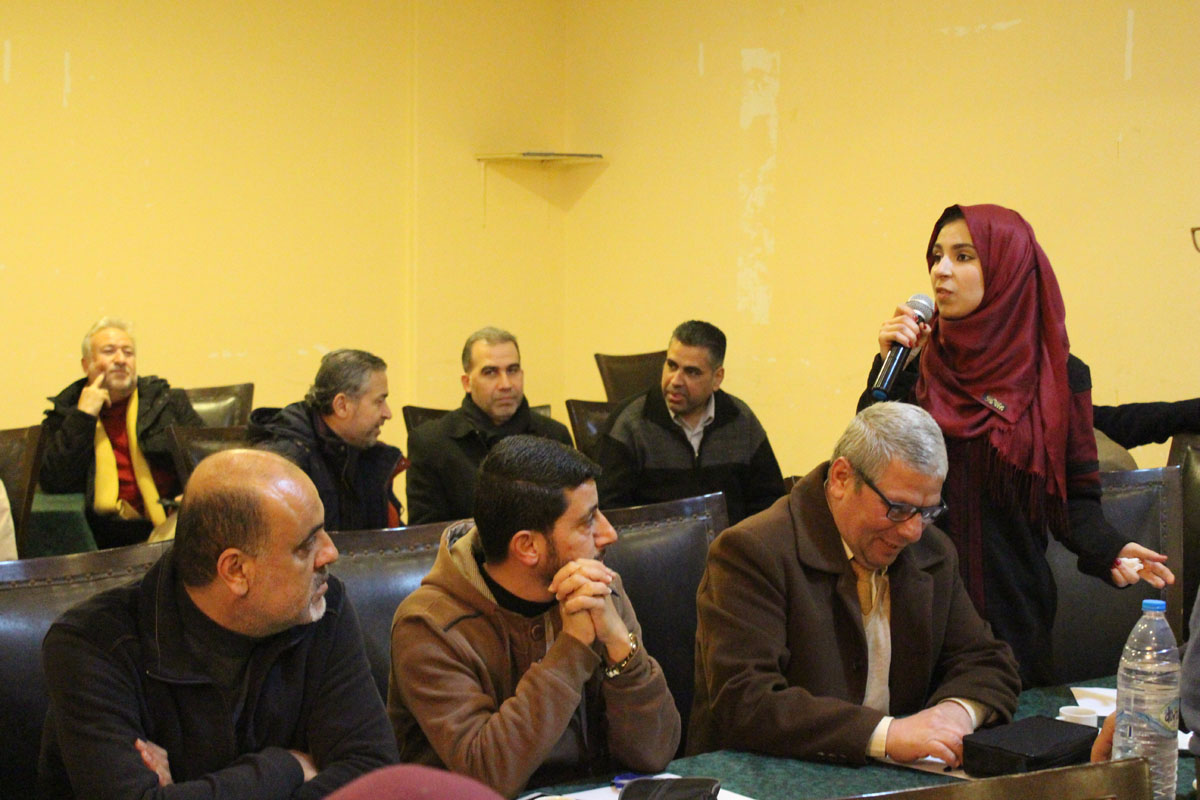
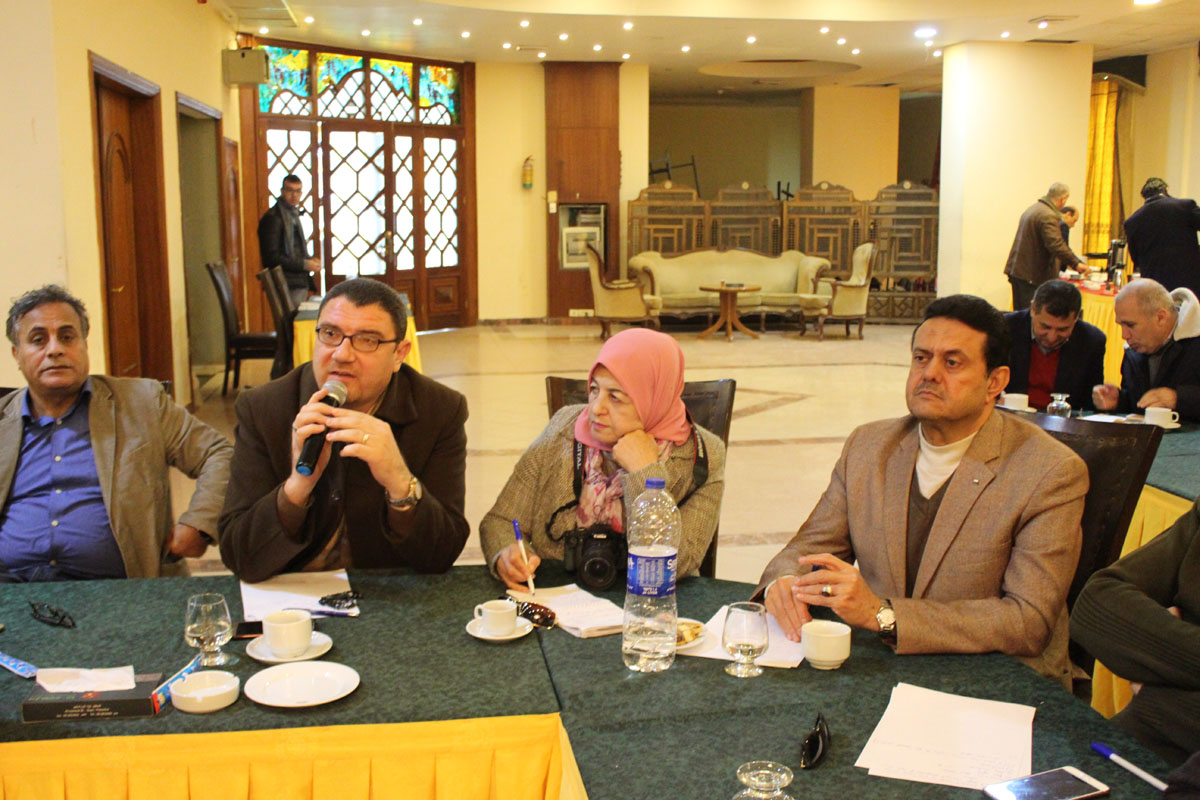
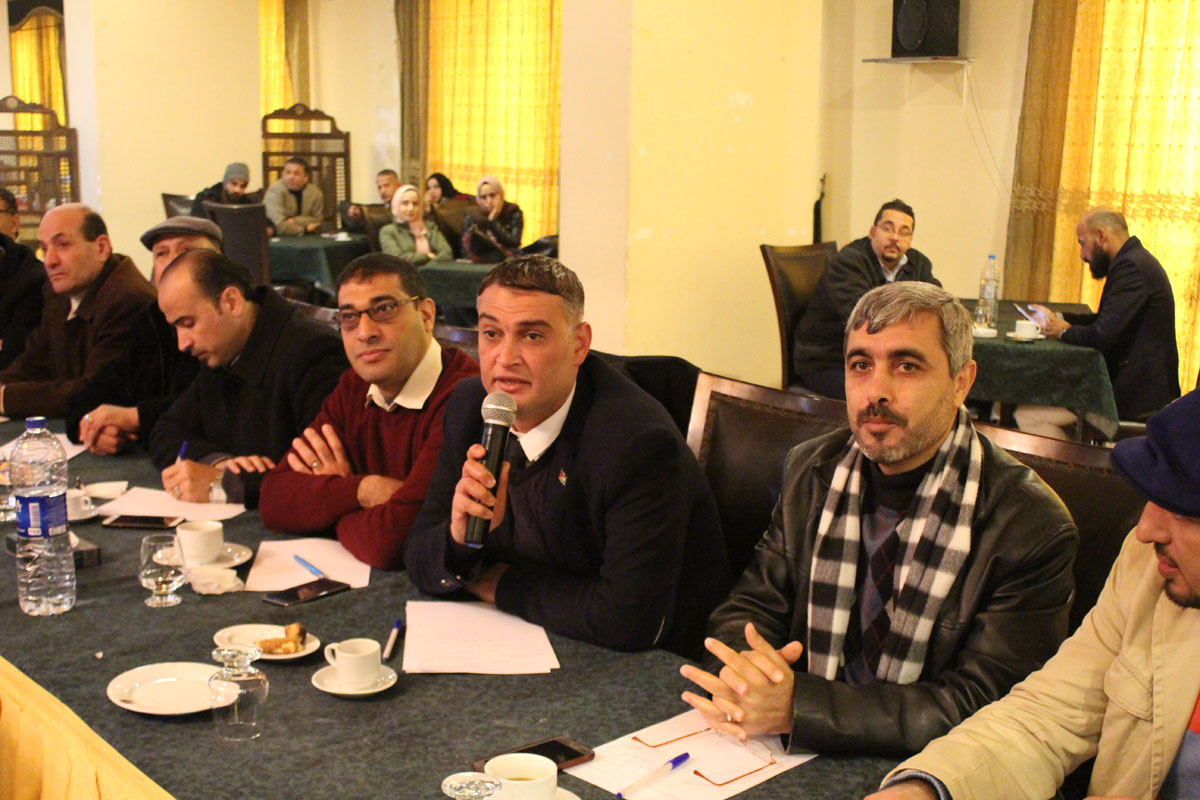
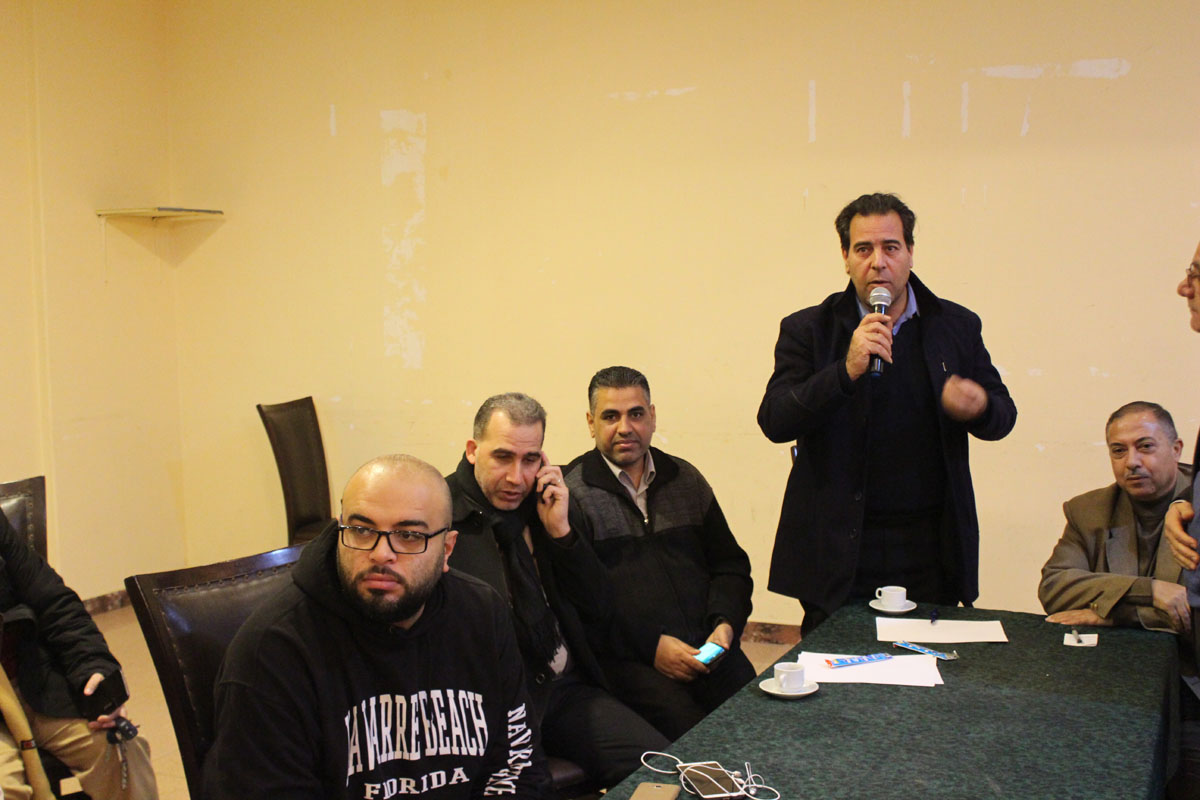
Mr Gresh likewise affirmed that the Palestinian division reflected negatively on the support of Palestinian rights and weakened international popular and official endorsement of the Palestinian position. Many of the attendees took part in offering a set of interventions and questions. In closing, Gresh affirmed that the Middle East's problems cannot be solved, and no state of calm and peace in the region can be accomplished, without achieving a just solution to the Palestinian cause in the first place.