Al-Firdaws Women's Association and the Enlightenment Cultural Forum run the «One Homeland» initiative
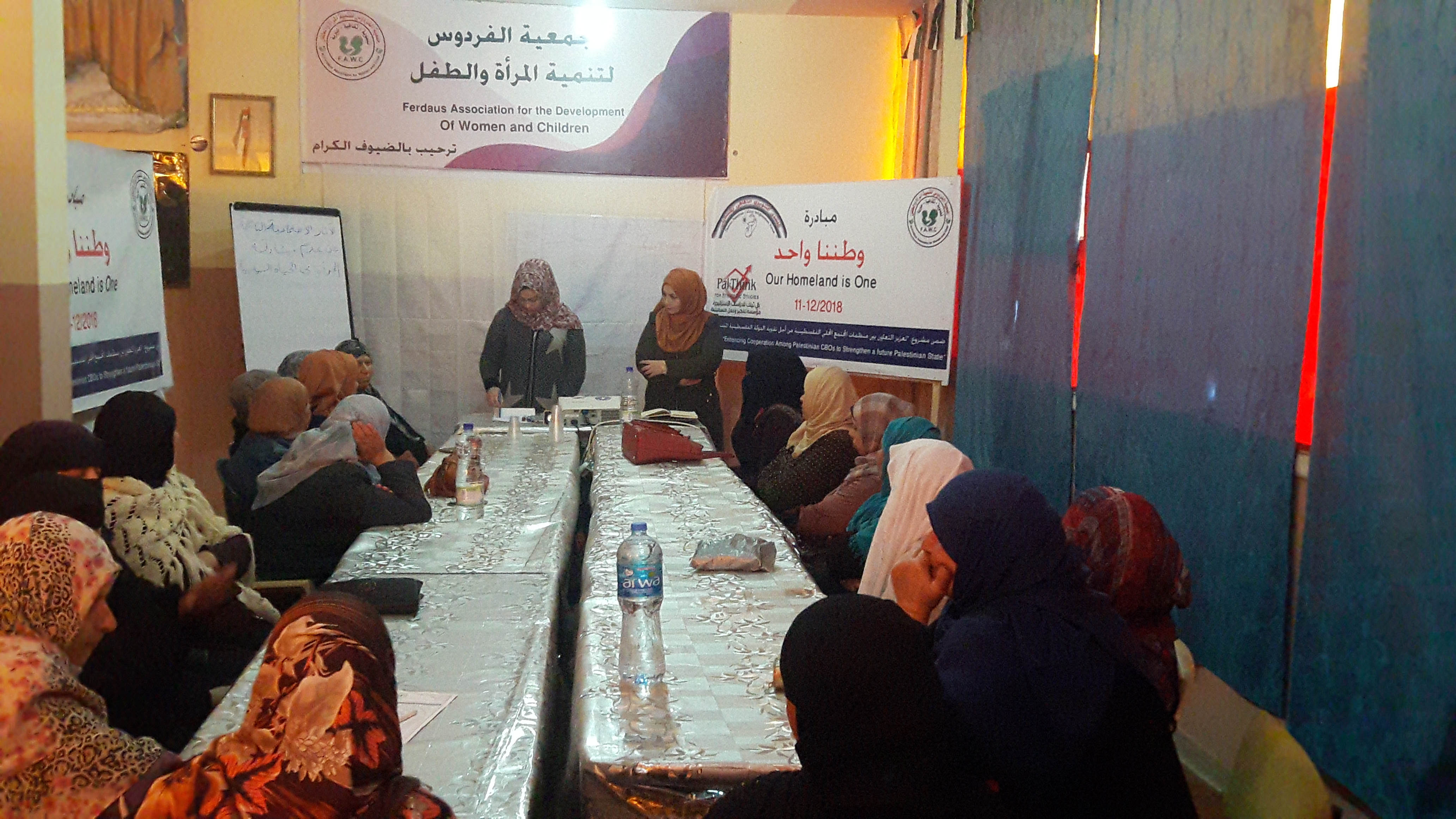
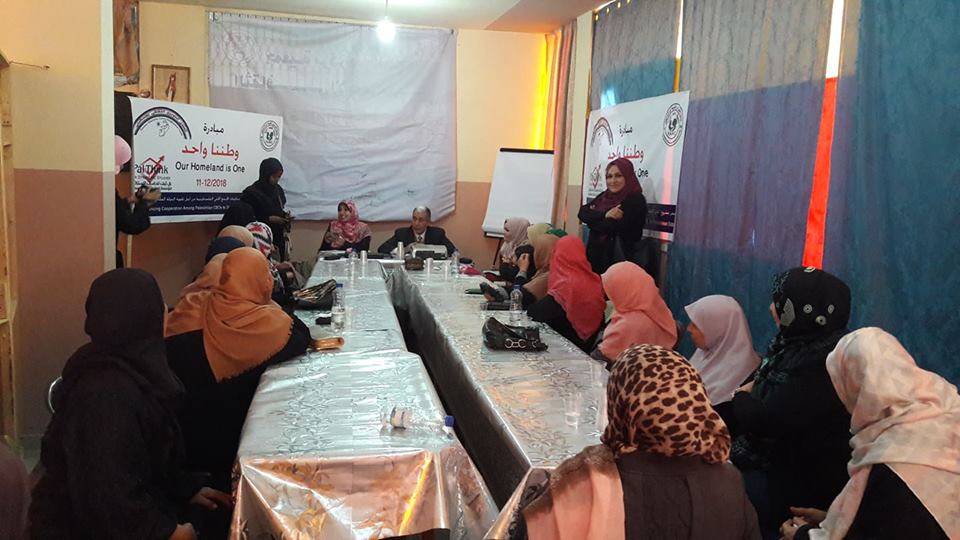
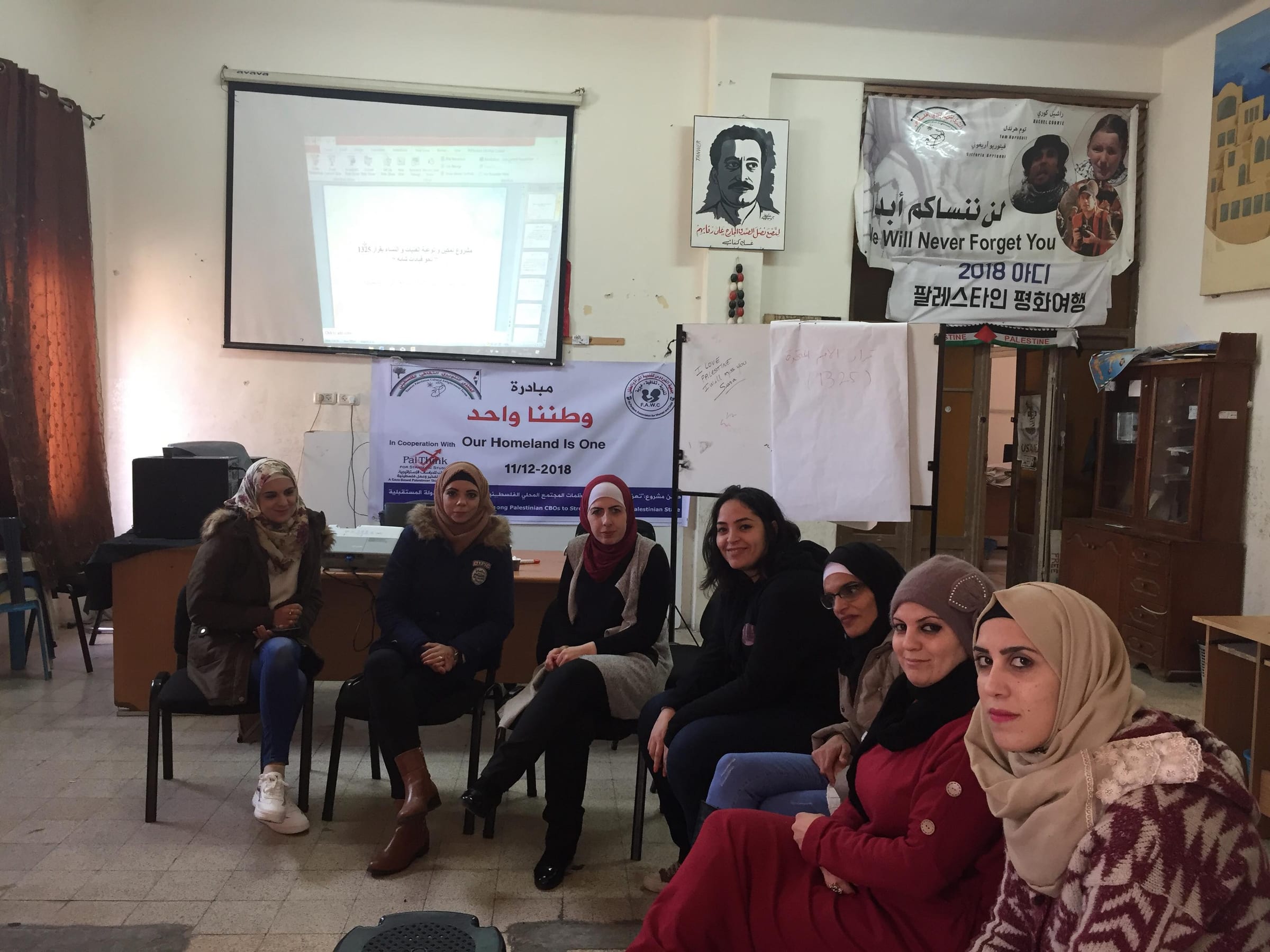
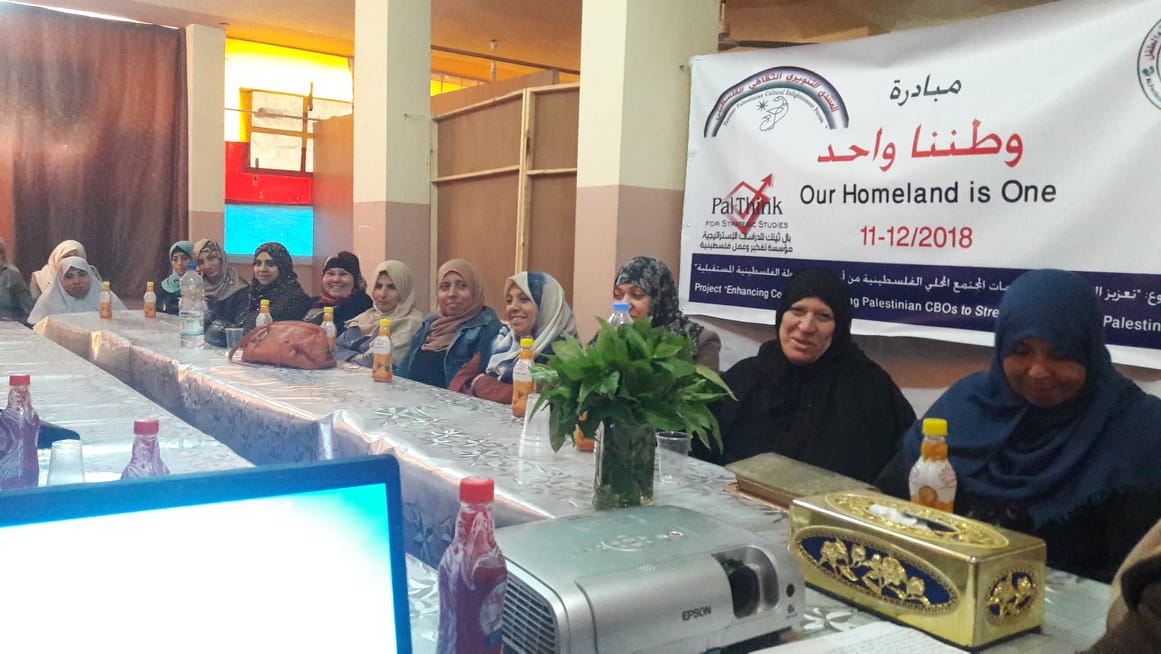
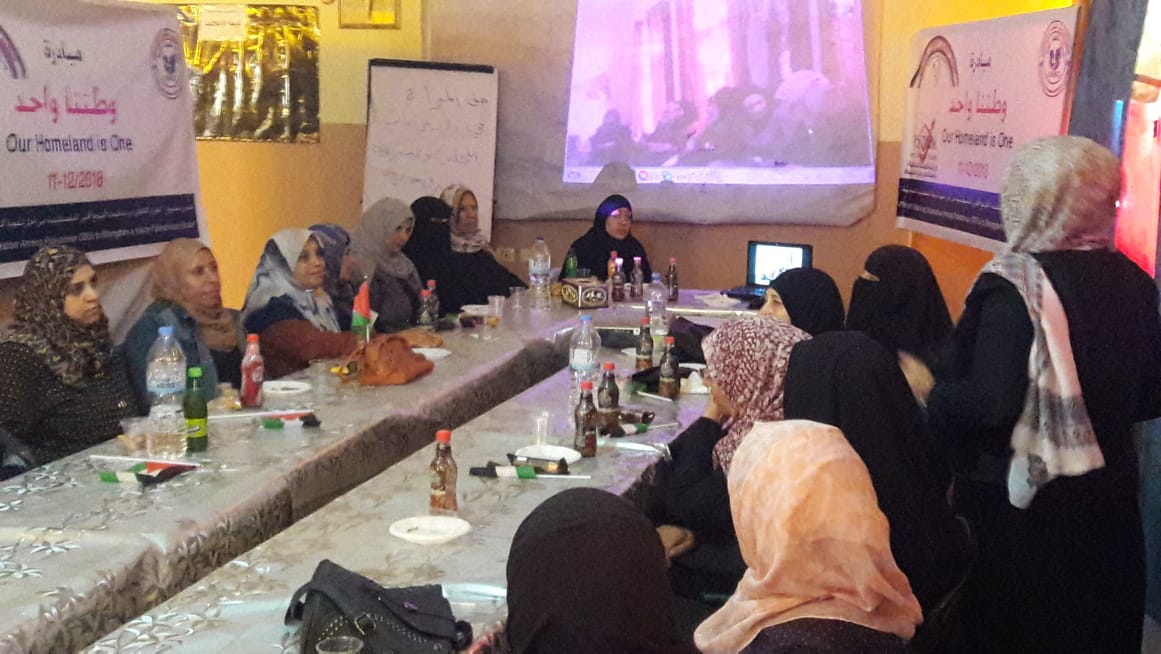
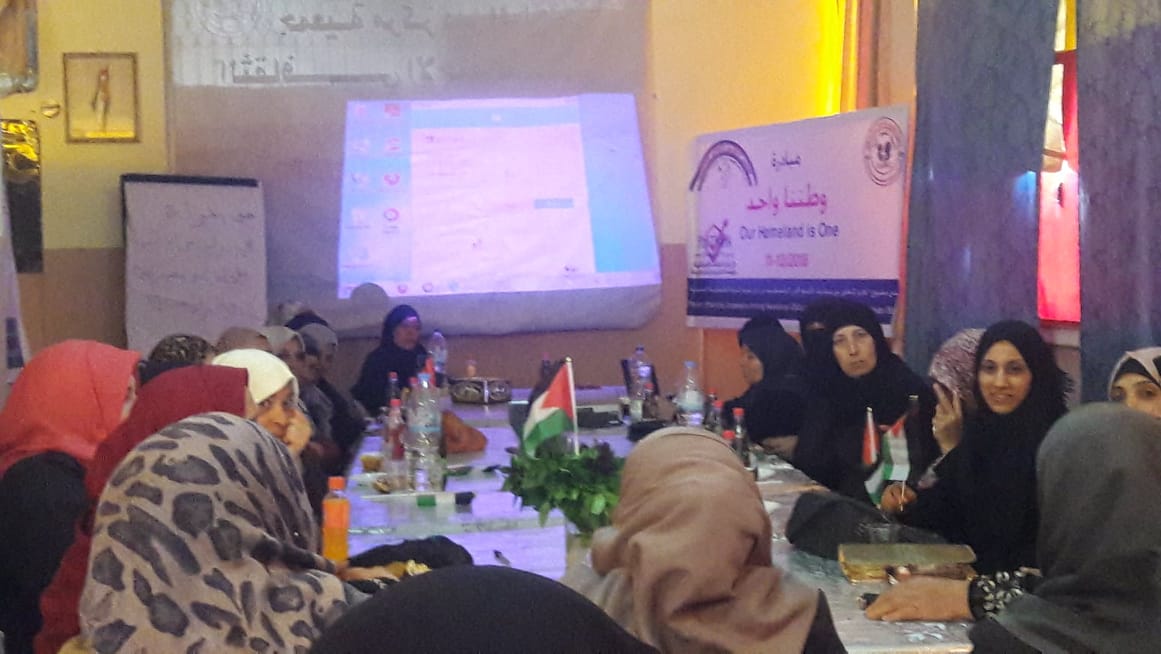
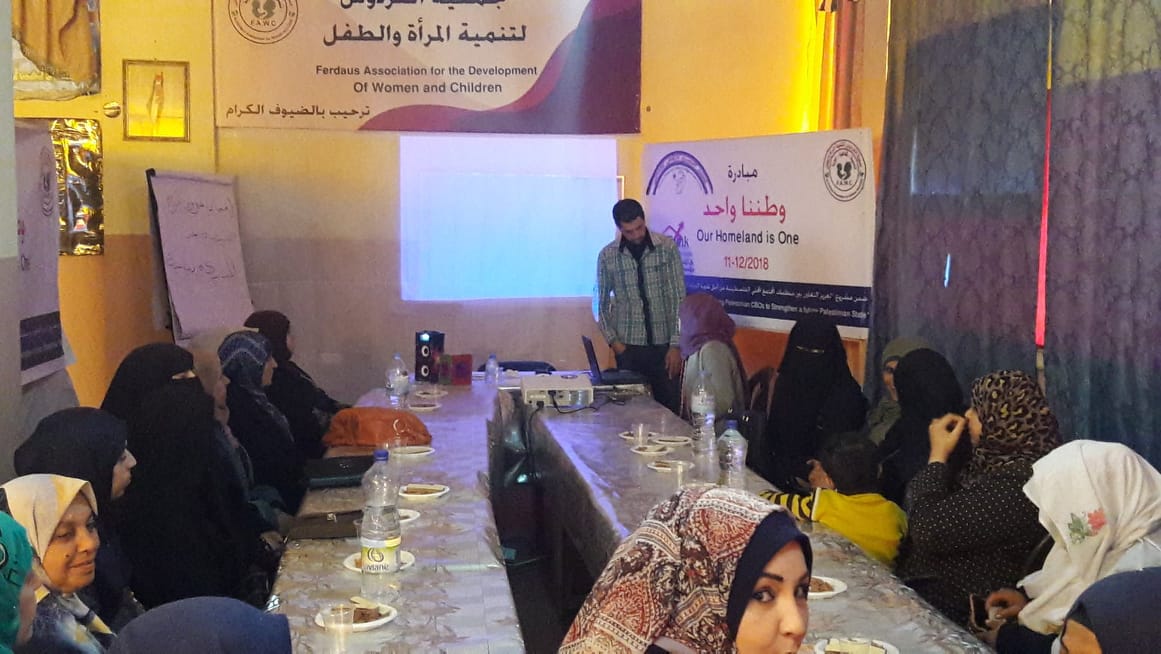
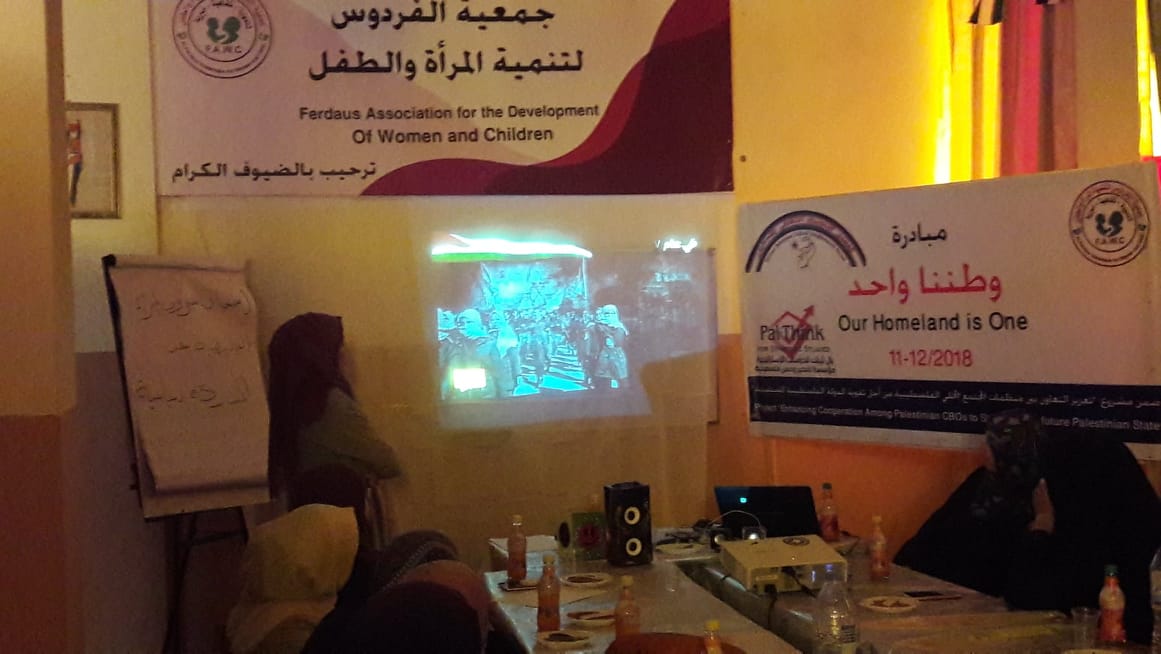
Al-Firdaws Association for Women and Child Development in Deir al-Balah, with the Palestinian Enlightenment Cultural Forum in Nablus and Pal-Think, held joint video-conference meetings for women in both halves of the homeland under the «One Homeland» initiative — reaching over 200 women.
- Author
- The editorial team
- Date
- 2019-01-14
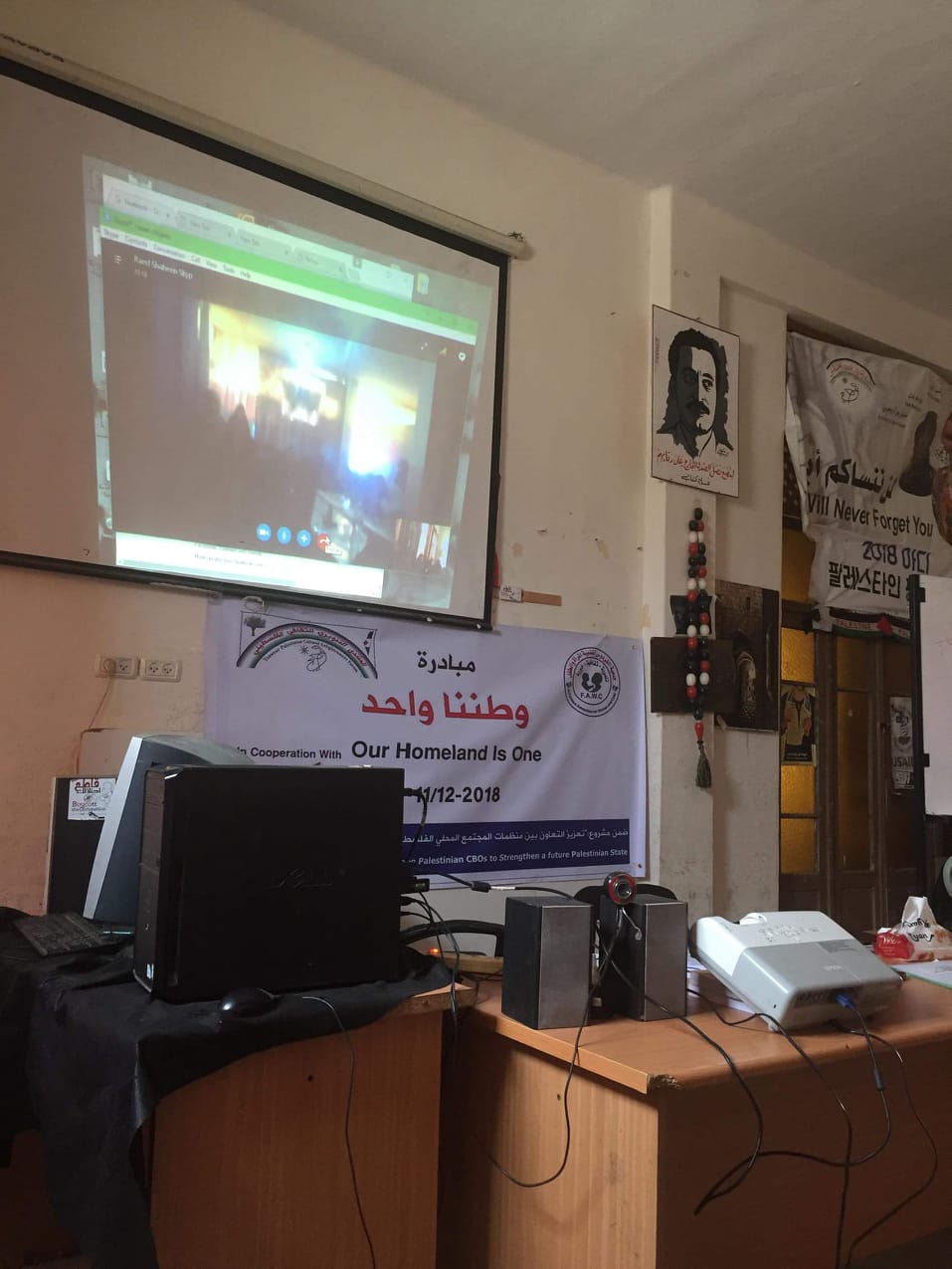
The Ferdaws Association for the Development of Woman and Child, at its headquarters in the city of Deir al-Balah, in cooperation with the Palestinian Enlightenment Cultural Forum in Nablus and in partnership with Pal-Think for Strategic Studies, carried out joint meetings for the women of the homeland's two halves over video conference and Skype — the initiative (Our Homeland Is One) — from which more than 200 women benefited. The initiative came with the aim of strengthening interaction among civil-action organisations at the national level, through carrying out initiatives discussing the issues facing Palestinian society and offering scholarly views and proposals in support of building the Palestinian state.
The initiative comprised six axes over a month and a half. The first axis concerned women's right to political participation, during which women's political role and their right to political participation and decision-making were discussed — to enable them to know their true role in life, make them a fundamental element within society, and perform their political role in the homeland's advancement and development.
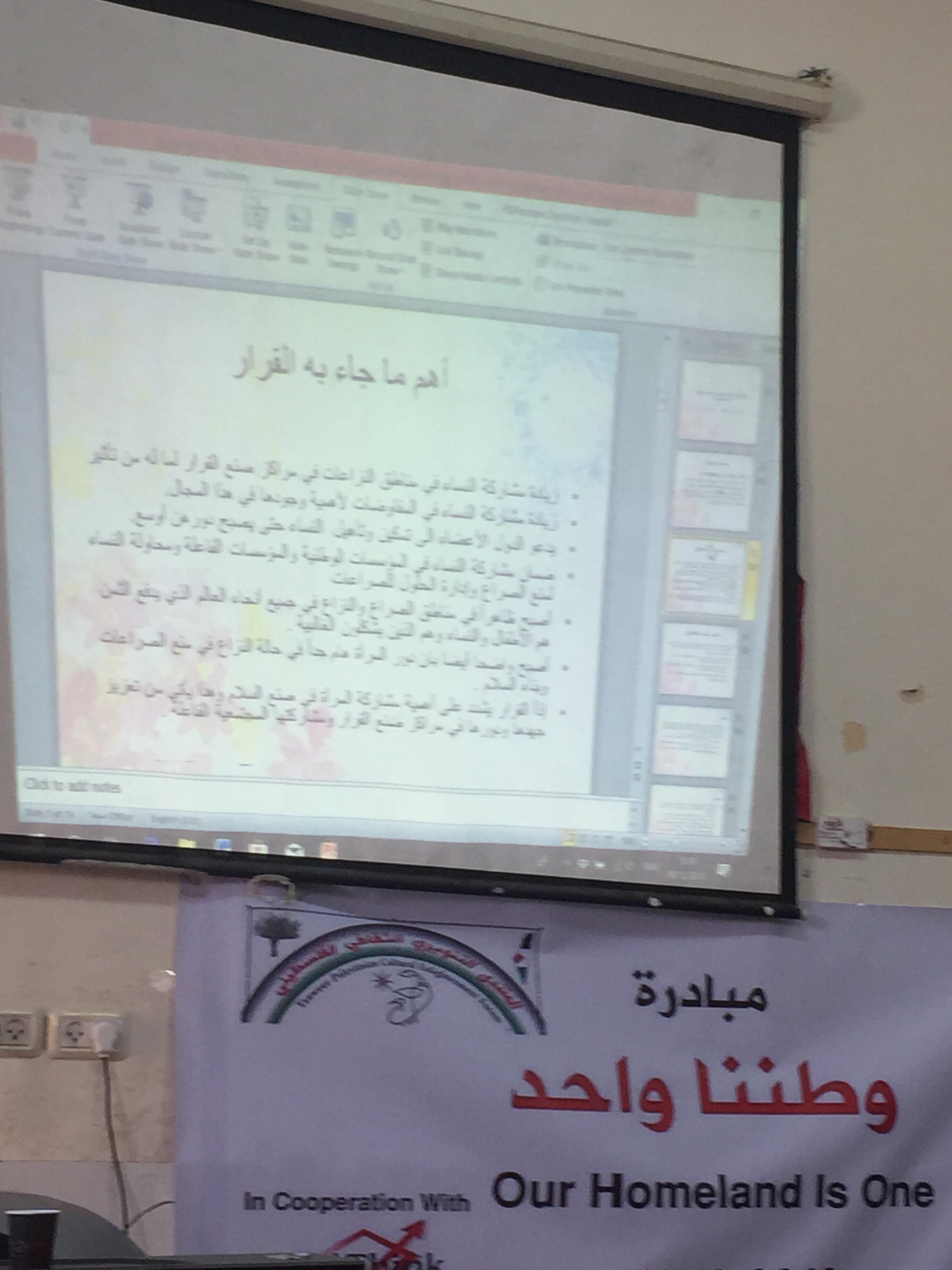
The second axis discussed the CEDAW convention and its role in eliminating all forms of discrimination against women and equality with men in the political, economic, social, and cultural fields. In the third axis, Security Council resolution 1325 was presented — relating to the protection of women in areas of armed disputes and conflicts, and its strengthening of women's role in international peace, their protection, and the securing of the special needs of women and girls, so that women stand as a partner on an equal footing with men in preventing and resolving conflicts and achieving sustainable peace. This resolution was discussed and projected onto the reality of the Palestinian woman and the danger of wars, killing, and displacement to which she is exposed.
In the fourth axis, women's right to stand in the local, legislative, and presidential elections was discussed: this meeting presented the foundations and laws guaranteeing women their right in this frame, given the importance of women's role in society. The fifth axis made clear the causes of the Palestinian woman's abstention from political participation — customs and traditions, society being male-dominated, women's low awareness of what the political role is, and the psychological, economic, and social causes that led to their abstention and distance from political participation, whether positive or negative — with discussion of the ways of solving them, the effects of women's marginalisation, and affirmation of their right in life's walks and their participation in political life in all its forms. In the sixth and final axis, the social effects following from women's non-participation in political life were surveyed, and society's loss of women's political capacities that could work to achieve accomplishments for the state.
The initiative produced a paper comprising the result of these discussions, in which the women of the homeland's two halves took part in the unified meetings that enriched the discussion and the exchange of views around a single issue. The paper comprised the participants' view of the issue of women's political participation: most attendees affirmed the necessity of women's political participation to guarantee benefit from the capacities women can offer society.
Those discussions likewise recommended the necessity of supporting women's political participation and raising women's awareness of their right to political participation, with continuous qualification and training to guarantee benefit from women's political capacities. It is worth mentioning that this paper will be published in cooperation with Pal-Think for Strategic Studies.