The «Their Right to Work» initiative
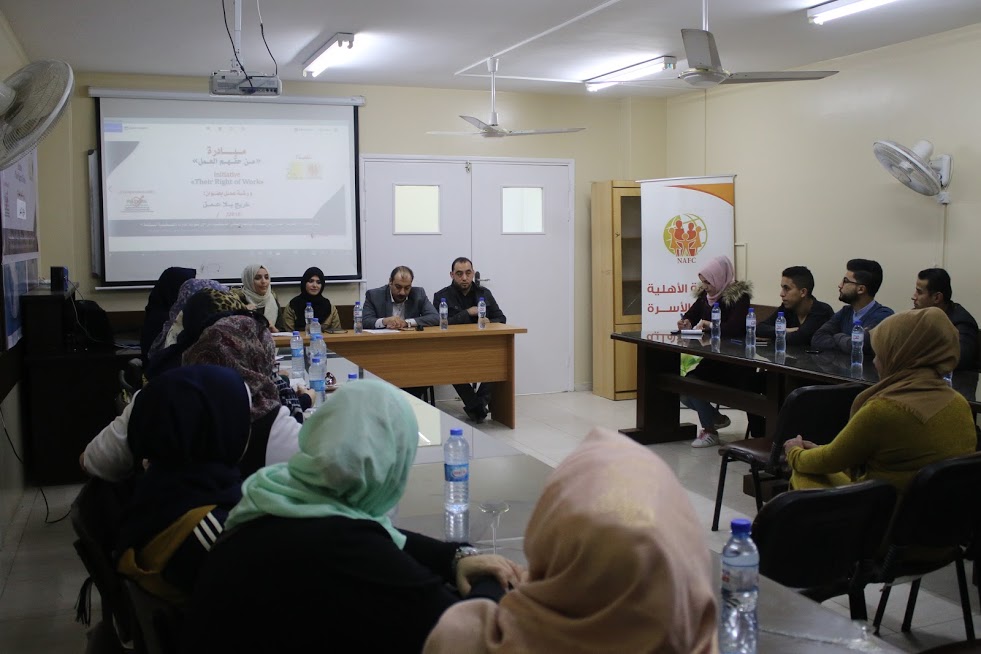
The Civil Family Care Commission in Gaza and Bozour Association in Nablus, with Pal-Think, implemented «Their Right to Work» — workshops across the West Bank and Gaza on graduate unemployment and the means of curbing it.
- Author
- The editorial team
- Date
- 2019-01-14
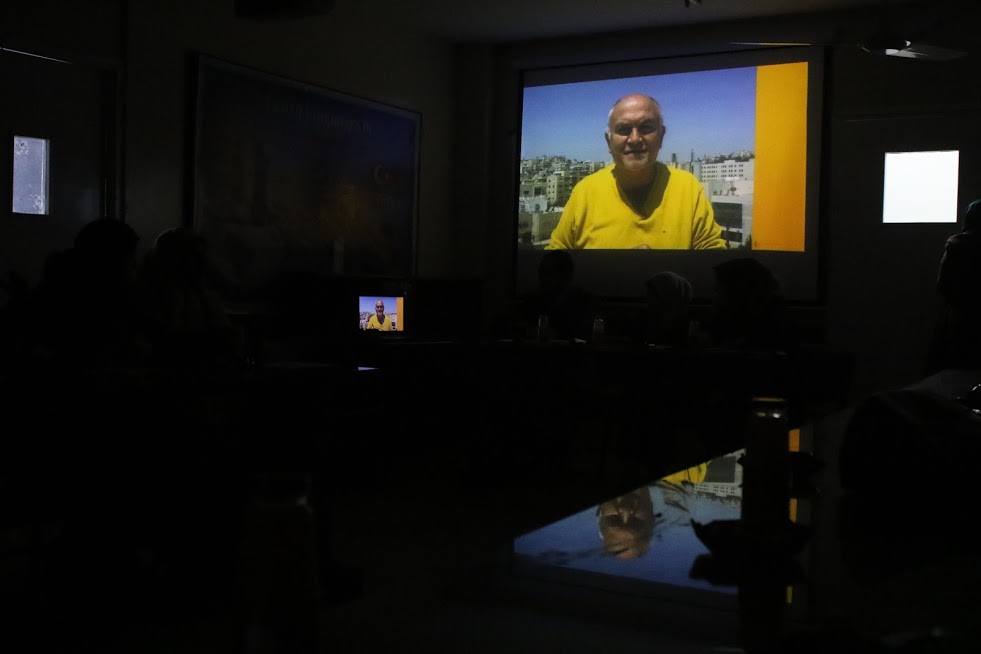
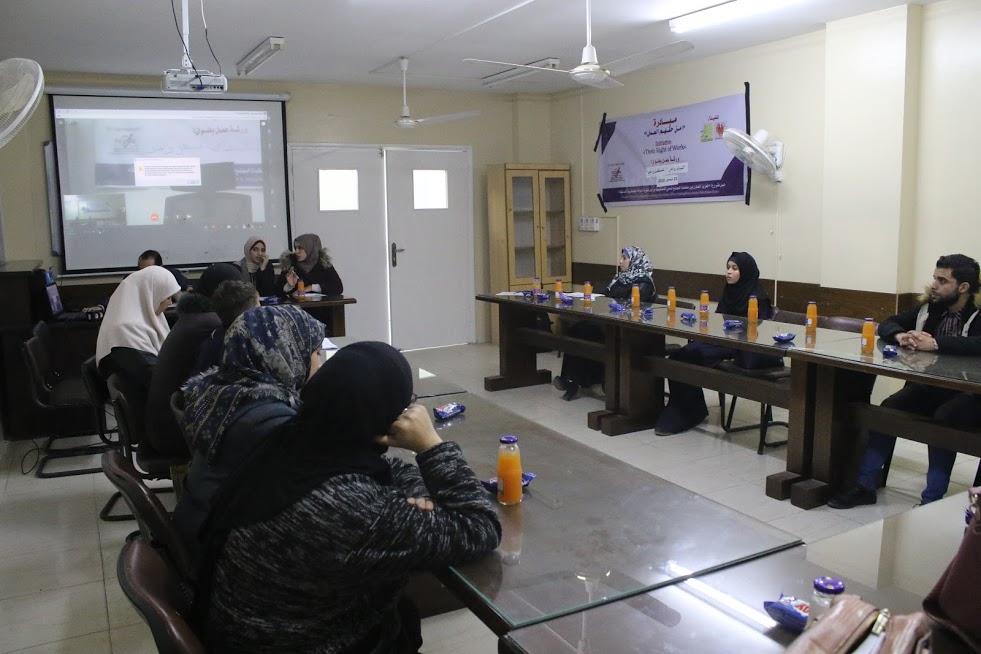
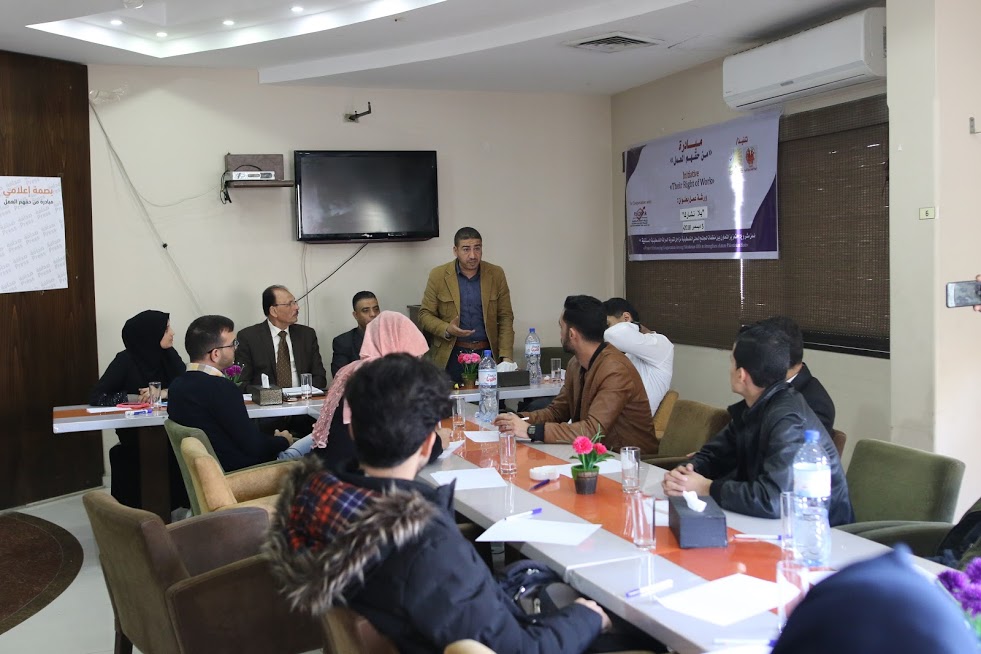
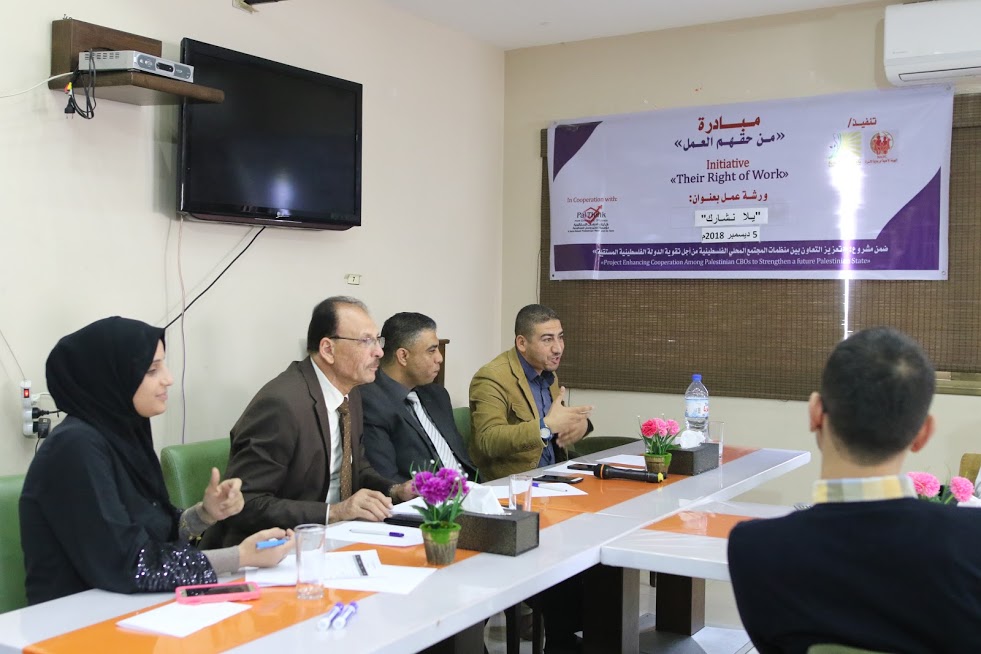
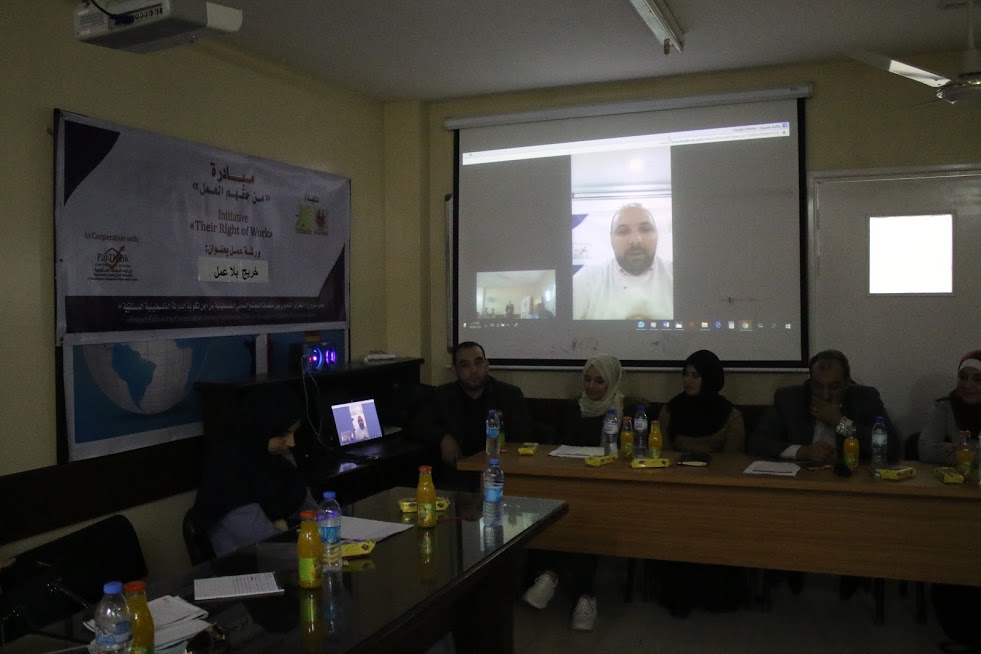
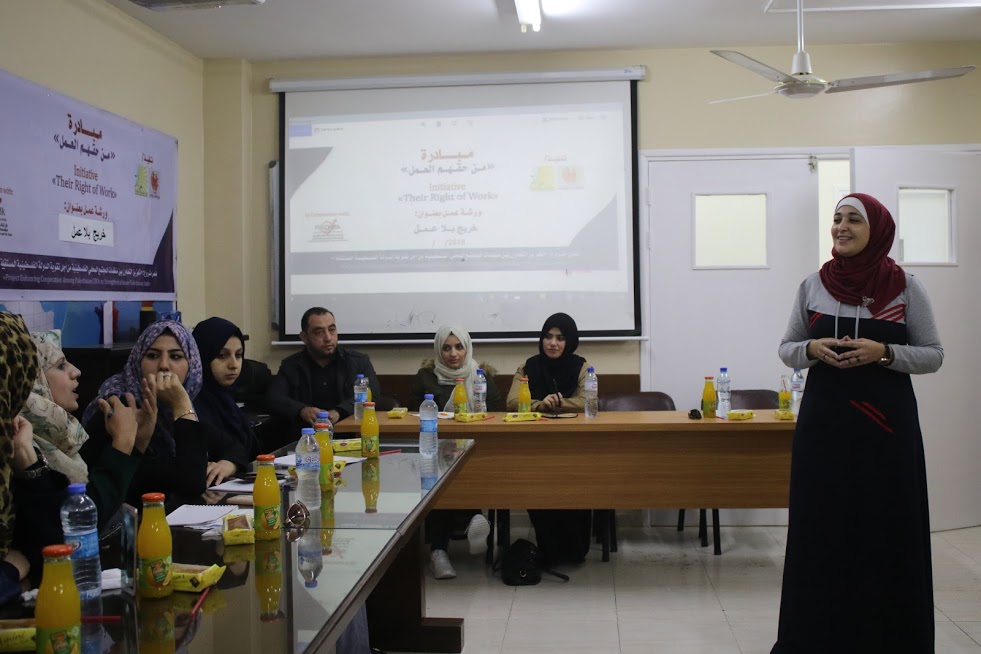
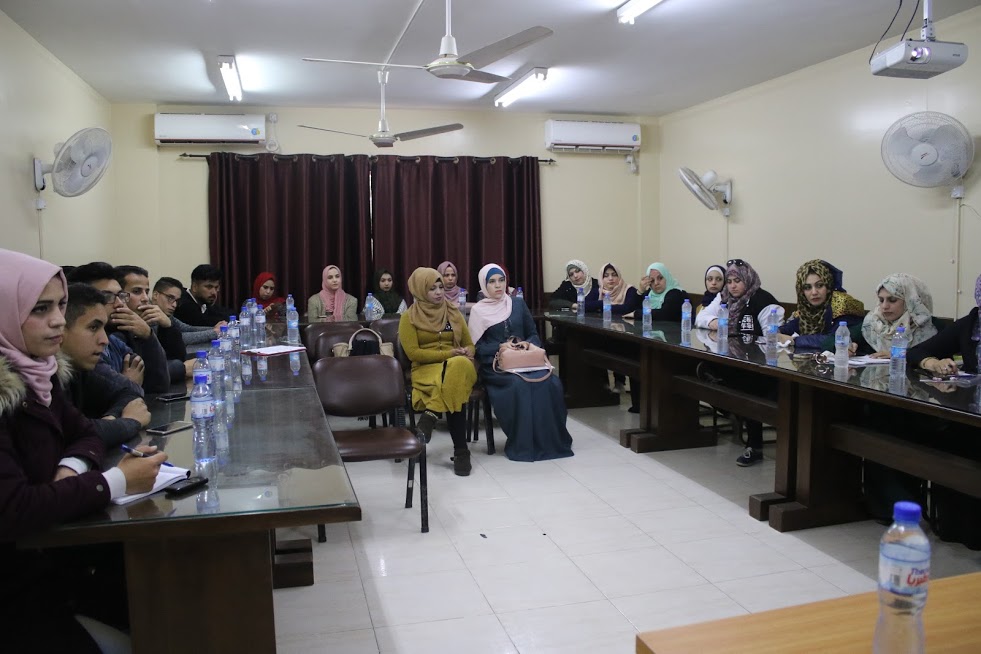
The Civil Commission for Family Care in the Gaza Strip, together with the Bozoor Association for Culture and Development in the West Bank (Nablus), in partnership with Pal-Think for Strategic Studies, carried out an initiative titled “Work Is Their Right”, which discussed the problem of the spread of graduate unemployment in Palestine and the ways of curbing it — through holding workshops in the West Bank and the Gaza Strip with all the parties related to this issue. The first two workshops were held simultaneously in the West Bank and Gaza under the title “A graduate without work”, targeting university graduates, with interventions over Skype with the Bozoor Association in Nablus, where the graduates' current reality and the most important problems they suffer from were discussed.
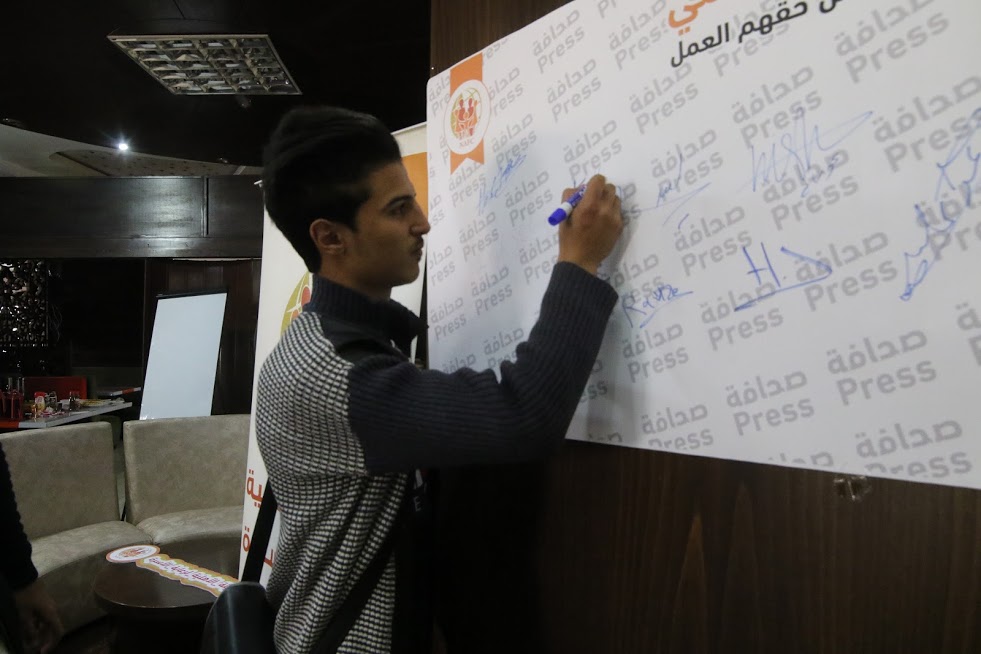
Two workshops were held in the West Bank and Gaza under the title “Come, Let's Participate”, attended by a number of media figures and social-media activists in the West Bank and Gaza, with discussion on the role of the media and social-media platforms in shedding light on graduate unemployment and affirmation of their role in supporting graduates.
Then two workshops were held in the West Bank and Gaza under the title “Graduates between reality and the future”, attended by a number of graduates, representatives of local community institutions, and specialists in the field of freelance work, to discuss this issue and find solutions to curb it.
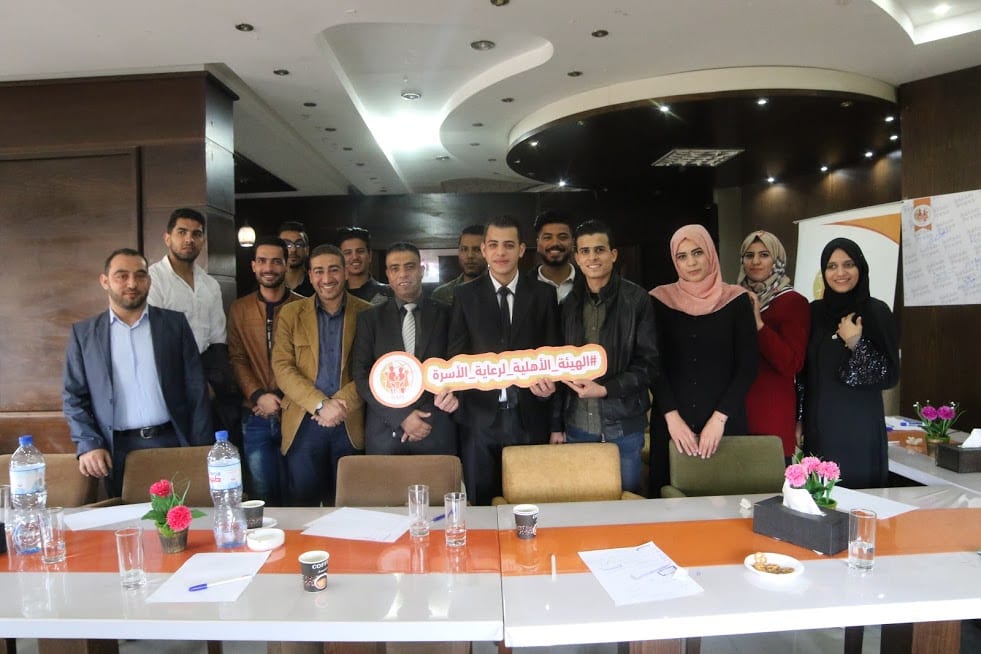
At the initiative's close, two workshops were held under the title “Aware youth for a promising future”, attended by a number of university graduates in the Gaza Strip and the West Bank. Discussion ran between the graduates in Gaza and the West Bank over Skype on the reality of the Palestinian market, the importance of focusing on the professional fields the Palestinian labour market requires, and the importance of making school students about to enter the universities aware of the specialisations the labour market needs. There was talk of the ways of empowering youth through training them in remote work or carrying out projects qualifying them to join the labour market. The Civil Commission for Family Care concluded this initiative by affirming support for university graduates and work to carry out projects meeting their needs; and the Commission, represented by its board members and its executive director Mr Mohammed Labad, expressed their thanks to Pal-Think for funding this initiative, hoping to continue working with them in coming projects and activities.