The «Enough Silence, Raise Your Voice» initiative
Amjad Association in Gaza and the Working Woman's Association completed phase one of «Enough Silence — Raise the Voice» with Pal-Think, under the cooperation project bridging the gap the occupation sought to open between the homeland's halves.
- Author
- The editorial team
- Date
- 2019-01-24
The Amjad Association for Creativity and Community Development in the Gaza Strip and the Working Woman Association for Development completed the first stage of implementing the initiative “Enough Silence… Raise the Voice”, in partnership with Pal-Think for Strategic Studies — within the project “Strengthening cooperation among Palestinian local community organisations for strengthening the independent Palestinian state”, which aims to break the gap the occupation, in the first degree, tried to create through geographic partition, deepened also by the odious division — and to strengthen work and interaction among civil-action organisations at the national level.
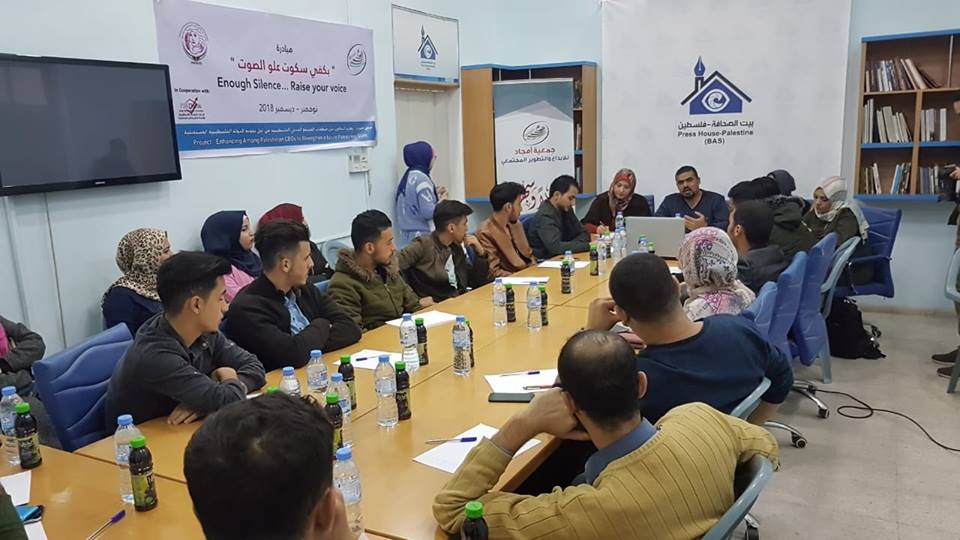
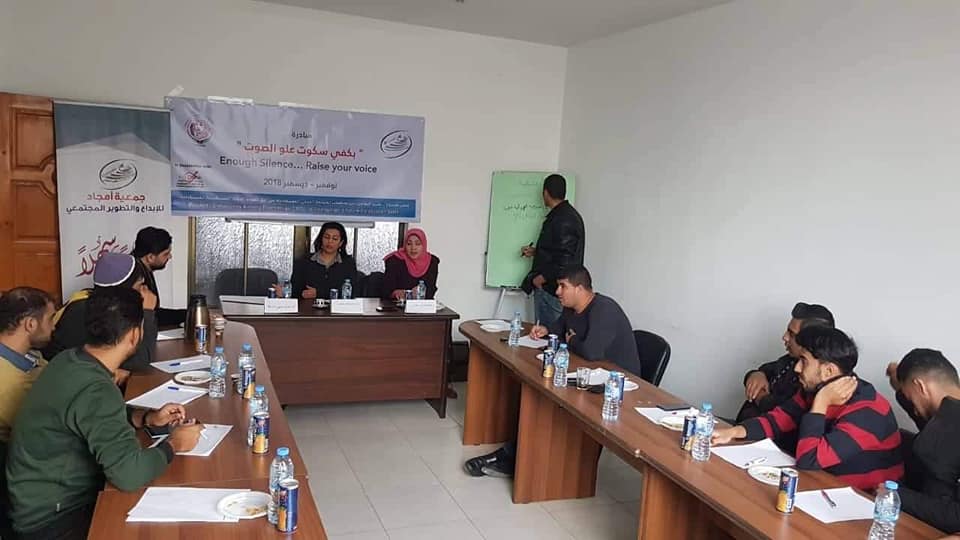
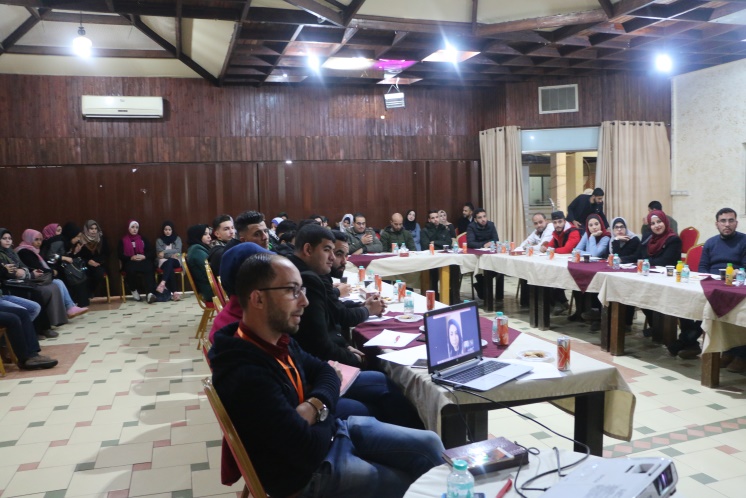
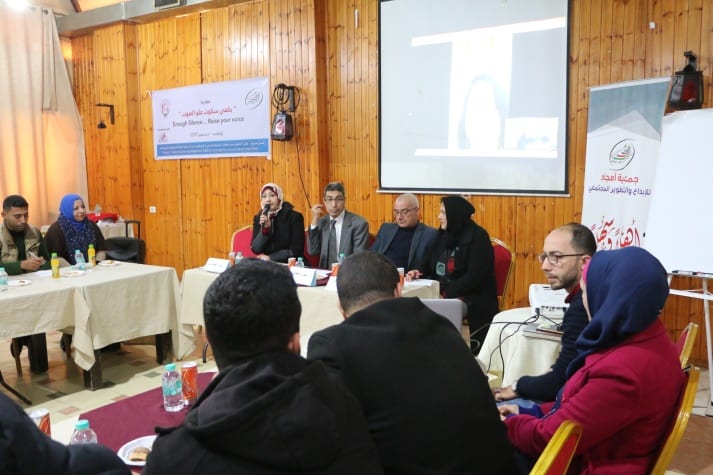
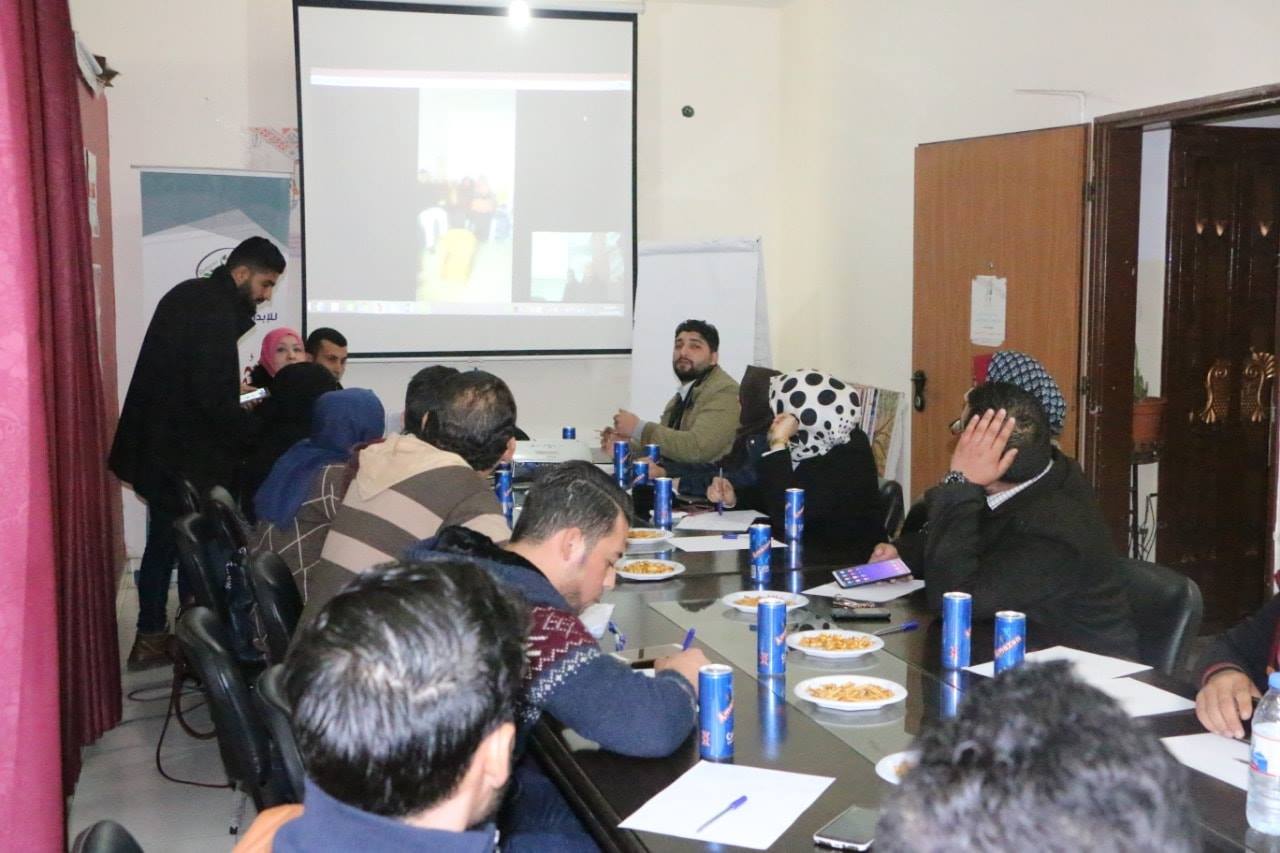
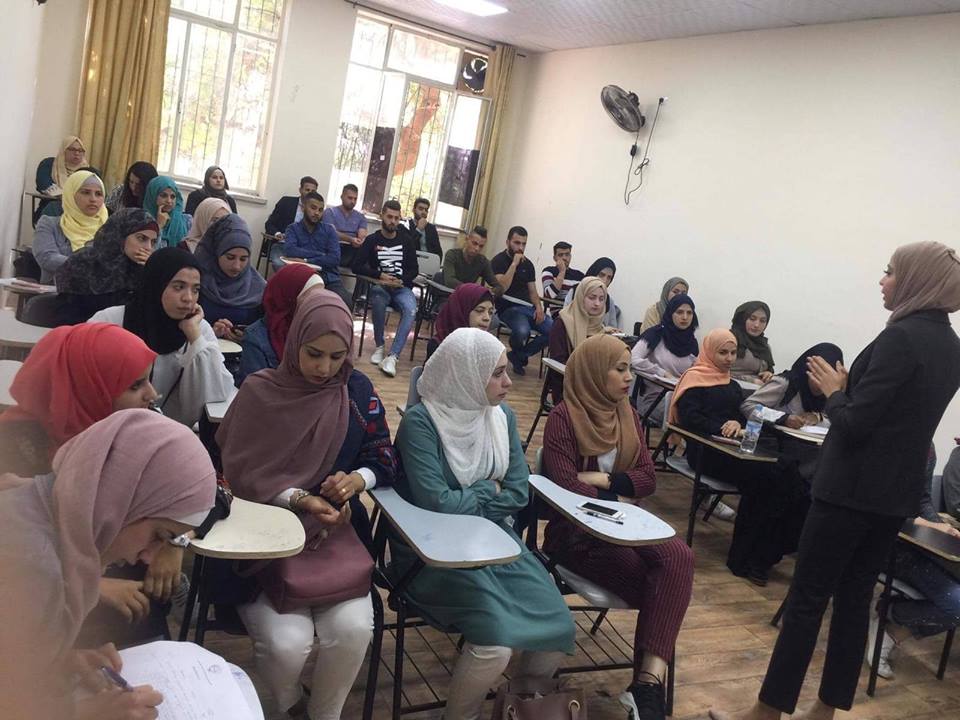
This initiative comes to treat the issue of youth's non-representation in the reconciliation and civil-peace committees; to strengthen the national fabric and preserve civil cohesion between the southern and northern governorates; and to raise the capacities of young people from Gaza and the West Bank in the field of leadership, activate their role in strengthening civil peace and ending the division, and carry their voice to decision-makers. In the first stage, simultaneous dialogue sessions were carried out in Gaza and Tulkarem, joined by active youth and attended by a group of activists and a number of university students and effective youth formations from the student councils and student blocs.
These dialogue sessions, carried out jointly between the two institutions over Skype, aimed to strengthen the chances of intellectual exchange and open discussion between the two sides, and to discuss the challenges and issues facing youth in Palestinian society — which is what Pal-Think aims at in implementing its project with the Palestinian institutions: strengthening the spirit of cultural, political, and social participation for youth through meetings, contact, and communication.
It is worth noting that the dialogue sessions presented the reality of youth in Palestinian society and the division's effects on all walks of life in the southern and northern governorates. Light was shed on the historic role of the youth movement in Palestine; the rights and duties of youth in political participation within the legal framework were set out, along with the role of civil-society institutions and the political parties in strengthening youth participation to lead the process of change and policy dialogue.
These dialogue sessions produced a set of recommendations, arrived at jointly between the two institutions in the homeland's two halves, included in the research paper titled “Ways of strengthening youth's role in policy dialogue and achieving reconciliation and unity in the Palestinian governorates”, to be published in cooperation with Pal-Think for Strategic Studies. It comprised several axes and recommendations, foremost:
– Affirming the continuity of such activities and meetings that bring together the sons of the Palestinian people in the different Palestinian cities — bridging the intellectual and emotional gulf, unifying priorities, and gathering the Palestinian identity.
– Affirming the importance of strengthening youth's role in policy dialogue, to crystallise mounting youth and popular pressure for achieving Palestinian reconciliation and unity.
– Affirming civil society's role in developing young people's capacities to lead the process of change and in creating opportunities and programmes that deepen their awareness and integrate them into the different policy dialogues — being one of the forms of good governance and popular oversight.
– Unifying the bodies and spectra of the youth movement within a defined frame of reference, and working to build a national youth strategic vision aimed at reaching a professional, democratic society that guarantees youth participation and representation in all committees, bodies, political and national institutions, and universities.
– Drawing on international experiences in the leadership empowerment of youth, and examining the models of other countries that attend to youth and the universities, studying the experiences of those that suffered an experience of division.
– The necessity of youth practising democratic life — legislative and presidential elections and student councils extending across all parts of the homeland, to deepen unity.