Al-Mutahidun Cultural & Social Association and Zamam Palestine conclude the «Me and My Homeland» initiative
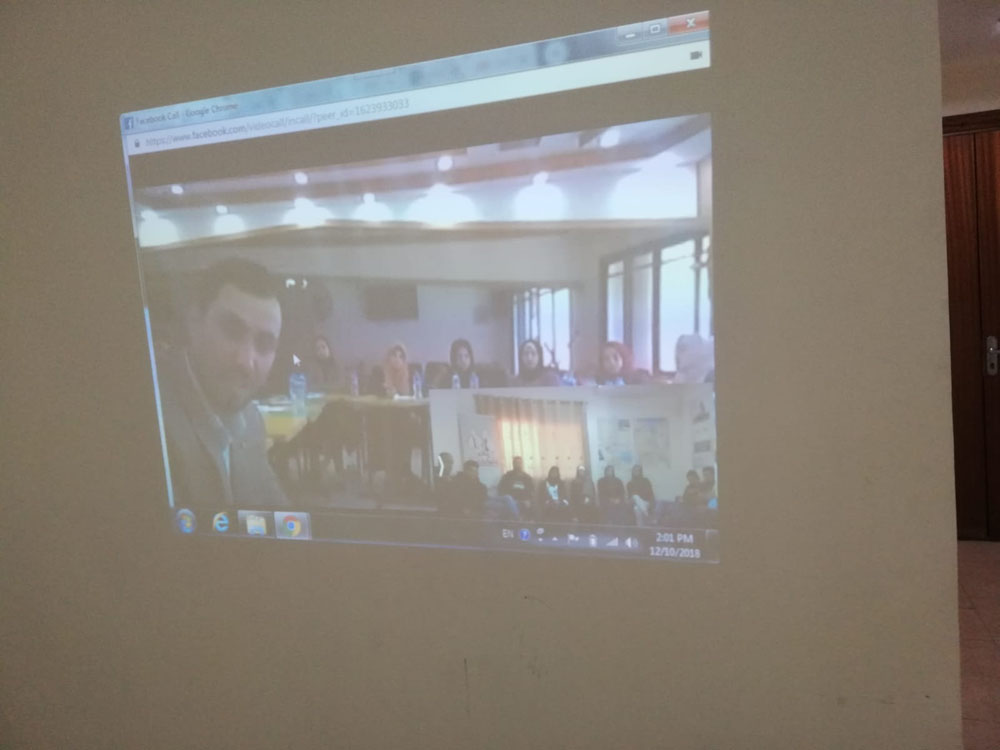
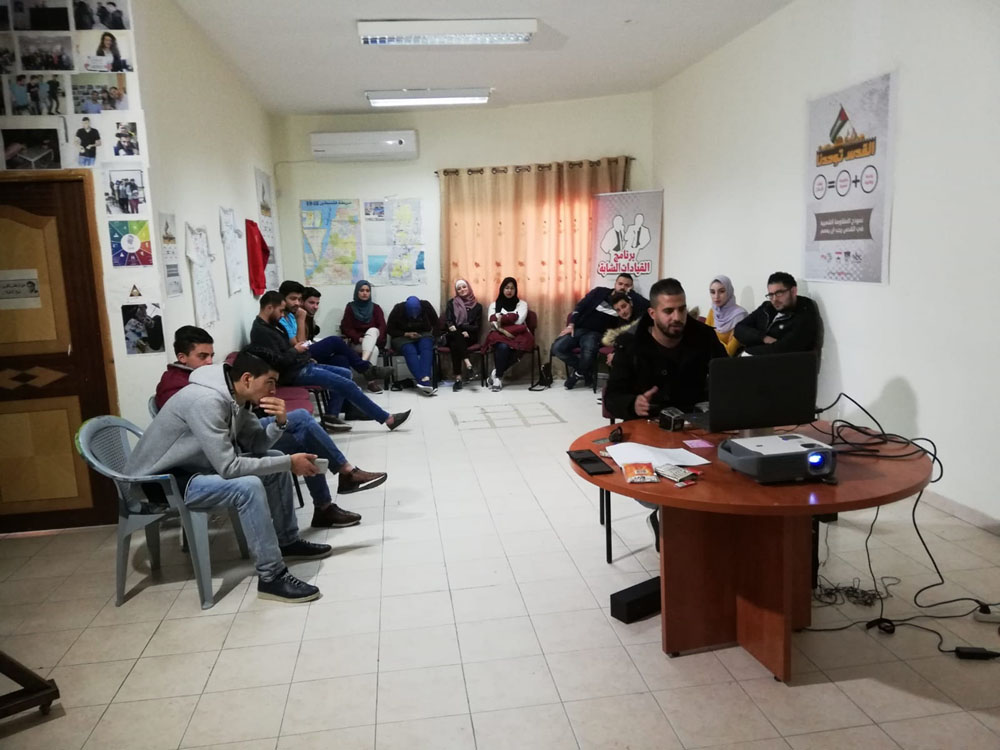
The Muttahidun Cultural Association in Rafah and Zimam Palestine in Nablus concluded the «Me and My Homeland» initiative with Pal-Think, creating a safe channel of connection between young people across the governorates under the state-strengthening cooperation project.
- Author
- The editorial team
- Date
- 2019-01-24
The United Cultural and Social Association in Rafah and the Zimam Palestine institution in Nablus concluded the events of the “My Homeland and I” initiative, in partnership with Pal-Think for Strategic Studies, within the project “Strengthening cooperation among Palestinian local community organisations for strengthening the future Palestinian state”.
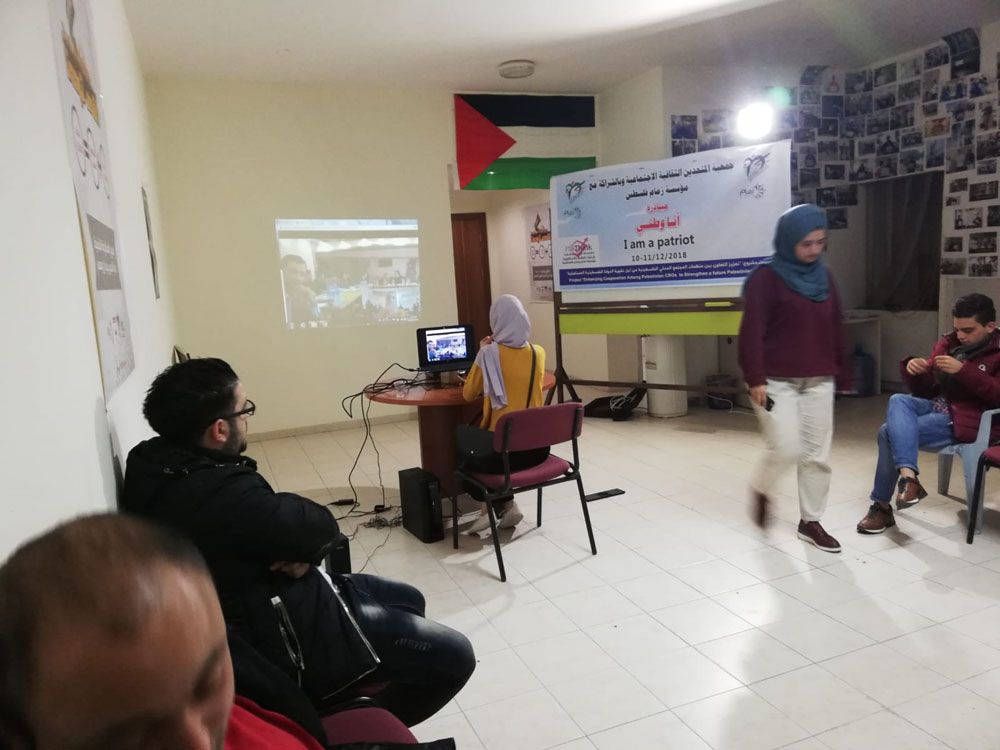
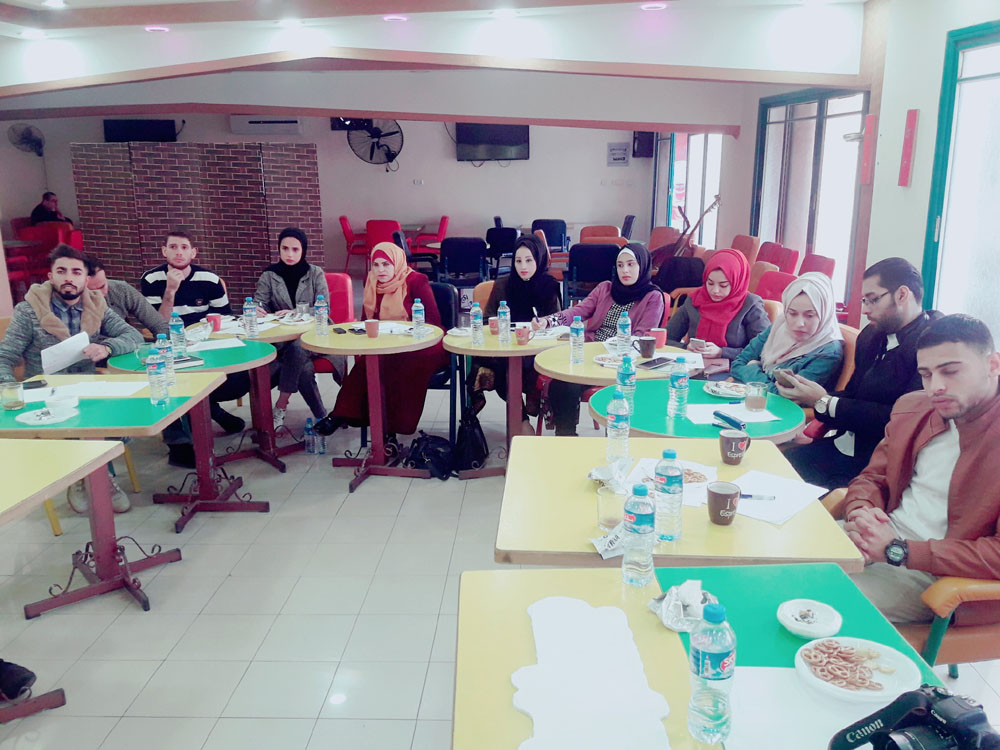
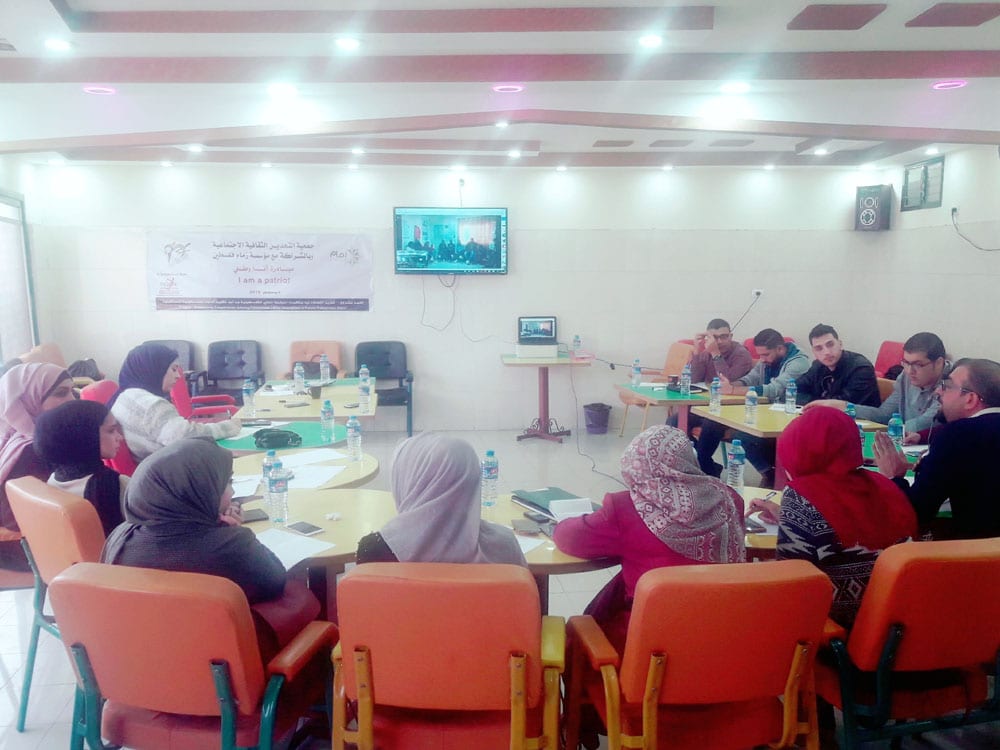
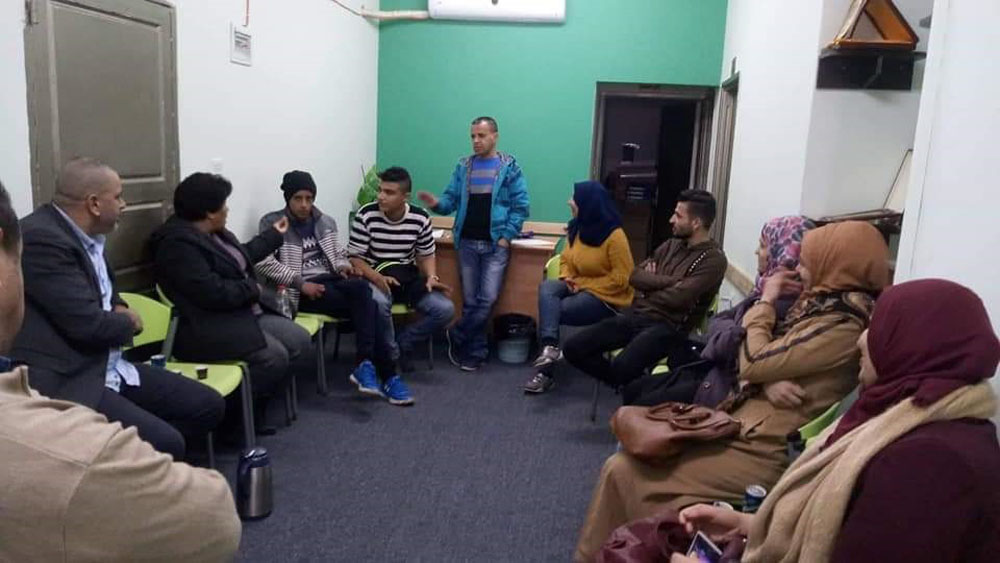
The initiative's idea centred on providing a safe space of contact among young people across the homeland's governorates, treating the crises entailed by the Israeli blockade imposed on the Gaza Strip and the political division running through the Palestinian system, encouraging mutual dialogue among youth on all the issues they share, and toppling the stereotyped news identity circulating about Gaza's reality in the news media. And, from the other side, about the West Bank in the news media. The initiative's activities centred on holding training days carried out in parallel and simultaneously between the youth in Gaza and the West Bank, aimed at training on the rights of citizenship and effective community participation on the one hand, and organising radio episodes to break the knowledge gap on both sides about the landmarks, places, customs, and traditions of the Palestinian cities and towns in Gaza and the West Bank and to exchange experience and views on all current issues — in addition to organising field visits to many active local youth institutions in both Gaza and the West Bank to convey their knowledge and activities to all. And in support of the process of shared knowledge about both related sides: the initiators from Rafah expressed their admiration for the initiative's idea, being the first through which they open social relationships with friends from the West Bank and exchange experience and knowledge about their circumstances, the universities, the labour markets, and the nature of life in the West Bank's cities — while the young people from the West Bank expressed their overflowing happiness at being able, for the first time, to reach young people of the same age from Gaza to build social relationships with them and cement ties with them on every side.Mr Hatem Abu Taha, the initiative's coordinator in Gaza, spoke of the importance of creating a safe space for the youth of Gaza and the West Bank to exchange social and personal relationships — since the Israeli occupation is the first beneficiary of the state of division in identity and the isolation formed by the causes of the blockade and the political division still running between the homeland's two halves. Mr Rameh Mismar, the initiative's coordinator in the West Bank, said the initiative matters because it helped ease the state of estrangement between Gaza and the West Bank at the level of youth dialogue and mutual relations with civil-society institutions — explaining that this estrangement is so dangerous it could demolish the Palestinian national identity entirely were it to continue.