The «Youth's Right to the City» initiative
The Shahed Centre for Citizens' Rights and the Centre for Democracy and Conflict Resolution, with Pal-Think, implemented «Youth's right to the city», producing a joint policy paper on young people's urban rights.
- Author
- The editorial team
- Date
- 2019-01-24
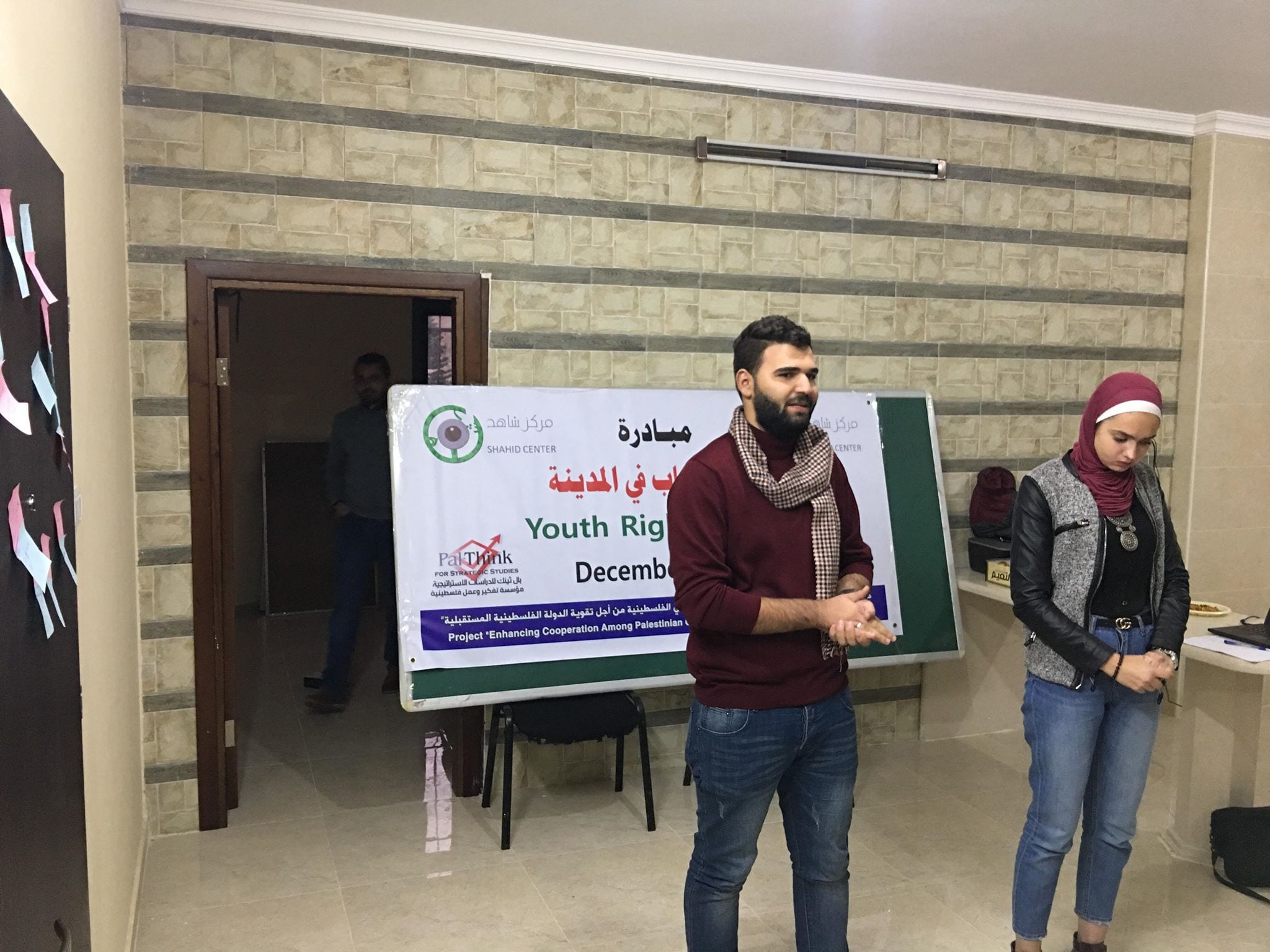
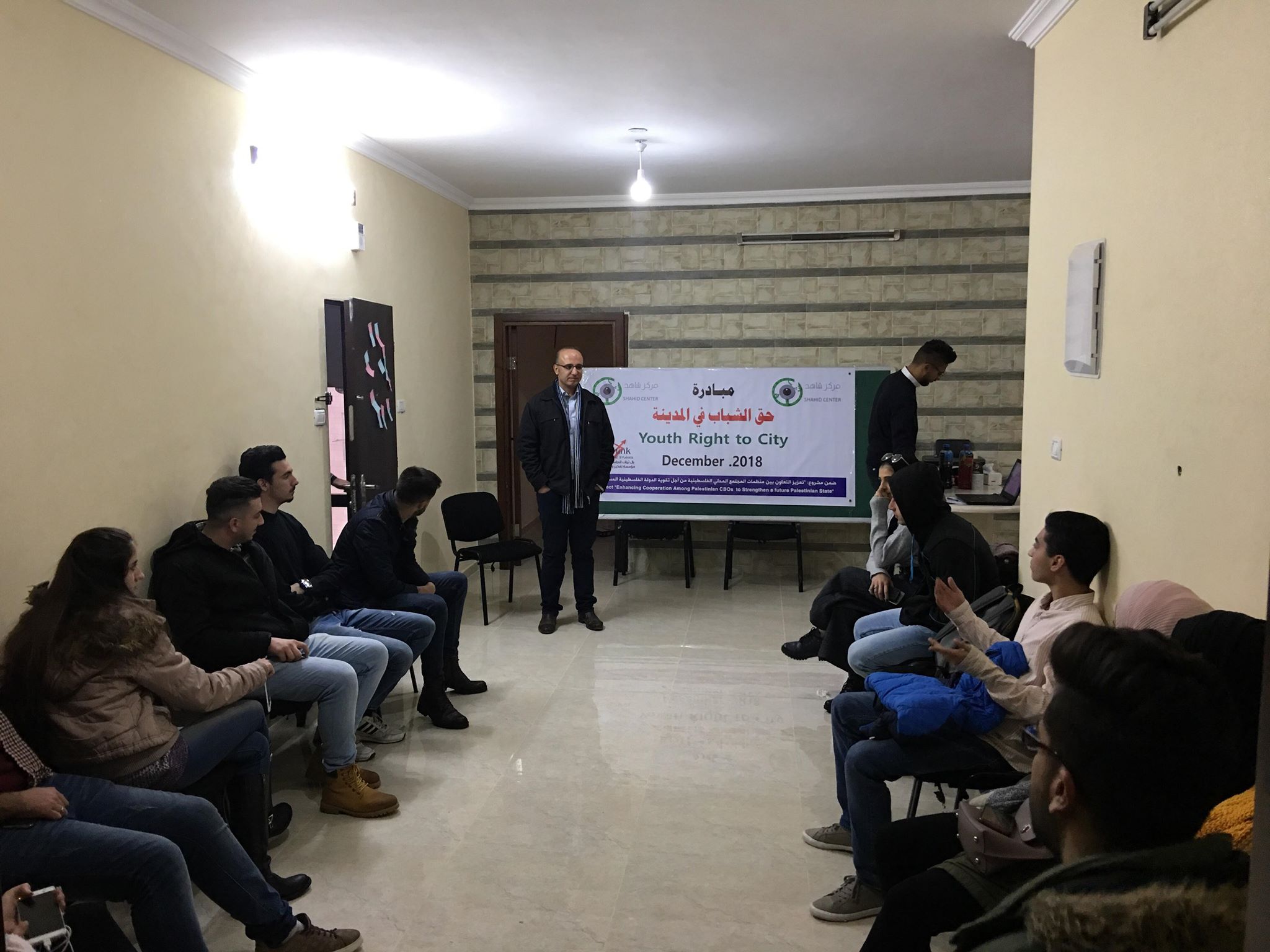
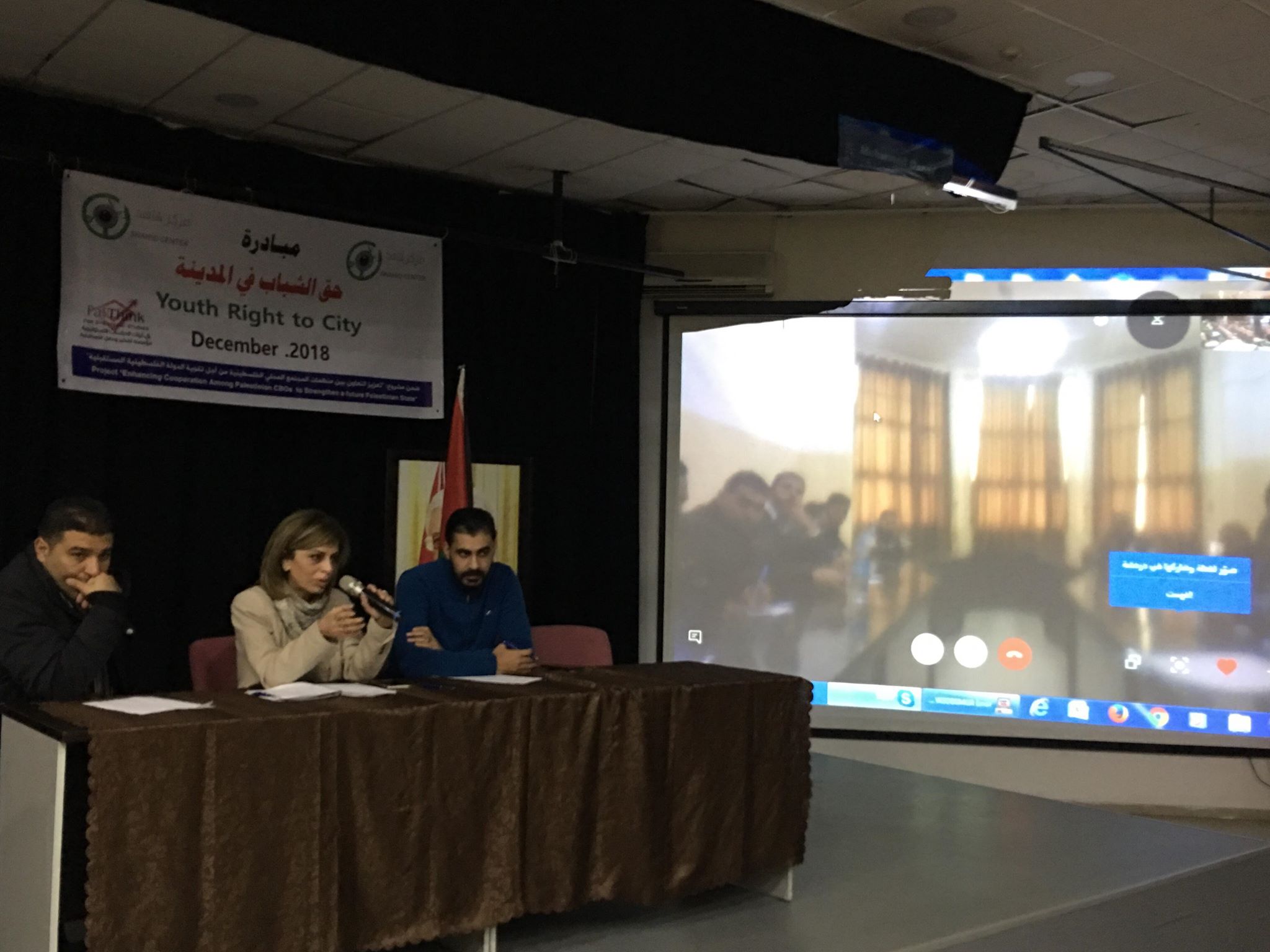
The Shahed Center for Citizen Rights and Community Development and the Center for Democracy and Conflict Resolution, in cooperation with Pal-Think for Strategic Studies, carried out an initiative titled “Youth's Right to the City”, within the project of strengthening cooperation among Palestinian local community organisations for building the future Palestinian state.
The initiative aimed to strengthen young people's knowledge of their rights in the city, and to produce a joint policy paper on youth's needs in the cities and the prospects of integrating them into decision-making centres and the planning process at the level of the two municipalities of Nablus and al-Zahra.
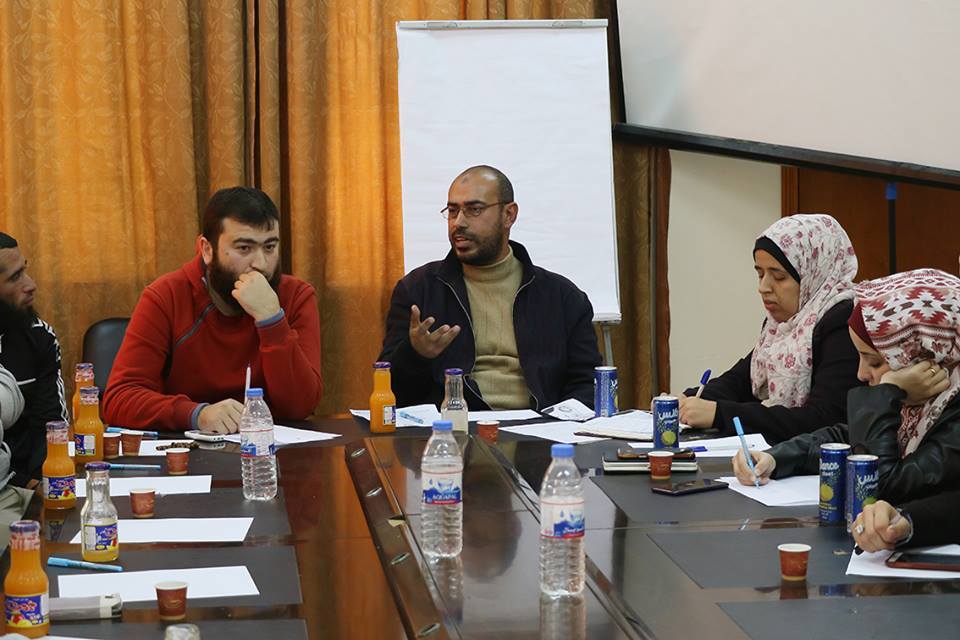
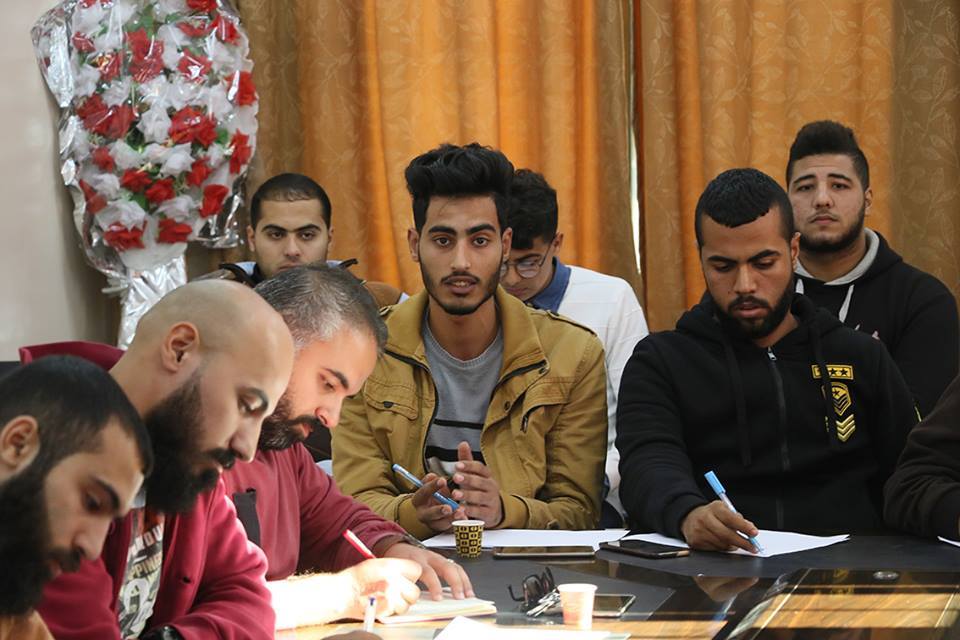
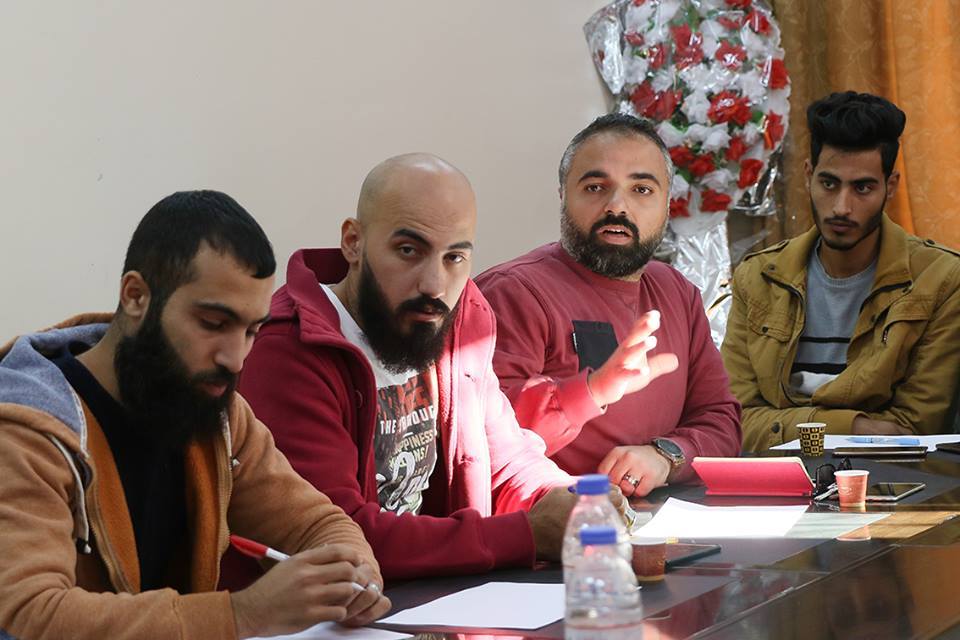
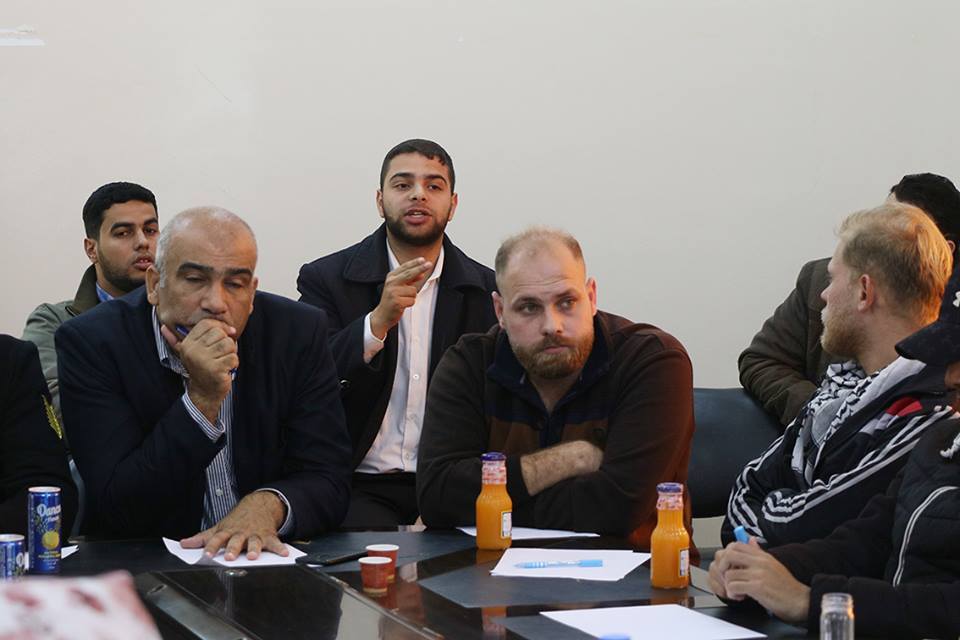
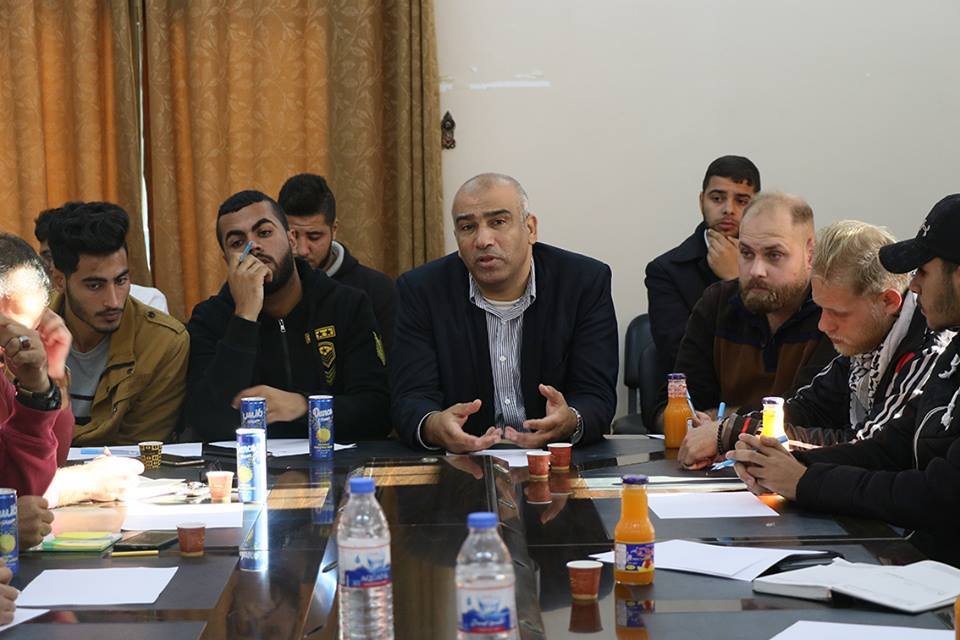
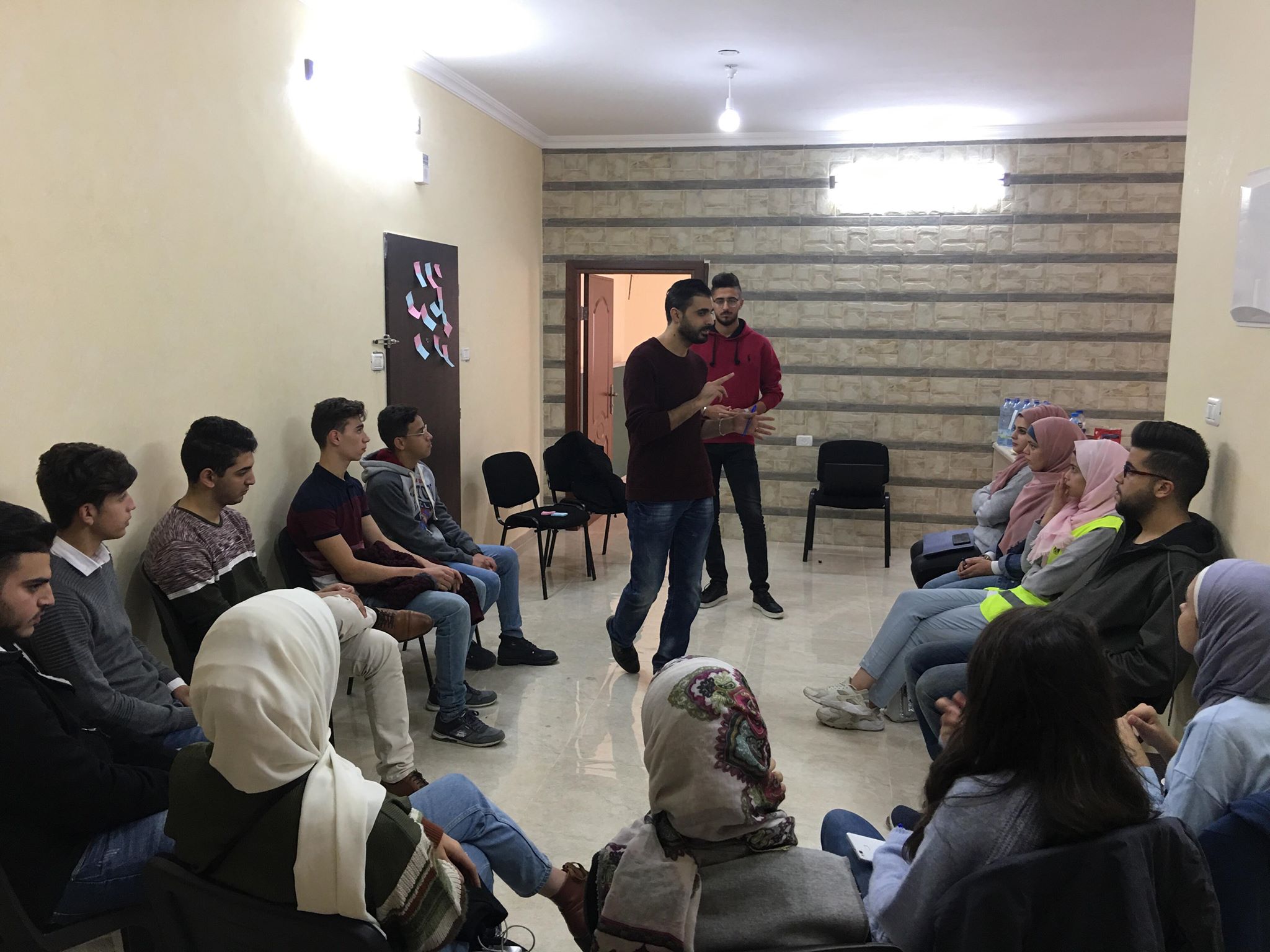
The two centres held 4 joint workshops in Nablus and Gaza — in cooperation with the Nablus municipality, the Hamdi Mango Center, and the al-Zahra municipality — a series of workshops on youth's right to the city, during which they discussed the challenges of integrating youth into the planning process at the local level and their aspirations for their cities' future.
30 participants, men and women, took part from the youth councils, civil institutions, and youth initiatives in the two cities of Nablus and al-Zahra.
The series of dialogue meetings concluded with a joint interactive meeting over Skype attended by Nablus municipal-council member Samah al-Kharouf, the youth coordinators in the Nablus and al-Zahra municipalities, and dozens of young people.
The discussion sessions concluded with a set of recommendations: activating the local youth councils and creating a clear internal system for them, anchoring them in the regulations and bylaws of the municipal councils, and allocating the necessary budgets for them. The meeting also called for integrating youth more widely into the strategic-planning process across the four fields: administration and good governance, environment and infrastructure, economic development, and social development.