The «Do You Know Me?» initiative
The University Graduates Association in Gaza and the Palestinian Vision Organisation in occupied Jerusalem held dialogue sessions under the «Do You Know Me?» initiative, in partnership with Pal-Think, connecting the homeland's two halves.
- Author
- The editorial team
- Date
- 2019-01-24
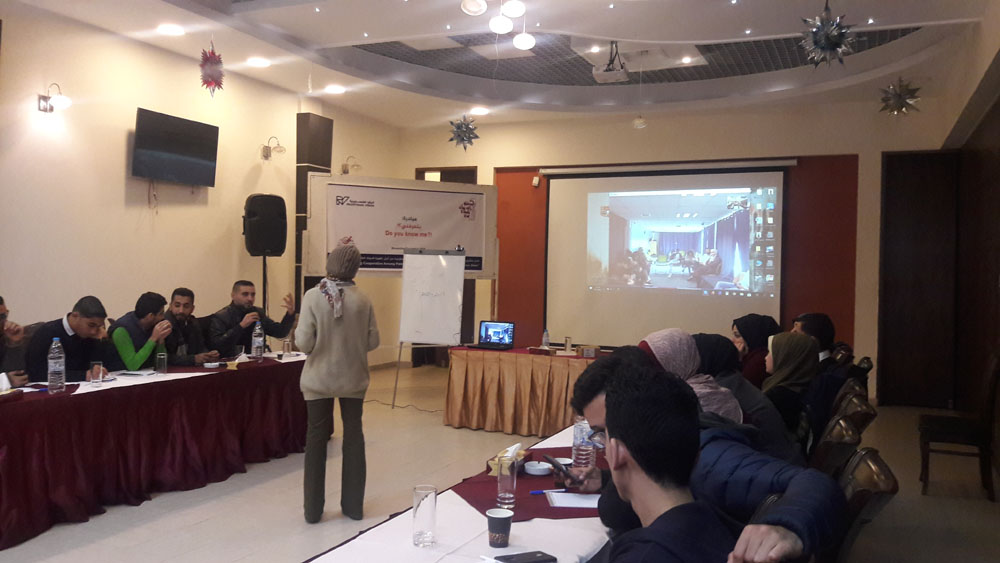
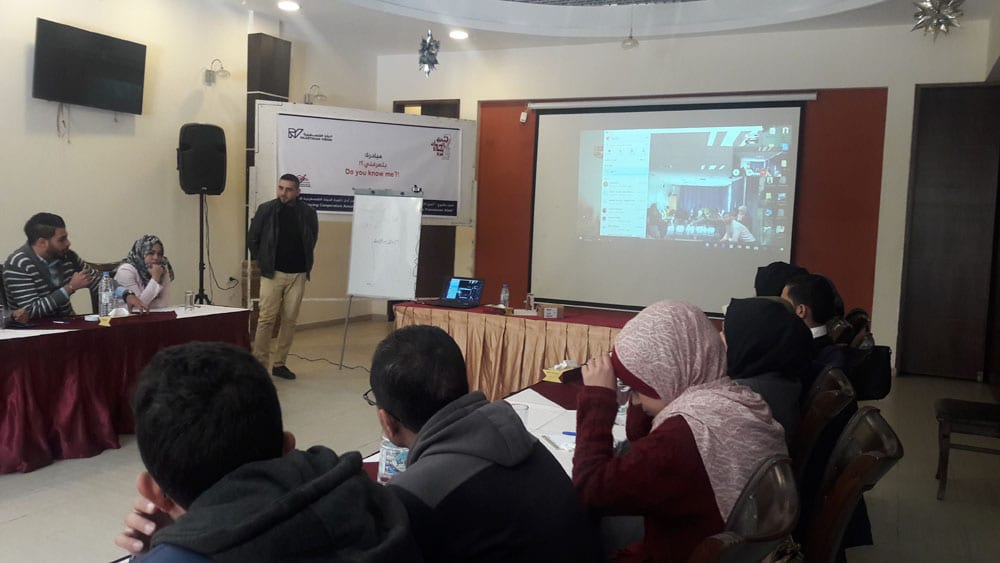
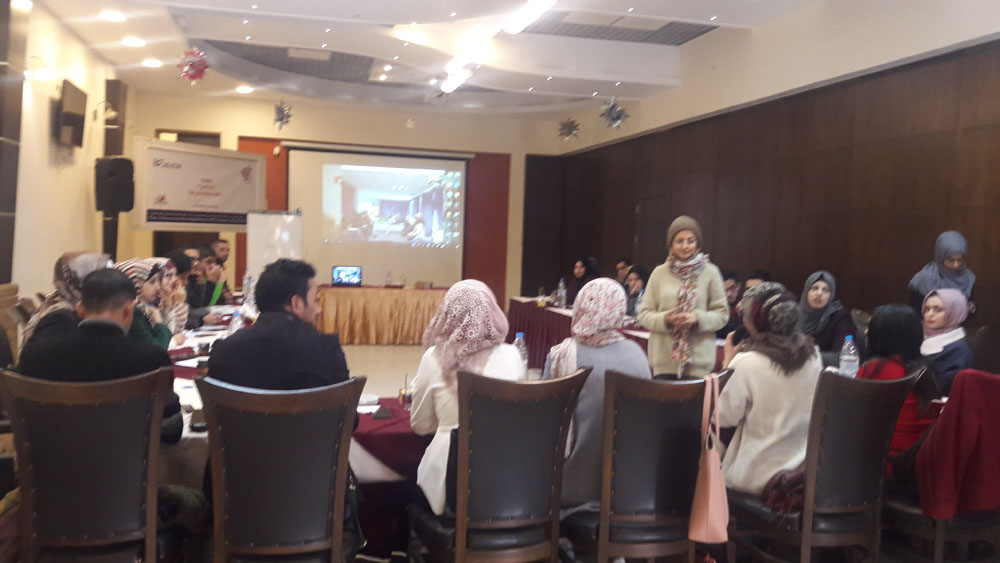
The University Graduates Association in the Gaza Strip and the Palestinian Vision organisation in the occupied city of Jerusalem carried out dialogue sessions within the initiative (Do You Know Me?), in partnership with Pal-Think for Strategic Studies — within the project “Strengthening cooperation among Palestinian local community organisations for strengthening the independent Palestinian state”.
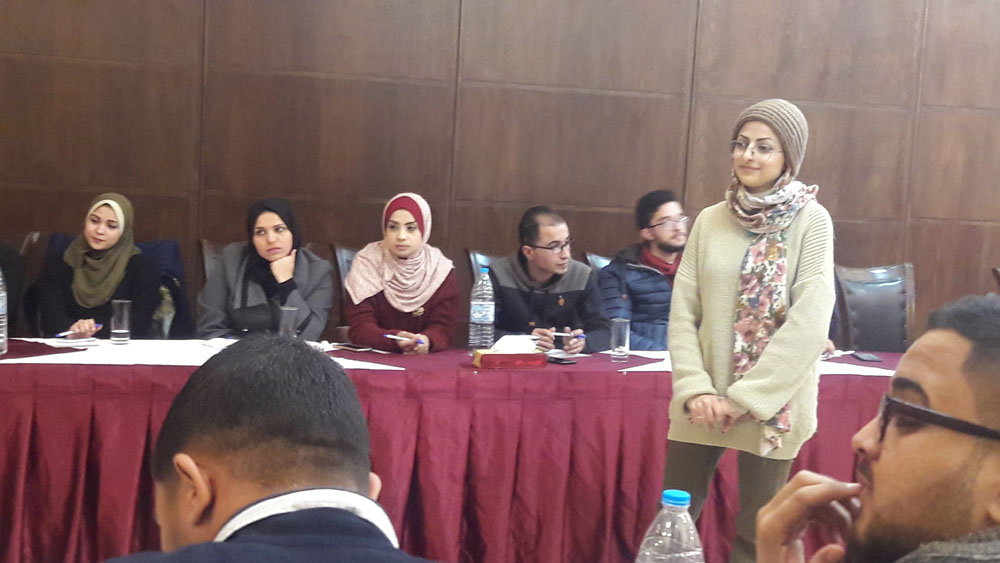
It is worth noting that in its first stage the initiative carried out simultaneous dialogue sessions in Gaza and occupied Jerusalem, joined by active youth, aimed at shedding light on the effects and consequences of the Palestinian division in forming a confused, unclear stereotyped image between the southern and northern governorates — positively strengthening the change of the negative image prevailing among the participating youth, who sought to create a space of intellectual, cultural, and social exchange among themselves.
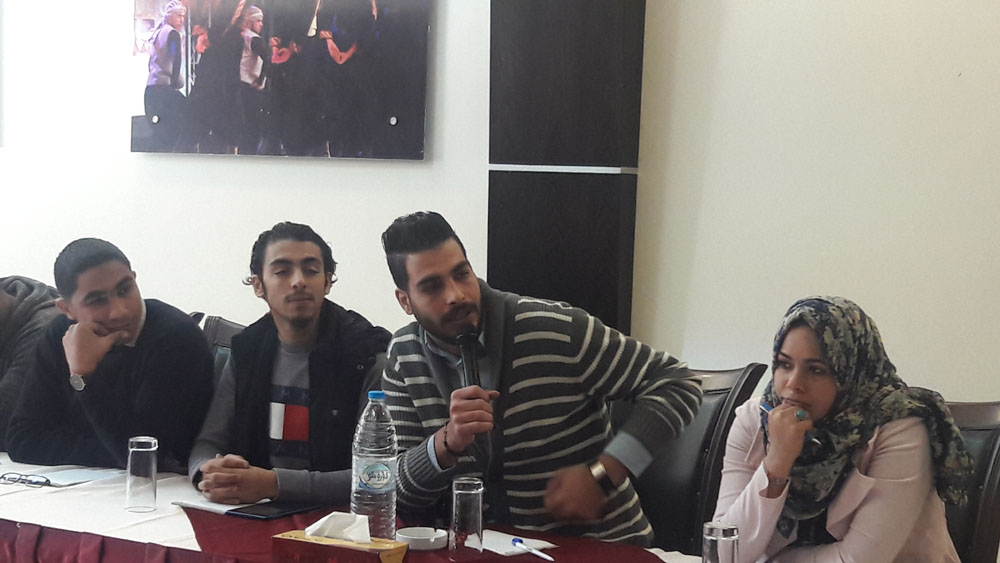
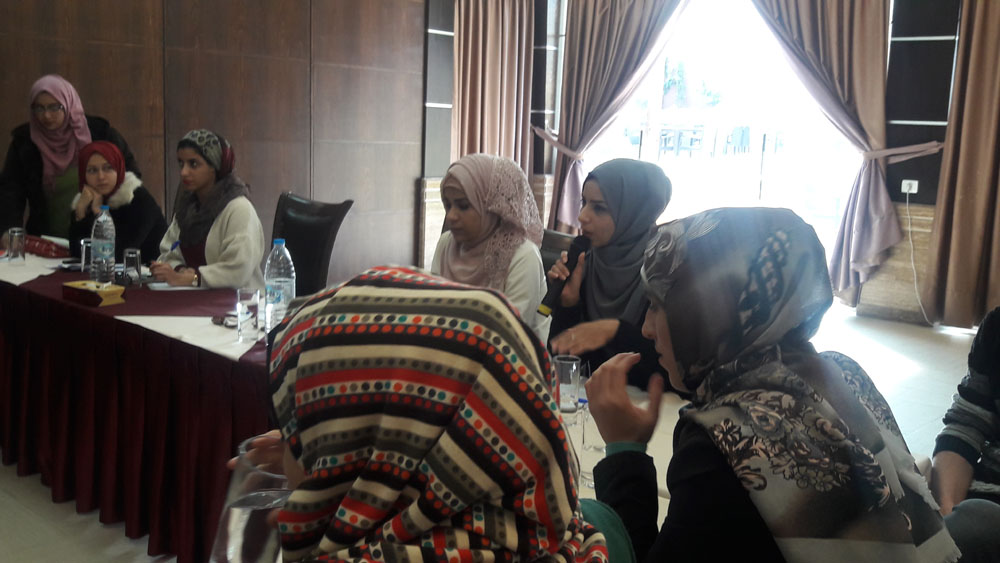
The dialogue sessions comprised mutual discussions between the youth of the city of Jerusalem and the youth of the Gaza Strip on different topics: the importance of contact among the sons of the Palestinian people; the stereotyped image and its role in deepening separation in Palestinian society; Palestinian identity and how to preserve it under the systematic policies of the Israeli occupation; the concept of stereotyped images and the effects and consequences of the Palestinian division in forming this image — positively strengthening the change of negative stereotypes and creating a space of intellectual, cultural, and social exchange among the youth, and their pioneering role as ambassadors carrying this experience to their peers and communities, each according to their place and position. The meetings also discussed the causes of the emergence of stereotyped images and the source of their appearance and transmission — the talk focusing on the occupation in the first degree and its role in creating the geographic partition and preventing shared contact, in the attempt to entrench the principle of isolated Palestinian communities each building itself by itself in conduct, way of life, and economy; and proceeding from our conviction of the importance of measuring the impressions of the people of the Gaza Strip and the northern governorates alike.
These activities will be crowned by the design and publication of a research paper titled “Ways of correcting the stereotyped image among the citizens of the Palestinian governorates”, to be prepared jointly with the Palestinian Vision organisation — a paper that can serve as a reference for other institutions with an interest in the cultural side in designing future activities.
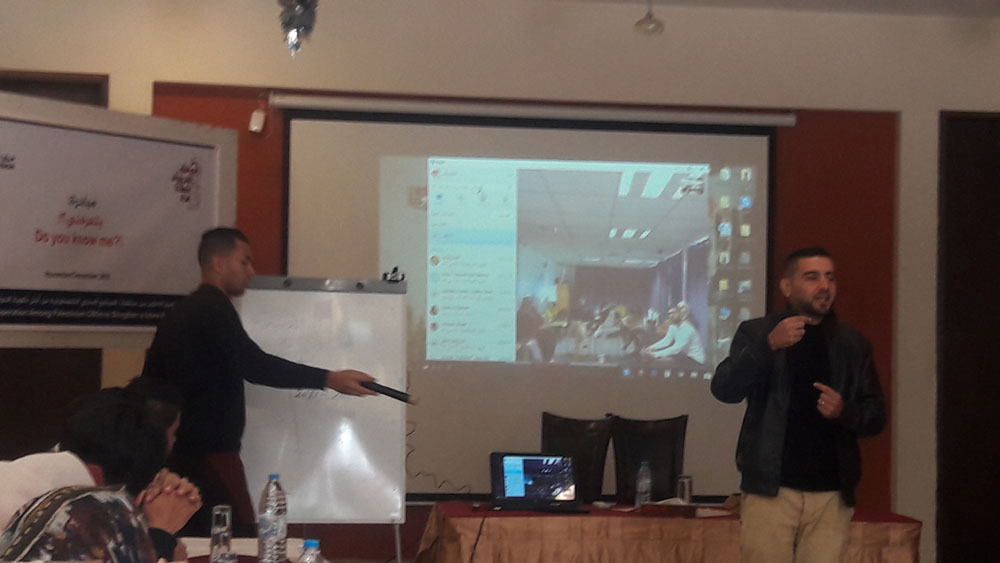
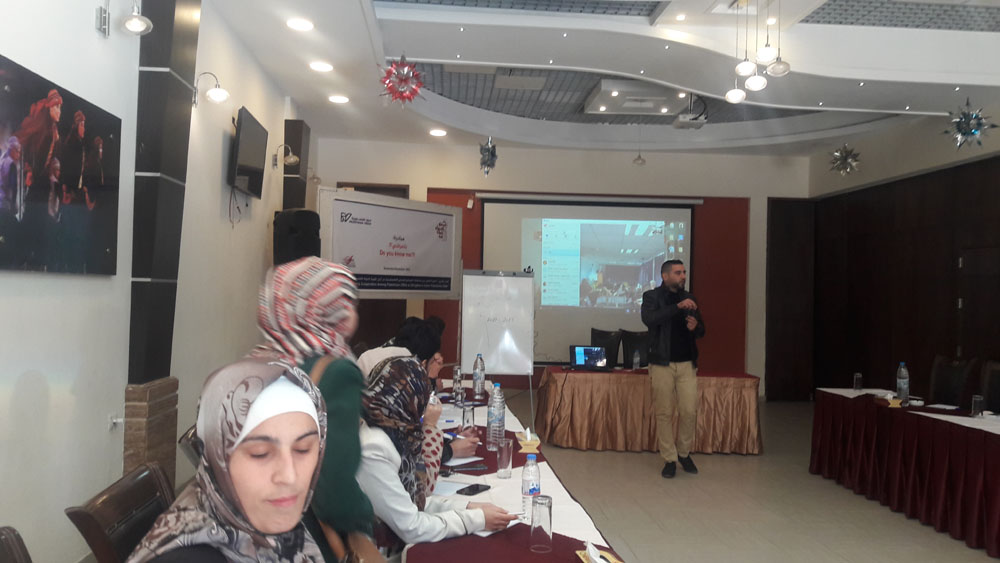
It is worth noting that the dialogue sessions were carried out over Skype jointly with the Palestinian Vision organisation in the city of Jerusalem — which played a positive role strengthening the chances of intellectual exchange and open discussion, conveying clear pictures between the two sides, and strengthening work and interaction among civil-action organisations at the national level through carrying out dialogues discussing the challenges and issues facing Palestinian society — which is what Pal-Think aims at in implementing its project with the Palestinian institutions.
The sessions produced a set of recommendations proposed by the participating youth from both sides, foremost:
– The necessity of continuing these activities, for the meetings they hold bringing together the sons of the Palestinian people in the different Palestinian cities — working to create a unified Palestinian youth bridge joined by national Palestinian causes, and establishing youth groups for constant contact to learn all that is new concerning youth community issues.
– Intensifying youth meetings between the two sides to build social bridges between Jerusalemites and the people of Gaza, and increasing closeness among the youth to learn more of the problems and cooperate on solving them.