«Students and academics at one table»: Pal-Think concludes a training programme spanning Al-Azhar and the Islamic University
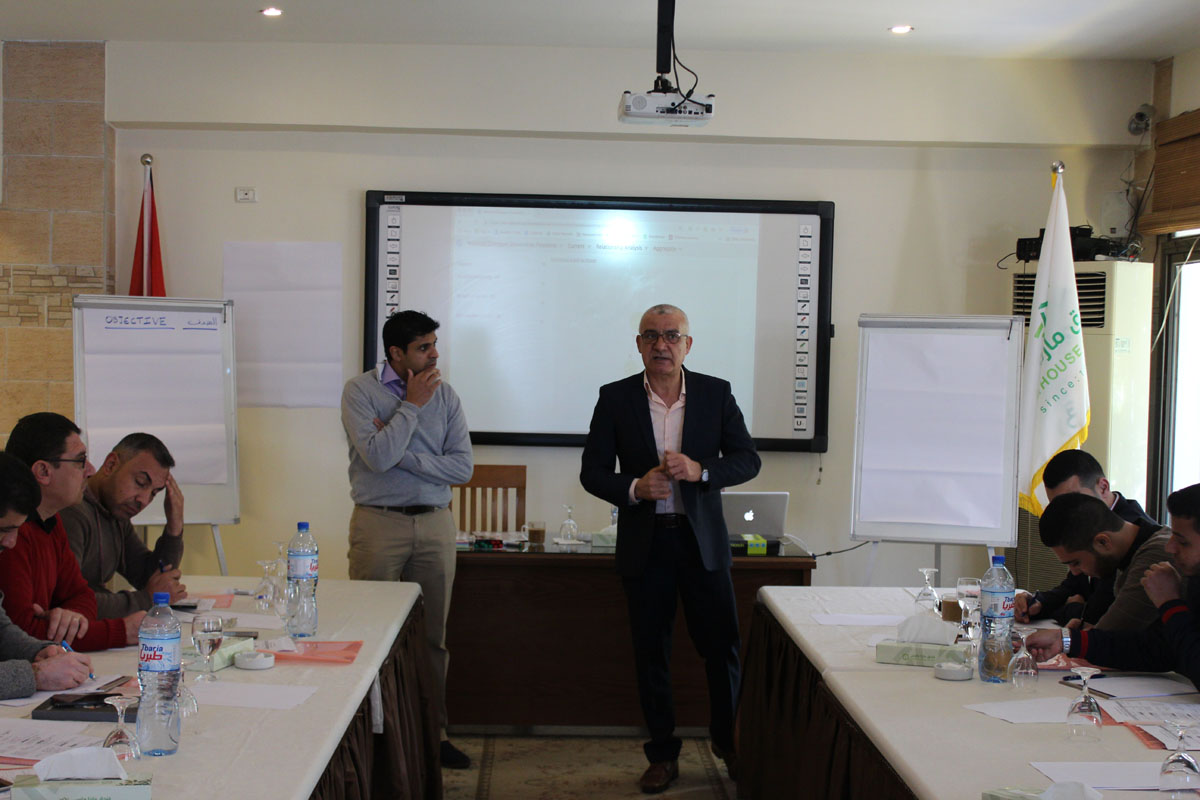
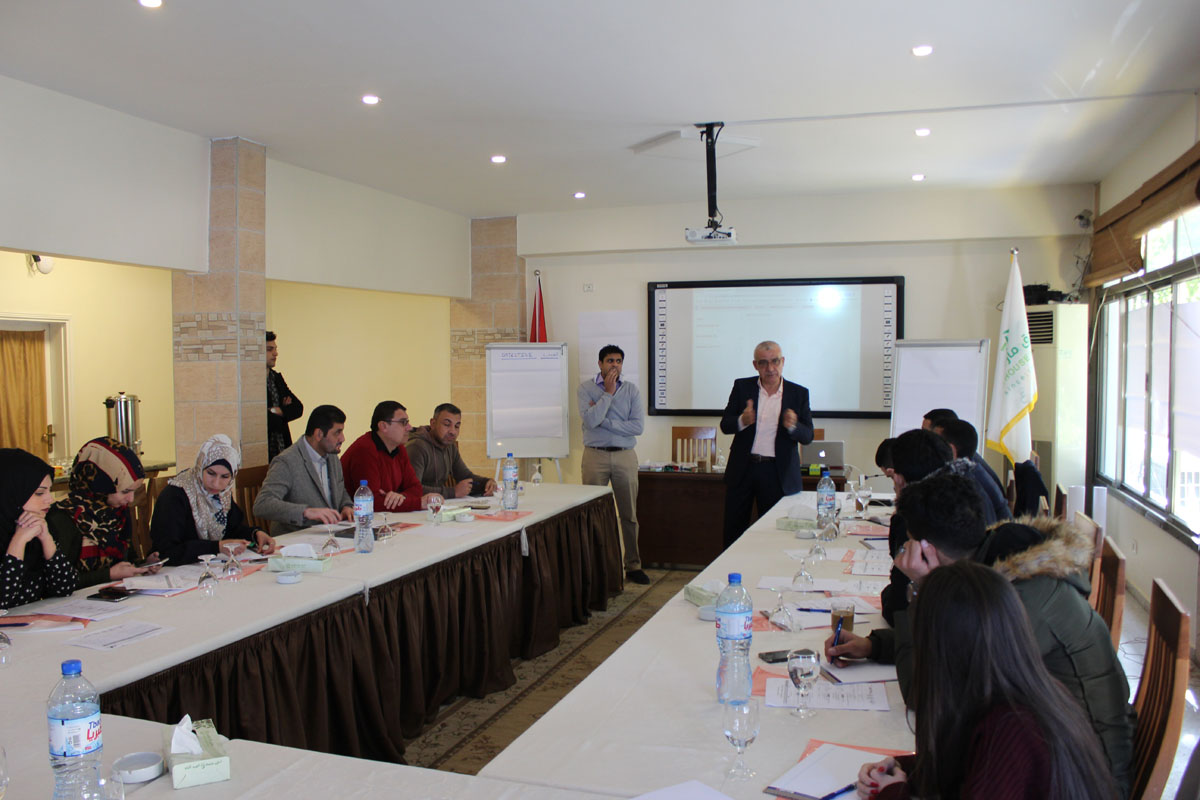
Pal-Think concluded a «conflict analysis» dialogue workshop on the relationship between Al-Azhar and Islamic universities and their role in strengthening national dialogue, under the project «Promoting national dialogue with and through the universities and civil institutions».
- Author
- The editorial team
- Date
- 2019-01-29
Gaza — Pal-Think for Strategic Studies concluded an analytical dialogue workshop, “Conflict analysis”, which aimed to analyse the relationship between Al-Azhar and the Islamic universities and each university's role in strengthening the Palestinian national dialogue — within the project “Strengthening national dialogue with and through the universities and civil institutions in Palestine”, a programme that includes Birzeit University and the Al-Azhar and Islamic universities in Gaza.
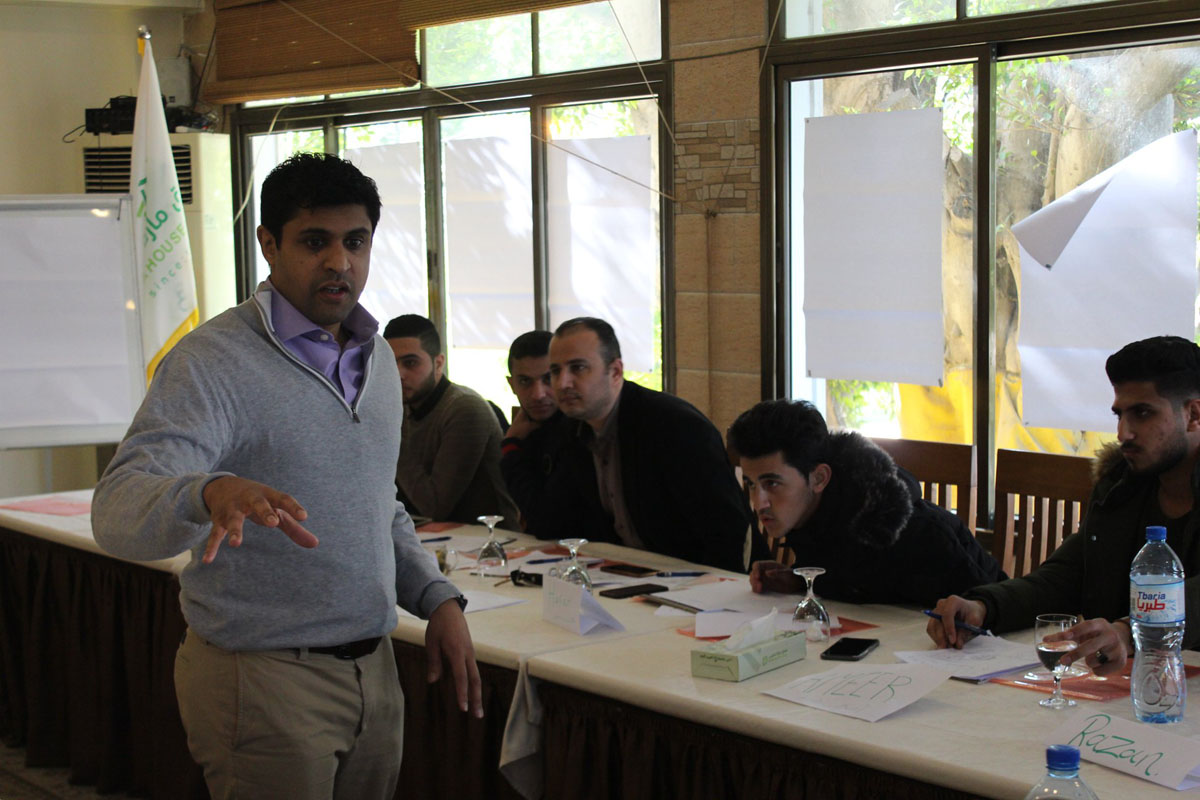
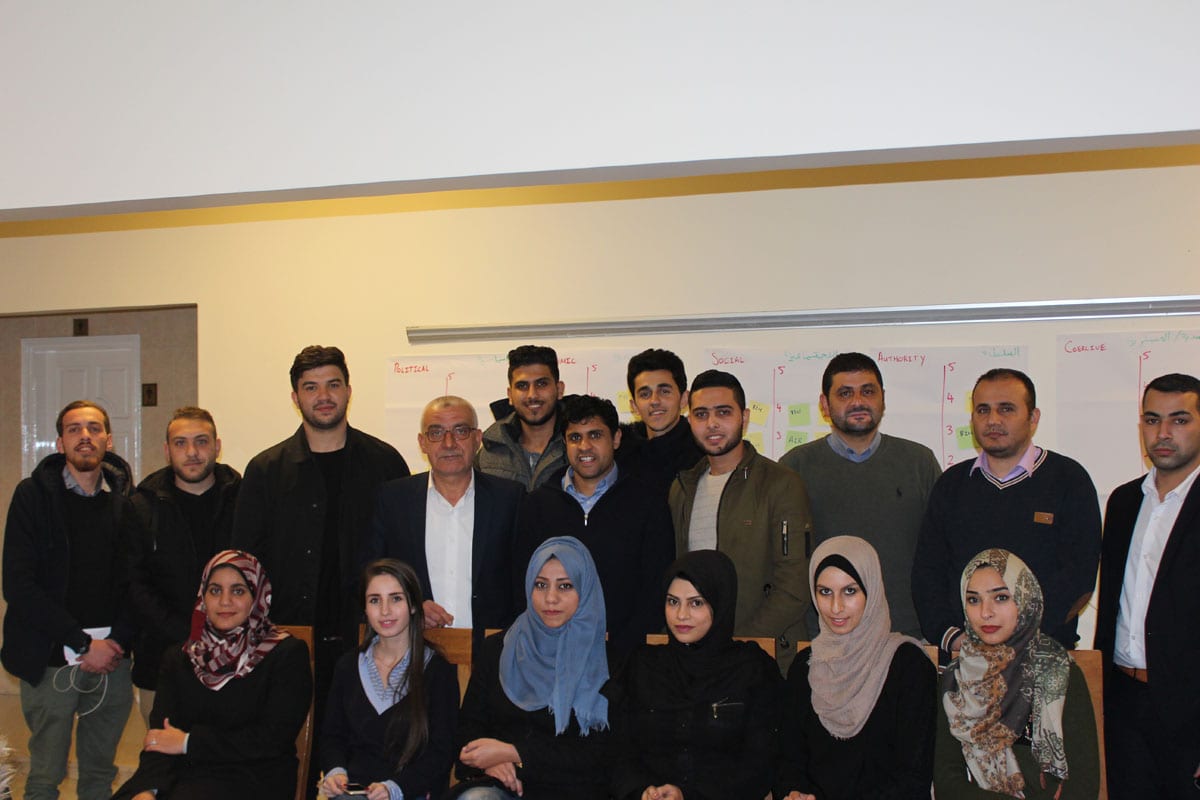
The training targeted 20 participants from the students of the Islamic University and Al-Azhar University active in student activities and community issues. The training was delivered by the international expert in conflict resolution and the strengthening of civil peace, Zahid Yousef, who holds more than 15 years' experience in developing and designing programmes of development, peacebuilding, and conflict resolution. Mr Zahid Yousef is an expert in understanding complex relationships and developing computerised programmes for analysing the conflict environment and producing recommendations and policies to effect positive change and build more effective relationships.
The training was opened by Mr Omar Shaban, director of Pal-Think for Strategic Studies, who pointed to the effective role of the project Pal-Think implements in cooperation with Swisspeace and the Palestinian universities, funded by the Swiss government, in strengthening national dialogue among the individuals and institutions of the Palestinian people. Shaban affirmed that Pal-Think is an independent think tank working on many pivotal issues that serve the Palestinian cause — from empowering youth and women, research and policy papers, to conflict resolution and strengthening the role of reconciliation and civil peace in Palestine.
Shaban affirmed that we must go through such an experience of dialogue among the intellectuals of the Palestinian universities again and again — to strengthen the culture of tolerance and acceptance of the other, and to break the barrier, helping each side understand the other, easing collective work and cooperation within the universities' shared concerns and interests in serving the Palestinian cause, and getting past difference as a natural element in the relations among the different parties of a single society.
The participants agreed that understanding and analysing the relationships among stakeholders is the cornerstone of effecting change, whether on the economic, political, or social front. The participants worked on analysing the relationship between the Al-Azhar and Islamic universities and their cooperation to serve and strengthen the Palestinian national dialogue — touching on several factors such as: the nature of communication between the two universities; the shared and conflicting interests and concerns; the shared and conflicting values; and finally the legal framework in both universities. The dialogue also took up analysing the balance of power/authority in its different kinds — economic, political, social and cultural, and authoritative — then analysing each university's position and readiness to contribute to strengthening the Palestinian national dialogue. One important conclusion: the relationship between the two universities is negative as regards cooperation on strengthening the Palestinian national dialogue — yet there are many shared interests and points of strength that must be summoned and deployed.
Finally, a stakeholder analysis was conducted of the parties or persons of authority able to influence the points of strength and the relationship between the two universities — and thereby push forward the wheel of national dialogue and cooperation among the universities and improve the relationship, producing positive change in the Palestinian reality.
It is worth noting that this training programme is part of a long project comprising many activities to be implemented in the coming period with the aim of strengthening dialogue and cooperation among the universities, students and professors alike. It comes within the efforts of Pal-Think for Strategic Studies, as an independent Palestinian institution, in the field of achieving national unity and building civil peace — continuing for ten years.