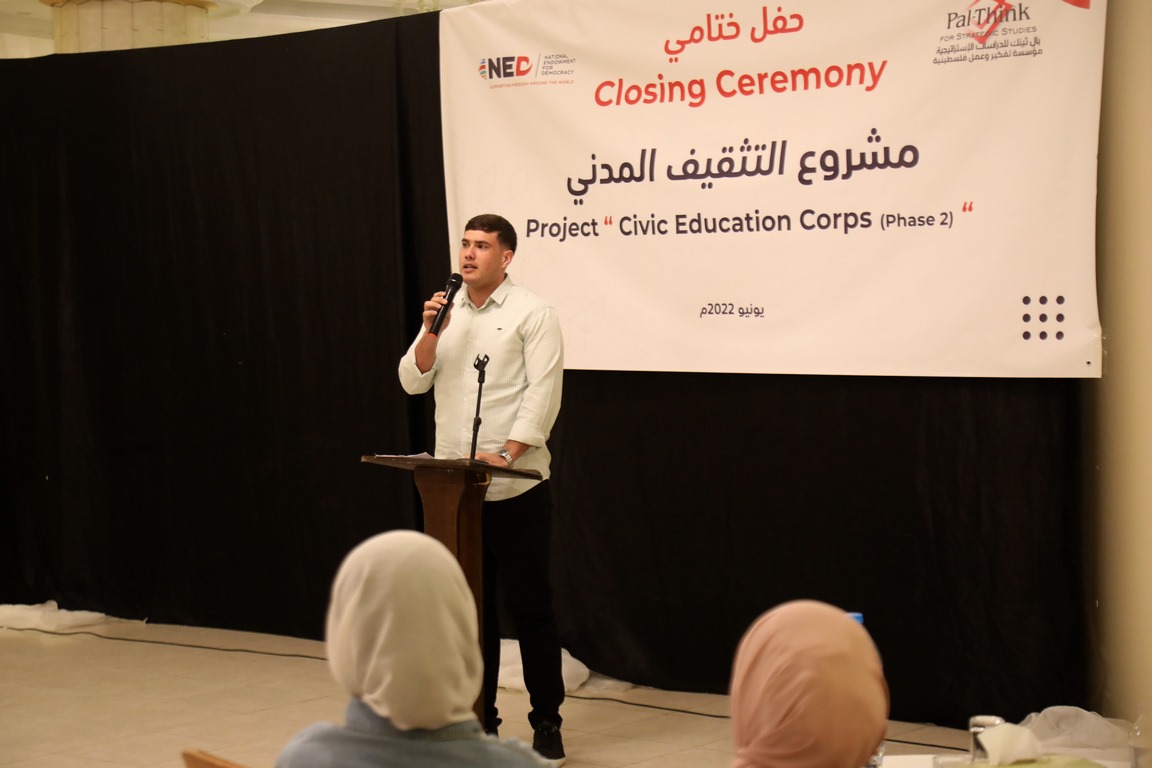
Pal-Think concludes the «Civic Education» project, phase two
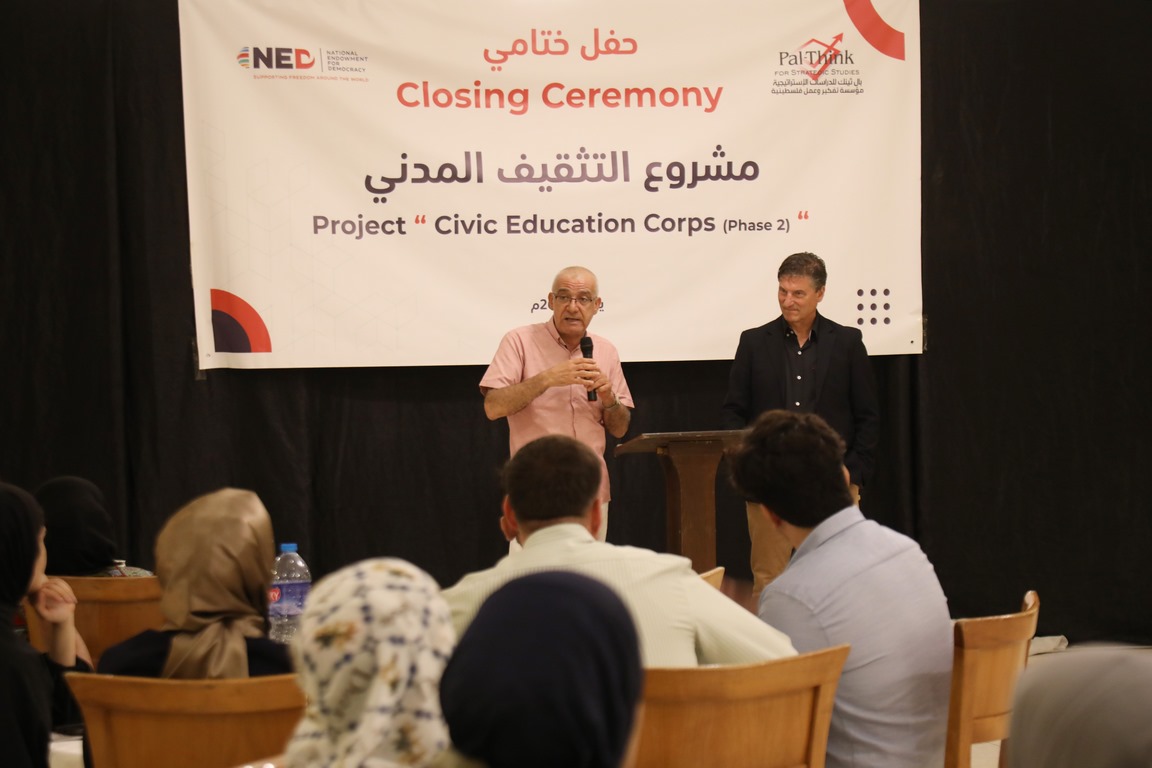
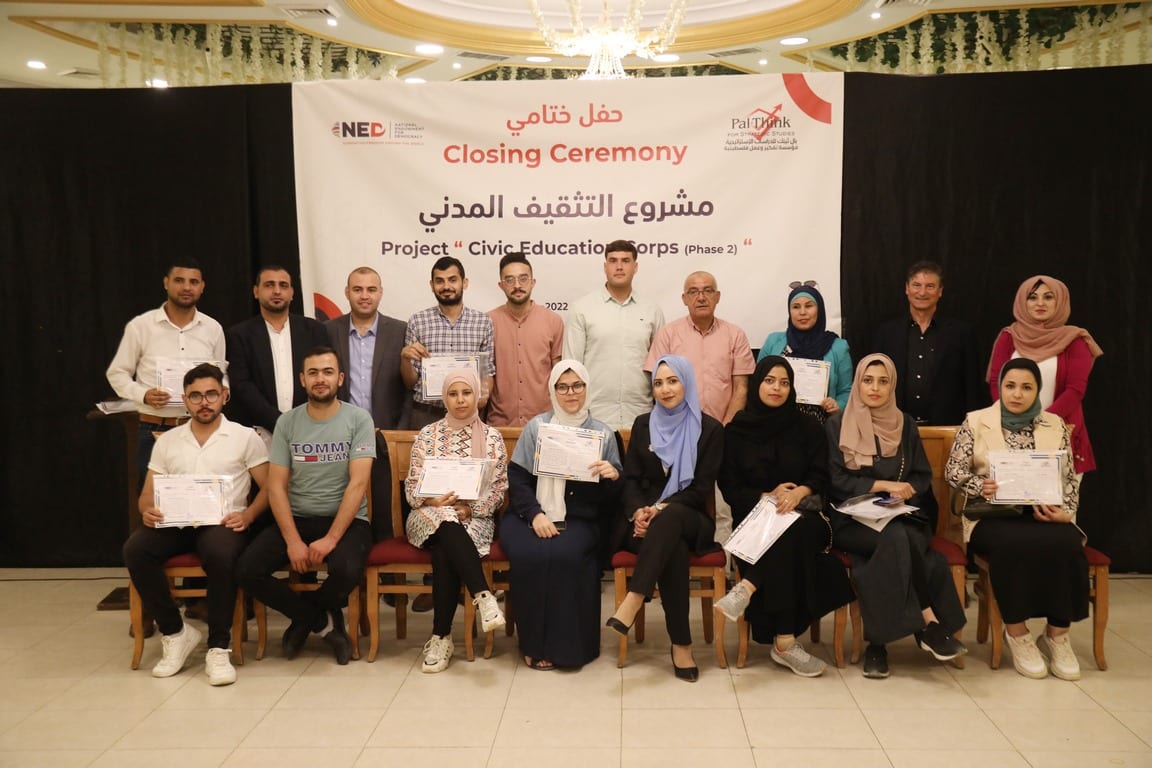
Pal-Think held the closing ceremony of the NED-funded «Civic Education — phase two» project, which spreads democratic concepts among young people, strengthens their role in society, and enables their participation in decision-making.
- Author
- The editorial team
- Date
- 2022-07-02
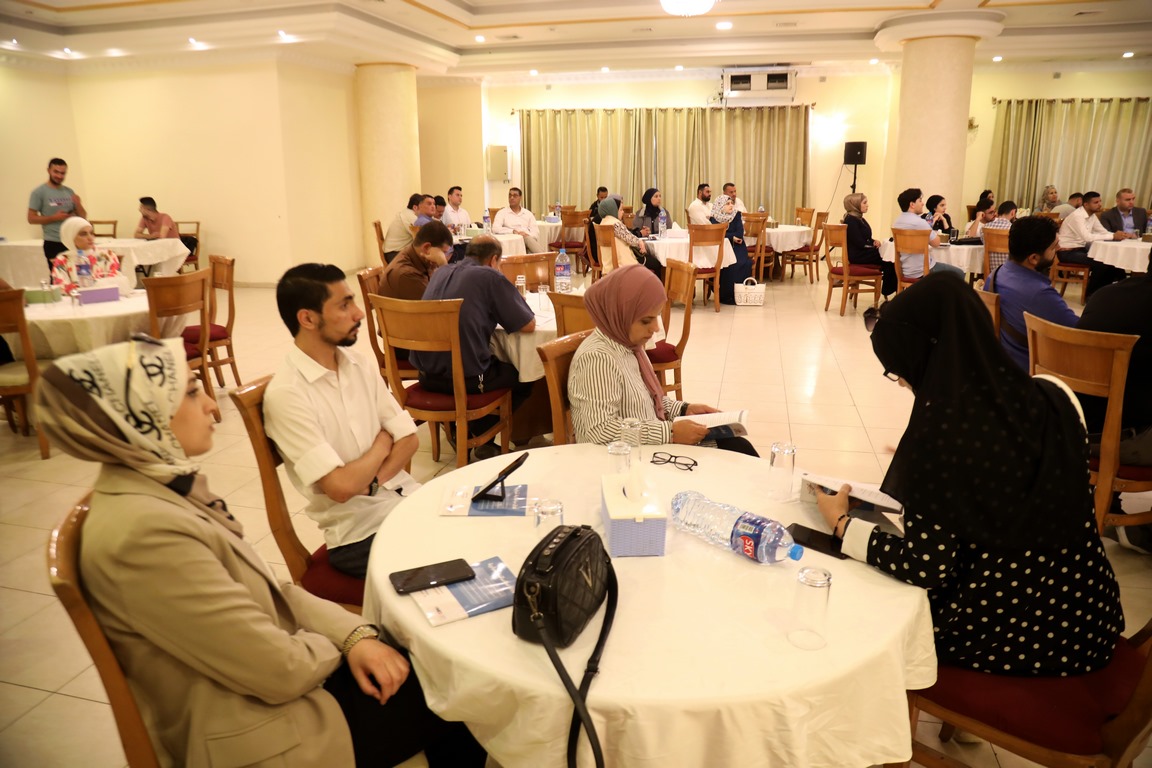
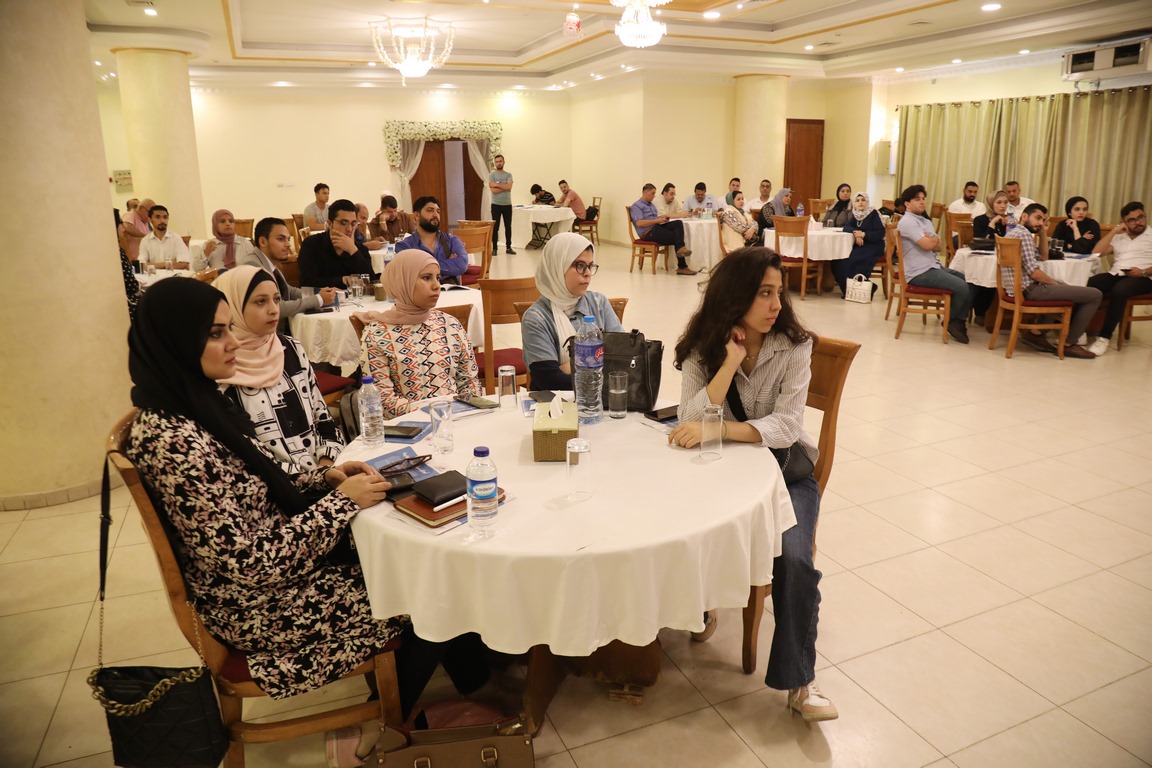
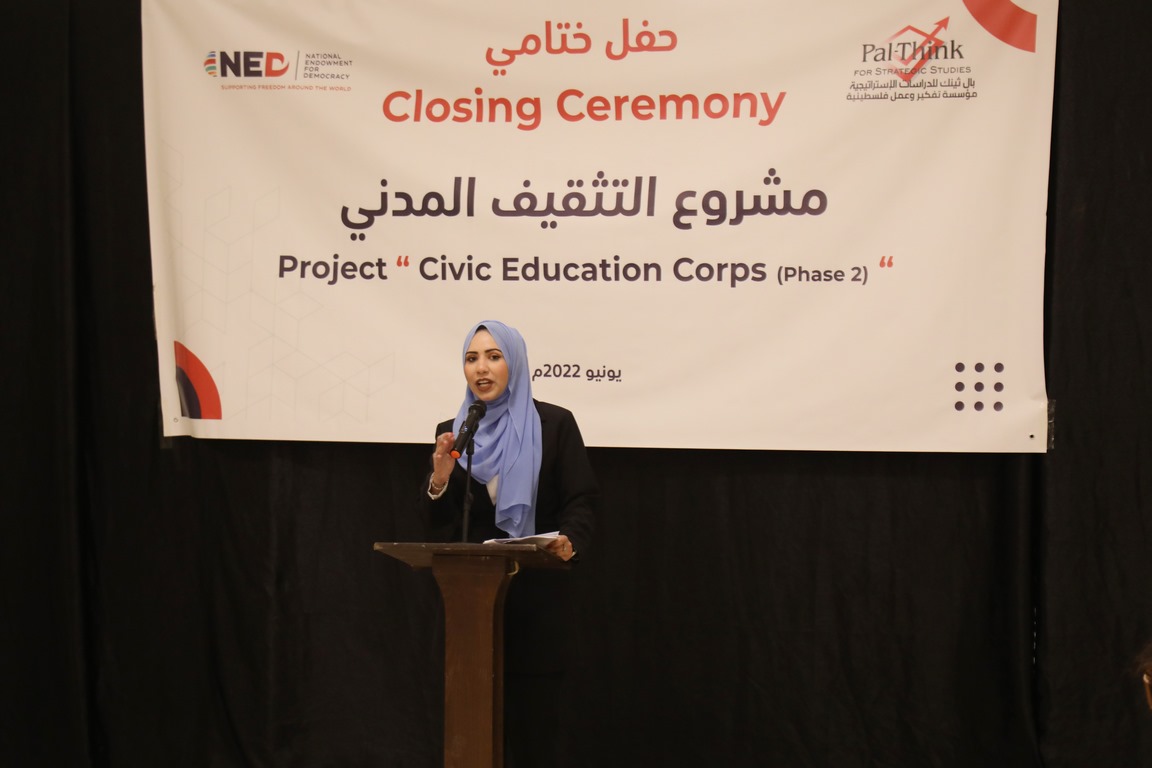
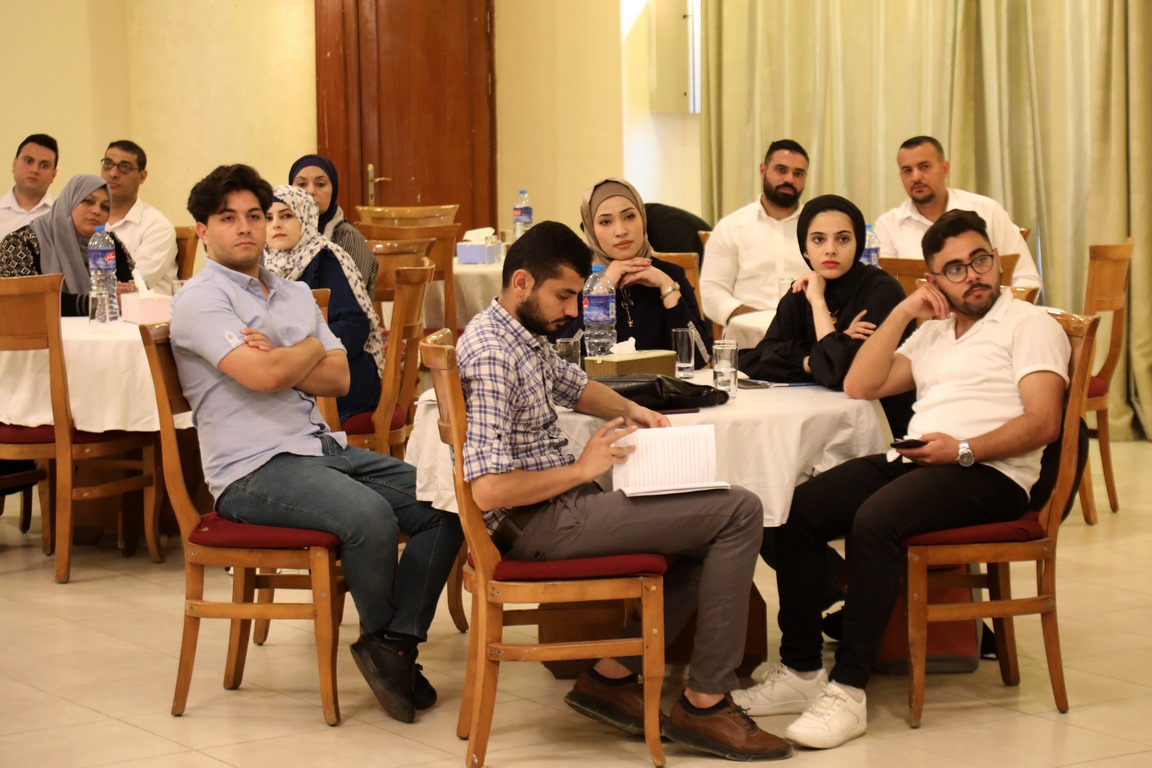
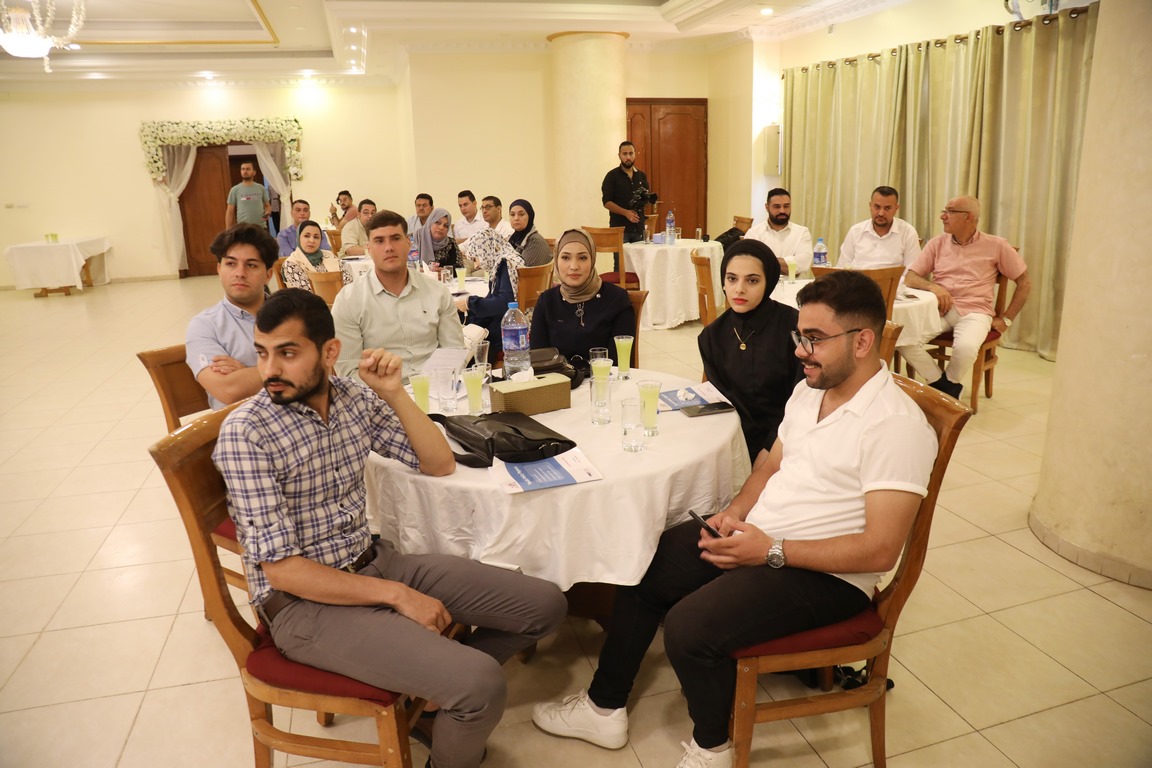
Pal-Think for Strategic Studies held the closing ceremony of the “Civic Education — phase two” project, funded by the National Endowment for Democracy (NED), which aims to spread the concepts of democracy among youth, strengthen their role in society, and enable them to take part in decision-making.
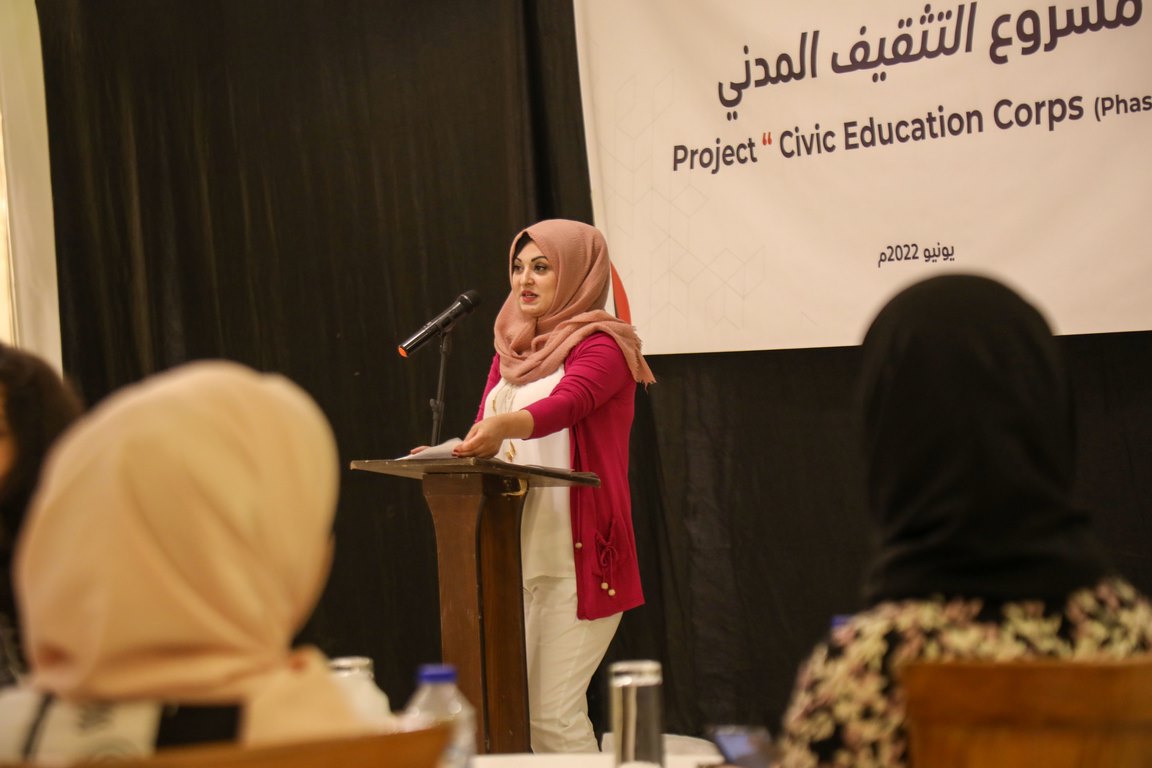
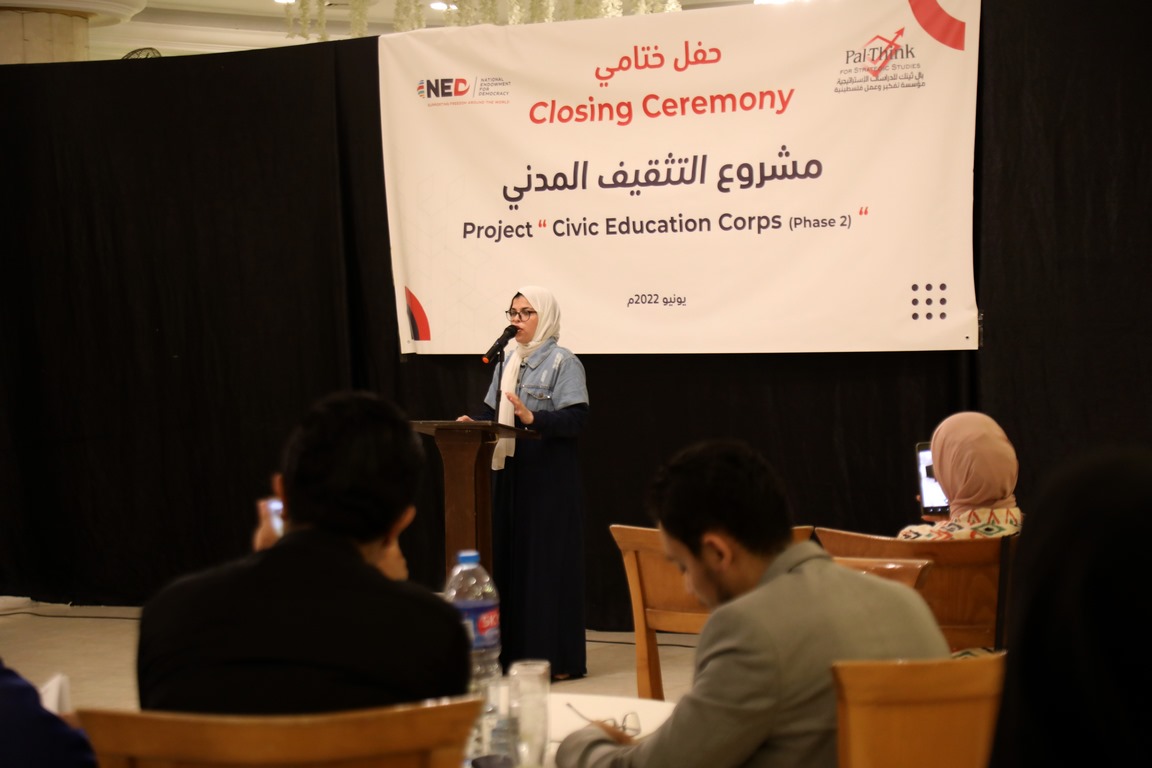
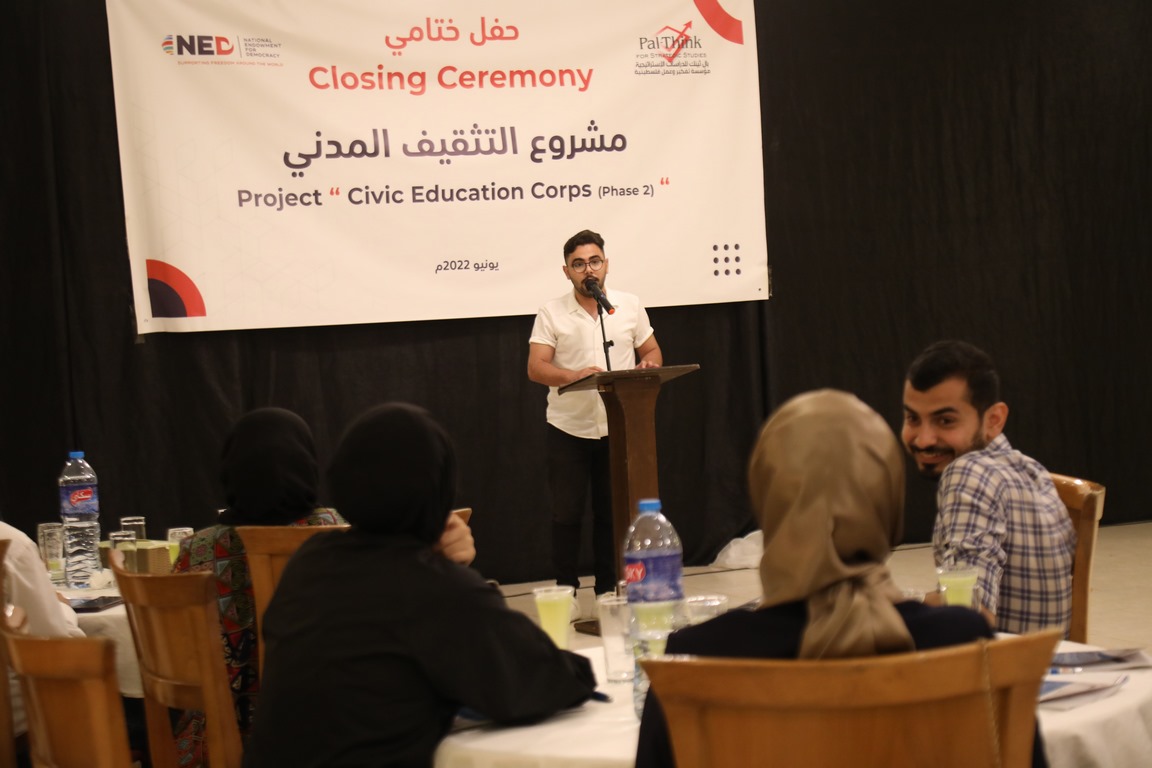
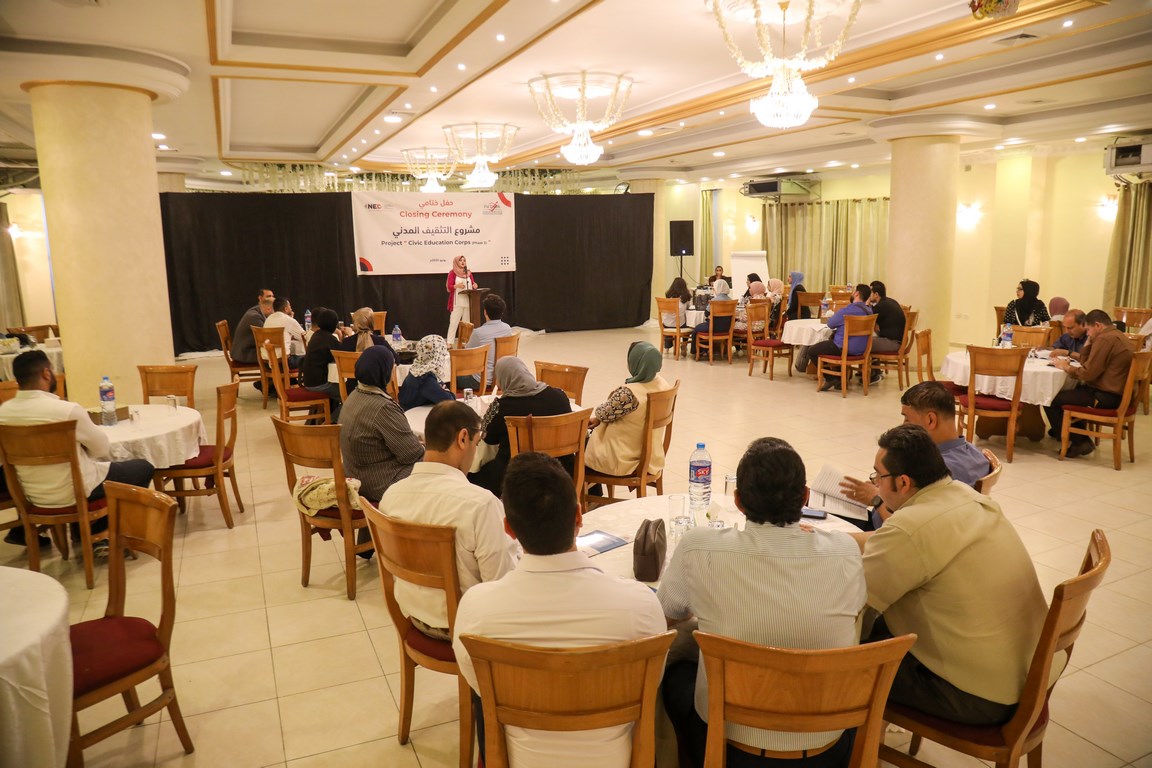
The ceremony was moderated by Suha Sukkar, one of the project's trainees, who introduced the institution's projects coordinator, Sally al-Sammak. She opened by welcoming the attendees and thanking the trainers and trainees for the great efforts they gave through the project.
She said: “The first phase ran for a year, during which we created the civic-education body whose members delivered awareness sessions for their peers in the universities. Building on the outputs and the project's success, we delivered the second phase, and the trainees passed the knowledge they gained to their young peers, university students and others alike — and we will deliver the third phase next year.”
She noted that they received about 250 applications to join the project, but selected 23 trainees according to criteria Pal-Think follows within the project's objectives.
Al-Sammak stressed that the project's most important output was the trainees' production of research papers on issues touching young people's daily life in the Gaza Strip, presented in workshops before experts and researchers and in radio episodes reaching the different groups of society.
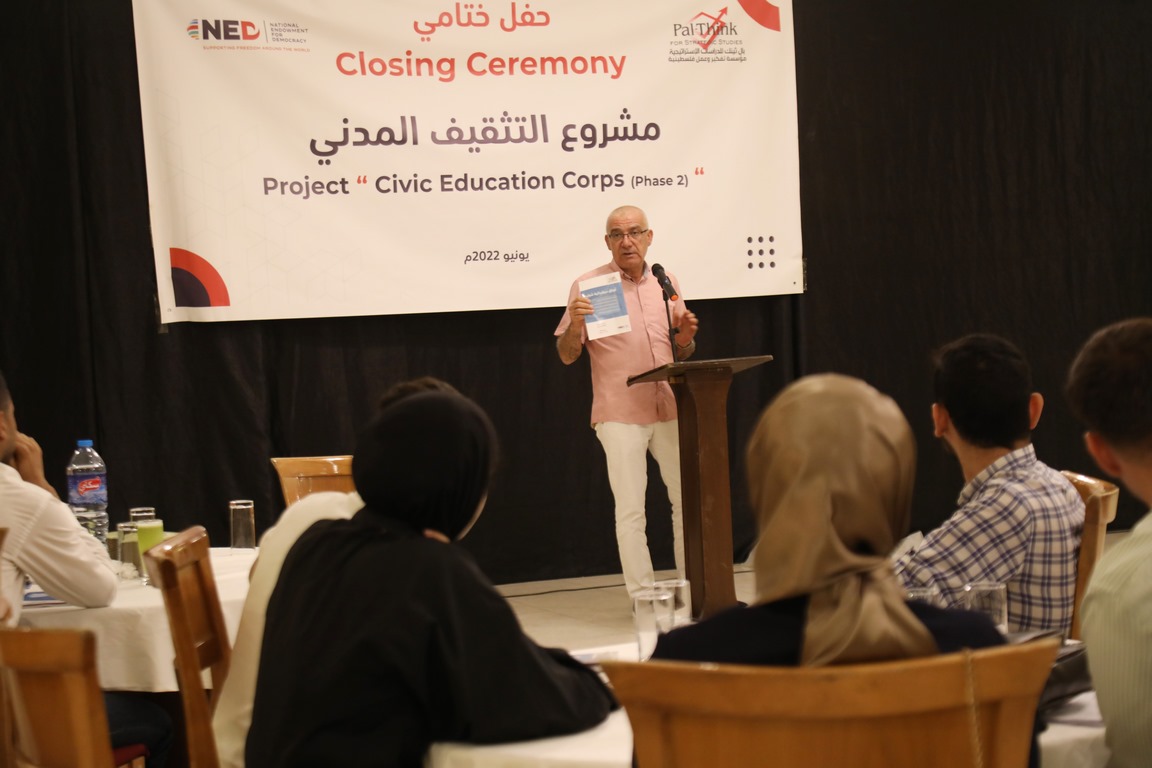
For his part, the director of Pal-Think, Omar Shaban, expressed his pride in the project's results and the efforts of the trainers and trainees during the training period and beyond.
He said: “Pal-Think always works to devote all its limited resources to sustainable human development and investment in youth. Our trainings have helped dozens of young people reach effective positions in prestigious international institutions in the service of their community.”
In his word, the ceremony's guest, the international expert and business-development consultant Paolo Scala, thanked Pal-Think for giving him the chance to meet an elite of Palestinian youth, noting that he had needed such an opportunity to know Palestinians better.
He said Gaza had taught him much, through its people, their intelligence, and their generous hospitality.
He stressed that “the responsibility falls on youth to change the future for the better”.
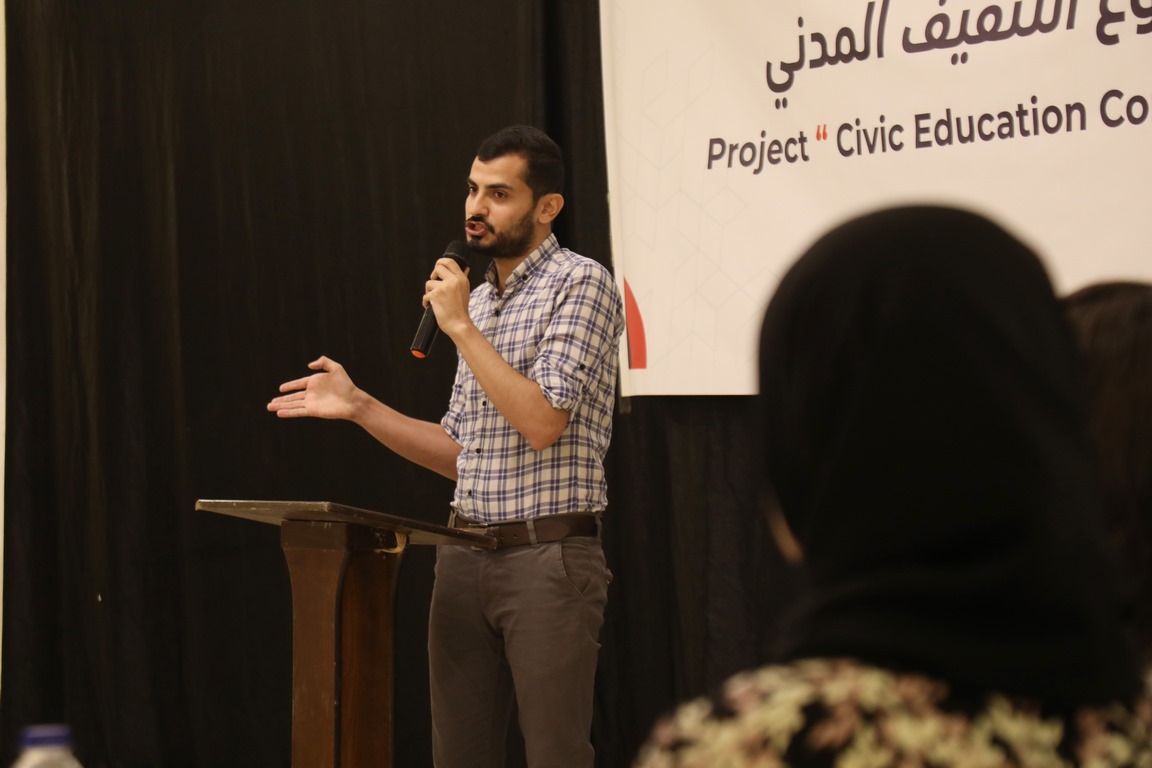
Three trainees presented the training's effects on their lives. Trainee Ahmed Abu Salah, 25, managed to apply what he learned through the project in the service of his neighbourhood.
He said: “My area in east Khan Younis lacks a sewage network, so I launched a pressure and advocacy campaign named 'the Sharqiya is collapsing'. The project's cost was estimated at about $15 million, and we succeeded in delivering the first phase worth $200,000” — stressing that “this is one of the fruits of Pal-Think's training”.
Trainee Abdullah Hassanein, 20, said the training honed his research-writing skills, which made a difference in his academic life: he published a policy paper on the ways of lifting Palestinian youth amid the paralysis of political life.
He added: “Pal-Think enabled me to sit with the EU envoy for the peace process Sven Koopmans and to attend a reception for representatives of the EU ambassadors — and it was the first time in my life a decision-maker asked me my personal opinion on solving the Palestinian cause, and about my ambitions and dreams.”
Trainee Jumana Abu Sinjar, 21, closed the ceremony by speaking of the training's fruits for her: “The training helped me develop soft skills, accept different ideas, and live with the other. I wrote a research paper on the mechanisms of strengthening community work, and co-wrote another on the repercussions of the elections on political life.”
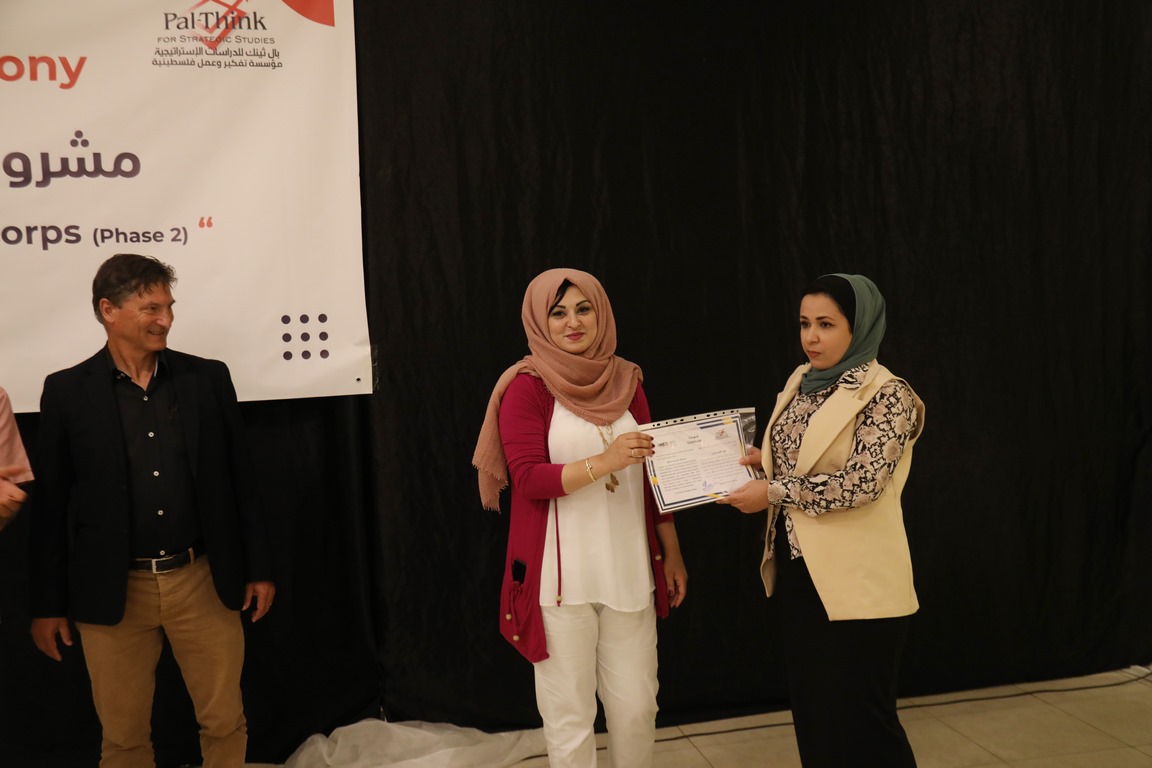
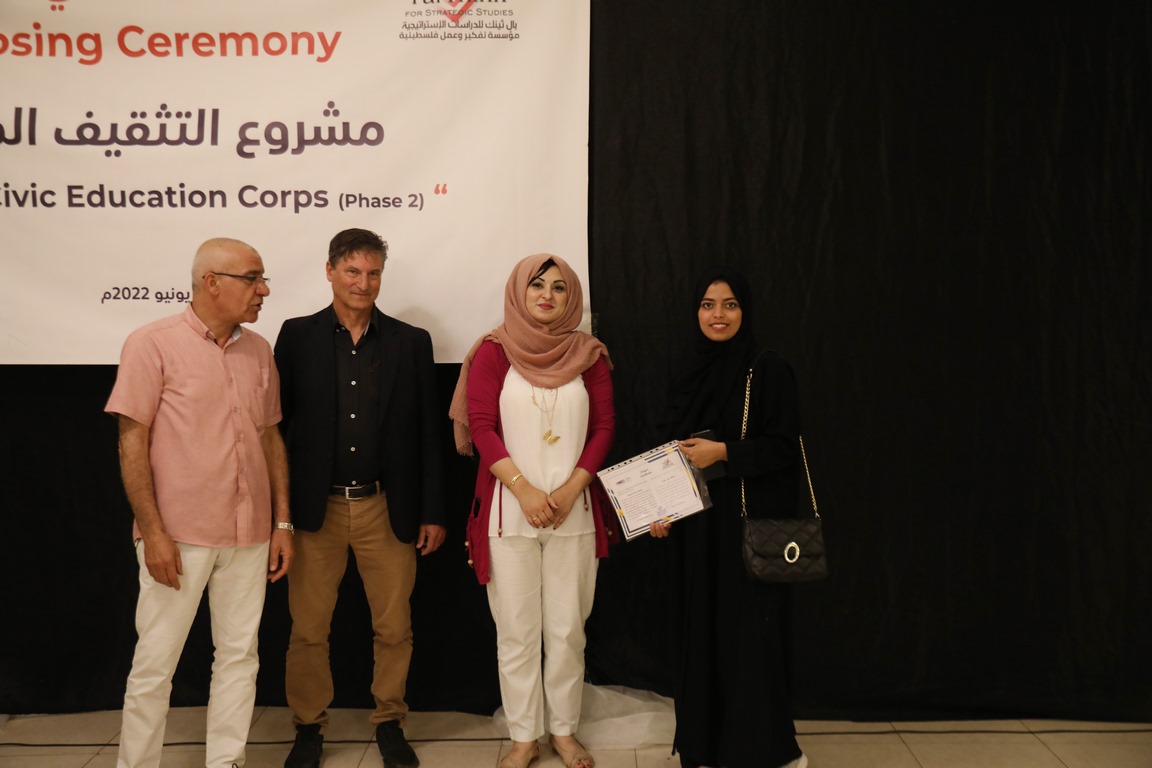
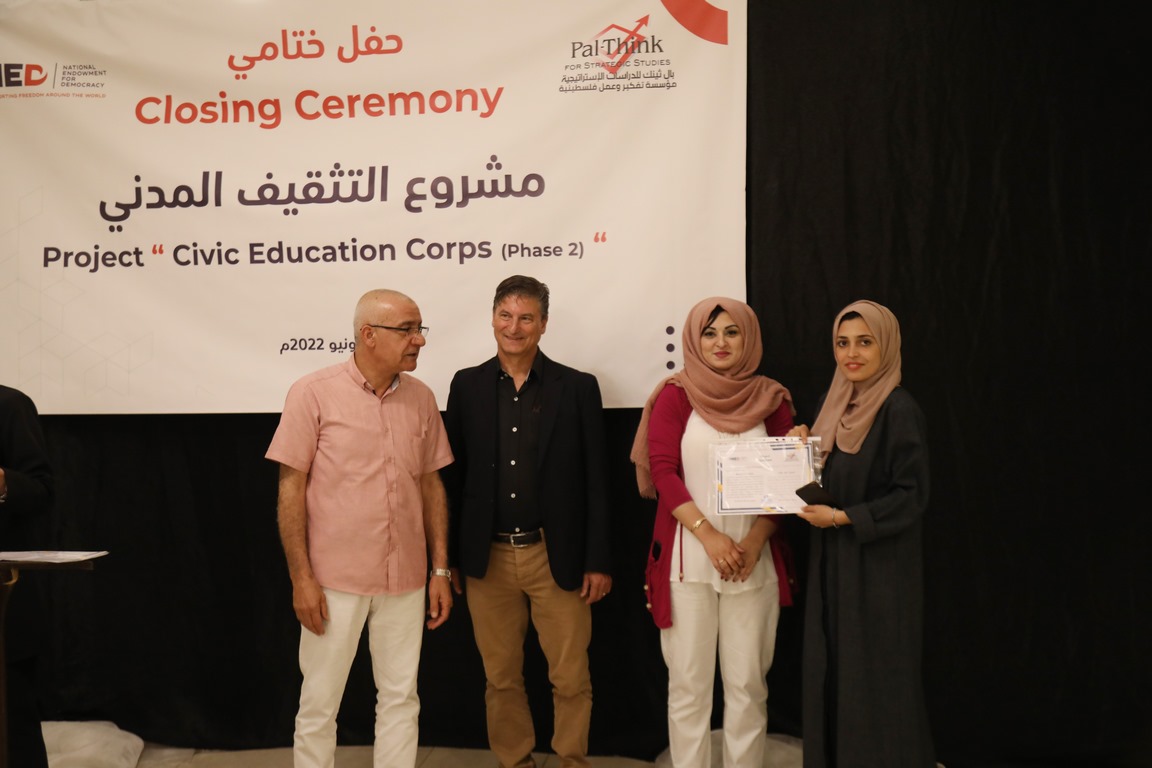
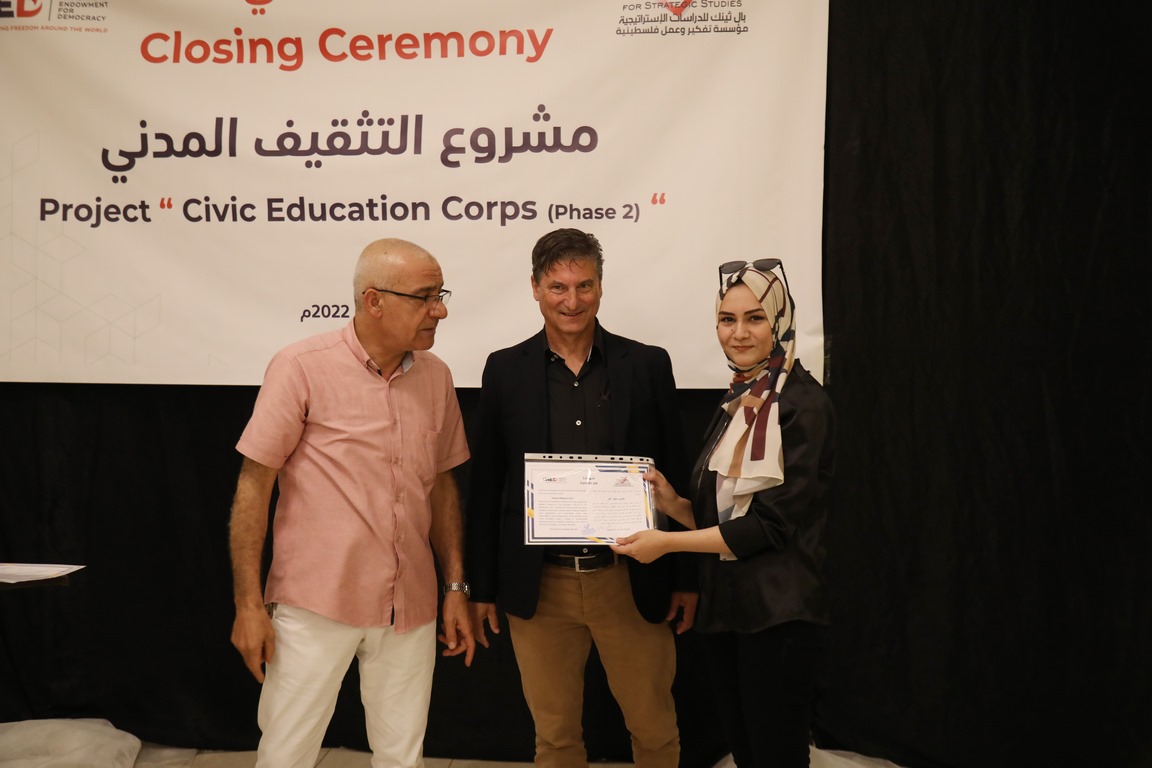
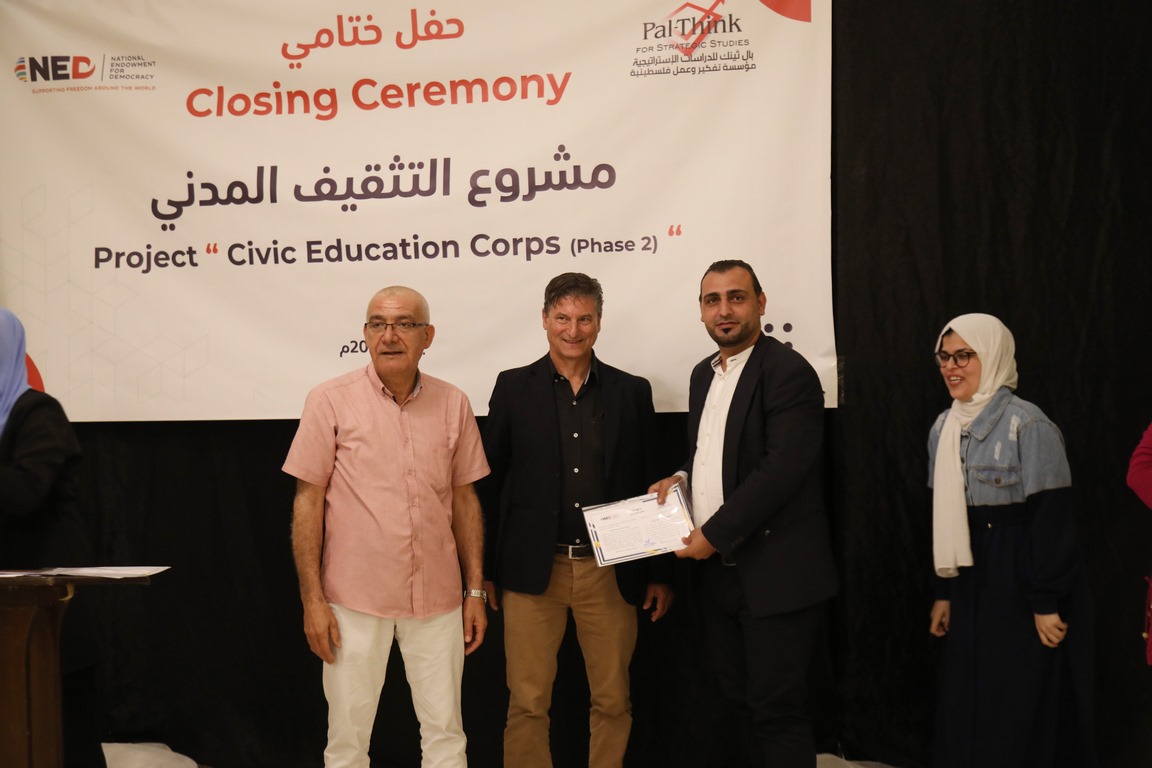
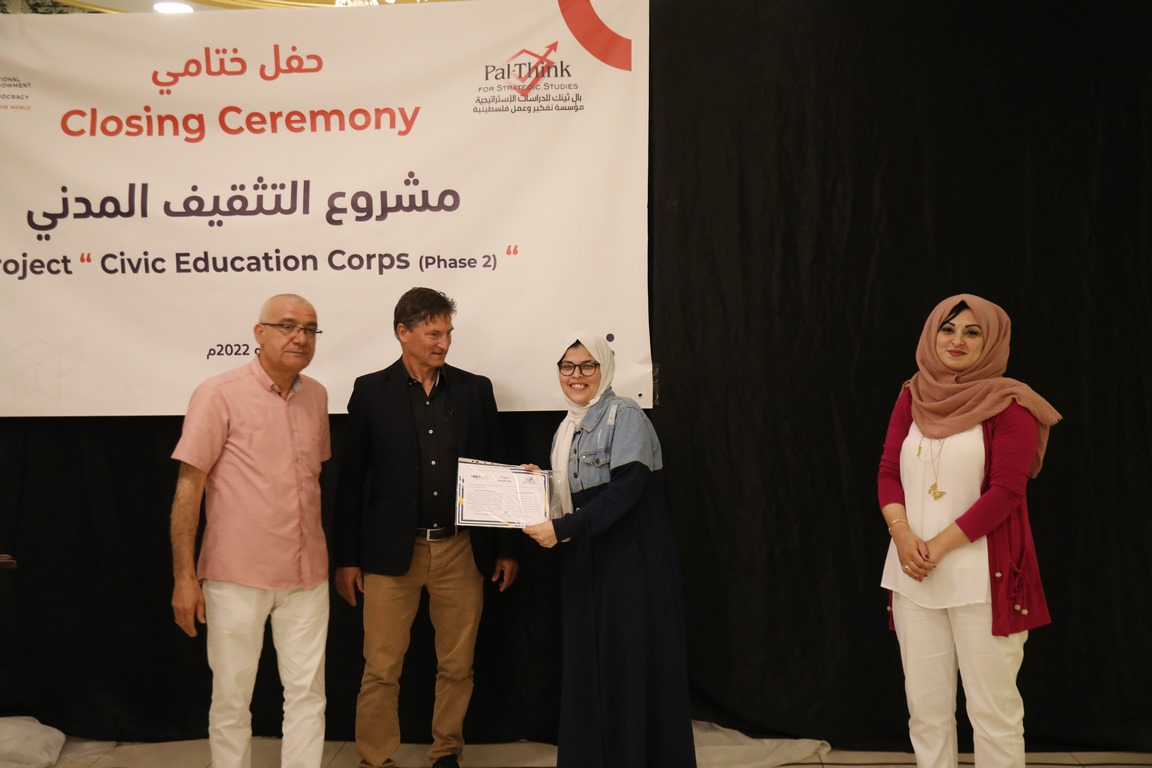
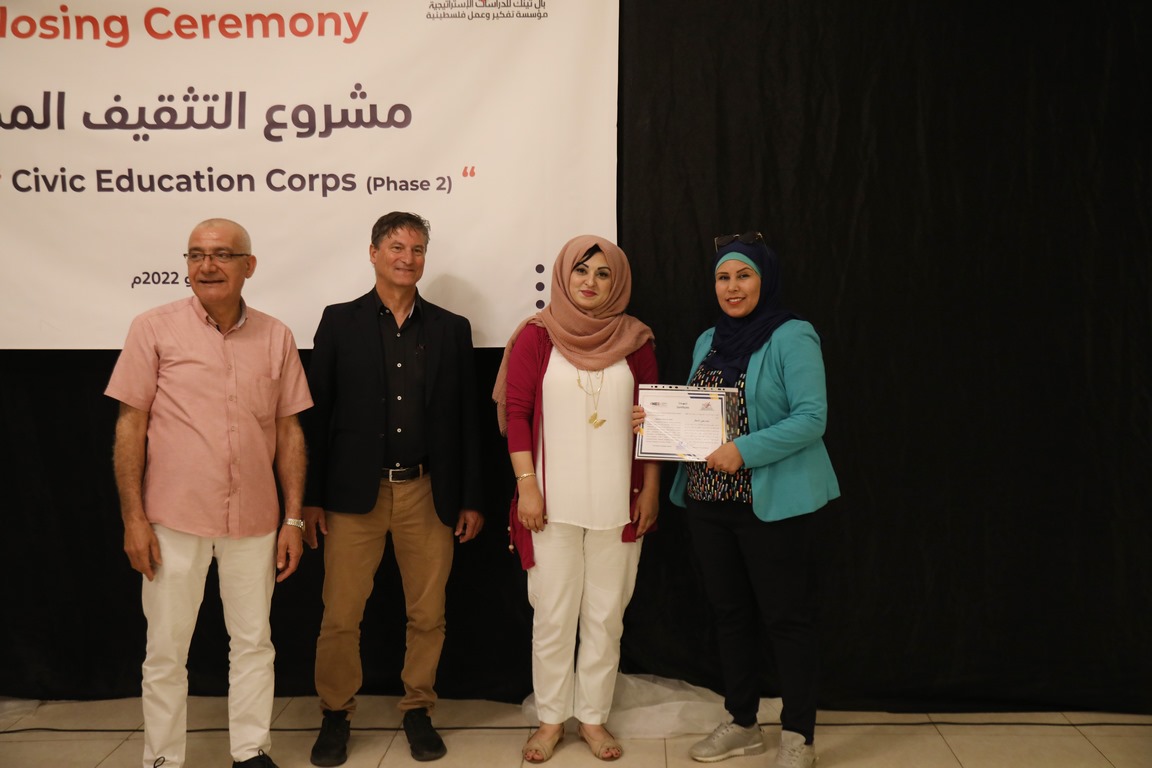
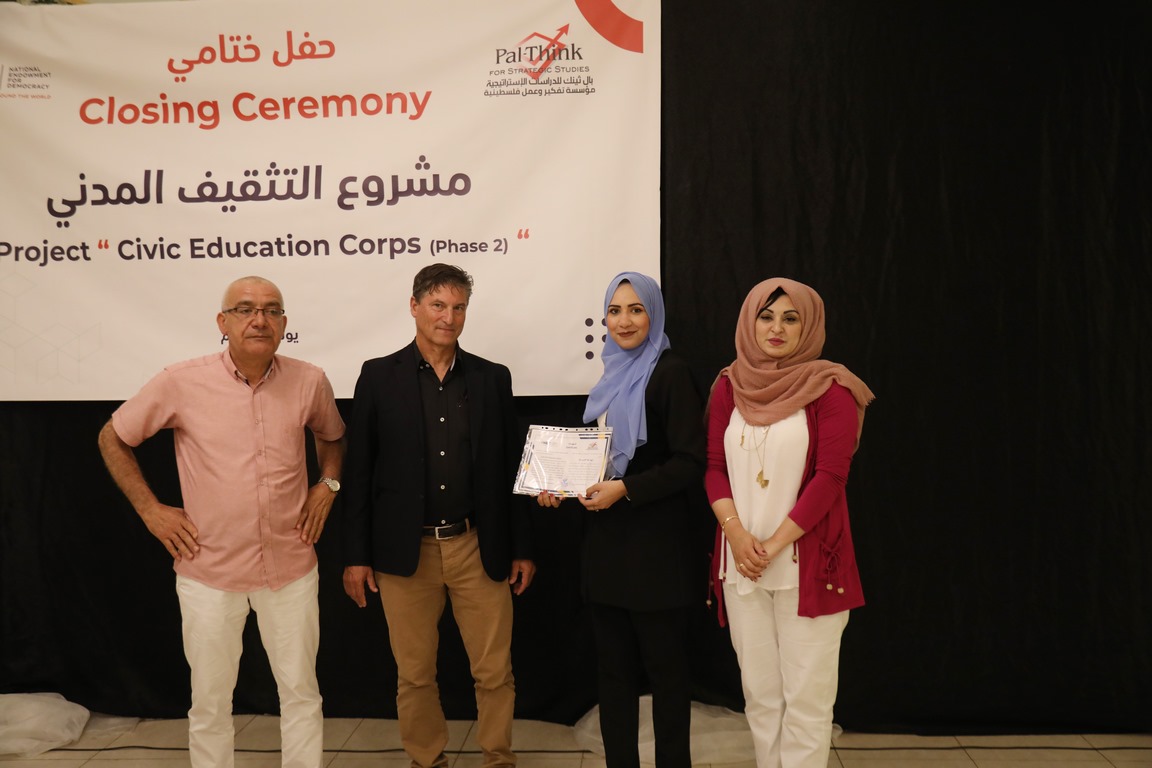
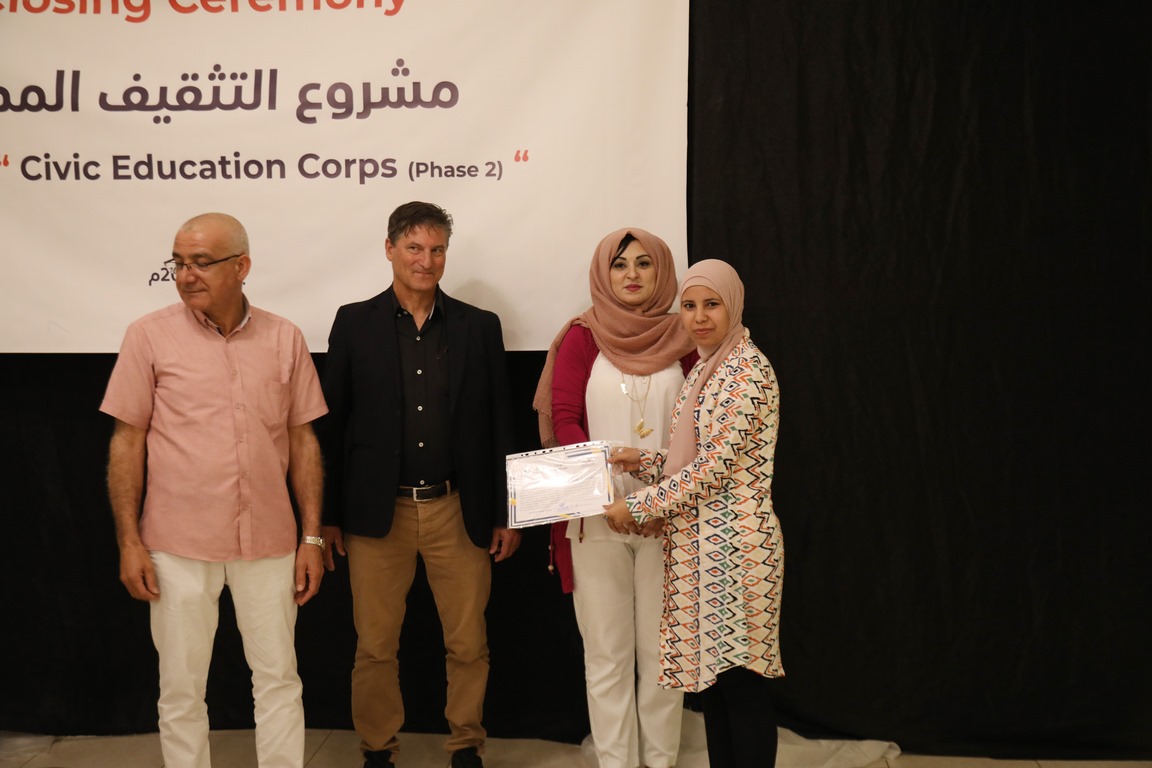
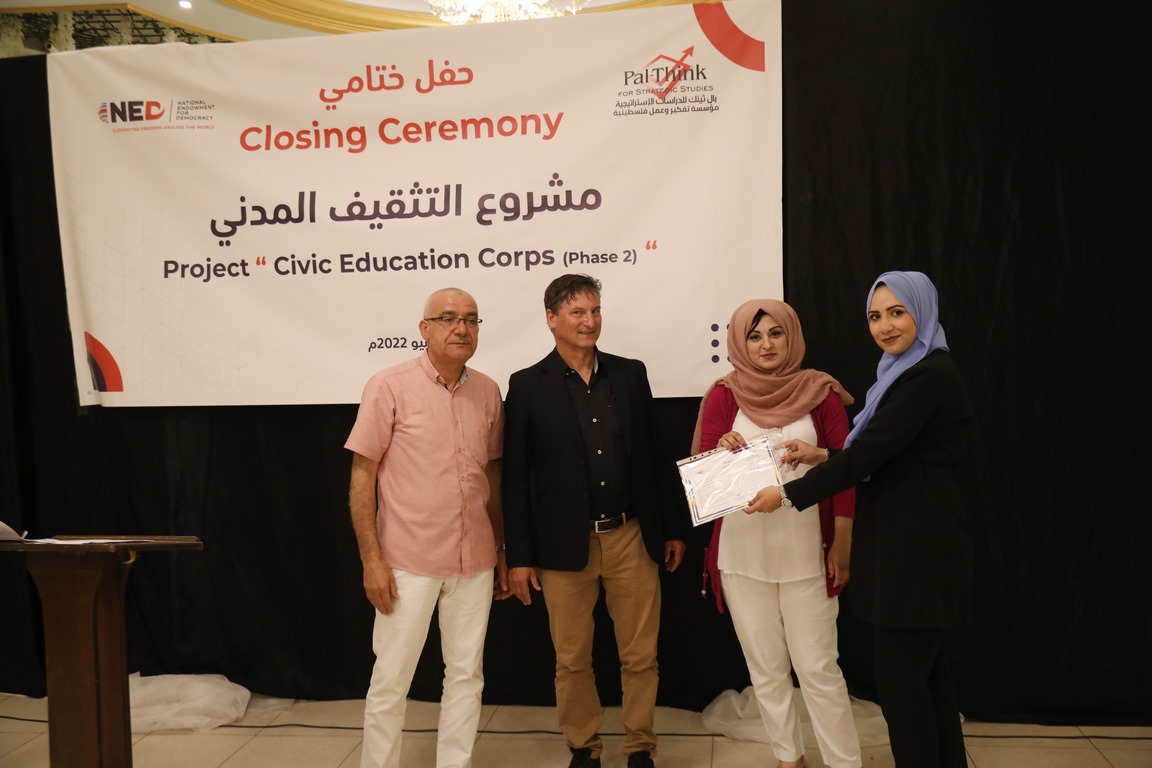
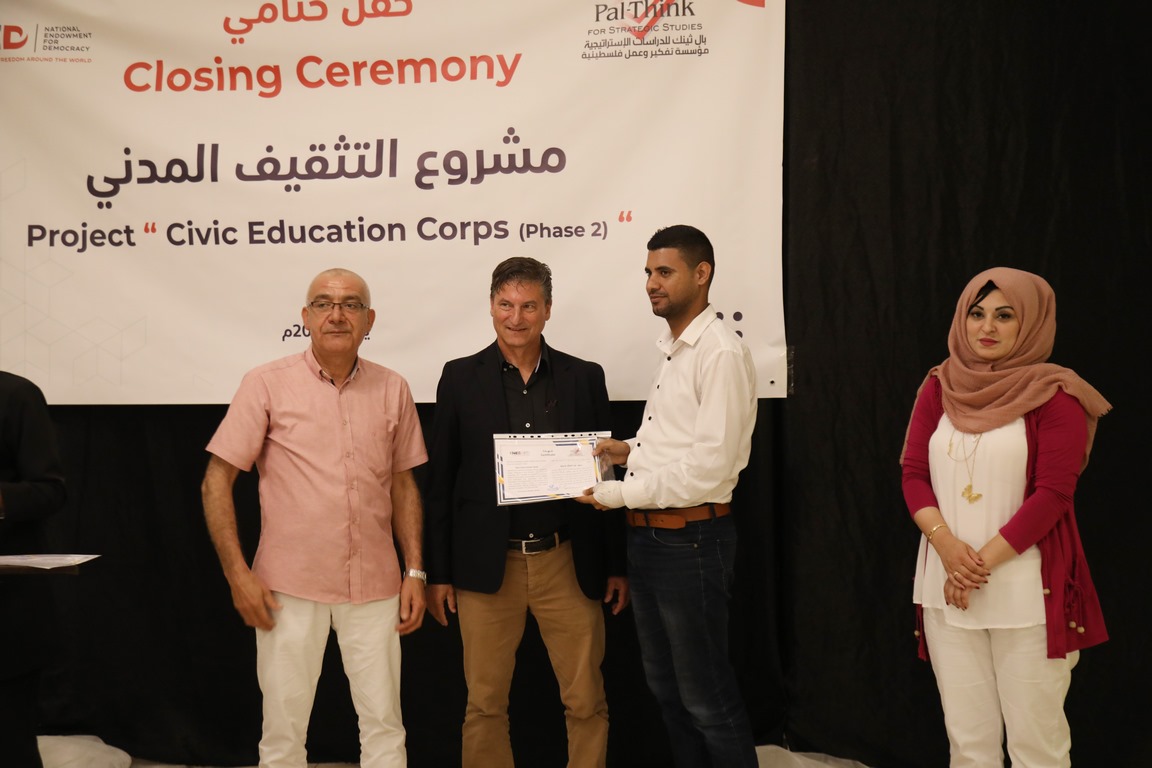
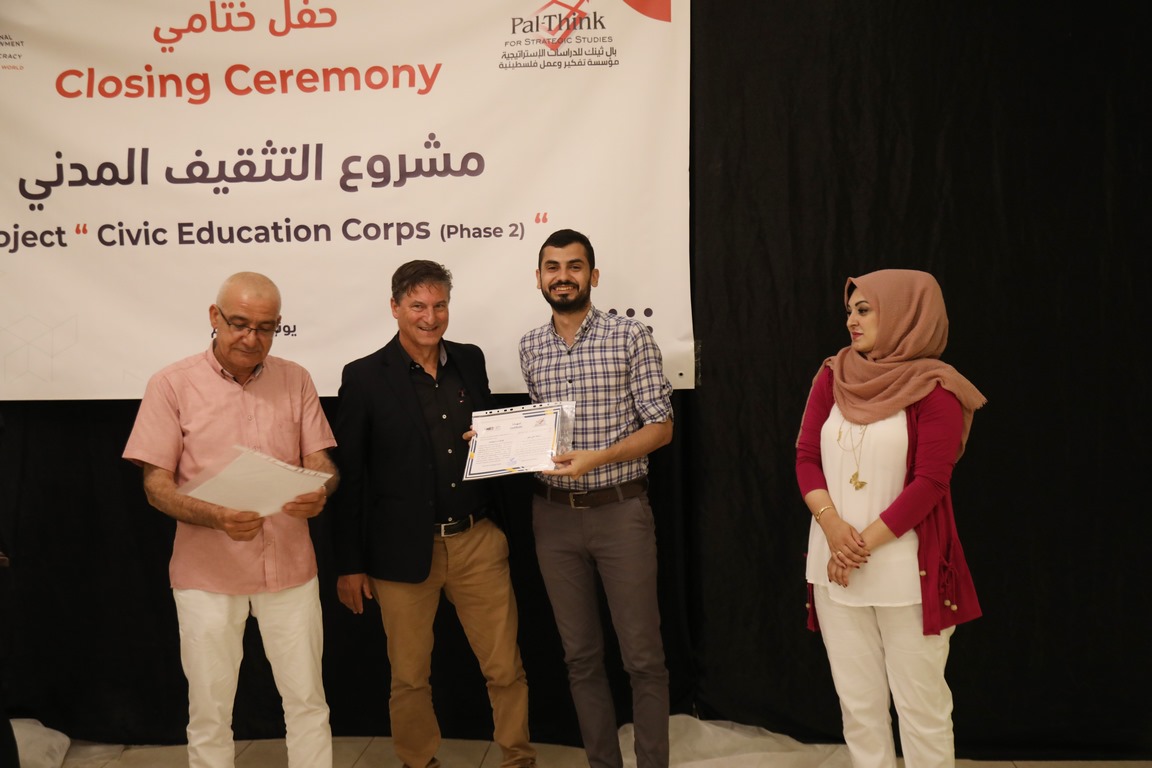
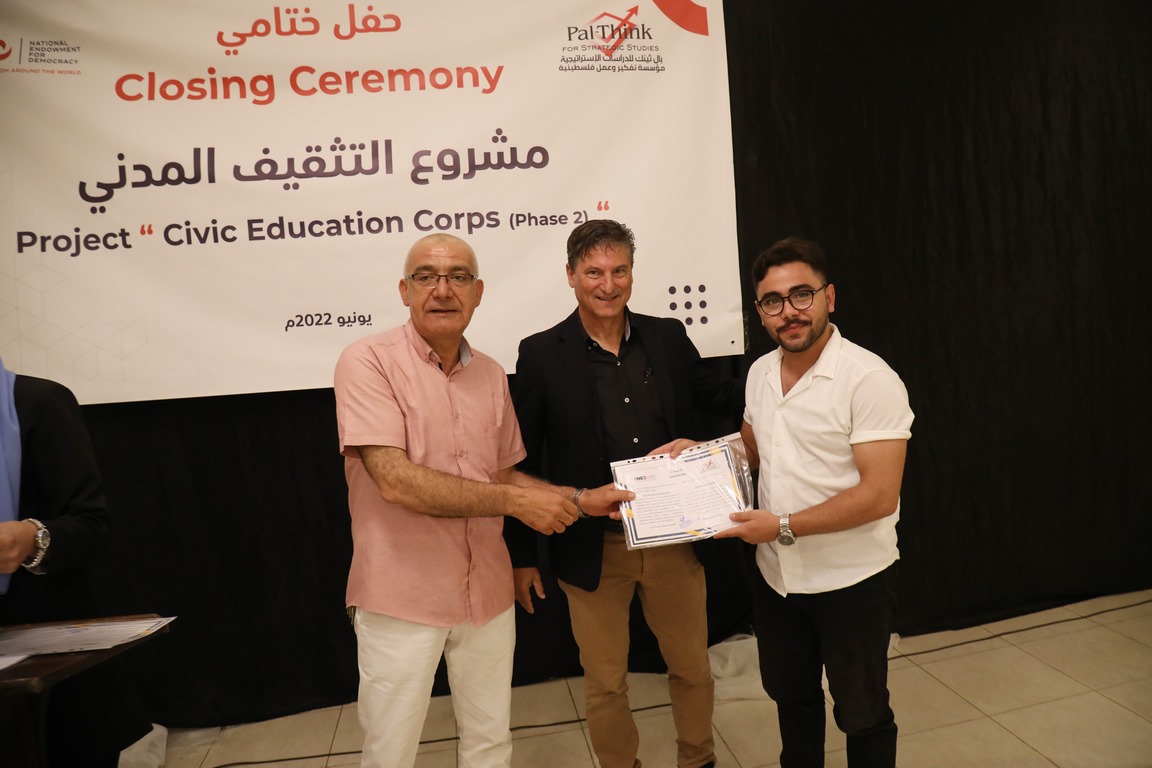
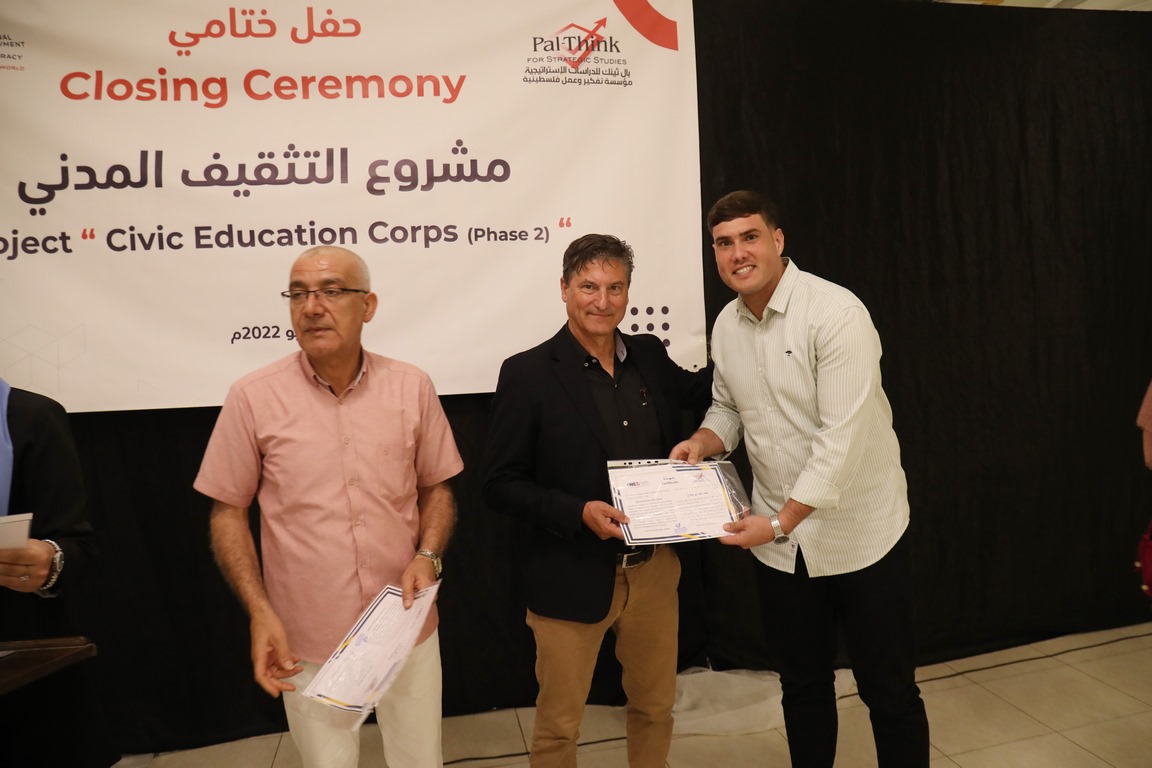
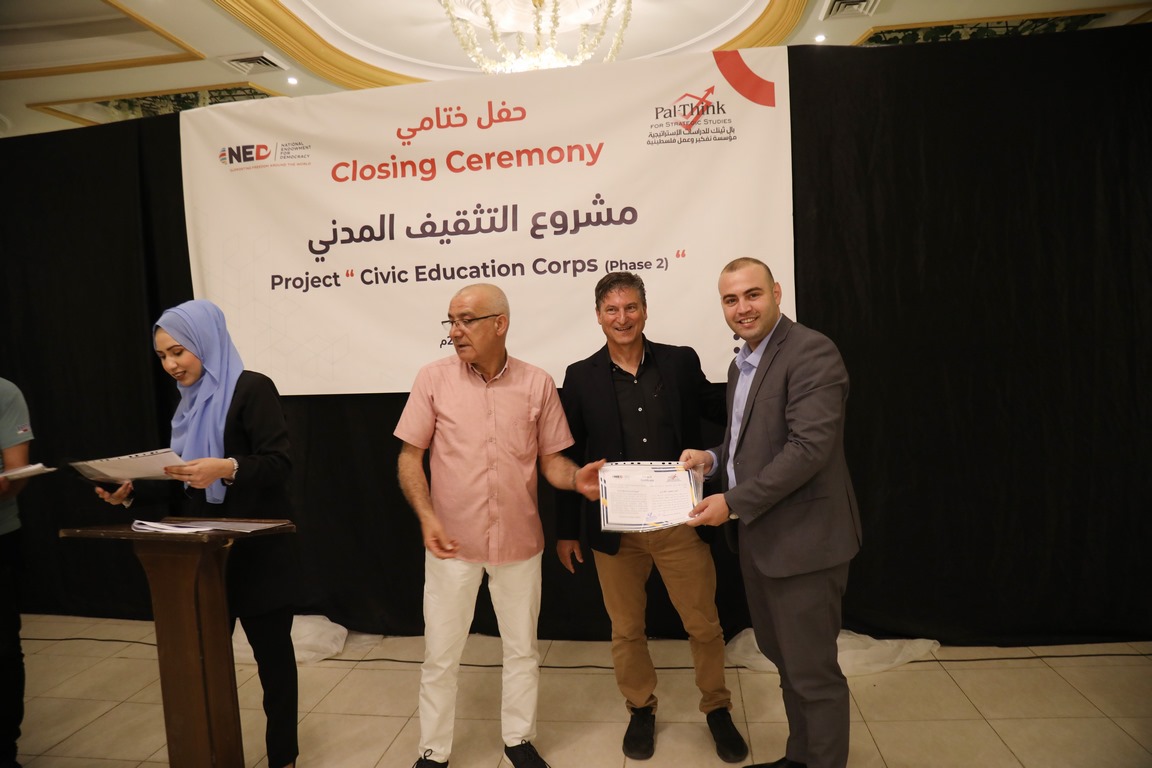
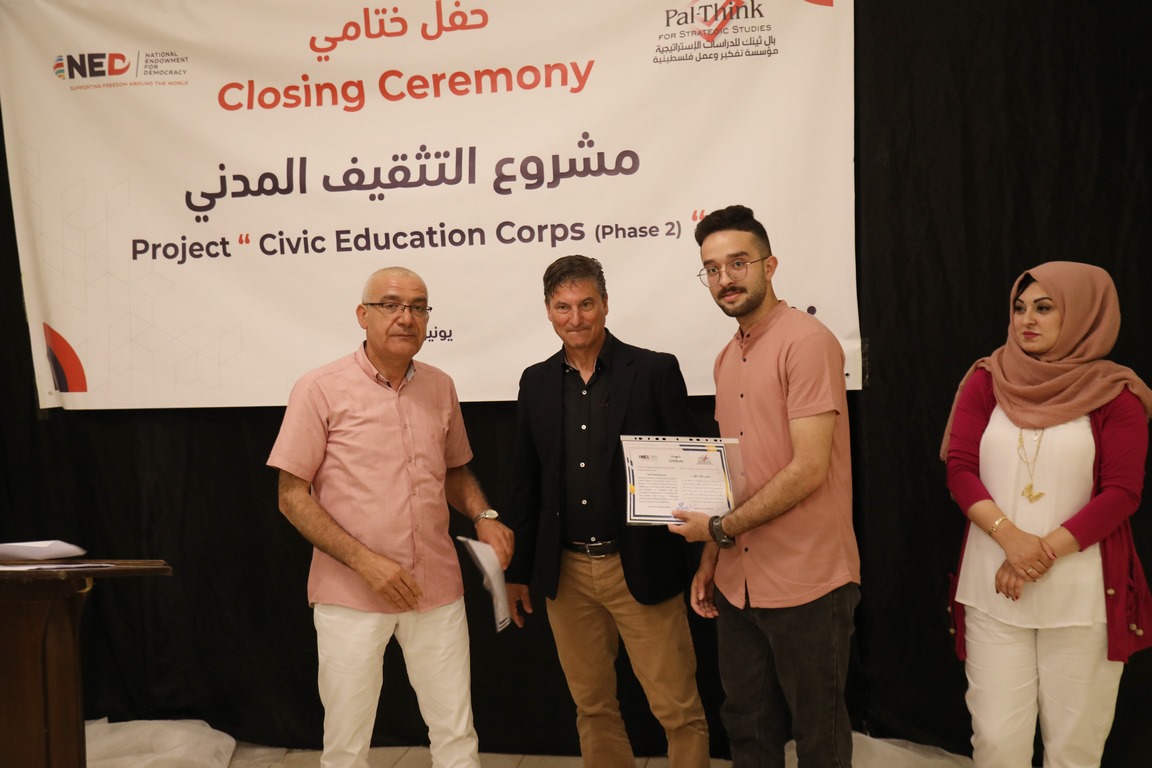
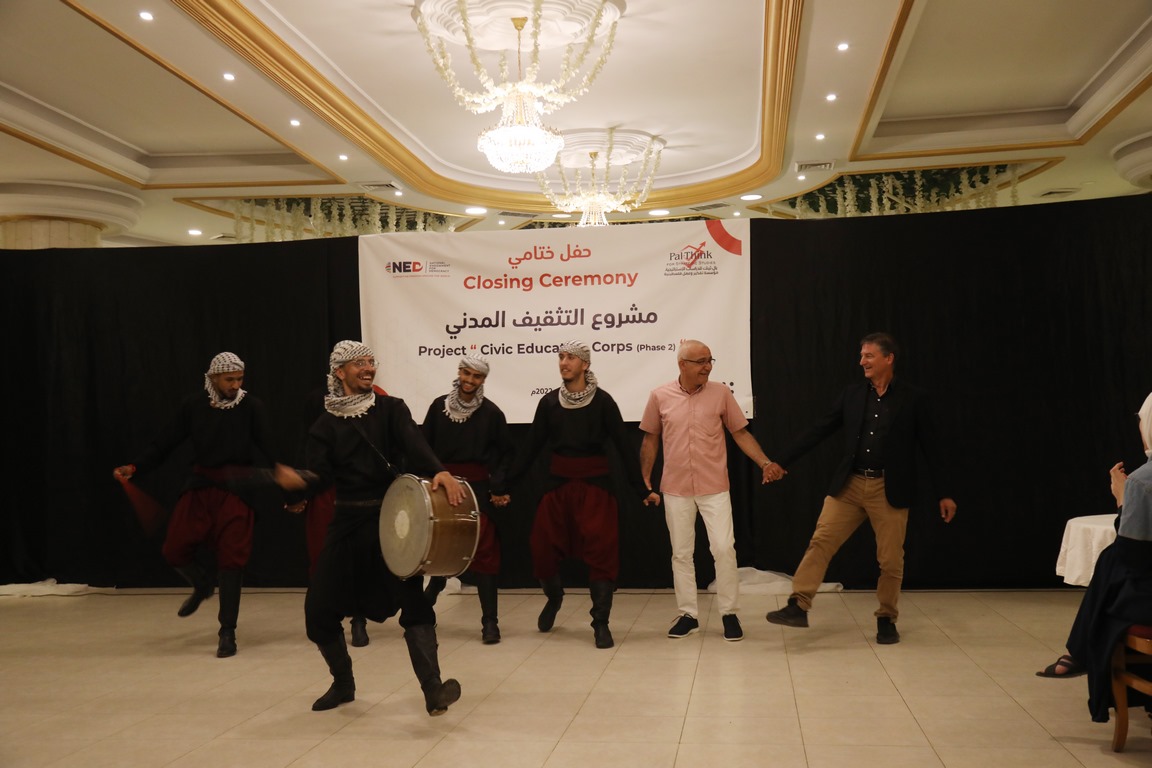
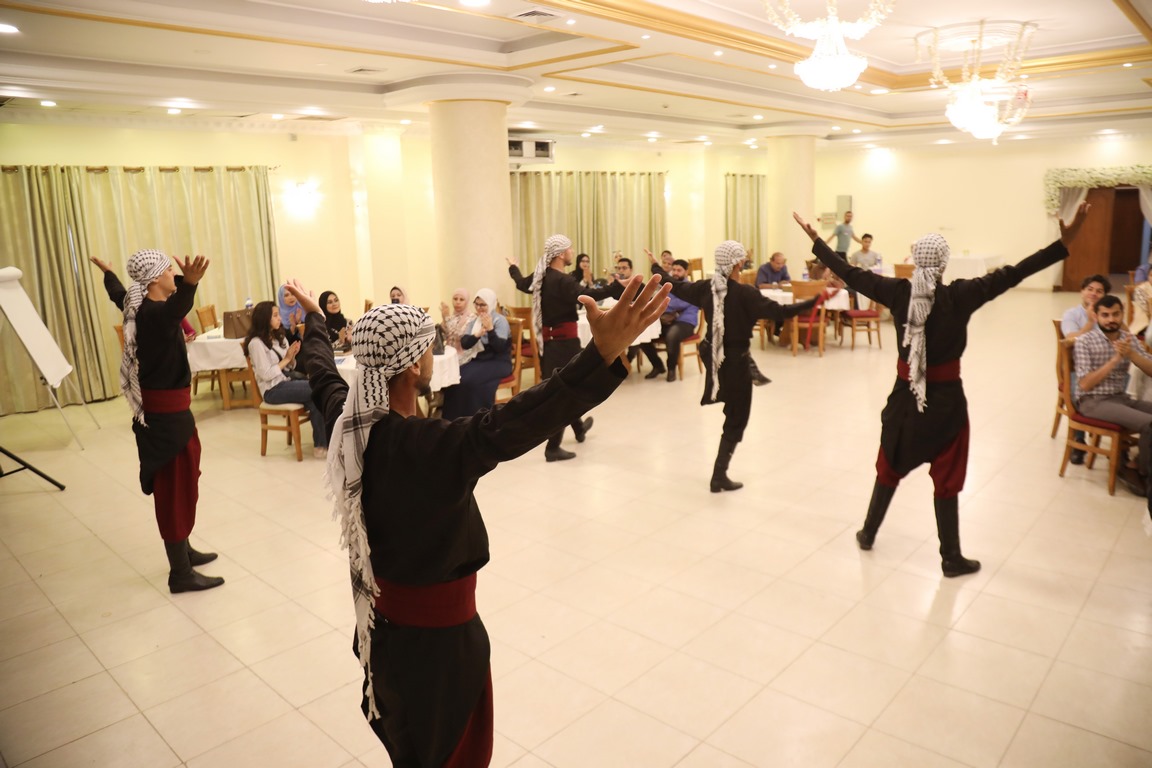
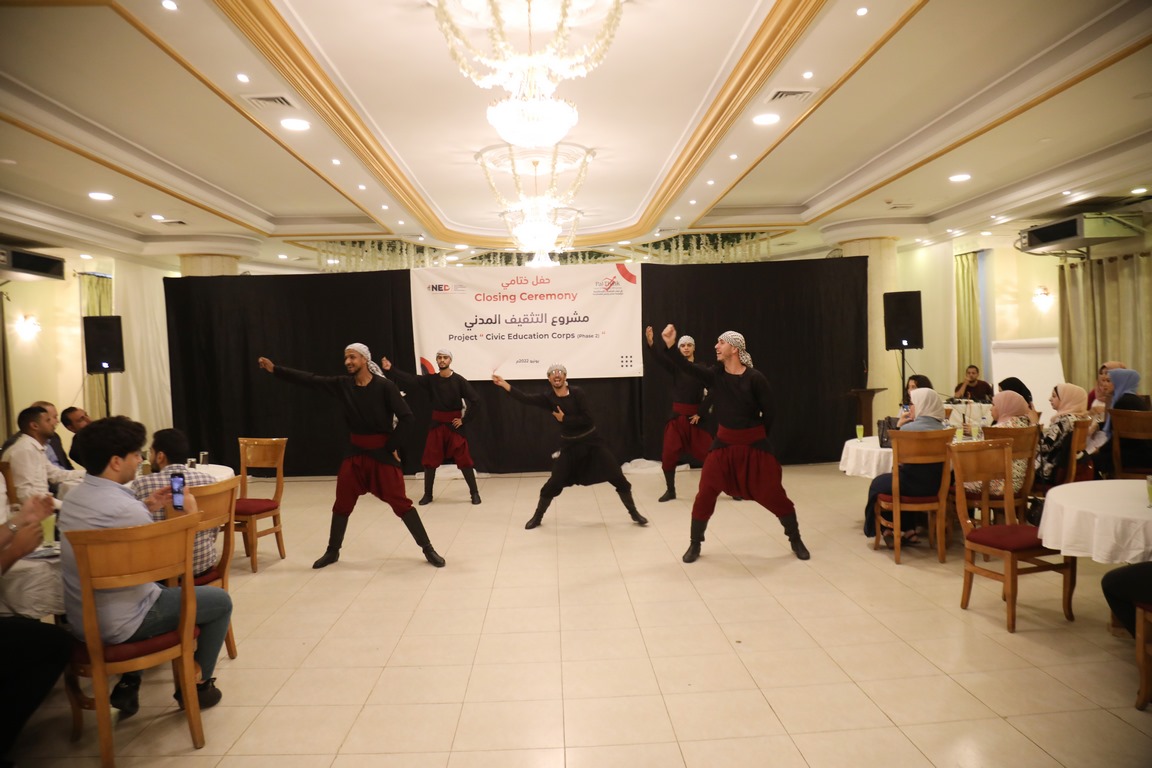
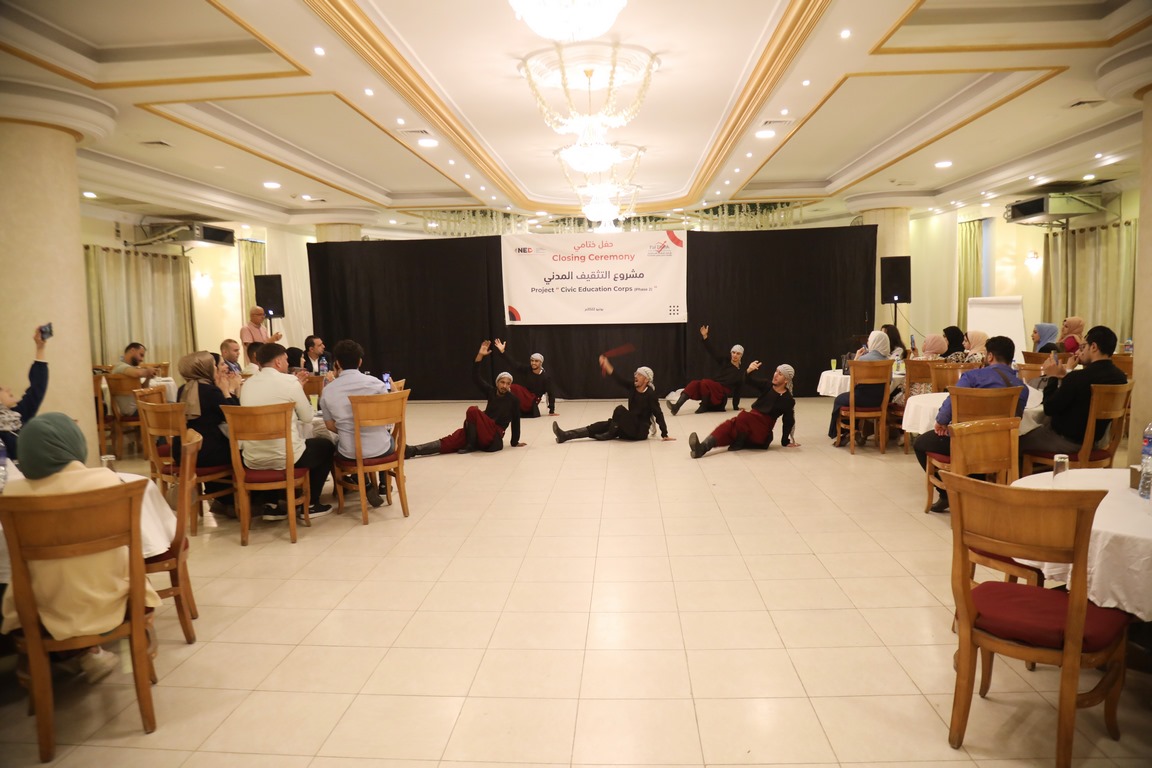
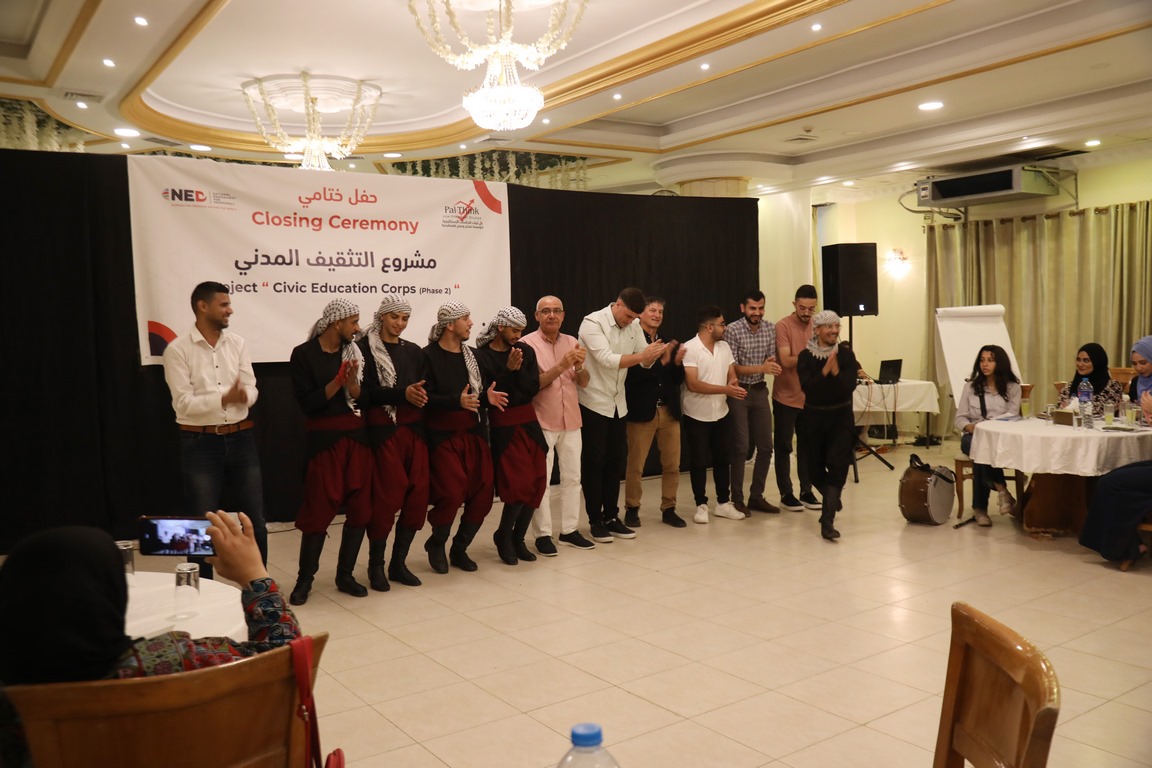
The ceremony, which closed with the distribution of certificates to the trainees, included Palestinian dabke performances.