«Young Pens»: members of Pal-Think's civic education body produce and present research papers
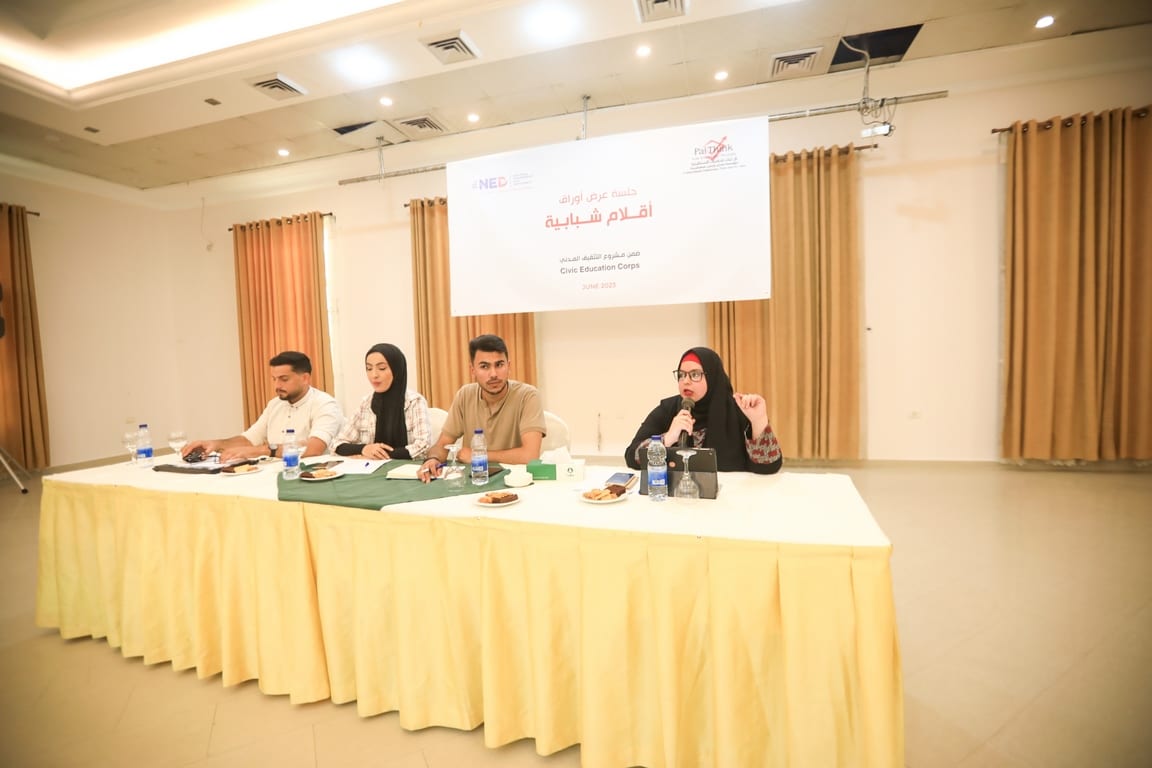
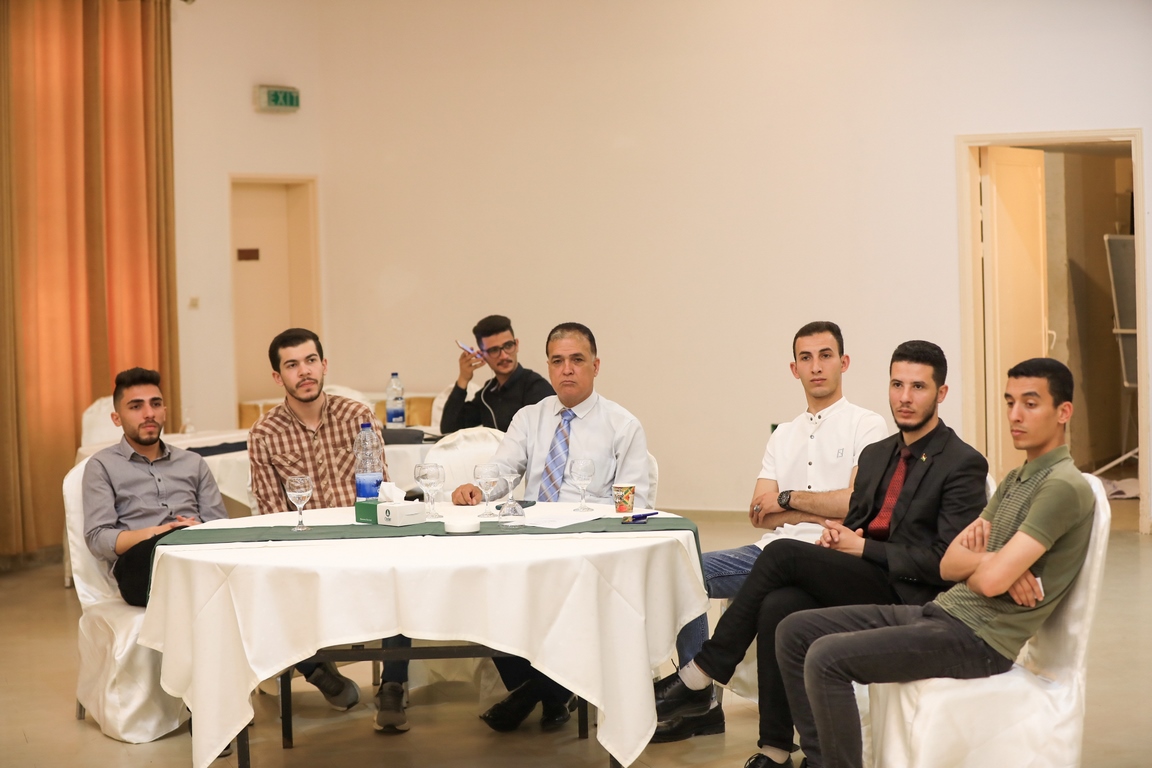
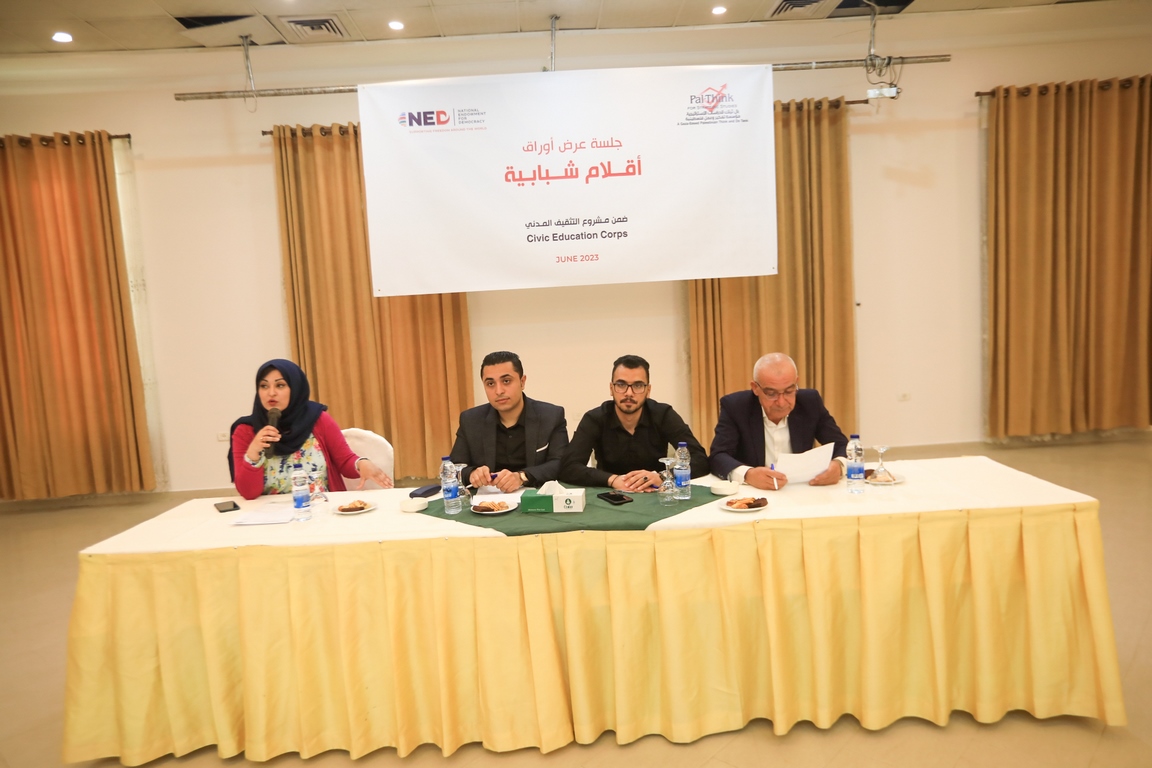
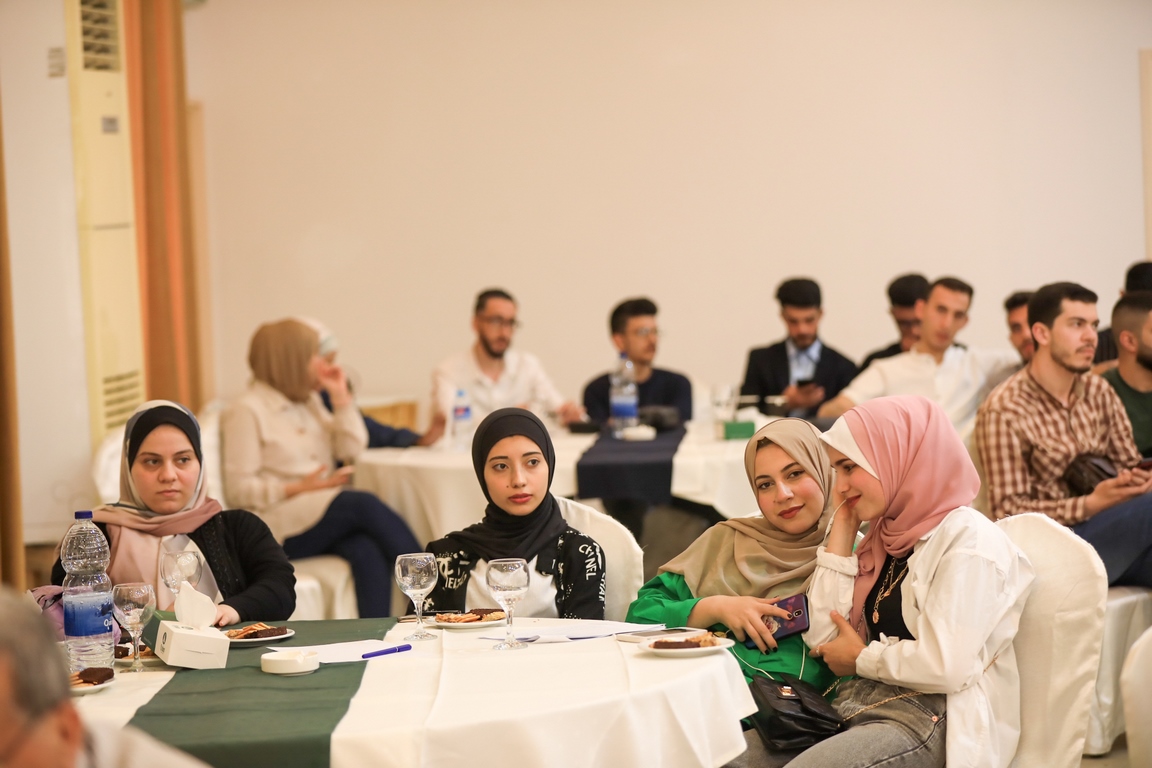
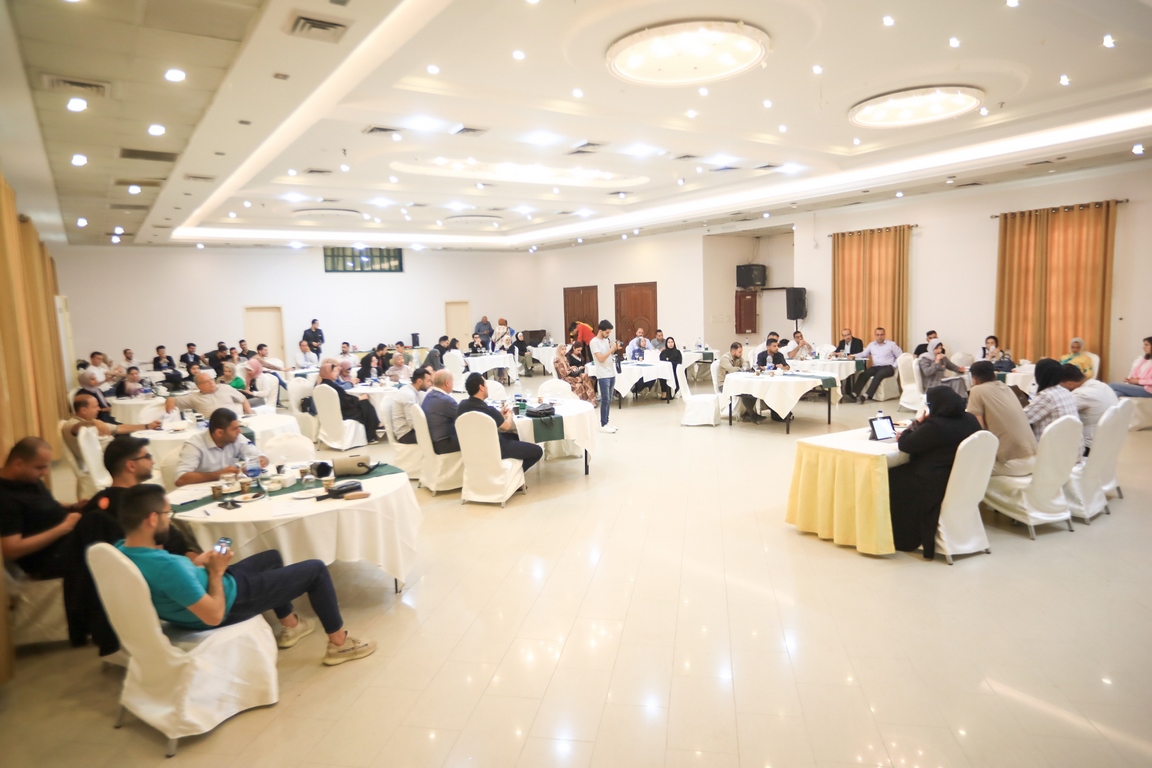
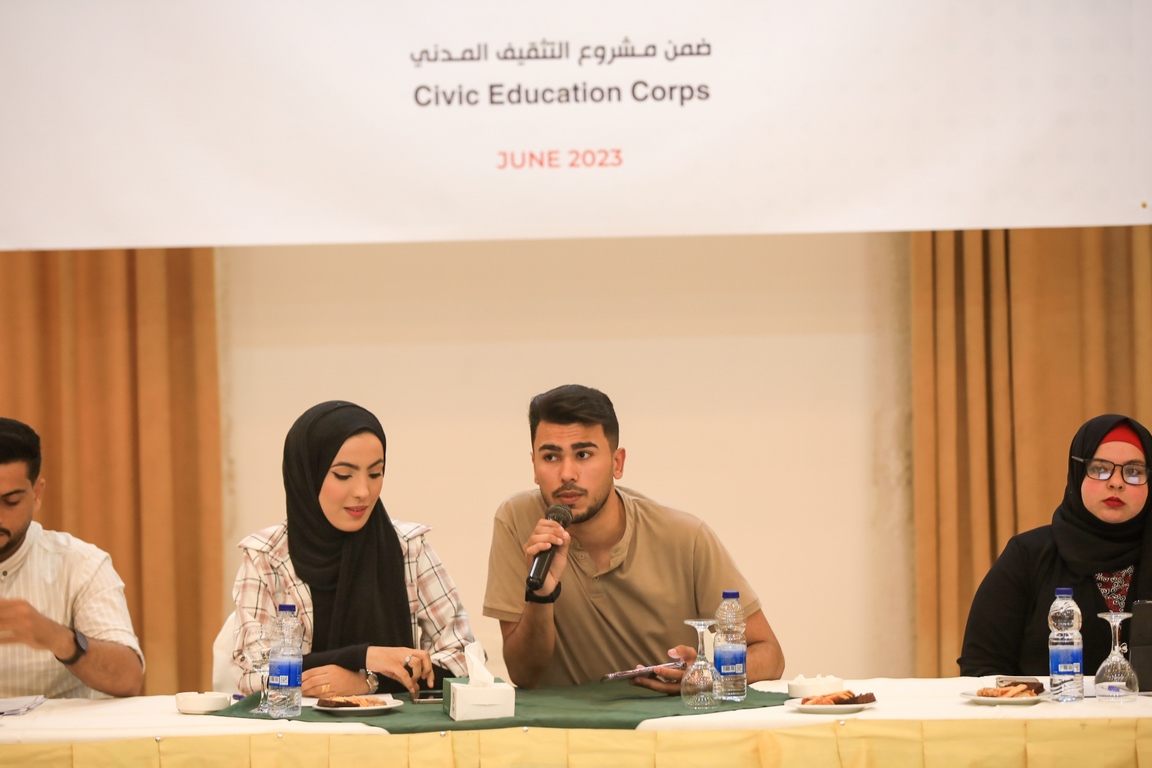
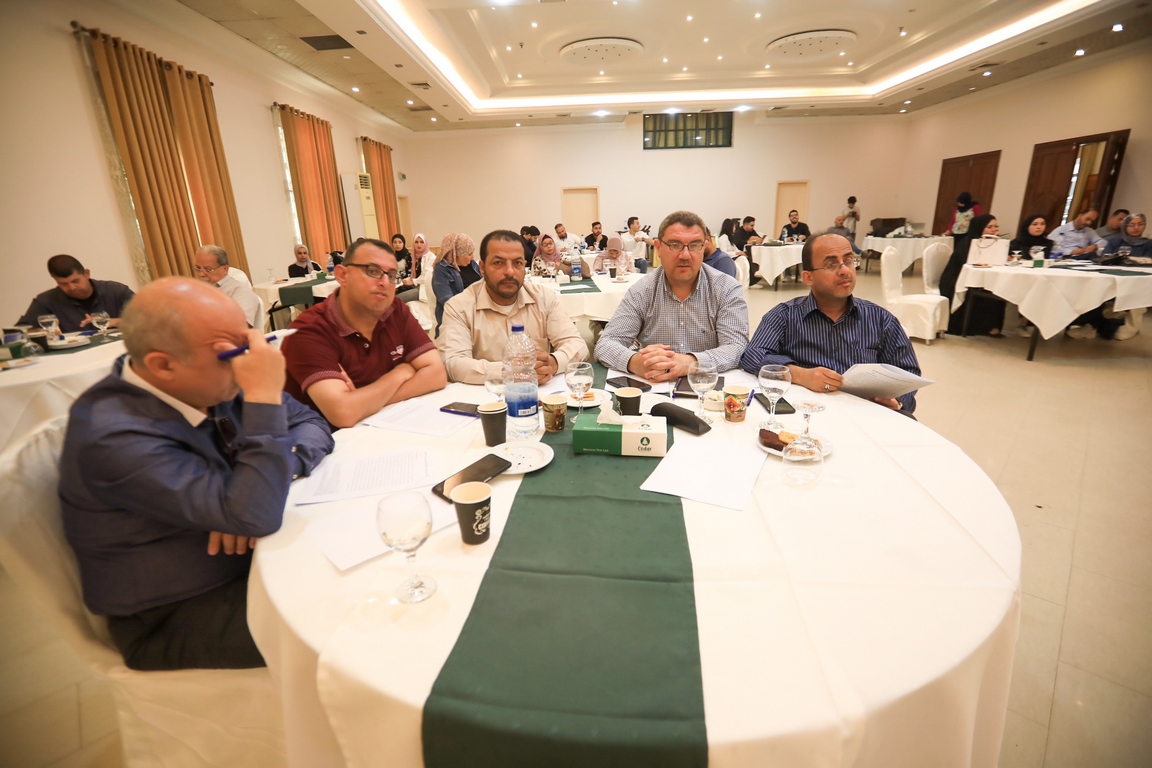
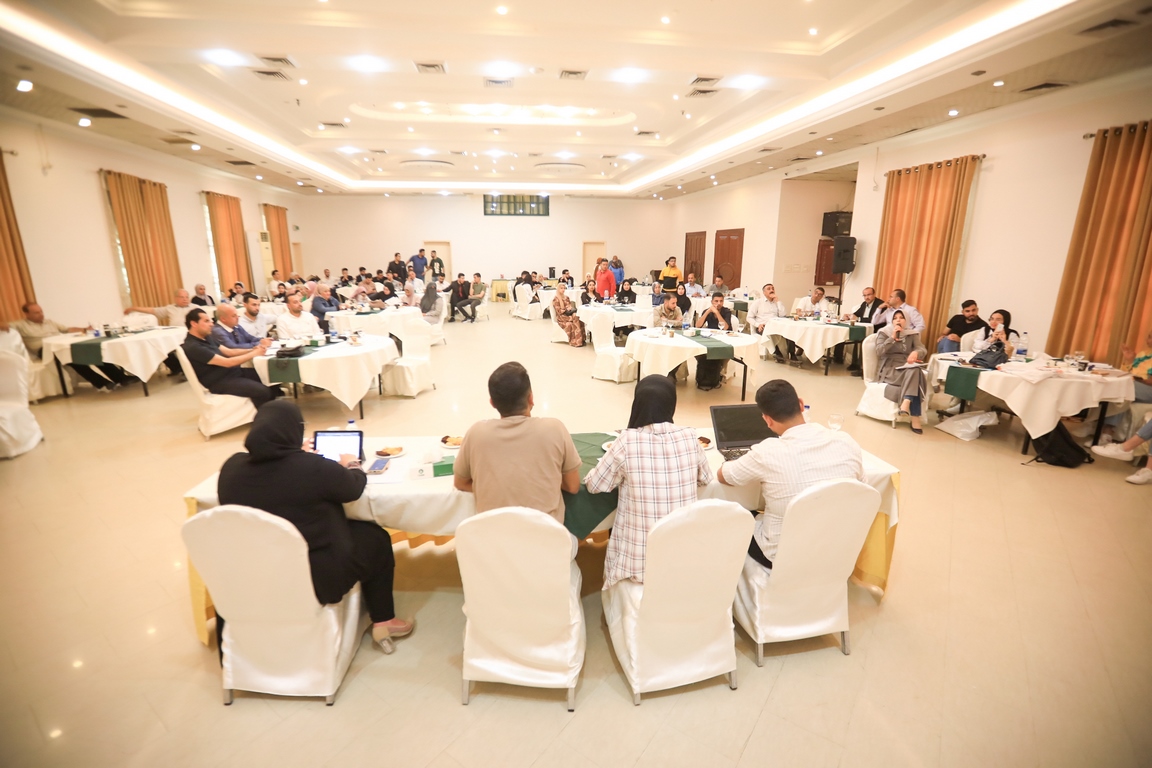
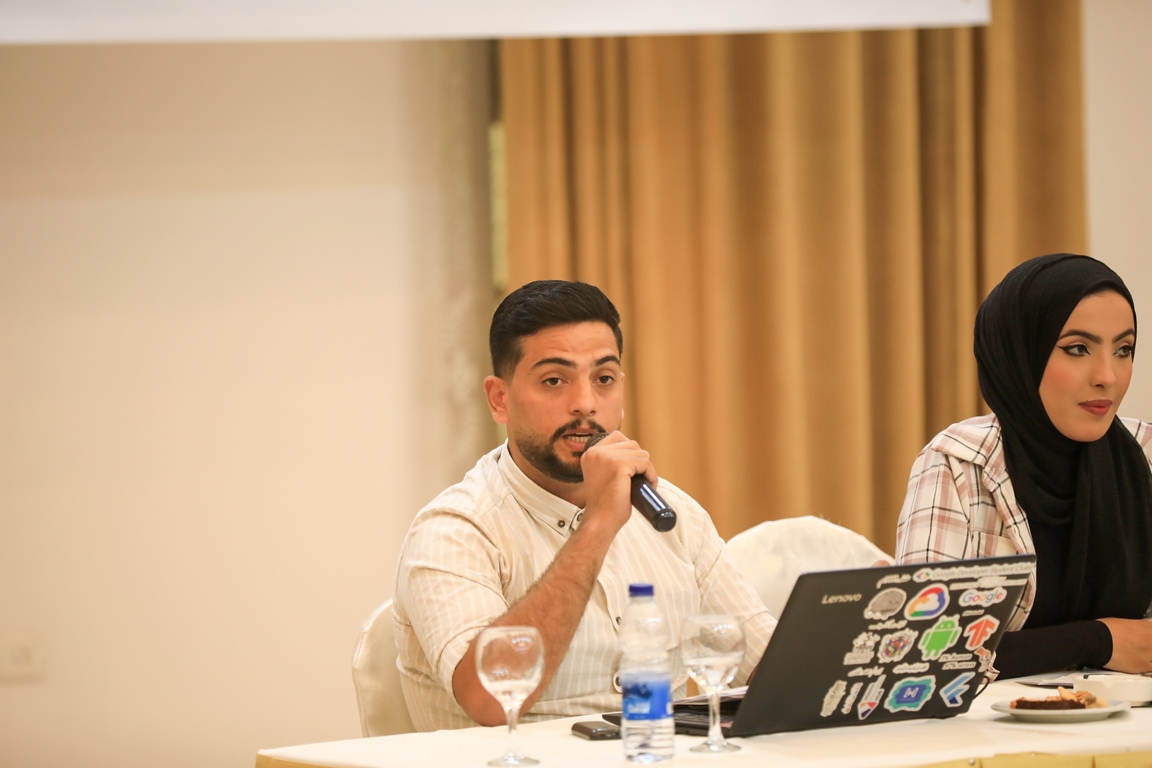
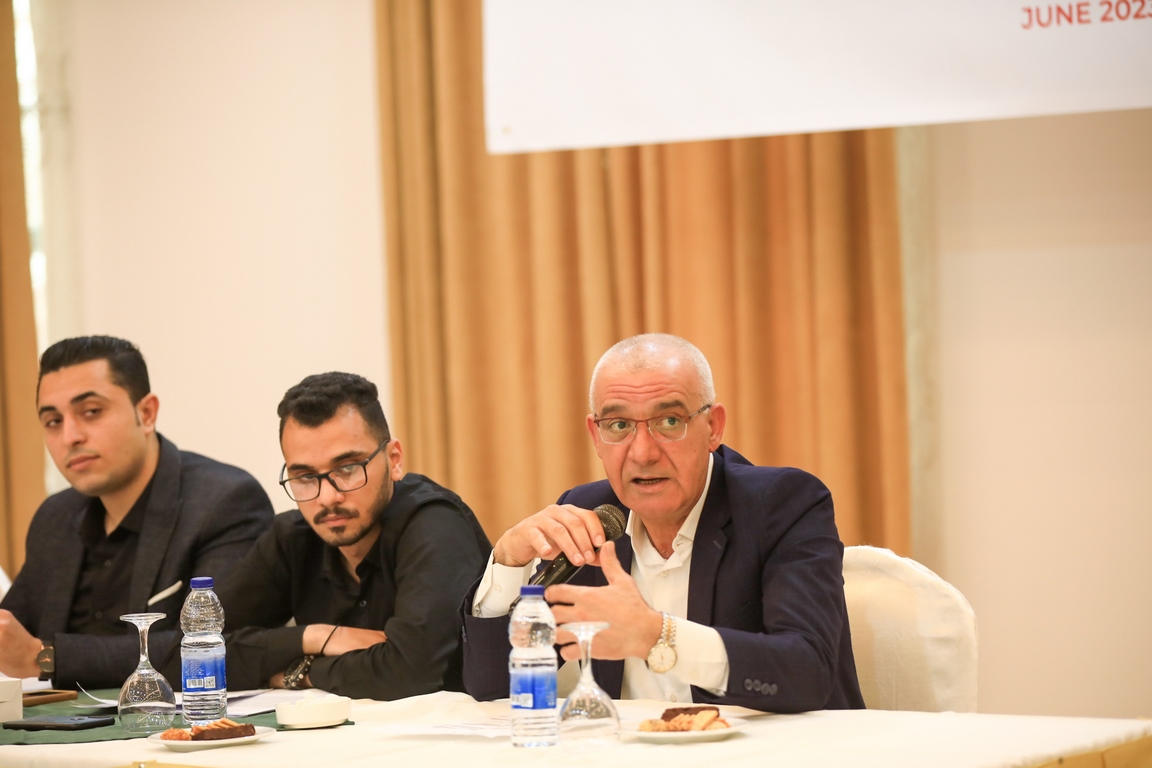
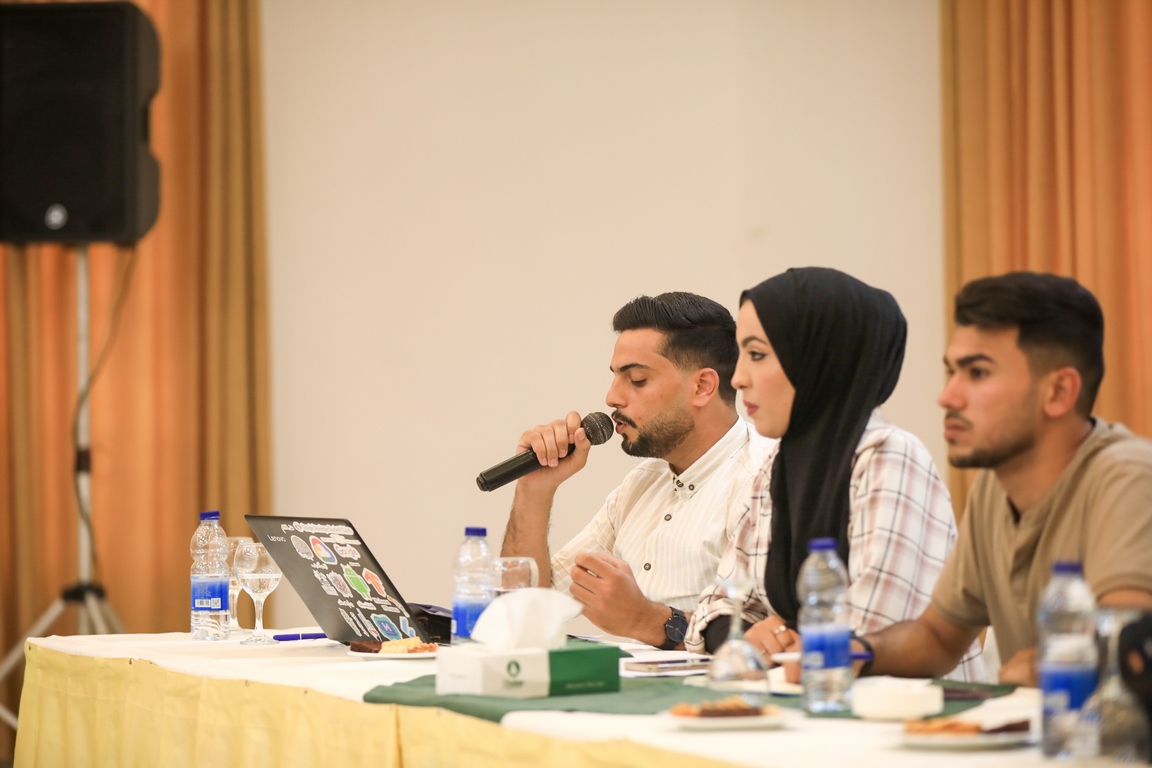
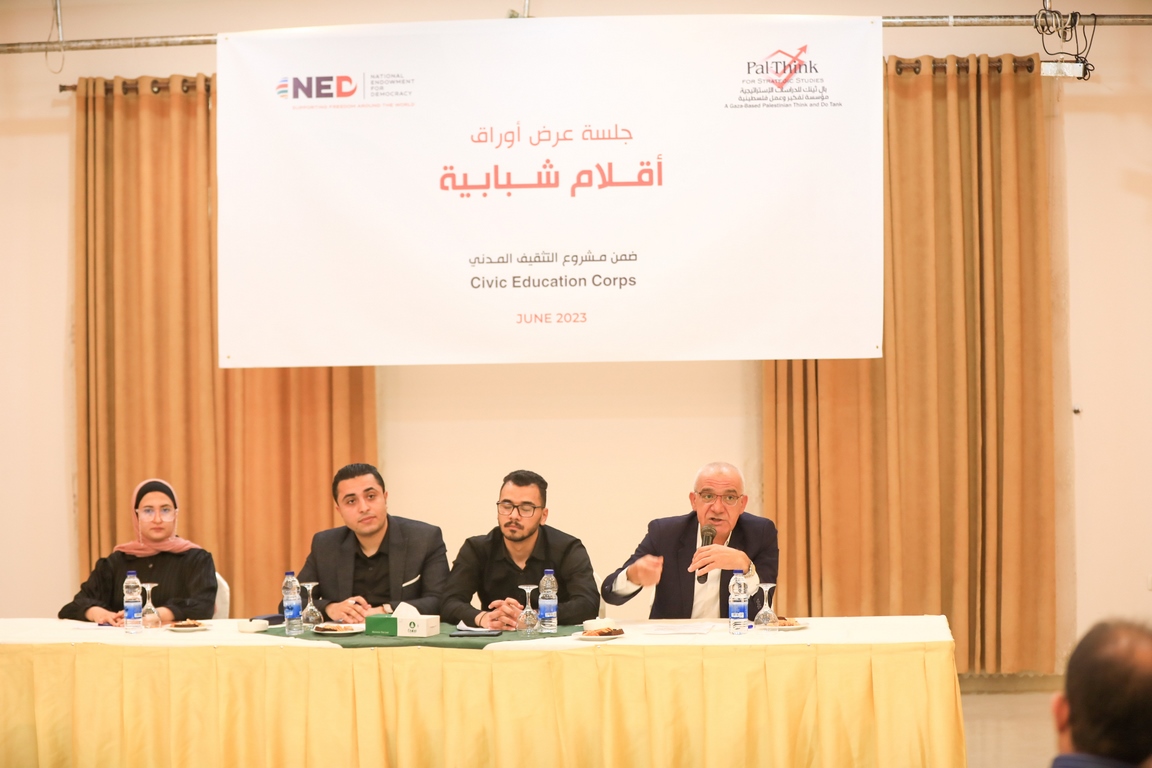
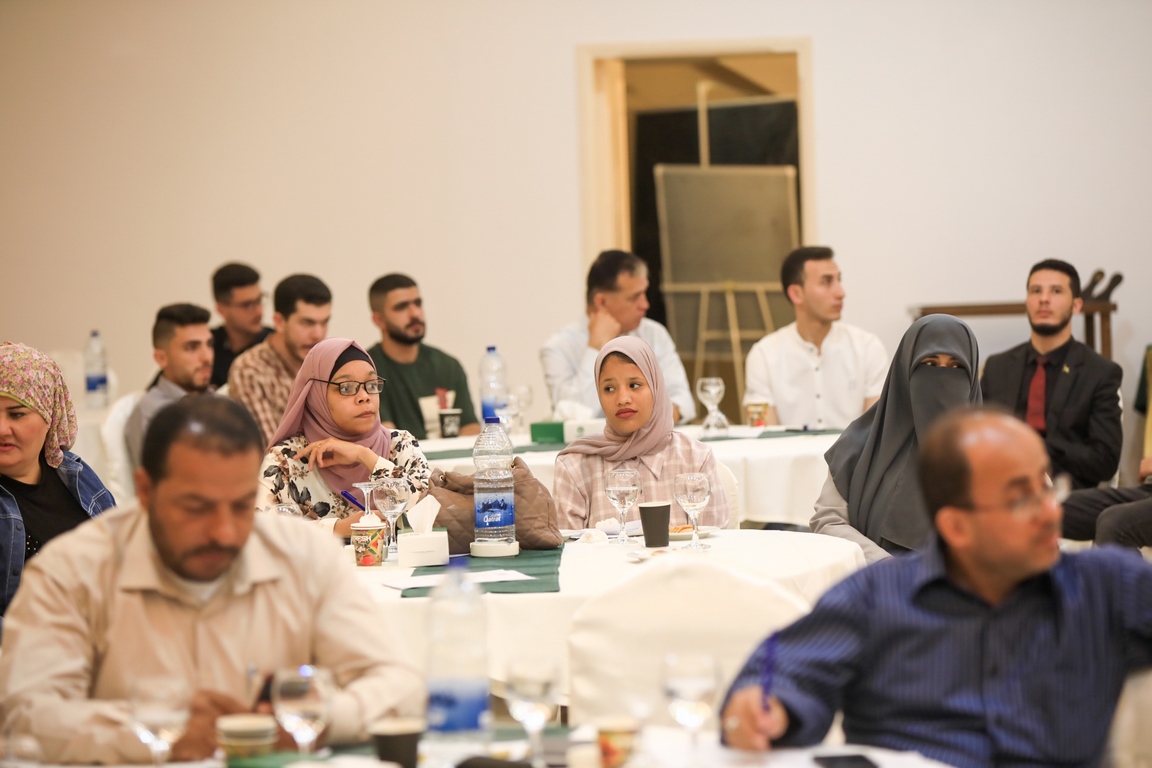
Pal-Think held a discussion session on policy papers prepared by members of the Civic Education Corps under the NED-funded Civic Education project (phase two), attended by some 90 intellectuals, civil-society representatives, researchers and young activists.
- Author
- The editorial team
- Date
- 2023-06-04
Pal-Think for Strategic Studies held a session to discuss policy papers prepared by the members of the civic-education body under the project “Civic Education — phase two”, funded by the National Endowment for Democracy (NED), attended by about 90 people — intellectuals, civil-society representatives, researchers, and young activists.
The projects coordinator at Pal-Think, Sally al-Sammak, opened the session by welcoming the attendees and speaking of Pal-Think's role in empowering youth and honing their skills to carry them into decision-making. She said the institution gives youth pride of place in all its activities, programmes, and objectives, and concentrates all its efforts on developing their skills — which in turn drive the growth and development of society.
She added: among the most important of those skills is training youth in research and policy writing, through which young people can present and discuss the issues facing their society in a sound scientific manner, with the aim of reaching proposals and solutions for those issues.
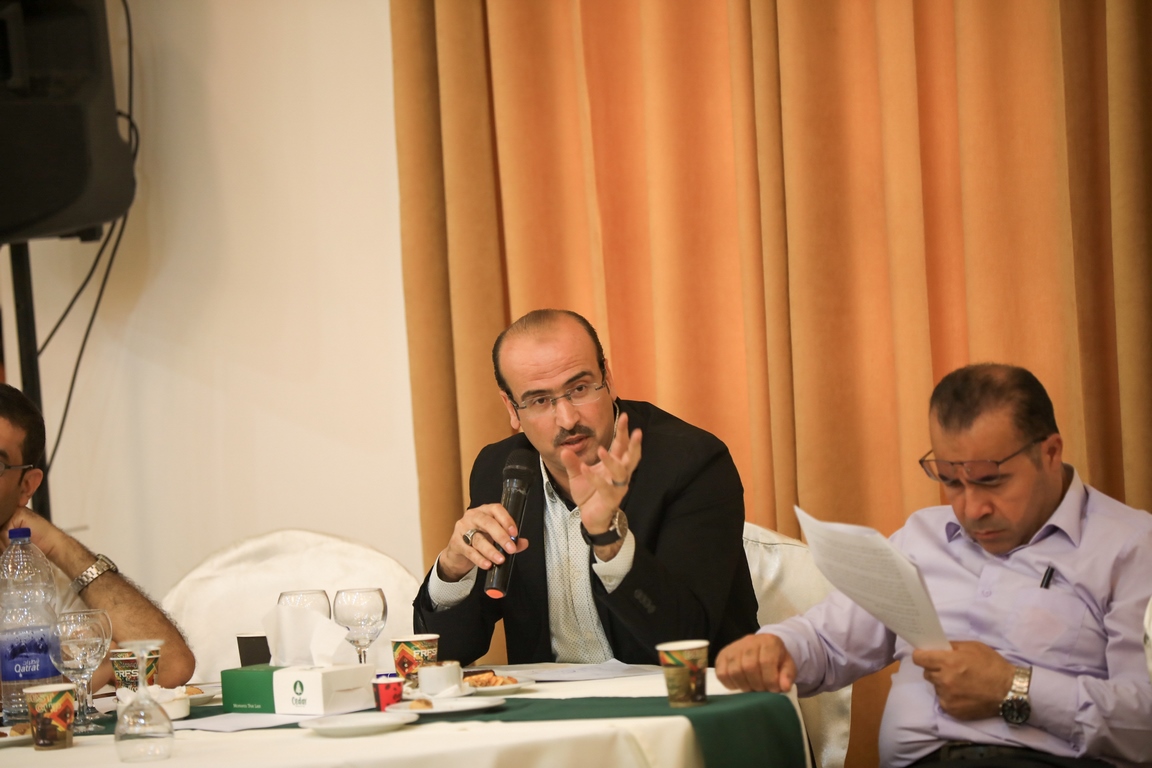
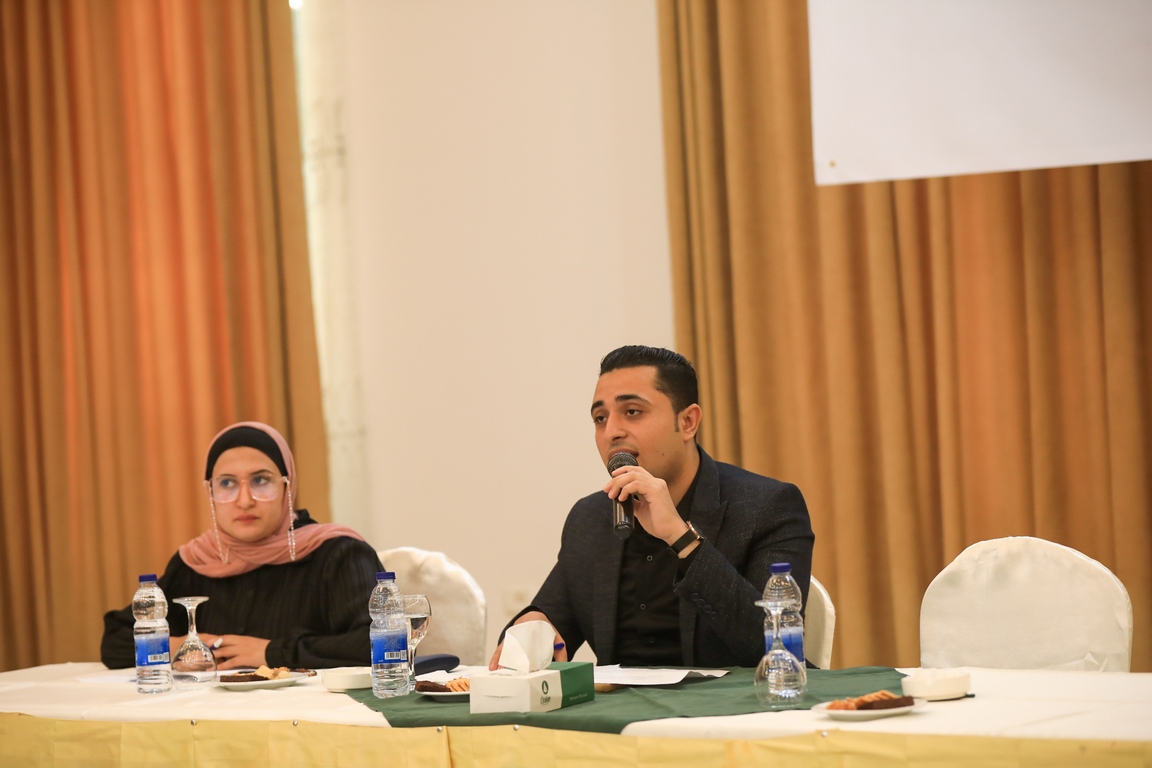
For his part, Omar Shaban, director of Pal-Think, welcomed the attendees, affirming the constant importance of supporting youth and that civil-society institutions must strive to strengthen the role of youth in every field. Shaban added: “the youth have come today to discuss their issues from a youth perspective and to be the first speaker, not merely the recipient. It is on all of us to empower young people so they hold the largest role in solving these issues and crises — not merely be part of them.”
The meeting comprised two sessions presenting five papers. The first included a paper titled “Poverty among women in the Gaza Strip between the economic reality and the absence of gender justice”, and a paper titled “The development of civil-society organisations' work and the reflections of the division”.
The young researcher al-Qassem Afana discussed the first paper, addressing the political, cultural, and social dimensions of poverty among women, the indicators and statistics that show the level of women's poverty, the unemployment rate among women and its effect on Palestinian families, the causes that have driven poverty rates higher, the relation between the absence of gender justice and the state of poverty among women, and the role of Palestinian law in doing women justice — contributing to reducing poverty among women and providing them with work opportunities.
The second paper was discussed by the young researcher Ashraf Sukkar, who surveyed the role of civil-society organisations in applying integrity and transparency and strengthening relations between citizen and government. He also presented the chief challenges facing civil-society organisations in light of the political division and its negative effects born of political differences — in addition to the role of the occupation, which obstructs the institutions' work and blocks funding and support opportunities for civil society.
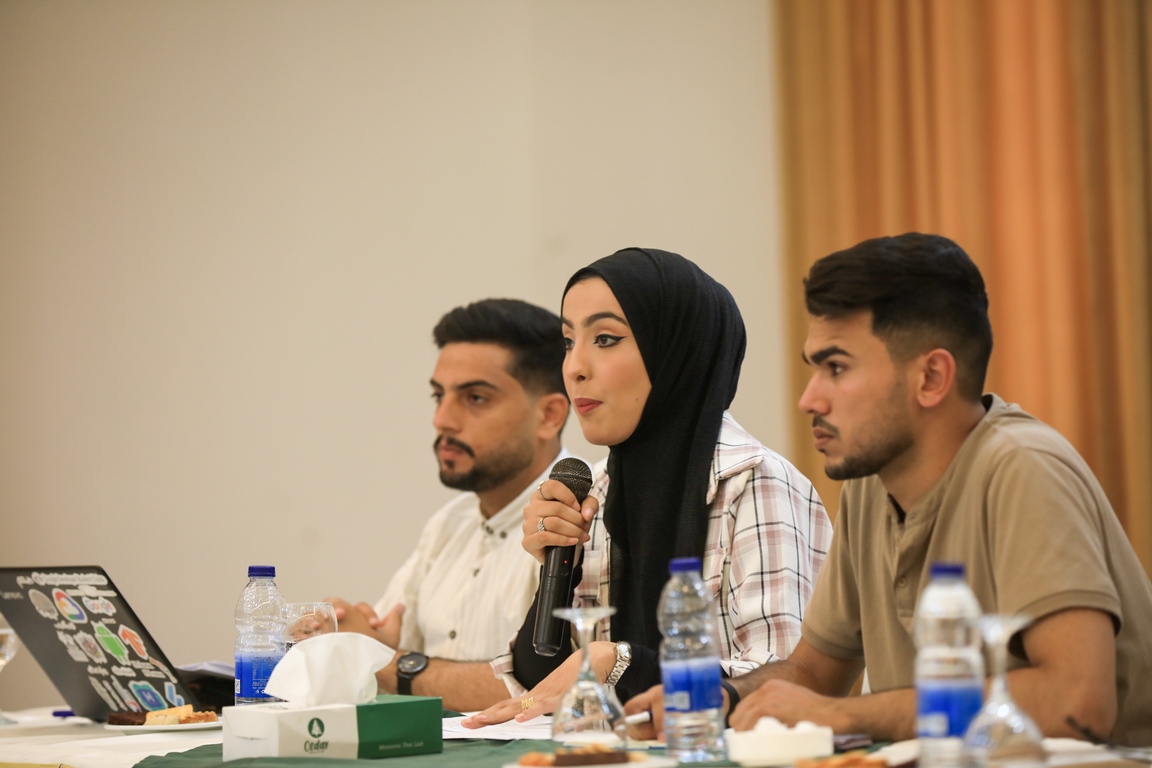
The second session presented three papers. The young researcher Aseel Safi presented her paper, “Freedom of expression between legal guarantees and the reality of application”, speaking of the legal guarantees of freedom of expression, the causes of restricting freedoms, the political prosecutions that follow from restricting free expression, the space available to writers to voice their views on political and social issues, and the role and interventions of civil-society organisations in widening that space.
The paper titled “The Palestinian media in political change” was presented by the young researcher Abdullah al-Baba, who spoke of the media's role in influencing public opinion and changing the political scene, and the effect of the political division on the media's role. He also addressed the messages the media foregrounds in their political context and the extent of media coverage's influence on citizens' orientations in political matters.
The final paper, “The contribution of social-media platforms to the development of political practice among Palestinian youth”, was presented by the young researcher Nour Abed, who spoke of why young people turn to social media to express their political positions, the reality of Palestinian youth's political participation amid the multiplicity of political parties, the campaigns young people lead to voice their positions, and the tools youth use through the media to discuss their stances on the many issues facing Palestinian society.
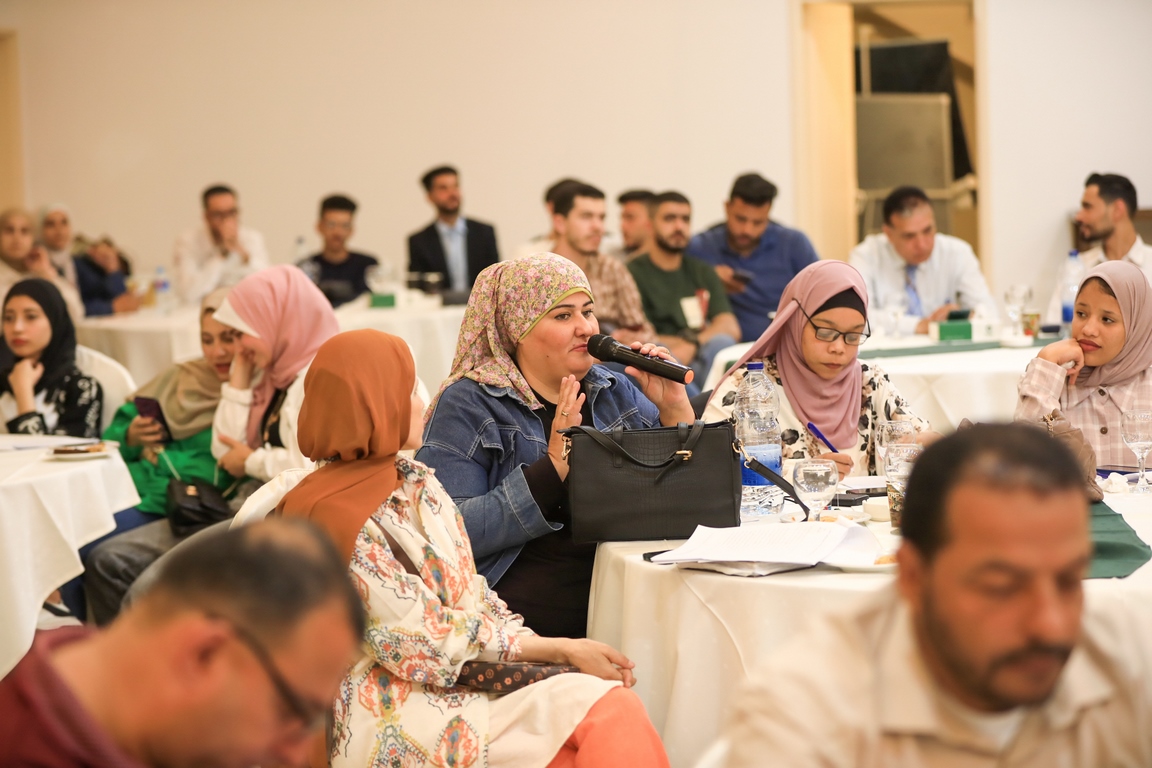
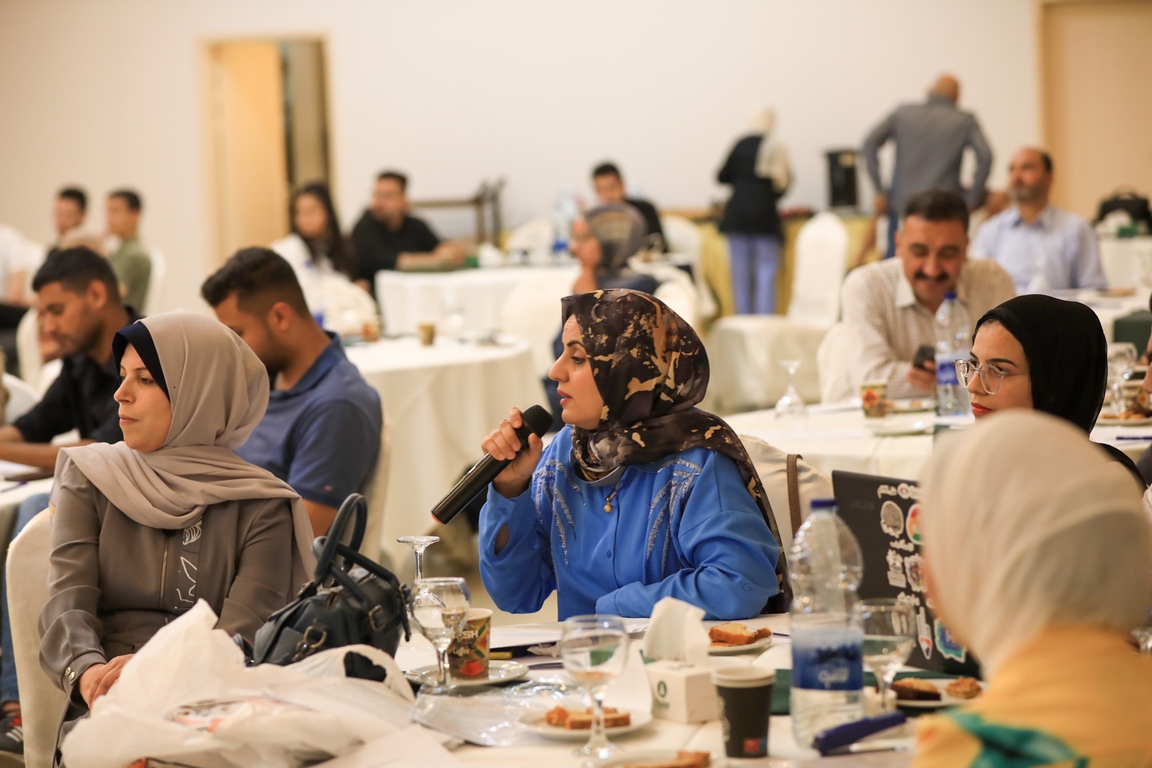
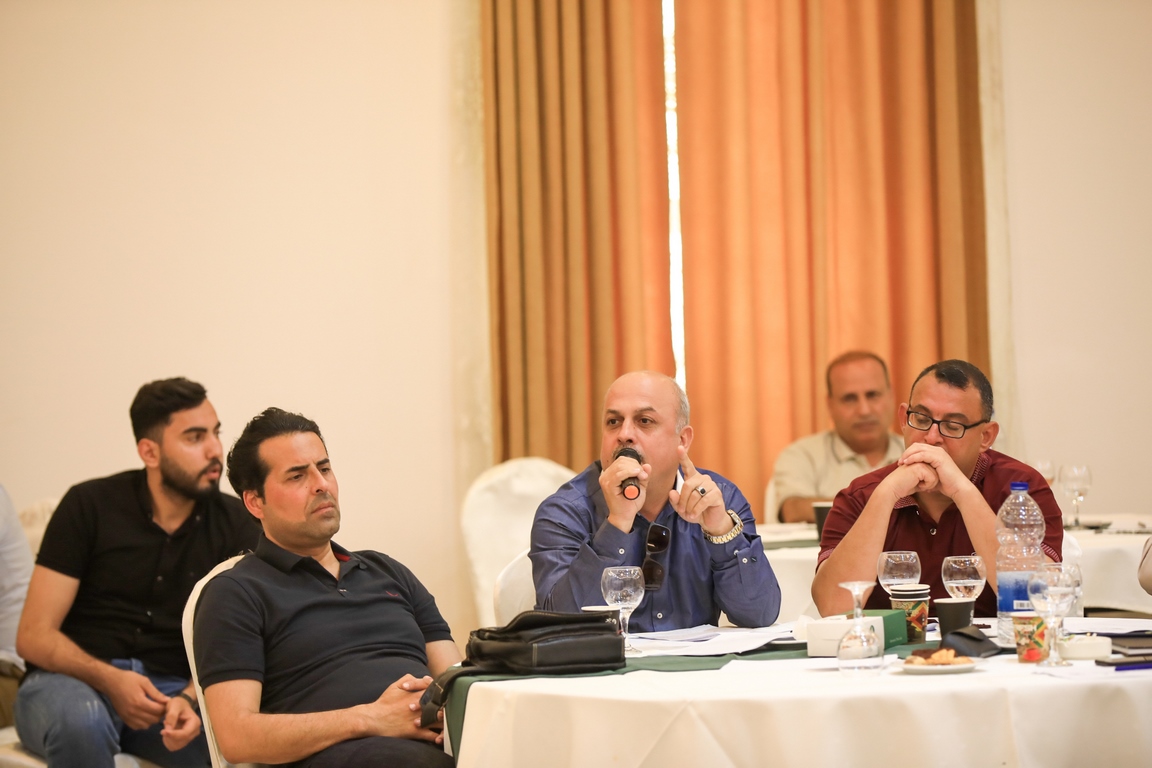
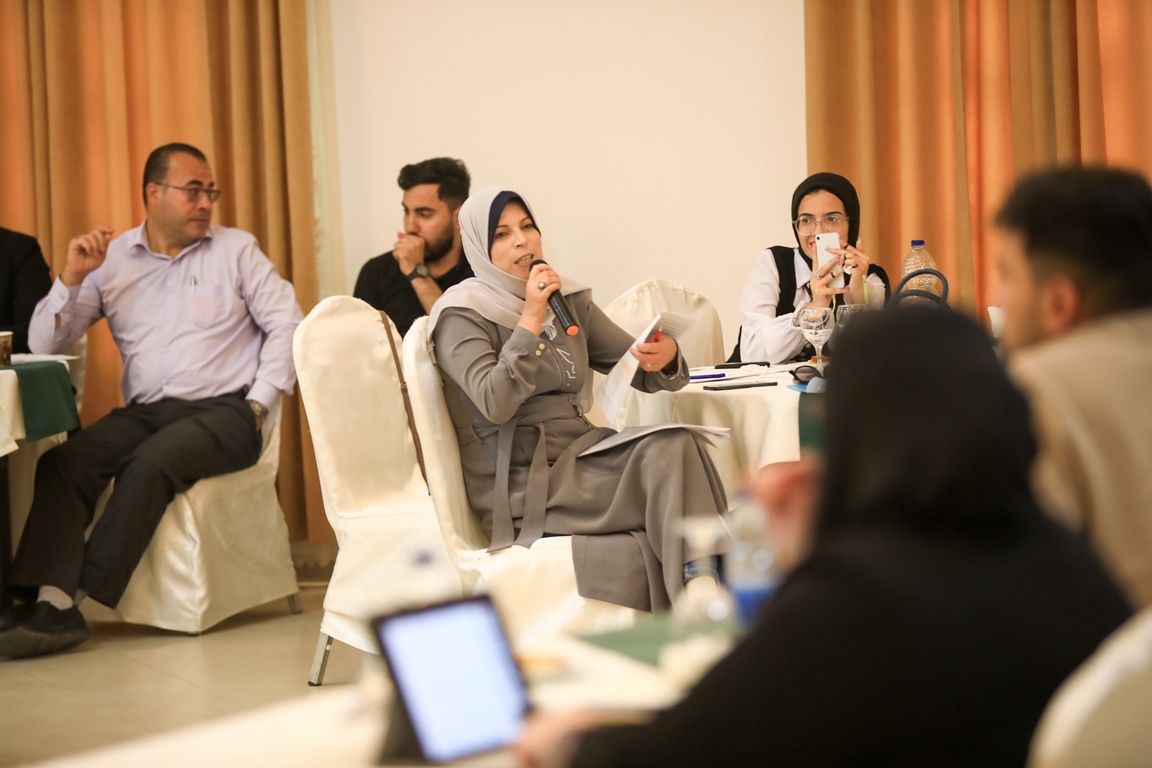
The two sessions were followed by a discussion with the audience on the papers' content and the main observations and recommendations. The attendees praised the efforts of the young men and women of the civic-education body and their ability to present and discuss their papers in a sound scientific way — testimony to the skills the youth have gained, not only in writing but in conveying their perspective on their issues and presenting it to the public.